






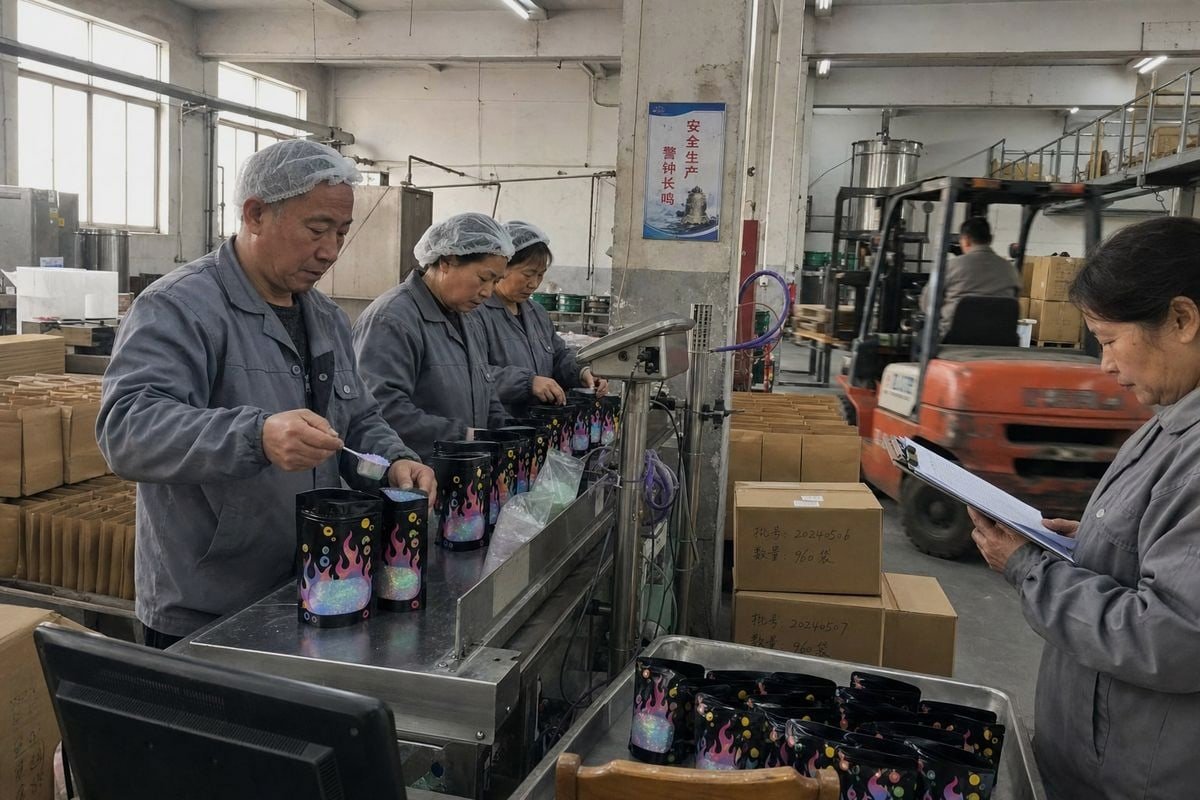
Die Wahl zwischen einem Hersteller und einem Handelsunternehmen für Magic Fire Powder verwirrt viele Käufer.
Für Magic Fire Powder gewinnt ein Hersteller typischerweise bei Stückpreisen, Chargenkonsistenz und OEM/ODM-Tiefe, während ein Handelsunternehmen bei kleinen gemischten Bestellungen und Beschaffungsflexibilität punktet. Käufer mit hohem Volumen, Eigenmarken und Compliance-Fokus sollten direkt beim Werk bestellen; gelegentliche Kleinbesteller bevorzugen möglicherweise einen Händler.
Das ist die kurze Antwort. Aber die Details zählen. Unten zerlege ich jede Frage einzeln, basierend auf dem, was ich täglich in dieser Branche sehe.
Wie kann ich überprüfen, ob ich Magic Fire Powder von einem echten Hersteller beziehe und nicht von einem umetikettierten Handelsunternehmen?
Ein Käufer aus Deutschland erzählte mir einmal, er habe "seine Fabrik besucht" – und zeigte mir dann Fotos von einem gemieteten Showroom. Nach 17 Jahren in Liuyang und Ningbo kann ich den Unterschied schnell erkennen. Das können Sie auch.
Überprüfen Sie einen echten Magic Fire Powder-Hersteller, indem Sie eine Live-Video-Werksbesichtigung anfordern, den Geschäftsumfang auf "Herstellung" prüfen, nach ISO 9001- und BSCI-Prüfberichten unter demselben Firmennamen fragen und bestätigen, dass sie Formulierungsdetails erklären können, die ein Wiederverkäufer nicht kann.
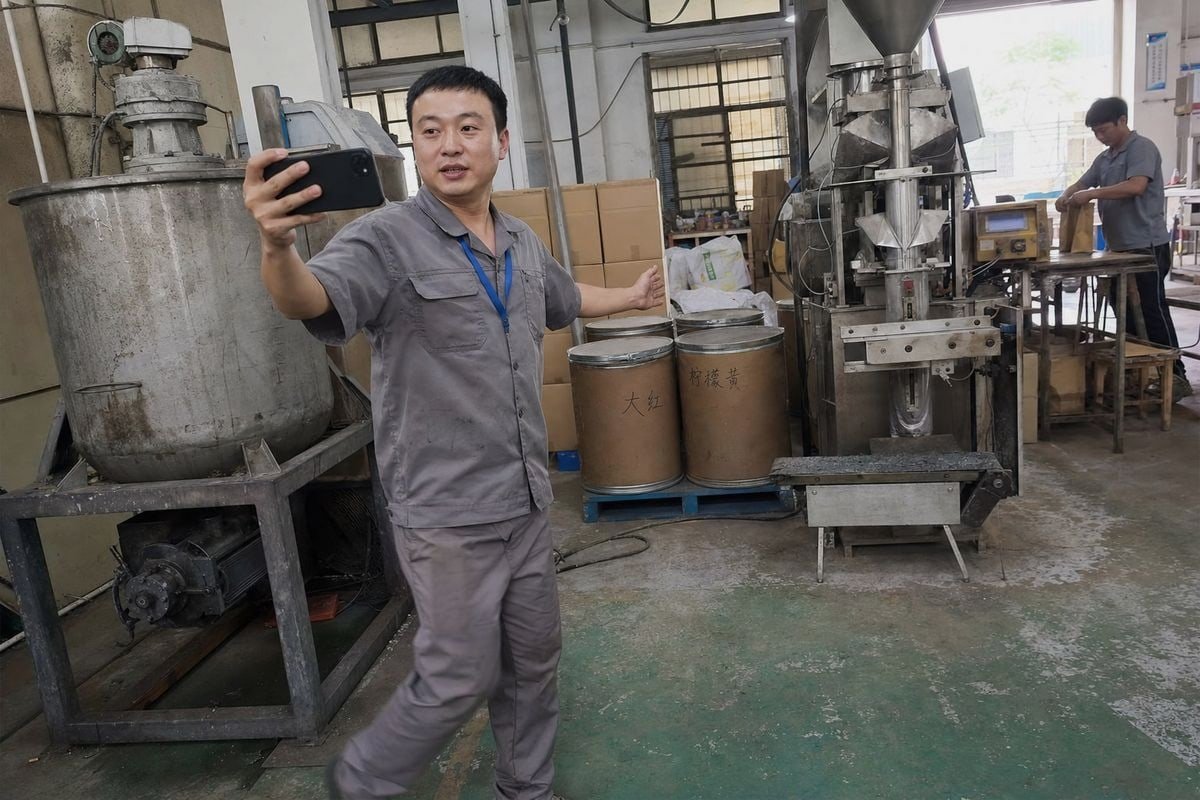
Das ist wichtig, denn der Markt ist voller Hybrid-Verkäufer. Einige Angebote auf großen B2B-Plattformen bezeichnen sich gleichzeitig als "Hersteller/Fabrik" und "Handelsunternehmen". Das ist nicht immer unehrlich. Aber es bedeutet, dass das Etikett allein Ihnen nichts sagt. Sie müssen überprüfen.
Fünf Prüfungen, die einen umetikettierten Händler entlarven
Hier ist die Checkliste, die ich Käufern gebe, die uns besuchen:
- Geschäftsumfang. Eine chinesische Herstellungslizenz listet Produktionsaktivitäten auf. Gewerbeanmeldung 1 Eine Handelslizenz listet nur Import/Export und Großhandel auf. Fordern Sie die Lizenz an und lassen Sie sie übersetzen.
- Live-Video-Durchgang. Bitten Sie sie, in einem ununterbrochenen Videoanruf vom Büro zur Mischlinie, den Abfüllmaschinen und der Versiegelungsstation zu gehen. Ein Händler kann dies nicht auf Abruf fälschen.
- Prüfberichte unter demselben rechtlichen Namen. Unsere ISO 9001 2 und BSCI-Audits nennen unser Unternehmen und unsere Standortadresse. Wenn das Audit eine andere Einheit nennt, sprechen Sie mit einem Zwischenhändler.
- Technische Fragen. Fragen Sie, warum eine Charge leicht unterschiedliche Farben verbrennen könnte oder wie Feuchtigkeit die Haltbarkeit beeinflusst. Eine Fabrik antwortet detailliert. Ein Händler zögert und "fragt den Ingenieur"."
- Muster-zu-Massen-Rückverfolgbarkeit. Fragen Sie, wie sie garantieren, dass die Massenproduktion der Probe entspricht. Eine echte Fabrik beschreibt Batch-QC-Schritte. Ein Händler beschreibt ein Versprechen.
| Signal | Echter Hersteller | Umetikettiertes Handelsunternehmen |
|---|---|---|
| Lizenzumfang | Enthält Produktion | Nur Großhandel/Export |
| Video-Werksbesichtigung | Sofort, ununterbrochen | Verzögert, bearbeitet oder abgelehnt |
| Audit-Zertifikate | Gleicher Name und Adresse | Andere oder fehlende Einheit |
| Formulierungsfragen | Detaillierte Antworten | Vage oder verzögerte Antworten |
| MOQ-Flexibilitätslogik | Gebunden an Linienwechsel | Gebunden an "Lieferantenrichtlinien" |
Keine dieser Prüfungen dauert länger als eine Woche. Zusammen filtern sie fast jeden umetikettierten Verkäufer aus, bevor Sie eine Anzahlung überweisen.
Sparen Sie mir mit der direkten Zusammenarbeit mit einer Fabrik tatsächlich Geld für Magic Fire Powder, oder verlagern Sie nur das Risiko?
Der Kompromiss, den ich mit jedem neuen Käufer abwäge, ist einfach: Unser Fabrikpreis ist niedriger, aber der Käufer übernimmt mehr Beschaffungsverantwortung. Ehrlichkeit darüber schafft längere Partnerschaften als die Behauptung, der Preis sei die ganze Geschichte.
Ja, die direkte Beschaffung ab Werk spart normalerweise 10–30% pro Einheit bei Magic Fire Powder, indem die Händlermarge entfällt, insbesondere bei größeren Mengen. Aber Einsparungen sind nur dann real, wenn die Fabrik verifiziert, zertifiziert und konsistent ist – andernfalls tauschen Sie die Handelsmarge gegen Qualitäts- und Compliance-Risiken.
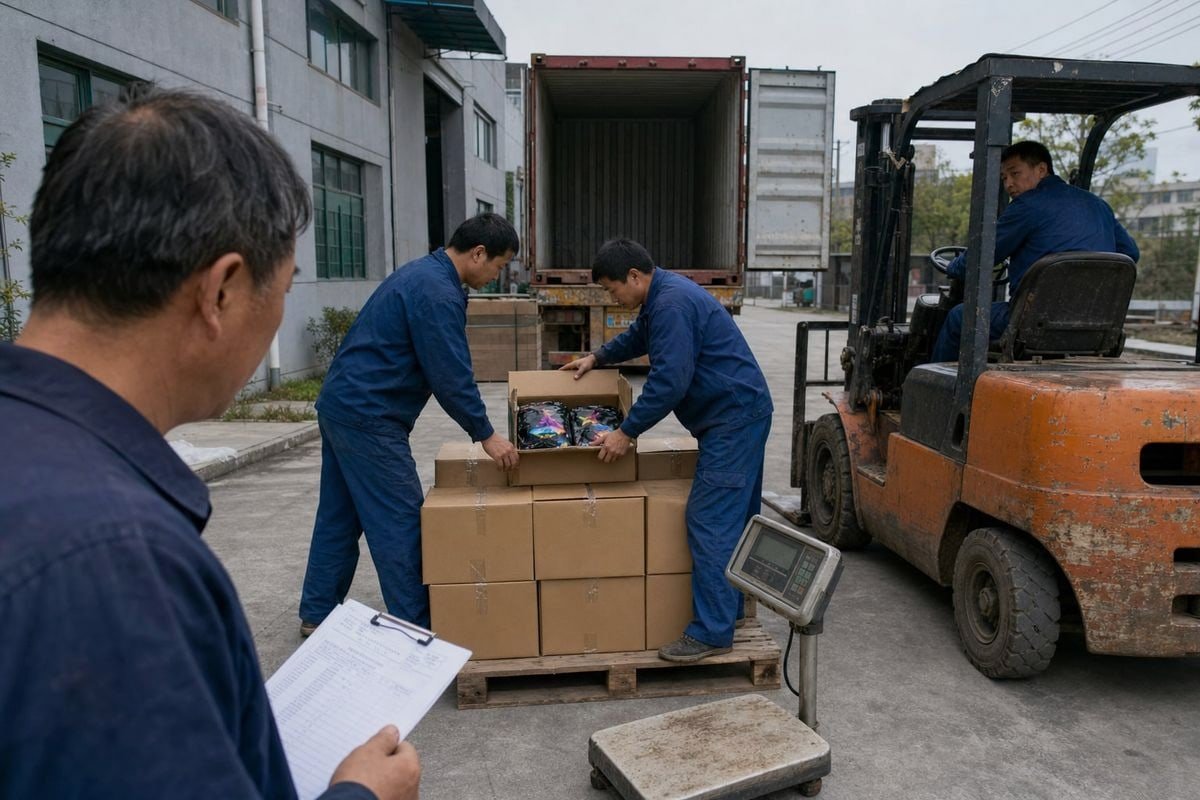
Lassen Sie mich reale Marktzahlen dahinterlegen. Großhandelsangebote für Farbfackelpulver-Päckchen liegen üblicherweise bei 0,15–0,40 € pro Beutel. Ein veröffentlichtes Angebot sinkt von 0,39 € bei kleinen Mengen auf 0,14 € bei über 500.000 Beuteln. Unterdessen werden Einzelhandels-Multipacks vergleichbarer Flammenfarbstoffprodukte bei Amazon für etwa 6,94–29,99 € verkauft. Der Margenspielraum zwischen Fabrikkosten und Regalpreis ist groß. Die Frage ist, wer ihn erfasst.
Woher die Einsparungen tatsächlich kommen
Ein Handelsunternehmen fügt eine Provisionsschicht hinzu, typischerweise 10–30 %. Auf Fabrikebene ergeben sich Preisnachlässe aus realen Produktionsökonomien: längere Läufe, weniger Linienwechsel und Großeinkauf von Rohstoffen. Das ist warum Volumenstufen existieren. Niedrigere beworbene Preise liegen fast immer hinter größeren MOQs.
| Bestellprofil | Besserer Kanal | Warum |
|---|---|---|
| Testbestellung, gemischte SKUs | Handelsunternehmen | Konsolidiert mehrere Fabriken in einer Lieferung |
| Nachbestellungen, eine SKU, Eigenmarke | Hersteller | Keine Zwischenmarge; direkte Spezifikationskontrolle |
| Saisonales Programm für hohe Volumina | Hersteller | Beste Stückkosten bei Skalierung |
| Einmaliger kleiner Kauf von Neuheiten | Handelsunternehmen | Weniger Reibung, kleine MOQ |
Das Risiko, das Sie eingehen
Hier ist der ehrliche Teil. Der direkte Weg verlagert drei Risiken auf Sie: Lieferantenverifizierung, Qualitätssicherung und Exportkoordination. Lieferkettenmanagement 3 Ein guter Händler absorbiert diese für seine Gebühr. Eine gute Fabrik beseitigt sie auf andere Weise – durch geprüfte Systeme. In unserem Fall verlassen sich Käufer auf unsere Prozesskontrolle nach ISO 9001, die BSCI-Sozialprüfung und SGS/Intertek 4 Prüfberichte anstelle der Aufsicht eines Händlers. Die eigentliche Frage ist also nicht "Fabrik oder Händler". Es ist "verfügt diese spezielle Fabrik über Systeme, die das ersetzen, was der Händler getan hätte?" Wenn ja, sind die Einsparungen sauber. Wenn nein, werden die Einsparungen gegen zukünftige Probleme verbürgt.
Noch ein Vorbehalt: Rohstoffkosten 5 schwanken. Eine Fabrik spürt diese Volatilität direkt, während ein Händler zwischen Lieferanten einkaufen kann. Ein stabiler Hersteller bewältigt dies durch vorausschauenden Materialeinkauf und ehrliche vierteljährliche Preisgestaltung – fragen Sie wie Ihr Lieferant damit umgeht.
Welche Option gibt mir stabilere Lieferzeiten und gleichbleibende Chargenqualität für wiederholte Bestellungen?
Ein britischer Kaminvertreiber wechselte nach zwei Saisons mit Farbabweichungen zu uns – sein vorheriger Händler hatte zwischen den Nachbestellungen heimlich die Lieferfabriken gewechselt, und seine grünen Flammen wurden blass. Seine Kunden bemerkten es vor ihm.
Hersteller liefern eine gleichmäßigere Chargenqualität, da sie Rohstoffe, Formulierung und Qualitätskontrolle an einem Ort kontrollieren. Handelsunternehmen können eine flexiblere Verfügbarkeit anbieten, indem sie Fabriken wechseln, aber derselbe Wechsel ist die Hauptursache für Inkonsistenzen von Charge zu Charge bei wiederholten Bestellungen.

Der Schlüssel ist, zwei Dinge zu trennen, die Käufer oft vermischen: Produktkonsistenz und Lieferverfügbarkeit. Sie sind nicht dasselbe, und die beiden Kanäle punkten bei unterschiedlichen Aspekten.
Produktkonsistenz: der Vorteil der Fabrik
Flammenpulver mit Farbzusatz ist unnachgiebig. Flammenfarbe, Zündverhalten, Brenndauer und Feuchtigkeitsbeständigkeit hängen alle von der Rohstoffqualität, der Granulatgröße und der Mischkontrolle ab. Wenn die Produktion auf einer geprüften Linie bleibt, folgt jede Charge demselben Lastenheft. Auf unseren Linien bedeutet Chargenkontrolle, dass die erste von Ihnen genehmigte Probe der Standard ist Qualitätskontrolle 6 jeder zukünftige Karton wird dagegen geprüft. Ein Händler, der aus der jeweils verfügbaren Fabrik bezieht, kann dies nicht versprechen. Selbst geringfügige Formulierungsunterschiede zwischen den Werken zeigen sich als sichtbare Farbunterschiede in der Feuerstelle eines Kunden.
Lieferverfügbarkeit: die Trumpfkarte des Händlers
Fairerweise muss man sagen, dass ein Handelsunternehmen hier einen echten Vorteil hat. Wenn eine einzelne Fabrik ein Produktionsproblem hat oder ausgebucht ist, kann der Händler zu einer anderen Anlage wechseln. Für einen kleinen Käufer, der nur Lagerbestand benötigt, ist diese Flexibilität nützlich. Aber für eine Marke, deren Name auf dem Beutel steht, ist ein unangekündigter Fabrikwechsel ein Qualitätsereignis, keine Bequemlichkeit.
Lieferzeiten in der Hochsaison
Saisonale Nachfrage ist in dieser Kategorie real. Die Campingsaison und das Weihnachtsgeschäft komprimieren die Zeitpläne aller. Eine Fabrik bewältigt dies durch Kapazitätsplanung und prognosebasierte Slot-Buchung mit Stammkunden – wir halten Produktionsfenster für Käufer, die frühzeitig prognostizieren. Ein Händler bewältigt dies, indem er die Verfügbarkeit prüft, was funktioniert, bis alle Fabriken gleichzeitig voll sind. Mein praktischer Rat: Welchen Kanal Sie auch wählen, buchen Sie Ihre Hauptsaisonbestellungen ein Quartal im Voraus.
| Stabilitätsfaktor | Hersteller | Handelsunternehmen |
|---|---|---|
| Chargenübergreifende Farbkonstanz | Stark – einzelne kontrollierte Linie | Variabel – kann Fabriken wechseln |
| Muster entspricht Bulk-Produktion | Hoch, mit Inhouse-QC | Hängt von der Bezugsfabrik ab |
| Verfügbarkeit während der Werksstillstandszeit | Beschränkt auf eigene Kapazität | Kann auf Alternativen ausweichen |
| Kontrolle der Lieferzeiten in der Hauptsaison | Prognosebasierte Slot-Buchung | Abhängig von Partnerfabriken |
| Verantwortlichkeit bei Qualitätsmängeln | Direkt und nachverfolgbar | Diffus über Lieferanten verteilt |
Wie viel OEM/ODM- und Compliance-Unterstützung kann ich von einem Hersteller im Vergleich zu einem Handelsunternehmen erwarten?
Als wir unsere Kraftpapierbeutel- und Glasverpackungsformate für Magic Fire-Päckchen entwickelten, kamen die Anfragen direkt von europäischen Käufern, die verkaufsfertige Einzelhandelseinheiten benötigten. Diese Art von Hin- und Her funktioniert nur, wenn die Person, der Sie eine E-Mail senden, die Produktionslinie kontrolliert.
Hersteller bieten weitaus tiefere OEM/ODM-Unterstützung – benutzerdefinierte Brenndauer, Packungsgrößen, Private-Label-Beutel, Display-Boxen, Warnetiketten und Barcodes – zuzüglich erster Hand-Compliance-Dokumentation wie CE- und SGS-Berichte. Handelsunternehmen leiten hauptsächlich Anfragen weiter und glänzen in der kommerziellen Koordination, nicht in der technischen Anpassung.
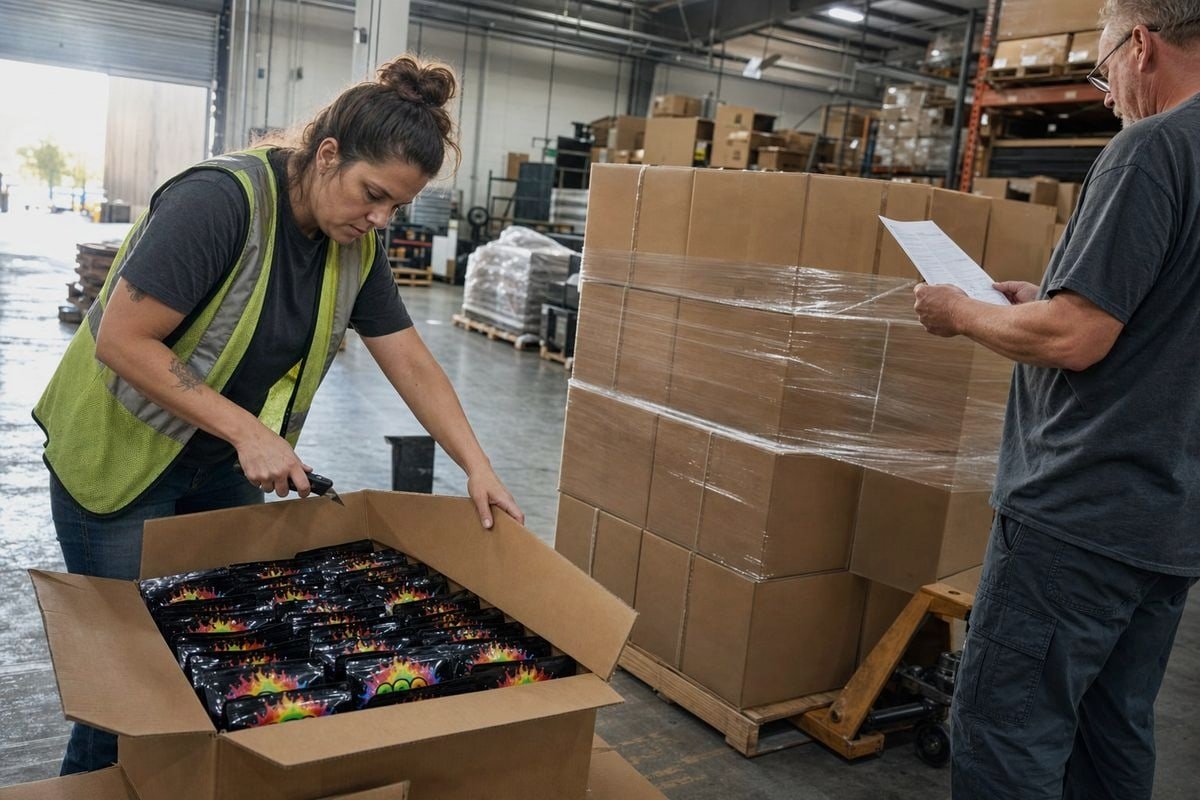
Der Support teilt sich in zwei Ebenen auf, und Käufer sollten jeden Kanal anhand beider beurteilen.
Technischer Support: Formulierung und Anpassung
Echt OEM/ODM 7 bedeutet, das Produkt zu ändern, nicht nur das Etikett. Auf unserer Seite umfasst dies die Anpassung des Gramm-Gewichts pro Sachet, die Abstimmung der Brenndauer, die Wahl zwischen Kunststoffbeutel, Kraft-Standbodenbeutel oder Kunststoffglasformaten und den Bau von kundenspezifischen Displayboxen für Einzelhandelsregale. Es umfasst auch die unglamourösen Details, die ein Produkt in den USA oder der EU verkaufsfertig machen: marktkonforme Warnhinweise, Barcodes und Sprachvarianten. Ein Handelsunternehmen kann diese Anfragen weiterleiten, aber jede Überarbeitungsschleife geht durch eine zusätzliche Partei. In der Praxis verlängert dies jede Iteration um Tage und verwischt die Verantwortlichkeit, wenn etwas falsch gedruckt wird.
Compliance-Unterstützung: Wer ist für die Papiere zuständig?
Für unsere Käufer in den USA, Deutschland, Großbritannien und Frankreich ist die Einhaltung von Vorschriften eine zwingende Voraussetzung, kein nettes Extra. Distributoren und große Einzelhandelskanäle verlangen Prüfberichte, bevor sie nach Preisen fragen. Ein Hersteller besitzt diese Dokumente aus erster Hand – in unserem Fall ISO 9001, BSCI, CE und SGS/Intertek-Berichte, die mit unserer eigenen Produktion verbunden sind. Ein Händler leitet Dokumente von seiner Bezugsfabrik weiter, und wenn er die Fabriken wechselt, stimmt Ihre Compliance-Datei möglicherweise stillschweigend nicht mehr mit Ihren tatsächlichen Waren überein. Ein weiterer wichtiger Punkt: Flammhemmende Farbstoffe sind aufgetaucht Zollklassifizierung 8 Entscheidungen, daher ist die Importklassifizierung ein reales Thema. Wer auch immer Sie beliefert, sollte Ihnen helfen, die Papiere richtig zu bekommen, und Sie nicht an der Grenze im Ungewissen lassen.
Kommerzielle Unterstützung: Wo Händler wirklich glänzen
Anerkennung, wo sie hingehört. Handelsunternehmen sind oft schneller bei der Angebotserstellung, der Koordination von Mustern, der Beladung von Mischcontainern und der Betreuung von Erstimporteuren bei der Exportlogistik. Wenn Ihr Fabrikpartner keine reaktionsschnelle englische Kommunikation und Logistikkoordination anbieten kann, füllt ein guter Händler diese Lücke. Die stärksten Fabriken schließen sie selbst – das ist genau das, was Käufer verlangen sollten.
Schlussfolgerung
Die Wahl zwischen Hersteller und Handelsunternehmen für Magic Fire Powder hängt von Ihren Prioritäten ab. Wenn Sie die niedrigsten stabilen Stückkosten, konsistente Chargen, echtes OEM/ODM und vertrauenswürdige Compliance-Dokumente benötigen, gewinnt eine geprüfte Fabrik. Wenn Sie kleine gemischte Testaufträge mit minimalem Aufwand benötigen, bedient Sie ein Händler anfangs gut. Die meisten seriösen Marken beginnen vorsichtig, prüfen gründlich und entscheiden sich letztendlich für die direkte Beschaffung ab Werk – denn im großen Maßstab schlägt Kontrolle Bequemlichkeit.
Fußnoten
Hintergrundkonzept zur Erläuterung der für Hersteller beschriebenen Lizenzüberprüfungsmethode. ↩︎
Maßgebliche Standardreferenz für die im Artikel wiederholt zitierte Qualitätsmanagementzertifizierung. ↩︎
Hintergrundkonzept für Beschaffungsverantwortung und -koordination zwischen den Kanälen. ↩︎
Offizielle Quelle für das im Artikel erwähnte unabhängige Inspektions- und Testunternehmen für die Compliance. ↩︎
Die Rohstoffpreisvolatilitätsdiskussion wird durch die Weltbank-Rohstoffdatenquelle gestützt. ↩︎
Erklärt die Chargen-Q



 English
  Spanish
  German
  French
  Arabic
  Portuguese
Diskutieren Sie mit