






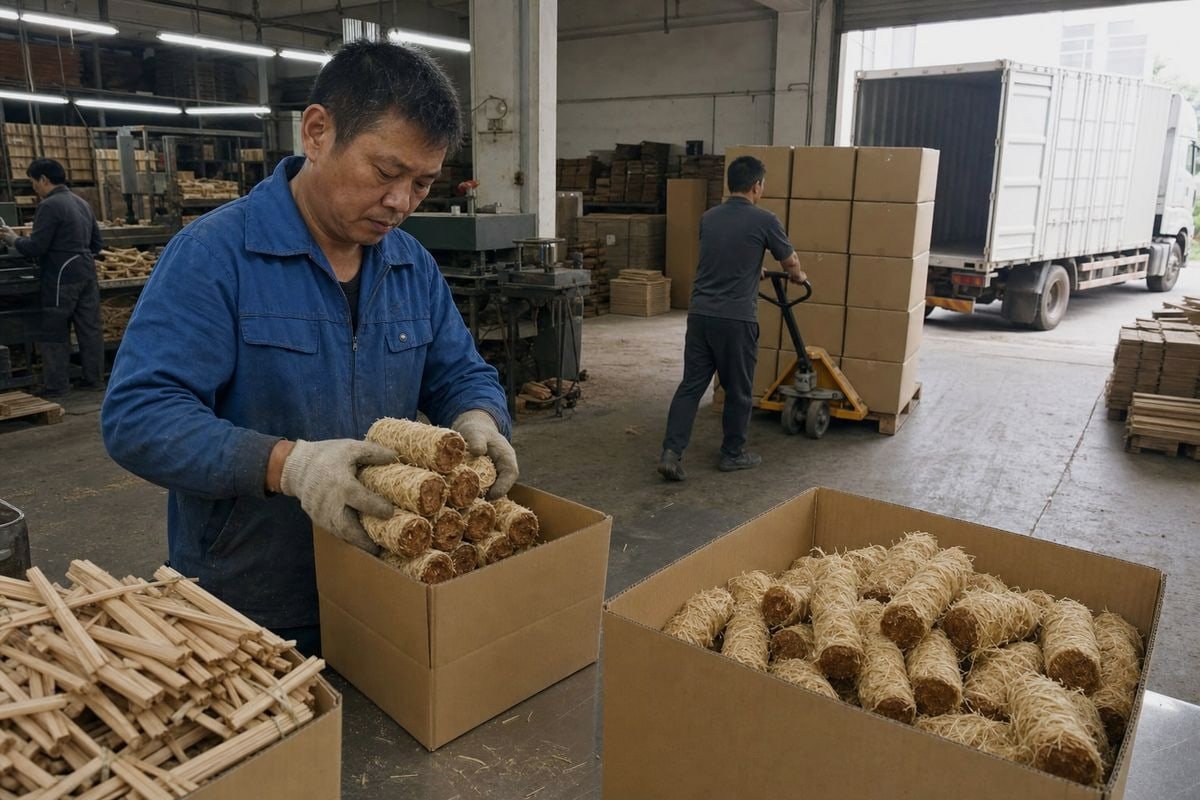
Die Kosten für Holzfeueranzünder erscheinen einfach, bis die Angebote eintreffen. An unserer Produktionslinie habe ich kanadische Käufer beobachtet, die einem Stückpreis von fünf Cent nachjagten, nur um festzustellen, dass Fracht, Zölle und Konformität ihn leise verdoppelten.
China bietet typischerweise die niedrigsten Holzanzünderkosten ab Werk, oft 0,05–0,20 US-Dollar pro Stück in großen Mengen, im Gegensatz zu höheren nordamerikanischen und europäischen Preisen. Kanadische Käufer müssen jedoch die gesamten angefallenen Kosten vergleichen – Fracht, Zölle, GST/HST, Maklergebühren und Konformität – nicht nur den Fabrikpreis allein.
Lassen Sie mich Sie durch die realen Zahlen führen. Ich werde aufschlüsseln, was die Landekosten, tatsächlichen Einsparungen, Kompromisse bei der Lieferzeit und Qualitätsrisiken bestimmt – damit Sie mit klaren Augen entscheiden können.
Welche Faktoren treiben meine Landungskosten beim Bezug von Holzanzündern aus China im Vergleich zu Nordamerika oder Europa für Kanada wirklich an?
Ein Käufer aus Toronto fragte mich einmal, warum zwei identisch aussehende, in Wachs getauchte Holzrollen zu sehr unterschiedlichen Kosten ankamen. Die Antwort hatte fast nichts mit dem Produkt selbst zu tun.
Die Landed Cost für kanadische Importeure wird bestimmt durch den Werkspreis, See- oder Luftfracht, Zollgebühren unter dem geltenden HS-Code, GST/HST, Maklergebühren, Binnentransport, Konformitätstests und Währungsumrechnung. Ursprungswaren aus CUSMA/USMCA werden zollfrei versandt; chinesische Waren unterliegen den MFN-Zöllen zuzüglich längerer Frachtwege.
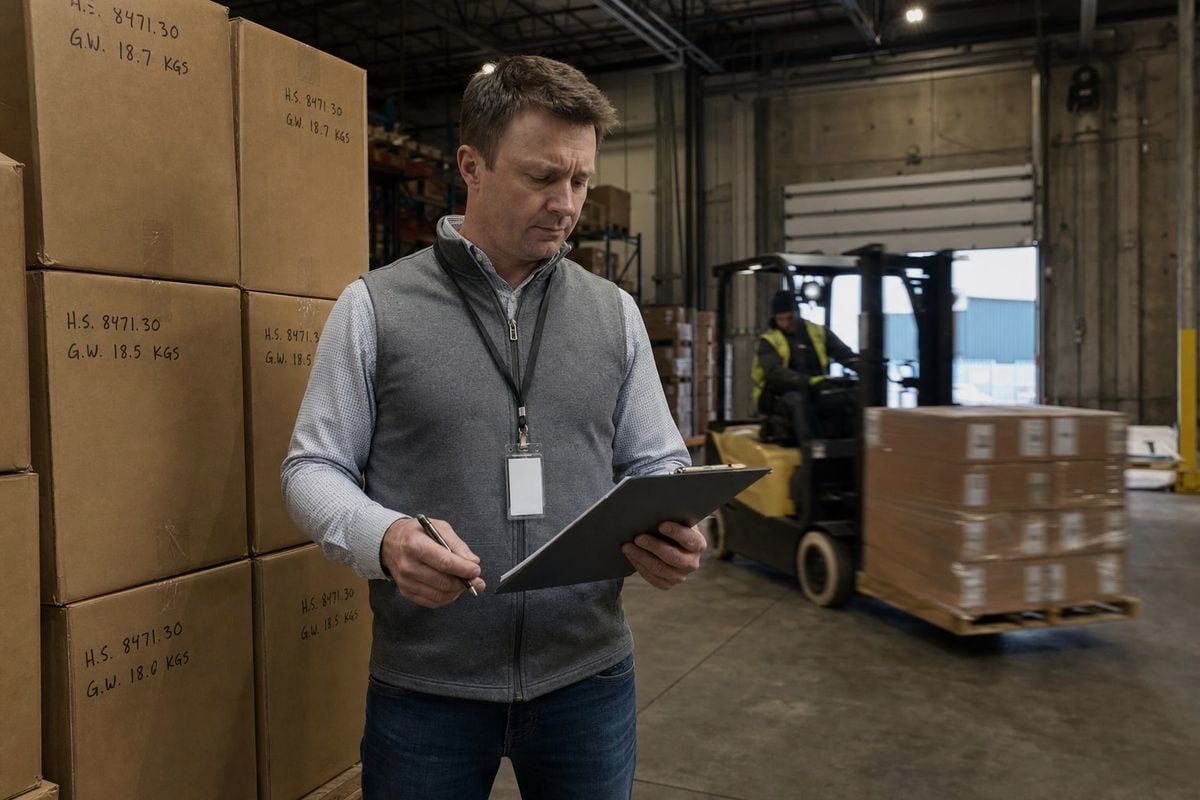
In meinen siebzehn Jahren, in denen ich Feueranzündartikel nach Kanada und in dreißig andere Märkte versandt habe, habe ich gelernt, dass das Angebot nur die Eröffnungszeile der Kostenstory ist. Der wahre Vergleich findet auf einer Tabellenkalkulation statt, Zeile für Zeile.
Die wichtigsten Kostenschichten
Hier unterscheidet sich die Kostenstruktur je nach Herkunft für eine typische Containerbestellung von in Wachs getauchten Holzwoll-Feueranzündern:
| Kostenschicht | China-Herkunft | US/Mexiko-Herkunft | Europa-Herkunft |
|---|---|---|---|
| Stückpreis ab Werk | Niedrigste (US$0.05–0.20 Großhandel) | 30–50% höher | Oft 2–4x höher |
| Einfuhrzoll | MFN-Tarife gelten | Zollfrei unter CUSMA | MFN-Tarife gelten |
| Fracht | Seefracht nach Vancouver/Prince Rupert; wettbewerbsfähig für FCL | Überlandtransport; schnell, aber nicht immer billiger | Seefracht zu Ostküstenhäfen |
| MwSt. | Bei Einfuhr zu zahlen | Zu zahlen | Zu zahlen |
| Maklergebühren & Zollabfertigung | Erforderlich | Einfachere Unterlagen | Erforderlich |
| Konformitätsprüfung | Käufer muss überprüfen | Oft vorab überprüft | Oft vorab zertifiziert |
Ein paar Details sind wichtiger, als die meisten Käufer erwarten. Erstens, HS-Code-Klassifizierung 1. Holzwolle und agglomerierte Holzprodukte fallen unter verschiedene Zolltariflinien, und eine falsche Klassifizierung ist eine Hauptursache für überraschende Zollbescheide an der kanadischen Grenze. Wir liefern immer genaue HS-Codes und Prüfdokumentationen mit unseren Sendungen, da eine Neuklassifizierung Monatsmargen auslöschen kann.
Zweitens, Frachtökonomie begünstigt volle Container. Die Seefracht von chinesischen Häfen nach Vancouver ist für FCL-Bestellungen 2. wirklich wettbewerbsfähig. Bei kleinen LCL-Sendungen steigt die Frachtbelastung pro Einheit schnell an, und hier kann eine nordamerikanische Quelle leise gewinnen.
Drittens sind die Compliance-Kosten eine echte Kostenposition, keine Fußnote. Brandsicherheitsüberprüfung, VOC-Tests 3, und zweisprachige englisch-französische Kennzeichnung für Kanada kosten Geld. Wenn wir Eigenmarkenprogramme üblich, durchführen, bauen wir zweisprachige Warnhinweise und Barcodes von Anfang an in die Verpackungsspezifikation ein, damit der Käufer nicht doppelt bezahlt.
Wie viel kann ich wirklich sparen, wenn ich aus China importiere, sobald Zölle, Fracht und Zollabfertigung nach Kanada berücksichtigt werden?
Zahlen klären Streitigkeiten besser als Meinungen. Wenn wir die Landekosten für unsere kanadischen Distributoren modellieren, beginnen wir mit veröffentlichten Marktbenchmarks und arbeiten uns rückwärts bis zum Regal vor.
Chinesische Großhandelspreise von 0,05–0,20 US-Dollar pro Starter landen oft in Kanada zu etwa 0,12–0,35 US-Dollar nach Fracht, Zöllen, Steuern und Zollabfertigung – immer noch typischerweise 40–70 % unter den kanadischen Großhandelspreisen im Inland. Einsparungen schrumpfen bei Kleinaufträgen, Luftfracht oder Premium-zertifizierten Produktkategorien erheblich.
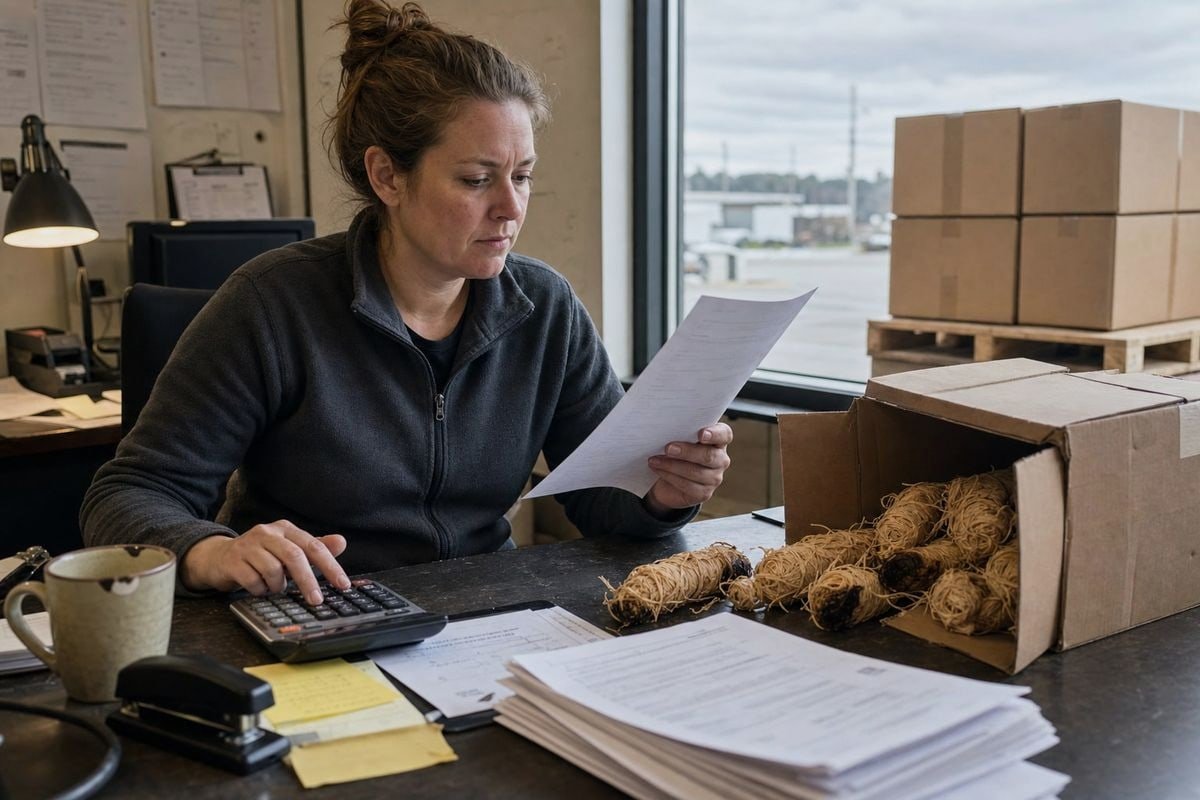
Die Einsparungen sind real, aber sie sind bedingt. Lassen Sie mich Ihnen die Marktsignale zeigen, die ich bei der Beratung von Käufern verwende, und dann erklären, wo die Einsparungen verdampfen.
Was der Markt tatsächlich bepreist
| Beschaffungsherkunft | Indikative Preissignale | Was es für Sie bedeutet |
|---|---|---|
| China Fabrik/Großhandel | US$0.04–0.07; US$0.05–0.06; US$0.18–0.56; US$0.86–1.68 pro Stück nach Typ und MOQ | Niedrigste Ex-Factory-Preise, insbesondere bei hohem Volumen |
| Kanada Einzelhandel | $8.77/7er-Pack; $14.48/20 Würfel; $34.99 Anzündwürfel; $120.34/24er-Pack Scheite | Hohe Regalpreise spiegeln Verpackung, Marge, Vertrieb wider |
| In Kanada hergestellter Einzelhandel | $24.99 für 96 Stück | Ungefähr $0.26/Stück im Einzelhandel – ein nützlicher heimischer Maßstab |
| Europäischer Lieferant | €1.60/4 Stk.; €9.00/48 Stk.; €14.50/75 Stk. | Über chinesischer Großhandel, unter dem kanadischen Einzelhandel |
Rechnen Sie das kanadisch hergestellte Beispiel durch: $24.99 für 96 Stück sind etwa $0.26 pro Stück im Einzelhandel. Ein chinesischer Wachs- und Sägemehlwürfel, der bei sehr hohen Stückzahlen mit 0,05–0,08 US-Dollar angegeben wird, oder Holzwolle mit natürlichem Wachs für 0,10–0,20 US-Dollar, liegt selbst nach Hinzufügung von Fracht und Zoll immer noch deutlich darunter. Diese Lücke ist der Grund, warum Importeure und Eigenmarkenhersteller zu Fabriken wie unserer kommen.
Aber die Einsparungen schrumpfen in drei Fällen. Erstens, kleine Bestellungen. LCL-Fracht und feste Maklergebühren, die auf wenige tausend Einheiten verteilt werden, können zehn Cent oder mehr pro Stück kosten. Zweitens, zertifizierte Premium-Kategorien. Öko-zertifizierte oder FSC-ähnliche Produkte 4 liegen oft über 0,25 US-Dollar pro Stück im Großhandel und verringern die Lücke zu Nearshore-Optionen. Drittens, Tarifvolatilität. Die CBSA hat historisch Antidumping- und Ausgleichszölle auf bestimmte chinesische Holzprodukte erhoben, sodass eine Kostenprognose, die auf heutigen Sätzen basiert, politische Risiken birgt, die Waren aus CUSMA-Quellen nicht haben.
Eine weitere von mir immer empfohlene Perspektive: Kosten pro Zündung. Ein Verbraucher-Benchmark von etwa $0.31 pro Anzünder oder $0.38 pro erfolgreicher Zündung sagt mehr über den Wert aus als der Preis. Ein billiger Anzünder, der nicht zündet, ist der teuerste, den man kaufen kann.
Wird die Wahl eines in China ansässigen Herstellers gegenüber einem lokalen Lieferanten meine Lieferzeiten und Lagerplanung für den kanadischen Markt beeinträchtigen?
Jeden Januar erinnere ich unsere ausländischen Partner an dasselbe: Chinesisches Neujahr 5 kommt, und der Kalender verhandelt nicht. Die Planung darum herum ist die halbe Miete.
Ja. Beschaffung in China dauert in der Regel 8–12 Wochen von Tür zu Tür im Vergleich zu Tagen oder Wochen im Inland. Chinesische Neujahrsunterbrechungen von 4–6 Wochen erfordern einen zusätzlichen Puffer von 2–3 Monaten. Kanadische Käufer müssen früher bestellen, die saisonale Nachfrage prognostizieren und mehr Sicherheitsbestand halten.

Feueranzünder sind ein stark saisonales Produkt. Die Nachfrage in Kanada steigt von Ende September bis zu den Feiertagen, dann wieder für das Frühjahrs-Camping. Wenn Sie Ihr Zeitfenster verpassen, kann kein Stückpreis die Saison retten. Hier ist der Planungsrahmen, den wir mit unseren Distributoren verwenden.
Eine realistische Zeitachse von China nach Kanada
- Muster und Genehmigung: 1–2 Wochen, wenn die Spezifikationen klar sind.
- Produktion: 3–5 Wochen je nach Volumen und Anpassung.
- Seefracht nach Vancouver oder Prince Rupert: 3–5 Wochen einschließlich Hafenabfertigung.
- Zollabfertigung und Binnenlieferung: 1–2 Wochen.
- Gesamt: ca. 8–12 Wochen, ohne Puffer.
Nun berücksichtigen Sie die Kalenderrisiken. Chinesisches Neujahr 6 schließt Fabriken typischerweise für vier bis sechs Wochen, und der Vorweihnachtsansturm treibt sowohl Preise als auch Buchungszeiten in die Höhe. Die Hauptsaison vor den westlichen Feiertagen erhöht die Staus. Ein umsichtiger kanadischer Käufer, der ein Oktober-Regaldatum anstrebt, sollte Bestellungen im Juni und nicht im August bestätigen.
Im Gegensatz dazu kann ein in den USA oder Kanada ansässiger Lieferant oft in ein bis drei Wochen nachliefern. Diese Agilität hat einen Preisaufschlag von 30–50 % auf die Stückkosten, reduziert aber das zu lagernde Inventar und das zu tragende Prognoserisiko. Für viele Käufer ist die kluge Antwort eine Hybridlösung: eine große China-Bestellung für die vorhersehbare saisonale Basis, plus eine Nearshore-Absicherung für überraschende Nachfrage.
Was wir auf unserer Seite tun, ist ebenfalls wichtig. Da wir komplette Produktionslinien betreiben und nicht von anderen Fabriken vermitteln, halten unsere bestätigten Versandtermine. Meiner Erfahrung nach ist die Zuverlässigkeit der Lieferzeiten für einen Einkaufsmanager mehr wert als ein geringfügig niedrigeres Angebot eines Handelsunternehmens, das seinen eigenen Zeitplan nicht kontrollieren kann.
Kann ich darauf vertrauen, dass ein niedrigerer Stückpreis aus China immer noch die kanadischen Sicherheits-, Kennzeichnungs- und Qualitätsstandards erfüllt?
Ein deutscher Händler lehnte einmal eine ganze Konkurrenlieferung wegen inkonsistenter Wachsbeschichtung ab – dann kam er zu uns und fragte, wie wir Chargenschwankungen kontrollieren. Dieses Gespräch prägte, wie ich diese Frage beantworte.
Ein niedriger chinesischer Preis kann kanadische Standards erfüllen, aber nur mit einer zertifizierten Fabrik. Überprüfen Sie ISO 9001- und BSCI-Audits, SGS- oder Intertek-Prüfberichte, sichere ungiftige Zusammensetzung, zweisprachige englisch-französische Kennzeichnung und eine Qualitätskontrolle auf Chargenebene, bevor Sie sich festlegen. Billige Angebote ohne Dokumentation sind eine Haftung.
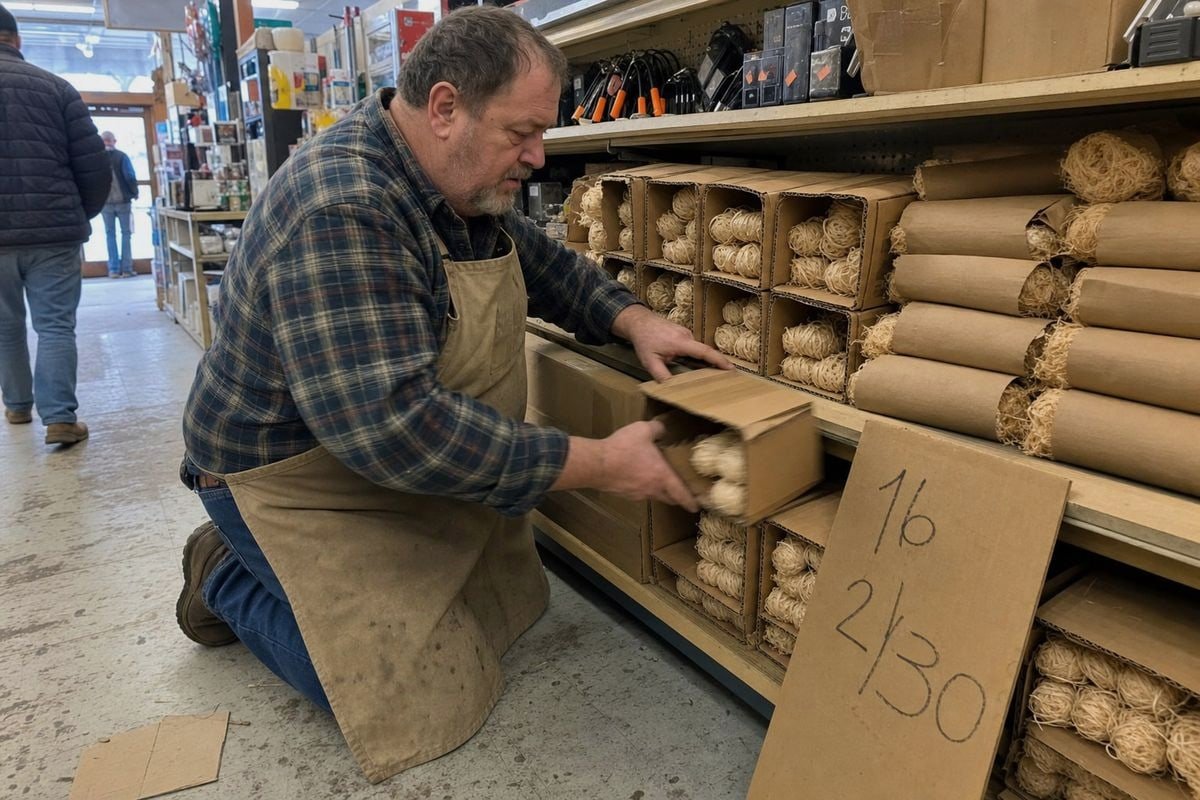
Die unbequeme Wahrheit über extrem niedrige Angebote ist, dass etwas sie normalerweise finanziert. Manchmal ist es echte Skaleneffizienz. Manchmal ist es dünnere Wachsbeschichtung, inkonsistente Holzwolldichte 7, übersprungene Tests oder Verpackungen, die die kanadischen Kennzeichnungsvorschriften ignorieren. Der Stückpreis kann Ihnen nicht sagen, was es ist; die Dokumentation kann es.
Eine Prüfliste für kanadische Käufer
| Prüfpunkt | Warum es für Kanada wichtig ist | Rote Flagge |
|---|---|---|
| ISO 9001 und BSCI-Audits | Bestätigt echte Fabriksysteme und ethische Produktion | Lieferant kann die Prüfstelle nicht nennen |
| SGS/Intertek-Testberichte | Unabhängiger Nachweis von Sicherheit und Zusammensetzung | Berichte sind veraltet oder für ein anderes Produkt |
| Offenlegung der Zusammensetzung | Z.B. 50 % Holzfaser, 50 % Paraffin sollte angegeben und konsistent sein | Vage oder wechselnde Spezifikationsblätter |
| Zweisprachige Kennzeichnung | Kanada verlangt englische und französische Verbraucherinformationen | Lieferant hat noch nie französische Etiketten hergestellt |
| Chargen-QC-Aufzeichnungen | Brennzeit und Zündkonsistenz über Produktionsläufe hinweg | Qualität der Erstbemusterung nicht erreicht in der Massenproduktion |
| Einzelhandelsverpackung | Erforderlich für die Verkaufsbereitschaft im Einzelhandel | Käufer allein mit Design-Compliance-Elementen gelassen |
In unserer Fabrik in Ningbo, mit Hauptsitz im Feuerprodukte-Cluster von Liuyang, ist Compliance eine harte Anforderung, kein Nice-to-have. Unsere Käufer in Kanada, den USA, Deutschland und Großbritannien werden keine Bestellung aufgeben, ohne aktuelle Zertifikate und Prüfberichte, und ich würde sie nicht respektieren, wenn sie es täten. Wir halten ISO 9001, BSCI, CE und SGS/Intertek-Zertifizierungen genau deshalb, weil diese Unterlagen die Eintrittskarte zu seriösen Einzelhandelskanälen sind.
Qualitätskonsistenz ist die zweite Hälfte des Vertrauens. Eine mit Wachs getauchte Holzrolle muss zuverlässig zünden und lange genug brennen, um jedes Mal Anzündholz zu entfachen. Wir kontrollieren die Wachssättigung und die Holzwolldichte Charge für Charge, sodass die Probe, die ein Käufer genehmigt, tatsächlich dem Behälter entspricht, der Monate später eintrifft. Diese Konsistenz, mehr als jedes Zertifikat, verwandelt eine Erstbestellung in eine fünfjährige Beziehung.
Schlussfolgerung
Die Jagd nach dem niedrigsten Angebot kann ein kanadisches Importprogramm leise ruinieren. Vergleichen Sie die Kosten für Holzfeuerstarter nach den angefallenen Kosten und den Kosten pro Zündung und wählen Sie dann einen zertifizierten, konsistenten Fabrikpartner.
Fußnoten
Erläutert, wie sich die Zolltarifklassifizierung auf die kanadischen Einfuhrzölle für Holzprodukte auswirkt. ↩︎
Hintergrundinformationen zum Versand von vollen Containerladungen, relevant für die Frachtkostenkalkulation. ↩︎
EPA-Referenz erklärt die Prüfung flüchtiger organischer Verbindungen, die für die Konformität von Feuerstartern relevant ist. ↩︎
Der Forest Stewardship Council ist die maßgebliche Quelle für Standards für umweltzertifizierte Holzprodukte. ↩︎
Klärt die Weihnachtszeit, die zu Fabrikschließungen führt und die Vorlaufzeiten für kanadische Importe beeinflusst. ↩︎


 English
  Spanish
  German
  French
  Arabic
  Portuguese
Diskutieren Sie mit