






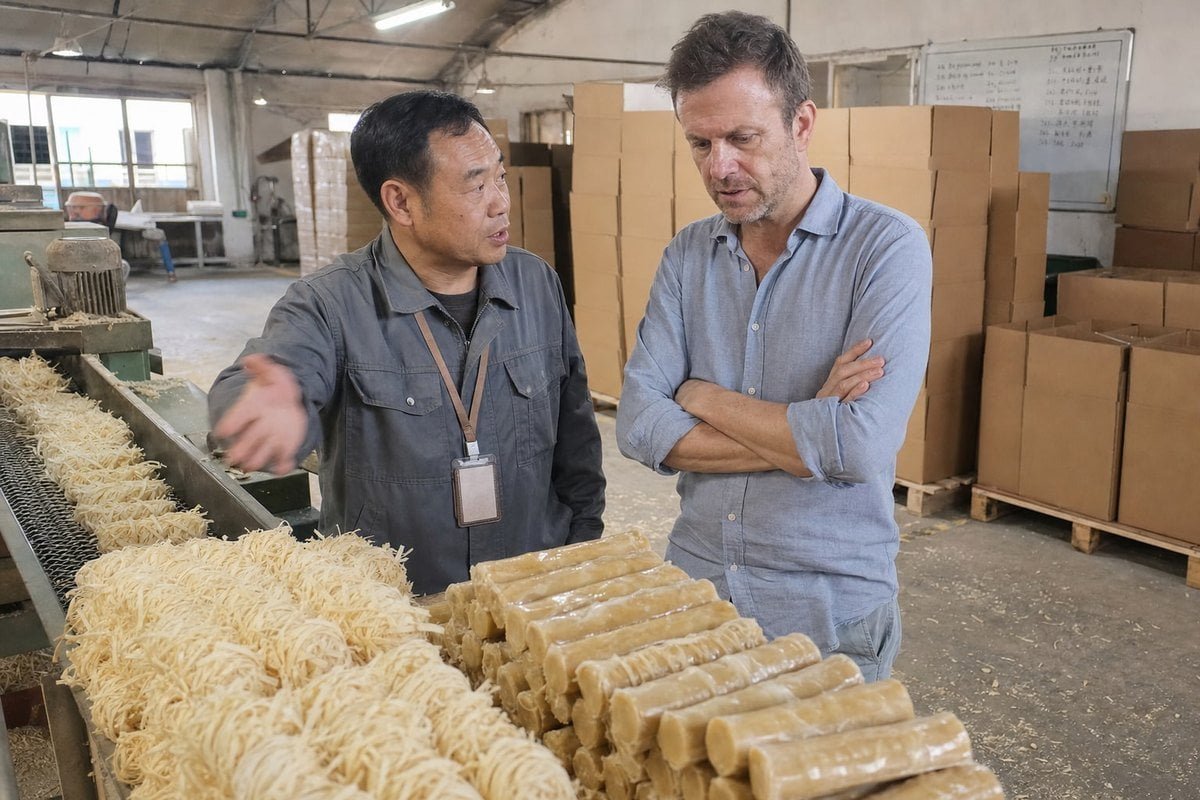
Verhandlung exklusiver regionaler Rechte für Holzanzünder aus China beunruhigt viele Importeure, die ich treffe amfori BSCI 1. Sie befürchten, dass die Fabrik ja sagt und dann trotzdem heimlich an ihre Konkurrenten verkauft. An unserer Produktionslinie in Ningbo habe ich [Exklusivitätsvereinbarungen](https://sunrichfire.com/?p=1155) scheitern und gelingen sehen, und der Unterschied ist nie Glück – er ist Struktur. Die gute Nachricht ist, dass eine gut aufgebaute Vereinbarung die meisten dieser Risiken beseitigt.
Um exklusive regionale Rechte für Holzanzünder aus China zu verhandeln, definieren Sie das genaue Gebiet und die SKUs, verifizieren Sie, dass der Lieferant eine echte Fabrik ist, verpflichten Sie sich zu Mindestbestellmengen, registrieren Sie Ihre Marken in China, unterzeichnen Sie eine NNN-Vereinbarung und knüpfen Sie die Exklusivität an messbare leistungsbasierte Quoten mit klaren Kündigungsauslösern.
Das ist die kurze Antwort. Unten zerlege ich jede Verhandlungsphase. Ich werde Vertragsbedingungen, Lieferantenverifizierung, Schutz vor Nebenverkäufen und realistische Volumenverpflichtungen behandeln.
Welche Klauseln sollte ich in einen exklusiven Vertriebsvertrag mit einem chinesischen Hersteller aufnehmen?
Letztes Frühjahr schickte mir ein niederländischer Käufer einen zweiseitigen Exklusivitätsentwurf für unsere gewachsten Holzrollen. Er nannte kein Gebiet, keine SKUs und keine Mengen. Wir haben ihn in drei Anrufen gemeinsam überarbeitet.
Ein exklusiver Vertriebsvertrag sollte das genaue Gebiet, die genauen Produkt-SKUs, die Vertragslaufzeit, die Mindestabnahmemengen, die Mechanismen zur Preisüberprüfung, die Qualitätsstandards, die Berichtspflichten, die Prüfungsrechte, das geistige Eigentum, das geltende Recht und die Kündigungsauslöser bei Minderleistung definieren – mit chinesischer Durchsetzbarkeit und Unterschriften gemäß den lokalen Formalitäten.

Das Erste, was ich Käufern sage, ist, zu entscheiden, welche Art von Exklusivität sie tatsächlich wollen. Exklusive Fertigung, exklusiver Vertrieb und exklusive Markenrechte sind drei verschiedene Vereinbarungen. Sie schaffen unterschiedliche Verpflichtungen für beide Seiten. Viele Käufer verwenden das Wort "exklusiv" locker, und diese Vagheit ist der Beginn von Streitigkeiten.
Definieren Sie das Gebiet mit Präzision
"Europa" ist kein Gebiet in einem Vertrag. "Deutschland, Österreich und die Schweiz, Einzelhandels- und E-Commerce-Kanäle" ist es. Gebietsbeschränkungen müssen so eng gefasst sein, dass ein Richter oder Schiedsrichter ohne Raten entscheiden kann. Sie können auch die Exklusivität nach Kanälen aufteilen – zum Beispiel die Exklusivität für digitale Kanäle, die Amazon-Marktplätze abdeckt, während das stationäre Geschäft offen bleibt.
Decken Sie das gesamte kommerzielle Paket ab
Hier sind die Bedingungen, die ich basierend auf den Vereinbarungen, die wir mit Distributoren in über 30 Ländern unterzeichnet haben, als nicht verhandelbar betrachte:
| Begriff | Was es spezifizieren sollte | Warum es wichtig ist |
|---|---|---|
| Territorium | Land, Region oder Vertriebskanal | Vage Exklusivität ist nicht durchsetzbar |
| Produktumfang | Genaue SKUs, Größen, Wachsverhältnisse, Verpackung | Verhindert "ähnliche Produkt"-Schlupflöcher |
| Dauer | Feste Laufzeit (1–3 Jahre) mit Verlängerungsauslösern | Schützt beide Seiten vor Bindung |
| Mindestbestellmengen / Quoten | Jährliche Mindestmengen, jährlich überprüft | Hält die Fabrik motiviert |
| Preisgestaltung | Formel gebunden an Rohstoffkosten, Incoterms 2020 2 Basis | Vermeidet überraschende Preiserhöhungen |
| Qualität | AQL-Niveaus, Rechte zur Inspektion durch Dritte | Stoppt Qualitätsverfall |
| Kündigung | Abhilfemaßnahmen bei Unterleistung, Vertragsbruch, Nebenverkäufen | Macht das Recht real, nicht dekorativ |
Legen Sie auch fest, wem neue IP gehört. Wenn wir eine kundenspezifische Brenndauer oder ein Private-Label-Fertigungspaket für Sie entwickeln, muss der Vertrag festlegen, wem diese Verbesserungen gehören. Fügen Sie Anforderungen an die Produkthaftpflichtversicherung und Compliance-Standards – wie z. B. Wärmebehandlungsdokumentation und MSDS-Dateien – direkt in die Vereinbarung ein, nicht als nachträglichen Gedanken.
Wie überprüfe ich, ob ein Lieferant exklusive regionale Rechte tatsächlich unterstützen kann, bevor ich unterschreibe?
Eine US-Campingmarke bat uns einst um polnische Exklusivität – und gab dann zu, dass ihre frühere "Fabrik" sich als Handelsunternehmen herausstellte, das von drei verschiedenen Werkstätten weiterverkaufte. Eine Überprüfung hätte das in einer Woche aufgedeckt.
Überprüfen Sie den Lieferanten, indem Sie dessen Geschäftslizenz und Exportgeschichte prüfen, bestätigen, dass er die Produktionsstätte besitzt, Zertifizierungen wie ISO 9001 und BSCI überprüfen, die Produktionskapazität mit Ihrer Prognose abgleichen, Muster mit Massenproduktionschargen testen und bestätigen, dass keine widersprüchlichen Exklusivitätsverpflichtungen in Ihrer Region bestehen.
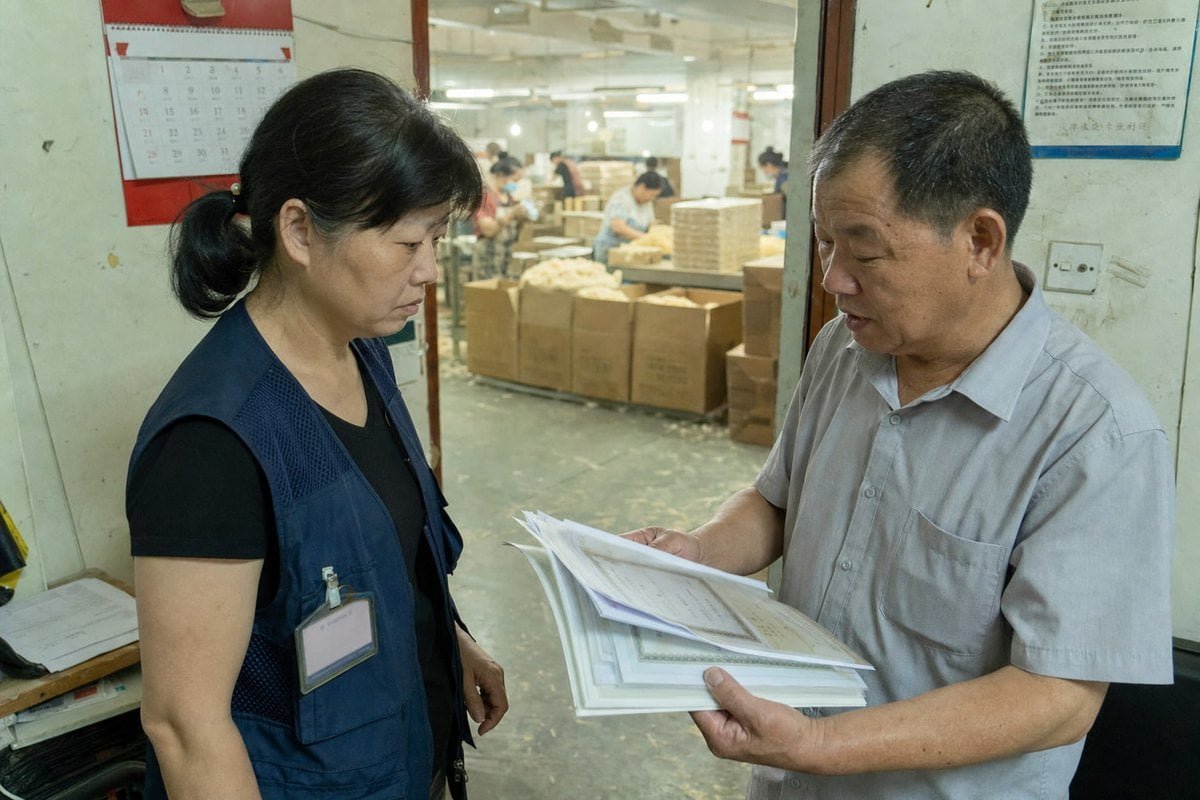
Exklusivität von einem Handelsunternehmen ist fast wertlos. Ein Händler kann nicht kontrollieren, was die tatsächliche Fabrik an andere verkauft, sodass Ihre "exklusiven" Rechte in dem Moment verfallen, in dem ein anderer Käufer die tatsächliche Produktionsquelle kontaktiert. Deshalb muss eine gründliche Due Diligence vor jeder Verhandlung erfolgen, nicht danach.
Bestätigen Sie, dass sie der echte Hersteller sind
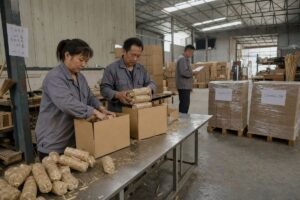
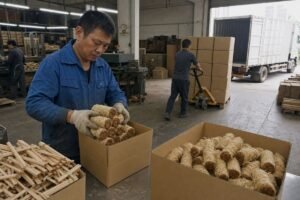
Beginnen Sie mit der Gewerbeanmeldung. Überprüfen Sie den eingetragenen Geschäftsumfang – er sollte die Herstellung umfassen, nicht nur den Handel. Besuchen Sie dann die Fabrik oder beauftragen Sie eine Drittanbieter-Auditfirma 3. Wenn Käufer unsere Ningbo-Anlage besichtigen, sehen sie Holzwickelmaschinen, Wachstauchbecken und Verpackungsstationen. Ein Handelsunternehmen kann Ihnen das nicht zeigen. Beschaffungsagenten in China können bei der Organisation der Verifizierung helfen, wenn Sie nicht reisen können, aber bestehen Sie auf unbearbeiteten Fotos, Video-Walkthroughs und Überprüfungen von Maschinenseriennummern.
Kapazität, Zertifizierungen und Konflikte prüfen
Stellen Sie diese Fragen, bevor Sie über Exklusivität sprechen:
- Was ist Ihre monatliche Produktion für diese SKU, und welchen Anteil würde meine Prognose verbrauchen?
- Welche Zertifizierungen besitzen Sie – ISO 9001 4, BSCI, CE, SGS oder Intertek-Prüfberichte?
- Liefern Sie bereits an andere Käufer in meinem Zielgebiet?
- Können Sie FSC-Zertifizierung 5 oder Wärmebehandlungsdokumentation liefern, wenn mein Markt dies verlangt?
- Wird Ihre erste Probe der Massenproduktion entsprechen, und kann ich das mit Qualitätskontrollen 6?
Diese dritte Frage ist am wichtigsten. Eine Fabrik, die bereits Holzanzünder an drei deutsche Distributoren liefert, kann Ihnen nicht ehrlich eine deutsche Exklusivität gewähren, ohne bestehende Beziehungen zu brechen. Nach unserer Erfahrung im Export in die USA, nach Deutschland und ins Vereinigte Königreich seit über 17 Jahren werden ehrliche Fabriken Kanal-Konflikte von Anfang an offenlegen. Ausweichende Antworten sind Ihr Signal zum Rückzug. Fordern Sie auch zuerst Muster und eine Pilotbestellung an – Exklusivität, die an eine ungeprüfte Produktlinie gebunden ist, ist ein Glücksspiel für beide Seiten.
Welche Schutzmaßnahmen benötige ich, um zu verhindern, dass meine Exklusivität durch andere Käufer untergraben wird?
Der Kompromiss, den ich am häufigsten abwäge, ist dieser: Wie schütze ich das Territorium eines Partners, ohne das legitime Geschäft anderswo abzuschneiden? Die Antwort ist ein gestaffelter Schutz, kein blindes Vertrauen.
Schützen Sie Ihre Exklusivität mit einer in China durchsetzbaren NNN-Vereinbarung, in China registrierten Marken einschließlich Versionen in chinesischen Schriftzeichen, vertraglichen Verboten des Verkaufs über Tochtergesellschaften oder Handelsunternehmen, Prüfungs- und Berichtsrechten, pauschaliertem Schadensersatz für Seitenverkäufe und aktiver Kanalüberwachung wie der Registrierung für Amazon Transparency.
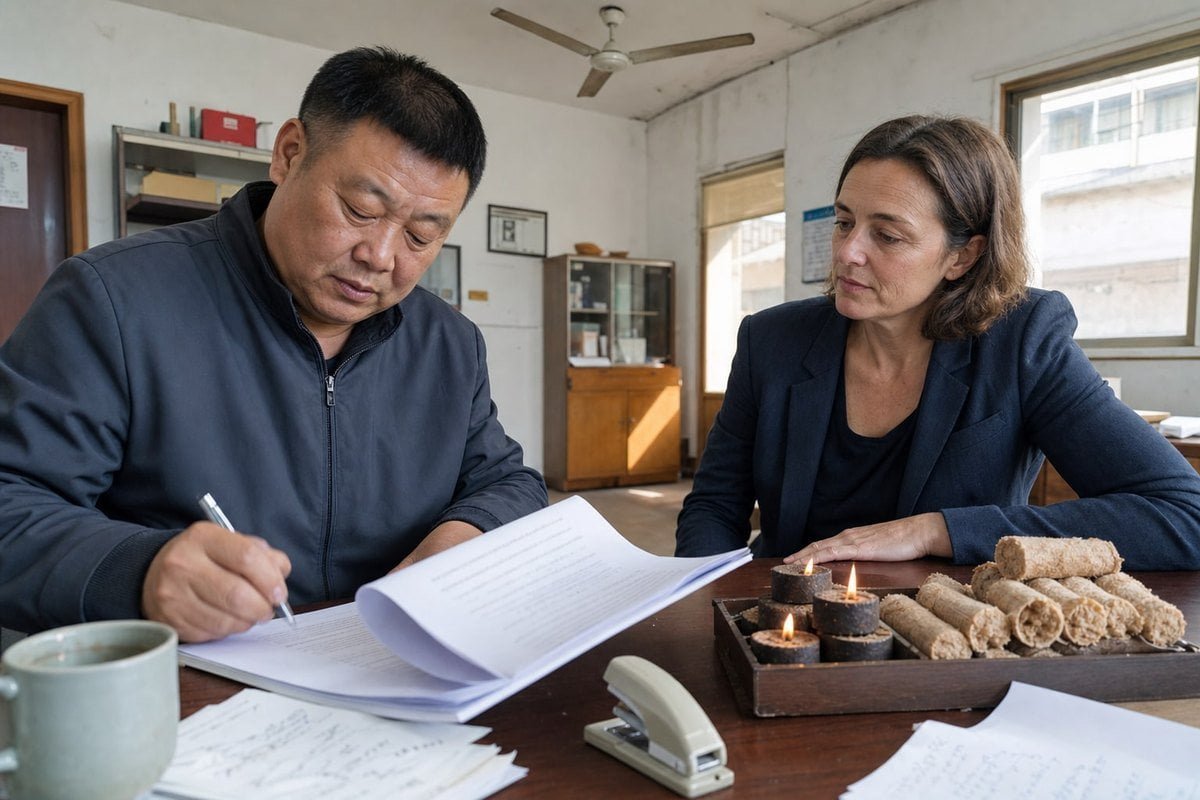
Der Schutz des geistigen Eigentums in China basiert auf dem „Wer zuerst kommt, mahlt zuerst“-Prinzip 7. Das bedeutet, dass jemand anderes Ihren Markennamen in China registrieren kann, bevor Sie es tun – einschließlich Ihres eigenen Lieferanten oder eines Konkurrenzkäufers. Ich habe beobachtet, wie dies Importeuren passiert ist, die gewartet haben. Registrieren Sie Ihre Marke in China frühzeitig und erwägen Sie auch eine Version in chinesischen Schriftzeichen, denn die lokale Registrierung und die lokale Nutzung zählen in der Praxis.
Warum eine NDA nicht ausreicht
Eine Standard-NDA aus westlichen Ländern deckt nur die Offenlegung ab. In China benötigen Sie eine NNN-Vereinbarung – Non-Disclosure, Non-Use, Non-Circumvention. Die Klausel „Non-Use“ hindert die Fabrik daran, Ihr kundenspezifisches Produkt für andere herzustellen. Die Klausel „Non-Circumvention“ hindert sie daran, Sie zu umgehen, um direkt an Ihre Kunden zu verkaufen. Schreiben Sie sie auf Chinesisch, nach chinesischem Recht, mit Zuständigkeit vor einem chinesischen Gericht. Das ist die Version, die eine Fabrik ernst nimmt.
Schließen Sie die Lücke für verbundene Unternehmen
Die häufigste Art und Weise, wie Exklusivität untergraben wird, ist nicht die Fabrik selbst – es ist eine verbundene Handelsgesellschaft oder die Exportfirma eines Verwandten, die dasselbe Produkt in Ihre Region versendet. Ihr Vertrag muss Verpflichtungen auf verbundene Unternehmen, Tochtergesellschaften und verbundene Parteien ausdehnen. Überwachen Sie dann. Verfolgen Sie Angebote auf Marktplätzen in Ihrem Gebiet, führen Sie Aufzeichnungen über die gesamte Korrespondenz und melden Sie Ihre Angebote für Markenschutzprogramme an, um Graumarktimporte zu blockieren. Vertragsstrafen geben der Fabrik eine konkrete Zahl, die sie fürchten muss, was weitaus überzeugender ist als abstrakte rechtliche Drohungen. Auf unserer Seite begrüßen wir diese Klauseln von ernsthaften Partnern – sie kosten eine ehrliche Fabrik nichts.
Wie viel Mindestbestellvolumen sollte ich für exklusive Rechte einplanen?
Ein Käufer aus Kanada eröffnete einmal die Verhandlungen mit der Bitte um nationale Exklusivität für eine Testbestellung von 200 Kartons. Ich erklärte sanft, wie diese Anfrage aus Sicht der Fabrik aussieht: Wir würden einen ganzen Markt für den Preis einer Palette schließen.
Erwarten Sie, sich zu jährlichen Mindestabnahmemengen zu verpflichten, die ungefähr ein bis zwei 40-Fuß-Container für die Exklusivität in einem einzelnen Land für Holzanzünder abdecken – oft 50.000 bis 200.000 Stück pro Jahr – mit gestaffelten leistungsbasierten Quoten, vierteljährlichen Überprüfungen und dem Verlust der Exklusivität, wenn Ziele wiederholt verfehlt werden.
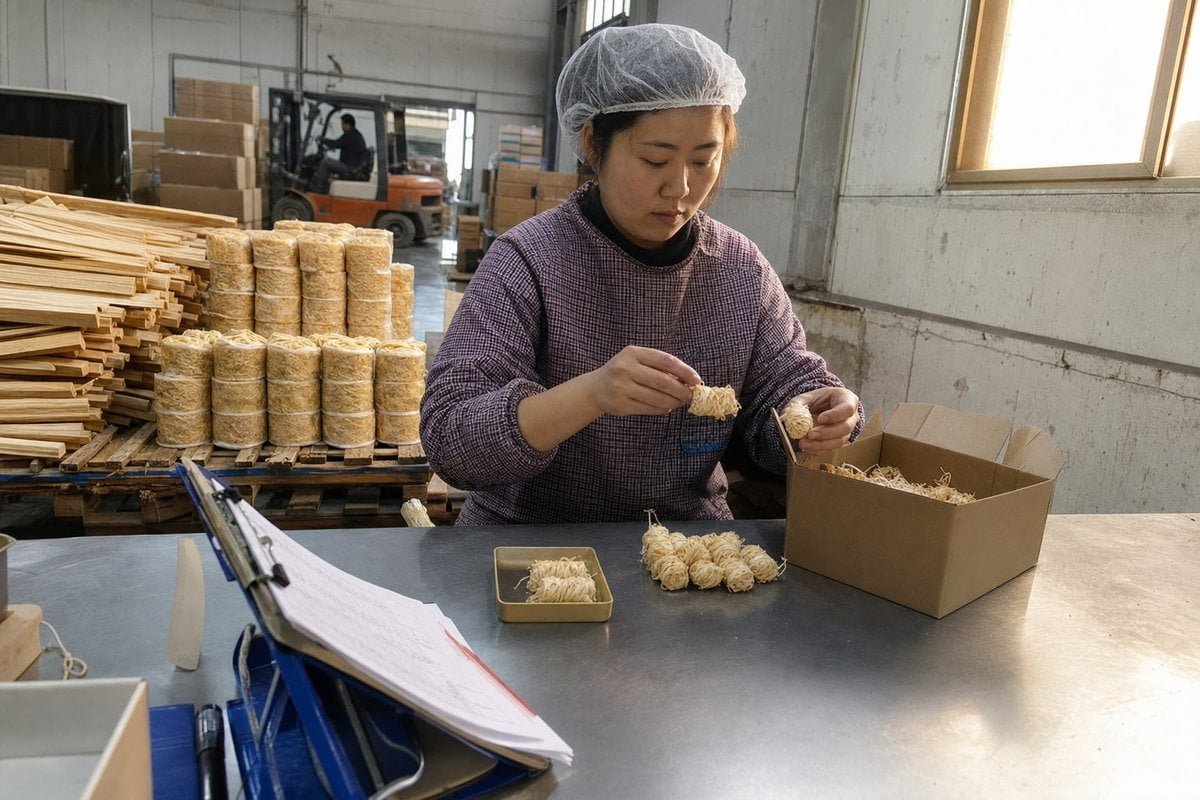
Exklusivität ist ein Handel, kein Gefallen. Wenn eine Fabrik regionale Rechte gewährt, verzichtet sie auf jeden anderen potenziellen Kunden in diesem Gebiet. Ihre Mindestbestellmengen (MOQ)-Verpflichtung ist das, was diese verlorene Gelegenheit kompensiert. Je größer und reicher das Gebiet, desto höher die Verpflichtung, die eine vernünftige Fabrik erwarten wird.
Passen Sie die Verpflichtung an das Gebiet an
Hier ist ein realistischer Rahmen, der aus den Exklusivitätsstrukturen abgeleitet ist, die wir mit Distributoren ausgehandelt haben:
| Geltungsbereich des Gebiets | Typische jährliche Verpflichtung | Struktur |
|---|---|---|
| Einzelner Vertriebskanal (z. B. ein Marktplatz) | 1–2 Testcontainer | 6–12 Monate Pilotphase, verlängerbar |
| Kleines Land oder kleine Region | 2–4 Container | Festes Jahresminimum |
| Großes Land (USA, Deutschland) | 4–8+ Container | Gestaffelte Quoten, vierteljährliche Überprüfung |
| Multi-Country-Region | Verhandelt pro Markt | Meilensteinbasierte Expansion |
Verwenden Sie Stufen, nicht einen einzigen Cliff
Ich empfehle gestaffelte leistungsbasierte Quoten anstelle einer einzigen Pauschalzahl. Zum Beispiel: Erreichen Sie 60 % des Ziels und die Exklusivität wandelt sich in einen nicht-exklusiven Prioritätsstatus um; erreichen Sie 100 % und die Exklusivität wird automatisch erneuert; überschreiten Sie 130 % und Sie erschließen ein benachbartes Gebiet. Diese Struktur schützt Sie davor, alles wegen eines langsamen Quartals zu verlieren, und sie schützt die Fabrik vor einem ruhenden Partner, der einen Markt besetzt.
Versüßen Sie den Deal über das Volumen hinaus
Volumen ist nicht die einzige Währung. Sie können die erforderliche MOQ senken, indem Sie Prognosesichtbarkeit anbieten, für kundenspezifische Werkzeuge oder Verpackungsstanzformen bezahlen, Zertifizierungen wie FSC-Zertifizierung für Ihren Markt finanzieren, einen Teil des Jahresvolumens im Voraus bezahlen oder günstige Incoterms 2020-Bedingungen wie FOB Ningbo akzeptieren. Einige Käufer bieten sogar Marketingunterstützung oder eine Rohstoffsicherungsvereinbarung an – die frühzeitige Bindung von Wachs- und Holzwolleinkäufen vor der Herbstsaison – im Austausch für stärkere regionale Rechte. Beginnen Sie eng, beweisen Sie die Zahlen, dann erweitern Sie. Diese Sequenzierung gewinnt bessere Konditionen, als am ersten Tag einen Kontinent zu fordern.
Schlussfolgerung
Exklusive regionale Rechte für Holzfeueranzünder werden durch Struktur verdient: verifizierte Lieferanten, registriertes geistiges Eigentum, NNN-Schutz, präzise Gebiete und bindende MOQ-Verpflichtungen. Enge, bedingte, gut dokumentierte Geschäfte schlagen breite Versprechungen jedes Mal.
Fußnoten
Offizielle Website der Business Social Compliance Initiative (jetzt amfori BSCI). ↩︎
Offizielle ICC-Quelle, die die für die Versandpreisgestaltung referenzierten Handelsbedingungen definiert. ↩︎
Beispiel für ein globales Inspektionsunternehmen für unabhängige Fabrikaudits. ↩︎
Maßgebliche Wikipedia-Übersicht über den internationalen Qualitätsmanagementstandard. ↩︎
Offizielle Website des Forest Stewardship Council, die die erwähnte Beschaffungszertifizierung erklärt. ↩︎
Hintergrund zum Inspektionsprozess zur Bestätigung der Produktionskonsistenz. ↩︎
WIPO erklärt das Prinzip der Markenregistrierung, das Chinas IP-System zugrunde liegt. ↩︎

 English
  Spanish
  German
  French
  Arabic
  Portuguese
Diskutieren Sie mit