






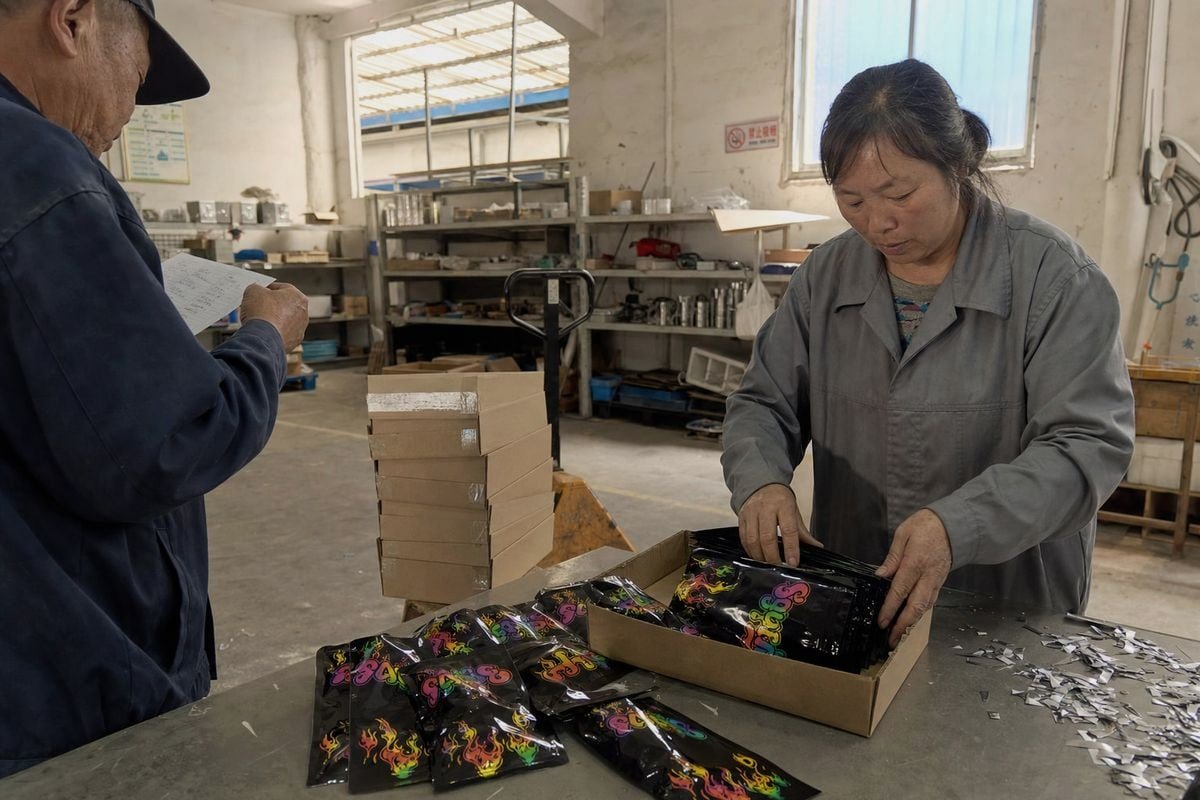
Die Bestellung von Neuheiten wie Magic Fire Pulver ist ein Glücksspiel mit dem Timing. An unserer Produktionslinie in Ningbo habe ich Käufer beobachtet, die mit demselben Produkt große Gewinne erzielten und schwer verloren.
Bestellen Sie neuartige Produkte wie Magic Fire Pulver für ein komprimiertes 12-wöchiges Trendfenster, nicht für eine ganze Saison. Beginnen Sie mit einer kleinen Testbestellung, bestellen Sie schnell nach echten Abverkaufsdaten nach, begrenzen Sie die gesamte Exposition auf dem Höhepunkt der Sichtbarkeit und hören Sie auf, dem Volumen nachzujagen, sobald die wöchentlichen Verkäufe zwei Wochen in Folge zurückgehen.
Das ist die kurze Antwort. Unten erkläre ich, wie Sie die Lebensdauer von Trends einschätzen, Ihre erste Bestellung bemessen, die Flexibilität der Mindestbestellmenge nutzen und eine Nachbestellstrategie entwickeln, die Ihre Margen schützt.
Wie schätze ich die Trendlebensdauer von Magic Fire Pulver ab, bevor ich eine Großbestellung tätige?
Ein deutscher Händler bat mich einst, seine Bestellung nach einem viralen TikTok-Clip zu verdreifachen. Ich sagte ihm, er solle erst zwei Wochen warten. Unsere 17-jährige Erfahrung im Export von Lagerfeuerzubehör lehrte mich, warum.
Schätzen Sie die Lebensdauer eines Trends, indem Sie das Produkt mit einem 12-wöchigen Trendbogen abgleichen: Entdeckung in den Wochen 1–2, Hype in den Wochen 3–6, Höhepunkt in den Wochen 7–8, Rückgang in den Wochen 9–12. Überprüfen Sie Social-Discovery-Signale, kanalübergreifende Nachfrage und saisonale Zeitplanung, bevor Sie eine Großbestellung tätigen.

Neuheiten verhalten sich eher wie kurzlebige Trends als wie dauerhafte Trends. Dieser Unterschied ist wichtig, da er jede Ihrer Bestellentscheidungen beeinflusst. Ein echter Trend hat eine lange Reifephase. Eine Modeerscheinung steigt schnell an und fällt schnell ab. Marktforschungsstudien zum Konsumverhalten zeigen, dass Top-Viralprodukte in etwa 11 Wochen von der Entdeckung bis zur Aufgabe reichen können. Ihre sicherste Planungsgrundlage ist daher ein Verkaufsfenster von 12 Wochen oder weniger.
Lesen Sie die Phasen des Produktlebenszyklus, bevor Sie kaufen
Jedes Produkt durchläuft fünf Phasen des Produktlebenszyklus 1: Einführung, Wachstum, Höhepunkt, Rückgang und Obsoleszenz. Bei Farblöschpulver komprimieren sich diese Phasen dramatisch, wenn die Nachfrage durch virale Entdeckungen oder Geschenke angetrieben wird.
| Phase | Typische Woche | Was Sie sehen | Bestellsignal |
|---|---|---|---|
| Einführung | 1–2 | Vereinzelte Social-Media-Posts, geringes Suchvolumen | Eine kleine Testcharge bestellen |
| Wachstum | 3–6 | Steigender Abverkauf, Interesse auf mehreren Kanälen | Vorsichtig nachbestellen, wenn die Lieferzeit es zulässt |
| Spitze | 7–8 | Maximale Sichtbarkeit, Konkurrenten tauchen auf | Große Folgeaufträge vermeiden |
| Rückgang | 9–12 | Langsamere wöchentliche Verkäufe, Preiskämpfe | Kauf einstellen, Ausstiegspläne machen |
| Obsoleszenz | 13+ | Ladenhüter, Preisdruck | Bündeln oder abverkaufen |
Achten Sie auf soziale Signale, nicht nur auf Suchdaten
Hier ist ein praktisches Detail aus unseren Exportmärkten. Neuheitentrends erreichen oft zwei bis drei Wochen vor ihrem Erscheinen in hochgradig relevanten Google-Suchen ihren Höhepunkt auf TikTok. Wenn Sie nur auf Suchdaten warten, sind Sie bereits zu spät. Überwachen Sie zuerst die Metriken zur sozialen Entdeckung und bestätigen Sie diese dann mit dem Suchvolumen.
Prüfen Sie auch, ob die Nachfrage von einer oder mehreren Plattformen stammt. Ein Hype auf einer einzelnen Plattform verblasst normalerweise schneller. Ein Einwand, den ich oft höre, ist, dass einige Neuheiten länger als das Trendfenster halten. Das ist fair. Produkte mit einem wiederholbaren Anwendungsfall – wie Feuerpulver, das bei jedem Campingausflug verwendet wird – können über 12 Wochen hinausgehen. Aber die Regel gilt: Je höher die Neuheit und je schwächer der funktionale Bedarf, desto konservativer sollten Sie bestellen.
Welche Bestelltiefe gleicht die Flexibilität von Testgrößen aus und schützt gleichzeitig meine Margen bei trendigen Feuerprodukten?
Der Kompromiss, den ich mit jedem Käufer abwäge, ist einfach: Wenn Sie zu wenig bestellen, verpassen Sie den Höhepunkt; wenn Sie zu viel bestellen, fressen die Preisnachlässe Ihre Großhandelsgewinne auf. Unsere Fabrik erlebt jede Saison beide Fehler.
Verwenden Sie eine 70/30-Aufteilung: 70 % Ihrer Bestellung basieren auf historischen saisonalen Daten und halten Sie 30 % für reaktive Käufe zurück, falls sich der Trend beschleunigt. Bemessen Sie die Basisbestellung anhand eines realistischen wöchentlichen Abverkaufs über 12 Wochen, niemals anhand einer bestmöglichen viralen Nachfrage.
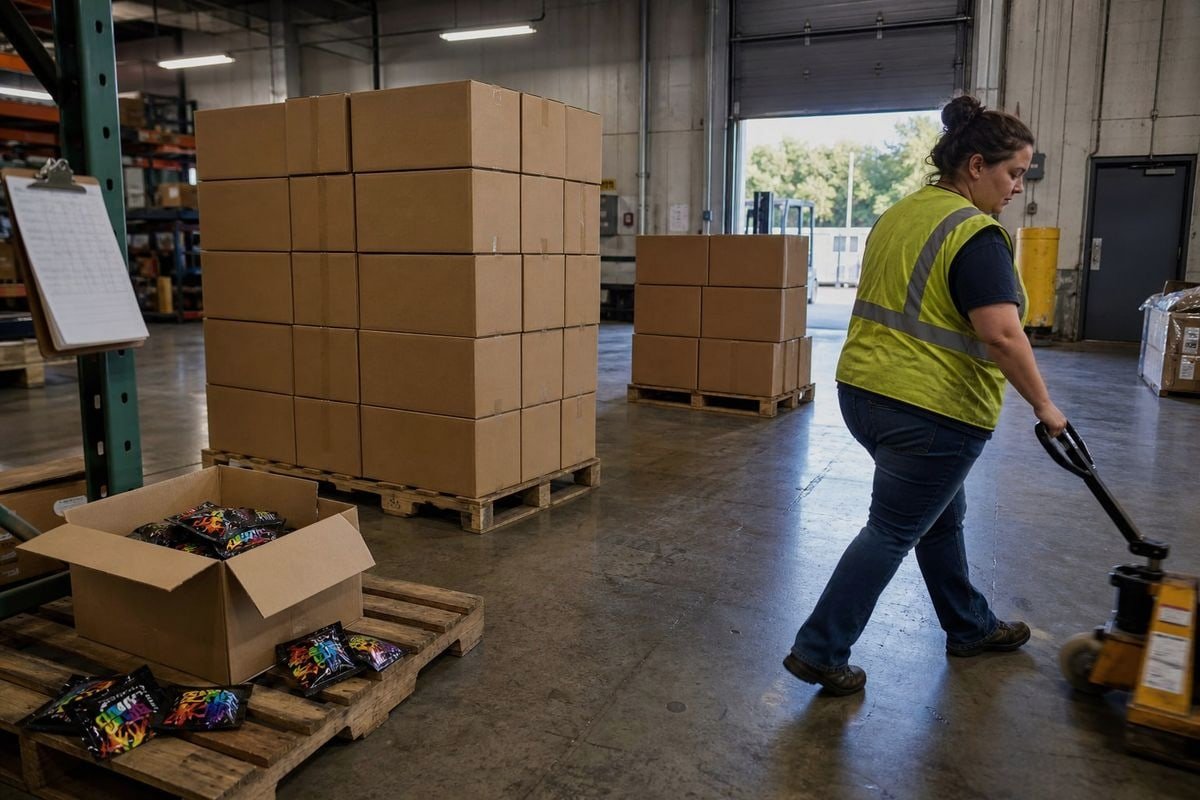
Die richtige Frage ist nicht: "Wie viel kann ich verkaufen, wenn das viral geht?" Es ist: "Wie viel kann ich verkaufen, bevor der Trend kippt?" Diese Umformulierung ändert Ihre Mathematik vollständig. Die Nachfrageprognose für Trends sollte auf wöchentlichen oder zweiwöchentlichen Zyklen basieren, nicht auf jährlichen Prognosen.
Die 12-Wochen-Formel zur Bemessung
Beginnen Sie mit einem konservativen wöchentlichen Einheiten-Schätzer 2 pro Vertriebskanal. Multiplizieren Sie mit 12 Wochen. Das ist Ihre maximale Exposition über alle Bestellungen zusammen – nicht Ihre erste Bestellung. Ihre erste Bestellung sollte 30–50 % dieser Obergrenze betragen. Dies hält die Lagerhaltungskosten niedrig, während Sie die tatsächliche Nachfrage validieren.
| Bestellansatz | Größe der ersten Bestellung | Margenrisiko | Risiko von Fehlmengen |
|---|---|---|---|
| Tiefer Einzelkauf | 100 % des 12-Wochen-Schätzers | Hoch – Risiko von Preisnachlässen, wenn der Trend nachlässt | Niedrig |
| 70/30-Aufteilung | 70 % Basis, 30 % reaktiver Puffer | Moderat – ausgewogen | Moderat |
| Kleiner Test + schnelle Nachbestellung | 30–50 % des Schätzers | Niedrig | Höher – abhängig von der Lieferzeit |
Wann eine tiefere Bestellung sinnvoll ist
Eine tiefe Bestellung ist nur unter bestimmten Bedingungen rentabel. Sie benötigen Nachfrage auf mehreren Kanälen 3, nicht nur eine virale Quelle. Sie benötigen ein Produkt mit Geschenke- oder Wiederverwendungsappeal. Und in konzentrierten Märkten zahlen sich tiefe Bestellungen nur aus, wenn Sie starke Listenpositionen oder ein echtes Unterscheidungsmerkmal innehaben. Unsere umweltfreundliche, chemikalienfreie Formulierung ist genau diese Art von Unterscheidungsmerkmal für Käufer, die gegen generische Importe konkurrieren – sie unterstützt die Einzelhandelsplatzierung, die ein Rohstoffprodukt nicht erhalten kann.
Ein weiterer Faktor: Farbig-flammende Pulver sind Impulskaufartikel im Einzelhandel. Impulsprodukte verkaufen sich durch Sichtbarkeit im Regal, daher verkauft sich eine bescheidene, gut platzierte Lagerposition oft besser als eine tiefe Lagerposition im Lager, die nie das Regal erreicht. Schützen Sie die Marge, indem Sie die Tiefe an die Distribution anpassen, nicht an die Hoffnung.
Wie kann ich die MOQ-Flexibilität bei meinem Hersteller nutzen, um die Nachfrage zu testen, bevor ich den Lagerbestand erhöhe?
Eine britische Campingmarke sagte mir einmal, dass unsere Flexibilität bei Erstbestellungen der Grund war, warum sie uns einem günstigeren Angebot vorzogen. Sie testeten 2.000 Beutel, bestätigten den Abverkauf und skalierten dann mit Zuversicht.
Verhandeln Sie eine kleine Test-MOQ mit Ihrem Hersteller, verkaufen Sie diese innerhalb von zwei bis vier Wochen und messen Sie die wöchentliche Geschwindigkeit. Skalieren Sie dann nur in gestaffelten Nachbestellungen, wenn der Abverkauf anhält, und verwenden Sie vorab vereinbarte Preisstufen, damit Testbestellungen Ihre Landekosten nicht zerstören.

MOQ-Flexibilität ist kein Gefallen. Es ist eine Risikoteilungsstruktur zwischen Ihnen und Ihrem Lieferanten. Wenn wir in unserem Hauptsitz in Liuyang Testprogramme einrichten, behandeln wir die Testbestellung als ersten Schritt eines gestaffelten Plans, nicht als einmalige Transaktion. Diese Rahmung verändert, wie beide Seiten kalkulieren und sich vorbereiten.
Ein gestaffelter Testprozess, der funktioniert.
- Vereinbaren Sie im Voraus eine Test-MOQ und eine Skalierungspreisstufe. Sichern Sie sich den Volumenpreis, den Sie bei Nachbestellungen erhalten, damit der Test nicht zur Preisfalle wird.
- Bestätigen Sie die Konsistenz von Muster zu Produktion. Hier ist echte Fertigungstiefe gefragt. Unsere Chargen-zu-Chargen-Qualitätskontrolle bedeutet, dass das erste Muster die Massenproduktionsqualität widerspiegelt – entscheidend, wenn Ihre Testdaten die Leistung der vollen Produktion vorhersagen müssen.
- Führen Sie den Test in mindestens zwei Kanälen durch. Ein Marktplatz plus ein Einzelhandels- oder sozialer Kanal gibt Ihnen eine echte Nachfrage-Messung, keine Plattform-Eigenart.
- Legen Sie ein Entscheidungsdatum fest, keinen ergebnisoffenen Test. Zwei bis vier Wochen Abverkaufsdaten reichen für ein Trendprodukt aus. Längeres Warten verbrennt Ihr Trendfenster.
- Buchen Sie Produktionskapazitäten für die Nachbestellung im Voraus. Bitten Sie Ihre Fabrik, einen Slot zu reservieren, damit das Lieferzeitmanagement Ihre Zeitplanung nicht zunichtemacht, wenn Sie den Abzug betätigen.
Überspringen Sie die Compliance nicht in der Testphase.
Ein Fehler, den ich bei Importeuren sehe: Sie behandeln eine Testbestellung als zu klein, um sich mit vollständiger Dokumentation zu befassen. Für feuerbezogene Produkte, die in die USA oder die EU eingeführt werden, sind Zertifizierungen wie CE-Kennzeichnung 4 und SGS- oder Intertek-Prüfberichte von Anfang an harte Anforderungen. Wenn Ihre Testcharge nicht legal im Regal liegen kann, sind Ihre Testdaten wertlos. Validieren Sie Compliance und Nachfrage im selben Test – das ist es, was die Skalierung schnell und sicher macht.
Welche Nachbestellstrategie hält meine Versorgung stabil, wenn die Nachfrage nach Magic Fire-Pulver einen typischen Trendzyklus überdauert?
Die härteste Lektion aus unseren über 30 Exportmärkten: Die Produkte, die das Trendfenster überdauern, sind diejenigen, die langsame Nachbestellsysteme bestrafen. Stetige Nachfrage mit einer Vorlaufzeit von 4–8 Wochen ist eine eigene Herausforderung.
Legen Sie einen Nachbestellpunkt fest, der Ihrem wöchentlichen Abverkauf multipliziert mit Ihrer Vorlaufzeit in Wochen zuzüglich eines Sicherheitsbestands entspricht. Bestellen Sie in kleineren, häufigeren Chargen nach, wenden Sie einen Schnitt von 40% auf Ihre dritte Nachschublieferung an, wenn das Wachstum viral bedingt war, und stimmen Sie große Bestellungen auf saisonale Verkaufsspitzen ab.
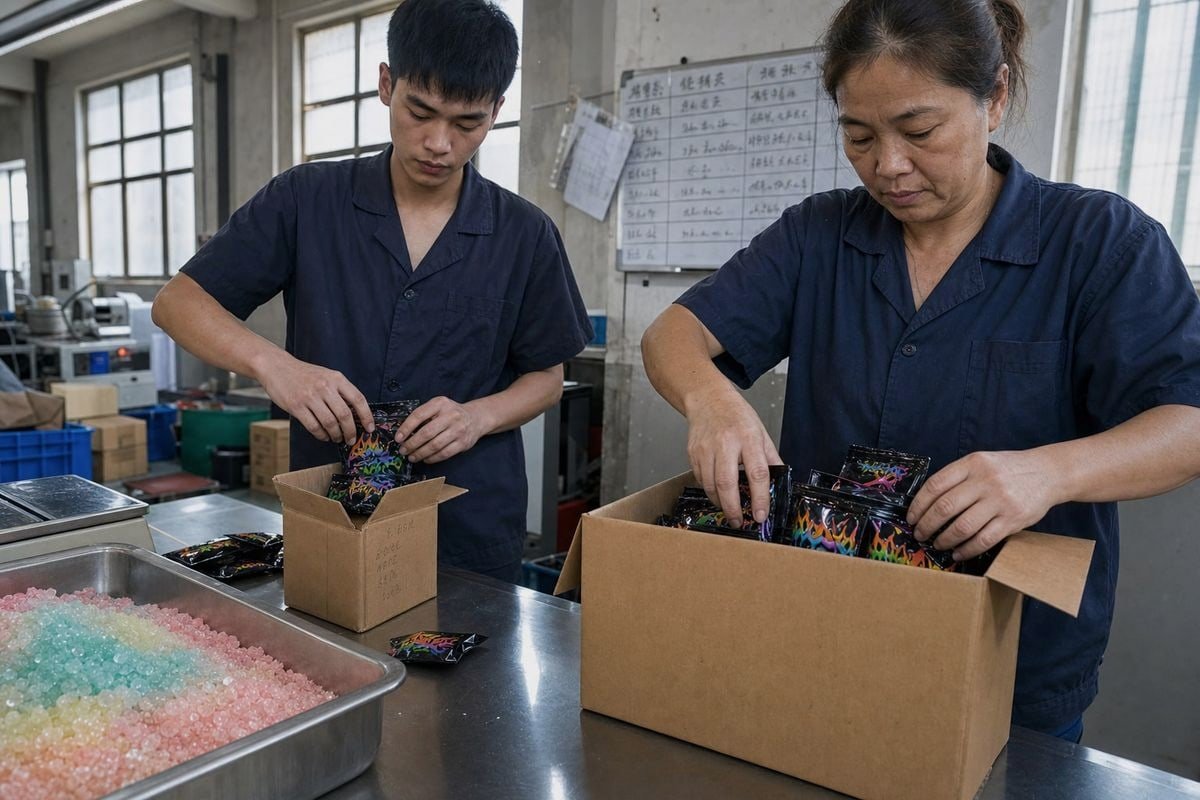
Einige Neuheitenprodukte entwickeln sich weiter. Magic Fire Pulver hat eine echte Nutzkomponente – es verbessert jede Lagerfeuer-, Kamin- und Feuerstellen-Sitzung – daher kann die Nachfrage nach einem stabilen Basiswert 5 stabilisieren, nachdem der Hype nachgelassen hat. Wenn das passiert, wechseln Sie vom Trendmanagement zur Standard-Nachschubdisziplin..
Bauen Sie Ihre Nachbestellungspunktberechnung um die Vorlaufzeit herum auf.
Großhandels-Neuheitenimporte haben typischerweise 4–8 Wochen Vorlaufzeit aus China, einschließlich Produktion und Versand. Ihre Bestellpunktberechnung 6 ist unkompliziert: durchschnittlicher Wochenumsatz × Vorlaufzeit in Wochen + Sicherheitsbestand. Wenn Sie 500 Einheiten pro Woche verkaufen und Ihre Vorlaufzeit 6 Wochen beträgt, bestellen Sie nach, wenn der Lagerbestand 3.000 Einheiten plus einen Puffer von etwa 15–20 % erreicht.
| Nachfragemuster | Nachbestellkadenz | Chargengröße | Hauptrisiko |
|---|---|---|---|
| Post-viral stabilisierend | Biwöchentliche Überprüfung | Klein, häufig | Influencer-Verfall – dritte Nachbestellung um ~40 % kürzen |
| Stabiler Basiswert | Monatliche Überprüfung | Mittel, konstant | Lieferzeitverzögerung |
| Saisonale Spitzen | Zwei jährliche Großbestellungen | Groß, vorab gebucht | Verpassen der Bestellfrist |
Planen Sie um die beiden saisonalen Spitzen herum.
Die Nachfrage nach Lagerfeuerzubehör erreicht zweimal im Jahr ihren Höhepunkt: der Sommer-Campingzyklus im Juni–Juli und der Weihnachts-Kamin- und Geschenkezyklus im November–Dezember. Angesichts der 4–8-wöchigen Vorlaufzeiten bedeutet dies, dass die Sommerbestellungen bis April und die Winterbestellungen bis August abgeschlossen sein müssen. Wir erinnern unsere Händler jedes Jahr an diese Fristen, da ein verpasstes Bestellfenster einen ganzen Spitzenzeitraum kostet. Wetter fügt ebenfalls eine Variable hinzu – eine Prognose für einen ungewöhnlich trockenen, warmen Herbst rechtfertigt einen Lagerpuffer von 15–20 %, da die Feuerschalen-Saison einfach länger dauert.
Beobachten Sie schließlich die Inputkosten. Rohstoffschwankungen bei Kern- Farbstoffen 7 schlagen sich normalerweise etwa 90 Tage später in den Einzelhandelspreisen nieder. Eine stabile, langfristige Fabrikbeziehung glättet diese Schocks besser als Spotkäufe – genau deshalb positionieren wir uns als Produktionspartner, nicht als Billiganbieter.
Schlussfolgerung
Bestellen Sie Magic Fire Pulver für Geschwindigkeit, nicht für Masse: testen Sie klein, bestellen Sie schnell nach, begrenzen Sie die Exposition auf 12 Wochen, und stimmen Sie große Einkäufe auf saisonale Spitzen und einen zuverlässigen, zertifizierten Fabrikpartner ab.
Fußnoten
Erläutert den theoretischen Rahmen für die im Text erwähnte Produktlebensdauer. ↩︎
Maßgebliche Wikipedia-Eintragung für Prognoseverfahren für die Nachfrage und Schätztechniken für Einheiten. ↩︎
Definiert die Strategie des Verkaufs über mehrere Plattformen hinweg, um die Produktnachfrage zu validieren. ↩︎
Offizielle Dokumentation für die obligatorische Sicherheitszertifizierung, die für den Eintritt in den europäischen Markt erforderlich ist. ↩︎
Definiert das Konzept eines konsistenten Verkaufsniveaus nach anfänglicher Marktvolatilität. ↩︎
Standard-Wikipedia-Referenz für die Berechnung von Nachbestellpunkten im Bestandsmanagement. ↩︎
Referenz für die chemischen Substanzen, die zur Erzeugung der Farbeffekte in Feuerprodukten verwendet werden. ↩︎



 English
  Spanish
  German
  French
  Arabic
  Portuguese
Diskutieren Sie mit