







Confirming HS Code 3606.90.80.00 for wood fire starters trips up many buyers who ask us for export documents CARM Client Portal 1. One wrong digit can mean reassessments, penalties, and stuck containers at the Canadian border.
HS Code 3606.90.80.00 covers wax-impregnated firelighters, not plain wood. Confirm it by matching your product's composition (e.g., 50% wood fiber, 50% paraffin) against Canada's Customs Tariff for subheading 3606.90, verify origin, then calculate duty on customs value plus 5% GST on the duty-inclusive total.
Let me walk you through the exact documents, calculations, risks, and certifications involved. This is the same process we guide our Canadian import clients through before every shipment.
What Documentation Do I Need From My Supplier to Verify HS Code 3606.90.80.00 Before Importing?
A Canadian distributor once emailed our export team in a panic. His broker questioned the HS code on his invoice, and his container sat at Vancouver. The missing piece was a simple composition sheet we could have sent on day one.
Request a product composition statement (wood fiber and paraffin percentages), a Safety Data Sheet, product photos and packaging labels, a technical spec sheet, a commercial invoice with clear product description, and a certificate of origin. Together these prove the goods are prepared firelighters under heading 3606, not Chapter 44 wood.

Classification lives or dies on evidence. Customs officers do not classify by marketing name. They classify by material, composition, and function. A "wood fire starter" sounds like a wood product. But heading 3606 covers combustible preparations such as firelighters — including wax-dipped wood rolls like the ones that come off our production line in Ningbo. Plain kindling sticks, by contrast, may fall in Chapter 44. The difference changes your duty treatment.
Der Kern-Dokumentensatz
Here is what we prepare for every Canadian client before goods leave the factory:
| Dokument | Was es beweist | Why CBSA Cares |
|---|---|---|
| Zusammensetzungsangabe | Wax/paraffin content vs. wood fiber ratio | Confirms it is a "prepared" firelighter under 3606 |
| Sicherheitsdatenblatt 2 (SDS) | Ingredients, flammability class, handling info | Supports classification and safety compliance |
| Technical spec sheet | Dimensions, burn time, ignition method | Shows primary function is fire starting |
| Product and label photos | Retail description ("fire starters," "100 pcs") | Matches physical goods to declared code |
| Handelsrechnung | Value, quantity, precise description | Basis for customs valuation |
| Ursprungszeugnis 3 | Herkunftsland | Determines MFN vs. preferential rates |
Why Composition Percentages Matter Most
Take a typical product from our line: 50% wood fiber, 50% paraffin, printed right on the retail box. That single line does a lot of work. It tells the classifying officer this is not raw wood, not charcoal, and not a pyrophoric alloy. It is a manufactured combustible article — exactly what heading 3606 describes. In our experience exporting to 30+ countries over 17 years, buyers who file this composition data upfront almost never face classification challenges. Buyers who file only a vague invoice line like "wood products" invite scrutiny.
One more tip. Ask your supplier whether the composition is consistent batch to batch. We control wax uptake tolerances on every production run, because if the wax ratio drifts, so does the strength of your classification argument.
How Do I Calculate the Exact Duties and GST I'll Owe on Wood Fire Starters Entering Canada?
Numbers are where deals get won or lost. When our clients build landed-cost models for retail programs in Canada, we sit down with them and work the math line by line, because a small duty surprise can erase a retail margin.
Calculate Canadian duty as customs value (product cost plus freight and insurance) multiplied by the applicable tariff rate for the correct Canadian tariff item under 3606.90. Then apply 5% GST to the duty-inclusive value. Preferential origin under a trade agreement may reduce the duty rate to zero.

First, a critical warning. The code 3606.90.80.00 follows the U.S.-style 10-digit format. Canada uses its own tariff items and statistical suffixes built on the same six-digit HS base (3606.90). Do not copy a U.S. code onto a Canadian entry. Confirm the current Canadian tariff item 4 and rate in the CBSA Customs Tariff before you file. U.S. rates for this subheading are not Canadian rates, full stop.
The Four Inputs You Need
- Correct Canadian tariff item under subheading 3606.90, confirmed against the current Customs Tariff.
- Herkunftsland, which decides whether the MFN rate or a preferential rate applies.
- Zollwert, generally the transaction value of the goods, with freight and insurance figured per valuation rules.
- Tax treatment, meaning 5% GST at import, calculated on the duty-inclusive value.
A Worked Example With Placeholders
I use placeholder rates here on purpose. Verify the live rate before filing.
| Line Item | Scenario A (MFN rate 6.5%) | Scenario B (Preferential rate: Free) |
|---|---|---|
| Product value | CAD 10,000 | CAD 10,000 |
| Freight + insurance | CAD 1,200 | CAD 1,200 |
| Zollwert | CAD 11,200 | CAD 11,200 |
| Customs duty | CAD 728.00 | CAD 0.00 |
| GST base (value + duty) | CAD 11,928.00 | CAD 11,200.00 |
| GST at 5% | CAD 596.40 | CAD 560.00 |
| Total duty + GST | CAD 1,324.40 | CAD 560.00 |
Notice two things. Origin alone swings the cost by over CAD 700 in this example. And GST compounds on top of duty, so a higher duty rate quietly inflates your tax line too. Also remember that GST at import is separate from any PST or HST your customers pay at retail. Many first-time importers blend these together in their spreadsheets and misprice their landed cost. Finally, commercial importers now self-assess and remit through the CARM Client Portal 5, so register there before your first shipment arrives.
Can Wrong HS Code Classification on My Wood Fire Starter Shipment Trigger CBSA Penalties or Delays?
The most expensive lesson I have watched a buyer learn was not about product quality. It was a misclassified shipment that got reassessed months after clearance, with back duties and interest attached. Our compliance-first approach exists precisely because of stories like that one.
Yes. Misclassifying wood fire starters can trigger CBSA reassessments, retroactive duty collection with interest, administrative monetary penalties, shipment holds, and increased audit scrutiny on future imports. Declaring Chapter 44 wood codes for paraffin-impregnated firelighters is a common and detectable error.
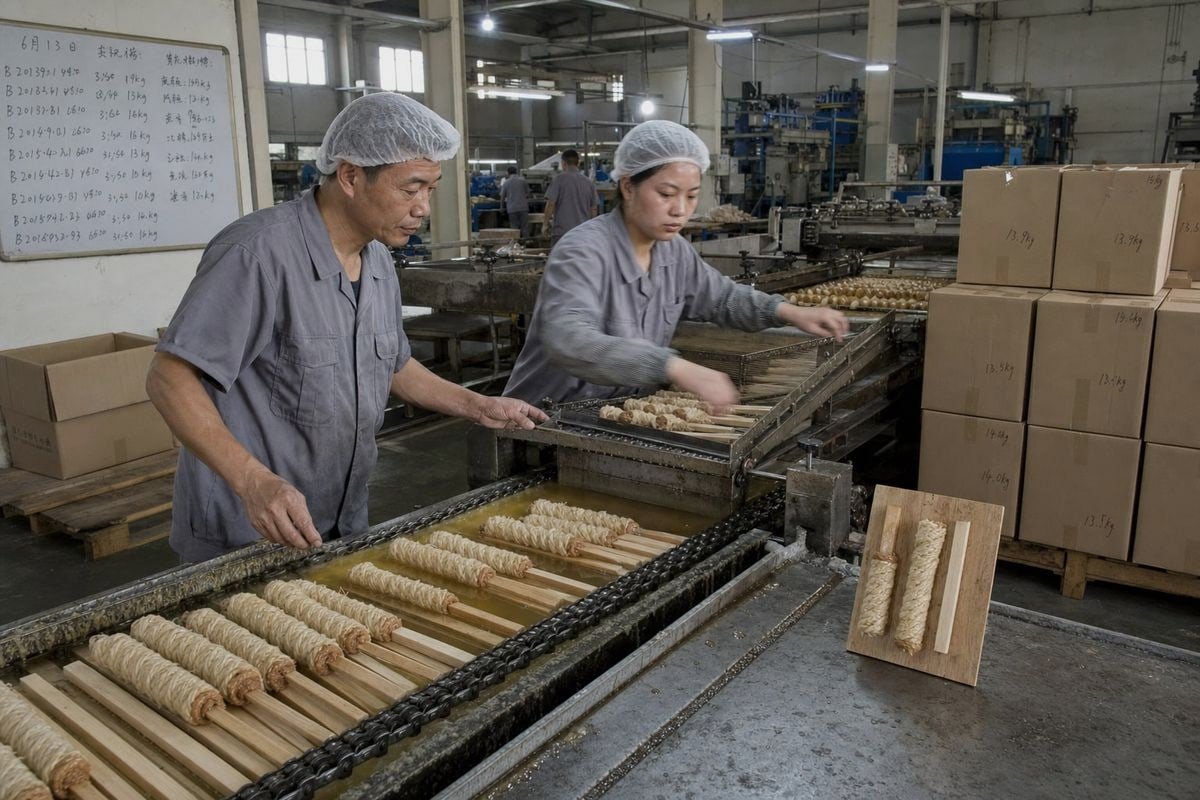
CBSA operates on a self-assessment model 6. You declare, they verify. That verification can happen at the border, or it can happen years later during a trade compliance audit. Both paths hurt when the code is wrong. The border version means your container waits while officers request documents you should have had ready. The audit version means retroactive reassessment across every entry that used the wrong code — not just one shipment.
Why This Product Is a Classification Trap
Wood fire starters sit right on a chapter boundary. That makes them a natural verification target.
| Declared As | Actual Product | Likely Outcome |
|---|---|---|
| Chapter 44 wood article | Wax-impregnated firelighter | Reassessment to 3606, possible penalty |
| Heading 3606 firelighter | Plain untreated kindling | Reassessment to Chapter 44 |
| Charcoal (Chapter 44) | Wood-fiber and paraffin pucks | Wrong chapter entirely, red flag |
| Correct 3606.90 tariff item | Wax-dipped wood roll firelighter | Clean clearance |
How to Protect Yourself
The strongest shield is an Advance Ruling from CBSA. You submit product details before importing, and CBSA issues a legally binding classification decision. It removes the guesswork and protects you during audits. The second shield is consistency. Your invoice description, packaging text, SDS, and declared code should all tell the same story. When we prepare export files, we check that the retail box, the invoice line, and the spec sheet use matching language, because a mismatch between "fire starters" on the box and "wood articles" on the invoice is exactly the kind of contradiction that invites a secondary inspection. The third shield is a good customs broker who actually reads your product specs rather than copying last shipment's entry.
Which Certifications Should I Request From My Manufacturer to Support Customs Clearance in Canada?
Certification questions come up in nearly every first call with a Canadian or European buyer. It is usually the second question after MOQ, and honestly, it should be the first. Paperwork gaps stall more shipments than production delays ever do.
Request ISO 9001 and BSCI factory certifications, SGS or Intertek third-party test reports, a compliant Safety Data Sheet, a certificate of origin for tariff purposes, ISPM 15 heat-treatment marks on wood pallets, and WHMIS-aligned hazard labeling if paraffin content triggers Health Canada requirements.
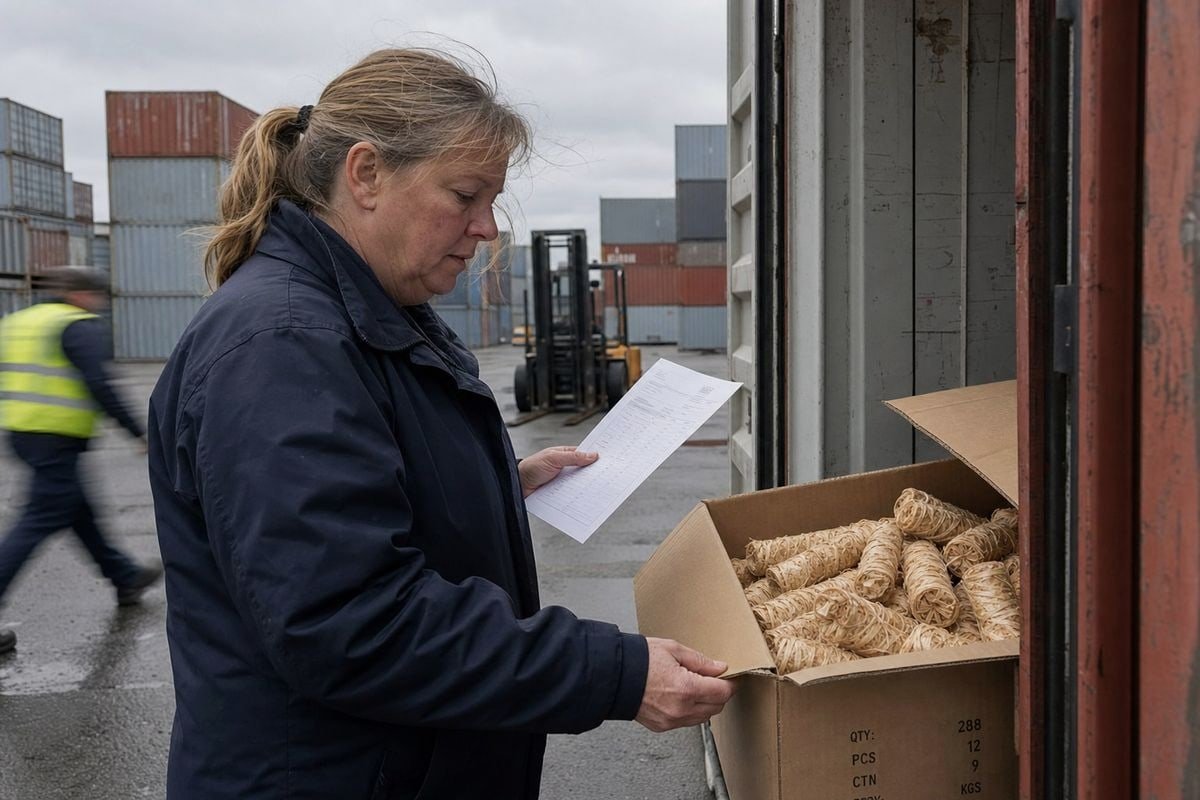
Not every certificate serves the same purpose. Some support classification. Some support safety compliance. Some support tariff preference. A purchasing manager who knows which document does which job can clear goods faster and defend the file during any audit. Here is how I break it down for our clients.
Documents That Support Classification and Duty
The certificate of origin is the money document. Without it, you pay the MFN rate even if your goods qualify for a preferential rate under an agreement Canada honors. The SDS and third-party test reports (we run ours through SGS and Intertek) confirm composition — the wax percentage, the absence of harmful chemicals — which locks in the 3606 classification argument.
Documents That Prevent Border Holds
ISPM 15 7 is the one buyers forget. If your fire starters ship on raw wood pallets or in wooden crates, those packaging materials need heat-treatment certification and stamped marks. Untreated wood packaging can hold an entire container for pest-control reasons, even when the product itself is perfectly compliant. We treat this as a standard checkpoint in our logistics prep, not an optional extra.
Documents That Cover Product Safety
Paraffin-based fire starters can fall under WHMIS labeling obligations depending on formulation and concentration. Health Canada compliance runs on a separate track from HS classification, so clearing customs does not automatically mean your retail label is compliant. Ask your manufacturer whether their warning labels, hazard pictograms, and bilingual text have been reviewed for the Canadian market. On our private-label programs, we build warning labels, barcodes, and bilingual packaging into the OEM process upfront, because retrofitting labels on 100-piece retail boxes after arrival is slow and expensive. Quality certifications like ISO 9001 and social audits like BSCI do not clear customs directly, but large Canadian retail channels will ask for them, so collect them at the sourcing stage.
Schlussfolgerung
Verify composition first, confirm the Canadian tariff item for 3606.90, document origin, calculate duty plus 5% GST, and back everything with certifications. Get these right and your fire starters clear smoothly.
Fußnoten
1. Official CBSA portal page for the self-assessment system mentioned for importer registration. ↩︎
2. Official source explaining SDS purpose and required content for regulatory compliance. ↩︎
3. Background concept explaining how origin certificates determine tariff treatment. ↩︎
4. Background on the Harmonized System underlying Canadian tariff classification structure. ↩︎
5. Official CBSA portal page for the self-assessment and remittance system mentioned in text. ↩︎
6. CBSA's own page explains penalties and verification tied to self-assessment declarations. ↩︎
7. Official IPPC standard governing wood packaging heat-treatment requirements referenced in article. ↩︎
8. Official IPPC standard describing wood packaging heat-treatment requirements referenced in text. ↩︎



 English
  Spanish
  German
  French
  Arabic
  Portuguese
Diskutieren Sie mit