






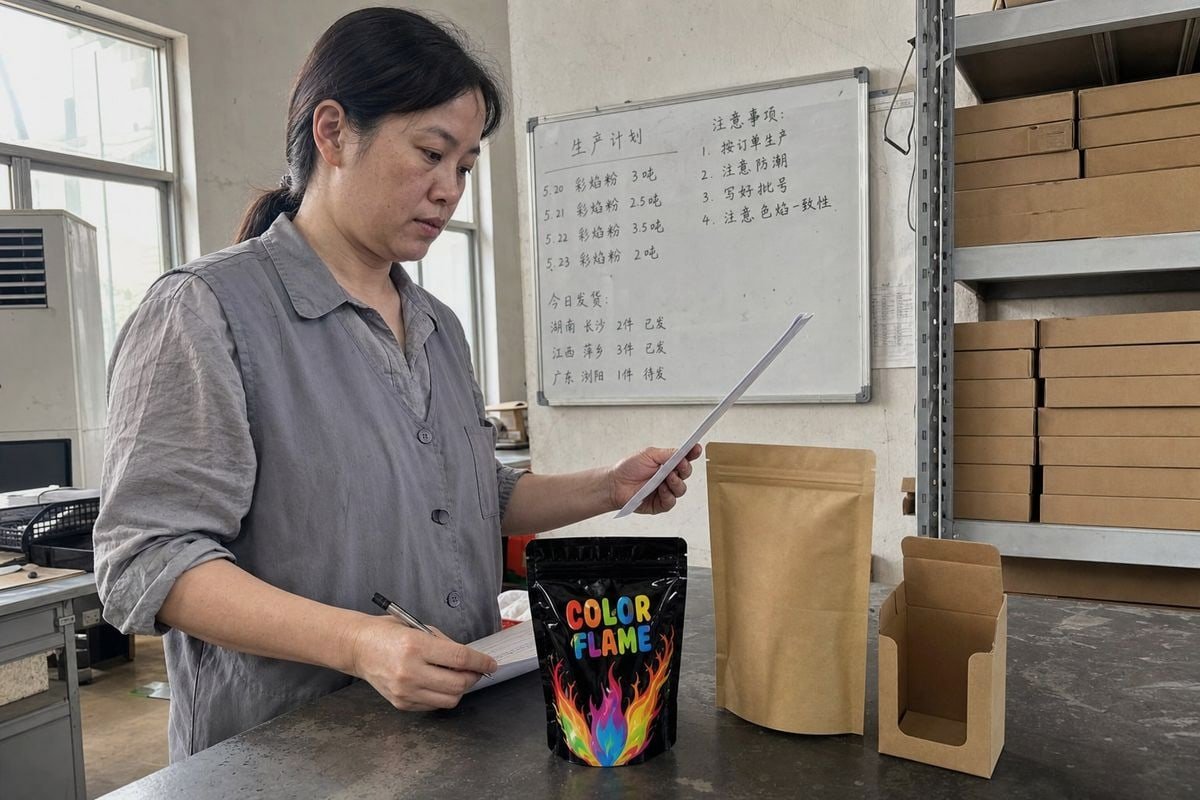
Käufer fragen mich oft, wie man Multi-Marken-Bestellungen für Magic Fire Powder zu einem gestaffelten Preisgeschäft zusammenfasst. Fragmentierte Kleinaufträge zerstören leise Ihre Margen – aber unsere Fabrik hat eine Lösung.
Um Multi-Marken-Bestellungen für Magic Fire Powder zu konsolidieren, leiten Sie alle Marken über ein Master-Einkaufskonto, fassen Sie SKUs auf einer einzigen Rechnung zusammen und verhandeln Sie vertragsbasierte kumulative Stufen. Die meisten Hersteller, einschließlich unserer, zählen das gesamte Einheitsvolumen über alle Eigenmarken hinweg zu einer Rabattstufe.
Das ist die kurze Antwort. Die Details sind jedoch wichtig. Im Folgenden werde ich erläutern, wie die Konsolidierung auf der Fabrikseite tatsächlich funktioniert, wie die Rabattberechnung aussieht und welche Mindestbestellmengen und Lieferzeiten zu erwarten sind.
Was braucht es, um mehrere Markenbestellungen zu einer einzigen konsolidierten Sendung zusammenzufassen?
Ein deutscher Händler schickte uns einmal drei separate Bestellungen in einer Woche – drei Marken, drei Rechnungen, drei Frachtangebote. Unser Team hat sie zu einer Sendung zusammengefasst und seine Landekosten spürbar gesenkt.
Die Kombination mehrerer Markenbestellungen erfordert eine Einkaufseinheit, eine konsolidierte Bestellung, die alle SKUs und Etiketten auflistet, eine abgestimmte Produktionsplanung im Werk und einen einzigen Versandplan. Der Lieferant stellt dann das Gesamtvolumen zusammen in Rechnung, wodurch Fracht- und Bearbeitungsgebühren auf jede Einheit umgelegt werden.
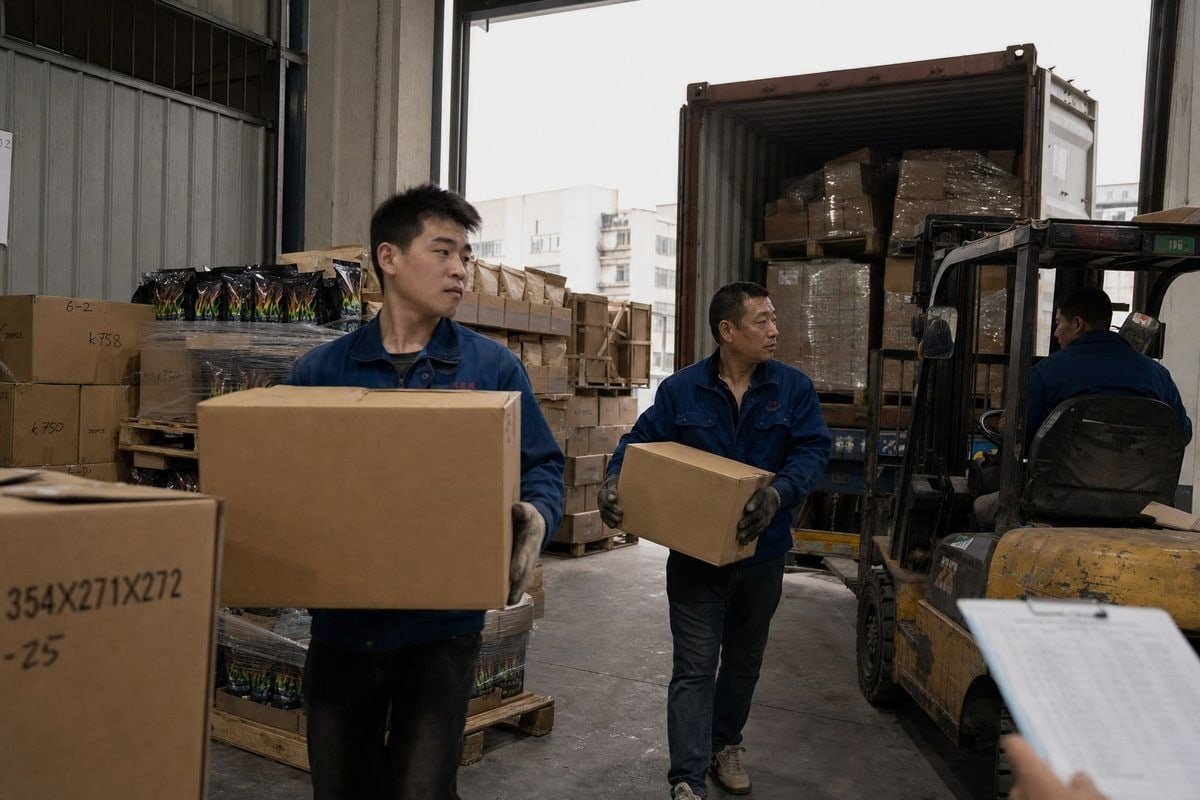
Die Kernidee ist einfach. Eine konsolidierte Sendung behandelt mehrere Bestellungen auf Markenebene als eine kommerzielle Transaktion. An unserer Produktionslinie in Ningbo ist das Basisfarbflammenpulver identisch, egal ob es in einen glänzenden schwarzen Folienbeutel, eine Kraft-Standbeutel oder eine Displaybox kommt. Nur die bedruckte Verpackung ändert sich. Wenn ein Käufer also Bestellungen gruppiert, fahren wir eine große Pulvercharge und teilen sie auf die verschiedenen Verpackungslinien auf. Das ist für uns effizienter, und wir geben einen Teil dieser Effizienz als Mengenrabatte.
Die praktischsten Schritte, die wir sehen
- Benennen Sie eine Einkaufsstelle. Selbst wenn Sie drei Filialen betreiben, kaufen Sie über ein einziges Unternehmen, damit sich die Ausgaben auf einem Konto ansammeln.
- Stellen Sie eine Master-Bestellung aus. Listen Sie jede SKU, jedes Private Label, jedes Packformat mit Mengen pro Zeile auf.
- Liefern Sie Lieferfenster ab. Alle Marken müssen dasselbe Versanddatum akzeptieren, oder fast dasselbe.
- Buchen Sie eine Frachtbewegung. Ein Container oder eine LCL-Buchung, keine drei Kuriersendungen.
Warum Fracht der versteckte Gewinner ist
Feuerfarbstoffpäckchen sind leicht, aber in der Displayverpackung sperrig. Die Optimierung der Versandkosten ist oft mehr wert als der Stückrabatt selbst. Wenn sich Fixkosten – Dokumentation, Handling, Zollanmeldung 1 – auf 5.000 Einheiten statt auf 1.000 verteilen, sinken Ihre Landekosten pro Beutel stark. Nach unserer Erfahrung im Export in über 30 Länder sehen Käufer, die konsolidieren, typischerweise die größten Einsparungen auf der Logistiklinie, nicht auf der Produktlinie. Lieferkettenlogistik und Preisgestaltung müssen gemeinsam geplant werden, nicht getrennt.
Wie funktionieren gestaffelte Preisnachlässe, wenn ich das Volumen über Produktlinien hinweg konsolidiere?
Hier ist ein Kompromiss, den ich mit Käufern jedes Quartal abwäge: Bewerten wir jede Bestellung einzeln oder ordnen wir die Stufen der Jahresbeziehung zu? Die Antwort ändert alles daran, wie Sie bestellen sollten.
Gestaffelte Preise senken den Stückpreis bei festgelegten Mengenstaffeln – typischerweise 1.000, 5.000 und 10.000 Einheiten. Wenn Sie das Volumen über Produktlinien hinweg konsolidieren, zählt der Lieferant die gesamten kombinierten Einheiten zu einer Stufe, entweder pro Bestellung oder kumulativ über einen Vertragszeitraum, wodurch tiefere Großhandelspreise freigeschaltet werden.

Es gibt zwei sehr unterschiedliche Preismodelle, und viele Käufer verwechseln sie. Pro-Bestellungs-Staffelung bedeutet, dass der Rabatt nur für die Menge auf dieser einzelnen Rechnung gilt. Kumulative Staffelung bedeutet, dass der Lieferant Ihre Einkäufe über ein Quartal oder ein Jahr zusammenfasst und sich Ihr Preis verbessert, wenn Ihr laufender Gesamtbetrag jede Schwelle überschreitet. Wenn Ihr Lieferant nur Pro-Bestellungs-Stufen anbietet, ist die Konsolidierung in einer großen Bestellung Ihr einziges Mittel. Wenn sie kumulative oder vertragsbasierte Stufen anbieten, können Sie weiterhin Marke für Marke bestellen und trotzdem im Laufe der Zeit die bessere Spanne erzielen.
Eine typische Stufenstruktur
| Kombiniertes Volumen (alle Marken) | Preisstufe | Typischer Stückrabatt |
|---|---|---|
| Unter 1.000 Päckchen | Basis Großhandel | 0% |
| 000 – 4.999 Päckchen | Stufe 1 | ~8–10% |
| 000 – 9.999 Päckchen | Stufe 2 | ~12–15% |
| 000+ Päckchen / Master Case Volumen | Stufe 3 | ~18–20% |
Diese Zahlen sind beispielhaft; genaue Brüche variieren je nach Verpackungsformat und Anpassungsgrad. Die Bestellung nach Master Case statt nach einzelnen Displayboxen ist der schnellste Weg, um eine Stufe zu überspringen.
Überprüfen Sie die Zahlen vor den Verhandlungen
Einzelhändler Gewinnmargen 2 sollten die Anfrage steuern, nicht der Rabatt selbst. Eine einfache Break-Even-Prüfung: Mindestzusatzmenge = 1 ÷ (1 − (Rabatt% ÷ Marge%)). Wenn ein 15%iger Rabatt bei einer 50%igen Marge erfordert, dass Sie weit mehr Lagerbestand bewegen, als Ihre saisonale Nachfrage unterstützt, ist eine kleinere Stufe die klügere Anfrage. Großhandelsrabatte helfen nur, wenn der Lagerbestand tatsächlich über Ihre Großhandelsvertriebskanäle verkauft wird, bevor die Saison endet.
Stufen-Lock-Vereinbarungen
Die stärkste Struktur, die wir Langzeitpartnern anbieten, ist ein Stufen-Lock: Sie verpflichten sich zu einem jährlichen Multi-Marken-Volumen, und wir wenden die höchste verdiente Stufe auf jede einzelne Nachbestellung während der Saison an. Sie erhalten eine vorhersehbare Preisgestaltung; wir erhalten eine vorhersehbare Produktionsplanung. Beide Seiten gewinnen.
Kann ich verschiedene Verpackungsformate und Eigenmarken innerhalb einer konsolidierten Bestellung mischen?
Letztes Jahr bat uns eine britische Campingmarke, Folienbeutel unter ihrem Label, Kraft-Reißverschlusstaschen für ihre Outdoor-Submarke und Gläser für eine Baumarktkette herzustellen – alles in einer Bestellung. Wir haben es getan, auf einer Rechnung.
Ja. Gemischte SKU-Bestellungen sind Standard für konsolidierte Einkäufe. Sie können Folienbeutel, Kraft-Standbodenbeutel, Plastikgläser und Displayboxen unter verschiedenen Eigenmarken in einer Bestellung kombinieren, und seriöse Hersteller zählen das gesamte Einheitenvolumen für eine einzige Preisstufe.

The reason this works comes down to what actually drives factory cost. The expensive part of production is the powder batch — sourcing the base Metallsalze 3, blending, and quality testing. Packaging is a downstream step. On our lines, the same certified color-flame formula fills a 25g single-use sachet, a resealable kraft pouch, or a jar. So when different labels share the same base chemistry, we can group them into one optimized raw-material run. Some buyers call this chemical grouping, and it is exactly why mixed-format orders still qualify for one tier.
What Counts Toward the Tier — and What Doesn't
| Element | Counts Toward Volume Tier? | Anmerkungen |
|---|---|---|
| Different private labels, same formula | Ja | Same powder batch, different print |
| Different pack formats (pouch, kraft, jar) | Yes, usually by unit or weight | Confirm whether tiers are unit-based or value-based |
| Custom display boxes and inserts | Volume yes; tooling billed separately | One-time plate/die costs per design |
| Different formulas or burn times | Manchmal | Ask if variants share the tier or split it |
Private Label Details to Lock Down Early
One-stop OEM/ODM support should cover artwork, Warnhinweise 4, barcodes, and retail-ready display packaging for each brand. Confirm three things before signing: whether each label carries its own printing setup fee, whether compliance markings (CE-Zeichen 5, safety text, batch codes) are included per market, and whether the supplier's SGS or Intertek test reports apply across all your labels. At our Liuyang headquarters, we treat Compliance-Dokumentation 6 as part of the order, because for US and EU buyers it is a hard requirement, not an extra. Ask one more question: are tier thresholds based on units, order value, or both? That single answer determines how you should structure your inventory procurement.
Welche MOQ und Lieferzeit sollte ich erwarten, wenn ich Bestellungen von mehreren Marken konsolidiere?
A lesson I learned early in our 17 years of exporting: buyers rarely walk away over price. They walk away over missed ship dates. So set lead-time expectations before you chase the deepest tier.
Erwarten Sie eine konsolidierte MOQ von etwa 1.000–3.000 Einheiten insgesamt, aufteilbar über Marken mit Mindestbestellmengen pro SKU von etwa 500 Einheiten für den individuellen Druck. Die Lieferzeiten betragen in der Regel 25–40 Tage für Nachbestellungen und 35–50 Tage für neue Eigenmarken-Grafiken, zuzüglich Versand.
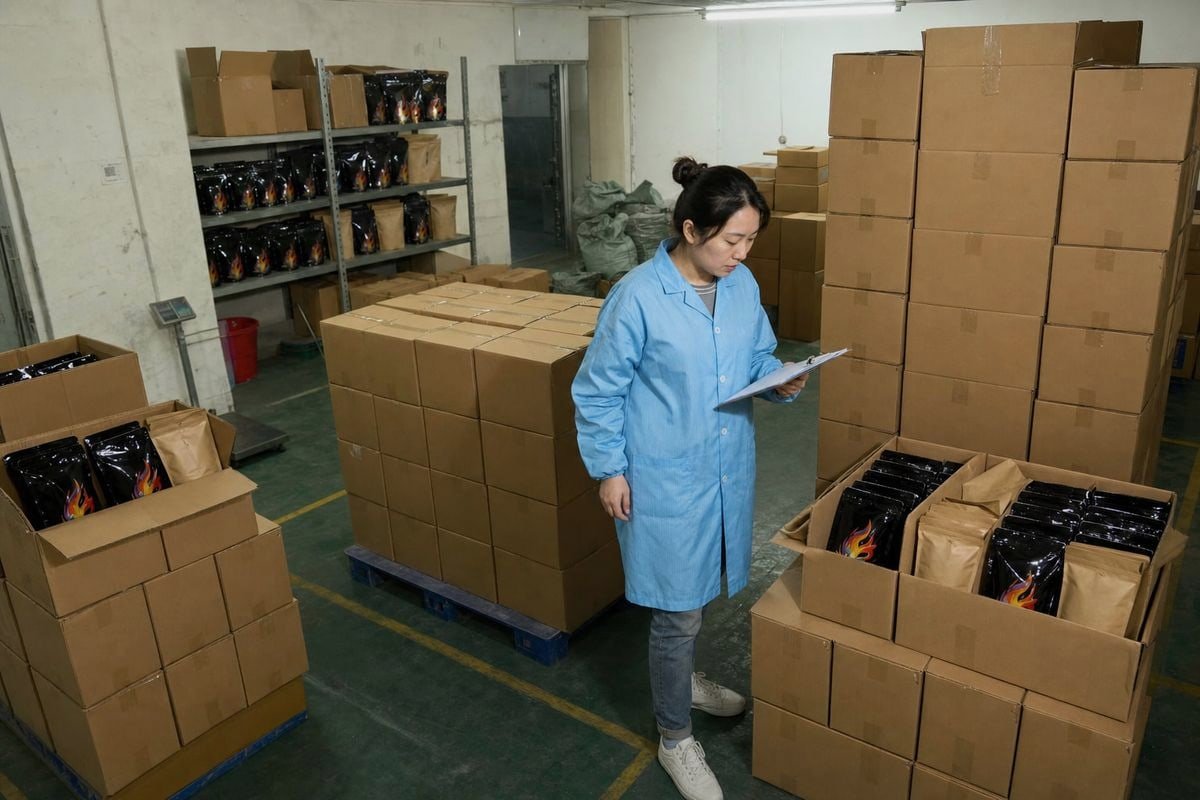
Minimum order quantity (MOQ) works differently in a consolidated deal than in a single-brand deal, and this is where consolidation genuinely helps smaller brands. Instead of each label needing to hit a full standalone MOQ, the factory sets one combined minimum, then a smaller per-SKU floor driven by printing economics. Foil pouch printing runs need a minimum footage, which is why per-label minimums exist at all. If one of your brands is still in the trial stage, we can often run it on a neutral or stock design at a lower minimum while your established brands carry the volume.
Typical Consolidated Order Framework
| Bestelltyp | Combined MOQ | Per-SKU Minimum | Produktionsvorlaufzeit |
|---|---|---|---|
| Stock packaging, mixed brands | ~1,000 units | ~200–300 units | 20–30 Tage |
| Repeat private-label order | ~2,000 units | ~500 units | 25–40 Tage |
| New private-label artwork | ~3,000 units | Erste Bestellvorlaufzeit | 35–50 Tage |
| Hauptsaison (Aug–Nov) | Same MOQs | Gleich | Fügen Sie 10–15 Tage hinzu |
Timing Rules That Protect You
First, all brands in the consolidation must accept one ship window; the slowest artwork approval delays the whole container. Second, book early for Q4 — fire-pit and camping season demand stacks up, and sea freight tightens. Third, ask for batch-to-batch QC documentation on every consolidated run. A first sample should reliably match mass production; if it does not, no discount tier is worth the reorder risk. One caution on the risk side: consolidating everything with one supplier does concentrate dependency. We tell buyers honestly — mitigate it with a tier-lock contract, agreed penalty terms for late shipment, and third-party inspection rights 7, rather than by fragmenting orders and losing your pricing leverage.
Schlussfolgerung
Fragmented brand orders bleed margin through repeated freight fees and reset discounts. Consolidate through one master account, one invoice, and a tier-lock contract — and your combined volume finally earns the pricing it deserves.
Fußnoten
1. WTO customs valuation rules explain the fixed trade costs referenced in freight savings. ↩︎
2. Core financial concept underlying the break-even discount calculation discussed. ↩︎
3. Background on chemistry behind color-flame powder formulas mentioned in article. ↩︎
4. CPSC oversees consumer product safety labeling requirements for items like this. ↩︎
5. Explains the EU conformity marking required for compliant product exports. ↩︎
6. ISO 9001 defines quality documentation standards relevant to manufacturer compliance practices. ↩︎
7. ISO/IEC 17020 governs inspection body standards referenced as a risk safeguard. ↩︎



 English
  Spanish
  German
  French
  Arabic
  Portuguese
Diskutieren Sie mit