







TSCA-Importzertifizierung für gefärbte Kiefernzapfen aus China verwirrt viele Käufer EPA-Inventar chemischer Substanzen 1. Unser Produktionsteam in Ningbo hat zugesehen, wie Sendungen über eine fehlende Zertifizierungszeile an US-Häfen liegen geblieben sind.
Um die TSCA-Importzertifizierung für gefärbte Kiefernzapfen aus China abzuschließen, klassifizieren Sie die Sendung zuerst als Artikel oder chemische Mischung. Reichen Sie dann eine positive Zertifizierungserklärung (TSCA-konform) oder eine negative Zertifizierungserklärung (nicht TSCA-pflichtig) über CBP ACE Filing ein, einschließlich Ihres Namens, Ihrer E-Mail-Adresse und Ihrer Telefonnummer.
Das klingt einfach. In der Praxis hängt die Antwort davon ab, was sich tatsächlich auf diesen Kiefernzapfen befindet. Ich führe Sie durch jeden Schritt, basierend auf dem, was wir bei echten US-gebundenen Sendungen sehen.
Wie weiß ich, ob meine gefärbten Kiefernzapfen unter die TSCA-Vorschriften fallen?
Ein Käufer aus Texas fragte mich einmal, warum seine bemalten Kiefernzapfen Papiere benötigten, die seine natürlichen nicht brauchten. Die Antwort änderte seine gesamte Beschaffungscheckliste, und sie beginnt mit einer Unterscheidung.
Farbige Kiefernzapfen geraten unter die Lupe des TSCA, wenn die auf sie aufgetragenen Farbstoffe, Beschichtungen, Konservierungsmittel oder Flammschutzmittel als chemische Substanzen oder Gemische gelten. Ein vollständig ausgehärteter, dekorativer bemalter Zapfen ist in der Regel ein Artikel außerhalb der Zertifizierung, während Zapfen, die zur Freisetzung von Chemikalien bestimmt sind, in der Regel eine Zertifizierung erfordern.

TSCA Abschnitt 13 2 regelt keine Kiefernzapfen, weil sie aus China stammen. Es regelt chemische Substanzen und Gemische, die in die Vereinigten Staaten gelangen. Die eigentliche Frage ist also nie: "Sind Kiefernzapfen reguliert?" Es ist: "Was wurde auf diese Kiefernzapfen aufgetragen, und verhält es sich an der Grenze wie eine Chemikalie?"
Der Artikel-vs-Gemisch-Test
Ein Artikel ist ein fertiges Objekt, dessen Funktion von seiner Form oder seinem Design abhängt und nicht von der Freisetzung von Chemikalien. Ein violetter Kiefernzapfen mit metallisch-goldenen Spitzen, bemalt mit vollständig ausgehärtetem Lack, ist im Allgemeinen ein Artikel. Die Farbe ist gebunden. Sie bleibt haften. Artikel erfordern im Allgemeinen keine TSCA-Zertifizierung, es sei denn, eine spezielle Regel besagt etwas anderes.
Drehen Sie nun die Logik um. Unsere Farbflammen-Kiefernzapfen sind so konzipiert, dass sie Metallsalze in ein Feuer abgeben, um blaue, grüne und violette Flammen zu erzeugen. Die chemische Freisetzung ist die gesamte Funktion des Produkts. Diese Sendung ist kein einfacher Artikel. Sie enthält chemische Substanzen, die der TSCA-Zuständigkeit unterliegen, und die Zertifizierung gilt.
Hier ist, wie die gängigen Produkttypen aufgeschlüsselt werden:
| Kiefernzapfen-Typ | Wahrscheinlicher TSCA-Status | Zertifizierung normalerweise erforderlich? |
|---|---|---|
| Natürliche Zapfen im Ernte-Look | Pflanzlicher Artikel | Nein |
| Bemalte oder gefärbte, vollständig ausgehärtete Oberfläche | Artikel | Normalerweise nein, aber dokumentieren Sie warum |
| Mit Glitzer beschichtete, mit ausgehärtetem Klebstoff versehene Zapfen | Artikel | Normalerweise nein |
| Parfümierte Zapfen (Duftfreisetzung) | Gemisch auf einem Träger | Oft ja |
| Farbflammen-Zapfen (chemische Freisetzung) | Chemische Substanzen auf einem Träger | Ja |
| Konservierte Zapfen mit aktiven Bioziden | Sachverhaltsabhängig | Oft ja |
Zwei weitere Fallen verdienen Aufmerksamkeit. Erstens, prüfen Sie auf PFAS in jeder "Schnee-Effekt"- oder wasserabweisenden Beschichtung, da die EPA-Berichtspflicht nach Abschnitt 8(a)(7) von 2023 viele traditionelle Artikelbefreiungen für PFAS-haltige Produkte aufhebt. Zweitens, verlassen Sie sich nicht auf Marketingetiketten. "Bastelartikel" oder "Feiertagsdekoration" auf einer Rechnung haben kein rechtliches Gewicht. CBP achtet auf die Zusammensetzung, nicht auf Adjektive. Wenn Sie den Artikelstatus beanspruchen, bewahren Sie eine schriftliche Analyse auf, die erklärt, warum. Dieses Dokument hat unseren Käufern bei der Einreisekontrolle viel Zeit gespart.
Welche Dokumentation benötige ich von meinem chinesischen Hersteller für die TSCA-Konformität?
Jeden Herbst bereitet unsere Compliance-Abteilung in Liuyang das gleiche Dokumentenpaket für US-gebundene Farbflammen-Kiefernzapfen-Bestellungen vor. Nach 17 Jahren Export in über 30 Länder wissen wir genau, was CBP und Makler erwarten.
Fordern Sie ein vollständiges Produktspezifikationsblatt, ein Sicherheitsdatenblatt (SDB) für jede Farbe oder Beschichtung, CAS-Registrierungsnummern für jede Chemikalie, eine Lieferanten-Zusammensetzungserklärung, Testberichte von Drittanbietern und die korrekte HTS-Code-Klassifizierung an. Fügen Sie Lacey Act-Artdaten und ein Pflanzengesundheitszeugnis für Pflanzenmaterial hinzu.

Der Importeur trägt die volle rechtliche Haftung für die chemische Identität der Farbstoffe und Pigmente auf diesen Zapfen. Sie zertifizieren auf der Grundlage von "tatsächlichem Wissen" oder "angemessener Nachforschung". Das bedeutet Ihre Dokumentation von der Fabrik ist kein Papierkram an sich. Es ist Ihre rechtliche Verteidigung.
Das Kern-Dokumentenpaket
Hier ist die Checkliste, die wir unseren US-Distributoren vor jeder Sendung aushändigen:
| Dokument | Was es zeigen muss | Warum es wichtig ist |
|---|---|---|
| Produktspezifikationsblatt | Ob die Zapfen natürlich, gefärbt, bemalt, beschichtet oder parfümiert sind | Bestimmt die Entscheidung Artikel vs. Gemisch |
| Sicherheitsdatenblatt 3 (SDS) | Vollständige chemische Zusammensetzung von Farbstoffen und Beschichtungen | Ermöglicht angemessene Nachforschung |
| CAS-Registrierungsnummern 4 | Genaue Identifikatoren für jede Substanz | Benötigt, um die EPA-Inventar chemischer Substanzen 5 |
| Zusammensetzungserklärung | Unterzeichnete Fabrikerklärung aller Behandlungen | Dokumentiert Ihre Sorgfaltspflicht |
| Prüfberichte von Drittanbietern | SGS- oder Intertek-Ergebnisse für Schwermetalle | Unterstützt die TSCA-Abschnitt-6-Prüfung |
| Handelsrechnung | Genaue Produktbeschreibung, die mit den Waren übereinstimmt | Verhindert Verzögerungen bei der CBP-Einreise |
| Lacey Act 6 Deklarationsdaten | Gattung, Art, Ernteland | Separate obligatorische Pflanzenmeldung |
| Phytosanitäre Bescheinigung | Pflanzengesundheitsinspektion aus dem Ursprungsland | Erforderlich für unbehandelte Pflanzenteile |
Warum Kiefernzapfen eine doppelte Konformität benötigen
Viele Käufer konzentrieren sich so sehr auf TSCA, dass sie die pflanzliche Seite vergessen. Gefärbte Kiefernzapfen fallen typischerweise unter HTS-Code 0604.99.6000, das gefärbte, gebleichte oder anderweitig für dekorative Zwecke vorbereitete Pflanzenteile abdeckt. Da das Basismaterial pflanzlich ist, verlangt der Lacey Act eine eigene Deklaration von Gattung, Art und Ernteland. TSCA und Lacey laufen parallel. Eine Einreichung deckt niemals die andere ab.
Ein weiterer Punkt zu Schwermetallen. Billige Dekorationspigmente aus ungeprüften Werkstätten enthalten manchmal Blei- oder Cadmiumkontaminationen, was TSCA-Abschnitt-6-Beschränkungsprobleme aufwirft. Wir bauen einen Schwermetall-Screening-Schritt in jede Pigmentcharge ein, gerade weil unsere Käufer sich diese Überraschung bei der Einfuhr nicht leisten können. Bitten Sie jeden Lieferanten, Chargen-Testdaten vorzulegen, nicht nur ein einmaliges Zertifikat von vor Jahren.
Wie kann ich die TSCA-Zertifizierung meines Lieferanten überprüfen, bevor ich eine Bestellung aufgeben?
Testbestellungen haben mich in meiner Exportkarriere früh etwas Unangenehmes gelehrt: Einige Lieferanten senden Ihnen per E-Mail ein "TSCA-Zertifikat", das nichts weiter als ein Logo auf einer Vorlage ist. Die Überprüfung schützt Ihr gesamtes Programm.
Überprüfen Sie die Behauptungen eines Lieferanten bezüglich TSCA, indem Sie jede CAS-Registrierungsnummer mit dem EPA Chemical Substance Inventory auf aktiven Status abgleichen, Sicherheitsdatenblätter (SDB) mit deklarierten Formulierungen abgleichen, SGS- oder Intertek-Berichte direkt mit dem Prüflabor validieren und Ergebnisse von Schwermetallen auf Chargenebene anfordern, anstatt einmalige Zertifikate zu erhalten.

Hier ist die unbequeme Wahrheit, die viele Erstimporteure übersehen. Es gibt kein offizielles "TSCA-Zertifikat", das an eine Fabrik ausgestellt wird. Die Zertifizierung ist eine Erklärung, die der Importeur bei der Einfuhr einreicht. Wenn ein Lieferant also sagt: "Wir sind TSCA-zertifiziert", sollte er meinen: "Unsere chemische Formulierung ist dokumentiert, unsere Substanzen sind auf dem EPA-Inventar aufgeführt und aktiv, und wir können es beweisen." Alles Vageere verdient eine Prüfung.
Ein Fünf-Schritte-Verifizierungsprozess
- Sammeln Sie CAS-Registrierungsnummern für jeden Farbstoff. Lehnen Sie vage Antworten wie "Lebensmittelfarbe" ab. Sie benötigen spezifische Identifikatoren für jedes Pigment, jeden Bindemittel und jedes Metallsalz.
- Überprüfen Sie jede Substanz im EPA Chemical Substance Inventory. Bestätigen Sie, dass jede einzelne aufgeführt und als aktiv markiert ist. Jede inaktive Chemikalie, die im Färbeprozess verwendet wird, erfordert eine formelle Benachrichtigung der EPA, bevor Ihre Sendung rechtmäßig freigegeben werden kann.
- Validieren Sie das Sicherheitsdatenblatt (SDS) anhand der Deklaration. Das Sicherheitsdatenblatt, die Zusammensetzungsdeklaration und die Rechnung müssen dieselbe Geschichte erzählen. Abweichungen deuten entweder auf Schlamperei oder auf Verschleierung hin.
- Überprüfen Sie die Testberichte an der Quelle. SGS- und Intertek-Berichte tragen Berichtsnummern, die Sie direkt beim Labor bestätigen können. Wir ermutigen Käufer, dies mit unseren Berichten zu tun, denn eine echte Fabrik hat nichts zu verbergen.
- Überprüfen Sie das Qualitätssystem, nicht nur die Papiere. ISO 9001 7 und BSCI-Audits zeigen, ob ein Lieferant eine Formulierung Charge für Charge stabil halten kann. Die TSCA-Konformität ist nur so gut wie die Chargenkonsistenz, da eine Formulierung, die zwischen den Produktionsläufen schwankt, die von Ihnen eingereichten Dokumente ungültig macht.
Ein praktischer Kompromiss, der es wert ist, genannt zu werden: Diese Überprüfung dauert zwei bis drei Wochen vor Ihrer ersten Bestellung. Das fühlt sich langsam an, wenn eine Saison naht. Aber es ist weitaus schneller als ein festgefahrener Container. Bauen Sie es einmal in Ihren Beschaffungskalender ein, und jede Nachbestellung danach läuft schnell.
Was passiert, wenn meine Lieferung gefärbter Kiefernzapfen die TSCA-Importanforderungen nicht erfüllt?
Ein Händler in den Niederlanden erzählte mir einmal von einem US-Kollegen, dessen Container mit duftenden Zapfen sechs Wochen lang im Zolllager lag. Die täglichen Lagergebühren überstiegen schließlich die Produktmarge. Diese Geschichte prägt, wie wir jedes Einfuhrpaket vorbereiten.
Eine Sendung, die die TSCA-Importanforderungen nicht erfüllt, kann am Hafen festgehalten, die Einfuhr verweigert oder die Wiederausfuhr oder Vernichtung auf Kosten des Importeurs angeordnet werden. Importeure sehen sich Lagergebühren, zivilrechtlichen Strafen für falsche Bescheinigungen und einer verstärkten Überprüfung durch die CBP bei zukünftigen Einfuhren gegenüber.
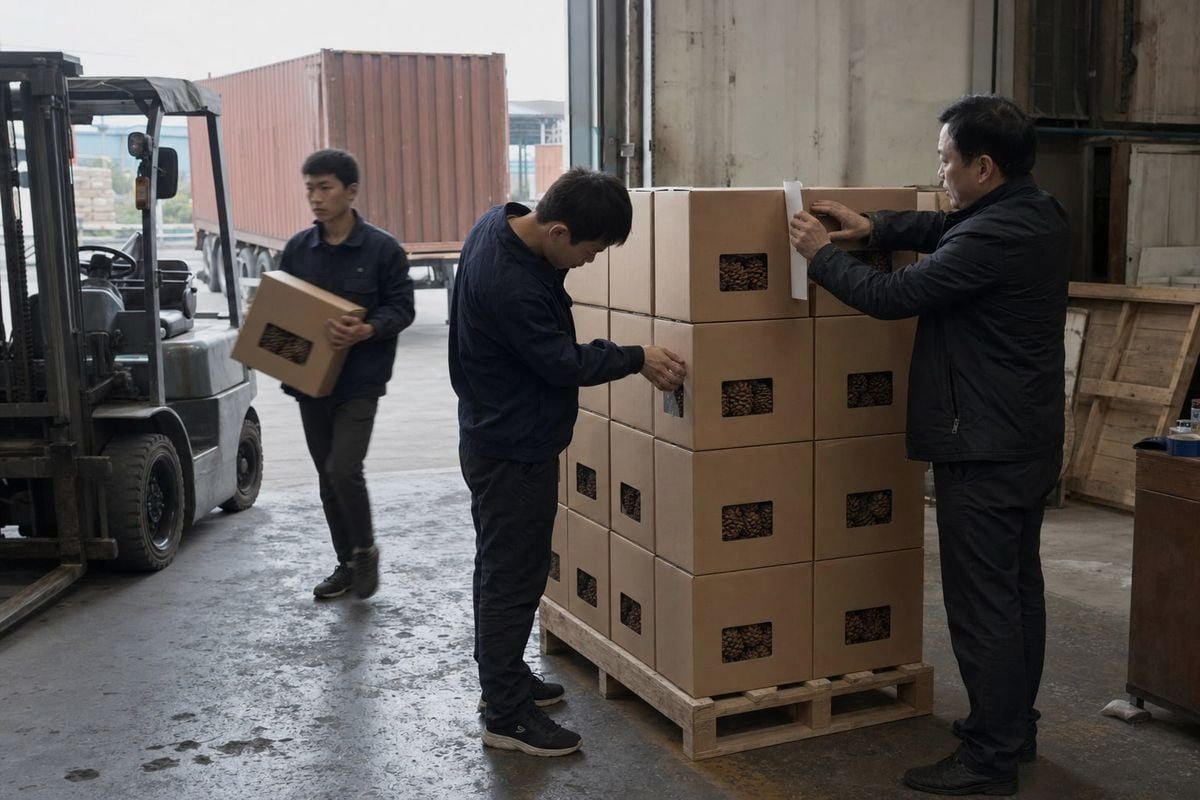
Das Scheitern an der Grenze resultiert selten aus einer einzigen dramatischen Verletzung. Es ergibt sich normalerweise aus kleinen, vermeidbaren Lücken. Das Verständnis der Fehlerarten hilft Ihnen, diese zu schließen, bevor Ihre Waren versendet werden.
Häufige Fehlerszenarien und ihre Kosten
| Ausfallmodus | Typische Konsequenz | Wie man es verhindert |
|---|---|---|
| Keine Zertifizierung eingereicht, wenn CBP eine erwartet | Einfuhrstopp bis zur Einreichung; Freigabe verzögert | Klären Sie den Zertifizierungsansatz vor dem Versand mit Ihrem Broker ab |
| Falscher Zertifizierungstyp eingereicht | Ablehnung und erneute Einreichung; mögliche Strafen | Wählen Sie auf der Grundlage der Zusammensetzung, nicht der Produktmarketingbegriffe |
| Fehlende Kontaktdaten des Zertifizierers | Einreichung als unvollständig abgelehnt | Geben Sie Name, E-Mail und Telefonnummer auf jeder Zertifizierung an |
| Vage Rechnungsposition | Verlängerte CBP-Prüfung und Untersuchung | Stimmen Sie die Rechnung mit den tatsächlichen Waren überein |
| Inaktive Inventurchemikalie in der Beschichtung | Sendung kann erst nach Benachrichtigung der EPA rechtmäßig freigegeben werden | Überprüfen Sie den aktiven Status vor der Produktion |
| Schwermetallkontamination gefunden | Beschlagnahme, mögliche Zerstörung, Markenschädigung | Chargenbezogene Blei- und Cadmiumprüfung |
Die Einreichungsmechanismen, die einen Fehler verhindern
Bringen Sie die Mechanik in Ordnung und die meisten dieser Risiken verschwinden. Elektronische Zertifizierungen gehen durch CBP ACE Einreichung 8 zum Zeitpunkt der Einfuhr. Papierbescheinigungen müssen auf der Rechnung eingetippt oder vorgedruckt sein und vor der Freigabe der Sendung eingereicht werden. In jedem Fall muss die Erklärung den Namen, die E-Mail-Adresse und die Telefonnummer des Zertifizierers enthalten. Wählen Sie die positive Zertifizierungserklärung, wenn Ihre Chemikalien TSCA unterliegen und diese einhalten. Wählen Sie die negative Zertifizierungserklärung, wenn die Sendung tatsächlich außerhalb der TSCA-Zuständigkeit liegt, und bewahren Sie Ihre schriftliche Begründung auf.
Bewahren Sie dann alles auf, einschließlich Lieferantenerklärungen, SDS-Dateien und chemischen Identitätsaufzeichnungen, für mindestens drei Jahre ab dem Datum der Einfuhr. Aufzeichnungen sind billig. Eine Strafuntersuchung ohne Aufzeichnungen ist es nicht. Von unserer Seite archivieren wir Formulierungs- und Testdaten für jede exportierte Charge, damit unsere Käufer jede EPA- oder CBP-Frage beantworten können, lange nachdem der Container entladen wurde.
Schlussfolgerung
Gefärbte Kiefernzapfen sehen einfach aus, aber die Zusammensetzung entscheidet über alles. Klassifizieren Sie die Sendung korrekt, sammeln Sie echte Dokumentation, überprüfen Sie Ihren Lieferanten und

 English
  Spanish
  German
  French
  Arabic
  Portuguese
Diskutieren Sie mit