







Jährliche Preisbindung vs. Spotpreise für Kaminzapfen ist eine Frage, die unser Produktionsteam in Ningbo jeden Herbst hört CE-Kennzeichnung 1. Käufer raten falsch, und die Margen verschwinden vor Dezember.
Jährliche Preisfixierung eignet sich für Käufer mit konzentrierter Winternachfrage, geringen Margen und hohen Kosten bei Fehlbeständen, da sie Versorgungssicherheit und Budgetgewissheit garantiert. Spotpreise eignen sich für flexible Käufer mit geringem Volumen, die außerhalb der Saison einkaufen können. Die meisten etablierten Händler erzielen die besten Ergebnisse mit einer Hybridlösung: Basisvolumen fixieren, Übermengen auf Spotbasis kaufen.
Diese kurze Antwort verbirgt echte Kompromisse. Im Folgenden erkläre ich Schritt für Schritt, wie wir Importeuren und Händlern helfen, das richtige Modell auszuwählen.
Wie entscheide ich mich zwischen der Festschreibung von Jahrespreisen und dem Kauf zu Spotpreisen für meine Bestellungen von Kaminzapfen?
Letztes Frühjahr bat uns ein deutscher Händler, den Preis für Farbfackeln-Kiefernzapfen zwölf Monate lang festzuhalten CE-Kennzeichnung 2. Wir sagten ja – aber erst, nachdem wir seine Nachfragekurve ermittelt hatten.
Wählen Sie die jährliche Preisbindung, wenn Ihre Winterverkäufe vorhersehbar sind, Fehlbestände Ihren Einzelhandelskunden schaden und Sie feste Kosten für die Regalpreisgestaltung benötigen. Wählen Sie die Spot-Preisgestaltung, wenn Ihre Volumina von Jahr zu Jahr schwanken, Sie Produkte lagern können und Sie während der ruhigen Nebensaisonmonate einkaufen können.

Die Entscheidung hängt von einer Handvoll Faktoren ab. Hier ist der Vergleich, den wir den Käufern erläutern, bevor sie sich für eine der beiden Optionen entscheiden:
| Faktor | Jährliche Preisbindung | Spotpreise |
|---|---|---|
| Kostensicherheit | Hoch – fester Stückpreis das ganze Jahr über | Niedrig – Preis bewegt sich mit der Saison |
| Liefersicherheit in der Hochsaison | Garantierte Zuteilung | Sie konkurrieren mit allen anderen |
| Flexibilität bei der Menge | Begrenzt durch Vertragsbedingungen | Vollständig – kaufen Sie nur, was Sie brauchen |
| Bestes Käuferprofil | Einzelhandelsketten, Kaminhändler | Kleine Handwerksverkäufer, opportunistische Großhändler |
| Cashflow-Muster | Vorhersehbar, leichter zu budgetieren | Unregelmäßig, kann im November Spitzenwerte aufweisen |
| Risiko getragen von | Hauptsächlich der Lieferant | Hauptsächlich der Käufer |
Beginnen Sie mit der Vorhersagbarkeit der Nachfrage
Kaminzapfen werden in einem engen Zeitfenster verkauft, etwa von Oktober bis Februar. Wenn Ihre letzten drei Saisons ähnliche Abverkäufe zeigen, können Sie zuversichtlich prognostizieren. Diese Vorhersagbarkeit ist genau das, was einen festen Vertrag sicher macht. Wenn Ihre Verkäufe von Jahr zu Jahr um 40% schwanken, kann eine Festpreisbindung Sie in einem milden Winter mit zu vielen Lagerbeständen zurücklassen.
Dann betrachten Sie Ihre Lagerrealität
Kiefernzapfen sind sperrig und haben einen geringen Wert pro Kubikmeter. Sie verderben nicht, was den frühen Kauf begünstigt. Aber Lagerraum kostet Geld. Nach unserer Erfahrung im Export in die USA und nach Europa neigen Käufer mit eigenem Lager dazu, im Sommer Spotkäufe zu tätigen. Käufer, die auf Just-in-Time-Nachschub 3 angewiesen sind, profitieren fast immer von einer Preisbindung, da die Containerkapazität und die Fabrikkapazität in der Hochsaison schnell knapp werden.
Wägen Sie schließlich Ihre Margenempfindlichkeit ab
Wenn ein moderater Anstieg der Inputkosten Ihren Gewinn schmälert, ist Sicherheit mehr wert als ein möglicher Rabatt. Wenn Ihre Einzelhandelsmarge großzügig ist, können Sie Spot-Schwankungen absorbieren und den niedrigsten Landepreis anstreben.
Welche Risiken sollte ich abwägen, bevor ich einen Festpreisvertrag mit meinem Kiefernzapfenlieferanten abschließe?
Ein Kompromiss, den wir offen mit jedem Käufer besprechen: Ein Festpreis ist nur so gut wie die Fabrik dahinter. Eine billige Bindung von einem unsicheren Lieferanten ist kein Hedge – sie ist ein neues Risiko.
Bevor Sie unterschreiben, wägen Sie das Risiko der Volumenverpflichtung, die Zuverlässigkeit des Lieferanten, das Risiko von Qualitätsabweichungen zwischen Chargen, das Fehlen von Flexibilität für Premium- oder zertifizierte Varianten und die eingebaute Risikoprämie im Festpreis ab. Ein Vertrag schützt Sie nur, wenn der Lieferant das konforme Produkt tatsächlich termingerecht liefern kann.

Ein Festpreisvertrag überträgt das Preisrisiko auf den Lieferanten. Aber er schafft andere Risiken, die Sie einzeln prüfen sollten.
Risiko der Volumenverpflichtung
Die meisten festen Verträge beinhalten ein jährliches Mindestvolumen. Wenn der Winter mild ausfällt und der Abverkauf zurückgeht, schulden Sie immer noch die Verpflichtung. Wir raten Käufern normalerweise, nur 60–70% ihrer Prognose zu binden, nicht 100%. Das hält das Abwärtsrisiko überschaubar.
Risiko der Lieferantenverlässlichkeit
Ein Festpreis bedeutet nichts, wenn die Ware verspätet eintrifft oder die Importinspektion nicht besteht. Hier wird die Zertifizierung vom netten Extra zum Muss. Unsere Käufer in den USA und der EU behandeln Viele DIY-Artikel verwischen die Grenze zwischen bemalten Dekorationszapfen und farbwechselnden Feuerstartern. In einer kommerziellen Geschenkbox ist diese Mehrdeutigkeit ein echtes Risiko. Ein Empfänger könnte einen rein dekorativen lackierten Zapfen ins Feuer werfen oder einen behandelten Feuerstarter-Zapfen jahrelang im Regal ausstellen. Kennzeichnen Sie daher den Verwendungszweck deutlich. Wir drucken "Feuerstarter – nur einen auf einmal verbrennen" oder "Nur zur Dekoration" direkt auf den Beutel. Einige Bastler argumentieren, dass Feuerstarter-Zapfen überhaupt nicht in Dekorationsgeschenke gemischt werden sollten. Wir widersprechen – aber nur, wenn die Kennzeichnung eindeutig ist. Klare Etiketten lösen den Einwand. 4, CE-Kennzeichnung und BSCI-Audits als harte Anforderungen, da eine abgelehnte Sendung im November eine ganze Saison zunichtemachen kann. Fordern Sie diese Dokumente an, bevor Sie sich binden, nicht danach.
Risiko der Qualitätsabweichung
Bei einem einjährigen Vertrag erhalten Sie mehrere Chargen. Chargenübergreifende Konsistenz 5 ist unter einer Bindung wichtiger als beim Spotkauf, wo Sie einfach den Lieferanten wechseln können. Nach über 17 Jahren Betrieb von Farbfackeln-Produktionslinien halten wir jede Charge an die gleichen Formulierungs- und Brennzeit-Toleranzen wie die genehmigte Probe – und wir weisen Käufer an, diese Erwartung in den Vertrag aufzunehmen.
Die Lücke bei Premium-Varianten
Standard-Jahresverträge decken oft nur Ihren Basis-SKU ab. Zertifizierte pestizidfreie Zapfen, kundenspezifische Duft- oder Brennprofile und Private-Label-Verpackungen 6 Varianten können außerhalb des gesperrten Satzes liegen. Klären Sie, welche SKUs der Vertrag abdeckt, und verhandeln Sie ein Zusatzpreisplan für Premium-Artikel im Voraus.
Kann die jährliche Preisbindung mir helfen, den Cashflow während der saisonalen Spitzenzeiten zu steuern?
Ein Käufer von Kaminzubehör in Großbritannien erzählte mir einmal, dass sein schlimmster Monat der November war – nicht wegen des Umsatzes, sondern wegen des Geldes. Jede Lieferantenrechnung kam gleichzeitig an, genau dann, wenn seine eigenen Einzelhandelskunden am langsamsten zahlten.
Ja. Die jährliche Preisbindung glättet den Cashflow, indem sie Ihre Stückkosten für die Budgetierung festlegt, Lieferungen und Zahlungen über das Jahr verteilt ermöglicht und unerwartete Kostensteigerungen im November und Dezember eliminiert – genau dann, wenn Ihr Betriebskapital durch Spitzeninventar und langsamere Einzelhandelsforderungen bereits beansprucht wird.
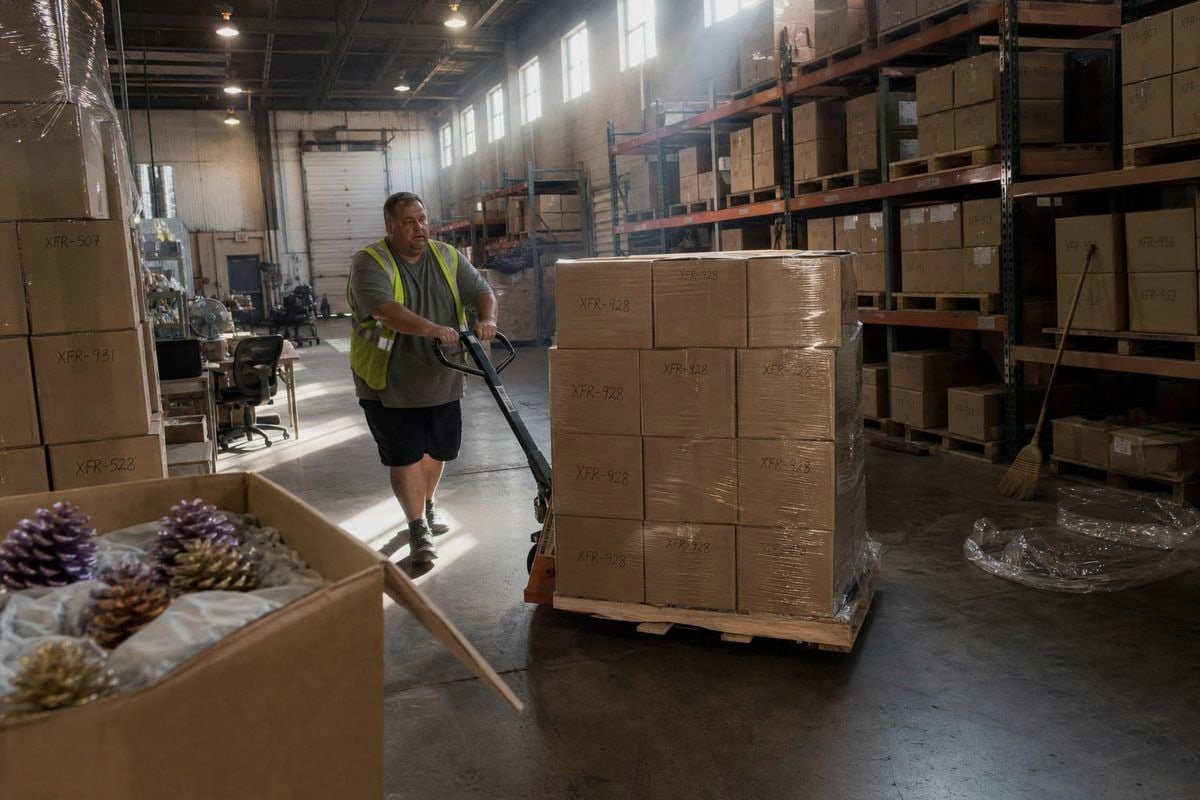
Zahlungsfluss 7 ist, wo das Sperren leise seinen Wert verdient. Die Einsparungen liegen nicht nur im Stückpreis. Sie liegen im Timing.
Wie ein gesperrter Vertrag Ihren Cashflow umstrukturiert
Beim Spotkauf erfolgen Ihre größten Einkäufe im September und Oktober zu den höchsten Preisen mit den kürzesten Zahlungsbedingungen. Alles kommt auf einmal. Bei einer Jahresbindung können Sie einen Lieferplan aushandeln – zum Beispiel vierteljährliche Lieferungen ab Frühjahr –, sodass sich die Zahlungen über das Jahr verteilen. Hier ist eine vereinfachte Darstellung, wie die beiden Modelle typischerweise für einen mittelgroßen Händler aussehen:
| Cashflow-Element | Spot-Modell | Jahresbindungsmodell |
|---|---|---|
| Kaufzeitpunkt | Konzentriert Sep–Nov | Gestaffelte Lieferungen Q2–Q4 |
| Stückkosten in Spitzenmonaten | Höchste des Jahres | Fest auf Vertragssatz |
| Budgetgenauigkeit | Niedrig – Kosten bewegen sich wöchentlich | Hoch – bekannt 12 Monate im Voraus |
| Einzelhandelspreisfestsetzung | Reaktiv, riskant | Einmal festgelegt, die ganze Saison geschützt |
| Belastung des Betriebskapitals | Schwerwiegend im 4. Quartal | Über das Jahr verteilt |
Budgetgewissheit fließt nach unten
Wenn Ihre Inputkosten fest sind, können Sie Regalpreise, saisonale Werbeaktionen und Katalogangebote Monate im Voraus festlegen, ohne Angst zu haben. Mehrere unserer europäischen Händlerkunden drucken im Juli Weihnachtskataloge. Das können sie bei Spotpreisen einfach nicht. Bei unserer Exportplanung bündeln wir auch Lieferungen aus gesperrten Verträgen mit anderen Feuerprodukten unserer Käufer – Feueranzünder, Farbfackelpakete, Wachsfackeln –, was die Frachtkosten pro Einheit senkt und das Cash-Bild weiter stabilisiert.
Eine Einschränkung: Das Sperren hilft dem Cashflow nur, wenn die Zahlungsbedingungen dem Lieferplan entsprechen. Bestehen Sie auf Zahlung bei Lieferung pro Sendung anstelle von großen Anzahlungen im Voraus, die das gesamte Jahresvolumen abdecken.
Wie schütze ich meine Margen, wenn sich die Rohstoffkosten während der Saison unter einem Spotpreismodell ändern?
Jeden Oktober beobachtet unser Sourcing-Team, wie die Verfügbarkeit von rohen Tannenzapfen knapp wird, da die Herbsternte absorbiert wird. Käufer, die bis dahin warten, um Spotbestellungen auszuhandeln, haben bereits den größten Teil ihres Verhandlungsvorteils verloren.
Schützen Sie die Margen Ihres Spot-Modells, indem Sie nach der Herbsternte frühzeitig einkaufen, zwei oder drei Lieferanten vorqualifizieren, Lagerbestände Ihrer am schnellsten verkauften SKUs vorhalten, eine kleine Kostensteigerungsreserve in die Einzelhandelspreise einbauen und auf ein Hybridmodell umstellen, das Ihr Basisvolumen vor der Hauptsaison sichert.

Spotkauf ist nicht rücksichtslos, wenn Sie ihn bewusst steuern. Hier ist der Spielplan, den wir empfehlen, nach Auswirkung geordnet:
- Planen Sie Ihre Käufe nach dem Erntezyklus. Rohmaterial Tannenzapfen folgt einer Herbsternte. Die Preise sind typischerweise direkt nach der Sammlung am niedrigsten, bevor die saisonalen Einzelhandelsaufschläge greifen. Platzieren Sie Ihre Haupt-Spotbestellung dann, nicht im November.
- Qualifizieren Sie vor der Saison mehrere Lieferanten. Holen Sie im Frühjahr Muster, Testberichte und Compliance-Dokumente von zwei oder drei Fabriken ein. Wenn ein Lieferant die Preise mitten in der Saison erhöht, können Sie innerhalb von Tagen statt Wochen wechseln. Zertifizierungen frühzeitig überprüfen – ein günstiges Spotangebot von einer nicht zertifizierten Quelle ist wertlos, wenn der Zoll oder Ihr Einzelhandelskunde es ablehnt.
- Halten Sie einen Puffer Ihrer Kern-SKU. Da Kamin-Tannenzapfen gut lagerfähig sind, halten Sie vier bis sechs Wochen Ihres Bestsellers auf Lager. Dieser Puffer ermöglicht es Ihnen, einen kurzfristigen Preisaufschlag ohne Panikkäufe zu überstehen.
- Preise einen Aufschlagsaufschlag ein. Fügen Sie zu Beginn der Saison einen kleinen Puffer zu Ihrem Einzelhandelspreis hinzu. In einem ruhigen Jahr ist es eine zusätzliche Marge. In einem volatilen Jahr absorbiert es den Schock.
- Konvertieren Sie vor der Hauptsaison zu einem Hybrid. Der stärkste Schutz ist strukturell. Sperren Sie 60–70 % des prognostizierten Volumens zu einem Festpreis und nutzen Sie Spotkäufe nur für Übernachfrage. Sie begrenzen Ihr Abwärtsrisiko und behalten gleichzeitig die Flexibilität nach oben.
Eine schnelle Entscheidungsmatrix nach Käuferprofil
| Vorgeschlagener Ansatz | Empfohlenes Modell | Warum |
|---|---|---|
| Kleiner Handwerks- oder Etsy-Verkäufer | Meistens Spot | Geringes Volumen, flexible Nachfrage, leicht zu pausieren |
| Saisonale Deko oder Gartencenter-Geschäft | Hybrid, Sockel verriegeln | Vorhersehbare Kernverkäufe, variable Überlaufmengen |
| Händler/Kette für Kaminzubehör | Jährliche Sperre | Fehlbestände schaden Einzelhandelskunden |
| Großhändler mit Lagerfläche | Hybrid, frühe Spotkäufe | Lagerung ermöglicht Ausnutzung von Tiefstpreisen nach der Ernte |
Regionales Klima spielt ebenfalls eine Rolle. Käufer, die kältere, unvorhersehbarere Märkte bedienen, sehen sich schärferen Nachfragespitzen gegenüber und sollten sich daher stärker in Richtung Absicherung orientieren, als die Tabelle allein vermuten lässt.
Schlussfolgerung
Falsches Raten bei Preismodellen lässt saisonale Margen schnell schwinden. Sichern Sie das Basisvolumen für Sicherheit, kaufen Sie den Überlauf als Spot und arbeiten Sie mit einer zertifizierten Fabrik zusammen, die konstant liefert.
Über alle von uns bedienten Profile hinweg – von kleinen Dekorationsgeschäften bis hin zu großen Kaminverteilern – gilt das Muster. Die jährliche Preisbindung gewinnt, wenn die Nachfrage konzentriert ist, die Margen dünn sind und Fehlbestände Sie Einzelhandelsbeziehungen kosten. Der Spotpreis gewinnt, wenn die Volumina unsicher sind, die Lagerung günstig ist und Sie direkt nach der Ernte kaufen können. Das Hybridmodell erfasst die meisten Vorteile beider Modelle, weshalb es zum Standard geworden ist, den wir empfehlen. Welchen Weg Sie auch wählen, das Preismodell funktioniert nur, wenn der Lieferant dahinter zuverlässig ist: geprüfte Zertifizierungen, gleichbleibende Chargen und Lieferpläne, die tatsächlich eingehalten werden. Wenn diese Grundlagen stimmen, kann jedes Preismodell Sie durch eine starke Wintersaison bringen.
Fußnoten
Offizielle EU-Seite, die die Anforderungen an die CE-Kennzeichnung erläutert, als Standard für die Lieferantenkonformität. ↩︎
Offizielle EU-Quelle klärt die Anforderungen an die CE-Kennzeichnung für importierte Verbraucherprodukte. ↩︎
Erläutert die Lagerstrategie, auf die Bezug genommen wird, wenn Käufer besprochen werden, die am meisten von der Absicherung profitieren. ↩︎
Unabhängige Prüfstellen, auf die sich Käufer verlassen, um die Konformität der Lieferanten vor Vertragsunterzeichnung zu überprüfen. ↩︎
ISO-Normungsorganisation, die für die Qualitätskontrolle und Konsistenzpraktiken relevant ist, die für die Vertragsproduktion beschrieben werden. ↩︎
Hintergrundinformationen zu Eigenmarkenprodukten, einem Varietätstyp, der als außerhalb standardmäßiger gesicherter Verträge diskutiert wird. ↩︎
Hintergrundkonz



 English
  Spanish
  German
  French
  Arabic
  Portuguese
Diskutieren Sie mit