






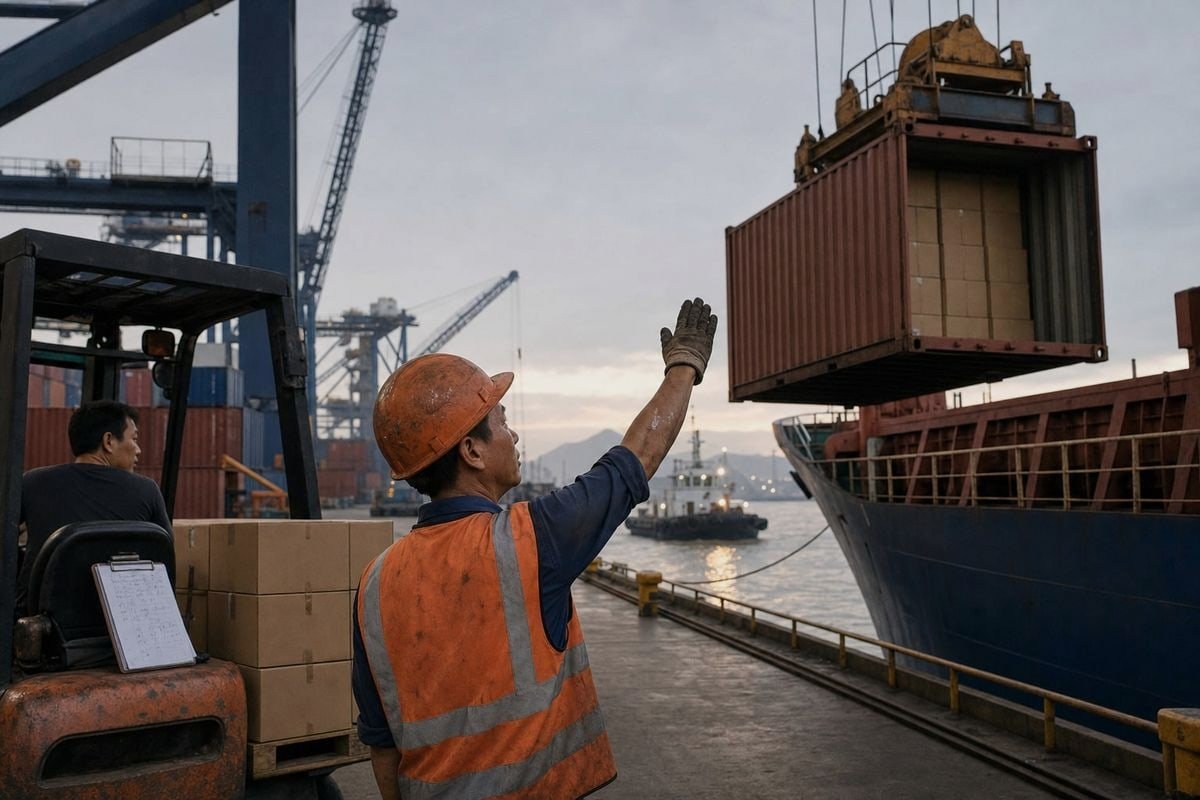
كل أسبوع، يسأل المشترون فريق التصدير لدينا نفس السؤال حول FOB و CIF عند البحث عن أكواز الصنوبر الملونة وثائق CE 1. اختر المصطلح الخاطئ، وسوف تتضخم تكلفة وصولك بهدوء.
يختلف FOB و CIF بشكل أساسي في من يدفع تكاليف الشحن البحري والتأمين عند الحصول على مخاريط الصنوبر الملونة. بموجب شروط FOB، يقوم المشتري بترتيب ودفع تكاليف الشحن من ميناء المنشأ. بموجب شروط CIF، يدفع البائع تكاليف الشحن والحد الأدنى للتأمين إلى ميناء الوصول، ومع ذلك لا يزال الخطر ينتقل عند التحميل.
هذه النقطة الأخيرة تفاجئ معظم المستوردين لأول مرة. دعني أشرح ما يغطيه كل مصطلح حقًا، وما يكلفه، وأيهما يناسب حجم طلبك.
ماذا يشمل مصطلح FOB فعليًا عند استيراد مخاريط الصنوبر الملونة من الصين؟
سألني مدير مشتريات من ألمانيا ذات مرة لماذا بدا عرض أسعار FOB نينغبو الخاص بنا "غير مكتمل". لم يكن غير مكتمل. لقد انتهى ببساطة حيث تنتهي FOB - عند حاجز السفينة.
بموجب شروط تسليم ظهر السفينة (FOB)، يغطي البائع تكاليف الإنتاج، وتغليف التصدير، والنقل الداخلي إلى ميناء المنشأ، والتخليص الجمركي للتصدير، والتحميل على السفينة. بمجرد وضع أكواز الصنوبر الملونة على متن السفينة، يدفع المشتري تكاليف الشحن البحري، والتأمين البحري، ورسوم الوجهة، ورسوم الاستيراد، والتسليم الداخلي.
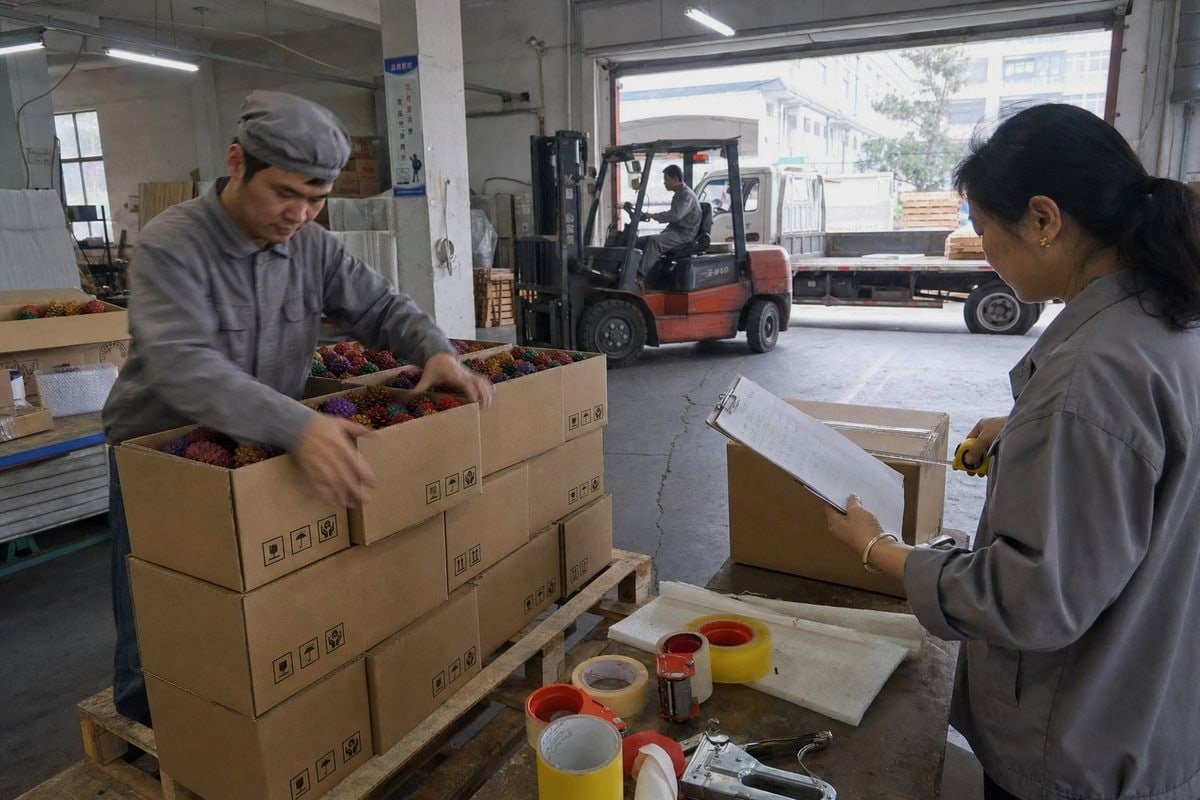
FOB تعني الشحن على متن السفينة 2. بعبارات بسيطة، تنتهي مهمتنا كمصنع عندما يتم تحميل صناديق أكواز الصنوبر الملونة الخاصة بك بأمان على السفينة في ميناء الصين المسمى. بالنسبة لنا، هذا الميناء هو عادة نينغبو، لأن خطوط الإنتاج لدينا تقع في نينغبو، تشجيانغ. كل شيء قبل نقطة التحميل هذه هو مسؤوليتنا ويتم تضمينه في سعر FOB.
ما تتعامل معه Sunrich بموجب FOB
إليك ما يتضمنه عرض أسعار FOB نينغبو الخاص بنا لطلب نموذجي لأكواز الصنوبر الملونة:
| بند التكلفة | مدرج في FOB؟ | من يدفع |
|---|---|---|
| التصنيع ومراقبة الجودة | نعم | البائع (Sunrich) |
| تغليف وتعبئة للتصدير | نعم | البائع |
| النقل البري إلى ميناء نينغبو | نعم | البائع |
| تخليص جمارك التصدير | نعم | البائع |
| التحميل على السفينة | نعم | البائع |
| الشحن البحري | لا | المشتري |
| التأمين البحري | لا | المشتري |
| رسوم الميناء والرسوم الجمركية في الوجهة | لا | المشتري |
تفصيل واحد مهم جدًا لهذا المنتج. أكواز الصنوبر الملونة خفيفة ولكنها ضخمة. تمتلئ الحاوية بالحجم قبل وقت طويل من وصولها إلى أي حد للوزن. لذا تعتمد كفاءة الشحن على تصميم الكرتون وتخطيط المنصة. بموجب FOB، ما زلنا نتحكم في تغليف التصدير, ، لذلك نقوم بتحسين أبعاد الكرتون لزيادة s بنسبة 8%–20% في بعض الحالات. أتعامل مع هذه الادعاءات كتسويق من المورد، وليس كمعايير مستقلة - ولكن اتجاهيًا، فهي تتطابق مع ما ألاحظه. الوكلاء الذين يجمعون شحنات عدة مشترين يخفضون تكلفة الشحن لكل وحدة للمنتجات الضخمة. والصنوبر شديد الضخامة مقارنة بقيمته، لذا فإن كفاءة الكرتون و 3 قبل تسليمها إلى وكيل الشحن الخاص بك. نقوم أيضًا بتضمين وثائق الامتثال — SGS و Intertek 4 تقارير الاختبار ووثائق CE الخاصة بنا — مع كل شحنة FOB، لأن السلع الزخرفية المعالجة غالبًا ما تثير أسئلة في جمارك الوجهة. تسافر هذه الأوراق مع البضائع بغض النظر عن شروط التجارة الدولية.
كيف يؤثر تسعير CIF على تكلفة الشحن الإجمالية ومخاطر التعرض لدي؟
كانت حالة الدعم الأكثر تعقيدًا التي تعاملت معها الموسم الماضي تتضمن مشترٍ CIF افترض أننا نحمل مخاطر الشحن حتى مينائه. لقد صُدم عندما علم الحقيقة حول مكان وجود المخاطر فعليًا.
تجمع أسعار الشحن والتأمين البحري وتكاليف المنتج في عرض أسعار واحد للبائع، مما يبسط الميزانية. ومع ذلك، لا يزال الخطر ينتقل إلى المشتري عند التحميل في الصين، ويستثني سعر الشحن والتأمين البحري رسوم ميناء الوصول والرسوم الجمركية والتسليم الداخلي، لذا فإن تكلفتك النهائية دائمًا أعلى من سعر الشحن والتأمين البحري.
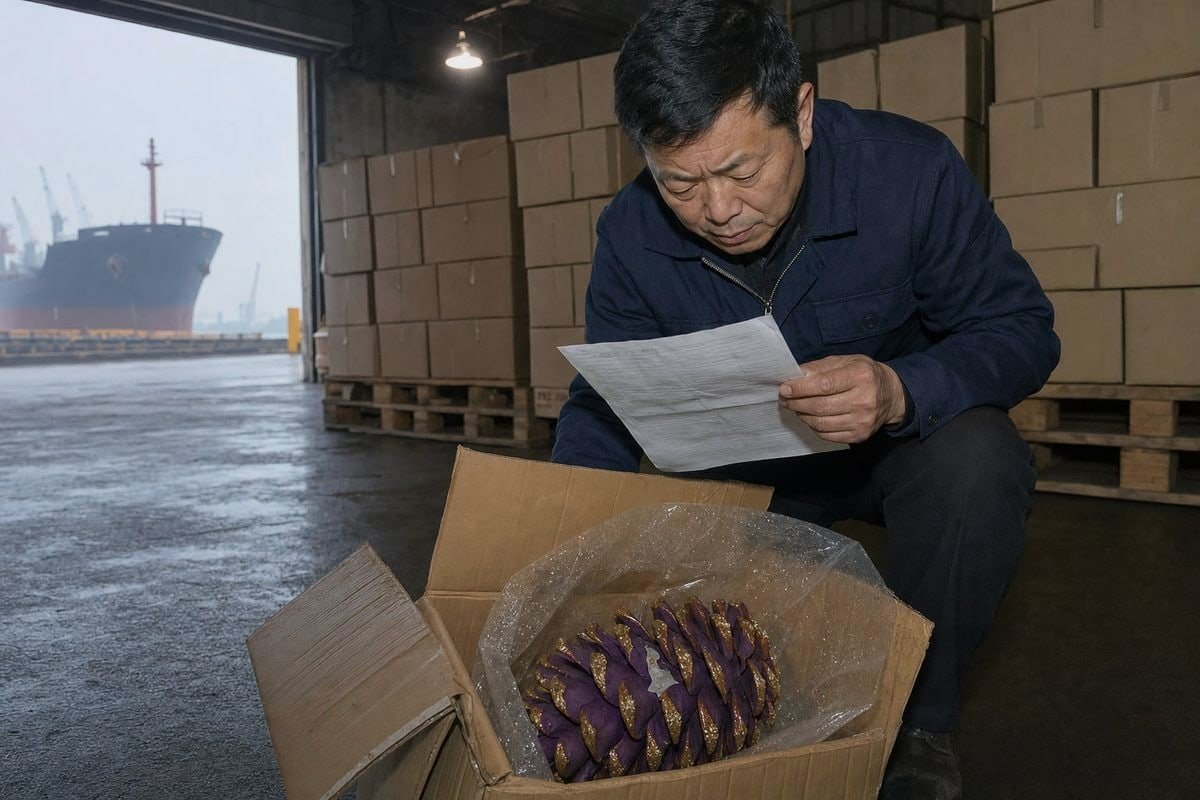
أكبر سوء فهم في هذا الموضوع بأكمله يكمن هنا. يعتقد العديد من المشترين أن CIF تعني أن البائع يتحمل المخاطر حتى ميناء الوجهة. هذا ليس صحيحًا. بموجب CIF، ندفع تكاليف الشحن والتأمين إلى مينائك، ولكن مخاطر الخسارة أو التلف 5 تنتقل إليك بمجرد تحميل البضائع على السفينة في نينغبو. لهذا السبب يوجد التأمين - فهو يحميك أنت، وليس نحن، أثناء الرحلة البحرية.
فخ الحد الأدنى للتأمين
يتطلب CIF فقط من البائع شراء تغطية دنيا، عادةً 110% من قيمة الفاتورة بموجب شروط معهد الشحن C 6. هذه حماية ضعيفة. بالنسبة لأكواز الصنوبر الملونة، هذا الأمر أكثر أهمية من السلع الصناعية الصلبة. أكواز الصنوبر هشة بكميات كبيرة وحساسة للرطوبة. قد لا يتم تغطية القشور المسحوقة أو الطلاء المتقشر أو العفن الناتج عن تكثف الحاوية بموجب الشروط C. عندما نقدم عرض أسعار CIF، نخبر المشترين بهذا بصراحة ونعرض ترتيب تغطية شروط A أوسع مقابل قسط صغير. ليس كل مورد سيفعل ذلك.
مقارنة تكلفة وصول نموذجية
إليك مثال مبسط لحاوية واحدة بحجم 20 قدمًا من أكواز الصنوبر الملونة إلى ميناء أمريكي:
| مكون التكلفة | نهج FOB | نهج CIF |
|---|---|---|
| المنتج (قيمة FOB نينغبو) | $18,000 | مضمن في سعر CIF |
| الشحن البحري | $2,200 (يتفاوض المشتري) | مدرج، مع زيادة السعر |
| التأمين | $150 (يختار المشتري التغطية) | مدرج، الحد الأدنى للتغطية فقط |
| إجمالي عرض أسعار CIF | — | $21,000 |
| رسوم الميناء والتعامل في الوجهة | $800 | $800 |
| الرسوم الجمركية والتخليص الجمركي | $1,100 | $1,100 |
| النقل البري | $900 | $900 |
| تكلفة الوصول المقدرة | $23,150 | $23,800 |
الأرقام توضيحية، لكن النمط حقيقي. بساطة CIF تحمل هامشًا مخفيًا، ورسوم الوجهة لا تزال تقع عليك على أي حال.
أي مصطلح تجاري دولي يمنحني تحكمًا أفضل في الشحن ومواعيد التسليم؟
الموسمية تدفع كل شيء في أعمالنا. تباع أكواز الصنوبر الملونة لديكور الخريف والعطلات، مما يعني أن تقويم التصدير لدينا يصل إلى ذروته بالضبط عندما ترتفع أسعار الشحن البحري وذروة ازدحام الموانئ أيضًا.
يمنح مصطلح تسليم ظهر السفينة (FOB) المشترين تحكمًا أفضل بوضوح في الشحن والجداول الزمنية. أنت تختار وكيل الشحن، وتتفاوض على الأسعار، وتختار الناقل والطريق، ويمكنك تبديل المزودين بسرعة أثناء الاضطرابات. بموجب مصطلح تكلفة التأمين والشحن (CIF)، تتحكم سلسلة الخدمات اللوجستية للبائع في شحنتك، مما يحد من رؤيتك ومرونتك.
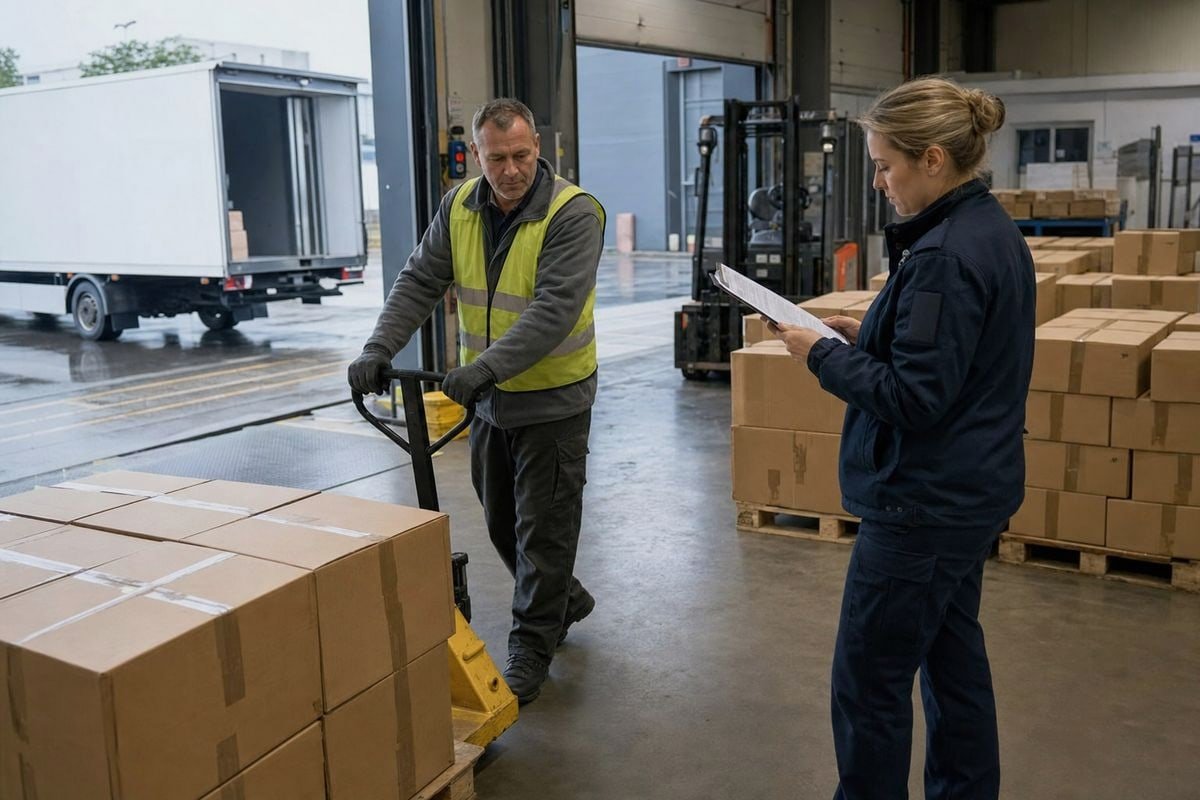
التحكم هو الأهم عندما تسوء الأمور. خلال موسم الذروة، تقوم السفن بتأجيل الحجوزات، وتزدحم الموانئ، وتتأخر أوقات العبور. بموجب اتفاقية FOB، يعمل وكيل الشحن الخاص بك لصالحك. يمكنك الضغط للحصول على إبحار مبكر، أو إعادة توجيه عبر ميناء مختلف، أو الدفع مقابل خدمة مميزة عندما يكون هناك موعد نهائي للبيع بالتجزئة على المحك. بموجب اتفاقية CIF، فأنت مقيد بأي سلسلة اختارناها أو اختارها وكيل الشحن الخاص بنا. إذا علقت شحنة ما، فأنت تحلها من خلالنا، مما يضيف طبقة اتصال ويكلفك أيامًا.
أين يفوز كل مصطلح بالتحكم
- اختيار الناقل والطريق: FOB يفوز. أنت تختار خط الشحن ومسار العبور.
- التفاوض على أسعار الشحن: FOB يفوز. أنت تتسوق الأسعار مباشرة، وهذا مهم للشحنات الضخمة والخفيفة الوزن مثل أكواز الصنوبر حيث يؤدي الحجم إلى زيادة التكلفة.
- مرونة الدمج: FOB يفوز. يقوم العديد من المشترين لدينا بدمج أكواز الصنوبر الملونة مع عبوات Magic Fire الخاصة بنا، أو مشاعل الشمع، أو مشعلات النار - أو مع بضائع من موردين آخرين - في حاوية موسمية واحدة.
- جهد التنسيق: CIF يفوز. عرض أسعار واحد، جهة اتصال واحدة، أجزاء متحركة أقل.
- الوصول إلى علاقات الشحن مع الموردين: يمكن أن يفوز CIF في الشحنات الصغيرة LCL، حيث تتفوق قنوات الدمج طويلة الأمد لدينا من نينغبو أحيانًا على ما يمكن للمشتري الصغير الحصول عليه بمفرده.
رؤية الجدول الزمني
في أكثر من 17 عامًا من الشحن إلى أكثر من 30 دولة، يتمتع المشترون الذين يديرون الشحن بموجب اتفاقية FOB باستمرار برؤية تتبع أفضل. وكيل الشحن الخاص بهم يقدم لهم تقارير مباشرة. يعتمد مشترو CIF على تحديثاتنا، وبينما نستجيب بسرعة باللغة الإنجليزية، لا يوجد نقل بنفس سرعة الخط المباشر. بالنسبة للديكور الموسمي ذي تواريخ الرف الصعبة، يمكن لهذا الاختلاف أن يحدد ما إذا كان منتجك يصل إلى المتاجر في أكتوبر أو نوفمبر.
هل يجب أن أختار FOB أو CIF لطلبي التجريبي الأول مع Sunrich؟
الطلبات التجريبية تعلمنا الكثير عن مشتركينا. على مر السنين، وجه فريقنا في ليويانغ مئات المستوردين لأول مرة خلال هذا القرار بالضبط، والإجابة تتبع نمطًا واضحًا.
اختر CIF لطلبك التجريبي الأول إذا كنت تفتقر إلى وكيل شحن وتريد عرض أسعار بسيط. اختر FOB إذا كان لديك بالفعل وكيل شحن، أو تخطط لدمج المنتجات، أو تريد شفافية كاملة في الأسعار. يبدأ العديد من المشترين بـ CIF، ثم ينتقلون إلى FOB مع نمو الأحجام.
لا توجد إجابة صحيحة عالميًا، فقط الملاءمة المناسبة لوضعك. عادة ما يكون الطلب التجريبي الأول لأكواز الصنوبر الملونة صغيرًا - غالبًا بضع منصات نقالة يتم شحنها LCL بدلاً من حاوية كاملة. على هذا النطاق، تقل مدخرات الشحن التي قد تحصل عليها بموجب اتفاقية FOB، بينما تظل عبء التنسيق كما هو. لهذا السبب غالبًا ما نقترح CIF للمبتدئين الحقيقيين. تحصل على رقم واحد، وعقد واحد، ونقطة اتصال واحدة أثناء تقييمك لجودة منتجاتنا، وتعبئتنا، وكيف تباع البضائع في سوقك.
دليل قرار بسيط
| وضعك | المصطلح الموصى به | لماذا |
|---|---|---|
| أول استيراد على الإطلاق، لا يوجد وكيل شحن | سيرتيفيكات الاستيراد والتصدير | أبسط مسار؛ نتعامل مع الشحن والتأمين |
| طلب تجريبي صغير LCL | سيرتيفيكات الاستيراد والتصدير | غالبًا ما تكون قنوات الدمج الخاصة بنا من نينغبو أرخص |
| لديك وكيل شحن موثوق به | فوب | أسعارك، تحكمك، شفافية كاملة |
| دمج منتجات أو موردين متعددين | فوب | أنت تتحكم في خطة الحاوية |
| أحجام حاويات متكررة | فوب | تزداد قوة التفاوض على الأسعار مع زيادة الحجم |
| موعد نهائي صارم لموسم البيع بالتجزئة | فوب | تحكم مباشر لإصلاح التأخيرات بسرعة |
أسئلة لطرحها قبل تأكيد أي من المصطلحين
- أي ميناء بالضبط مذكور في عرض الأسعار؟
- هل الحد الأدنى لتأمين CIF هو تغطية الفئات C، أم الفئات A الأوسع؟
- هل تم تضمين أي رسوم وجهة، أم تم استبعادها جميعًا؟
- من يتعامل مع التخليص الجمركي للتصدير ويقدم وثائق الامتثال للسلع الزخرفية المعالجة؟
- كيف يتم تعبئة أكواز الصنوبر الملونة لمنع السحق والرطوبة وتلف الطلاء أثناء النقل؟
أيًا كان المصطلح الذي تختاره، يظل جانبنا من الصفقة ثابتًا. تعكس عينتك التجريبية جودة الإنتاج الضخم لأن نفس الخطوط ونفس مراقبة جودة الدُفعات تنتج كلاهما. وثائق ISO 9001 و BSCI و CE و SGS / Intertek الخاصة بنا تشحن مع كل طلب، FOB أو CIF. وإذا كنت ترغب لاحقًا في أكياس ذات علامة تجارية خاصة، أو صناديق عرض، أو تغليف بيع بالتجزئة مع باركود، فإننا ندمج ذلك في نفس هيكل عرض الأسعار دون تغيير منطق Incoterm 7.
خاتمة
تقسم FOB و CIF واجبات الشحن والتأمين بشكل مختلف، ولكن كلاهما ينقل المخاطر عند تحميل المنشأ. طابق المصطلح مع قدرتك اللوجستية، ثم تحقق من التأمين والتعبئة وتكاليف الوجهة قبل الطلب.
ملاحظات ختامية
1. يشرح علامة المطابقة الأوروبية وراء وثائق الامتثال المذكورة. ↩︎
يشرح تعريف Incoterm الذي يكمن وراء مسؤولية الشحن للبائع التي تمت مناقشتها. ↩︎
تحدد ISO معايير الحاويات والتعبئة والتغليف ذات الصلة بكفاءة الشحن التي تمت مناقشتها. ↩︎
SGS هي هيئة فحص رائدة من طرف ثالث يُشار إليها لاختبارات الامتثال. ↩︎
خلفية عن قواعد Incoterms التي تحكم متى تنتقل مخاطر البضائع بين الأطراف. ↩︎
يحدد معيار التأمين البحري المشار إليه كحد أدنى لمستوى تغطية CIF. ↩︎
المصدر الرسمي لـ ICC الذي يحدد قواعد Incoterms التي تحكم التزامات FOB و CIF. ↩︎



 English
  Spanish
  German
  French
  Arabic
  Portuguese
انضم إلى المحادثة