







التحقق من تاريخ تسليم المورد لطلبات مسحوق النار السحري يبدو بسيطًا حتى يفوت حاوية موعودة موسمك. في أرضية الإنتاج لدينا، رأينا بالضبط كيف تصبح الوعود الغامضة تواريخ رفوف فائتة.
للتحقق من تاريخ تسليم المورد لطلبات مسحوق النار السحري، اطلب إقرارًا مكتوبًا بالطلب مرتبطًا برقم أمر الشراء الخاص بك، وتأكد مما إذا كان التاريخ يعني الإرسال أو الوصول، وتحقق منه مقابل أوقات الإنتاج والشحن الفعلية، ووثق التأكيد في متتبعك أو نظام تخطيط موارد المؤسسات الخاص بك.
هذه هي الإجابة المختصرة. العملية الكاملة لها أجزاء متحركة أكثر. دعني أرشدك خلال كل خطوة، من المستندات إلى جداول الشحن، حتى تتمكن من التحقق من التواريخ بثقة.
ما هي المستندات التي يجب أن أطلبها لتأكيد الجدول الزمني لإنتاج المورد؟
طلب مشترٍ من ألمانيا ذات مرة من فريقنا جدول الإنتاج لدينا قبل تقديم طلب تجريبي أول له. حركة ذكية. تكشف المستندات ما تخفيه الوعود، ونحن نحترم المشترين الذين يسألون.
اطلب إقرارًا مكتوبًا بأمر الشراء يتضمن تاريخ تسليم لكل بند، وجدول إنتاج أو خطة مراحل رئيسية، وشهادة تحليل خاصة بالدفعة، وتأكيد جاهزية المواد الخام، وإثباتات التعبئة أو الملصقات. معًا، تثبت هذه المستندات أن الجدول الزمني حقيقي، وليس مجرد تقدير متفائل.

تحول المستندات الوعد الشفهي إلى التزام يمكن التحقق منه. في تجربتي في تصدير منتجات اللهب الملون إلى أكثر من 30 دولة، يتفاجأ المشترون الذين يتخطون فحوصات المستندات دائمًا لاحقًا. المشترون الذين يصرون على الأوراق نادرًا ما يفعلون ذلك. يبدأ التحقق من الجدول الزمني للإنتاج بقاعدة واحدة: يجب أن يكون كل تاريخ مكتوبًا، مؤرخًا، ومرتبطًا برقم طلب الشراء الخاص بك.
قائمة التحقق من المستندات الأساسية
إليك ما أوصي بطلبه، حسب الأولوية:
| وثيقة | ما يثبته | متى تطلب |
|---|---|---|
| إقرار مكتوب بطلب الشراء | قبل المورد طلبك وكميته وتاريخه | في غضون 24-48 ساعة من إصدار طلب الشراء |
| جدول الإنتاج / خطة المعالم | المصنع قام بتضمين طلبك في السعة الحقيقية | قبل دفعة الإيداع |
| شهادة تحليل الدفعة (CoA) | تم إنتاج الدفعة لنافذتك | عند اكتمال الإنتاج |
| إثباتات التعبئة والتغليف والملصقات | لن تؤدي أعمال الملصقات الخاصة إلى إبطاء الخط | قبل بدء الإنتاج |
| فحص ما قبل الشحن 1 تقرير | تم وضع البضائع على منصات وتسميتها حسب الطلب | قبل الدفع النهائي |
لماذا الإقرار هو الأكثر أهمية
إقرار طلب الشراء هو مرساتك. يجب أن يعيد ذكر العنصر والكمية والسعر،, شروط الشحن 2, ، وتاريخ التسليم المؤكد. إذا رد المورد فقط "حسنًا، لا مشكلة" عبر الدردشة، فهذا ليس تحققًا. هذا مجرد عنصر نائب. في مصنعنا في نينغبو، نرسل إقرارات رسمية لأننا نعلم أن الموزعين الجادين يقومون بأرشفتها. هذه السلسلة من المستندات تبني أيضًا شفافية سلسلة التوريد 3 بين الجانبين. إذا تأخر تاريخ لاحقًا، فإن الإقرار يحدد من التزم بماذا، ومتى. احفظ كل إصدار. تاريخ معدل بدون تأكيد كتابي معدل هو علامة حمراء، وليس تحديثًا.
كيف يمكنني معرفة ما إذا كان وقت التسليم الذي وعد به المورد واقعيًا؟
في كل موسم تسعير، أزن مفاضلة صعبة: تسعير وقت التسليم السريع الذي يريده المشترون، أو الوقت الصادق الذي يمكن لخطوطنا تحمله. بعد أكثر من 17 عامًا، الصدق يفوز في كل مرة.
وقت التسليم الواقعي يطابق قدرة المورد الفعلية وتوفر المواد الخام وقائمة انتظار الطلبات. قسّم الوقت المقتبس إلى مراحل الإنتاج والتعبئة والنقل، ثم قارنه بالمعايير الصناعية والأداء السابق للمورد في الوقت المحدد. عادةً ما تشير الاقتباسات القصيرة بشكل مريب إلى المبالغة في البيع.
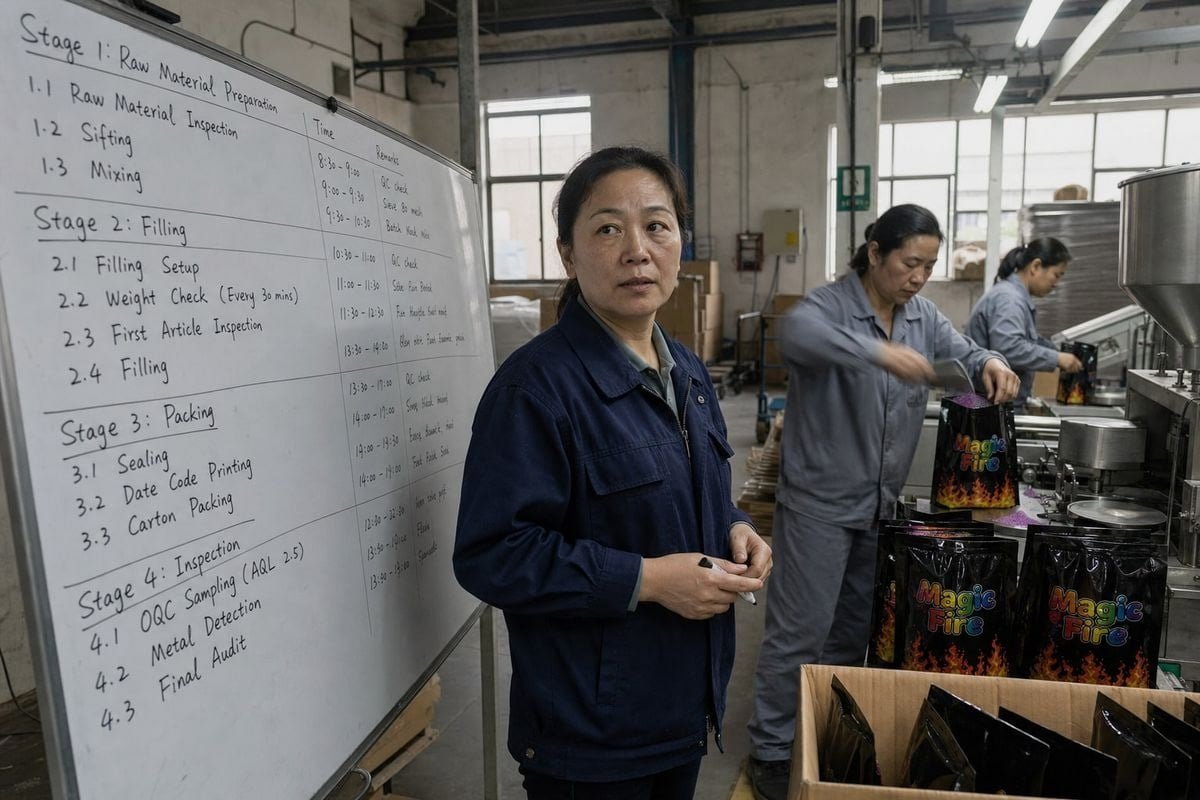
موثوقية وقت التسليم هي السمة الأكثر كشفًا للمورد. المصنع الذي يسعر بصدق يدير جدوله الزمني بصدق. المصنع الذي يسعر بأي شيء للفوز بالطلب سيستمر في الارتجال حتى تتأخر شحنتك. فكيف تميز الفرق قبل دفع وديعة؟
قسّم المهلة الزمنية إلى مراحل
اطلب من المورد تقسيم السعر الإجمالي إلى مراحل. بالنسبة لطلب نموذجي لملون نار المخيم بالجملة، يبدو التقسيم كالتالي:
| المدة النموذجية | النطاق النموذجي | ما الذي يمكن أن يمدده |
|---|---|---|
| تحضير المواد الخام | 3-7 أيام | نقص المكونات، مشاكل التوريد الإقليمية |
| الإنتاج وتعبئة الأكياس | 7-15 يومًا | قائمة انتظار الطلبات، تغييرات الخط، التركيبات المخصصة |
| التعبئة وأعمال الملصقات الخاصة | 3-10 أيام | صناديق مخصصة، تغليف عرض، طباعة الباركود |
| مراقبة الجودة والفحص | 2-5 أيام | اختبار الدفعات، جدولة فحص ما قبل الشحن لطرف ثالث |
| الحجز والتسليم للتصدير | 3-7 أيام | مساحة السفينة، الوثائق، ازدحام الموانئ |
إذا لم يتمكن المورد من تقسيم الجدول الزمني بهذه الطريقة، فمن المحتمل أنه لم يخطط له. هذا وحده يخبرك بشيء.
قارن بالسياق
الموسمية مهمة. يبلغ الطلب على منتجات النار ذروته قبل الخريف وموسم العطلات، وترى مراكز الشحن حجمًا كبيرًا في أشهر معينة. أنا دائمًا أنصح المشترين بإضافة 15-20٪ مخزنًا مؤقتًا خلال فترات الذروة. اسأل أيضًا عما إذا كان منتجك متوفرًا في المخزون أو طلبًا خاصًا. قد يتم شحن السلع المتوفرة في المخزون في غضون أيام؛ تشغيل OEM مخصص مع تغليف خاص بالعلامة التجارية يستغرق أسابيع بشكل واقعي. أخيرًا، اسأل عن مقاييس أداء المورد: ما هو معدل التسليم في الوقت المحدد لديهم على مدار العام الماضي؟ المصنع الواثق سيشاركه. إجابة غامضة هي إجابتك.
ما هي الأسئلة التي يجب أن أطرحها للتحقق من القدرة الإنتاجية الحالية للمصنع؟
خلال تدقيق بالفيديو العام الماضي، طلب موزع بريطاني رؤية خط التعبئة الخاص بنا وهو يقوم بتشغيل طلب جاره. هذا الطلب الوحيد أخبره بأكثر مما يمكن لأي كتيب.
اسأل عن عدد خطوط الإنتاج قيد التشغيل، وما هو حجم طلبات العملاء الحالي، ومتى يدخل طلبك في قائمة الانتظار، وما إذا كانت المواد الخام لدفعتك مؤمنة، وعدد الوحدات التي ينتجها الخط المعني يوميًا. ثم اطلب دليلًا مصورًا أو فيديو لمعالم طلبك.
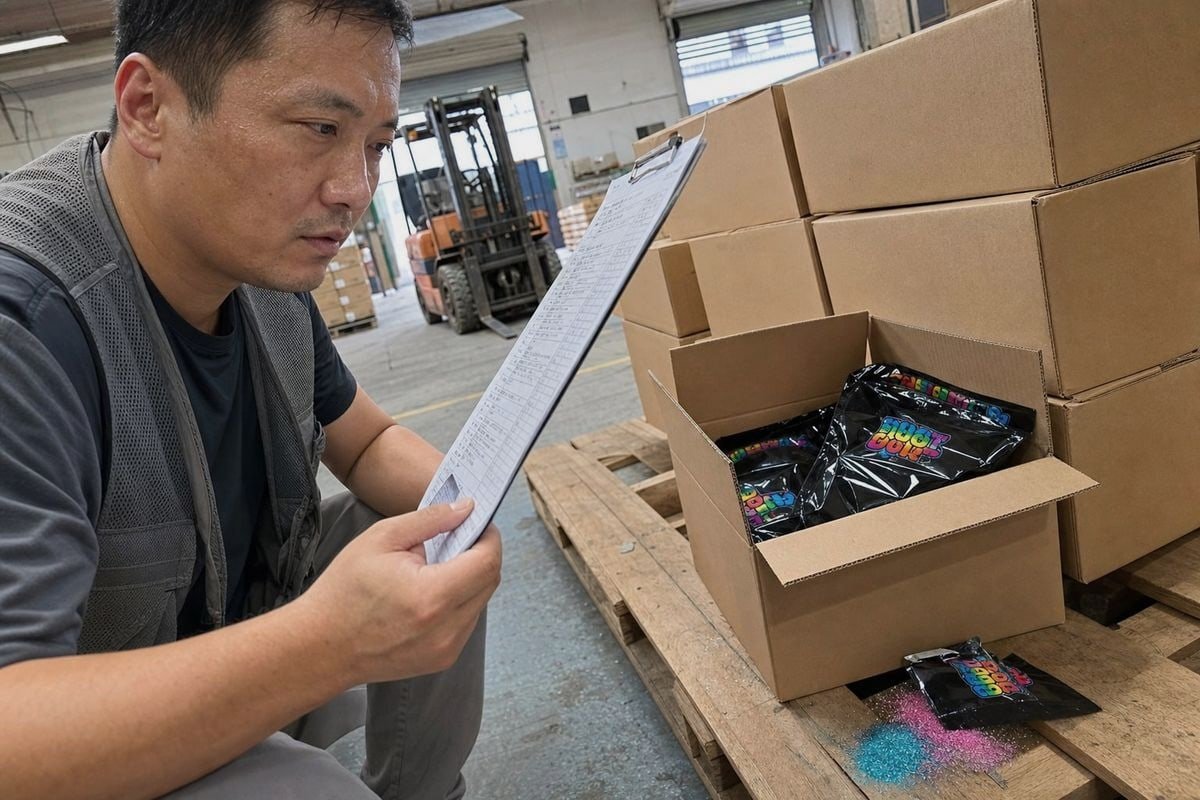
أسئلة السعة فصل المصانع الحقيقية عن شركات التجارة. يمكن لشركة تجارية فقط نقل الإجابات. يمكن لمصنع حقيقي، مثل مصنعنا في ليويانغ ونينغبو، الإجابة فورًا وإظهارك للطابق. إليك مجموعة الأسئلة التي سأستخدمها إذا كنت جالسًا على جانبك من الطاولة.
قائمة أسئلة السعة
- كم عدد الخطوط التي تنتج هذا المنتج، وكم عددها قيد التشغيل الآن؟ يكشف هذا عن الإنتاجية الحقيقية، وليس الحد الأقصى النظري.
- ما هو حجم طلبك الحالي بالأسابيع؟ لا يمكن للمصنع الذي لديه طابور انتظار لمدة ستة أسابيع أن يعد بتسليم لمدة ثلاثة أسابيع بصدق.
- متى بالضبط يدخل طلبي مرحلة الإنتاج؟ احصل على تاريخ بدء، وليس فقط تاريخ انتهاء.
- هل تم تأمين المواد الخام لدفعتي بالفعل؟ يمكن أن تواجه مركبات التلوين تقلبات في الإمدادات الإقليمية؛ المواد المؤكدة تعني أن الساعة بدأت بالفعل.
- ما هو إنتاجك اليومي لوحدة حفظ المخزون الخاصة بي؟ اقسم كمية طلبك على هذا الرقم. هل تدعم الحسابات التاريخ الموعود؟
- هل يمكنك إرسال تحديثات المعالم الرئيسية؟ يقوم بعض المشترين بدمج تنبيهات تخطيط موارد المؤسسات عبر واجهة برمجة التطبيقات؛ حتى التحديثات البسيطة للصور في مراحل التعبئة والتغليف الحفاظ على حالة تتبع الطلب مرئية.
- من المسؤول عن مراقبة الجودة، وهل يمكنني حجز فحص طرف ثالث قبل الشحن؟ يرحب المصنع الواثق بـ SGS أو Intertek عند الباب.
تحقق من الإجابات، لا تجمعها فقط
الإجابات رخيصة. تحقق منها. اطلب مقطع فيديو قصير مباشر للخط. اطلب جدول الإنتاج الذي يوضح خانتك. إذا احتفظ المورد ISO 9001 4 وشهادة BSCI، فإن تقارير التدقيق توثق بالفعل ادعاءات السعة الخاصة بهم. نحن نشارك تقاريرنا مع المشترين الجادين على وجه التحديد لأنها تقصر هذه المحادثة بأكملها. المورد الذي يقاوم الرؤية يطلب منك الشراء بالإيمان. في فئة المنتجات هذه، الإيمان ليس استراتيجية مصادر.
كيف يمكنني التحقق من مواعيد الشحن والجمارك لتجنب التأخير غير المتوقع؟
قبل سنوات، علمتني شحنة إلى روتردام درسًا قاسيًا: انتهى المصنع مبكرًا، لكن وثيقة شحن مصنفة بشكل خاطئ احتجزت الحاوية في الميناء لمدة أسبوعين.
تحقق من أوقات الشحن عن طريق تأكيد تصنيف نقل المنتج، والتحقق من جداول السفن الفعلية مع وكيل الشحن الخاص بك، وإضافة وقت احتياطي للتخليص الجمركي في كلا المينائين، وتوضيح ما إذا كان تاريخ المورد يعني الإرسال من المصنع أو الوصول إلى مستودعك. تتبع المعالم الرئيسية، وليس الوعود.
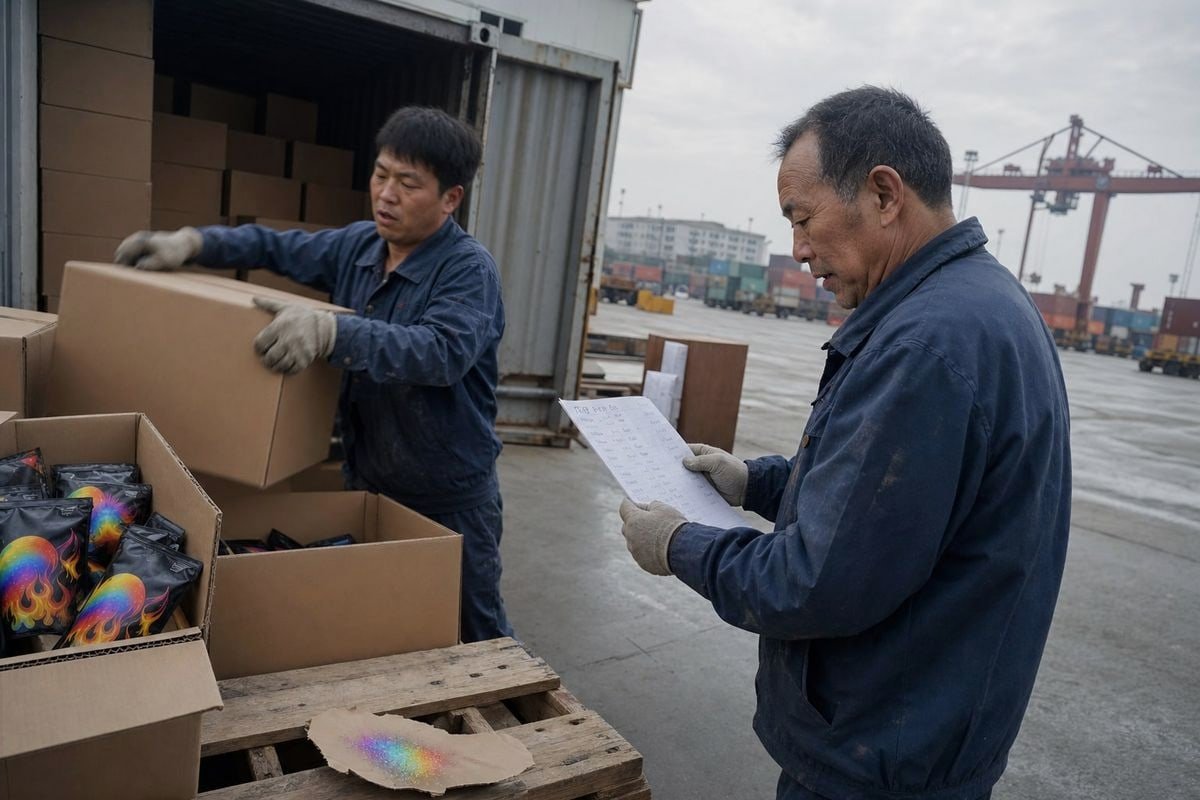
جاهزية المصنع هي نصف الرحلة فقط. النصف الآخر هو النقل، وهذا هو المكان الذي يصبح فيه "تاريخ التسليم" غامضًا بشكل خطير. حدد دائمًا التاريخ الذي يقصده المورد. الإرسال من المصنع؟ المغادرة من الميناء؟ الوصول إلى ميناء الوجهة؟ التسليم إلى منشأتك؟ يمكن أن تختلف هذه بفارق أربعة إلى ستة أسابيع في الشحن البحري الدولي.
التواريخ الأربعة المهمة
| نوع التاريخ | ماذا يعني | من يتحكم فيه |
|---|---|---|
| تاريخ المصنع / تاريخ الإرسال | تغادر البضائع من منشأة الإنتاج | المورد |
| تاريخ مغادرة السفينة | تبحر الحاوية من ميناء المنشأ | الناقل ووكيل الشحن |
| وقت الوصول المقدر (ETA) | تصل الحاوية إلى ميناء الوجهة | الناقل، الطقس، الازدحام |
| تاريخ التسليم إلى الباب | تصل البضائع إلى مستودعك | وسيط جمركي وناقل |
التصنيف والتوثيق
تأكد من كيفية تصنيف منتجك للنقل قبل الحجز. تواجه بعض منتجات اللهب المبتكرة رسوم شحن المواد الخطرة 5 قواعد تقيد المسارات أو تتطلب مراحل أرضية فقط، مما يضيف أيامًا أو أسابيع. عبوات اللهب الملونة الخاصة بنا مصنوعة من مواد صديقة للبيئة بدون مواد كيميائية ضارة، ونحن نقدم تقارير اختبار SGS و Intertek حتى يسير التصنيف الجمركي بسلاسة. أي مورد تستخدمه، احصل على تقارير الاختبار و MSDS مقدمًا. ثم تحقق من حزمة وثائق الشحن: الفاتورة التجارية، قائمة التعبئة، و بوليصة الشحن 6. تحقق من وزن بوليصة الشحن مقابل حجم طلبك قبل قبول التسليم. أخيرًا، اعتمد على خدمات الشحن البحري 7 للحصول على عروض أسعار نقل واقعية. يرى وكلاء الشحن ازدحام الموانئ الفعلي وجداول الإبحار؛ غالبًا ما يكرر الموردون فقط أوقات النقل للربع الأخير. قم بتضمين مخزن مؤقت جمركي من ثلاثة إلى سبعة أيام لكل ميناء، وتتبع الحاوية بنفسك من خلال بوابة الناقل حتى لا يتم الخلط بين "تم إنشاء الملصق" و "على الماء"."
خاتمة
يمكن أن يكلفك تاريخ التسليم الفائت موسم بيع كامل. الحل هو العملية، وليس الأمل. تحقق من المستندات، واستفسر عن السعة، وقسم وقت التسليم، وتتبع معالم الشحن كتابيًا.
ملاحظات ختامية
يشرح عملية التفتيش من طرف ثالث المشار إليها للتحقق من البضائع قبل الشحن. ↩︎
تحدد شروط التجارة الدولية مسؤوليات التسليم المشار إليها في مناقشة إقرار أمر الشراء. ↩︎
مورد منظمة التجارة العالمية بشأن تيسير التجارة ذي الصلة بالشفافية في سلسلة التوريد المدفوعة بالوثائق. ↩︎
صفحة ISO الرسمية التي تشرح شهادة إدارة الجودة المذكورة في المقال. ↩︎
توجيهات فيدرالية أمريكية بشأن قواعد نقل المواد الخطرة ذات الصلة بتصنيف منتجات اللهب المبتكرة. ↩︎
معلومات أساسية حول وثيقة الشحن الرئيسية هذه المذكورة في فحص حزمة الوثائق. ↩︎
مفهوم أساسي يشرح دور وكلاء الشحن في التحقق من أوقات العبور الواقعية. ↩︎

 English
  Spanish
  German
  French
  Arabic
  Portuguese
انضم إلى المحادثة