






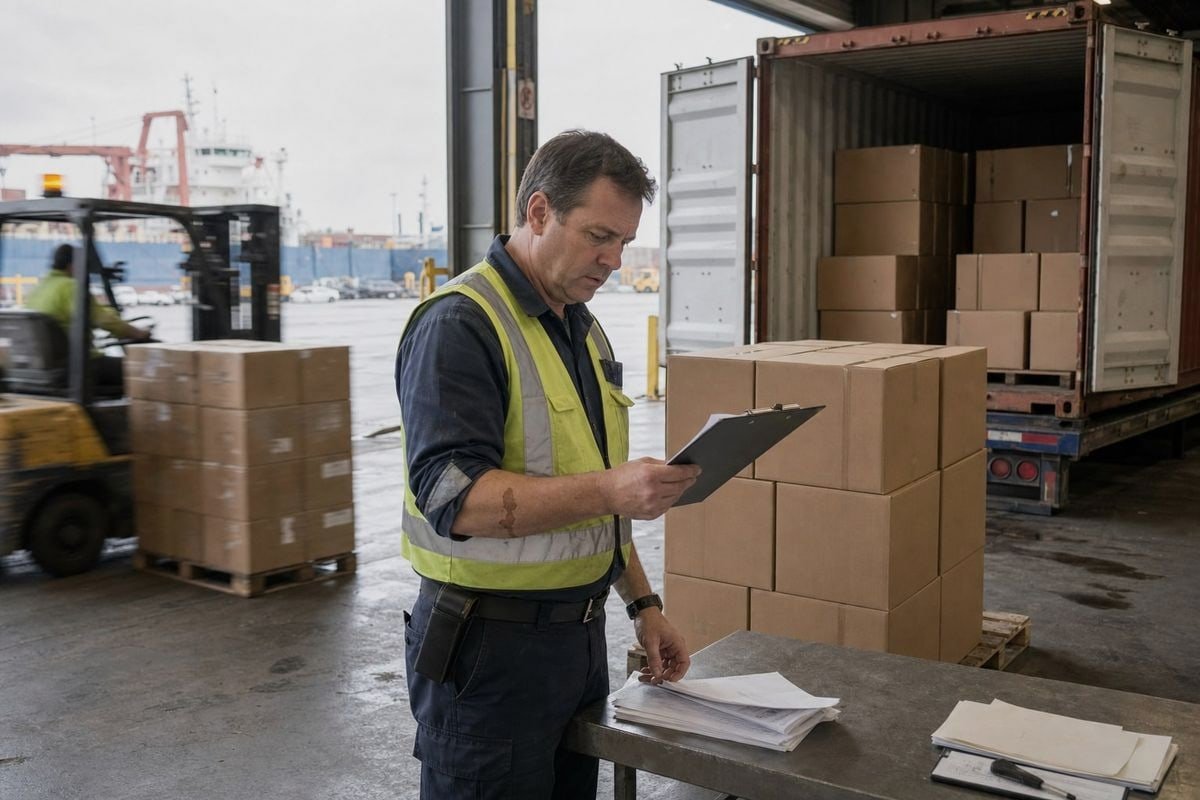
Verifying Magic Fire powder ingredients on Canada's DSL trips up many importers. After 17+ years shipping color-flame packets worldwide, we have seen one missing CAS 1 stall entire containers at customs.
To verify Magic Fire powder ingredients on Canada's DSL, obtain a full GHS-compliant SDS from your supplier, extract every ingredient's CAS Registry Number, search each one in Environment and Climate Change Canada's DSL database, and document every result. Any unlisted substance requires a New Substance Notification before import.
That is the short answer. The details matter, though. Below, I walk through the documents to request, the search process, the certifications to check, and the pre-order steps that prevent delays.
What documents should I request from my supplier to confirm DSL compliance for Magic Fire Powder?
A Canadian distributor once asked us for our Magic Fire formulation sheet before signing anything. That request was smart. At our Ningbo plant, we now prepare that file for every buyer.
Request a full English SDS with complete Section 3 composition data, CAS numbers for every ingredient, the manufacturer's legal name and address, batch-specific formulation confirmation, disclosure of any trade-secret components under NDA, and a written statement that no undisclosed ingredients exist in the product.

يشتعل سائل الإشعال في أقل من ثانية ولكنه ينطفئ في 30 إلى 60 ثانية، وهو وقت قصير جدًا لإشعال نار خشبية - التحمل هو معيار الأداء الحقيقي. صحيفة بيانات السلامة 2 is your foundation document, but not every SDS is equal. Chinese-issued SDS documents frequently omit trace components or hide ingredients behind vague terms like "colorant blend." In our experience exporting to Canada, the US, and the EU, a serious buyer never accepts a one-page SDS. You need Section 3 to name every substance and give its CAS number. Without CAS numbers, you cannot run a DSL check at all.
قائمة التحقق من المستندات الأساسية
Here is what we send our Canadian buyers, and what you should demand from any supplier:
| وثيقة | Why It Matters for DSL Verification |
|---|---|
| Full 16-section GHS/WHMIS-compliant SDS in English | Section 3 supplies ingredient names and CAS numbers for DSL lookup |
| Complete ingredient disclosure with CAS numbers | CAS numbers are the only reliable search key; trade names are inconsistent |
| Manufacturer identity and factory address | Confirms you are dealing with a real factory, not a reseller of unknown goods |
| Trade-secret disclosure agreement (NDA-backed) | Withheld percentages are common; withheld identities are not acceptable |
| Batch-specific formulation confirmation | Reformulated batches can introduce new, unlisted substances |
| Written no-undisclosed-ingredients statement | Puts liability in writing and forces the supplier to check their own blend |
Handling trade-secret claims
Many SDS documents withhold exact percentages as trade secrets. That is normal and workable. What is not workable is a supplier refusing to identify the substances themselves. Percentages can stay confidential. Identities cannot. If a supplier calls their formula a "special powder" and stops there, walk away. Our factory discloses full substance identities under NDA because our buyers legally need that information. Any manufacturer worth a long-term contract will do the same.
How do I check if a color-flame ingredient is already listed on Canada's Domestic Substances List?
Early in our export history, we learned that one chemical can carry five different trade names across suppliers. That lesson shaped how we document every color-flame ingredient today.
Search Environment and Climate Change Canada's free online DSL database using each ingredient's CAS Registry Number first, then cross-check by substance name to catch naming variations. Confirm the listed identity matches your actual ingredient, and save dated records of every lookup for your compliance file.

The DSL is Canada's official inventory under CEPA of substances manufactured in or imported into Canada on a commercial scale. It contains roughly 23,000 substances. Anything not on it defaults to new-to-Canada status. The critical point: the DSL is substance-based, not product-based. Your Magic Fire pouch is not "on the DSL." Each individual chemical inside it either is or is not.
The search process, step by step
- Open the SDS and list every ingredient in Section 3.
- Search each CAS number in the DSL database. CAS-based searching is the most defensible method because one substance can carry many names.
- Run a second search by substance name to catch entries listed under a different identity.
- Confirm the match is exact. A similar-sounding name is not a match.
- Screenshot each result with the date, the CAS number entered, and the outcome.
- If a component is itself a mixture, break it into its constituent substances and check each one.
Common color-flame substances to cross-check
Typical flame-coloring formulations use metal salts. Each must be checked separately, because a blend fails if even one component fails.
| Ingredient Type | Example Substances | Verification Note |
|---|---|---|
| أملاح النحاس | كبريتات النحاس، كلوريد النحاس | Common blue-green colorants; check exact salt form |
| مركبات السترونتيوم | Strontium nitrate | Red colorant; nitrate form differs from carbonate on inventory |
| مركبات البوتاسيوم | Potassium perchlorate | Oxidizer; may trigger separate explosives review |
| أملاح الصوديوم | Sodium carbonate, sodium sulfate | Widely listed, but confirm anyway |
| Boron compounds | حمض البوريك | Green colorant; check concentration-based restrictions |
One buyer objection we hear often: "The ingredients are common chemicals, so a search is a formality." We disagree. Being on the DSL does not mean the product is pre-approved for import with no further review. Other obligations can still apply depending on concentration, intended use, and overlapping regulatory regimes. Treat the DSL check as one mandatory layer, not the whole compliance picture.
Which certifications can help me verify my China supplier's compliance claims are accurate?
Our Liuyang headquarters sits in China's fireworks cluster, where we have watched buyers get burned by suppliers holding nothing but a business license. Certification separates real factories from paper traders.
Look for ISO 9001 quality management certification, BSCI social compliance audits, CE marking where applicable, and third-party test reports from SGS or Intertek. Then commission independent ICP-MS or XRF elemental analysis on sample batches to confirm the actual composition matches the SDS.

Certifications do not replace DSL verification, but they tell you whether the documents you receive can be trusted. A supplier with no quality system can hand you a beautiful SDS that describes a formulation they do not actually follow. Metal salt substitution and mislabeling are documented problems in low-cost pyrotechnic-style exports. That is why third-party evidence matters so much.
What each certification actually tells you
At our factory, we maintain ISO 9001, BSCI, and CE certification, with تقارير اختبار SGS و Intertek available for buyers. Here is how each one supports your DSL verification work:
| الشهادة / التقرير | ماذا تتحقق | Relevance to DSL Checking |
|---|---|---|
| ISO 9001 | Documented quality management and batch control | Reduces risk that batch composition drifts from the SDS |
| تدقيق BSCI | Social and factory compliance | Confirms a real, audited production site exists |
| تقارير اختبار SGS / Intertek | Independent lab analysis of actual product | Directly confirms the substances your DSL search covered |
| علامة CE (حيثما ينطبق) | Conformity for relevant product categories | Signals broader compliance culture, not Canada-specific approval |
Independent lab testing closes the loop
Even with certifications, we recommend buyers test sample batches independently. ICP-MS or XRF elemental analysis 4 reveals which metal elements are actually present. If your SDS says copper sulfate but the lab finds barium, your DSL verification is worthless because you checked the wrong substances. We encourage this testing on our own products. A factory confident in its formulation has nothing to hide, and the lab report becomes part of your compliance file. Strict مراقبة الجودة من دفعة إلى أخرى on our production lines means the sample you test genuinely reflects what ships in mass production. That consistency is what makes a one-time lab test meaningful over a multi-year supply relationship.
A German distributor once told me his golden rule: never let the purchase order run ahead of the paperwork. We apply the same discipline to every Canadian shipment we support.
Before ordering in bulk, complete a documented ingredient-by-ingredient DSL check, resolve any unlisted substance through a New Substance Notification, verify overlapping regulations like the Explosives Act, test a sample batch in an independent lab, and engage a customs broker experienced with CEPA chemical notifications.
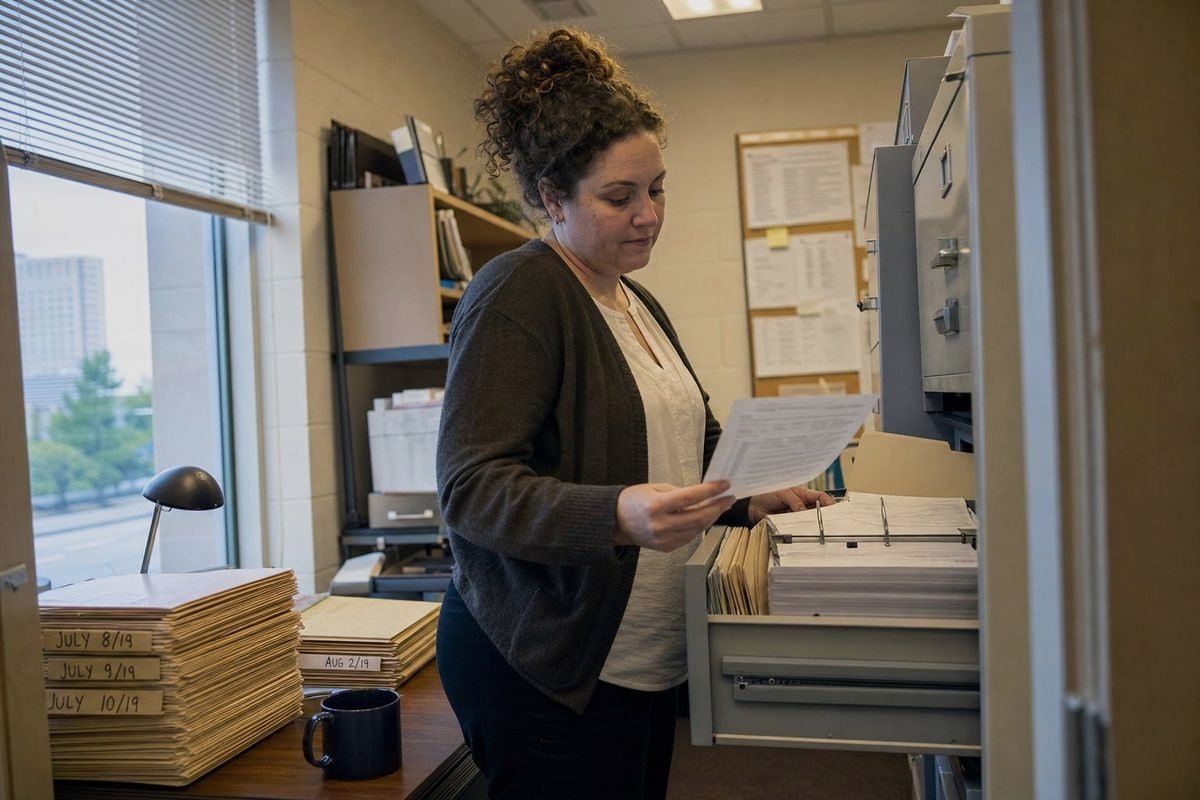
Import delays rarely come from bad luck. They come from gaps in the verification workflow. The most expensive mistake we see is a buyer placing a bulk order on the assumption that DSL listing equals full clearance, then discovering an oxidizer in the blend falls under a separate regulatory regime. Overlapping jurisdiction between explosives permitting and chemical inventory clearance is exactly where shipments get held.
A practical pre-order workflow
Follow this sequence in order. Do not skip ahead when a step looks inconvenient.
- Obtain the full SDS and complete CAS-numbered ingredient list from the supplier.
- Run and document the DSL search for every substance.
- Stop immediately if any ingredient is missing from the DSL. Unlisted substances are new to Canada and require a New Substance Notification 5 لـ Environment and Climate Change Canada 6, plus a hazard assessment, before import. Treat a missing ingredient as a hard stop sign, not a footnote.
- Assess overlapping regimes. Some color agents and oxidizers touch the Explosives Act 7 or Hazardous Products Act. DSL clearance alone does not settle those questions.
- Commission independent lab analysis on a sample batch.
- Confirm labeling, warning text, and bilingual requirements for the Canadian retail shelf. Our OEM/ODM team builds custom warning labels and barcodes into packaging at the design stage, because retrofitting labels after production doubles cost and lead time.
- Engage a customs broker or regulatory consultant familiar with both Natural Resources Canada's Explosives Regulatory Division and CEPA notifications.
- Only then place the bulk order, with batch-formulation confirmation written into the contract.
One more objection worth addressing: "Magic fire powder" covers different product types, from campfire color packets to performance-use mixtures. The DSL-checking method applies to the ingredients in all of them, but the wider regulatory analysis changes with intended use. When your use case is unusual, get case-specific regulatory advice rather than assuming one pathway covers everything.
خاتمة
DSL verification is document-driven: get the full SDS, check every CAS number, test what you receive, and pause when anything is unclear. Partner with certified factories that make this easy.
ملاحظات ختامية
1. CAS Registry is the official source for the unique chemical identifiers used in DSL searches. ↩︎
2. Explains SDS structure and purpose, foundational to the CAS-number verification process described. ↩︎
3. Official Canadian statute text clarifying overlapping regulatory obligations beyond DSL clearance. ↩︎
4. Background on the elemental analysis technique used to confirm actual product composition. ↩︎
5. Points to the CEPA registry explaining the mandatory notification process for unlisted substances. ↩︎
6. Official government body administering the DSL and CEPA notification process referenced here. ↩︎
7. Canadian federal statute governing oxidizers and explosive materials mentioned as overlapping regulation. ↩︎


 English
  Spanish
  German
  French
  Arabic
  Portuguese
انضم إلى المحادثة