






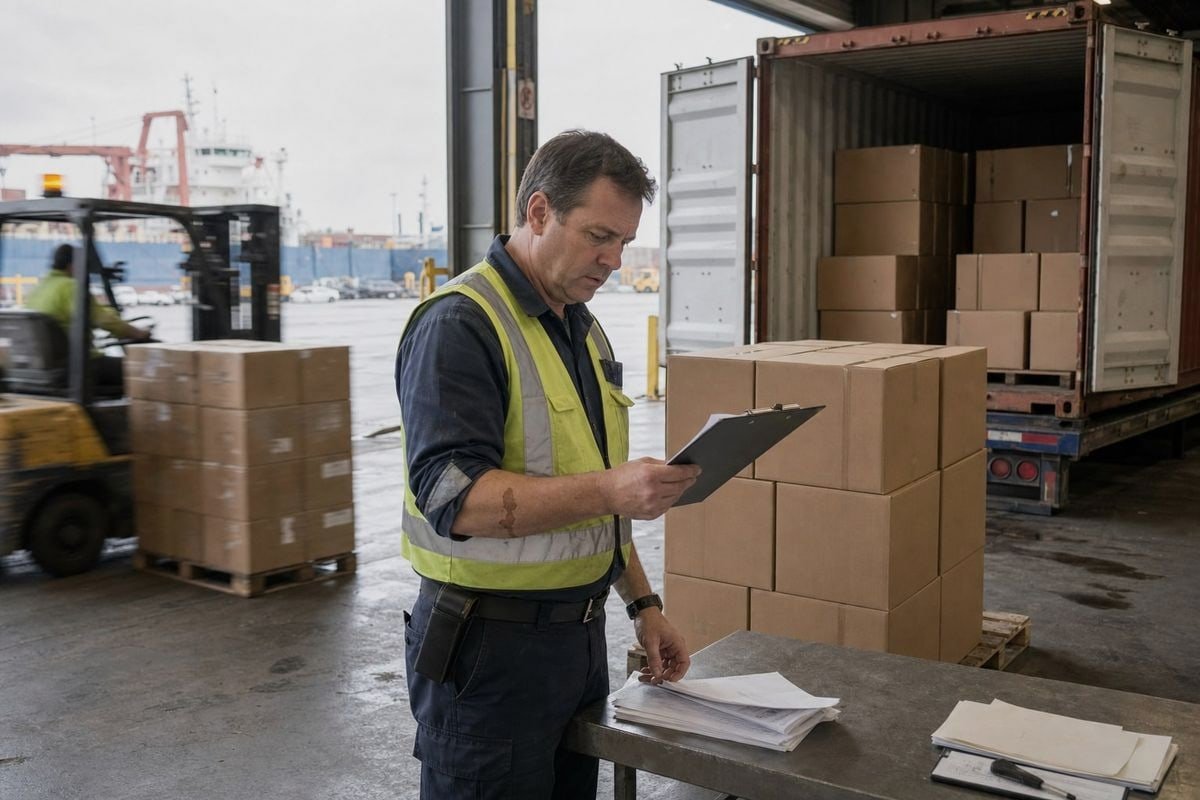
Verificar os ingredientes do pó Magic Fire na DSL do Canadá confunde muitos importadores. Após mais de 17 anos enviando pacotes de chama colorida para todo o mundo, vimos uma falta número CAS 1 reter contêineres inteiros na alfândega.
Para verificar os ingredientes do pó Magic Fire na DSL do Canadá, obtenha uma FDS completa em conformidade com o GHS do seu fornecedor, extraia o número CAS de cada ingrediente, pesquise cada um no banco de dados DSL do Environment and Climate Change Canada e documente cada resultado. Qualquer substância não listada requer uma Notificação de Nova Substância antes da importação.
Essa é a resposta curta. Os detalhes importam, no entanto. Abaixo, detalho os documentos a solicitar, o processo de pesquisa, as certificações a verificar e os passos pré-encomenda que evitam atrasos.
Que documentos devo solicitar ao meu fornecedor para confirmar a conformidade DSL para o Pó Magic Fire?
Um distribuidor canadense uma vez nos pediu nossa folha de formulação Magic Fire antes de assinar qualquer coisa. Essa solicitação foi inteligente. Em nossa fábrica em Ningbo, agora preparamos esse arquivo para cada comprador.
Solicite uma FISPQ completa em inglês com dados completos de composição da Seção 3, números CAS para cada ingrediente, nome legal e endereço do fabricante, confirmação de formulação específica do lote, divulgação de quaisquer componentes de segredo comercial sob NDA e uma declaração por escrito de que não existem ingredientes não divulgados no produto.

O Ficha de Dados de Segurança 2 é o seu documento fundamental, mas nem toda FISPQ é igual. Documentos FISPQ emitidos na China frequentemente omitem componentes traço ou escondem ingredientes atrás de termos vagos como "mistura de corante". Em nossa experiência exportando para o Canadá, EUA e UE, um comprador sério nunca aceita uma FISPQ de uma página. Você precisa da Seção 3 para nomear cada substância e fornecer seu número CAS. Sem números CAS, você não pode fazer uma verificação DSL de forma alguma.
A lista de verificação de documentos principais
Aqui está o que enviamos aos nossos compradores canadenses, e o que você deve exigir de qualquer fornecedor:
| Documento | Por que é importante para a verificação DSL |
|---|---|
| FISPQ completa de 16 seções em conformidade com GHS/WHMIS em inglês | A Seção 3 fornece nomes de ingredientes e números CAS para consulta na DSL |
| Divulgação completa de ingredientes com números CAS | Números CAS são a única chave de pesquisa confiável; nomes comerciais são inconsistentes |
| Identidade do fabricante e endereço da fábrica | Confirma que você está lidando com uma fábrica real, não com um revendedor de mercadorias desconhecidas |
| Acordo de divulgação de segredo comercial (respaldado por NDA) | Porcentagens retidas são comuns; identidades retidas não são aceitáveis |
| Confirmação de formulação específica do lote | Lotes reformulados podem introduzir substâncias novas e não listadas |
| Declaração escrita de não divulgação de ingredientes | Coloca a responsabilidade por escrito e força o fornecedor a verificar sua própria mistura |
Lidando com alegações de segredo comercial
Muitas FISPQs omitem porcentagens exatas como segredos comerciais. Isso é normal e viável. O que não é viável é um fornecedor se recusar a identificar as substâncias em si. As porcentagens podem permanecer confidenciais. As identidades não podem. Se um fornecedor chama sua fórmula de "pó especial" e para por aí, desista. Nossa fábrica divulga as identidades completas das substâncias sob NDA porque nossos compradores precisam legalmente dessa informação. Qualquer fabricante que valha um contrato de longo prazo fará o mesmo.
Como posso verificar se um ingrediente de corante já está listado na Lista de Substâncias Domésticas do Canadá?
No início de nossa história de exportação, aprendemos que um produto químico pode ter cinco nomes comerciais diferentes entre fornecedores. Essa lição moldou como documentamos cada ingrediente de chama colorida hoje.
Pesquise o banco de dados DSL online gratuito do Environment and Climate Change Canada usando o número CAS de cada ingrediente primeiro, em seguida, verifique pelo nome da substância para capturar variações de nomenclatura. Confirme se a identidade listada corresponde ao seu ingrediente real e salve registros datados de cada consulta para o seu arquivo de conformidade.

A DSL é o inventário oficial do Canadá sob a CEPA de substâncias fabricadas ou importadas no Canadá em escala comercial. Contém aproximadamente 23.000 substâncias. Qualquer coisa que não esteja nela é considerada nova no Canadá. O ponto crucial: a DSL é baseada em substâncias, não em produtos. Sua bolsa Magic Fire não está "na DSL". Cada produto químico individual dentro dela está ou não.
O processo de pesquisa, passo a passo
- Abra a FISPQ e liste cada ingrediente na Seção 3.
- Pesquise cada número CAS no banco de dados da DSL. A pesquisa baseada em CAS é o método mais defensável porque uma substância pode ter muitos nomes.
- Execute uma segunda pesquisa por nome de substância para capturar entradas listadas sob uma identidade diferente.
- Confirme que a correspondência é exata. Um nome com som semelhante não é uma correspondência.
- Capture uma captura de tela de cada resultado com a data, o número CAS inserido e o resultado.
- Se um componente for ele próprio uma mistura, divida-o em suas substâncias constituintes e verifique cada uma.
Substâncias comuns de chama colorida para verificar
Formulações típicas de coloração de chama usam sais metálicos. Cada um deve ser verificado separadamente, pois uma mistura falha se mesmo um componente falhar.
| Tipo de Ingrediente | Exemplos de Substâncias | Nota de Verificação |
|---|---|---|
| Sais de cobre | Sulfato de cobre, cloreto de cobre | Corantes azuis-verdes comuns; verifique a forma exata do sal |
| Compostos de estrôncio | Nitrato de estrôncio | Corante vermelho; a forma de nitrato difere do carbonato no inventário |
| Compostos de potássio | Perclorato de potássio | Oxidante; pode acionar revisão separada de explosivos |
| Sais de sódio | Carbonato de sódio, sulfato de sódio | Amplamente listado, mas confirme mesmo assim |
| Compostos de boro | Ácido bórico | Corante verde; verifique restrições baseadas em concentração |
Uma objeção de comprador que ouvimos com frequência: "Os ingredientes são produtos químicos comuns, então uma busca é uma formalidade." Discordamos. Estar na DSL não significa que o produto é pré-aprovado para importação sem mais revisão. Outras obrigações ainda podem ser aplicadas dependendo da concentração, uso pretendido e regimes regulatórios sobrepostos. Trate a verificação da DSL como uma camada obrigatória, não como o quadro completo de conformidade.
Quais certificações podem me ajudar a verificar se as alegações de conformidade do meu fornecedor na China são precisas?
Nossa sede em Liuyang fica no centro de fogos de artifício da China, onde vimos compradores se darem mal com fornecedores que não possuem nada além de uma licença comercial. A certificação separa fábricas reais de comerciantes de papel.
Procure certificação de gestão de qualidade ISO 9001, auditorias de conformidade social BSCI, marcação CE quando aplicável e relatórios de teste de terceiros da SGS ou Intertek. Em seguida, encomende análises elementares independentes ICP-MS ou XRF em lotes de amostras para confirmar que a composição real corresponde à SDS.
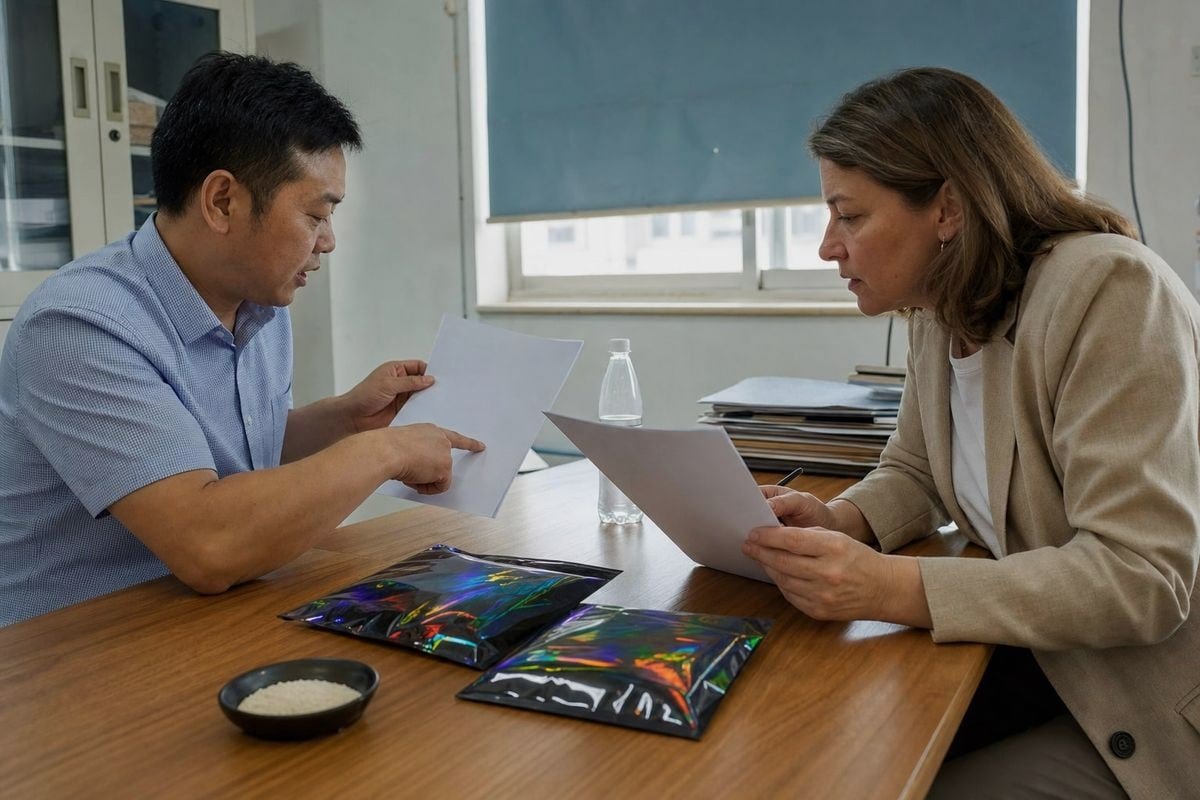
As certificações não substituem a verificação da DSL, mas dizem se os documentos que você recebe podem ser confiáveis. Um fornecedor sem sistema de qualidade pode entregar uma bela FISPQ que descreve uma formulação que eles não seguem de fato. A substituição de sais metálicos e a rotulagem incorreta são problemas documentados em exportações de baixo custo em estilo pirotécnico. É por isso que a evidência de terceiros é tão importante.
O que cada certificação realmente lhe diz
Em nossa fábrica, mantemos certificação ISO 9001, BSCI e CE, com Relatórios de teste SGS e Intertek disponível para compradores. Veja como cada um deles apoia seu trabalho de verificação da DSL:
| Certificação / Relatório | O que ele verifica | Relevância para a Verificação da DSL |
|---|---|---|
| ISO 9001 | Gestão de qualidade documentada e controle de lote | Reduz o risco de a composição do lote se desviar da FISPQ |
| Auditoria BSCI | Conformidade social e de fábrica | Confirma a existência de um local de produção real e auditado |
| Relatórios de teste SGS / Intertek | Análise laboratorial independente do produto real | Confirma diretamente as substâncias que sua busca na DSL cobriu |
| Marcação CE (quando aplicável) | Conformidade para categorias de produtos relevantes | Sinaliza uma cultura de conformidade mais ampla, não aprovação específica para o Canadá |
Testes laboratoriais independentes fecham o ciclo
Mesmo com certificações, recomendamos que os compradores testem lotes de amostra de forma independente. ICP-MS ou análise elementar por XRF 4 revela quais elementos metálicos estão realmente presentes. Se sua FISPQ diz sulfato de cobre, mas o laboratório encontra bário, sua verificação da DSL é inútil porque você verificou as substâncias erradas. Nós incentivamos esses testes em nossos próprios produtos. Uma fábrica confiante em sua formulação não tem nada a esconder, e o relatório de laboratório se torna parte de seu arquivo de conformidade. Rigoroso controle de qualidade lote a lote em nossas linhas de produção significa que a amostra que você testa reflete genuinamente o que é enviado na produção em massa. Essa consistência é o que torna um teste de laboratório único significativo em um relacionamento de fornecimento de vários anos.
Um distribuidor alemão me disse uma vez sua regra de ouro: nunca deixe a ordem de compra adiantar a papelada. Aplicamos a mesma disciplina a cada remessa canadense que apoiamos.
Antes de encomendar a granel, complete uma verificação documentada ingrediente por ingrediente do DSL, resolva qualquer substância não listada através de uma Notificação de Nova Substância, verifique regulamentos sobrepostos como o Explosives Act, teste um lote de amostra num laboratório independente e contrate um despachante aduaneiro experiente em notificações de produtos químicos da CEPA.
Atrasos na importação raramente vêm de má sorte. Eles vêm de lacunas no fluxo de trabalho de verificação. O erro mais caro que vemos é um comprador fazer um pedido em massa com a suposição de que a listagem na DSL equivale à liberação total, e então descobrir que um oxidante na mistura se enquadra em um regime regulatório separado. A jurisdição sobreposta entre a permissão de explosivos e a liberação do inventário químico é exatamente onde as remessas são retidas.
Um fluxo de trabalho prático pré-pedido
Siga esta sequência em ordem. Não pule etapas quando uma parecer inconveniente.
- Obtenha a FISPQ completa e a lista completa de ingredientes numerados por CAS do fornecedor.
- Execute e documente a busca na DSL para cada substância.
- Pare imediatamente se algum ingrediente estiver faltando na DSL. Substâncias não listadas são novas para o Canadá e exigem uma Notificação de Nova Substância 5 para Meio Ambiente e Mudanças Climáticas do Canadá 6, mais uma avaliação de perigo, antes da importação. Trate um ingrediente ausente como um sinal de parada rígido, não como uma nota de rodapé.
- Avalie regimes sobrepostos. Alguns agentes de cor e oxidantes tocam o Lei de Explosivos 7 ou Hazardous Products Act. A liberação da DSL por si só não resolve essas questões.
- Encomende análise laboratorial independente em um lote de amostra.
- Confirme a rotulagem, o texto de aviso e os requisitos bilíngues para a prateleira de varejo canadense. Nossa equipe de OEM/ODM cria rótulos de aviso personalizados e códigos de barras na embalagem na fase de design, porque adaptar rótulos após a produção dobra o custo e o tempo de entrega.
- Contrate um despachante aduaneiro ou consultor regulatório familiarizado com a Divisão Regulatória de Explosivos da Natural Resources Canada e as notificações da CEPA.
- Só então faça o pedido em massa, com confirmação da formulação do lote escrita no contrato.
Mais uma objeção que vale a pena abordar: "Pó mágico de fogo" cobre diferentes tipos de produtos, desde pacotes de cor para fogueira até misturas para uso em performance. O método de verificação da DSL se aplica aos ingredientes em todos eles, mas a análise regulatória mais ampla muda com o uso pretendido. Quando seu caso de uso for incomum, obtenha aconselhamento regulatório específico para o caso em vez de assumir que um caminho cobre tudo.
Conclusão
A verificação da DSL é orientada por documentos: obtenha a FISPQ completa, verifique cada número CAS, teste o que você recebe e pause quando algo não estiver claro. Faça parceria com fábricas certificadas que facilitam isso.
Notas de rodapé
O CAS Registry é a fonte oficial para os identificadores químicos exclusivos usados nas buscas na DSL. ↩︎
Explica a estrutura e o propósito da FISPQ, fundamental para o processo de verificação de números CAS descrito. ↩︎
Texto oficial da lei canadiana que clarifica obrigações regulamentares sobrepostas para além do desalfandegamento DSL. ↩︎
Contexto sobre a técnica de análise elementar utilizada para confirmar a composição real do produto. ↩︎
Aponta para o registo CEPA explicando o processo de notificação obrigatória para substâncias não listadas. ↩︎
Organismo oficial do governo que administra o processo de notificação DSL e CEPA aqui referenciado. ↩︎
Lei federal canadiana que rege oxidantes e materiais explosivos mencionados como regulamentação sobreposta. ↩︎
 English
  Spanish
  German
  French
  Arabic
  Portuguese
Participe da conversa