







A long-term supply agreement for Magic Fire powder sounds simple until a stockout hits. I have watched buyers lose an entire camping season because their supplier's batch failed inspection. On our production floor in Ningbo, we treat every multi-year contract as a promise to the shelf, not just a purchase order — and that mindset is exactly what protects your brand.
To sign a long-term supply agreement for Magic Fire powder, vet the manufacturer's certifications and factory depth, lock in batch-testing and quality benchmarks, attach compliance documents like CE, MSDS, and SGS reports to the contract, and negotiate tiered MOQs with private-label and exclusivity terms.
That is the short answer. Now let me walk you through each step in detail, drawing on what actually happens in real contracts between factories like ours and importers in the US and Europe.
What Should I Look for in a Manufacturer Before Committing to a Long-Term Contract?
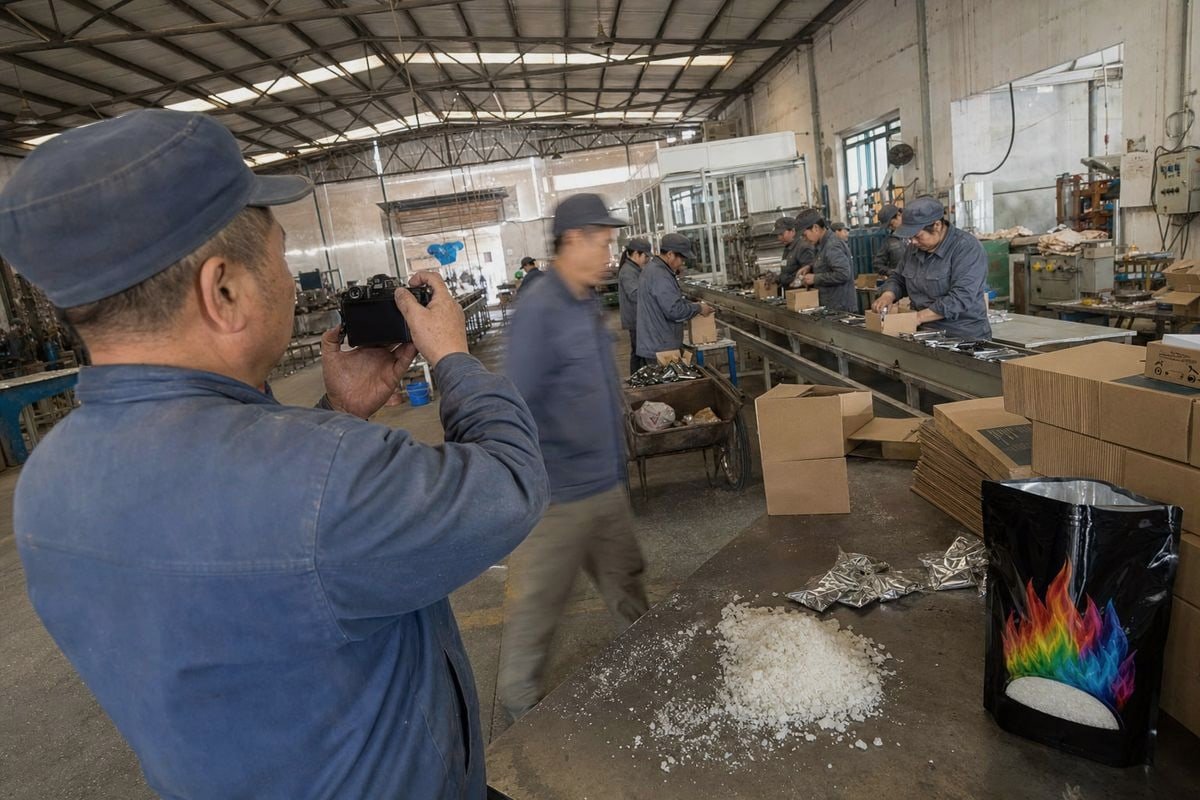
A buyer from Germany once asked me for a video walkthrough 1 of our Liuyang headquarters before signing anything. Smart move. He had been burned by a trading company posing as a factory the year before.
Before committing, verify that the manufacturer is a genuine factory with 15+ years of experience, holds ISO 9001, BSCI, CE, and third-party test reports, runs complete in-house production lines, and can prove batch-to-batch consistency between samples and mass production.

The single biggest risk in specialty chemical sourcing is signing a multi-year deal with a middleman. A trading company cannot control formulation, lead times, or quality assurance protocols. A real factory can. So your first job is verification, not negotiation.
How to Verify a Real Factory
Start with documents, then move to evidence. Ask for the business license, the export record 2, and photos or video of the production lines. Then request references from buyers in your own market. In our experience exporting to 30+ countries, serious buyers always ask for at least two of these before a first trial order — and every one of them signs faster afterward, because trust is already built.
Here is a practical vetting checklist you can use:
| Vetting Area | ما يجب أن تطلبه | علامة حمراء |
|---|---|---|
| حالة المصنع | Production line video, factory audit report | Only stock photos or vague answers |
| Experience | Years in fire-product manufacturing, export markets | Less than 5 years or no export history |
| الشهادات | ISO 9001, BSCI, CE, SGS/Intertek reports | "Certificates available on request" but never delivered |
| Capacity | Monthly output, peak-season lead times | No clear numbers or shifting answers |
| التواصل | Responsive English-speaking contact | Slow replies before you even sign |
Why Manufacturing Depth Matters for Flame Colorant Additives
Flame colorant additives are formulation-sensitive. A small change in mineral composition 3 shifts the color intensity your customers see in the fire pit. Only a factory with full production control and 17+ years of process knowledge 4 can hold that formula steady across a three-year contract. That depth is also your leverage: a real manufacturer can adjust burn time, granule size, and packaging without renegotiating the whole agreement. Vendor relationship management becomes far easier when the person answering your email also controls the mixing room.
How Can I Ensure Consistent Quality Across Every Batch Over a Multi-Year Agreement?
There is a trade-off we weigh on every production run: speed versus verification. Shipping a day earlier is tempting. But our QC team burns test samples from every batch anyway, because one off-color shipment damages a brand for years.
Ensure consistency by writing measurable specifications into the contract — flame color, burn duration, granule size, moisture tolerance — then requiring certificates of analysis per batch, retained reference samples, mandatory burn testing, change-control approval rights, and periodic third-party audits.

Consistency does not come from goodwill. It comes from contractual obligations that define what "the same product" actually means. If your agreement only says "Magic Fire powder as per sample," you have no enforceable standard when batch 14 burns dull green instead of vivid blue.
Write Specifications You Can Measure
Vague specs cause disputes. Measurable specs prevent them. Every long-term agreement we sign includes a technical annex covering formulation tolerances 5, packet weight, seal integrity, and expected flame performance. Your customers judge the product by what they see in the campfire, so the contract should describe exactly that.
| وإجمالي مدة الاحتراق | Example Specification | طريقة التحقق |
|---|---|---|
| تأثير لون اللهب | Blue/green/purple sequence, visible within 30 seconds | Standardized burn test per batch |
| مدة الاحتراق | Agreed minutes per packet, ± tolerance | Timed burn test, logged results |
| الوزن الصافي | Grams per sachet, ± tolerance | Random weighing, 1 per X units |
| محتوى الرطوبة | Below agreed threshold | Lab check, certificate of analysis |
| Packaging seal | No leakage under drop/pressure test | Sample testing before shipment |
Build a Verification Rhythm, Not a One-Time Check
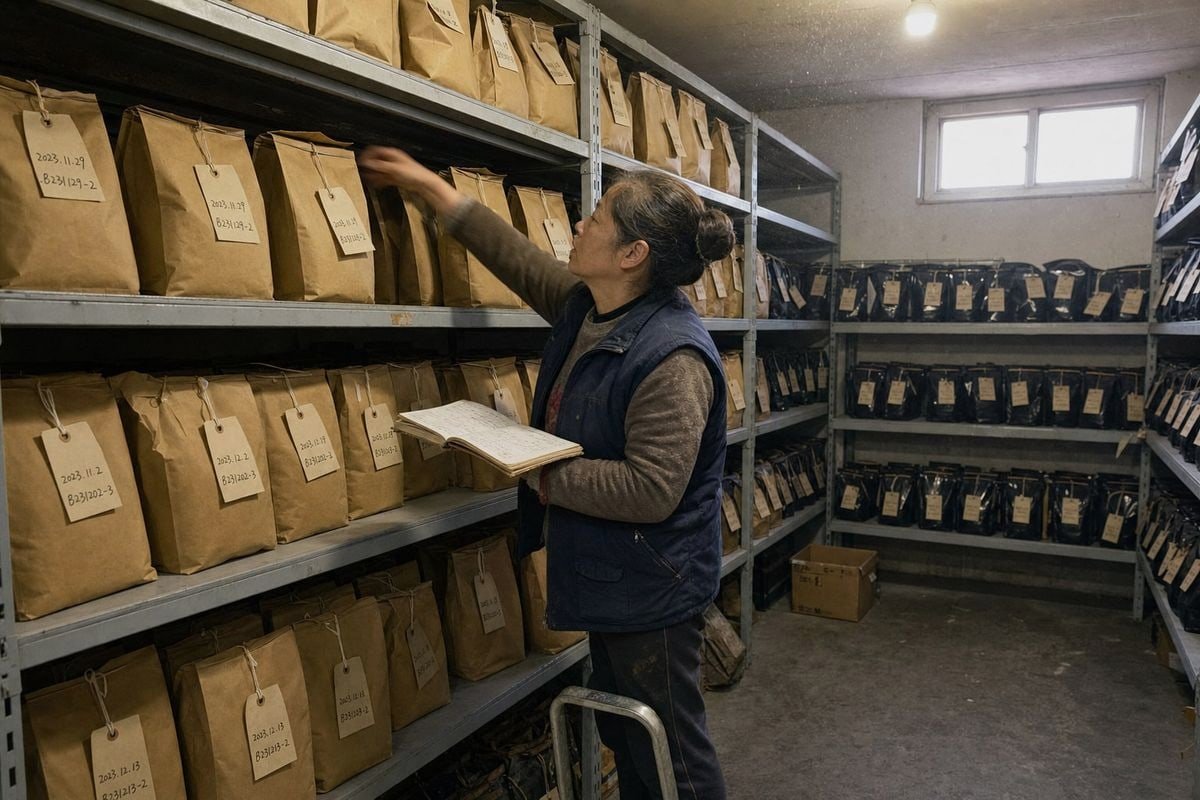
Quality assurance protocols only work when they repeat. Practical rhythm: pre-production sample approval, in-line inspection, pre-shipment burn testing, and a retained golden sample from every batch stored at the factory. Add audit rights so you — or a third party like SGS or Intertek — can inspect annually. Also insist on a change-control clause: the factory must notify you and get written approval before altering raw materials, suppliers, or process steps. In our own lines, we log every batch so that if a buyer in Canada questions a shipment, we can trace it back to the exact production date and raw-material lot. That traceability is what turns supply chain reliability into a marketing asset: your customers get the same magic every single time.
What Certifications and Compliance Documents Should Be Included in the Supply Contract?
A UK distributor once told me his retailer rejected an entire container — not for quality, but because the warning labels lacked the right compliance language. We now review labeling requirements with every buyer before production starts, because paperwork failures hurt exactly like product failures.
The contract should attach ISO 9001 and BSCI certificates, CE documentation, MSDS/SDS sheets, SGS or Intertek test reports, heavy-metal and safety test results, transport classification papers, and market-specific labeling requirements — all listed as binding annexes with renewal obligations.
For a fire-use product, compliance is not a nice-to-have. It is the gate that decides whether your goods clear customs, reach retail shelves, and survive a liability claim. So the supply agreement must treat documents as deliverables, exactly like the powder itself.
حزمة المستندات الأساسية
Different markets demand different papers, but the core stack rarely changes. Here is what we attach for buyers shipping to the US and EU:
| وثيقة | الغرض | Contract Treatment |
|---|---|---|
| شهادة ISO 9001 | Proves quality management system | Annex; must remain valid through term |
| تقرير تدقيق BSCI | Social compliance for retail channels | Annex; renewal on schedule |
| وثائق CE | التوافق مع سوق الاتحاد الأوروبي | Annex; per product version |
| MSDS / SDS | Safety data for handling and transport | Annex; updated on formulation change |
| تقارير اختبار SGS/Intertek | Independent verification, heavy-metal-free composition | Annex; re-test per agreed interval |
| تصنيف النقل | Correct shipping and customs handling | Referenced in logistics clause |
| Labeling artwork approval | Warning labels, barcodes, market language | Written buyer sign-off before print |
Make Compliance a Living Obligation
One mistake buyers make: treating certificates as a snapshot at signing. Certificates expire. Regulations shift. Your contract should require the supplier to maintain valid certifications for the full term, notify you within a defined window if any lapses, and re-test after any formulation change. Add an order-of-precedence clause so the technical annexes override generic contract language if they conflict. And have your own counsel confirm import rules 6 for each destination market — fire-related products face different rules in Germany, the UK, Australia, and the Middle East. When compliance documents live inside the contract, product differentiation follows naturally: "fully certified and heavy-metal-free" is a claim your marketing team can actually print.
How Do I Negotiate Flexible MOQs and Private-Label Terms for a Long-Term Partnership?
The lesson that reshaped our OEM program came from a Dutch buyer years ago. He wanted a small trial run before committing to volume, and our old MOQ policy nearly killed the deal. We restructured — and he became one of our longest-standing partners.
Negotiate a low trial MOQ first, then tiered volume pricing discounts that unlock as annual orders grow, plus private-label rights covering custom pouches, boxes, barcodes, and warning labels, and optional signature-color exclusivity clauses for your key markets.
A long-term agreement should reward commitment without punishing caution. The best structure I have seen work, on both sides of the table, is a staged commercial ladder built into one contract.
A Four-Step Negotiation Sequence
- Trial order at reduced MOQ. Test the product, the packaging, and the communication before locking volume. Any factory refusing a reasonable trial run is telling you something.
- Tiered pricing schedule. Instead of one flat price, agree on volume pricing discounts that trigger automatically at annual thresholds. This aligns your growth with better margins and gives the factory forecast visibility.
- Private-label package. Define OEM scope in writing: custom foil pouches, kraft bags, jars, or display boxes; your artwork; your barcodes; market-compliant warning labels. On our lines, we handle all of this in-house, which keeps the first shelf-ready sample identical to mass production.
- Exclusivity and review clauses. Exclusivity clauses can cover a signature color blend, a packaging format, or a territory. Pair them with minimum annual volumes so the exclusivity is earned, and add an annual performance review with a price re-opener tied to raw-material indices.
Handle the Flexibility Objection Head-On
Buyers often worry that a multi-year deal traps them if demand shifts. It does not have to. Build in forecast bands rather than fixed quantities, a safety-stock arrangement 7 ، ويجب طلب كل عنصر من هذه العناصر ودفع ثمنه قبل تعبئة المخروط الأول. peak seasons like summer camping and winter holidays, and clear termination rights if quality benchmarks are missed. Suppliers, meanwhile, need escalation formulas to survive raw-material inflation — resisting that clause entirely usually backfires, because a factory losing money on your contract will cut corners somewhere. A balanced procurement strategy protects both sides: you get supply chain reliability and locked branding assets; the factory gets predictable volume worth investing in. That mutual stake is what turns a purchase contract into a genuine partnership — and a story your brand can tell.
خاتمة
A well-built long-term supply agreement for Magic Fire powder secures certified quality, batch consistency, compliance paperwork, and flexible OEM terms — turning supply reliability itself into lasting brand appeal.
ملاحظات ختامية
1. Definition of a simulated tour of an existing location, usually composed of a sequence of videos or images. ↩︎
2. Explains the documentation of goods being sent from one country to another for sale. ↩︎
3. Authoritative Wikipedia entry explaining the chemical and mineral components used for flame coloration. ↩︎
4. Comprehensive overview of managing manufacturing processes to ensure quality and consistency. ↩︎
5. Technical definition of the permissible limit of variation in a physical dimension or measured value. ↩︎
6. Official US Customs and Border Protection guide on regulations for importing goods into the United States. ↩︎
7. Standard definition of inventory buffers used to prevent stockouts in supply chain management. ↩︎



 English
  Spanish
  German
  French
  Arabic
  Portuguese
انضم إلى المحادثة