






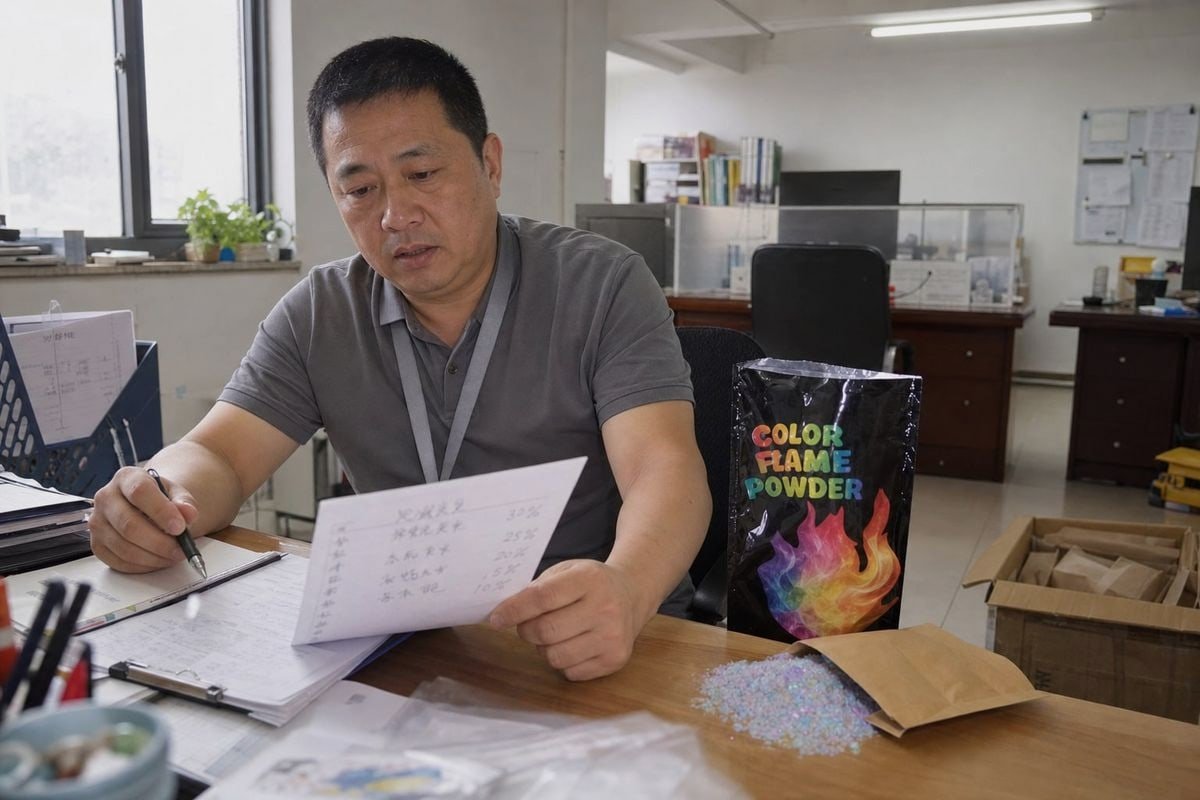
اختيار مقاييس التقييم لموردي مسحوق Magic Fire على المدى الطويل هو المكان الذي تتعثر فيه معظم المشتريات علامة CE 1. في خط الإنتاج الخاص بنا في نينغبو، رأيت لماذا يؤدي الشراء بالسعر فقط إلى تدمير برامج البيع بالتجزئة بصمت.
يجب أن تجمع مقاييس تقييم موردي مسحوق ماجيك فاير على المدى الطويل بين بطاقة أداء مرجحة - الجودة 30-35٪، التسليم 20-25٪، الامتثال 15-20٪، التكلفة الإجمالية 10-15٪، الاستجابة 10-15٪، الصحة المالية 5-10٪ - مع بوابات النجاح/الفشل للشهادات، ووثائق صحيفة بيانات السلامة (SDS)، واتساق الدفعة تلو الدفعة.
تبدو تلك الإطار بسيطة. ولكن كل مقياس يحتاج إلى هدف، وعتبة، وعلامة حمراء. دعني أرشدك خلال كيفية بنائه، بناءً على ما يتحقق منه المستوردون الجادون بالفعل عندما يقومون بتدقيقنا.
ما هي الشهادات التي يجب أن أطلبها للتأكد من أن مورد مسحوق Magic Fire الخاص بي يفي بمعايير الامتثال الدولية؟
أخبرني موزع ألماني ذات مرة أن شحنة مورده السابق بقيت في الجمارك لمدة ستة أسابيع بسبب تقارير اختبار مفقودة. كلفه هذا التأخير الوحيد موسم عيد الميلاد بأكمله. الامتثال ليس مجرد أوراق - إنه استمرارية.
طلب شهادة ISO 9001 لإدارة الجودة، وشهادة BSCI للامتثال الاجتماعي، ووضع علامة CE للأسواق الأوروبية، وتقارير اختبار من طرف ثالث من SGS أو Intertek. اطلب أيضًا صحائف بيانات السلامة الحالية، وسجلات تتبع الدُفعات، والتعبئة والتغليف التي تلبي لوائح النقل. تعامل مع هذه كبوابات نجاح/فشل، وليس عناصر تسجيل.
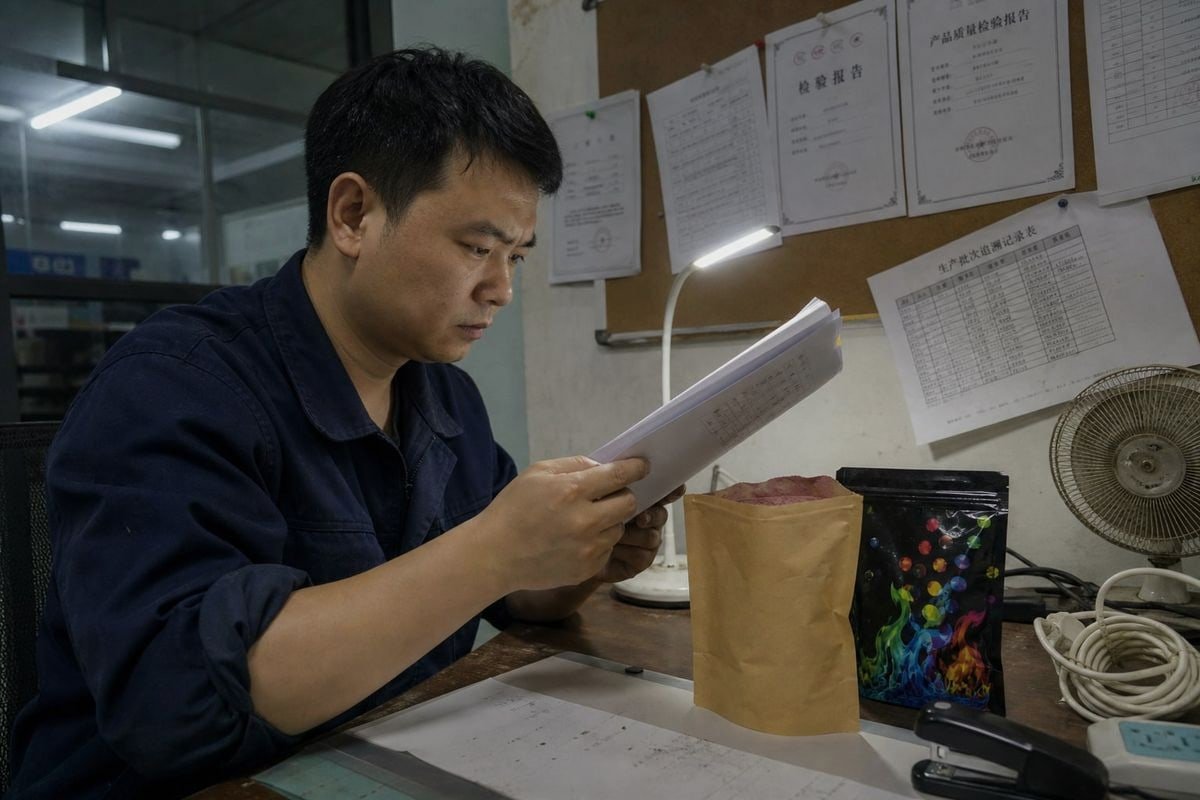
يجب أن يكون الامتثال في قمة استراتيجية المصادر الاستراتيجية الخاصة بك، ويجب أن يعمل كبوابة صارمة. إذا لم يتمكن المورد من إظهار شهادات صالحة اليوم، فلا يوجد خصم يبرر المخاطر. في تجربتنا في التصدير إلى أكثر من 30 دولة - بما في ذلك الولايات المتحدة وألمانيا والمملكة المتحدة وأستراليا - تتحقق سلطات الجمارك وسلاسل البيع بالتجزئة من الوثائق قبل أن تتحقق من أي شيء آخر. لن تقوم قنوات توريد البيع بالتجزئة الكبيرة بدمج منتج متعلق بالنار بدون ملف امتثال كامل.
قائمة التحقق الأساسية للشهادات
إليك مجموعة الوثائق الأساسية التي أوصي بطلبها قبل أي مناقشة للعقد:
| وثيقة | ما يثبته | علامة حمراء إذا كانت مفقودة |
|---|---|---|
| ISO 9001 2 شهادة | نظام إدارة جودة فعال | لا توجد معايير موحدة لمراقبة الجودة نظام إدارة جودة 3 |
| تقرير تدقيق BSCI | ظروف العمل اللائق والمصنع الأخلاقية | قد ترفض سلاسل البيع بالتجزئة المنتج |
| وثائق CE | التوافق مع سوق الاتحاد الأوروبي | تم حظر الشحنات على حدود الاتحاد الأوروبي |
| تقارير اختبار SGS / Intertek | التحقق المستقل من سلامة المنتج | المطالبات معلنة ذاتيًا فقط |
| صحائف بيانات السلامة 4 (صحيفة بيانات السلامة) | التركيب الكيميائي وإرشادات التعامل | مشاكل النقل والتأمين |
| سجلات تتبع الدُفعات | القدرة على تتبع أي دفعة إلى المواد الخام | لا توجد قدرة على الاستدعاء |
تحقق، لا تجمع فقط
يمكن أن تكون الشهادات قديمة أو مستعارة. اطلب رقم الشهادة وتحقق منه مباشرة مع الجهة المصدرة. تحقق من أن اسم الشركة الموجود على الشهادة يتطابق مع المصنع الذي تشتري منه - قد تقدم شركات التجارة وثائق المصنع على أنها خاصة بها. في مقرنا الرئيسي في Liuyang، نشجع المشترين على إجراء مكالمات فيديو إلى أرض الإنتاج أو الزيارة شخصيًا، لأن المصنع الحقيقي ليس لديه ما يخفيه. تأكد أيضًا من أن SDS حديث؛ تتطور التركيبات، وقد لا يصف SDS من ثلاث سنوات ما يتم شحنه في الحقيبة. أخيرًا، اكتب الامتثال التعاقدي في اتفاقك: يجب على المورد إخطارك بأي تغيير في التركيبة أو الشهادة أو اللوائح في غضون فترة زمنية محددة. هذه الفقرة تحميك عندما تتغير اللوائح في منتصف العقد.
كيف يمكنني تقييم الاتساق بين الدفعات قبل الالتزام باتفاقية توريد طويلة الأجل؟
المقايضة التي أزنها كل أسبوع هي السرعة مقابل التحقق. يريد المشتري عينات سريعة، لكن العينة المتسرعة لا تخبرك شيئًا عن استقرار الإنتاج. يسجل فريق مراقبة الجودة لدينا أداء اللون لكل دفعة بالضبط لأن الاتساق، وليس عينة واحدة مثالية،, يفوز بالعقود طويلة الأجل.
اطلب عينات من ثلاث دفعات إنتاج منفصلة على الأقل، ثم قارن حجم الجسيمات ومستوى الرطوبة وشدة اللون ومدة الاحتراق بالمواصفات المكتوبة. اطلب سجلات مراقبة الجودة الخاصة بالمورد وسجلات تتبع الدُفعات. النتائج المتسقة عبر الدُفعات - وليس عينة واحدة رائعة - تتنبأ بالموثوقية على المدى الطويل.
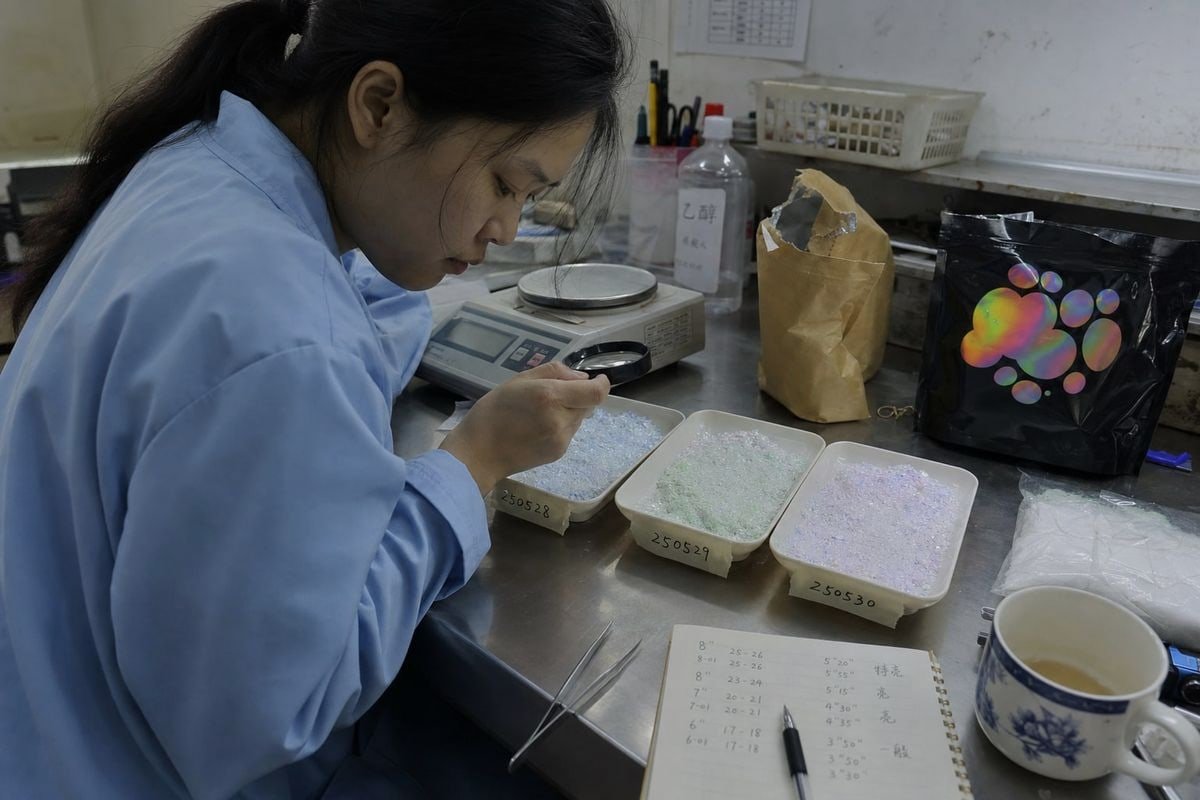
الاتساق من دفعة إلى أخرى هو أقوى مؤشر منفرد على ما إذا كان المورد يمكنه دعمك لسنوات. مسحوق اللهب الملون الذي ينحرف في حجم الجسيمات أو محتوى الرطوبة سيحترق بشكل مختلف، أو يتكتل في التخزين، أو ينتج ألوانًا ضعيفة - وسوف يلاحظ عملاؤك النهائيون ذلك على الفور. هذا هو السبب في أن السؤال الأول الذي أطرحه على المشترين الجادين ليس عن السعر، بل عن تحمل مواصفاتهم.
ما يجب قياسه عبر دفعات العينات
ركز مقارنتك على السمات التي تدفع أداء اللهب فعليًا:
| السمة | لماذا هو مهم | كيفية التحقق |
|---|---|---|
| توزيع حجم الجسيمات 6 | يتحكم في معدل الاحتراق وتجانس لون اللهب | مقارنة المنخل المرئي؛ بيانات PSD للمورد |
| محتوى الرطوبة | يتكتل المسحوق الرطب ويحترق بشكل سيء | سجلات اختبار رطوبة المورد؛ اختبار التخزين |
| كثافة اللون وطيفه | الوعد الأساسي للمنتج | اختبارات احتراق جنبًا إلى جنب، مصورة كمرجع |
| مدة الاحتراق | يحدد القيمة المتصورة لكل عبوة | اختبارات احتراق موقوتة في ظروف حريق متطابقة |
| سلامة ختم العبوة | فشل حاجز الرطوبة يدمر العمر الافتراضي | اختبارات السقوط والضغط والتعرض للرطوبة |
عملية تحقق عملية من أربع خطوات
- اطلب عينات مسحوبة من ثلاث دفعات إنتاج مختلفة، مع أرقام الدُفعات، وليس ثلاث أكياس من دفعة واحدة.
- قم بإجراء اختبارات احتراق متطابقة: نفس الخشب، نفس حجم الحريق، نفس كمية المسحوق. سجل كل شيء بالفيديو.
- اطلب سجلات مراقبة الجودة الداخلية للمورد لتلك الدُفعات بالضبط. يمكن للمصنع الذي لديه معايير مراقبة جودة حقيقية إنتاجها في غضون يوم واحد.
- قم بتقديم طلب تجريبي صغير واختبره مقابل العينات المحفوظة لديك. الطلب التجريبي هو اختبار الاتساق الحقيقي الخاص بك، لأنه يعكس الإنتاج العادي، وليس العناية بغرفة العينات.
في مصنعنا، نحتفظ بعينات محفوظة من كل دفعة لهذا السبب بالضبط - عندما يقارن المشتري شحنة بعينة مرجعية، يمكننا التتبع والمقارنة من جانبنا أيضًا. يجب أن تعكس العينة الأولى بشكل موثوق جودة الإنتاج الضخم. إذا قاوم المورد مشاركة سجلات الدُفعات، فاعتبر ذلك إشارة خطيرة لتخفيف مخاطر المورد وابتعد.
ما هي المرونة في المهلة الزمنية والحد الأدنى لكمية الطلب التي يجب أن أتوقعها من مصنع مسحوق Magic Fire موثوق؟
سألني مستورد هولندي ذات مرة لماذا نقتبس وقت التسليم كمجموعة بدلاً من رقم واحد. إجابتي: أي مصنع يقتبس رقمًا ثابتًا واحدًا لكل موسم إما يبالغ فيه بشدة أو يكسر الوعد في الأشهر الذروة. بيانات التباين الصادقة أفضل من الوعود المتفائلة.
توقع 25-40 يومًا مهلة إنتاج للطلبات القياسية، مع عروض أسعار موسم الذروة المقدمة مسبقًا. تقدم شركة تصنيع موثوقة حدًا أدنى للكميات المطلوبة أقل للطلبات التجريبية، وتخفض الحد الأدنى للكميات المطلوبة للعملاء المتكررين، وتحافظ على تسليم في الوقت المحدد وفي كامل الكمية فوق 95% مع تباين في المهلة الزمنية ضمن نافذة تحمل متفق عليها.

وقت التسليم هو المكان الذي تصبح فيه موثوقية سلسلة التوريد قابلة للقياس إدارة سلسلة التوريد 7. مؤشرات الأداء الرئيسية لأداء البائعين التي تهم هنا هي OTIF (في الوقت المحدد بالكامل) و تباين وقت التسليم. يشير مقياس OTIF إلى ما إذا كان المورد يسلم الكمية الصحيحة في التاريخ المحدد. يشير مقياس التباين إلى ما إذا كان يمكنك التخطيط بناءً على مواعيدهم. المورد الذي يسلم في 30 يومًا، ثم 55، ثم 28، يجبرك على الاحتفاظ بمخزون أمان باهظ الثمن. المورد الذي يسلم باستمرار في 33-37 يومًا يتيح لك العمل بكفاءة.
تحديد عتبات التسليم في بطاقة أدائك
قم بإقران كل مقياس تسليم بهدف ومحفز تصعيد. على سبيل المثال: هدف OTIF بنسبة 98٪، ومراجعة يتم تشغيلها أقل من 95٪، وإجراء تصحيحي مطلوب أقل من 90٪. تباين وقت التسليم المستهدف في حدود زائد أو ناقص خمسة أيام من الاقتباس. معدل التعبئة بنسبة 100٪ للطلبات المؤكدة. ثم قم بمراجعة هذه الأمور بشكل ربع سنوي. المنتجات ذات الألوان النارية موسمية - موسم التخييم في الصيف، وموسم المدافئ والهدايا في الربع الرابع - لذا اسأل المورد عن كيفية التعامل مع السعة في الأشهر القصوى. في تخطيطنا الخاص، نطلب من الشركاء طويلي الأمد مشاركة توقعات متجددة، وفي المقابل نحجز لهم سعة إنتاجية. هذا التبادل هو جوهر إدارة علاقات الموردين الجيدة: القدرة على التنبؤ تتدفق في كلا الاتجاهين.
ما تبدو عليه مرونة الحد الأدنى لكمية الطلب العادلة
يجب ألا تكون الحد الأدنى لكمية الطلب جدارًا؛ بل يجب أن تكون محادثة. تشمل التوقعات المعقولة حدًا أدنى لكمية طلب تجريبي مخفضًا حتى تتمكن من اختبار السوق، وحدودًا دنيا لكميات طلب مختلطة حتى يتمكن طلب واحد من تغطية عدة ألوان أو تنسيقات تغليف، وتسعيرًا متدرجًا حتى تكون خصومات الحجم شفافة بدلاً من أن تكون مخفية. التكلفة الإجمالية للملكية أكثر أهمية من سعر الوحدة هنا: المورد الذي لديه سعر أعلى قليلاً ولكنه يوفر تسليمًا موثوقًا وكميات تجريبية مرنة سيكلفك دائمًا أقل من مورد رخيص يجبرك على الشحن الجوي في حالات الطوارئ أو يترك أرففك فارغة في نوفمبر.
كيف يمكنني تقييم قدرات الشركة المصنعة للمعدات الأصلية/المصنعة للتصميم الأصلي للمورد لاحتياجات التعبئة والتغليف الخاصة بالعلامة التجارية الخاصة؟
علمنا تطوير برنامج العلامة التجارية الخاصة درسًا قاسيًا قبل سنوات: تصميم كيس جميل لا يعني شيئًا إذا لم يتم مسح الرمز الشريطي عند الخروج لدى بائع التجزئة أو إذا كانت ملصقات التحذير لا تتطابق مع قواعد بلد الوجهة. القدرة الحقيقية للمصنع الأصلي للمعدات / ODM تكمن في تلك التفاصيل.
تقييم قدرة OEM/ODM عن طريق طلب عينات تغليف مادية عبر التنسيقات، والتحقق من التحكم الداخلي في الطباعة، والملصقات التحذيرية، والرموز الشريطية، وتأكيد قدرتهم على تخصيص وقت الحرق، وحجم العبوة، وصناديق عرض البيع بالتجزئة. اطلب أمثلة مجهولة المصدر لمشاريع الملصقات الخاصة السابقة وعملية مراجعتها.

تعني قدرة OEM/ODM الحقيقية ذات المحطة الواحدة أن المورد يمكنه أخذ علامتك التجارية من المفهوم إلى المنتج الجاهز للعرض دون تسليم خطوات حرجة لمقاولين فرعيين غير معروفين. في منشأتنا، ننتج عبوات Magic Fire في أكياس لامعة من الرقائق المعدنية، وأكياس ورقية قابلة للوقوف مع أغطية قابلة للإغلاق، وعلب بلاستيكية، وصناديق عرض قابلة للطي - لأن قنوات البيع بالتجزئة المختلفة تتطلب تنسيقات مختلفة. تريد علامة تجارية للتخييم كيسًا صغيرًا للاستخدام مرة واحدة؛ يريد موزع المدافئ صندوق عرض على سطح الطاولة؛ يريد تاجر هدايا المهرجانات رسومات جذابة متعددة الألوان. إذا كان المورد الخاص بك يقدم تنسيقًا مخزونًا واحدًا فقط مع تبديل الشعار، فهذا هو وضع العلامة التجارية الخاصة، وليس ODM الحقيقي.
مجالات القدرة على الاستكشاف
| من اختيار المنتج إلى التعبئة والتغليف والعينات والوثائق والإنتاج بالجملة، تساعد Sunrich المشترين على تقليل مخاطر الشراء وبناء برامج منتجات نيران خارجية. | موضوع | الأدلة المطلوب طلبها |
|---|---|---|
| تخصيص المنتج | هل يمكنك تعديل وقت الاحتراق، ومزيج الألوان، ووزن العبوة؟ | عينات مخصصة بمواصفاتك |
| تنسيقات التعبئة والتغليف | خيارات الأكياس الرقائقية، والأكياس الورقية، والعلب، وصناديق العرض؟ | عينات مادية لكل تنسيق |
| وضع العلامات التنظيمية | هل يمكنك إنتاج ملصقات تحذيرية صحيحة للسوق؟ | أعمال فنية سابقة للملصقات لسوقك المستهدف |
| جاهزية البيع بالتجزئة | الرموز الشريطية، ومواصفات الكرتون الداخلي/الخارجي، وتغليف العرض؟ | أوراق مواصفات الكرتون |
| دعم لوجستي | هل يمكنك تحسين الشحن لوجهتي؟ | خطط شحن العينات و خيارات Incoterm 8 |
اختبر العملية، وليس فقط الوعد
امنح المورد موجز تصميم صغير وواقعي وشاهد كيف يتعامل معه. كم عدد جولات المراجعة التي يقدمونها؟ هل يشيرون إلى المشاكل - مثل لون لا يمكن طباعته جيدًا على الرقائق المعدنية، أو نص صغير جدًا لمتطلبات التحذير القانونية - قبل الإنتاج، أو بعده؟ هل يتواصلون بوضوح باللغة الإنجليزية، مع استجابات سريعة؟ في مشاريع OEM الخاصة بنا للمشترين في جميع أنحاء الولايات المتحدة وأوروبا، تتشكل أقوى الشراكات عندما يعمل المصنع كمجموعة ثانية من العيون على الامتثال والاستعداد للعرض، ويلتقط المشكلات التي فات فريق تصميم المشتري. الاستجابة أثناء أخذ العينات هي معاينة للاستجابة أثناء الأزمة، لذا قم بتقييمها بشكل متعمد في تقييمك.
خاتمة
المقاييس الضعيفة تسمح لمورد رخيص بأن يصبح أغلى خطأ لديك. قم بتقييم الجودة والتسليم والامتثال والتكلفة والاستجابة - ثم الشراكة مع مصنع معتمد مبني على المدى الطويل.
تحديد مقاييس التقييم لموردي مسحوق Magic Fire على المدى الطويل يعود إلى تحول واحد في العقلية: تقييم شريك مخاطر استراتيجي، وليس بائعًا. قم ببناء بطاقة أداء مرجحة حول الاتساق من دفعة إلى أخرى، وتسليم OTIF، والتكلفة الإجمالية للملكية. فرض بوابات صارمة على الشهادات، ووثائق SDS، وإمكانية التتبع. اختبر عمق OEM/ODM باستخدام موجزات حقيقية، وليس كتيبات. وقم بمراجعة الأداء بشكل ربع سنوي، باستخدام البيانات لإعادة التفاوض بدلاً من التخمين. بعد أكثر من 17 عامًا من تشغيل خطوط الإنتاج والشحن للمشترين في أكثر من 30 دولة، يمكنني أن أخبرك أن النمط هو نفسه دائمًا: المشترون الذين يضعون مقاييس واضحة مقدمًا يحصلون على برامج مستقرة، وهوامش محمية، ومنتجات تؤدي بنفس الأداء في السنة الخامسة كما فعلت في العينة الأولى. إذا كنت تبني بطاقة أداء المورد الخاصة بك، يسعدنا أن نأخذك عبر بطاقة الأداء الخاصة بنا - الشهادات، وسجلات الدُفعات، وكل شيء.
ملاحظات ختامية
شرح خلفية علامة المطابقة الأوروبية المذكورة كشرط. ↩︎
مرجع رسمي لمعيار ISO لمتطلبات شهادة إدارة الجودة. ↩︎
يشرح المفهوم الكامن وراء شهادة ISO 9001 لمراقبة جودة المصنع. ↩︎
مرجع حكومي يشرح الغرض والشكل القياسي لصحائف بيانات السلامة. ↩︎
تم تسمية SGS مباشرة كسلطة اختبار طرف ثالث للتحقق من الامتثال. ↩︎
نظرة عامة شاملة على مبادئ توزيع حجم الجسيمات وتقنيات القياس. ↩︎
<span id="foot

 English
  Spanish
  German
  French
  Arabic
  Portuguese
انضم إلى المحادثة