






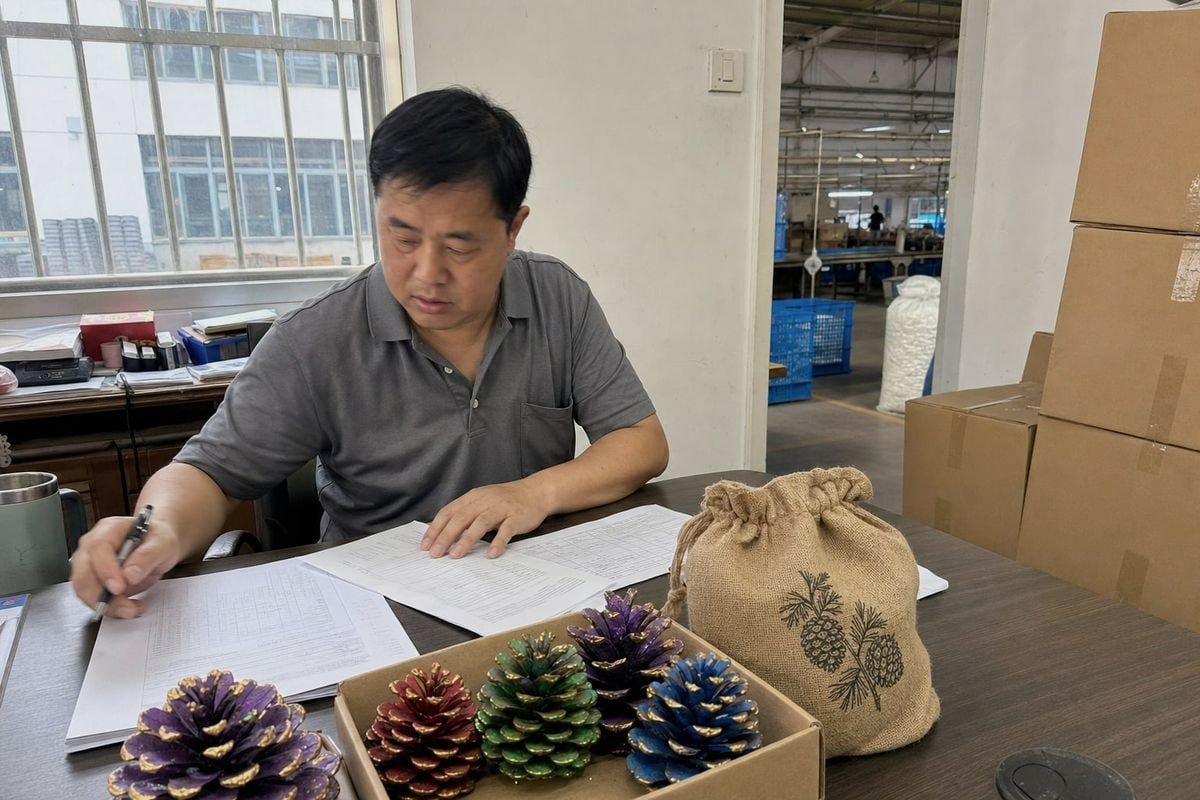
تبدو أكواز الصنوبر الملونة للمواقد بسيطة حتى تصل حاوية بدون تعليمات اختبار SGS/Intertek 1. في خط الإنتاج الخاص بنا، رأينا المشترين يفقدون مواسم بيع بالتجزئة كاملة لأن مورديهم شحنوا الأكواز بدون وثائق استخدام، ورفضت فرق الامتثال الجمركي أو البيع بالتجزئة البضائع. الحل بسيط: اطلب الإرشادات الصحيحة، كتابيًا، قبل الطلب.
اطلب إرشادات مكتوبة للاستخدام والتطبيق قبل طلب أكواز الصنوبر الملونة للمدفأة: اطلب صحيفة بيانات السلامة (SDS)، وبيانات توافق الجهاز، والحد الأقصى لعدد الأكواز لكل حريق، ومدة الاحتراق، ومتطلبات التهوية، وتعليمات التخزين، وتحذيرات عدم الاستخدام الغذائي. قم بتأكيد كل شيء كتابيًا وتحقق من الادعاءات مقابل عينة تم اختبارها بالحرق.
هذه هي الإجابة المختصرة. أدناه، سأفصل بالضبط المستندات التي يجب طلبها، وكيفية التحقق منها مقابل قواعد السوق الخاص بك، وكيفية التعامل مع تعليمات العلامة الخاصة، وكيفية التحقق من الأداء قبل الالتزام بطلب كامل.
ما هي وثائق الاستخدام والسلامة التي يجب أن أطلبها من المورد الخاص بي؟
أرسل لنا موزع ألماني ذات مرة رسالة بريد إلكتروني في حالة ذعر. لم يكن لدى أكواز المورد السابق لديه أي إفصاح كيميائي على الإطلاق، ورفضت سلسلة البيع بالتجزئة الخاصة به الشحنة. لقد أعدنا بناء حزمة وثائقه في عشرة أيام.
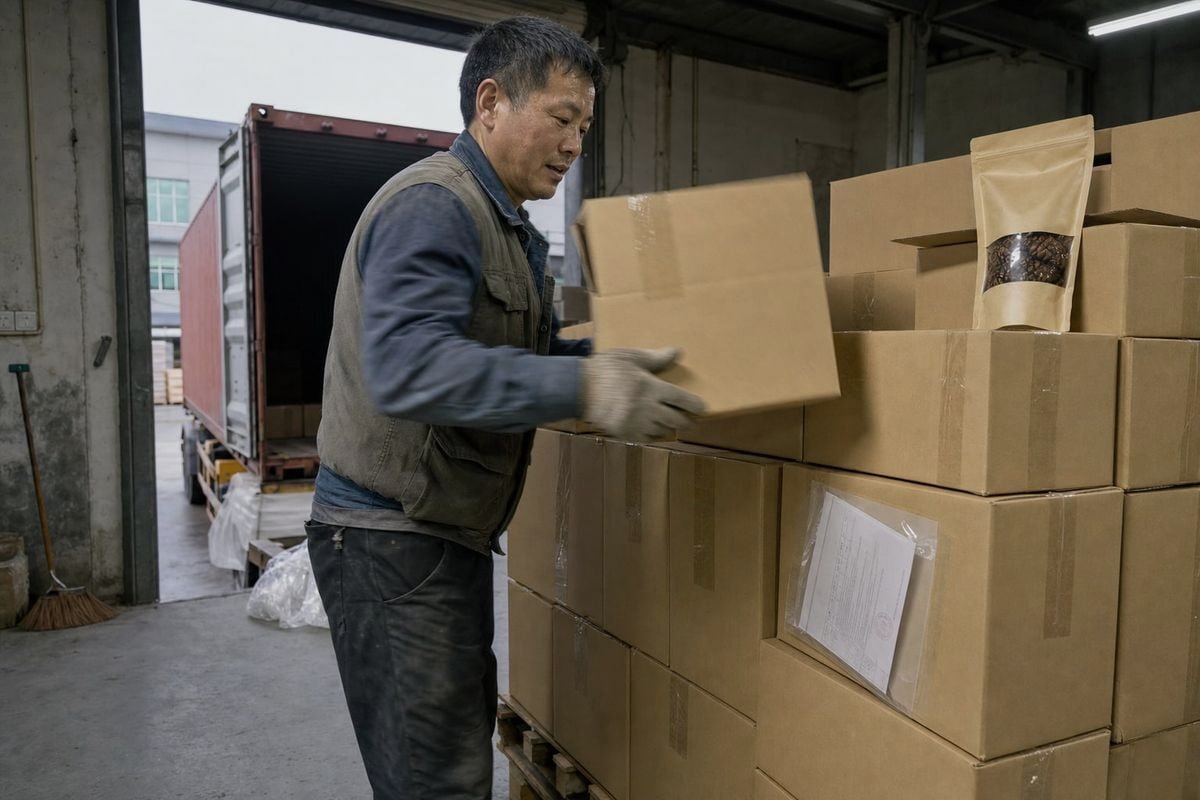
اطلب من موردك صحيفة بيانات السلامة التي تسرد جميع الملونات الكيميائية، وصحيفة مواصفات المنتج، وبيانات توافق الأجهزة، وإرشادات الجرعة القصوى لكل حريق، وبيانات وقت الاحتراق، ومتطلبات التهوية والمدخنة، وتعليمات التخزين والتخلص، وتحذيرات عدم الاستخدام الغذائي، وتقارير الاختبار من طرف ثالث مثل SGS أو Intertek.
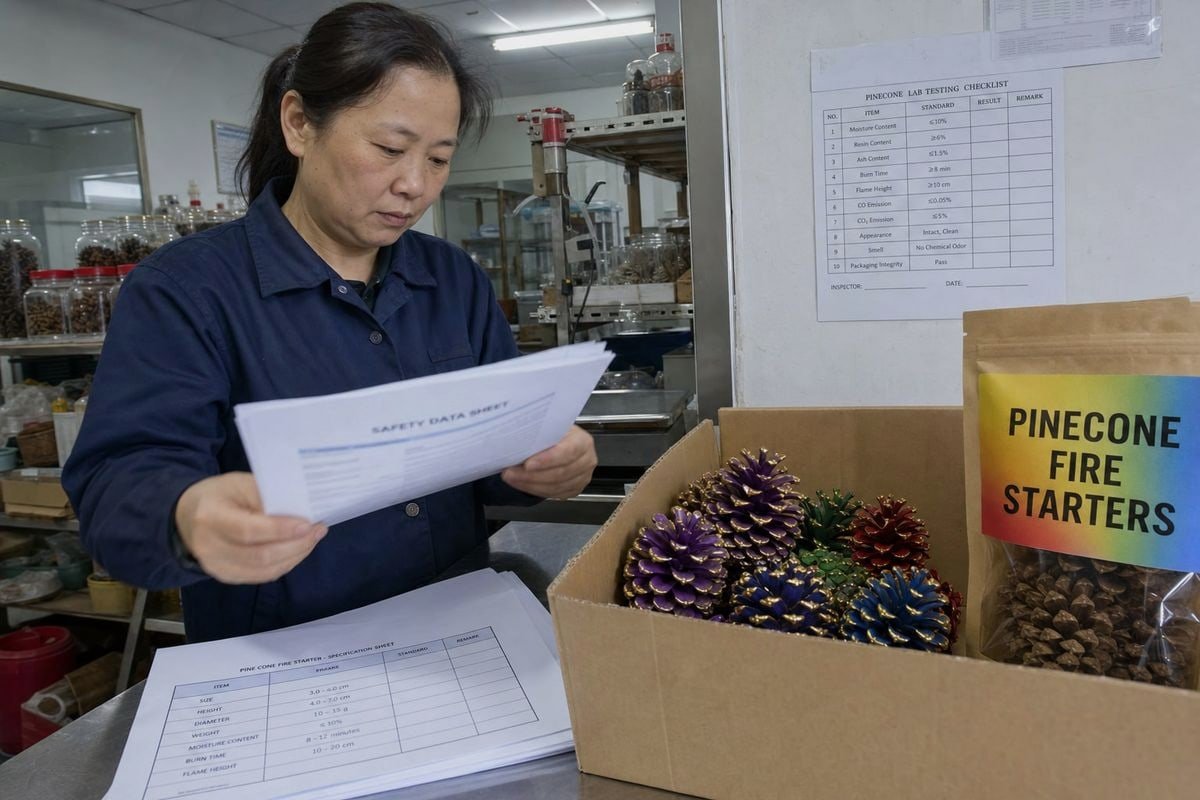
حزمة الوثائق هي أساس كل شيء آخر في هذه المقالة. في تجربتنا في تصدير أكواز الصنوبر الملونة للهب إلى أكثر من 30 دولة، يتجنب المشترون الذين يطلبون الحزمة الكاملة مقدمًا جميع المشاكل اللاحقة تقريبًا. المشترون الذين يتخطون هذه الخطوة يدفعون ثمنها عادةً لاحقًا، في الجمارك، أو في مكتب الامتثال لدى بائع التجزئة، أو في شكوى عميل.
قائمة مرجعية للمستندات الأساسية
هذه هي الحزمة التي نعدها لكل استفسار جاد بين الشركات. استخدمها كقالب طلب خاص بك.
| وثيقة | ما يجب أن تغطيه | لماذا هو مهم |
|---|---|---|
| صحيفة بيانات السلامة (SDS) | جميع المواد الكيميائية الملونة للهب، على سبيل المثال، مركبات النحاس؛ تصنيف المخاطر | متطلب قانوني في معظم الأسواق؛ يطالب به تجار التجزئة |
| ورقة مواصفات المنتج | حجم المخروط، نوع الطلاء، وقت الاحتراق، مدة تأثير اللون | يحدد معايير جودة قابلة للقياس لطلب الشراء الخاص بك |
| بيان توافق الجهاز | مواقد الحطب، مواقد الحطب، مواقد النار، نيران المخيمات؛ استثناءات غازات السجل | يمنع مطالبات سوء الاستخدام والتعرض للمسؤولية |
| تعليمات الاستخدام | أكواز لكل نار، قاعدة النار المشتعلة فقط، استخدام الشاشة | "إرشادات التطبيق" الفعلية التي يحتاجها المستخدمون النهائيون |
| تقارير الاختبار | يتحقق من المطالبات المتعلقة بالامتثال والتركيب بشكل مستقل | دليل مستقل، وليس مجرد وعود المورد |
| إرشادات التخزين | التحكم في الرطوبة، سلامة الأطفال والحيوانات الأليفة، مدة الصلاحية | تمتص الأكواز المغلفة والمعالجة الرطوبة بمرور الوقت |
الإفصاح الكيميائي غير قابل للتفاوض
يرفض بعض الموردين تسمية ملوناتهم، ويصفونها بأنها خاصة. هذه علامة حمراء. يمكن لـ صحيفة بيانات سلامة المواد 2 حماية الأسرار التجارية مع الاستمرار في الكشف عن فئات المخاطر. إذا لم يتمكن المورد من إخبارك بما إذا كانوا يستخدمون أكواز زخرفية مطلية 3 أو بديلاً أكثر أمانًا للنحاس، ابتعد. تشير الإرشادات المنشورة حول منتجات النار الزخرفية باستمرار إلى أن يقرأ المستخدمون تعليمات الشركة المصنعة وصحيفة السلامة الكيميائية قبل الحرق، ولا يمكن لعملائك النهائيين القيام بذلك إذا لم تكن الصحيفة موجودة.
اسأل عن حدود الجرعة صراحةً
تختلف النصائح العامة حول الكمية بشكل كبير. تقترح بعض الأدلة 2-3 أكواز تنتج لونًا لمدة 10-12 دقيقة. تحذر إرشادات سلامة الحرائق القديمة من أن أي شيء يتجاوز 8-10 أكواز، وبالتأكيد أكثر من 15، يمكن أن يخلق لهبًا ساخنًا كبيرًا يضغط على المدخنة. هذا الخلاف هو بالضبط سبب وجوب أن يكون الحد الخاص بالمورد هو الرقم المتحكم. عندما نطور تركيبة جديدة، نقوم باختبار حدود الجرعة في المختبر ونطبعها على العبوة، لأن "رمي القليل منها" هي لغة تسويقية، وليست إرشادات تطبيق.
كيف يمكنني التحقق من أن إرشادات التطبيق تلبي معايير الامتثال الخاصة بسوقي؟
أصعب مقايضة نزنها في منشأتنا في نينغبو ليست التكلفة مقابل الجودة - إنها كتابة ورقة تعليمات واحدة ترضي التوقعات الأمريكية والأوروبية والأسترالية في نفس الوقت.
تحقق من إرشادات المورد مقابل لوائح المواد الكيميائية في سوقك، وقوانين الملصقات، وقواعد سلامة المنتجات الاستهلاكية. اطلب إشارات علامة CE للاتحاد الأوروبي، وتنسيقات SDS التي تطابق معايير REACH أو OSHA، وتقارير الاختبار من طرف ثالث. اسأل المورد عن الأسواق التي يصدر إليها بالفعل.
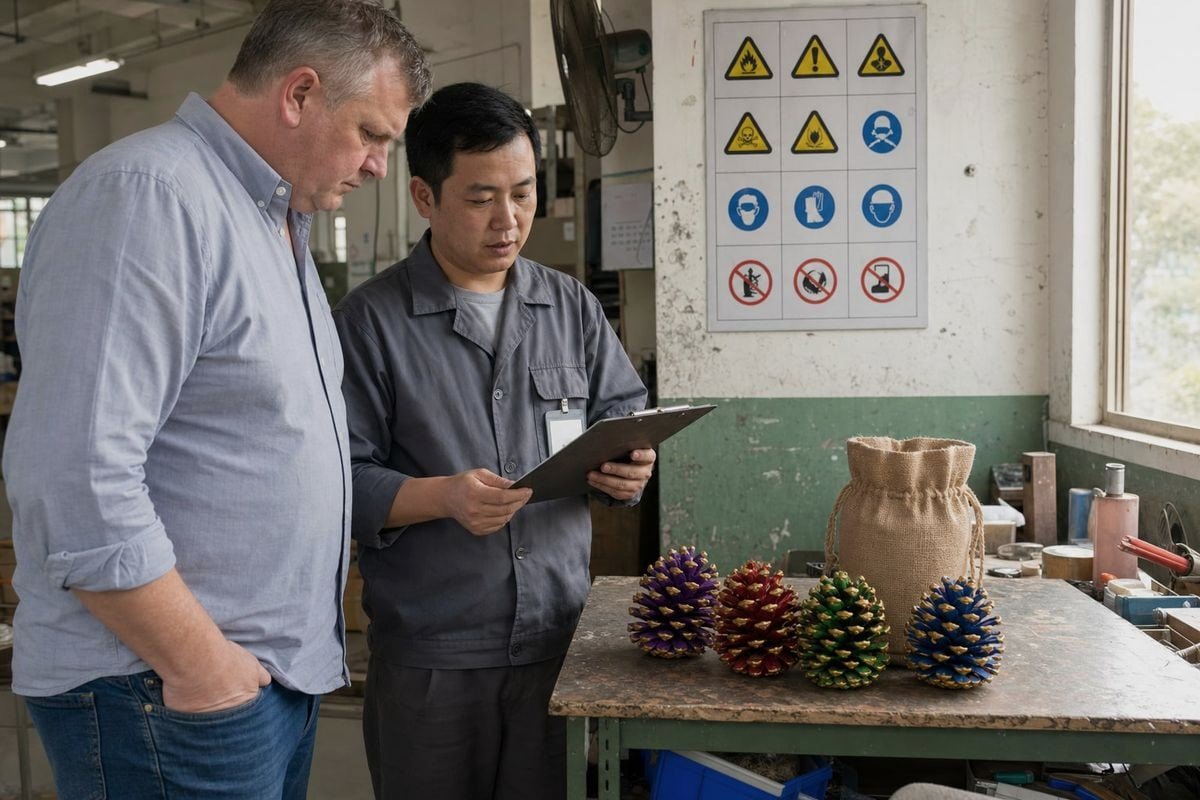
الامتثال هو المكان الذي ينفصل فيه الموردون الجيدون عن الموردين الرخيصين. على مدار 17 عامًا من شحن منتجات اللهب الملون إلى الولايات المتحدة وألمانيا والمملكة المتحدة وفرنسا وكندا، تعلمنا أن كل سوق يقرأ نفس حزمة المستندات بشكل مختلف. وظيفتك كمشتري هي التحقق من أن إرشادات المورد تترجم إلى لغتك التنظيمية، وليس مجرد أي لغة تنظيمية.
طابق المستند مع السوق
| السوق | ما يبحث عنه المراجعون | نقطة فشل شائعة |
|---|---|---|
| الولايات المتحدة الأمريكية | صحيفة بيانات السلامة بتنسيق OSHA، ملصقات تحذير واضحة، بيانات عدم الاستخدام الغذائي | تحذيرات المخاطر الإنجليزية المفقودة على عبوات البيع بالتجزئة |
| الاتحاد الأوروبي | صحيفة بيانات السلامة المتوافقة مع REACH، وثائق المطابقة ذات الصلة بـ CE، ملصقات باللغة المحلية | صحيفة بيانات السلامة مكتوبة باللغة الصينية أو الإنجليزية فقط للأسواق غير الناطقة بالإنجليزية |
| المملكة المتحدة | اعتبارات UKCA بعد خروج بريطانيا من الاتحاد الأوروبي، صحيفة بيانات السلامة باللغة الإنجليزية | افتراض أن وثائق الاتحاد الأوروبي تنتقل تلقائيًا |
| أستراليا / كندا | التصنيف المحلي للمخاطر، ملصقات ثنائية اللغة (كندا) | لا يوجد ترجمة فرنسية لكندا |
مصنعنا يحمل ISO 9001 4 وشهادة BSCI، ونحن نجري اختبارات CE و SGS/Intertek على خطوط اللهب الملونة لدينا على وجه التحديد لأن مشترين يعاملون هذا كشرط صارم، وليس شيئًا لطيفًا. عند تقييم مورد، اطرح سؤالاً بسيطًا: أي من الأسواق المستهدفة لدي قد تم مسحها بالفعل؟ المورد الذي قام بشحن طلبات بالجملة لبدء النار إلى منطقتك سيكون لديه أوراق جاهزة للبيع بالتجزئة. المورد الذي لم يفعل سيكون يتعلم على حسابك.
تحقق، لا تفترض
ثلاث خطوات تحقق عملية تعمل بشكل جيد. أولاً، اطلب ملف PDF لتقرير الاختبار الفعلي، ثم تحقق من رقم تقرير المختبر مباشرة مع SGS أو Intertek. ثانيًا، قارن قائمة المواد الكيميائية في صحيفة بيانات السلامة بالمواد المقيدة في سوقك - اطلب بيان نقاء المعادن الثقيلة 5 يؤكد عدم وجود الرصاص أو الكادميوم أو الزرنيخ، حيث يمكن أن تحمل الملونات الصناعية ملوثات أثرية. ثالثًا، تأكد من أن الإرشادات تعالج احتياطات السلامة للمواقد الداخلية 6 بلغة تقبلها وكالة حماية المستهلك الخاصة بك: حرائق راسخة فقط، لا للطبخ أو الشواء فوق اللهب المعالج، لا للاستخدام في أنظمة الغاز أو الأنظمة غير المهواة، تهوية كافية، وإشراف الكبار. إذا كانت تعليمات المورد تقول فقط "استمتع بالألوان السحرية"، فإن التسويق مرح ولكن ملف الامتثال فارغ.
ماذا يجب أن أدرج عند طلب تعليمات مخصصة لتغليف العلامة الخاصة؟
في الشتاء الماضي، طلبت منا علامة تجارية أمريكية للمعدات الخارجية تركيب إرشادات استخدام كاملة على كيس ورقي قائم بحجم كتاب ورقي. لقد نجحنا في ذلك - مع نشرة قابلة للطي ورمز QR.
حدد اسم علامتك التجارية واللغات المطلوبة ونص ملصق التحذير وأيقونات توافق الأجهزة وتعليمات الجرعات وموضع الباركود والبيانات التنظيمية. قم بتوفير صياغة التحذير الإلزامية لسوقك، واطلب إثباتات الطباعة قبل الإنتاج، وتأكد من أن المورد يمكنه إنتاج ملحقات أو بطاقات تعليق أو صفحات تعليمات مرتبطة بـ QR.
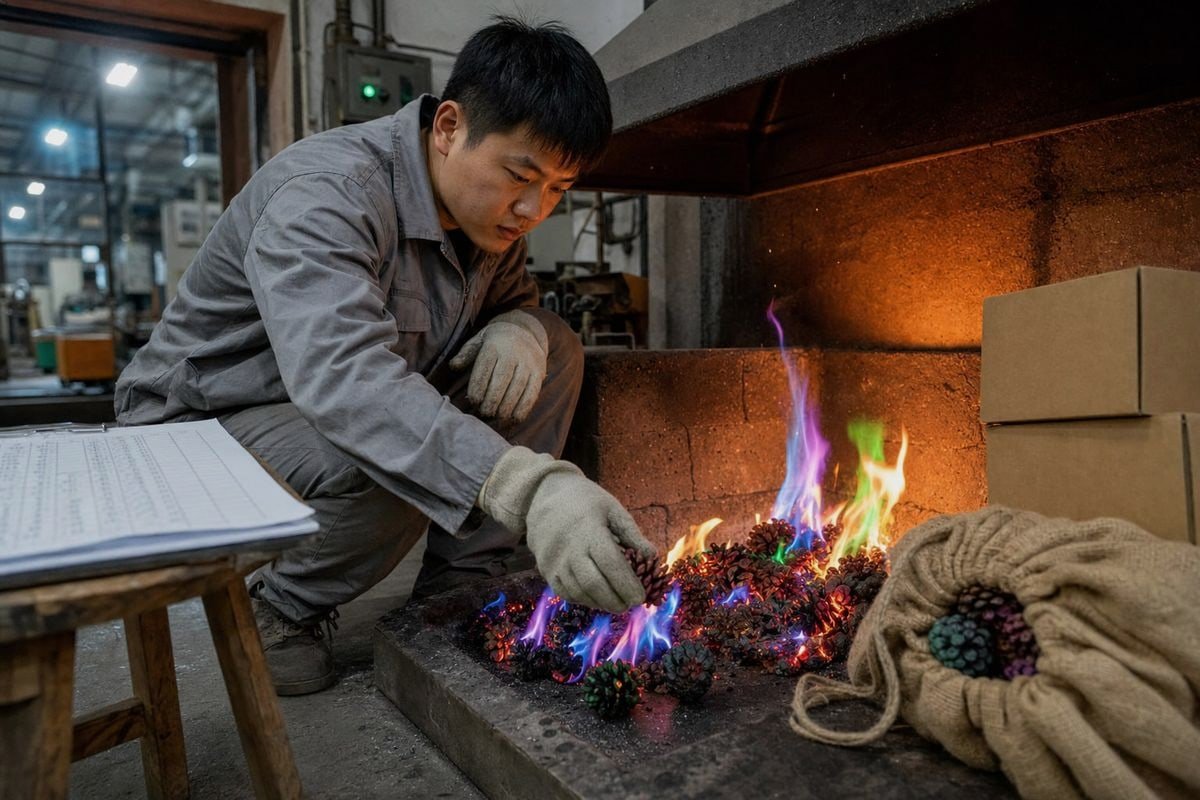
العمل الخاص بالعلامة التجارية الخاصة هو المكان الذي تتوقف فيه إرشادات التطبيق عن كونها وثيقة المورد وتصبح وثيقتك. بمجرد أن تكون علامتك التجارية على كيس الخيش، أو الكيس القابل لإعادة الإغلاق، أو صندوق العرض، فإن شركتك تتحمل المسؤولية إذا كانت التعليمات خاطئة أو مفقودة. لذا فإن الطلب الذي ترسله إلى المورد الخاص بك يحتاج إلى أن يكون محددًا.
بناء موجز تغليف كامل
أرسل إلى المورد الخاص بك موجزًا مكتوبًا يغطي هذه العناصر:
- أصول العلامة التجارية. ملفات الشعار، ورموز الألوان، ومتطلبات الخط للكيس، أو الكيس، أو البرطمان.
- نص التعليمات. خطوات الاستخدام الدقيقة: رميها في نار راسخة، استخدام 2-3 مخاريط في المرة الواحدة، عدم استخدامها أبدًا لبدء النار، عدم الطهي فوق اللهب.
- لغة التحذير. الصياغة الإلزامية للسوق الخاص بك للمنتجات الكيميائية، وسلامة الأطفال، ومتطلبات الإشراف.
- اللغات. اللغة الإنجليزية وحدها تعمل للولايات المتحدة؛ الألمانية أو الفرنسية أو الهولندية مهمة لتجار التجزئة الأوروبيين لملحقات الموقد والفناء.
- أيقونات التوافق. رسومات بسيطة توضح موقد الحطب، وحفرة النار، ونار المخيم كموافق عليها؛ موقد الغاز وشواية الشواء كمحظورة.
- الباركود ورموز البيع بالتجزئة. وضع EAN أو UPC، بالإضافة إلى أي تسميات خاصة بتجار التجزئة.
- مرونة التنسيق. اسأل عما إذا كان المورد يمكنه تقديم نشرات مطبوعة، أو بطاقات معلقة، أو رموز QR تربط بالتعليمات الكاملة عندما تكون مساحة التعبئة ضيقة.
اختبار عمق OEM للمورد
يقوم عملاء OEM/ODM لدينا بتخصيص كل شيء من وقت الاحتراق إلى مادة الكيس، ونحن ننتج ملصقات التحذير والباركود داخليًا، مما يقصر دورة الإثبات. عند تقييم مورد، اطلب إثباتات طباعة مادية لوحة التعليمات، وليس مجرد نماذج رقمية. كثافة الحبر، وقابلية قراءة اللوحة، والتصاق الملصق كلها تتصرف بشكل مختلف على الورق المقوى مقابل الخيش مقابل البرطمانات البلاستيكية. اسأل أيضًا من يملك قانونيًا نص التعليمات. تريد كلمتك المراجعة والمعتمدة على العبوة - وليس قالبًا عامًا يعيد المورد استخدامه لكل عميل، لأن هذا القالب قد يتعارض مع قواعد السوق الخاص بك. أخيرًا، اطلب عينة ما قبل الإنتاج مع التعبئة النهائية حتى يتمكن فريق الامتثال الخاص بك من التوقيع قبل بدء الإنتاج الضخم.
كيف يمكنني التأكد من أن إرشادات المورد تتطابق مع أداء المنتج الفعلي قبل الطلب؟
في وقت مبكر من مسيرتي المهنية هنا، تعلمت درسًا دائمًا: ورقة المواصفات التي تعد باثنتي عشرة دقيقة من اللهب الأزرق لا تعني شيئًا حتى تشاهد مخروطًا يحترق بنفسك، وساعة توقيت في يدك.
اطلب عينات اختبار الاحتراق وتحقق منها مقابل الإرشادات المكتوبة: قم بقياس تأثير اللون، وعد جرعة المخروط المذكورة، وتحقق من الدخان والرائحة والبقايا، واختبر في أنواع الأجهزة الفعلية المدرجة. ثم أكد أن المورد يضمن الاتساق من دفعة إلى أخرى بين العينات والإنتاج الضخم.
التحقق هو الخطوة التي يتعجلها معظم المشترين، وهي الخطوة التي تحدد ما إذا كانت الإرشادات التي كافحت للحصول عليها صحيحة بالفعل. يمكن للوثيقة أن تدعي أي شيء. اختبار الاحتراق لا يكذب.
إجراء اختبار عينة منظم
لا ترمي مخروطًا في النار وتستمتع بالألوان. اختبر مقابل ادعاءات المورد المكتوبة الخاصة، نقطة بنقطة.
| ادعاء الإرشادات | كيفية التحقق | معايير النجاح |
|---|---|---|
| مدة الاحتراق (على سبيل المثال، 10-12 دقيقة لكل 2-3 مخاريط) | قم بتوقيت تأثير اللون بالجرعة المحددة | في حدود 20٪ تقريبًا من المدة المحددة |
| حيوية الألوان | احرق في ضوء خافت؛ صور النتائج | الألوان واضحة للتمييز، وتطابق صور التسويق |
| الدخان والرائحة | احرق في الداخل مع تهوية عادية | لا توجد رائحة كيميائية قوية أو دخان مفرط |
| البقايا والرماد | افحص صندوق النار والباب الزجاجي بعد الاحتراق | لا توجد بقايا لزجة غير عادية أو تحميل ثقيل للسخام |
| توافق الجهاز | اختبر في موقد حطب وحفرة نار كما هو مذكور | أداء ثابت عبر أنواع الأجهزة المدرجة |
| سلوك النار الراسخة | أضف المخاريط فقط بعد أن تكون النار مشتعلة جيدًا | تشتعل المخاريط نظيفة دون اشتعال مفاجئ |
تحقق من الاتساق، وليس عينة واحدة فقط
عينة جيدة واحدة تثبت أن المورد يمكنه صنع مخروط واحد جيد. لا تثبت أنها تستطيع صنع خمسين ألفًا. اسأل مباشرة كيف يضمن المصنع أن دفعة الإنتاج الضخم تطابق العينة. في منشأتنا، نجري مراقبة جودة صارمة من دفعة إلى أخرى على تحميل الملونات ووزن الطلاء، لذلك تعكس العينة الأولى جودة الإنتاج بشكل موثوق - ونشجع المشترين على طلب عينات من دفعتي إنتاج مختلفتين للمقارنة.
اطرح أيضًا الأسئلة الفنية الأكثر صعوبة. إذا استخدم عملاؤك مواقد حديثة عالية الكفاءة، فاطلب بيان توافق موقد حرق الخشب الذي يغطي المحارق التحفيزية، حيث يمكن أن تتسبب بقايا الأملاح المعدنية في إفساد العناصر التحفيزية. اسأل عن الآثار طويلة الأجل لمنتجات الاحتراق القائمة على الأملاح على بطانات المداخن المصنوعة من الفولاذ المقاوم للصدأ. اسأل عما إذا كانت التركيبة تستخدم ملونات نار غير سامة وكيف تؤثر الإضافات على 7 بيان التوافق الذي يغطي المحارق التحفيزية، حيث يمكن أن تتسبب بقايا الأملاح المعدنية في إعاقة العناصر التحفيزية. اسأل عن الآثار طويلة المدى لمنتجات الاحتراق القائمة على الأملاح على بطانات المداخن المصنوعة من الفولاذ المقاوم للصدأ. اسأل عما إذا كانت التركيبة تستخدم ملونات نار غير سامة وكيف تؤثر الإضافات تراكم الكريوزوت 8 و تكرار تنظيف الأبواب الزجاجية. المورد الذي يجيب على هذه الأسئلة ببيانات يكون قد اختبر منتجه بالفعل. المورد الذي يتجنبها لم يفعل ذلك، وإرشادات تطبيقه هي مجرد تخمين.
خاتمة
تباع أكواز الصنوبر الملونة بالإثارة، ولكنها تشحن بالوثائق. تؤدي الإرشادات المفقودة إلى مسؤولية، وشحنات مرفوضة، ومواسم ضائعة.
الحل هو المصادر المنضبطة: اطلب حزمة SDS والمواصفات الكاملة، وتحقق منها مقابل معايير الامتثال لسوقك، واقفل تعليماتك المعتمدة في عبوات تحمل علامة خاصة، واختبر العينات ضد كل ادعاء مكتوب. تعامل مع إرشادات المورد الموثقة - وليس نصائح الإنترنت العامة - كسلطة تحكم للاستخدام الآمن. بعد 17 عامًا من بناء منتجات اللهب الملون المتوافقة للعلامات التجارية في جميع أنحاء الولايات المتحدة وأوروبا، يمكنني القول إن المشترين الذين يطرحون هذه الأسئلة مقدمًا هم أولئك الذين تصل أكواز الصنوبر الملونة لمواقدهم إلى الرفوف في الوقت المحدد، وتجتاز كل مكتب امتثال، وتحافظ على سلامة العملاء النهائيين أمام النار.
ملاحظات ختامية
صفحة خدمة SGS الرسمية لاختبار المنتجات الاستهلاكية والامتثال التجاري. ↩︎
مركز OSHA الرسمي لمعيار توصيل المخاطر ومتطلبات بيانات السلامة. ↩︎
تفاصيل فنية حول كبريتات النحاس، وهي مادة كيميائية شائعة تستخدم لإنتاج لهب أخضر في منتجات النار. ↩︎
إدخال مفصل في ويكيبيديا لمعيار نظام إدارة الجودة ISO 9001. ↩︎
معلومات إدارة الغذاء والدواء حول ملوثات المعادن الثقيلة مثل الرصاص والكادميوم، والتي يتم تنظيمها في المنتجات الاستهلاكية. ↩︎
إرشادات السلامة NFPA للمواقد الداخلية لمنع الحوادث وضمان سلامة التدفئة المنزلية المناسبة. ↩︎
دليل EPA Burn Wise لاختيار أجهزة حرق الأخشاب النظيفة والفعالة. ↩︎
شرح للقطران، وهو منتج ثانوي لاحتراق الخشب يشكل خطر حريق في المداخن. ↩︎
 English
  Spanish
  German
  French
  Arabic
  Portuguese
انضم إلى المحادثة