






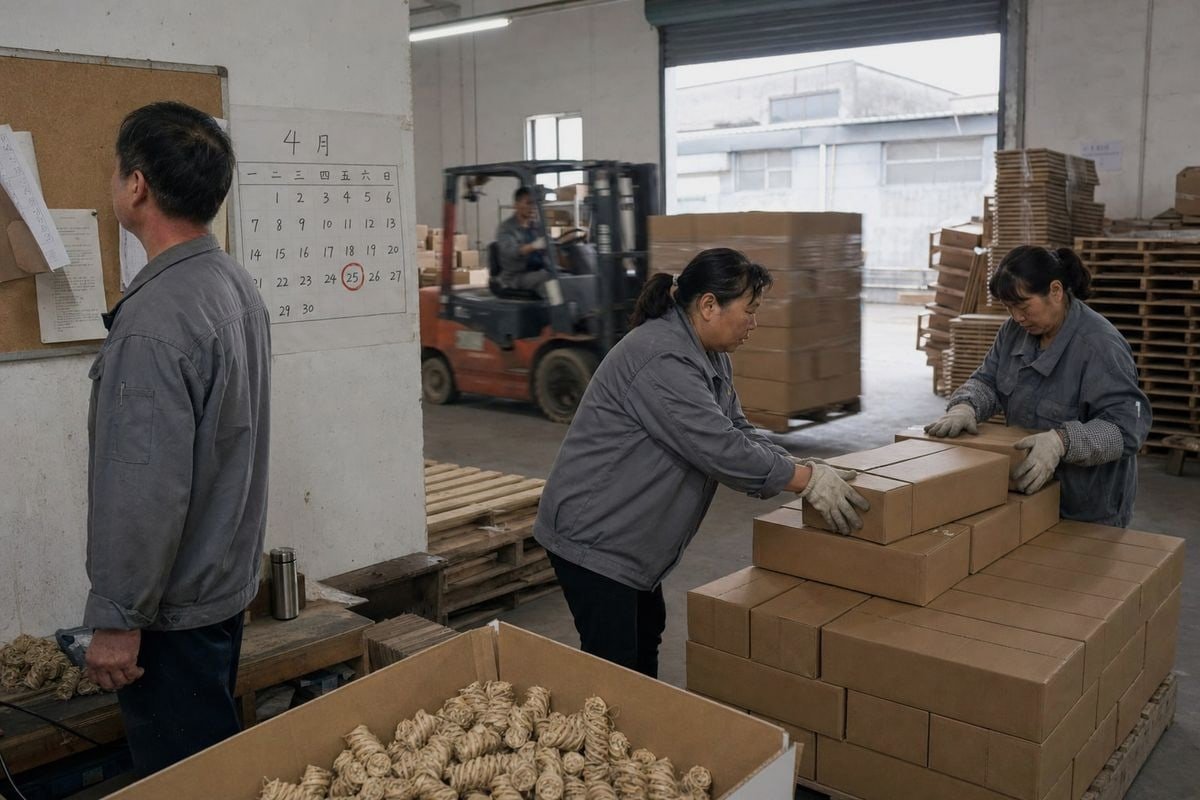
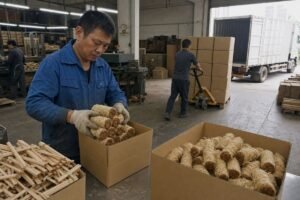
في كل شهر أغسطس، يعمل خط إنتاج نينغبو لدينا بكامل طاقته - لأن المشترين الذين تخطوا برنامج حوافز التخزين المبكر يتوسلون فجأة للحصول على مشعلات النار الخشبية قبل الشتاء.
برنامج حوافز فعال للطلب المبكر يجمع بين موعد نهائي صارم للطلب قبل الموسم، وثلاث نوافذ خصم متدرجة تتراوح تقريبًا بين 5-15٪، وشهادات موردين معتمدة، وفواصل متدرجة تستند إلى الحد الأدنى لكمية الطلب تحمي هوامش الربح، ومزايا تغليف العلامة التجارية الخاصة - تكافئ تجار التجزئة الذين يلتزمون مبكرًا دون تآكل انضباط تسعير علامتك التجارية.
هذه الجملة الواحدة تخفي الكثير من قرارات التصميم إدارة جودة ISO 9001 1. أدناه، أقوم بتفصيل كل منها، باستخدام نفس الإطار الذي نساعد به شركاء التوزيع لدينا على البناء كل موسم.
كيف يمكنني تحديد المواعيد النهائية الصحيحة للطلبات والخصومات لبرنامج حوافز المبادرين؟
في الربيع الماضي، سألني موزع مدفأة ألماني لماذا فشل عرضه المبكر. صحائف بيانات السلامة 2. كان الموعد النهائي قبل أسبوعين من ذروة الموسم. هذا ليس مبكرًا - هذا متأخر.
حدد أول موعد نهائي مبكر لك قبل أربعة إلى ستة أشهر من ذروة موسم التدفئة، عادةً في أبريل أو مايو، مع أعمق خصم يتراوح بين 10-15٪. أضف نافذتين لاحقتين بنسبة 5-8٪ و 3-5٪، ثم أغلق البرنامج بحزم. لا تمدد المواعيد النهائية أبدًا، وإلا اختفت الحاجة الملحة.
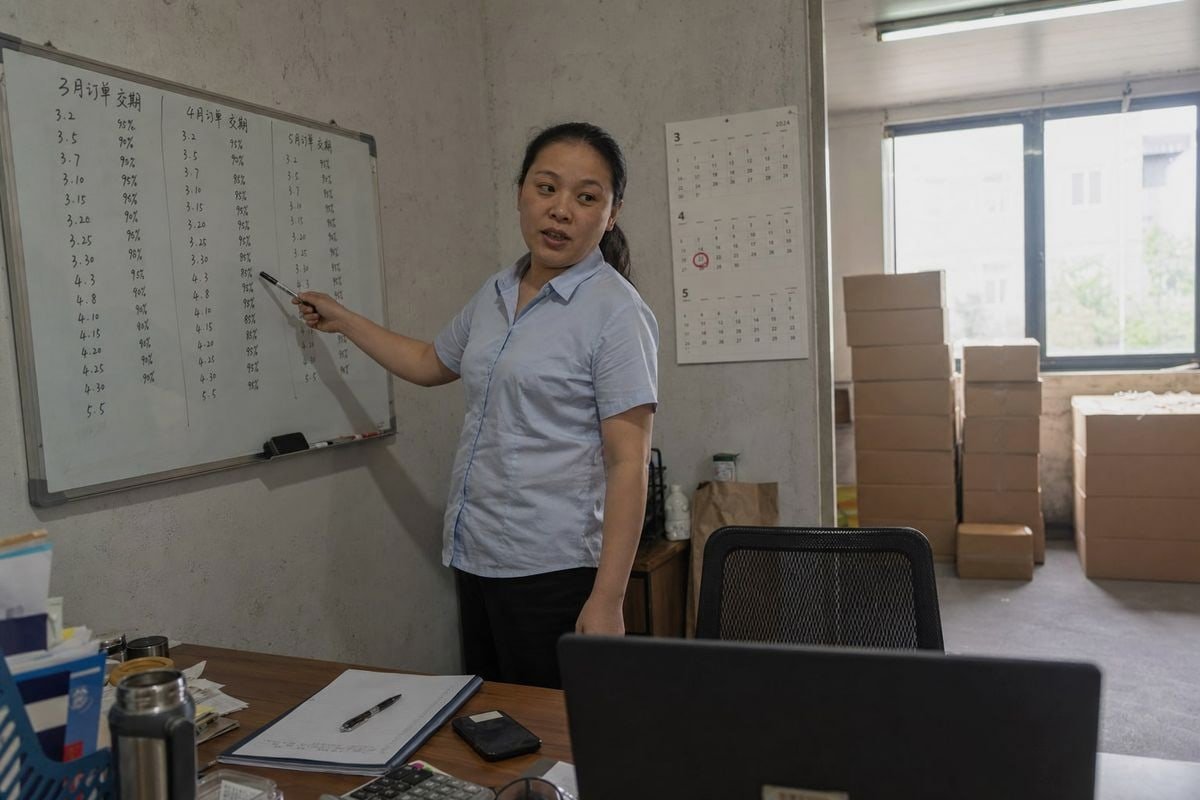
صناعة الموقد والفناء تعمل وفق تقويم يمكن التنبؤ به لا تدع موردًا يخبرك "لا بأس، الجميع يبيعه". اطلب تقارير مستوى الدفعة. تحقق أيضًا من 3. يشتري المستهلكون مشعلات النار من أكتوبر إلى فبراير. تقوم المتاجر بتخزين الرفوف في سبتمبر. لذلك يجب أن تفتح نافذة الطلب قبل الموسم في الربيع. في تجربتنا في الشحن إلى الولايات المتحدة وألمانيا،, الشحن البحري 4 وحدها يمكن أن تستغرق من خمسة إلى ثمانية أسابيع. أضف وقت الإنتاج، وطلب يوليو بالكاد يصل قبل الصقيع الأول. هذه هي الحجة التي تقدمها للمتاجر: الخصم حقيقي، لكن توقيت التسليم المضمون يستحق أكثر من ذلك.
هيكل موعد نهائي بثلاث نوافذ يعمل
اجعل الأمر بسيطًا. ثلاث نوافذ على الأكثر. المزيد من المستويات تخلق إرهاقًا في اتخاذ القرار، والمشترون ينتظرون فقط التالي.
| نافذة الطلب | مثال على الموعد النهائي | خصم | ميزة إضافية |
|---|---|---|---|
| النافذة 1 (مبكر) | 30 أبريل | خصم 12% | شحن مجاني فوق منصة واحدة |
| النافذة 2 (حجز مسبق قياسي) | 30 يونيو | خصم 7% | أولوية تجديد المخزون في منتصف الموسم |
| النافذة 3 (النداء الأخير) | 15 أغسطس | خصم 4% | شروط قياسية فقط |
| بعد الإغلاق | — | سعر القائمة | تخصيص لأول من يأتي |
لماذا الانضباط في المواعيد النهائية أهم من عمق الخصم
إليك الفخ الذي شاهدت الموردين يقعون فيه. يمددون الموعد النهائي "لهذه المرة فقط" لحساب كبير. تنتشر الكلمة. في الموسم المقبل، لا أحد يطلب مبكرًا، لأن الجميع يعرف أن الموعد النهائي مرن. ثم ينهار توقع الطلب الموسمي، وتعود إلى تخمين أحجام الإنتاج إدارة سلسلة التوريد 5. نموذج هجين يحل جزءًا من هذه المشكلة: أغلق العرض عند الموعد النهائي أو عند الوصول إلى حد مخزون محدد، أيهما يأتي أولاً. الندرة بالإضافة إلى التاريخ أقوى من التاريخ وحده. نخطط لجولات إنتاج الشمع واللفائف الخشبية قبل أشهر، لذا فإن مجموعة الحوافز المبكرة المحدودة صادقة - فهي تعكس فتحات إنتاج حقيقية، وليس ضجة مصطنعة.
نقطة أخرى حول عمق الخصم. تتجمع برامج التجارة المماثلة في نطاق 10-20%، ولكن مشعلات النار تحمل أسعار وحدات متواضعة. خصم مبكر بنسبة 12% مقترنًا ببدلات الشحن يتفوق عادةً على خصم ثابت بنسبة 18%، لأنه يحمي سعر قائمتك في ذهن بائع التجزئة.
ما هي الشهادات ووثائق الامتثال التي يجب أن أطلبها من مورد مواد إشعال الخشب الخاصة بي قبل تقديم الحوافز؟
أخبرني أحد المشترين في المملكة المتحدة ذات مرة أنه فقد حاوية كاملة في الجمارك لأن "شهادة" المورد السابق كانت ملف PDF تم التلاعب به بالفوتوشوب. مجلد الامتثال الخاص بنا هو أول شيء نرسله، قبل أي حديث عن الأسعار.
تتطلب شهادة إدارة الجودة ISO 9001، وتدقيق الامتثال الاجتماعي BSCI، ووضع علامة CE حيثما ينطبق، وتقارير اختبار من طرف ثالث من SGS أو Intertek. كما تطالب ببيانات سلامة المواد، وملصقات تحذير صحيحة، وإعلانات التركيب قبل إلزام تجار التجزئة بأي التزام مبكر.

هذا القسم أهم من معظم المقالات. يطلب برنامج حوافز التخزين المبكر من تجار التجزئة الالتزام بالنقود ومساحة الرفوف قبل أشهر. إذا فشل المنتج لاحقًا في فحص الجمارك أو تدقيق الامتثال لسلسلة البيع بالتجزئة، فإن الخصم الذي قدمته لا يعني شيئًا. يظل بائع التجزئة عالقًا بمخزون غير قابل للبيع، وتنتهي علاقتك. لذا فإن الامتثال ليس موضوعًا جانبيًا - إنه الأساس الذي يجعل الالتزام المبكر آمنًا.
في خبرتنا التي تزيد عن 17 عامًا في التصدير إلى أكثر من 30 دولة، تعلمنا أن فرق المشتريات في المتاجر الكبرى والمستوردين الأوروبيين الراسخين يعاملون الوثائق كبوابة صعبة. إليك قائمة المراجعة التي نوصي المشترين باستخدامها قبل توقيع أي اتفاقية طلب قبل الموسم.
قائمة التحقق من المستندات الأساسية
| وثيقة | ما يثبته | لماذا هو مهم للطلبات المبكرة |
|---|---|---|
| شهادة ISO 9001 | نظام إدارة الجودة | اتساق الدفعة تلو الأخرى عبر موسم الإنتاج الكامل |
| تقرير تدقيق BSCI | ظروف المصنع الأخلاقية | مطلوب من قبل معظم سلاسل البيع بالتجزئة الكبيرة في الولايات المتحدة والاتحاد الأوروبي |
| تقرير اختبار SGS أو Intertek | سلامة المنتج وتكوينه | تخليص جمركي وحماية من المسؤولية |
| علامة CE 6 الوثائق | المطابقة للاتحاد الأوروبي | بيع قانوني في الأسواق الأوروبية |
| صحيفة بيانات السلامة (SDS) | تركيبة الشمع والألياف الخشبية | تأمين البيع بالتجزئة وتصنيف الشحن |
| رسومات ملصقات التحذير | الاستخدام الصحيح وتحذيرات المخاطر | الامتثال الجاهز للرفوف في كل سوق وجهة |
تحقق، لا تجمع فقط
اطلب أرقام الشهادات وتحقق منها مباشرة مع الجهة المصدرة. يمكن للمصنع الحقيقي - الذي لديه خطوط إنتاج خاصة به، وليس شركة تجارية تعيد بيع مخزون شخص آخر - أيضًا تقديم تدقيق بالفيديو لعملية الشمع والتعبئة. نستضيف هذه بانتظام، والمشترون الذين يطلبونها هم دائمًا أولئك الذين يديرون برامج الحوافز الأكثر احترافًا. اربط جدول حوافزك بتسليم المستندات: لا توجد حزمة امتثال كاملة، ولا تأكيد لسعر الحوافز المبكرة. هذا يحمي كلا الجانبين.
كيف يمكنني هيكلة التسعير المتدرج والحد الأدنى لكميات الطلب لمكافأة تجار التجزئة الذين يقومون بالتخزين المبكر دون الإضرار بهوامش الربح؟
حسابات الهامش هي المكان الذي أقضي فيه معظم الوقت مع شركاء التوزيع الجدد. أراد مستورد هولندي خصمًا إجماليًا بنسبة 20%. أعدنا بناء عرضه حول مستويات الحجم بدلاً من ذلك - تحسن هامشه وزادت طلباته الافتتاحية.
إنشاء هيكل تسعير ثلاثي المستويات مرتبط بحجم العلبة: مستوى دخول بحد أدنى للطلب منخفض بنسبة 3-5% خصم، ومستوى متوسط بنسبة 7-10%، ومستوى منصة نقالة بنسبة 12-15% بالإضافة إلى سلع مجانية. استخدم بدلات الشحن وحالات المكافأة بدلاً من تخفيضات الأسعار الأعمق لحماية هوامش الربح.
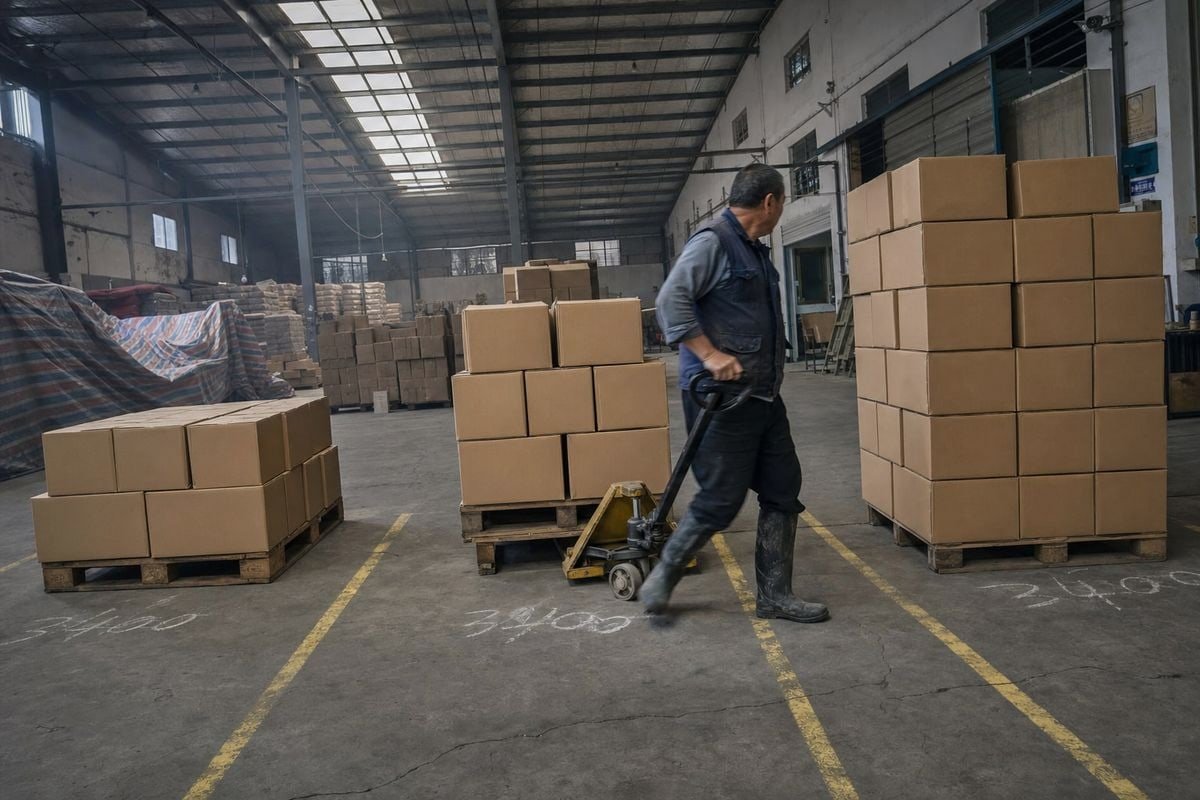
المنطق بسيط. خصومات تعتمد على الحجم تكلفك أقل لكل نقطة من الخصومات الإجمالية، لأنك تقدم الخصم الأعمق فقط عندما يبرر حجم الطلب ذلك. الطلبات المبكرة الأكبر تحسن تخطيط الإنتاج الخاص بك، وتقلل من تكلفة الخدمات اللوجستية لكل وحدة، وتسحب النقد مقدمًا. جزء من هذا التوفير يمول الحافز. والباقي يبقى في هامشك.
هيكل تسعير متدرج نموذجي
| مستوى | الحد الأدنى لكمية الطلب 7 | خصم الطيور المبكرة | مكافأة القيمة المضافة |
|---|---|---|---|
| تجربة | 50 صندوقًا | 3% | مجموعة عينات للعروض التوضيحية داخل المتجر |
| نمو | 200 صندوق | 8% | بدل شحن لكل منصة نقالة |
| شريك | 1 منصة نقالة كاملة+ | 13% | 2 صندوق مجاني لكل منصة نقالة + شاشة عرض نقطة البيع |
لاحظ ما تتضمنه الفئة العليا: صناديق مجانية و عرض نقطة البيع 8, ، وليس مجرد خصم أكبر. تكلفك السلع المجانية تكلفة التصنيع الخاصة بك، ولكن بائع التجزئة يقدرها بسعر الجملة. هذه الفجوة هي حماية الهامش. وينطبق المنطق نفسه على بدلات الشحن - فهي تبدو سخية، لكنها تتناسب مع حجم الطلب ولا تمس سعر قائمتك أبدًا.
حافظ على الفئة الابتدائية سهلة الوصول حقًا
خطأ شائع هو تعيين الحد الأدنى لكمية الطلب التجريبي مرتفعًا جدًا. ترغب حسابات البيع بالتجزئة الجديدة في اختبار البيع قبل الالتزام بمساحة الرف. نحافظ عمدًا على الحد الأدنى لكمية الطلب التجريبي منخفضًا للمشترين لأول مرة، لأن بائع التجزئة الذي يرى دورانًا قويًا للمخزون في السنة الأولى يصبح عميلاً لحجز مسبق على مستوى المنصة في السنة الثانية. هيكل التسعير المتدرج الخاص به يجب أن يكون سلمًا، وليس جدارًا.
الحماية من التلاعب بالفئات
قاعدتان تمنعان إساءة الاستخدام. أولاً، تنطبق الفئات لكل طلب، وليس بشكل تراكمي عبر الموسم - وإلا فإن المشترين يقسمون الطلبات للوصول إلى العتبات في وقت متأخر. ثانيًا، تتطلب أسعار فئة الطيور المبكرة اتفاقية شروط الدفع مقدمًا. يمكن أن يكون التأجيل الممتد، مثل شروط الدفع الصافية المستحقة في 1 نوفمبر، هو مكافأتك العليا: يأخذ بائع التجزئة تسليم الصيف ولكنه يدفع عندما تصل إيرادات موسم التدفئة. هذا التنازل الوحيد غالبًا ما يفوز بالتزامات أكبر من أي خصم.
ما هي خيارات الملصقات الخاصة والتعبئة والتغليف التي يمكنني تقديمها لتجار التجزئة لجعل الطلبات المبكرة أكثر جاذبية؟
طلبات التعبئة والتغليف هي المكان الذي تصبح فيه الطلبات المبكرة عاطفية. عندما رأت علامة تجارية كندية خارجية شعارها الخاص مصممًا على صندوق البيع بالتجزئة الأسود الخاص بنا برسومات اللهب، ضاعفوا حجزهم المسبق على الفور.
قدم للمتاجر المبكرة علامات تجارية خاصة، وأحجام وعدد صناديق مخصصة، وتغليف عرض جاهز للبيع بالتجزئة، وملصقات تحذير محلية، ورموز شريطية برسوم تخصيص مخفضة أو متنازل عنها. احجز تصميم تغليف OEM بالكامل كميزة حصرية لالتزامات ما قبل الموسم من الدرجة الأولى.

إليك سبب وجود مزايا التعبئة والتغليف ضمن برنامج الطيور المبكرة. تتطلب التعبئة والتغليف المخصصة وقتًا للإنتاج - الموافقة على الأعمال الفنية، وألواح الطباعة، وفحوصات امتثال الملصقات، وجميع عمليات التعبئة التجريبية تحدث قبل الإنتاج الضخم. بائع التجزئة الذي يطلب في أبريل يمنحنا الوقت الكافي لتسليم منتج مُصمم بالكامل وجاهز للعرض. بائع التجزئة الذي يطلب في أغسطس يحصل على تغليف قياسي، نقطة نهاية. لذا فإن الميزة ذاتية التنفيذ بشكل طبيعي: الالتزام المبكر هو الطريقة الوحيدة لفتحها.
خيارات التعبئة والتغليف للتدرج في فئاتك
هيكل العرض بحيث تزداد قيمة التعبئة والتغليف مع مستوى الالتزام:
- الفئة الابتدائية: تغليف قياسي مع تطبيق ملصق الباركود الخاص ببائع التجزئة في المصنع. لا توجد تكلفة تصميم، ولا تزال توفر على بائع التجزئة عمالة الملصقات.
- فئة النمو: صناديق بيع بالتجزئة شبه مخصصة - هيكل الصندوق الحالي الخاص بنا مع شعار بائع التجزئة وعلامته التجارية وعدد القطع مطبوعة على اللوحة.
- فئة الشريك: تصنيع المعدات الأصلية بالكامل بعلامة تجارية خاصة - أبعاد صندوق مخصصة، وعدد قطع مخصصة لكل صندوق، وشاشات عرض نقطة البيع المخصصة للعلامة التجارية، وملصقات تحذير محلية باللغة السوق المستهدف.
ندير هذا السلم بالضبط من خطوطنا الخاصة. يمكن تعبئة لفائف الخشب المغطاة بالشمع الخاصة بنا في عبوات تتراوح من عبوات تجريبية صغيرة إلى صناديق بيع بالتجزئة مكونة من 100 قطعة، ويمكن ضبط وقت الاحتراق ليناسب وضع بائع التجزئة - عبوات سريعة الاشتعال للراحة مقابل تنسيقات متميزة طويلة الاحتراق. هذا النوع من المرونة في تصنيع المعدات الأصلية/تصميم المعدات الأصلية (OEM/ODM) هو ما يجعل الطلبات المبكرة تبدو كشراكة بدلاً من معاملة.
لا تنسَ الرف
يفكر مشترو التجزئة من حيث البيع، وليس فقط التكلفة. شاشة عرض سطح المكتب ذات العلامة التجارية بالقرب من السجل، أو متحدث رف مشترك العلامة التجارية، أو تنسيقات إعادة تعبئة بالجملة للمتاجر الواعية بالبيئة، كلها تسرع دوران المخزون. تقديم دعم العرض ومجموعات عينات العرض للمشاركين في برنامج الطيور المبكرة يكلفك القليل ولكنه يساعد بائع التجزئة بشكل مباشر على تحريك المنتج - وهو أقوى حجة لهم لإعادة الحجز المسبق في الموسم المقبل. قم بإقران هذا مع أولوية التجديد في منتصف الموسم، ويتم حماية مشترياتك المبكرة خلال فترات البرد غير المتوقعة عندما يواجه المتأخرون حدود التخصيص.
خاتمة
الانتظار حتى الخريف لمغازلة تجار التجزئة يعني القتال للحصول على بقايا القدرة الإنتاجية ومساحة الشحن. قم ببناء برنامج حوافز التخزين المبكر الخاص بك في الربيع بدلاً من ذلك. حدد ثلاث نوافذ زمنية نهائية صارمة ولا تمدها أبدًا. تحقق من الشهادات قبل أي التزام. قم ببناء مستويات تعتمد على الحجم مع سلع مجانية وبدلات شحن بدلاً من تخفيضات شاملة. ثم احجز تغليف العلامة الخاصة ودعم العرض لأقرب شركائك وأكبرهم. عند القيام به بشكل صحيح، يتبادل البرنامج تنازلًا متواضعًا في الهامش مقابل إنتاج يمكن التنبؤ به، وتدفق نقدي مبكر، وتجار تجزئة يدافعون عن مساحة الرف الخاصة بك طوال فصل الشتاء. لقد شاهدنا هذا النموذج يحول المشترين التجريبيين الذين يشترون حاوية واحدة إلى شركاء سنويين على مستوى المنصات - ويبدأ بحد زمني تحتفظ به بالفعل.
ملاحظات ختامية
مصدر قياسي موثوق به لشهادة إدارة الجودة ISO 9001 المشار إليها في قائمة التحقق من الامتثال. ↩︎
يشرح مرجع OSHA متطلبات صحيفة بيانات السلامة للمنتجات الخطرة القائمة على الشمع. ↩︎
إنترتيك هي سلطة اختبار طرف ثالث مسماة للتحقق من سلامة المنتج. ↩︎
سياق خلفي حول لوجستيات الشحن البحري التي تؤثر على أوقات التسليم للواردات الموسمية. ↩︎
خلفية عامة حول تخطيط سلسلة التوريد ذات الصلة بتنسيق الإنتاج والتخزين. ↩︎
شرح خلفية متطلبات الامتثال لعلامة CE المذكورة للامتثال لسوق الاتحاد الأوروبي. ↩︎
مورد تجاري حكومي أمريكي ذي صلة بممارسات الحد الأدنى لكمية الطلب الدولية ومصادر الاستيراد. ↩︎
مفهوم خلفية حول شاشات نقطة البيع المستخدمة لزيادة مبيعات التجزئة. ↩︎

 English
  Spanish
  German
  French
  Arabic
  Portuguese
انضم إلى المحادثة