






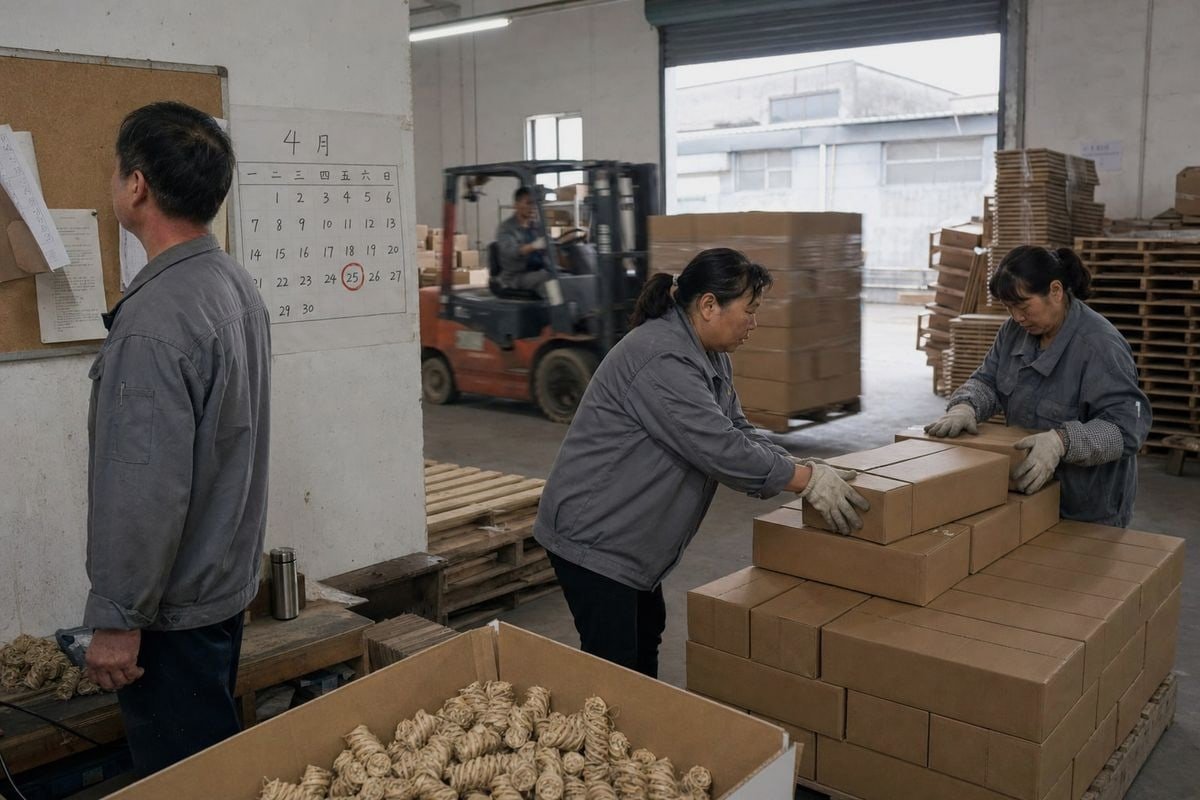
Cada agosto, nuestra línea de producción de Ningbo funciona a plena capacidad, porque los compradores que se saltaron un programa de incentivos de stock anticipado ahora suplican por encendedores de leña antes del invierno.
Un programa efectivo de incentivos de compra anticipada combina una fecha límite firme de pedido previa a la temporada, tres ventanas de descuento escalonadas de aproximadamente 5-15%, certificaciones verificadas del proveedor, divisiones escalonadas basadas en MOQ que protegen los márgenes y beneficios de empaque de marca privada, recompensando a los minoristas que se comprometen temprano sin erosionar la disciplina de precios de su marca.
Esa sola frase oculta muchas decisiones de diseño. ISO 9001 gestión de calidad 1. A continuación, desgloso cada una, utilizando el mismo marco que ayudamos a nuestros distribuidores a construir cada temporada.
¿Cómo puedo establecer los plazos de pedido y los descuentos correctos para un programa de incentivos de reserva anticipada?
La primavera pasada, un distribuidor alemán de chimeneas me preguntó por qué su oferta anticipada fracasó. hojas de datos de seguridad 2. Su fecha límite era dos semanas antes de la temporada alta. Eso no es temprano, es tarde.
Establezca su primera fecha límite de inscripción anticipada de cuatro a seis meses antes de la temporada alta de calefacción, típicamente abril o mayo, con el mayor descuento del 10-15%. Agregue dos ventanas posteriores del 5-8% y del 3-5%, luego cierre firmemente el programa. Nunca extienda las fechas límite, o la urgencia desaparece.

La industria de la chimenea y el patio funciona con un calendario predecible. informes de pruebas de terceros 3. Los consumidores compran encendedores de octubre a febrero. Los minoristas llenan los estantes en septiembre. Por lo tanto, su ventana de pedido previa a la temporada debe abrirse en primavera. Según nuestra experiencia enviando a EE. UU. y Alemania, transporte marítimo 4 solo puede llevar de cinco a ocho semanas. Agregue el tiempo de producción y un pedido de julio apenas llega antes de la primera helada. Ese es el argumento que le presenta a los minoristas: el descuento es real, pero el tiempo de entrega garantizado vale aún más.
Una estructura de fecha límite de tres ventanas que funciona.
Mantenlo simple. Tres ventanas como máximo. Más niveles crean fatiga en la toma de decisiones, y los compradores simplemente esperan la siguiente.
| Ventana de pedido | Ejemplo de fecha límite | Descuento | Beneficio adicional |
|---|---|---|---|
| Ventana 1 (Anticipado) | 30 de abril | 12% de descuento | Envío gratuito por encima de un palé |
| Ventana 2 (Reserva estándar) | 30 de junio | 7% de descuento | Reposición prioritaria a mitad de temporada |
| Ventana 3 (Última llamada) | 15 de agosto | 4% de descuento | Solo términos estándar |
| Después del cierre | — | Precio de lista | Asignación por orden de llegada |
Por qué la disciplina de las fechas límite importa más que la profundidad del descuento.
Aquí está la trampa en la que he visto caer a los proveedores. Extienden la fecha límite "solo esta vez" para una cuenta grande. La noticia se corre. La próxima temporada, nadie pide con anticipación, porque todos saben que la fecha límite es flexible. La previsión de la demanda estacional se derrumba, y vuelves a adivinar los volúmenes de producción. gestión de la cadena de suministro 5. Un modelo híbrido resuelve parte de esto: cierre la oferta en la fecha límite o cuando se alcanza un límite de inventario declarado, lo que ocurra primero. La escasez más una fecha es más fuerte que una fecha sola. Planificamos nuestras tiradas de producción de cera y rollos de madera con meses de antelación, por lo que un grupo anticipado limitado es honesto: refleja espacios de producción reales, no exageraciones artificiales.
Un punto más sobre la profundidad del descuento. Los programas comerciales comparables se agrupan en el rango del 10-20%, pero los encendedores tienen precios unitarios modestos. Un descuento anticipado del 12% combinado con subsidios de flete generalmente supera un recorte plano del 18%, porque protege su precio de lista en la mente del minorista.
¿Qué certificaciones y documentos de cumplimiento debo exigir a mi proveedor de iniciadores de fuego de leña antes de ofrecer incentivos?
Un comprador del Reino Unido me dijo una vez que perdió un contenedor entero en la aduana porque el "certificado" de su proveedor anterior era un PDF retocado. Nuestra carpeta de cumplimiento es lo primero que enviamos, antes de cualquier negociación de precios.
Requerir certificación de gestión de calidad ISO 9001, auditorías de cumplimiento social BSCI, marcado CE cuando sea aplicable e informes de pruebas de terceros de SGS o Intertek. También exigir hojas de datos de seguridad, etiquetas de advertencia correctas y declaraciones de composición antes de comprometer a los minoristas a cualquier compromiso anticipado.

Esta sección es más importante de lo que la mayoría de los artículos admiten. Un programa de incentivos de stock anticipado pide a los minoristas que comprometan efectivo y espacio en los estantes con meses de antelación. Si el producto luego falla una inspección aduanera o una auditoría de cumplimiento de una cadena minorista, el descuento que ofreció no significa nada. El minorista se queda con inventario no vendible y su relación termina. Por lo tanto, el cumplimiento no es un tema secundario, es la base que hace que el compromiso anticipado sea seguro.
En nuestros más de 17 años exportando a más de 30 países, hemos aprendido que los equipos de abastecimiento de grandes superficies y los importadores europeos establecidos tratan la documentación como un requisito estricto. Aquí está la lista de verificación que recomendamos que los compradores utilicen antes de firmar cualquier acuerdo de pedido previo a la temporada.
La lista de verificación de documentos principales
| Documento | Lo Que Demuestra | Por qué es importante para los pedidos anticipados. |
|---|---|---|
| Certificado ISO 9001 | Sistema de gestión de calidad | Consistencia lote a lote en la producción de toda la temporada. |
| Informe de auditoría BSCI | Condiciones éticas de fábrica | Requerido por la mayoría de las grandes cadenas minoristas de EE. UU. y la UE. |
| Informe de prueba SGS o Intertek | Seguridad y composición del producto | Despacho de aduanas y protección de responsabilidad. |
| Marcado CE 6 documentación | Conformidad de la UE | Venta legal en mercados europeos. |
| Hoja de datos de seguridad (SDS) | Composición de cera y fibra de madera. | Seguro minorista y clasificación de envío. |
| Arte de la etiqueta de advertencia | Uso correcto y advertencias de peligro. | Cumplimiento listo para estantes en cada mercado de destino. |
Verifique, no solo recolecte
Solicite los números de certificado y verifíquelos directamente con el organismo emisor. Una fábrica genuina, con sus propias líneas de producción, no una empresa comercial que revende el stock de otra persona, también puede ofrecer una auditoría en video del proceso de encerado y empaque. Organizamos estas auditorías regularmente, y los compradores que las solicitan son siempre los que ejecutan los programas de incentivos más profesionales. Vincule su cronograma de incentivos a la entrega de documentos: sin un paquete de cumplimiento completo, no hay confirmación de precios anticipados. Eso protege a ambas partes.
¿Cómo estructuro precios escalonados y MOQs para recompensar a los minoristas que almacenan productos con anticipación sin dañar los márgenes?
Las matemáticas del margen son donde paso más tiempo con los nuevos socios de distribución. Un importador holandés quería un descuento general del 20%. Reconstruimos su oferta en torno a niveles de volumen en su lugar: su margen mejoró y sus pedidos iniciales crecieron.
Cree una estructura de precios de tres niveles vinculada al volumen de cajas: un nivel de entrada de cantidad mínima de pedido bajo con un 3-5% de descuento, un nivel medio con un 7-10% y un nivel de paleta con un 12-15% más productos gratuitos. Utilice subsidios de flete y cajas de bonificación en lugar de descuentos de precios más profundos para proteger los márgenes.
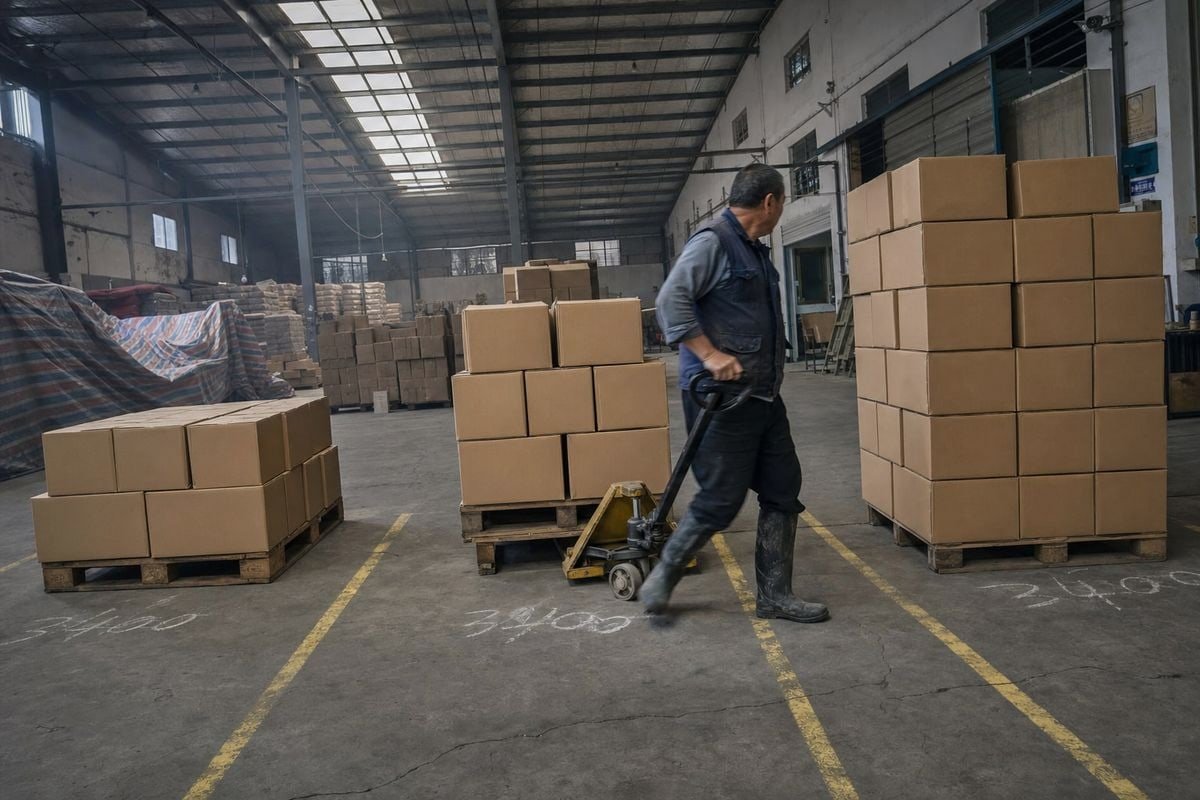
La lógica es simple. Descuentos por volumen le cuestan menos por punto que los descuentos generales, porque solo aplica el mayor recorte cuando el tamaño del pedido lo justifica. Los pedidos anticipados más grandes mejoran su planificación de producción, reducen el costo logístico por unidad y adelantan efectivo. Parte de ese ahorro financia el incentivo. El resto permanece en su margen.
Una estructura de precios escalonada de ejemplo
| Nivel | Cantidad Mínima de Pedido 7 | Descuento por reserva anticipada | Bonificación de valor añadido |
|---|---|---|---|
| Prueba | 50 cajas | 3% | Kit de muestra para demostraciones en tienda |
| Crecimiento | 200 cajas | 8% | Subsidio de flete por palé |
| Socio | 1 palé completo+ | 13% | 2 cajas gratis por palé + expositor POP |
Observe lo que incluye el nivel superior: cajas gratuitas y un exhibición en el punto de venta 8, no solo un mayor descuento. Los productos gratuitos le cuestan su costo de fabricación, pero el minorista los valora al precio mayorista. Esa brecha es protección de margen. La misma lógica se aplica a los subsidios de flete: se sienten generosos, pero aumentan con el tamaño del pedido y nunca tocan su precio de lista.
Mantenga el nivel de entrada genuinamente accesible
Un error común es establecer la cantidad mínima de pedido de prueba demasiado alta. Las nuevas cuentas minoristas quieren probar la venta antes de comprometer espacio en el estante. Mantenemos deliberadamente las MOQ de prueba bajas para los compradores primerizos, porque un minorista que ve una fuerte rotación de inventario en el primer año se convierte en un cliente de reserva anticipada a nivel de palé en el segundo año. El estructura de precios por niveles debe ser una escalera, no un muro.
Proteja contra la manipulación de niveles
Dos reglas evitan el abuso. Primero, los niveles se aplican por pedido, no acumulativamente durante la temporada; de lo contrario, los compradores dividen los pedidos para alcanzar los umbrales tarde. Segundo, los precios del nivel de reserva anticipada requieren acuerdo de condiciones de pago por adelantado. El aplazamiento de pago, como el pago neto con vencimiento el 1 de noviembre, puede ser su beneficio de nivel superior: el minorista recibe la entrega en verano pero paga cuando llegan los ingresos de la temporada de calefacción. Esa única concesión a menudo gana compromisos más grandes que cualquier descuento.
¿Qué opciones de marca propia y empaque puedo ofrecer a los minoristas para hacer que los pedidos anticipados sean más atractivos?
Las solicitudes de embalaje son donde los pedidos anticipados se vuelven emocionales. Cuando una marca canadiense de exteriores vio su propio logotipo reproducido en nuestra caja minorista negra con gráfico de llama, duplicaron su reserva anticipada en el acto.
Ofrecer a los minoristas de reserva anticipada marca privada, tamaños y recuentos de cajas personalizados, embalaje de exhibición listo para la venta al por menor, etiquetas de advertencia localizadas y códigos de barras con tarifas de personalización reducidas o exentas. Reserve el diseño completo del embalaje OEM como una ventaja exclusiva para los compromisos de pretemporada de primer nivel.

Aquí se explica por qué los beneficios de embalaje pertenecen a un programa de reserva anticipada. El embalaje personalizado requiere tiempo de entrega: aprobación de arte, planchas de impresión, verificaciones de cumplimiento de etiquetas y pruebas de embalaje ocurren antes de la producción en masa. Un minorista que pide en abril nos da tiempo para entregar un producto completamente de marca y listo para el estante. Un minorista que pide en agosto recibe embalaje estándar, sin excepciones. Por lo tanto, el beneficio se auto-refuerza naturalmente: el compromiso anticipado es la única forma de desbloquearlo.
Opciones de embalaje para escalar en sus niveles
Estructure la oferta para que el valor del embalaje aumente con el nivel de compromiso:
- Nivel de entrada: embalaje estándar con la etiqueta del código de barras del minorista aplicada en la fábrica. Cero costo de diseño, aún ahorra al minorista mano de obra de etiquetado.
- Nivel de crecimiento: cajas minoristas semi-personalizadas: nuestra estructura de caja existente con el logotipo, el eslogan y la cantidad de piezas del minorista impresos en el panel.
- Nivel de socio: OEM privado completo: dimensiones de caja personalizadas, cantidades de piezas por caja personalizadas, expositores de mostrador de marca y etiquetas de advertencia localizadas en el idioma del mercado de destino.
Ejecutamos esta escalera exacta con nuestras propias líneas. Nuestros rollos de madera encerados se pueden empaquetar en cantidades que van desde pequeños paquetes de prueba hasta cajas minoristas de 100 piezas, y el tiempo de combustión se puede ajustar al posicionamiento del minorista: paquetes de encendido rápido convenientes frente a formatos premium de larga duración. Ese tipo de flexibilidad OEM/ODM integral es lo que hace que los pedidos anticipados se sientan como una asociación en lugar de una transacción.
No olvides el estante
Los compradores minoristas piensan en términos de rotación, no solo de costo. Un expositor de mostrador de marca cerca de la caja, un hablador de estante co-marcado o formatos de recarga a granel para tiendas ecológicas aceleran la rotación del inventario. Ofrecer soporte de exhibición y kits de muestras de demostración a los participantes de reserva anticipada le cuesta poco pero ayuda directamente al minorista a mover el producto, que es el argumento más sólido para que vuelvan a reservar la próxima temporada. Combine esto con la reposición prioritaria a mitad de temporada, y sus compradores anticipados están protegidos durante las olas de frío inesperadas cuando los que llegan tarde enfrentan límites de asignación.
Conclusión
Esperar hasta el otoño para cortejar a los minoristas significa luchar por las sobras de la capacidad de producción y el espacio de carga. Cree su programa de incentivos de stock para madrugadores en primavera. Establezca tres ventanas de fecha límite firmes y nunca las extienda. Verifique las certificaciones antes de cualquier compromiso. Estructure niveles basados en volumen con productos gratuitos y subsidios de flete en lugar de descuentos generales. Luego, reserve el embalaje de marca privada y el soporte de exhibición para sus socios más tempranos y más grandes. Hecho correctamente, el programa cambia una modesta concesión de margen por producción predecible, flujo de caja más temprano y minoristas que defienden su espacio en el estante durante todo el invierno. Hemos visto este modelo convertir a los compradores de prueba de un contenedor en socios anuales a nivel de paleta, y comienza con una fecha límite que realmente cumple.
Notas al pie
Fuente estándar autorizada para la certificación de gestión de calidad ISO 9001 referenciada en la lista de verificación de cumplimiento. ↩︎
La referencia de OSHA explica los requisitos de la hoja de datos de seguridad para productos peligrosos a base de cera. ↩︎
Intertek es una autoridad de pruebas de terceros nombrada para la verificación de seguridad del producto. ↩︎
Contexto de fondo sobre la logística de flete marítimo que afecta los tiempos de entrega para las importaciones de temporada. ↩︎
Contexto general sobre la planificación de la cadena de suministro relevante para la coordinación de la producción y el stock. ↩︎
Explicación de fondo del requisito de conformidad de la marca CE mencionado para el cumplimiento del mercado de la UE. ↩︎
Recurso comercial del gobierno de EE. UU. relevante para las prácticas internacionales de MOQ y abastecimiento de importaciones. ↩︎
Concepto de fondo sobre exhibidores en el punto de venta utilizados para impulsar las ventas minoristas. ↩︎



 English
  Spanish
  German
  French
  Arabic
  Portuguese
Únete a la conversación