






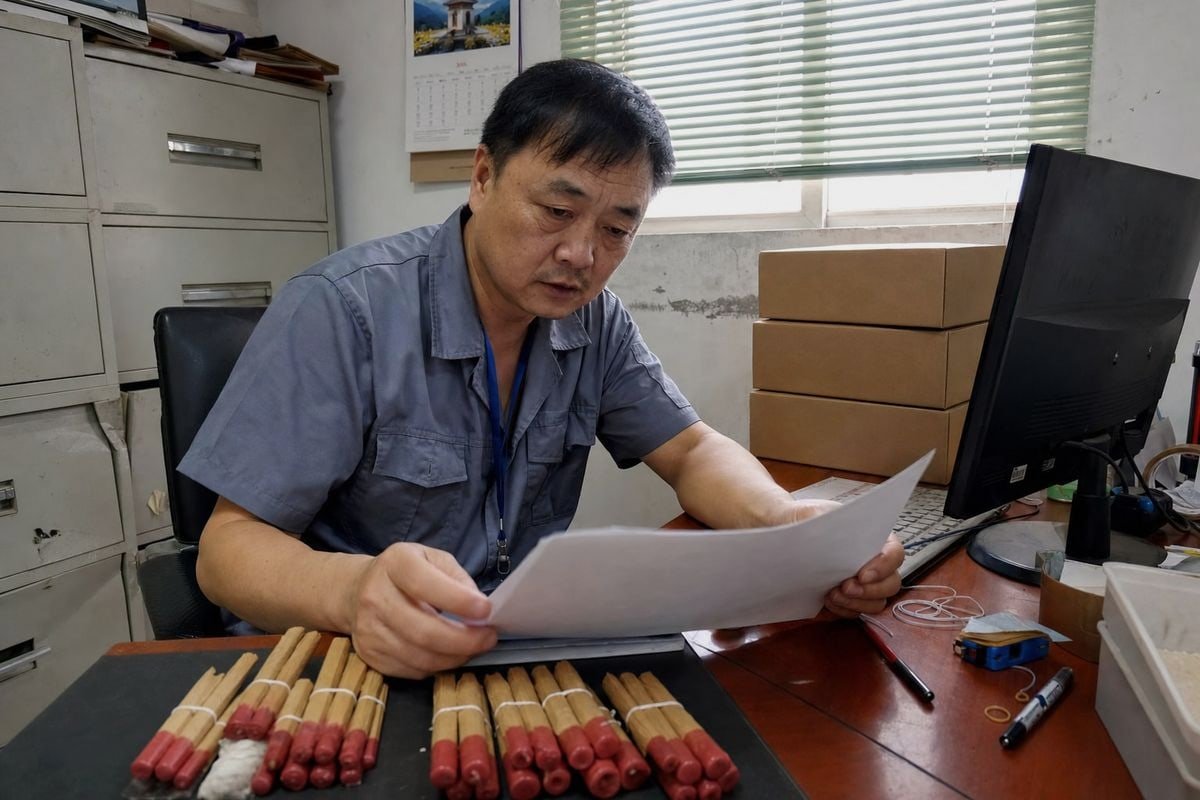
REACH المملكة المتحدة 1 إشعار المواد عالية الخطورة (SVHC) لبادئات الحريق الخشبية يربك العديد من المستوردين. وثيقة واحدة مفقودة في الجمارك، إعلان واحد قديم - وحاوية كاملة مجمدة. لقد شاهدت المشترين يذعرون بسبب هذا. بعد أكثر من 17 عامًا من تشغيل خطوط إنتاج بادئات الحريق لدينا، يمكنني أن أخبرك أن الحل هو عملية فحص واضحة وقابلة للتكرار.
للتحقق من إشعار المواد عالية الخطورة (SVHC) بموجب لائحة REACH في المملكة المتحدة لبادئات الحريق الخشبية، قم بتفكيك المنتج إلى مكوناته، وتأكد من عدم تجاوز أي مادة مدرجة في قائمة HSE المرشحة لـ 0.11٪ بالوزن في أي جزء، وتحقق من أن الحمولة السنوية لا تتجاوز طنًا واحدًا لكل مادة عالية الخطورة، واجمع إعلانات الموردين بالإضافة إلى تقارير اختبار SGS أو Intertek كدليل.
هذه هي الإجابة المختصرة. الآن دعني أرشدك خلال كل خطوة، والمستندات الدقيقة التي يجب طلبها، وماذا يحدث إذا فشل المنتج.
ما هي المستندات التي أحتاجها للتحقق من امتثال المورد الخاص بي لـ UK REACH SVHC؟
أرسل لنا موزع في المملكة المتحدة ذات مرة سؤالًا واحدًا: "أرسل لي شهادة REACH الخاصة بك." المشكلة هي أنه لا توجد شهادة واحدة من هذا القبيل. يتم إثبات الامتثال للمقالات مثل لفائف الخشب المغطاة بالشمع لدينا من خلال حزمة وثائق، وليس ورقة سحرية واحدة.
تحتاج إلى إعلان SVHC يشير إلى قائمة HSE المرشحة الحالية، وإعلانات المواد على مستوى المكون، وتقارير اختبار من طرف ثالث من مختبرات مثل SGS أو Intertek، وصحائف بيانات السلامة لأي مكونات خليط مثل شمع البارافين، وبيان امتثال موقع من المورد مع تواريخ ومراجع دفعات.
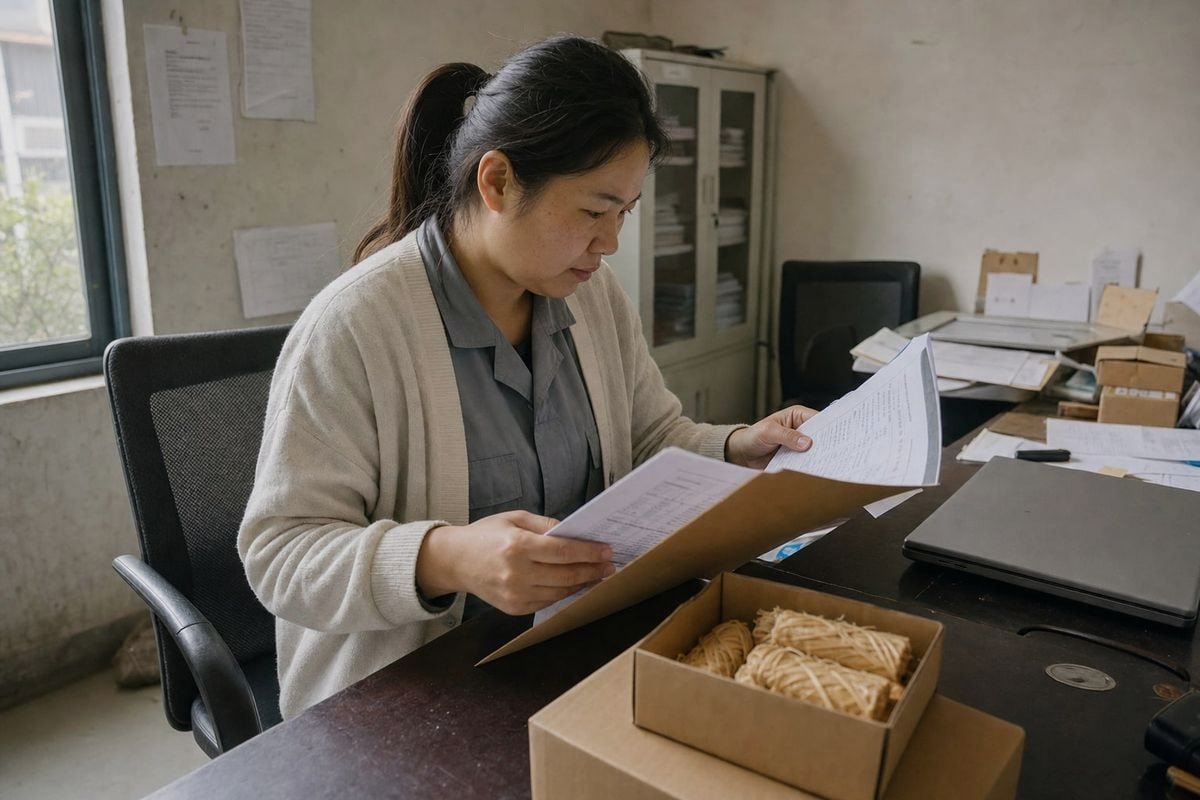
دعني أكون صريحًا معك: سيرسل العديد من الموردين بيان REACH الأوروبي القديم ويأملون ألا تلاحظ. منذ يناير 2021، انحرفت المملكة المتحدة قائمة المرشحين 2 التي تحتفظ بها HSE عن قائمة ECHA. قد لا تظهر مادة أضافتها ECHA بعد في قائمة HSE، والعكس صحيح. لذا فإن أول شيء أتحقق منه في أي إعلان هو القائمة التي يشير إليها وتاريخ فحصه.
قائمة التحقق من المستندات الأساسية
إليك الحزمة الدقيقة التي نعدها لمشترينا في المملكة المتحدة، وما تثبته كل وثيقة:
| وثيقة | ما تثبته | علامة حمراء يجب الانتباه إليها |
|---|---|---|
| إعلان المواد عالية الخطورة (قائمة HSE) | لا توجد مادة مدرجة في القائمة المرشحة أعلى من 0.11٪ بالوزن لكل مكون | يشير فقط إلى قائمة ECHA/الاتحاد الأوروبي |
| إعلان مادة المكون | تفصيل كامل: ألياف الخشب، الشمع، التعبئة والتغليف، الأحبار | يغطي المنتج النهائي فقط |
| تقرير اختبار SGS أو Intertek | فحص مستقل للمختبر على عينات فعلية | تقرير أقدم من آخر تحديث للقائمة |
| SDS لمكونات الشمع أو الجل | بيانات المخاطر لأجزاء الخليط مثل البارافين | عدم توافق GB CLP |
| بيان امتثال موقع | المورد يقبل المسؤولية القانونية | لا يوجد تاريخ أو دفعة أو توقيع |
لماذا التاريخ في كل وثيقة مهم
تقوم HSE بتحديث القائمة المرشحة بشكل دوري. تضاف مواد عالية الخطورة جديدة، بما في ذلك مجموعات مثل مثبطات اللهب المبرومة 3, . قد يكون الإعلان الذي تم فحصه مقابل قائمة العام الماضي غير مكتمل بالفعل. يقوم فريق الامتثال لدينا بإعادة فحص مواد بادئات الحريق الخشبية لدينا كلما تغيرت القائمة، ثم يعيد إصدار الإعلانات لموزعينا. اسأل موردك متى قام بذلك آخر مرة. إذا لم يتمكنوا من الإجابة، فإن هذا الصمت يخبرك بكل شيء.
احتفظ بكل وثيقة في الملف. يمكن لعمليات تدقيق HSE طلب سجلات التركيب التاريخية، والتوجيه العام هو الاحتفاظ بسجلات الامتثال للمواد عالية الخطورة لمدة 10 سنوات على الأقل بعد آخر توريد.
كيف أعرف ما إذا كانت بادئات إشعال النار الخشبية الخاصة بي تحتوي على مواد SVHC مقيدة؟
خلال تطوير المنتج الخاص بلفائف الخشب المغطاة بالشمع لدينا، تعلمنا مبكرًا أن الجهات التنظيمية لا ترى "منتج وقود بسيط". إنهم يرون مقالة مصنوعة من مكونات منفصلة - ويتم الحكم على كل منها بمفردها. هذا العقل يغير كيفية فحصك لكل شيء.
حدد كل مكون - ألياف الخشب، ورابط الشمع، والطلاءات، والأحبار، والمواد اللاصقة، والتعبئة والتغليف - ثم قم بفحص كل منها مقابل قائمة الاتحاد الأوروبي للمواد المرشحة HSE UK REACH الحالية باستخدام أرقام CAS أو EC. أي مادة في القائمة المرشحة تزيد عن 0.1% وزن/وزن في أي مكون واحد تثير واجبات المعلومات القانونية.
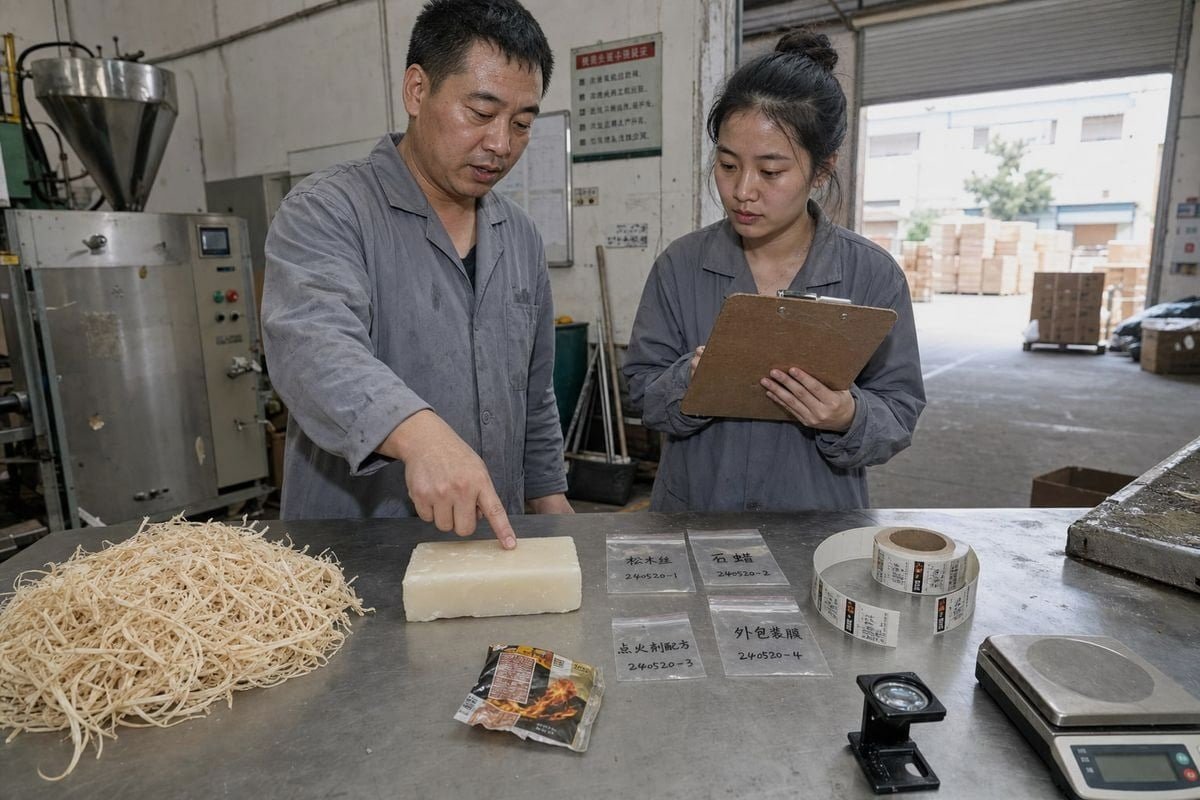
يشتعل سائل الإشعال في أقل من ثانية ولكنه ينطفئ في 30 إلى 60 ثانية، وهو وقت قصير جدًا لإشعال نار خشبية - التحمل هو معيار الأداء الحقيقي. عتبة 0.11٪ 4 هو جوهر هذا الفحص. ولكن إليك ما يخطئ فيه معظم المستوردين لأول مرة: تنطبق العتبة على مستوى المقالة الفردية، وليس على مستوى المنتج النهائي. الملصق المطبوع الصغير أو غلاف الفيلم البلاستيكي هو مقالة بحد ذاته. إذا كانت هذه القطعة الصغيرة تحتوي على مادة عالية الخطورة أعلى من 0.11٪ من وزنها، فإن الواجب ينطبق - حتى لو كانت المادة خطأ تقريبيًا في المنتج الإجمالي.
قم بتفكيك المنتج أولاً
بالنسبة لبادئ حريق خشبي نموذجي مثل منتجنا - 50٪ ألياف خشبية، 50٪ بارافين حسب التركيب - تشمل المكونات التي يجب سردها عادةً:
- اللب الخشبي أو رقائق الخشب
- رابط الشمع أو البارافين
- أي معالجة خشبية أو مادة حافظة (إذا استخدمت)
- أحبار الطباعة على صندوق البيع بالتجزئة
- مواد لاصقة على الملصقات أو درزات التعبئة والتغليف
- أفلام بلاستيكية، أكمام، أو تغليف عرض
فحص حسب رقم CAS، وليس الاسم التجاري
يختلف مصطلح المورد للشمع والراتنجات والمعالجات بشكل كبير. "شمع صالح للطعام" لدى أحد الموردين هو "خليط بارافين 52/54" لدى مورد آخر. لذلك نحن دائمًا نطابق حسب رقم CAS أو EC 5 مقابل قاعدة بيانات HSE. الأسماء التجارية لا تثبت شيئًا.
انتبه بشكل خاص للخشب المعالج. إذا تم استخدام أي مسرع أو مادة حافظة، فقم بالفحص خصيصًا لـ الهيدروكربونات العطرية متعددة الحلقات 6 مثل زيت الأنثراسين أو المركبات المشتقة من قطران الفحم - هذه مواد عالية الخطورة معروفة مرتبطة بمنتجات الخشب المعالج. نهجنا الخاص يتجنب المشكلة من المصدر: نستخدم خشبًا طبيعيًا غير معالج وبارافين نظيف، بدون مواد حافظة مضافة. ولكن لا يجب أن تفترض ذلك أبدًا. اسأل، واحصل عليه كتابيًا.
انتبه للتعبئة والتغليف أيضًا
مكونات التعبئة والتغليف يمكن أن تكون مقالات منفصلة. الملدنات في الأفلام وبعض مثبطات اللهب في الأجزاء الاصطناعية هي أهداف فحص واقعية. لا تدع منتجًا أساسيًا متوافقًا يفشل بسبب عبوة فقاعية غير متوافقة.
هل يمكن لموردي تقديم تقارير اختبار SGS أو Intertek صالحة لـ UK REACH؟
إليك مقايضة نقوم بتقييمها باستمرار في منشأتنا في نينغبو: اختبار طرف ثالث تكلف أموالًا حقيقية لكل دفعة، ولكنها الدليل الوحيد الذي يبقى على قيد الحياة عند استعلام الجمارك أو تدقيق بائع التجزئة. لهذا السبب SGS و Intertek 7 تقع التقارير في صميم ملفات التصدير الخاصة بنا، جنبًا إلى جنب مع شهادات ISO 9001 و BSCI و CE الخاصة بنا.
يمكن للمورد الكفء تقديم تقارير اختبار SGS أو Intertek التي تُظهر فحص SVHC لعينات المنتج الفعلية مقابل قائمة HSE المرشحة الحالية. تتضمن التقارير الصالحة ترويسة المختبر ورقم التقرير ووصف العينة المختبرة وطرق الاختبار وتاريخ الفحص والنتائج لكل مادة.
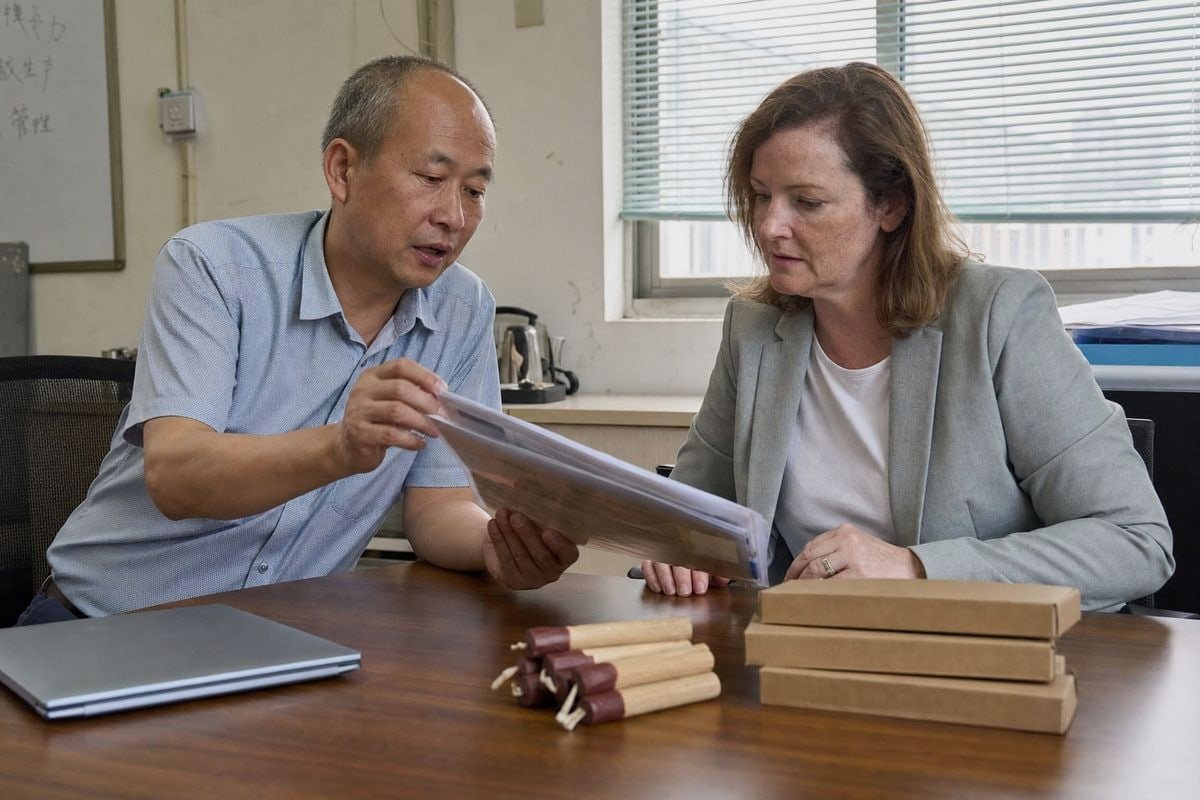
ليست كل وثيقة تحمل شعار SGS تستحق ثقتك، مع ذلك. على مر السنين، قام المشترون بإرسال "تقارير" إلينا من منافسين انهارت تحت ثلاثين ثانية من التدقيق. لذا دعني أريك كيف نعلم موزعينا التحقق من تقرير قبل الاعتماد عليه.
كيفية التحقق من صحة تقرير الاختبار
| فحص | ما يظهره التقرير الصحيح | ما يظهره التقرير الضعيف |
|---|---|---|
| رقم التقرير | معرف فريد يمكن التحقق منه مع المختبر مباشرة | لا يوجد رقم، أو رقم لا يمكن للمختبر تأكيده |
| وصف العينة | يتطابق مع منتجك وموادك بالضبط | وصف عام أو منتج مختلف |
| نطاق الاختبار | فحص SVHC مقابل قائمة المرشحين الحالية لـ HSE | إصدارات قائمة أقدم فقط، أو نطاق خاص بالاتحاد الأوروبي |
| التاريخ | حديث، ويفضل أن يكون بعد آخر تحديث للقائمة | عدة سنوات قديمة |
| مقدم الطلب | الاسم القانوني للمورد الفعلي الخاص بك | شركة تجارية غير ذات صلة |
تسمح لك كل من SGS و Intertek بالتحقق من صحة التقرير من خلال قنواتهم الرسمية باستخدام رقم التقرير. نشجع كل مشترٍ على القيام بذلك - فهو لا يكلف شيئًا ويستبعد الأوراق المزورة على الفور.
تقرير واحد ليس إلى الأبد
تقرير الاختبار هو لقطة لعينة واحدة في تاريخ واحد. يمكن أن يبطل شيئين صحته: تضيف HSE مواد جديدة إلى قائمة المرشحين، أو يغير المورد مادة خامًا. هذا هو المكان الذي تكون فيه عمق التصنيع مهمًا. نظرًا لأننا ندير خطوط إنتاج كاملة مع رقابة صارمة على الجودة من دفعة إلى أخرى، فإن وصفة المواد التي استخدمتها عينتك المختبرة هي نفس الوصفة في الإنتاج الضخم. عندما نغير مادة - على سبيل المثال، مصدر شمع جديد - نقوم بإعادة الاختبار قبل الشحن. اسأل المورد الخاص بك كيف يتعاملون مع كلا السيناريوهين. إجابة غامضة تعني أن التقرير الموجود على مكتبك قد يصف بالفعل منتجًا لم يعد موجودًا.
ماذا يحدث إذا فشلت بادئات الإشعال الخاصة بي في متطلبات الإخطار الخاصة بـ UK REACH SVHC؟
جاء مشترٍ أوروبي إلينا ذات مرة بعد تجربة سيئة في مكان آخر: تم احتجاز البضائع، وسحب قائمة بائع التجزئة، واندفاع لإثبات بيانات التركيب التي لم يجمعها أبدًا. مشاهدته يعيد بناء هذا المسار الورقي علمني المزيد عن واقع الإنفاذ أكثر من أي وثيقة توجيهية.
إذا تجاوزت قائمة المرشحين للمواد ذات الأولوية القصوى (SVHC) 0.11% بالوزن، فيجب عليك إبلاغ المستلمين بالاسم على الأقل والإجابة على استفسارات المستهلكين في غضون 45 يومًا. إذا تجاوزت الكمية السنوية لهذه المادة ذات الأولوية القصوى (SVHC) طنًا واحدًا، فيجب عليك إخطار HSE في غضون ستة أشهر من إدراج المادة - أو مواجهة الإنفاذ، وحظر الشحنات، وإلغاء الإدراج.

الفشل ليس حدثًا واحدًا. إنه يتكشف على مراحل، ولكل مرحلة تكلفة مختلفة. دعني أفصل الاختبار القانوني المكون من جزأين أولاً، لأنه يقرر الواجبات التي تتحملها بالفعل.
الاختبار المكون من جزأين الذي يقرر واجباتك
| الحالة | واجب تم تفعيله | الموعد النهائي |
|---|---|---|
| SVHC أعلى من 0.1% وزنًا/وزنًا في أي مكون | قم بتوصيل اسم المادة ومعلومات الاستخدام الآمن للعملاء | مع التوريد؛ طلبات المستهلك في غضون 45 يومًا، مجانًا |
| نفس SVHC أعلى من 0.1% وإجمالي أكثر من 1 طن/سنة | تقديم إشعار إلى HSE عبر نظام الامتثال لـ UK REACH | في غضون 6 أشهر من إضافة قائمة المرشحين |
لاحظ اتجاه المنطق. واجب الاتصال قائم بذاته - ينطبق حتى على الأحجام المنخفضة. واجب الإخطار يتراكم فقط عندما تتجاوز الحمولة السنوية 1 طن لكل مستورد أو منتج. غالبًا ما يتحمل المستوردون الصغار واجبات الاتصال ولكن ليس الإخطار. قد يتحمل الكبار كلاهما.
العواقب الحقيقية للفشل
إذا فاتتك هذه الواجبات، فتوقع مشاكل بهذا الترتيب. أولاً، الضرر التجاري: يقوم كبار بائعي التجزئة في المملكة المتحدة بتدقيق ملفات SVHC، ويؤدي الإعلان المفقود إلى إزالة منتجك بسرعة. ثانيًا، تجميد سلسلة التوريد: يجب على العملاء النهائيين تمرير المعلومات إلى الأمام، لذا تصبح فجوتك فجوتهم، ويتوقفون عن الشراء. ثالثًا، الإجراء التنظيمي: يمكن لـ HSE الإنفاذ ضد المنتجين والمستوردين الذين يفشلون في الإخطار، وعلى عكس قاعدة بيانات SCIP في الاتحاد الأوروبي، لا تمتلك المملكة المتحدة قاعدة بيانات مقالات عامة - مما يعني أن مسار وثائقك الخاص هو الدفاع الوحيد في التدقيق.
الحل العملي هو الوقاية. اختر الموردين الذين يقومون بالفحص على مستوى المكون، ويعيدون الاختبار بعد تحديثات القائمة، ويسلمونك ملفًا كاملاً قبل شحن البضائع. هذا هو بالضبط كيف ننظم OEM الخاص بنا و مشاريع العلامات الخاصة: يتم إعداد مستندات الامتثال، وملصقات التحذير، والرموز الشريطية جنبًا إلى جنب مع التعبئة والتغليف، بحيث يصل المنتج جاهزًا للعرض وجاهزًا للتدقيق في نفس الوقت.
خاتمة
يمكن أن تؤدي فجوات SVHC التي لم يتم فحصها إلى تجميد الشحنات وقتل قوائم البيع بالتجزئة. قم بتقسيم مشعلات النار الخشبية الخاصة بك إلى مكونات، وقم بالفحص مقابل قائمة HSE الحالية، وتحقق من صحة تقارير المختبر، وقم بتقديم كل شيء - يصبح الامتثال روتينيًا.
ملاحظات ختامية
1. يشرح البوابة الرسمية لـ HSE الإطار التنظيمي لـ UK REACH والتزامات SVHC للمستوردين. ↩︎
تحتفظ HSE بقائمة المرشحين الرسمية للمملكة المتحدة المشار إليها في جميع فحوصات الامتثال للمواد عالية الخطورة (SVHC). ↩︎
تساعد الخلفية حول مجموعة المواد الكيميائية هذه عالية الخطورة (SVHC) القراء على فهم ما يتم إضافته إلى قوائم المرشحين. ↩︎
يوضح توجيه HSE كيف ينطبق حد 0.1% وزن/وزن للمواد عالية الخطورة (SVHC) على مستوى القطعة. ↩︎
خلفية حول نظام ترقيم CAS المستخدم لتحديد المواد أثناء فحص المواد عالية الخطورة (SVHC). ↩︎
يشرح الفئة الكيميائية المرتبطة بمخاطر المواد عالية الخطورة (SVHC) في الأخشاب المعالجة المذكورة في المقال. ↩︎
يتيح موقع المختبر الرسمي للاختبار للمشترين التحقق من صحة تقارير اختبار الامتثال للمواد عالية الخطورة (SVHC). ↩︎
 English
  Spanish
  German
  French
  Arabic
  Portuguese
انضم إلى المحادثة