






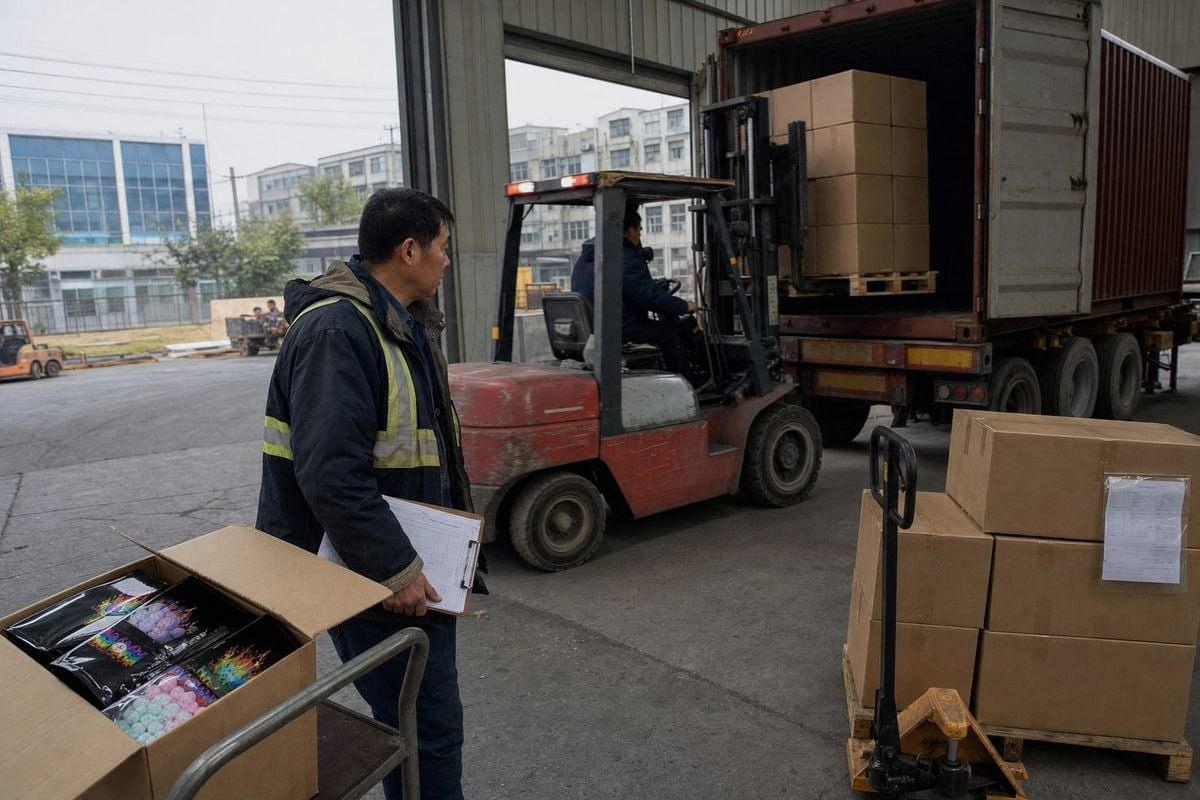
اختيار الشحن البحري مقابل الشحن الجوي لمسحوق النار السحري يمكن أن يدمر هامشك بهدوء قبول IATA و IMDG 1. لقد شاهدت المشترين يختارون الخيار "الرخيص" من خطنا في نينغبو ويخسرون موسم بيع كامل.
لحساب المفاضلات بين الشحن البحري والجوي لمسحوق نار السحر، قارن إجمالي تكلفة التسليم لكل وحدة بالإضافة إلى التكلفة المالية للتأخير. الشحن الجوي أسرع بحوالي 4-8 مرات ولكنه أغلى بـ 8-16 مرة لكل كجم؛ استخدم الشحن الجوي لأقل من حوالي 150-300 كجم أو المواعيد النهائية الصارمة، والشحن البحري للتجديد بكميات كبيرة.
هذا هو الجواب المختصر. الصورة الكاملة تتضمن الوزن القابل للشحن 2, ، أوراق المواد الخطرة، الحد الأدنى للشحنات الجزئية، وفترات زمنية احتياطية. دعني أشرح كل جزء، خطوة بخطوة.
كيف أحسب التكلفة الحقيقية المشحونة للشحن البحري مقابل الشحن الجوي لشحنات مسحوق نار السحر؟
في الربيع الماضي، سألني موزع ألماني لماذا انتهى به الأمر بدفع تكلفة أعلى لكل كيس للشحن الجزئي "الرخيص" مقارنة بشحن جوي لمنافس. كان الجواب يكمن في الرسوم المخفية.
احسب تكلفة الشحن النهائية لكل وحدة بإضافة الشحن الأساسي، ورسوم المناولة في المنشأ والوجهة، والرسوم الجمركية، وضريبة القيمة المضافة المستوردة، والتأمين، والتسليم الداخلي، ثم القسمة على عدد الوحدات. يتم تسعير الشحن الجوي حسب الوزن القابل للشحن؛ والشحن البحري حسب الحاوية أو المتر المكعب، لذا قارن التكلفة الإجمالية لكل وحدة قابلة للبيع، وليس لكل كيلوغرام.
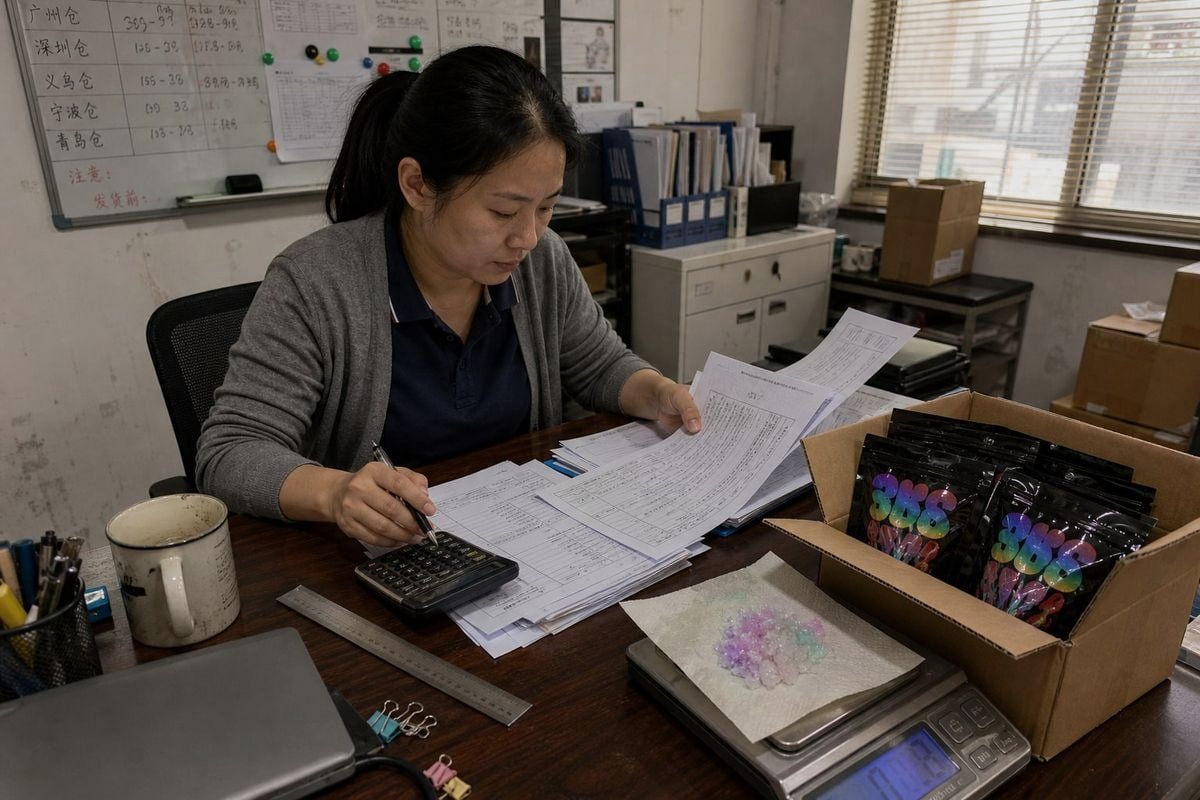
سعر الشحن في عرض الأسعار هو مجرد الطرف الظاهر من الجبل الجليدي. عندما نشحن عبوات ألوان اللهب السحري من نينغبو، فإن الفاتورة التي يدفعها المشتري في النهاية تشمل رسومًا من كلا الطرفين. الشحن الجوي يستخدم الوزن القابل للشحن - الأكبر بين الوزن الفعلي أو الوزن الحجمي. عبواتنا الرقيقة كثيفة، لذا فإن الوزن الفعلي هو الغالب، وهذا يساعد المشترين. لكن صناديق العرض التي تحتوي على هواء بداخلها يمكن أن تقلب هذه المعادلة ضدك بسرعة. يتم تسعير الشحن البحري لكل حاوية (FCL) أو لكل متر مكعب (LCL)، بالإضافة إلى رسوم التوثيق والمناولة لكل شحنة في المنشأ والوجهة. هذه الرسوم للشحنات الجزئية هي الفخ. يمكنها أن تمحو 15-20٪ من المدخرات النظرية لكل كيلوغرام مقارنة بالشحن الجوي للشحنات الصغيرة.
مقارنة مرجعية، وليست عرض أسعار
الأسعار تتغير باستمرار، لذا تعامل مع هذه كمدى توضيحي للمسارات من الصين إلى الولايات المتحدة/أوروبا:
| عنصر التكلفة | الشحن الجوي | الشحن البحري (LCL) | الشحن البحري (FCL) |
|---|---|---|---|
| الشحن الأساسي | 4-12 دولار لكل كجم | 40-110 دولار لكل متر مكعب | 1500-6000 دولار لكل حاوية قياسية (FEU) |
| أساس التسعير | الوزن القابل للشحن | متر مكعب | سعر ثابت لكل حاوية |
| رسوم المناولة | معتدلة، لكل كجم | مرتفعة، لكل شحنة | منخفضة، موزعة على الحجم |
| التأمين | أسعار الشحن القياسية | غالبًا 2-3 أضعاف للمساحيق المنظمة | غالبًا 2-3 أضعاف للمساحيق المنظمة |
| أفضل ملاءمة | أقل من حوالي 300 كجم، عاجل | 1-14 متر مكعب، توقيت مرن | 15+ متر مكعب، تجديد مخزون مخطط له |
الصيغة التي أقدمها لمشترينا
التكلفة الواصلة للوحدة = (الشحن + الرسوم الإضافية + الرسوم الجمركية + ضريبة القيمة المضافة + التأمين + النقل البري) ÷ الوحدات المشحونة. ثم أضف رقمًا ثانيًا: تكلفة التأخير. مبيعات مفقودة أثناء نفاد المخزون، تاريخ إعادة تعيين البيع بالتجزئة فُقد، أو شروط جزائية من مشترٍ كبير. قاعدة عامة مفيدة: غالبًا ما يكون الشحن الجوي مبررًا عندما يبقى أقل من 10-15٪ من قيمة البضائع وستكلف التأخير أموالًا حقيقية. عبواتنا خفيفة الوزن وعالية القيمة لكل كيلوغرام، مما يدفع المزيد من طلبات التجربة لدينا نحو الشحن الجوي أكثر مما يتوقع المشترون في البداية.
ما هي وثائق المواد الخطرة والجمارك التي يجب أن أتوقعها عند شحن مسحوق اللون باللهب بحراً أو جواً إلى الولايات المتحدة أو أوروبا؟
وثائق الامتثال هو أول شيء يسألنا عنه المشترون الجادون - عادة قبل السعر. في سبعة عشر عامًا من تصدير منتجات ألوان اللهب، لم يوقف هذا السؤال شحنة مُعدة جيدًا أبدًا.
توقع تقديم صحيفة بيانات السلامة، وتأكيد تصنيف المنتج، وقائمة التعبئة، والفاتورة التجارية، وأي إقرار بالبضائع الخطرة مطلوب من الناقل. تحقق أولاً من حالة رقم الأمم المتحدة، وقبول منظمة الطيران المدني الدولي (IATA) والمدونة البحرية الدولية للبضائع الخطرة (IMDG)، وقواعد الاستيراد في الوجهة، لأن التصنيف يحدد الوسائط والناقلين الذين سيقبلون الشحنة حتى.
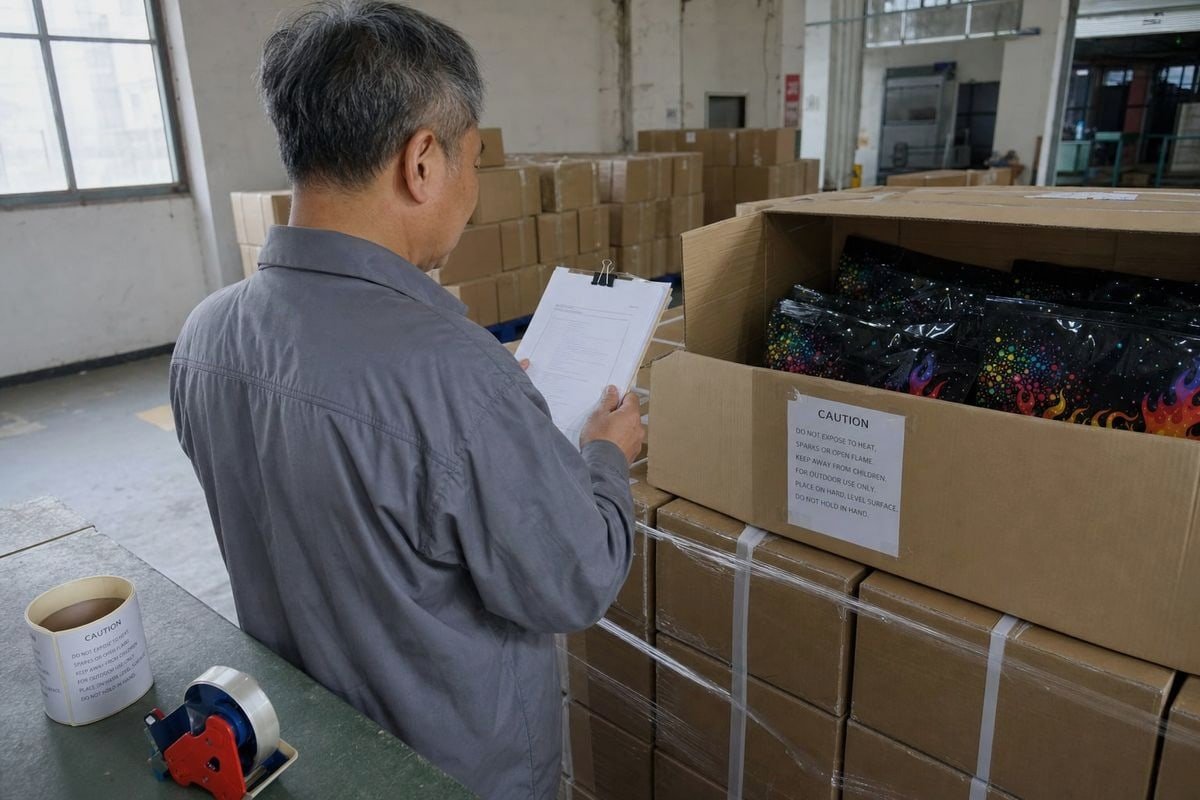
هذه هي النقطة التي أشدد عليها مع كل مشترٍ جديد في الولايات المتحدة أو أوروبا: تحقق من التصنيف قبل مقارنة أي عرض أسعار شحن. تفترض بعض نتائج البحث أن أي "مسحوق ناري" هو مادة ألعاب نارية غير مرقمة 3 أو مؤكسد ترفضه معظم شركات الطيران التجارية تمامًا. هذا الافتراض مفهوم، ولكنه ليس تلقائيًا. تستخدم عبوات مسحوق النار السحري لدينا تركيبات صديقة للبيئة بألوان اللهب, ، ونحن ندعم كل منتج بـ أكواز زخرفية مقابل أكواز وظيفية - قرر أولاً 4 بالإضافة إلى SDS كامل. SDS هي الوثيقة التي تجيب على سؤال التصنيف لشركة الشحن وشركة النقل الخاصة بك. بدونها، ستفترض شركات الشحن أسوأ الحالات وسترفض الحجز أو ستدرج رسومًا إضافية باهظة للمواد الخطرة.
حزمة المستندات، حسب الوضع
| وثيقة | الشحن البحري | الشحن الجوي | من يقوم بإعداده |
|---|---|---|---|
| صحيفة بيانات السلامة (SDS) | مطلوب | مطلوب | الشركة المصنعة |
| تقرير اختبار من طرف ثالث (SGS/Intertek) | مطلوب غالبًا | مطلوب غالبًا | الشركة المصنعة |
| التأكيد على التصنيف / عدم وجود مواد خطرة | مطلوب من قبل شركة الشحن | مطلوب من قبل شركة الطيران | الشركة المصنعة + شركة الشحن |
| إعلان المواد الخطرة (إذا تم تصنيفها) | صيغة IMDG | صيغة IATA | الشاحن عبر موظفين معتمدين |
| فاتورة تجارية وقائمة تعبئة | مطلوب | مطلوب | المصدر |
| شهادة المنشأ | أحيانًا | أحيانًا | المصدر / الغرفة |
| علامة CE وملصفات التحذير | مطلوب لتجارة التجزئة في الاتحاد الأوروبي | مطلوب لتجارة التجزئة في الاتحاد الأوروبي | الشركة المصنعة |
لماذا يمكن أن يغير اختيار الوسيلة عبء أوراقك
معايير قبول الشحن الجوي بموجب IATA أكثر صرامة من قبول الشحن البحري بموجب IMDG. إذا كان المنتج يحمل تصنيف المخاطر 5, ، غالبًا ما يظل الشحن البحري متاحًا عندما يصبح الشحن الجوي غير عملي أو مكلفًا للغاية. لهذا السبب نخبر المشترين أن فحص الامتثال يأتي قبل نموذج التكلفة - جدول بيانات جميل للشحن الجوي لا قيمة له إذا لم تسمح أي شركة طيران بالشحن. نظرًا لأننا نصنع في نينغبو ، بالقرب من الميناء ، يقوم فريقنا بتخليص الوثائق مسبقًا مع وكيل الشحن قبل الحجز. هذه العادة الواحدة وفرت على المشترين المزيد من تأخيرات الجدول الزمني أكثر من أي تفاوض على الأسعار. بالنسبة للبضائع المتجهة إلى الاتحاد الأوروبي ، نقوم أيضًا بإعداد وضع علامات متوافقة مع CE 6, ، والرموز الشريطية ، ونصوص التحذير متعددة اللغات على عبوة البيع بالتجزئة نفسها ، حتى لا يتوقف فحص الجمارك بسبب فجوات في الملصقات.
كيف يمكنني أن أقرر بين الشحن البحري والجوي بناءً على حجم طلبي ومواعيد التسليم؟
أحد المقايضات التي نزنها باستمرار: طلب تجريبي للمشتري من 300 صندوق عرض نادرًا ما يبرر حاوية ، لكن تجديد مخزونهم في الربع الرابع من 20000 وحدة نادرًا ما يبرر طائرة.
اختر الشحن الجوي للشحنات التي تقل عن 150-300 كجم تقريبًا، أو لإعادة التخزين العاجلة، أو لمواعيد الإطلاق الثابتة؛ اختر الشحن البحري لتجديد المخزون بكميات كبيرة فوق 2-3 متر مكعب مع توقيت مرن. إذا كنت بحاجة إلى توصيل أسرع من الشحن البحري بتكلفة أقل، فإن المسار الهجين بين الشحن البحري والجوي يوفر التسليم في حوالي 12-18 يومًا بتكلفة أقل بنصف تكلفة الشحن الجوي البحت تقريبًا.

القرار يعود إلى ثلاثة أسئلة. ما مقدار ما تشحنه؟ متى يجب أن يصل؟ وما هي تكلفة تفويت هذا الموعد فعليًا؟ أجب عن هذه الأسئلة بصدق وسيتم اختيار الوسيلة عادةً بنفسها.
مصفوفة قرار سريعة
| سيناريو | الحجم النموذجي | الوضع الموصى به | لماذا |
|---|---|---|---|
| طلب تجريبي / عينة | أقل من 150 كجم | الهواء | الحد الأدنى للشحن البحري يلغي المدخرات ؛ السرعة تتحقق من صحة المنتج بشكل أسرع |
| بناء مخزون ما قبل الموسم | 5–20 متر مكعب | بحري (LCL أو FCL) | أسابيع من وقت التسليم المتاحة ؛ التكلفة لكل وحدة هي الأهم |
| إعادة تخزين طارئة في منتصف الموسم | أي حجم | جوي أو بحري-جوي | تكلفة نفاد المخزون تتجاوز علاوة الشحن |
| تاريخ إعادة تعيين البيع بالتجزئة أو الإطلاق الثابت | متوسط | جوي ، أو بحري مبكر مع مخزن مؤقت | تفويت النافذة يكلف أكثر من الشحن على الإطلاق |
| برنامج تجديد ثابت | حاويات كاملة | شحن بحري FCL | أقل تكلفة لكل وحدة ؛ إيقاع يمكن التنبؤ به يستوعب وقت العبور |
منطق نقطة التعادل عمليًا
بالنسبة للبضائع الكثيفة على مسارات من الصين إلى الولايات المتحدة ، غالبًا ما تقع نقطة التعادل بين الشحن الجوي والبحري حول 150-300 كجم. أقل من ذلك ، تجعل الحد الأدنى لمعالجة LCL الشحن البحري اقتصادًا وهميًا. فوق ذلك ، يصبح الشحن الجوي أصعب في التبرير ما لم تكن الحاجة ملحة. لكن الحجم هو نصف المعادلة فقط. ذات مرة ، أصرت علامة تجارية بريطانية للملابس الخارجية على الشحن البحري لترويج موقوت لعيد الهالوين لتوفير حوالي ألفي دولار في الشحن. اصطدمت السفينة بازدحام الميناء ، وتم تخليص البضائع في نوفمبر ، وضاعت نافذة الترويج. كانت مدخرات الشحن حقيقية ؛ كلف الموسم الضائع أكثر بكثير. منذ ذلك الحين ، نقوم بنمذجة تكلفة التأخير صراحة مع المشترين: المبيعات الأسبوعية المتوقعة أثناء نفاد المخزون ، مضروبة في هامش الربح ، مقارنة بعلاوة الشحن الجوي. عندما يتجاوز هذا الرقم فرق الشحن ، نوصي بالشحن الجوي أو البحري-الجوي دون تردد. ضع في اعتبارك أيضًا تكلفة حمل المخزون 7. تأتي الأسعار البحرية المنخفضة مع 60-90 يومًا من تخطيط المخزون ، مما يربط النقد. يتيح الشحن الجوي إعادة الطلب بشكل أكثر رشاقة واستجابة - وهي ميزة حقيقية للمنتجات الموسمية المبتكرة مثل منتجاتنا ، حيث ترتفع الطلب حول موسم التخييم والعطلات. بشكل متزايد ، يزن المشترون الأوروبيون أيضًا البصمة الكربونية المنخفضة للشحن البحري في تقارير ESG الخاصة بهم ، مما يميل التجديد المخطط له بشكل أكبر نحو المحيط.
ما هي هوامش زمن الاستجابة التي يجب أن أضعها في الاعتبار عند التخطيط للشحن البحري مقابل الشحن الجوي من المورد الخاص بي في الصين؟
درس تعلمه مقرنا الرئيسي في ليويانغ مبكرًا: عروض وقت العبور تصف رحلات الميناء إلى الميناء ، وليس واقع الباب إلى الباب. المشترون الذين يخططون حول الرقم المعروض يتعرضون للحرق.
قم ببناء مخزن مؤقت لمدة 2-3 أسابيع للشحنات البحرية ومخزن مؤقت لمدة 3-5 أيام للشحنات الجوية، بالإضافة إلى وقت العبور المحدد. أضف وقت الإنتاج، وفحص الجودة قبل الشحن، والتخليص الجمركي للتصدير، والجمارك الوجهة. بالنسبة لبرامج البيع بالتجزئة في الربع الرابع، قم بتقديم طلبات الشحن البحري قبل 90-120 يومًا من تاريخ وصولك إلى المتجر.
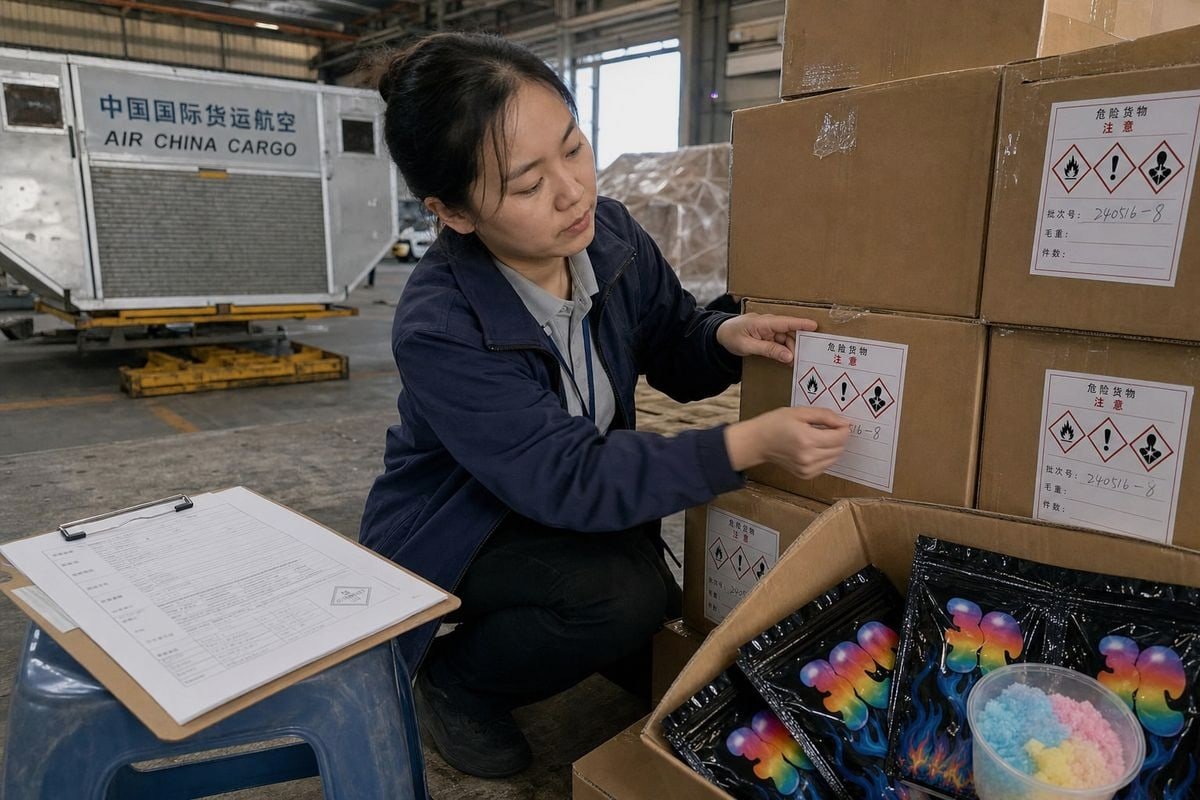
وقت الباب إلى الباب هو سلسلة ، وكل رابط يمكن أن ينزلق. إليك كيف أقوم بتقسيمها للمشترين الذين يخططون للشحنات من منشأتنا في نينغبو.
ابنِ جدولك الزمني للخلف من تاريخ الرف
- وقت تسليم الإنتاج. الطلبات الخاصة ذات العلامة التجارية الخاصة - أكياس مطبوعة ، صناديق عرض ، رموز شريطية ، ملصقات تحذير - تحتاج إلى وقت تصنيع قبل شحن أي شيء. قم بتأكيد ذلك مع المورد الخاص بك لكل طلب ؛ تأخيرات الموافقة على الأعمال الفنية هي الجرح الأكثر شيوعًا الذي يسببه المرء لنفسه.
- فحص ما قبل الشحن والتوثيق. نقوم بإجراء فحوصات جودة الدُفعات ونقوم بإنهاء صحائف بيانات السلامة (SDS) وتقارير الاختبار وأوراق التصدير قبل الحجز. اسمح ببضعة أيام عمل.
- فترة الانتظار في المنشأ. النقل بالشاحنات إلى الميناء أو المطار ، والتخليص الجمركي للتصدير ، ومواعيد قطع الناقل. مواعيد قطع الشحن البحري أقل تساهلاً ؛ تفوت واحدة وتنتظر الشحنة التالية.
- النقل الرئيسي. يستغرق الشحن الجوي عادةً من 1 إلى 8 أيام على المسارات الرئيسية ، وغالبًا ما يكون الساحل الغربي للولايات المتحدة من 3 إلى 5 أيام والشحن الجوي من نوع عبر الأطلسي حوالي 5-7 أيام من الباب إلى الباب. يستغرق الشحن البحري ما يقرب من 15-50 يومًا اعتمادًا على المسار ، وعادةً ما يكون من 18 إلى 25 يومًا إلى أوروبا و 25-45 يومًا إلى الولايات المتحدة من الباب إلى الباب.
- التخليص الجمركي والتسليم في الوجهة. يمكن أن يضيف فحص الجمارك للمنتجات المبتكرة الخاضعة للتنظيم أيامًا. الوثائق الكاملة والمتسقة هي أفضل ضمان هنا.
- مخزنك المؤقت. أضف 2-3 أسابيع للشحن البحري ضد الازدحام ، والحجوزات الملغاة ، و مخاطر رسوم الانتظار 8. أضف 3-5 أيام للشحن الجوي لمواجهة ضغط السعة وتأخيرات الفحص.
التوقيت الموسمي يهم أكثر لمنتجات النار
تبلغ ذروة فئتنا في الخريف والشتاء — موسم نار المخيم، والمواقد، وهدايا العطلات. تتصادم هذه الذروة مع إغلاق المصانع في الأسبوع الذهبي في أوائل أكتوبر وضغط سعة الشحن قبل عيد الميلاد. يضع المشترون ذوو الخبرة طلباتهم البحرية لبرامج الربع الرابع في يونيو أو يوليو. أما الذين ينتظرون حتى سبتمبر فيدفعون أسعار الشحن الجوي أو يفوتون الموسم. نحن نشير إلى مخاطر التقويم هذه أثناء تأكيد الطلب بالضبط لأن وعد المهلة الزمنية الموثوقة يعتمد على تخطيط كلا الطرفين حولها.
خاتمة
تتسبب أخطاء الشحن في خسارة مواسم، وليس فقط دولارات. تحقق من التصنيف، وتكلفة المنتج المجمعة بالإضافة إلى تكلفة التأخير، وطابق الوضع مع الحجم والموعد النهائي، وخصص وقتًا إضافيًا بسخاء — ثم اشحن بثقة.
ملاحظات ختامية
اللوائح الرسمية للبضائع الخطرة الصادرة عن اتحاد النقل الجوي الدولي (IATA) تتحقق من تصنيف وقواعد قبول شركات الطيران الجوي. ↩︎
يحدد اتحاد النقل الجوي الدولي (IATA) قواعد الوزن القابل للشحن التي تحدد حسابات تسعير الشحن الجوي الفعلية. ↩︎
شرح خلفي لأرقام الأمم المتحدة المستخدمة لتصنيف المواد الخطرة المشحونة. ↩︎
SGS هي هيئة اختبار رئيسية من طرف ثالث يُشار إليها للتحقق من سلامة المنتج. ↩︎
تحكم المنظمة البحرية الدولية (IMO) في معايير تصنيف البضائع الخطرة التي تؤثر على قبول الشحن البحري. ↩︎
تحدد المفوضية الأوروبية متطلبات علامة CE للمنتجات بالتجزئة التي تدخل الاتحاد الأوروبي. ↩︎
يحدد مفهوم تكلفة الاحتفاظ بالمخزون المشار إليه عند مقارنة الشحن البحري مقابل الشحن الجوي. ↩︎
يشرح رسوم الانتظار التي تخلق مخاطر في الجدول الزمني والتكلفة في تخطيط الشحن البحري. ↩︎



 English
  Spanish
  German
  French
  Arabic
  Portuguese
انضم إلى المحادثة