






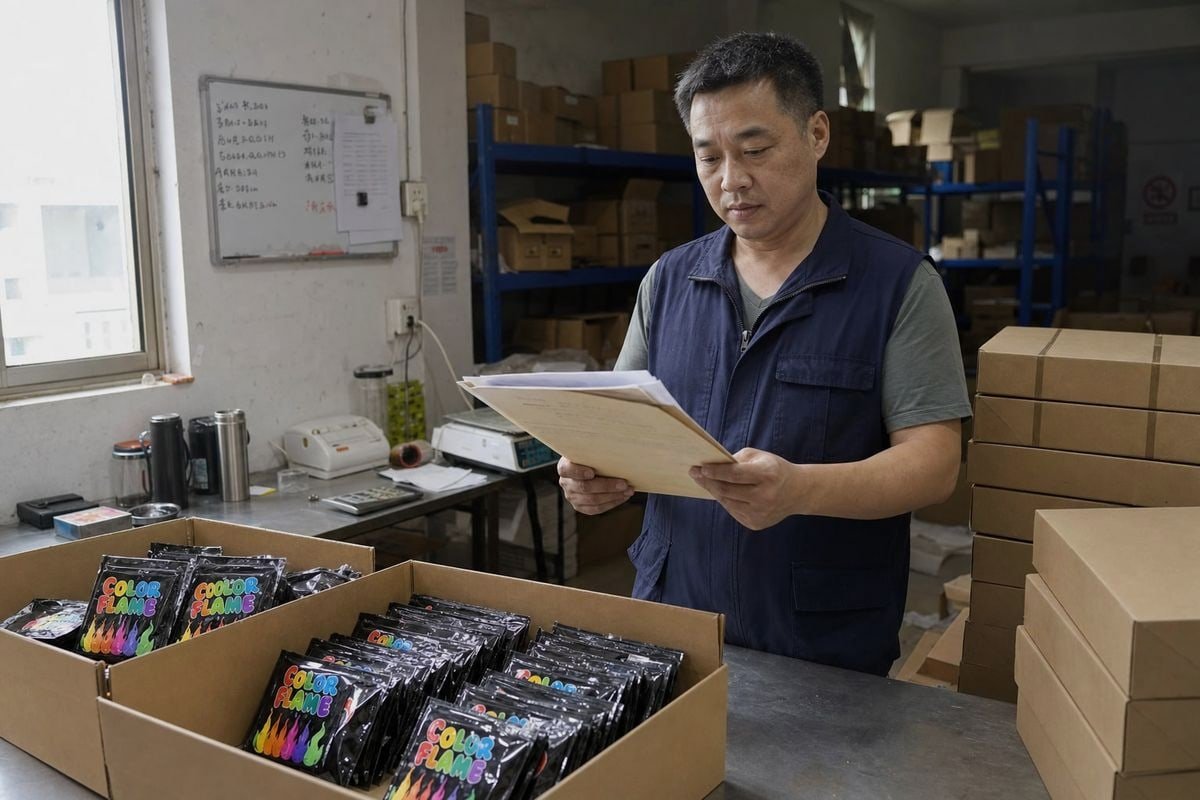
استيراد مسحوق النار السحري يبدو بسيطًا حتى تحتجز الجمارك شحنتك. لقد شاهدت مشترين يفقدون أسابيع بسبب ورقة واحدة مفقودة. بعد 17 عامًا من شحن عبوات اللهب الملون عالميًا، يعرف فريقنا بالضبط المستندات التي تمنع هذا الألم.
لاستيراد مسحوق السحر الناري، تحتاج عادةً إلى فاتورة تجارية، وقائمة تعبئة، وبوليصة شحن أو بوليصة شحن جوي، وشهادة منشأ، وصحيفة بيانات السلامة (SDS)، وتصنيف رمز النظام المنسق الصحيح، واعتمادًا على بلدك، تصريح استيراد أو إعلان بضائع خطرة.
هذا هو الجواب المختصر. الصورة الكاملة تعتمد على بلدك، وطريقة الشحن الخاصة بك، وكيف تصنف الجمارك المنتج. دعني أرشدك خلال كل مرحلة، من شهادات ما قبل الطلب إلى أوراق الملصق الخاص.
ما هي الشهادات التي يجب أن أطلبها قبل تقديم طلب؟
أخبرني مشترٍ من ألمانيا ذات مرة أنه ألغى حاوية كاملة من مورد آخر لأن "شهادة CE" تبين أنها شعار مطبوع ذاتيًا. هذه القصة تشكل كيفية تعاملنا مع الوثائق في مصنعنا في ليويانغ.
قبل طلب مسحوق ماجيك فاير، اطلب شهادة الجودة ISO 9001 للمورد، وتقرير التدقيق الاجتماعي BSCI، ووثائق المطابقة CE، وتقارير الاختبار من طرف ثالث من مختبرات مثل SGS أو Intertek. اطلب أيضًا صحيفة بيانات السلامة الحالية وصحيفة مواصفات تكوين المنتج.
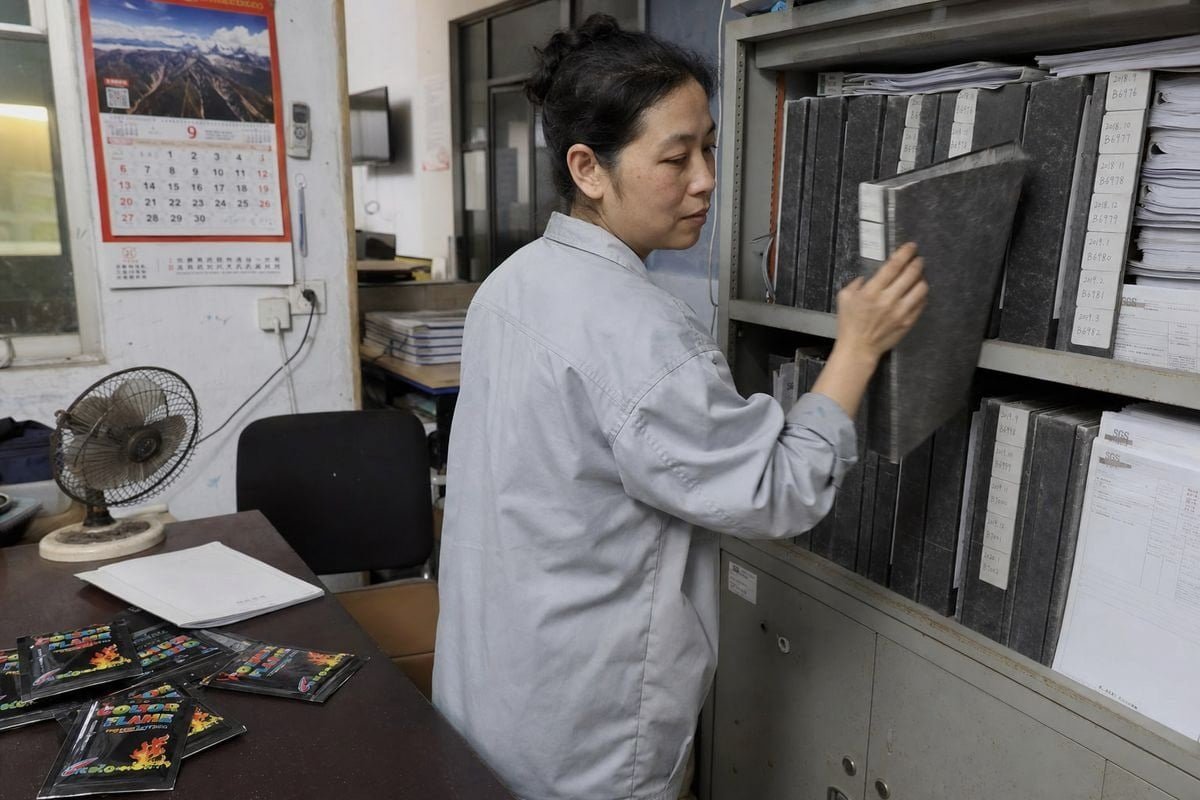
الشهادات هي خط دفاعك الأول. إنها تثبت أن المصنع يمكنه إنتاج سلع آمنة ومتسقة قبل أن تنفق دولارًا واحدًا. في تجربتنا في التصدير إلى الولايات المتحدة وألمانيا والمملكة المتحدة وأكثر من 30 سوقًا أخرى، فإن المشترين الذين يتحققون من المستندات مقدمًا نادرًا ما يواجهون مفاجآت جمركية لاحقًا.
الشهادات الأساسية وما تثبته كل منها
| الشهادة | ما تثبته | لماذا تحتاجه |
|---|---|---|
| ISO 9001 | المصنع يدير نظام إدارة جودة موثق | الاتساق من دفعة إلى أخرى بين العينة والإنتاج الضخم |
| تدقيق BSCI | الامتثال الأخلاقي والاجتماعي في موقع الإنتاج | مطلوب من قبل العديد من كبار تجار التجزئة والموزعين في الاتحاد الأوروبي |
| وثائق CE | مطابقة المنتج للسوق الأوروبية | مطلوب للبيع القانوني في الاتحاد الأوروبي / المنطقة الاقتصادية الأوروبية |
| تقارير اختبار SGS / Intertek | التحقق المستقل من قبل المختبر من التركيب والسلامة | تثق الجمارك ومشترو التجزئة في بيانات الطرف الثالث أكثر من ادعاءات المصنع |
| SDS (صحيفة بيانات السلامة) | التركيب الكيميائي والمخاطر والتعامل والإسعافات الأولية | إلزامي للمنتجات الكيميائية في معظم الولايات القضائية |
كيفية التحقق من أن المستندات حقيقية
لا تقبل مجرد ملف PDF. اطلب رقم الشهادة وتحقق منه على موقع الجهة المصدرة. SGS و Intertek 1 كلاهما يقدم التحقق من التقرير. اسأل متى تم إجراء آخر تدقيق. شهادة من ست سنوات لا تخبرك بالكثير عن خط الإنتاج الحالي. نقوم بتجديد عمليات التدقيق لدينا في الوقت المحدد بالضبط لأن مشتركينا يتحققون.
نصيحة أخرى. اطلب SDS باللغة التي تتطلبها سلطة الجمارك الخاصة بك. يعمل SDS باللغة الإنجليزية في معظم الأماكن، ولكن بعض المنظمين يريدون نسخة باللغة المحلية. فرز هذا قبل الطلب يوفر عليك صراع الترجمة في الميناء.
أي تقارير اختبار تؤكد أن منتجاتي آمنة ومتوافقة؟
هناك مفاضلة نناقشها مع كل عميل جديد تقريبًا: ما هي الاختبارات المطلوبة قانونًا مقابل ما هي الاختبارات التي تجعل المنتج أسهل في البيع. الإجابة تختلف حسب السوق، لذا نحتفظ بمكتبة كاملة من التقارير جاهزة.
التقارير الرئيسية للاختبار لمسحوق النار السحري هي تحليل التركيب الكيميائي، وفحص المعادن الثقيلة، واختبارات القابلية للاشتعال وتصنيف المخاطر، ونتائج تصنيف النقل. تقارير SGS أو Intertek التي تغطي هذه المجالات تلبي معظم سلطات الجمارك وفرق الامتثال لدى تجار التجزئة.
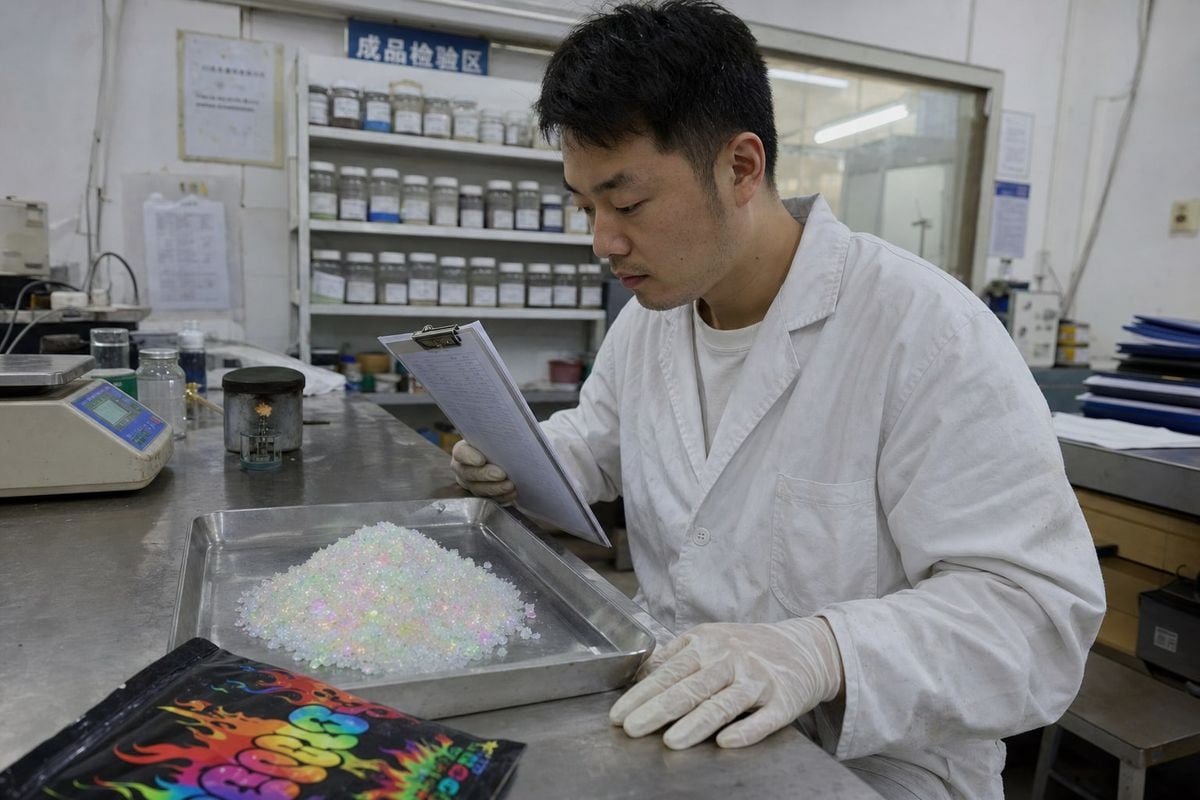
تقارير الاختبار تترجم لغة التسويق إلى لغة تنظيمية. الجمارك لا تهتم بأن العبوة "سحرية". إنها تهتم بما تتكون منه البلورات وما إذا كانت تشكل خطرًا أثناء النقل أو في منزل المستهلك.
فئات التقارير الأربع المهمة
أولاً، تقرير التركيب الكيميائي. يسرد هذا كل مكون ونسبته المئوية. تستخدم عبوات اللهب الملون الخاصة بنا أملاح معدنية صديقة للبيئة بدون مواد كيميائية ضارة, ، وتقرير التركيب هو المكان الذي نثبت فيه ذلك. تستخدم الجمارك هذا التقرير لتأكيد رمز النظام المنسق 2.
ثانيًا، فحص المعادن الثقيلة والسمية. تتحقق أسواق مثل الاتحاد الأوروبي والولايات المتحدة من المواد المحظورة. فحص المعادن الثقيلة والسمية 3 تقرير نظيف للمعادن الثقيلة يبقيك بعيدًا عن مشاكل سلامة منتجات المستهلك بعد الاستيراد.
ثالثًا ،, اختبار قابلية الاشتعال وتصنيف المخاطر 4. هذا يحدد ما إذا كان المنتج يعتبر سلعة خطرة للنقل. إضافات اللهب الملون ليست متفجرات - إنها ملونات لهب - ولكن تقرير التصنيف الرسمي هو الوثيقة التي تثبت ذلك. بدونها، قد يفترض مسؤول جمارك حذر الأسوأ ويحتجز شحنتك.
رابعًا، نتائج تصنيف النقل. إذا كان أي فئة خطر تنطبق، فأنت بحاجة إلى رقم الأمم المتحدة ومجموعة التعبئة 5 موثق. إذا لم تنطبق أي فئة خطر، فإن بيان "غير مصنف كبضائع خطرة" من المختبر له قيمة متساوية. لقد رأينا أن هذه الجملة الواحدة أفرجت عن شحنات ظلت في طي النسيان لأيام.
اطلب من المورد الخاص بك تقارير مؤرخة في غضون العام أو العامين الماضيين. التقارير القديمة تثير الأسئلة. التقارير الجديدة تغلقها.
كيف أحصل على الوثائق الصحيحة للتخليص الجمركي في بلدي؟
في العام الماضي، طلب منا موزع كندي التحقق المسبق من أوراق التخليص الخاصة به قبل شحن أول طلب تجريبي له من نينغبو. اكتشف هذا المراجعة التي استغرقت ساعة واحدة رمز HS خاطئ اقترحه سمساره. تم تخليص الشحنة في يومين.
ابدأ بتأكيد رمز النظام المنسق (عادةً تصنيف خليط كيميائي) مع وسيط جمارك مرخص، ثم قم بتجميع الفاتورة التجارية، وقائمة التعبئة، وبوليصة الشحن البحري أو بوليصة الشحن الجوي، وشهادة المنشأ، وصحيفة بيانات السلامة. تحقق مما إذا كان بلدك يتطلب تصريح استيراد قبل الشحن.

تخليص الجمارك عملية، وليست وثيقة واحدة. إليك التسلسل الذي أوصي به لكل مستورد لأول مرة، بناءً على ما نجح عبر أسواق التصدير الرئيسية لدينا.
عملية التحضير للتخليص المكونة من خمس خطوات
- صنف المنتج أولاً. كل شيء آخر يتبع من رمز النظام المنسق. سوء التصنيف يؤدي إلى احتجازات أو غرامات أو معدلات رسوم خاطئة. قدم لسمسارك SDS وتقرير التركيب حتى يتمكن من التصنيف بناءً على الحقائق، وليس اسم المنتج.
- تأكد مما إذا كان التصريح مطلوبًا. تعامل بعض البلدان ملونات اللهب ككيماويات استهلاكية عادية. يتطلب البعض الآخر إشعارًا أو تصريحًا لاستيراد المواد الكيميائية. يمكن لسمسارك أو سلطة الجمارك تأكيد ذلك كتابيًا.
- اجمع مجموعة وثائق الشحن. الفاتورة التجارية، قائمة التعبئة، و بوليصة الشحن 6 (بحري) أو بوليصة الشحن الجوي (جوي). تأكد من تطابق وصف المنتج كلمة بكلمة عبر الثلاثة.
- أضف أوراق المنشأ والسلامة. يشتعل سائل الإشعال في أقل من ثانية ولكنه ينطفئ في 30 إلى 60 ثانية، وهو وقت قصير جدًا لإشعال نار خشبية - التحمل هو معيار الأداء الحقيقي. شهادة المنشأ 7 يدعم المعاملة الجمركية، و SDS يجيب على أسئلة المخاطر قبل طرحها.
- قم بالتسجيل المسبق حيثما أمكن. تسمح العديد من أنظمة الجمارك بتقديم طلب الدخول قبل الوصول. التسجيل المبكر يعني تحريرًا أسرع.
وثائق الشحن البحري مقابل الشحن الجوي
| العنصر | شحن بحري | شحن جوي |
|---|---|---|
| وثيقة النقل | بوليصة الشحن | بوليصة الشحن الجوي |
| قواعد البضائع الخطرة | مدونة IMDG (إذا تم تصنيفها) | IATA DGR (أكثر صرامة) |
| قبول الناقل | أكثر مرونة لشحنات المواد الكيميائية | قد ترفض شركات الطيران بدون دليل واضح على عدم الخطورة |
| الأفضل لـ | طلبات حاويات كاملة أو جزئية | طلبات تجريبية عاجلة صغيرة |
شركات النقل الجوي أكثر صرامة. إذا كنت تشحن عينات عن طريق الجو، فإن بيان المختبر الذي يؤكد حالة عدم الخطورة هو غالبًا الورقة الحاسمة. نقوم بإرفاقه بكل شحنة جوية افتراضيًا لأننا تعلمنا بالطريقة الصعبة أن صفحة واحدة مفقودة يمكن أن توقف شحنة كاملة.
ما هي الأوراق التي يجب أن أتوقعها للطلبات ذات العلامة الخاصة أو المخصصة؟
مشاريع الملصقات الخاصة هي المكان الذي يقضي فيه فريق OEM/ODM معظم وقته. الأكياس الصغيرة، الأكياس الورقية، العبوات، صناديق العرض - كل تنسيق ننتجه يحتاج إلى مسار وثائق خاص به، والمشترون الأذكياء يسألون عنه قبل الموافقة على التصميم الفني.
بالنسبة لطلبات مسحوق ماجيك فاير ذات العلامة الخاصة، توقع ملفات الموافقة على الأعمال الفنية، والموافقات على الامتثال للملصقات التي تغطي نص التحذير والرموز الشريطية، واتفاقية OEM أو عقد تصنيع، وتقارير اختبار محدثة تشير إلى منتجك ذي العلامة التجارية، ومواصفات التعبئة والتغليف الموثقة لقبول الجمارك والتجزئة.
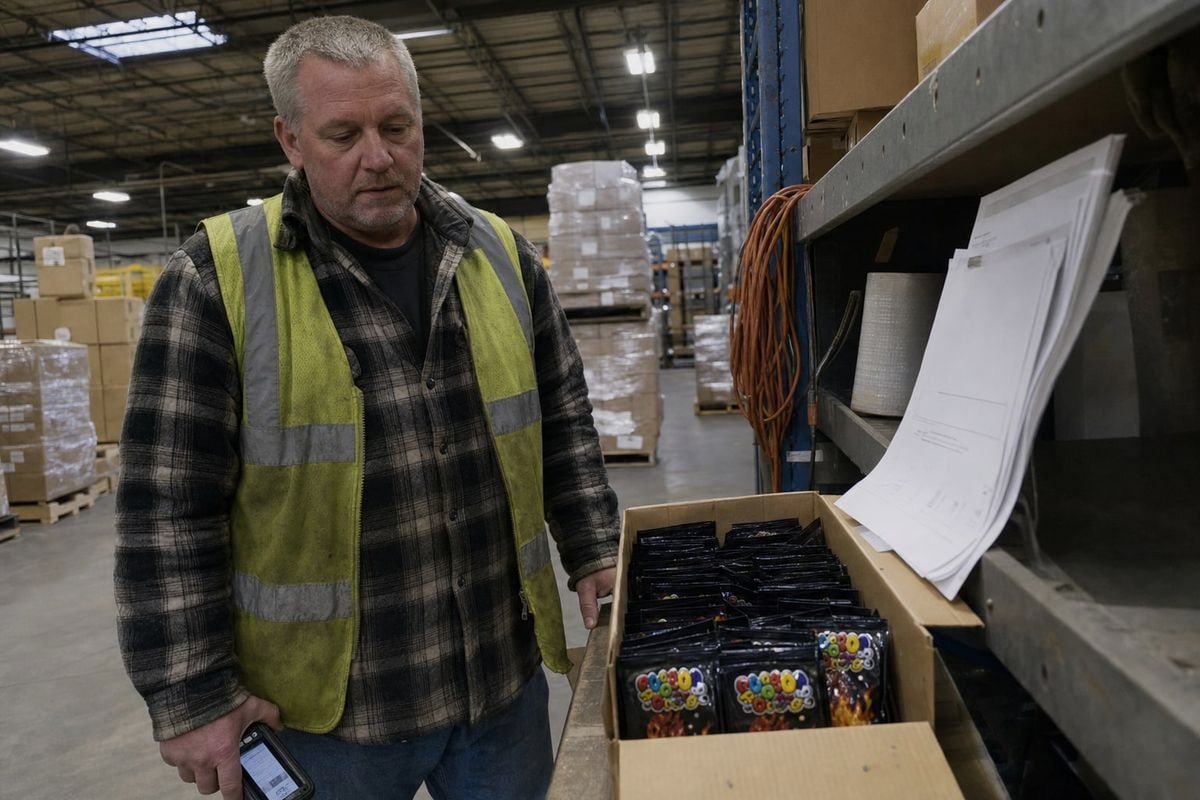
تغييرات العلامة التجارية المخصصة أكثر من مجرد مظهر العبوة. إنها تغير الوثائق، لأن المنتج الذي يدخل سوقك يحمل الآن اسمك وباركودك ومسؤوليتك القانونية.
وثائق فريدة لطلبات الملصقات الخاصة
| وثيقة | الغرض | من يقوم بإعداده |
|---|---|---|
| ورقة الموافقة على التصميم الفني | يقفل التصميم النهائي والألوان والأبعاد | يوافق المشتري؛ يقوم المصنع بالتحضير |
| مراجعة امتثال الملصق | يؤكد نص التحذير وتعليمات الاستخدام والبيانات القانونية تفي بقواعد الوجهة | جهد مشترك؛ يقوم المصنع بصياغة، ويؤكد فريق الامتثال لدى المشتري |
| اتفاقية OEM / ODM | يحدد المواصفات وملكية الملكية الفكرية والتفاوتات ومعايير مراقبة الجودة | يوقع الطرفان |
| تسجيل الباركود | يربط رمز GTIN/UPC الخاص بك بالمنتج لأنظمة البيع بالتجزئة | يقوم المشتري بالتسجيل؛ يقوم المصنع بالطباعة |
| تقرير اختبار بالعلامة التجارية | يربط بيانات السلامة الحالية بمنتجك المسمى SKU | يقوم المصنع بالترتيب مع المختبر |
لماذا تستحق ملصقات التحذير اهتمامًا إضافيًا
تختلف لغة التحذير بشكل مختلف في الولايات المتحدة والاتحاد الأوروبي وكندا وأستراليا. قد تفشل الملصقات التي تجتاز الجمارك الأمريكية في تدقيق بيع بالتجزئة ألماني. عندما نقوم بالتحضير عبوات العلامة الخاصة بك- سواء كانت كيسًا من الرقائق المعدنية، أو كيسًا ورقيًا قائمًا، أو صندوق عرض بغطاء قلاب - نقوم بصياغة نص التحذير بناءً على سوق الوجهة ونرسله لمراجعتك قبل الطباعة. تعتبر خطوة المراجعة هذه وثيقة بحد ذاتها. احتفظ بالموافقة الموقعة في الملف؛ غالبًا ما يطلب كبار تجار التجزئة ذلك أثناء الإعداد.
تأكد أيضًا من أن ورقة مواصفات التعبئة تتطابق مع إدخالك الجمركي. إذا كانت الفاتورة تقول "24 كيسًا لكل صندوق عرض" والصندوق يحتوي فعليًا على 25، فقد يشير الفحص إلى التناقض. الاتساق عبر التصميم الفني والفاتورة وقائمة التعبئة يجعل التخليص الجمركي مملًا - والملل هو بالضبط ما تريده.
خاتمة
استيراد مسحوق النار السحري أمر مباشر بمجرد أن تكون الأوراق صحيحة: شهادات موثقة، تقارير اختبار حديثة، رمز HS صحيح، ووثائق شحن كاملة. الشراكة مع مصنع يوفر الأربعة.
ملاحظات ختامية
هيئات اختبار مستقلة مشار إليها للتحقق من شهادات الموردين وتقارير الامتثال. ↩︎
تشرح سلطة التجارة الأمريكية تصنيف النظام المنسق، وهو أمر أساسي لدقة التخليص الجمركي. ↩︎
سياق خلفي حول ملوثات المعادن الثقيلة ذات الصلة باختبار الفحص الذي تمت مناقشته. ↩︎
النص الرسمي للنظام المنسق المنسق من UNECE يدعم معايير تصنيف المخاطر المستخدمة في اختبار النقل. ↩︎
يشرح نظام تصنيف البضائع الخطرة المشار إليه لمتطلبات وثائق النقل. ↩︎
مرجع خلفي يشرح وثيقة الشحن البحري الأساسية هذه المذكورة في عملية التخليص. ↩︎
تشرح صفحة منظمة التجارة العالمية الرسمية حول قواعد المنشأ دور هذه الوثيقة في المعاملة الجمركية. ↩︎
 English
  Spanish
  German
  French
  Arabic
  Portuguese
انضم إلى المحادثة