






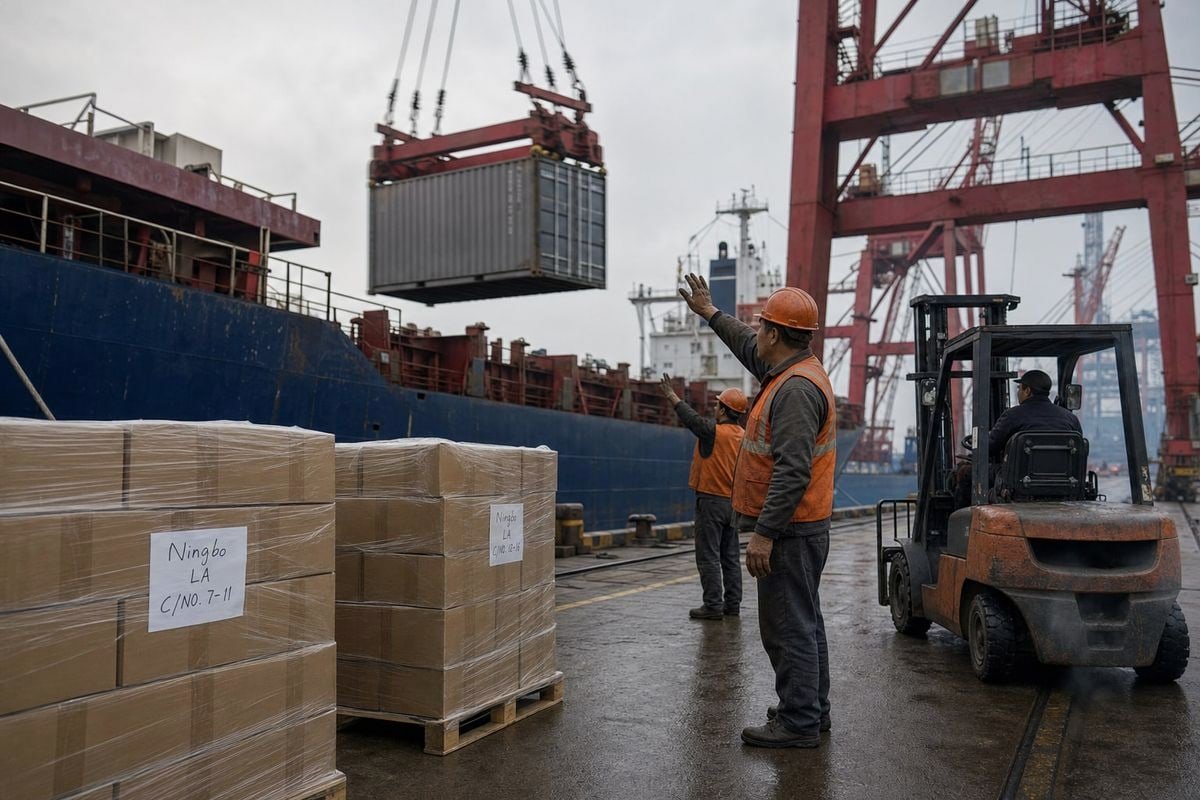
الاختيار بين EXW أو FOB لبادئات الحريق الخشبية يربك العديد من المشترين. لقد شاهدت مستوردين يخسرون هامش ربحهم بالكامل بسبب تسليم سيء واحد في رصيف التحميل الخاص بنا في نينغبو.
يوفر مصطلح تسليم ظهر السفينة (FOB) تحكمًا أفضل في المخاطر اللوجستية مقارنة بمصطلح تسليم المصنع (EXW) لمعظم المستوردين الذين يشترون مواد إشعال النار الخشبية عن طريق البحر. بموجب مصطلح FOB، يتولى المورد النقل الداخلي، والتخليص الجمركي للتصدير، وتحميل السفينة قبل انتقال المخاطر، بينما يدفع مصطلح EXW تلك الأعباء في بلد المنشأ إلى المشتري مبكرًا جدًا.
هذا هو الجواب المختصر. لكن التفاصيل مهمة، لأن وضعك قد يختلف. دعني أرشدك عبر التكاليف، ونقاط المخاطر، وأسئلة وكلاء الشحن، ومراقبة الجودة، خطوة بخطوة.
ما هي الفروقات الحقيقية في التكلفة بين EXW و FOB لطلبات مشعل الخشب الخاص بي؟
سألني موزع ألماني ذات مرة لماذا يبدو عرض سعر FOB الخاص بنا أعلى من سعر EXW للمنافس. بعد ثلاثة أشهر، كانت تكلفته النهائية بموجب EXW أسوأ. إليك السبب.
تبدو عروض EXW أرخص لأنها تستبعد النقل البري الداخلي، والتخليص الجمركي للتصدير، ورسوم المناولة الطرفية، ورسوم التحميل. يشمل سعر FOB جميع التكاليف من جانب المنشأ حتى السفينة، لذلك يبدو أعلى ولكنه ينتج عادةً تكلفة إجمالية أقل وأكثر قابلية للتنبؤ للشحنات التي تبدأ بحرق الخشب.
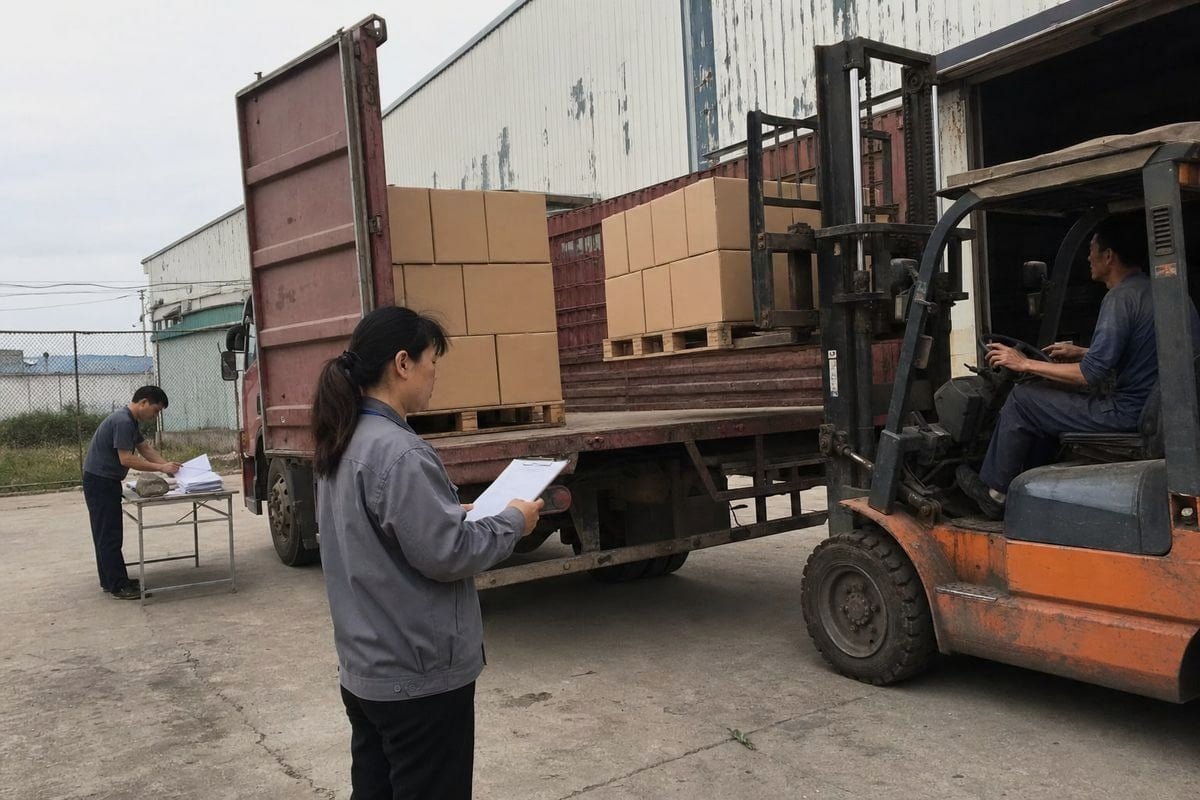
الفجوة بين السعر المعروض والسعر الحقيقي هي المكان الذي يتضرر فيه معظم المستوردين لأول مرة. خلال أكثر من سبعة عشر عامًا من تصدير سلع إشعال النار إلى أكثر من ثلاثين دولة، رأينا نفس النمط يتكرر. يختار المشتري EXW لتوفير بضع مئات من الدولارات على الورق. ثم تبدأ رسوم جانب المنشأ في الوصول واحدة تلو الأخرى.
أين تكمن التكاليف المخفية تحت EXW
بموجب EXW، تنتهي مهمة المورد الخاص بك عند باب المستودع. كل شيء بعد ذلك هو تكلفتك ومشكلتك. وهذا يشمل النقل بالشاحنات من المصنع،, وثائق التصدير 1, ، التخليص الجمركي في الصين، مناولة محطة الميناء، والتحميل على السفينة. كل خطوة لها رسوم. غالبًا ما يتم زيادة كل رسوم من قبل الوكلاء المحليين الذين يستأجرهم وكيل الشحن الخاص بك.
إليك كيف تنقسم مسؤوليات التكلفة:
| بند التكلفة | سعر المصنع | فوب |
|---|---|---|
| النقل بالشاحنات من المصنع إلى الميناء | المشتري | البائع |
| تخليص جمارك التصدير | المشتري | البائع |
| وثائق التصدير | المشتري | البائع |
| معالجة محطة المصدر | المشتري | البائع |
| التحميل على السفينة | المشتري | البائع |
| الشحن البحري | المشتري | المشتري |
| التخليص الجمركي والرسوم | المشتري | المشتري |
| التسليم النهائي | المشتري | المشتري |
لماذا أسعار FOB أسهل في المقارنة
تجميع عروض أسعار FOB جميع تكاليف المنشأ في رقم واحد. هذا يجعل من السهل مقارنة عرض السعر الخاص بنا مقابل عرض سعر مصنع آخر. مع EXW، أنت تقارن أرقامًا غير مكتملة. يمكن أن يؤدي عرضا أسعار EXW من موردين مختلفين في مدينتين مختلفتين إلى فواتير نقل ومناولة مختلفة تمامًا. وبمجرد فهمك لتقسيم جانب المنشأ، فإن السؤال التالي هو عادةً كيف يختلف FOB و CIF في المخاطر والتكلفة على مرحلة المحيط.
بادئات الحريق الخشبية هي أيضًا منتج ذو كثافة قيمة منخفضة. لفائف الخشب المغطاة بالشمع الخاصة بنا تُشحن في صناديق ومنصات نقالة، ويمثل الشحن جزءًا كبيرًا من التكلفة النهائية. يمكن أن تؤدي رسوم المنشأ المفاجئة ببضع مئات من الدولارات إلى محو هامش الربح على طلب تجريبي. لهذا السبب نوصي عادةً بـ FOB للمشترين الذين يضعون أول أو ثاني حاوية معنا.
كيف أعرف أي مصطلح من مصطلحات التجارة الدولية يحميني بشكل أفضل في حالة تأخر الشحنات أو تلفها؟
مطالبات الأضرار هي المكان الذي تتوقف فيه شروط التجارة الدولية عن كونها نظرية. لقد قمنا ذات مرة بشحن صنوبر ملون وبادئات حريق في نفس الحاوية، وجعل تسليم FOB النظيف مطالبة التأمين سهلة عندما أدت ضربة رافعة إلى تلف الصندوق.
يحميك مصطلح تسليم ظهر السفينة (FOB) بشكل أفضل في سيناريوهات التأخير والتلف لأن المخاطر تنتقل عند نقطة واضحة وموثقة: عند تحميل البضائع على متن السفينة. ينقل مصطلح تسليم المصنع (EXW) المخاطر عند باب المصنع، مما يترك المشترين عرضة للخطر أثناء النقل بالشاحنات والتخليص والتحميل في بلد أجنبي.

التحكم والتحكم في المخاطر ليسا نفس الشيء. هذه هي الفكرة الأكثر أهمية في هذه المقارنة بأكملها. تمنحك EXW تحكمًا رسميًا في كل مرحلة من مراحل الرحلة. لكن التحكم الرسمي بدون قدرة تنفيذ محلية يعني فقط المزيد من التعرض.
جدول نقل المخاطر
فكر فيما يمكن أن يحدث بشكل خاطئ بين بوابة المصنع لدينا والسفينة:
- الشاحنة متأخرة، أو تالفة، أو تم توجيهها بشكل خاطئ في المرحلة الداخلية.
- وثائق التصدير بها خطأ، والجمارك تحتجز البضائع.
- البضائع تبقى في المحطة بعد الموعد النهائي وتفوت السفينة.
- تتلف البضائع أثناء تحميل الحاوية أو مناولة الميناء.
بموجب EXW، كل فشل من هذه الإخفاقات هو مشكلتك، على الرغم من أنها تحدث في بلد ليس لديك فيه مكتب أو موظفين أو نفوذ. بموجب FOB، إنها مشكلة البائع. نحن نحمل هذا الخطر لأننا نستطيع إدارته بالفعل. فريقنا في نينغبو يتعامل مع تسليم الميناء أسبوعيًا. سائق الشاحنة المتعاقد من الباطن لوكيل الشحن الخاص بك لا يجيب عليك.
التأمين يصبح أبسط بموجب FOB
شركات تأمين الشحن البحري 2 تحب نقاط التحويل النظيفة. بوليصة الشحن 3 تاريخ الشحن على متن السفينة يمنح الجميع لحظة موثقة تغيرت فيها المخاطر. بموجب EXW، إذا تم اكتشاف تلف عند الوجهة، فقد تواجه منطقة رمادية: هل حدث ذلك أثناء الاستلام، أو النقل الداخلي، أو التحميل، أو مرحلة المحيط؟ هذا الغموض يؤخر المطالبات وأحيانًا يقتلها.
هناك نقطة واحدة خاصة بالمنتج تستحق الإضافة. بادئات الحريق الخشبية المصنوعة من ألياف الخشب والبارافين تحتاج إلى معالجة صحيحة، وفي بعض الأسواق، وثائق داعمة للبضائع القائمة على الخشب. بموجب FOB، ندير ذلك وثائق الامتثال في جانب المنشأ بأنفسنا. بموجب EXW، تصبح الثغرات في تلك الوثائق تأخيرًا جمركيًا لك، وليس لنا.
هل يجب أن أختار EXW أم FOB إذا لم يكن لدي وكيل شحن خاص بي في الصين؟
أرسلت لنا علامة تجارية بريطانية للتخييم بريدًا إلكترونيًا العام الماضي تطلب شروط EXW لأن صديقًا أخبرها أنها قياسية. لم يكن لديهم وكيل شحن، ولا وكيل تصدير، ولا فكرة عما هو توكيل جمركي 5 أقنعناهم بـ FOB، ووصلت حاويتهم الأولى دون أي رسوم مفاجئة.
اختر FOB إذا لم يكن لديك وكيل شحن راسخ في الصين. بموجب FOB، يتعامل المورد الخاص بك مع جميع لوجستيات المنشأ وإجراءات التصدير، لذلك تحتاج فقط إلى حجز الشحن البحري. EXW بدون شركاء لوجستيين محليين موثوقين يخلق مخاطر تنفيذ خطيرة وتكاليف خفية.
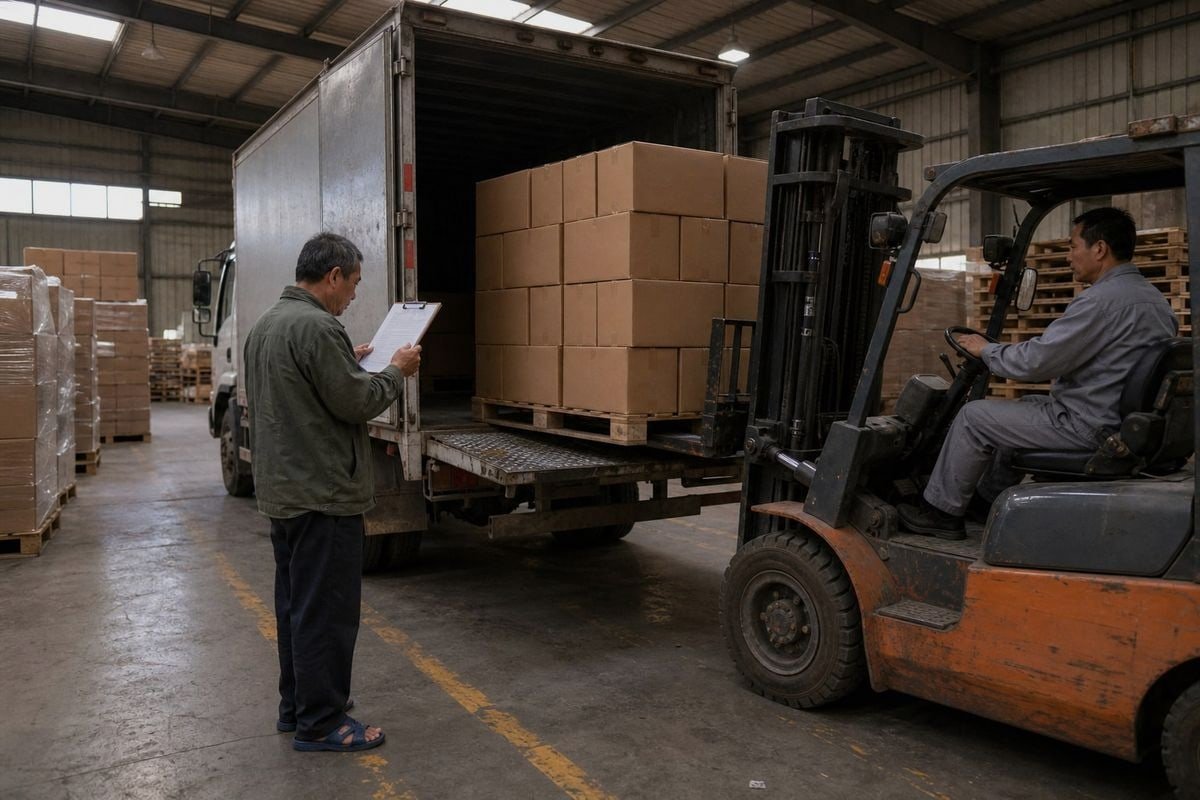
دعني أكون مباشرًا بشأن هذا الأمر. EXW هو مصطلح للمستخدم المتقدم. يكافئ المشترين الذين لديهم بنية تحتية حقيقية في بلد المنشأ. ويعاقب كل الآخرين.
ما تتطلبه EXW فعليًا منك
بموجب EXW، يجب عليك أو على وكلائك ترتيب الاستلام من مستودعاتنا، وتحميل البضائع، وتخليص جمارك التصدير الصينية، ونقل البضائع إلى الميناء، ووضعها على متن السفينة. إذا قام وكيل الشحن الخاص بك بالتعاقد من الباطن على أي من هذه الخطوات مع أطراف محلية غير مألوفة، فإنك ترث أخطائهم. التخليص الجمركي للتصدير على وجه الخصوص ليس شيئًا يمكن للمشتري الأجنبي التعامل معه بشكل عرضي. يتطلب وكيلًا محليًا متوافقًا ووثائق صحيحة لفئة المنتج.
دليل قرار بسيط
| وضعك | المصطلح الموصى به | لماذا |
|---|---|---|
| مستورد لأول مرة، لا يوجد تواجد في الصين | فوب | يمتص المورد كل مخاطر التنفيذ الأصلية |
| مشترٍ صغير أو متوسط يستخدم وكيل شحن قائم على الوجهة | فوب | يدير وكيل الشحن فقط رحلات المحيط والاستيراد |
| مشترٍ لديه وكيل شحن قائم في الصين ووكيل تصدير مثبت | EXW ممكن | يمكنك تنفيذ لوجستيات المصدر بشكل حقيقي |
| مشترٍ يدمج موردين متعددين في حاوية واحدة | EXW أو FCA | يمكن أن يبرر التحكم في الدمج العبء المضاف |
| شحنات LCL للبضائع المختلطة | فوب | ينسق البائع مباشرة مع وكيل الشحن المصدر |
الاستعانة بمصادر خارجية لا تمحو المخاطر
يفترض بعض المشترين أن توظيف وكيل شحن يجعل EXW آمنًا. إنه يساعد، ولكنه ينقل التنفيذ بشكل أساسي إلى طرف ثالث. لا تزال تتحمل المخاطر إذا فشل هذا الطرف الثالث. بموجب FOB، نتحمل المخاطر، وقد تعاملنا مع تسليم الموانئ من نينغبو لسنوات عبر الشحنات إلى الولايات المتحدة وألمانيا وفرنسا وأستراليا. الطرف الأفضل في وضع يسمح له بإدارة لوجستيات المصدر يجب أن يمتلك لوجستيات المصدر. بالنسبة لمعظم مشتركينا، هذا الطرف هو نحن.
أي مصطلح تجاري دولي يمنحني مزيدًا من التحكم في فحوصات الجودة قبل مغادرة بضاعتي المصنع؟
مراقبة الجودة هي مجال خبرتي. توجد عملية مراقبة الجودة لدينا من دفعة إلى أخرى على لفات الخشب المغطاة بالشمع على وجه التحديد حتى تتطابق الكرتونة المائة مع العينة الأولى. لكن المشترين ما زالوا يسألون: هل يمنحني EXW المزيد من النفوذ في الفحص؟
لا يحد أي مصطلح من شروط التجارة الدولية من حقك في الفحص قبل الشحن؛ يتم تحديد فحوصات الجودة في عقد الشراء الخاص بك، وليس في مصطلح التجارة الدولية. ومع ذلك، فإن مصطلح FOB يمنحك ميزة عملية: يمكنك طلب الفحص قبل أن يقوم المورد بالتحميل، بينما لا يزال المورد يمتلك البضائع والمخاطر.
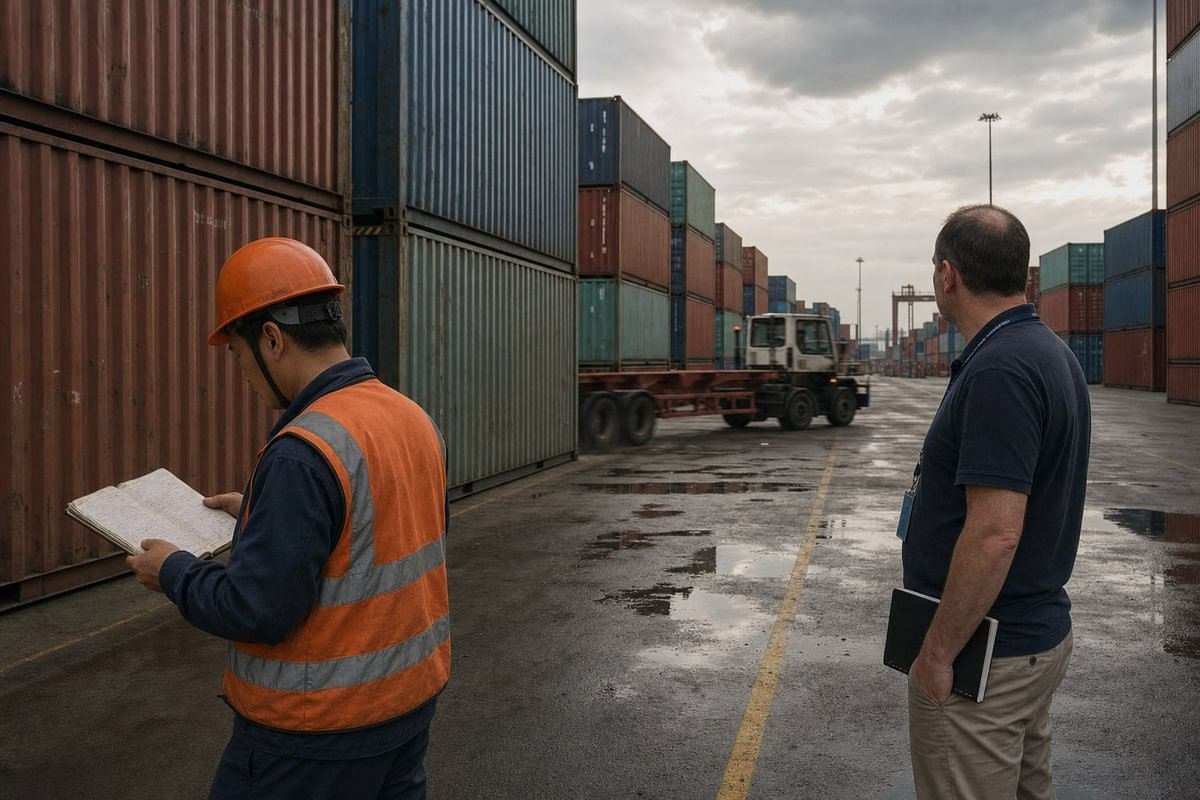
يثور هذا السؤال في كل مفاوضات تقريبًا، والارتباك مفهوم. يفترض الناس أنه نظرًا لأن EXW يسلم البضائع في المصنع، فيجب أن يمنح المزيد من الوصول للفحص. لا يفعل ذلك. تأتي حقوق الفحص من عقد المبيعات الخاص بك وبند الفحص الخاص بك، وليس من مصطلح التسليم.
كيف يتفاعل توقيت الفحص مع كل مصطلح
هذا هو الاختلاف العملي. بموجب FOB، تقع نافذة الفحص الطبيعية بين اكتمال الإنتاج وتحميل الحاوية. إذا فشل مفتش الطرف الثالث الخاص بك في الدفعة، فإن البضائع لم تتحرك بعد، ولا نزال نمتلك المخاطر، ويحدث إعادة العمل بتكلفة منا وفي جدولنا الزمني. هيكل الحوافز يعمل لصالحك.
بموجب EXW، بمجرد أن يقوم الشاحن المعين الخاص بك بتحصيل البضائع، فإن المخاطر تخصك. إذا تم اكتشاف عيب بعد الاستلام، فأنت تجادل حول ما إذا كان الضرر قد حدث أثناء الإنتاج أو أثناء مرحلة النقل الخاصة بك. هذه المنطقة الرمادية تضعف مطالبتك.
| عامل الفحص | سعر المصنع | فوب |
|---|---|---|
| الحق في الفحص قبل الشحن | نعم، إذا تم التعاقد عليه | نعم، إذا تم التعاقد عليه |
| البضائع لا تزال في خطر المورد أثناء الفحص | حتى الاستلام فقط | حتى تحميل السفينة |
| النفوذ إذا فشل الفحص | أضعف بعد الاستلام | قوي؛ يجب على المورد الإصلاح قبل التحميل |
| وضوح النزاع بشأن العيوب المكتشفة لاحقًا | ضبابي | أكثر وضوحًا، مرتبط بنقطة على متن السفينة |
ما نوصي به لمشترينا
اكتب بند الفحص في أمر الشراء الخاص بك بغض النظر عن شروط التسليم الدولية. حدد المعيار ومستوى أخذ العينات وشرط النجاح. اربط الدفعة النهائية بتقرير فحص ناجح. من جانبنا، نرحب عمليات تفتيش من طرف ثالث 6 في موقع الإنتاج الخاص بنا لأن ISO 9001 7 عمليتنا وتقارير اختبار SGS و Intertek تعني أنه ليس لدينا ما نخفيه. المورد الذي يقاوم الفحص قبل الشحن بموجب أي شرط تسليم دولي يخبرك بشيء مهم. استمع إلى هذه الإشارة قبل أن تجادل بشأن EXW مقابل FOB.
خاتمة
بالنسبة لبادئات الحريق الخشبية المشحونة بحراً، يفوز FOB عادةً بالتحكم في مخاطر اللوجستيات. إنه يقلل من نقاط الفشل في جانب المصدر، ويوضح التأمين، ويبسط التكاليف. احتفظ بـ EXW للمشترين الذين لديهم قدرة لوجستية مثبتة في الصين.
ملاحظات ختامية
تشرح صفحة تيسير التجارة لمنظمة التجارة العالمية متطلبات وثائق التصدير التي تمت مناقشتها هنا. ↩︎
خلفية عن تأمين الشحن البحري المتعلق بمناقشة المطالبات بموجب FOB. ↩︎
يوضح وثيقة الشحن التي تحدد نقطة انتقال مخاطر FOB. ↩︎
المصدر الرسمي لـ ICC الذي يحدد قواعد Incoterms 2020 المستشهد بها لانتقال مخاطر FOB. ↩︎
إرشادات الجمارك الأمريكية الرسمية بشأن وثيقة التفويض المذكورة في قصة المشتري. ↩︎
SGS هي هيئة فحص رائدة مشار إليها لفحوصات الجودة قبل الشحن. ↩︎
يشرح معيار إدارة الجودة المشار إليه كدليل على موثوقية المورد. ↩︎

 English
  Spanish
  German
  French
  Arabic
  Portuguese
انضم إلى المحادثة