







كل أسبوع، يسأل المشترون فريق التصدير لدينا عما إذا كانت FOB و CIF تغير تكلفتهما الحقيقية لبادئات الحريق الخشبية. يكتشف الكثيرون رسوم شحن مخفية فقط بعد وصول الفاتورة.
يختلف سعر التسليم على ظهر السفينة (FOB) وسعر التكلفة والتأمين والشحن (CIF) فيمن يدفع تكاليف الشحن البحري والتأمين، وليس في وقت انتقال المخاطر. بموجب كلا المصطلحين، تنتقل المخاطر إلى المشتري بمجرد تحميل بادئات إشعال النار الخشبية على السفينة. يضيف سعر التكلفة والتأمين والشحن (CIF) تكاليف الشحن المدفوعة من قبل البائع والحد الأدنى للتأمين؛ يمنح سعر التسليم على ظهر السفينة (FOB) المشتري السيطرة على الشحن.
هذه الجملة الواحدة تفاجئ معظم المستوردين لأول مرة. دعني أشرح لك ما يعنيه ذلك عمليًا، سطر تكلفة بسطر تكلفة، حتى تتمكن من حماية هامشك في شحنتك القادمة.
ما هي التكاليف التي أكون مسؤولاً عنها فعليًا بموجب شروط FOB مقابل CIF؟
أخبرني موزع مدفأة ألماني ذات مرة أن عرضه CIF من مورد آخر بدا أرخص، حتى تضاعفت رسوم الوجهة تكلفته النهائية. يرى فريق التصدير لدينا في نينغبو هذا النمط باستمرار مع السلع الضخمة مثل بادئات الحريق الخشبية.
بموجب شروط تسليم ظهر السفينة (FOB)، يدفع المشتري تكاليف الشحن البحري، والتأمين البحري، ورسوم الوجهة، والرسوم الجمركية، والتسليم الداخلي؛ ويغطي البائع تكلفة المنتج، والنقل الداخلي إلى الميناء، والتخليص الجمركي للتصدير، والتحميل. بموجب شروط التكلفة والتأمين والشحن (CIF)، يدفع البائع بالإضافة إلى ذلك تكاليف الشحن البحري والحد الأدنى للتأمين إلى ميناء الوجهة.

الطريقة الأكثر وضوحًا لرؤية الفرق هي جدول مقارنة. إليك كيف تنقسم بنود التكلفة لحاوية نموذجية من بادئات الحريق الخشبية المغطاة بالشمع المشحونة من الصين:
| بند التكلفة | فوب | سيرتيفيكات الاستيراد والتصدير |
|---|---|---|
| تكلفة المنتج والتعبئة والتغليف للتصدير | البائع | البائع |
| النقل الداخلي إلى ميناء المنشأ | البائع | البائع |
| تخليص جمارك التصدير | البائع | البائع |
| التحميل على السفينة | البائع | البائع |
| الشحن البحري إلى ميناء الوجهة | المشتري | البائع |
| تأمين الشحن البحري 1 | المشتري | البائع (حد أدنى للتغطية فقط) |
| رسوم ميناء الوجهة | المشتري | المشتري |
| رسوم الاستيراد والضرائب | المشتري | المشتري |
| التسليم الداخلي إلى المستودع | المشتري | المشتري |
لاحظ ما يبقى كما هو. بموجب كلا الشرطين، لا تزال تدفع رسوم ميناء الوجهة، ورسوم الجمارك، والتسليم النهائي. CIF لا تجعل هذه تختفي. إنها فقط تنقل بندين - الشحن والتأمين - إلى سعر فاتورة البائع.
لماذا هذا مهم أكثر لبادئات الحريق الخشبية
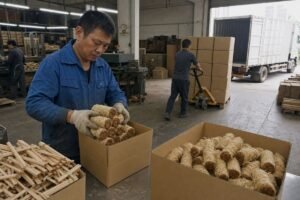
بادئات الحريق الخشبية خفيفة ولكنها ضخمة. لفائف الخشب المغطاة بالشمع لدينا تشحن بقيمة منخفضة مقابل نسبة حجم. يتم احتساب الشحن على مكعب البضائع، وليس الوزن. لذلك يمكن أن يمثل الشحن جزءًا كبيرًا من تكلفة وصولك. عندما يكون الشحن داخل سعر CIF، لا يمكنك معرفة ما إذا كان سعره عادلًا. عندما تحجز الشحن بنفسك بموجب FOB، يمكنك مقارنة أسعار LCL و FCL مباشرة والتفاوض.
زاوية تقييم الجمارك
هناك تأثير تكلفة واحد آخر يغفل عنه المشترون غالبًا. في العديد من البلدان، يتم احتساب رسوم الاستيراد على قيمة CIF، والتي تشمل الشحن والتأمين. سيحتاج وسيط الجمارك الخاص بك إلى تفصيل هذه الأرقام بأي حال. بموجب FOB، تعرف كل رقم بدقة. بموجب CIF، تعتمد على تفصيل البائع المعلن، والذي يمكن أن يعقد حسابات الرسوم إذا كانت الأوراق غامضة.
كيف تتغير نقطة انتقال المخاطر إذا تلفت شحنة مشعل النار الخشبي الخاصة بي أثناء النقل؟
هذا هو الجزء غير البديهي - والنقطة التي أصححها في معظم الأحيان في مكالمات المشترين. افترضت علامة تجارية بريطانية للتخييم ذات مرة أن شحنة CIF الخاصة بهم كانت مشكلة البائع عندما تعرضت حاوية للرطوبة في منتصف الرحلة. لم تكن كذلك.
نقطة انتقال المخاطر لا تتغير. بموجب كل من FOB و CIF، تنتقل المخاطر إلى المشتري في اللحظة التي يتم فيها تحميل بادئات إشعال النار الخشبية على متن السفينة في ميناء المنشأ. CIF تعني فقط أن البائع دفع تكاليف الشحن والتأمين؛ يتحمل المشتري مخاطر النقل البحري.

هذه هي النقطة الأكثر سوء فهمًا في نقاش FOB مقابل CIF 2. يسمع المشترون "البائع يدفع التأمين حتى الوصول" ويفترضون أن البائع يتحمل أيضًا المخاطر حتى الوصول. هم لا يفعلون. بموجب CIF، يشتري البائع التأمين لصالح المشتري. إذا تلفت البضائع في منتصف المحيط، يقدم المشتري المطالبة - وليس البائع.
جدول زمني بسيط للمخاطر
فكر في الرحلة في أربع مراحل:
- المصنع إلى ميناء المنشأ. مخاطر البائع بموجب كلا الشرطين.
- التحميل على السفينة. تنتقل المخاطر هنا - بموجب كل من FOB و CIF.
- عبور المحيط. مخاطر المشتري بموجب كلا الشرطين. بموجب CIF، تغطي وثيقة تأمين البائع مطالبة المشتري.
- ميناء الوجهة وما بعده. منطقة المشتري بالكامل بموجب كلا الشرطين.
لماذا هذا مهم لبادئات الحريق الخشبية على وجه التحديد
تجمع منتجاتنا بين ألياف الخشب و شمع البارافين 3. الصوف الخشبي حساس للرطوبة. إذا تعرضت حاوية للتعرق في مسار طويل وبطيء، يمكن لبادئات الحريق الخشبية امتصاص الرطوبة، أو نمو العفن، أو فقدان أداء الاشتعال. في مصنعنا، نتحكم في محتوى الرطوبة أثناء الإنتاج ونستخدم عبوات داخلية محكمة الإغلاق على وجه التحديد لأننا نعلم أن مرحلة المحيط هي نافذة مخاطر المشتري.
بموجب FOB، تختار الناقل. يمكنك دفع المزيد قليلاً مقابل خدمة أسرع وأكثر موثوقية وتقليص نافذة المخاطر هذه. بموجب CIF، يختار بعض البائعين أرخص وأبطأ مسار لحماية هامش الشحن الخاص بهم. تبقى بضائعك في البحر لفترة أطول، وتزداد تعرضك للمخاطر - بينما تعتمد حقوق المطالبة الخاصة بك على أي وثيقة تأمين دنيا اشتراها البائع.
أي مصطلح تجاري دولي يمنحني تحكمًا أفضل في التأمين على الشحن ووثائق الجمارك؟
عندما نشحن منتجات اللهب الملون وبادئات الحريق إلى أكثر من 30 دولة، تحدد جودة الوثائق ما إذا كانت الحاوية ستتجاوز الجمارك في أيام أو تبقى في ساحة ربط لأسابيع. تحدد جودة التأمين ما إذا كانت مطالبة الضرر ستدفع بالفعل.
يمنحك مصطلح FOB تحكمًا أفضل للمشتري في كليهما. أنت تختار مستوى التأمين الخاص بك بدلاً من قبول الحد الأدنى لتغطية CIF، وتعمل مباشرة مع وكيل الشحن الخاص بك بشأن مستندات الجمارك. يترك مصطلح CIF نطاق التأمين وخيارات التوجيه في أيدي البائع.

دعني أشرح كل مجال، لأن فجوة التحكم أكبر مما يتوقع معظم المشترين.
التأمين: الحد الأدنى للتغطية غالبًا لا يكفي
CIF تلزم البائع فقط بشراء الحد الأدنى من التأمين - عادةً الأضيق تغطية بند المعهد 4 بحوالي 110% من قيمة الفاتورة. بالنسبة لمشعلات الحطب، يمكن أن يكون هذا فجوة حقيقية. غالبًا ما يستبعد الغطاء الأدنى الأضرار الناجمة عن الرطوبة والعفن والخسائر الجزئية التي تمثل بالضبط المخاطر التي يواجهها منتج الخشب والشمع في رحلة مدتها خمسة أسابيع. إذا كانت شحنتك تحمل عبوات تحمل علامة تجارية خاصة - والتي يطلبها معظم مشتري OEM لدينا - فإن تكلفة الاستبدال تشمل إعادة طباعة الصناديق والرموز الشريطية وملصقات التحذير، وليس فقط المنتج نفسه.
| عامل التأمين | FOB (يرتب المشتري) | CIF (يرتب البائع) |
|---|---|---|
| نطاق التغطية | يختار المشتري (ممكن "جميع المخاطر" الشاملة) | الحد الأدنى لتغطية البند ما لم يتم التفاوض عليه |
| القيمة المؤمن عليها | يحددها المشتري، يمكن أن تشمل تكاليف العلامة التجارية | عادةً 110% من الفاتورة فقط |
| عملية المطالبات | شركة التأمين الخاصة بالمشتري، لغته الخاصة | شركة تأمين البائع، تأخيرات محتملة |
| رؤية شروط السياسة | كامل | غالبًا ما تكون محدودة حتى بعد الحجز |
الوثائق: حيث تحدث التأخيرات فعليًا
تسافر مشعلات الحطب المصنوعة من ألياف الخشب مع المزيد من الأوراق مقارنة بالسلع الاستهلاكية العادية. اعتمادًا على الوجهة، قد تحتاج إلى إعلانات التركيب،, تقارير اختبار السلامة 5, ، و شهادة المعالجة الحرارية ISPM-15 6 للبالتات الخشبية. في تجربتنا في التصدير إلى الولايات المتحدة والاتحاد الأوروبي، يلتقط المشترون الذين يتحكمون في وكيل الشحن الخاص بهم بموجب FOB فجوات الوثائق قبل مغادرة السفينة. بموجب CIF، قد يجمع وكيل شحن البائع كل شيء مع رؤية قليلة للمشتري - وغير مكتمل شهادة البالتة يمكن أن تحتجز حاويتك في الجمارك. يقدم فريقنا تقارير اختبار SGS و Intertek 7 مع كل شحنة على أي حال، ولكن بموجب FOB، يتحقق وسيطك من الحزمة الكاملة مبكرًا.
هل يجب أن أختار FOB أو CIF عند استيراد مشعلات الخشب لأول مرة؟
سألنا مشترٍ لأول مرة من هولندا هذا السؤال بالضبط العام الماضي لطلب تجريبي لمشعلات الحطب المعبأة في صناديق البيع بالتجزئة المكونة من 100 قطعة. كانت إجابتي الصادقة هي CIF - لهذا الطلب المحدد. بعد ستة أشهر، نقلناه إلى FOB. كلا الإجابتين كانتا صحيحتين.
يجب على المستوردين لأول مرة الذين لديهم طلبات تجريبية صغيرة البدء عادةً بـ CIF للبساطة، ثم التحول إلى FOB بمجرد نمو الأحجام. يكافئ FOB المشترين الذين يشحنون بانتظام، ويتفاوضون مباشرة على الشحن، ويريدون شفافية كاملة في تكلفة الوصول؛ يكافئ CIF المشترين الذين يفتقرون إلى علاقات مع وكلاء الشحن.

الإجابة الصحيحة تعتمد على وضعك، وليس على أي مصطلح أفضل نظريًا. إليك إطار القرار الذي نمر به بالمشترين:
| وضعك | المصطلح الموصى به | لماذا |
|---|---|---|
| أول طلب تجريبي، حجم صغير | سيرتيفيكات الاستيراد والتصدير | لا حاجة لوكيل شحن؛ البائع يتعامل مع الحجز |
| لا يوجد وكيل شحن حالي | CIF (فترة قصيرة) | يتجنب عبء الإعداد أثناء اختبار المنتج |
| الطلبات المتكررة، حجم متزايد | فوب | التفاوض المباشر على الأسعار يتفوق على العلامات المضمنة |
| حمولات الحاويات الكاملة (FCL) | فوب | عقود الشحن الخاصة بك ستفوز دائمًا تقريبًا |
| سلع خاصة ذات علامة تجارية عالية القيمة | فوب | أنت تتحكم في نطاق التأمين وقيمة المطالبة |
| سلع حساسة للرطوبة على طرق طويلة | فوب | أنت تختار شركات نقل أسرع وأكثر موثوقية |
أسئلة لطرحها قبل قبول أي عرض CIF
إذا بدأت بـ CIF، فاحمِ نفسك بثلاثة أسئلة. أولاً، اطلب فصل مبالغ الشحن والتأمين بشكل منفصل، حتى تتمكن من مقارنتها. ثانيًا، اسأل عن بند التأمين المطبق وما إذا كان يغطي أضرار الرطوبة والعفن. ثالثًا، اسأل عن شركة النقل ووقت العبور التي ينوي البائع حجزها، حتى لا تتفاجأ بتوجيه بطيء.
نقطة التحول
في تجربتنا، يصبح التحول إلى FOB منطقيًا بمجرد طلب حاويتين أو أكثر سنويًا، أو بمجرد التوقيع مع وكيل شحن لخطوط منتجات أخرى. عند هذه النقطة، تتوقف راحة التنسيق في CIF عن كونها تستحق الشفافية المفقودة. نحن ندعم كلا المصطلحين في مصنعنا، ونقول للمشترين بوضوح: مهمتنا هي جودة المنتج المتسقة والوثائق المتوافقة على أي حال - يجب أن يخدم مصطلح التجارة الدولية نضج الخدمات اللوجستية لديك، وليس لدينا.
خاتمة
تتقاسم FOB و CIF التكاليف بشكل مختلف، ولكن المخاطر تنتقل عند التحميل بموجب كليهما. ابدأ بـ CIF إذا كنت جديدًا؛ انتقل إلى FOB مع نمو الحجم وحماية هامشك.
ملاحظات ختامية
يوضح قواعد Incoterms الرسمية التي تحدد التزامات التأمين بموجب شروط CIF و FOB. ↩︎
تنشر ICC قواعد Incoterms الرسمية التي تحدد مصطلحات التجارة FOB و CIF. ↩︎
خلفية عن شمع البارافين، وهي مادة رئيسية تؤثر على الحساسية للرطوبة التي تمت مناقشتها هنا. ↩︎
خلفية عن بنود التأمين البحري القياسية المشار إليها في تغطية CIF الدنيا. ↩︎
تضع ISO المعايير الدولية وراء اختبار سلامة المنتج المشار إليه. ↩︎
يشرح المعيار الدولي الذي يتطلب المعالجة الحرارية للتعبئة الخشبية. ↩︎
يوجه القراء إلى خدمات الفحص والشهادات الرسمية لـ SGS المذكورة في المقال. ↩︎


 English
  Spanish
  German
  French
  Arabic
  Portuguese
انضم إلى المحادثة