






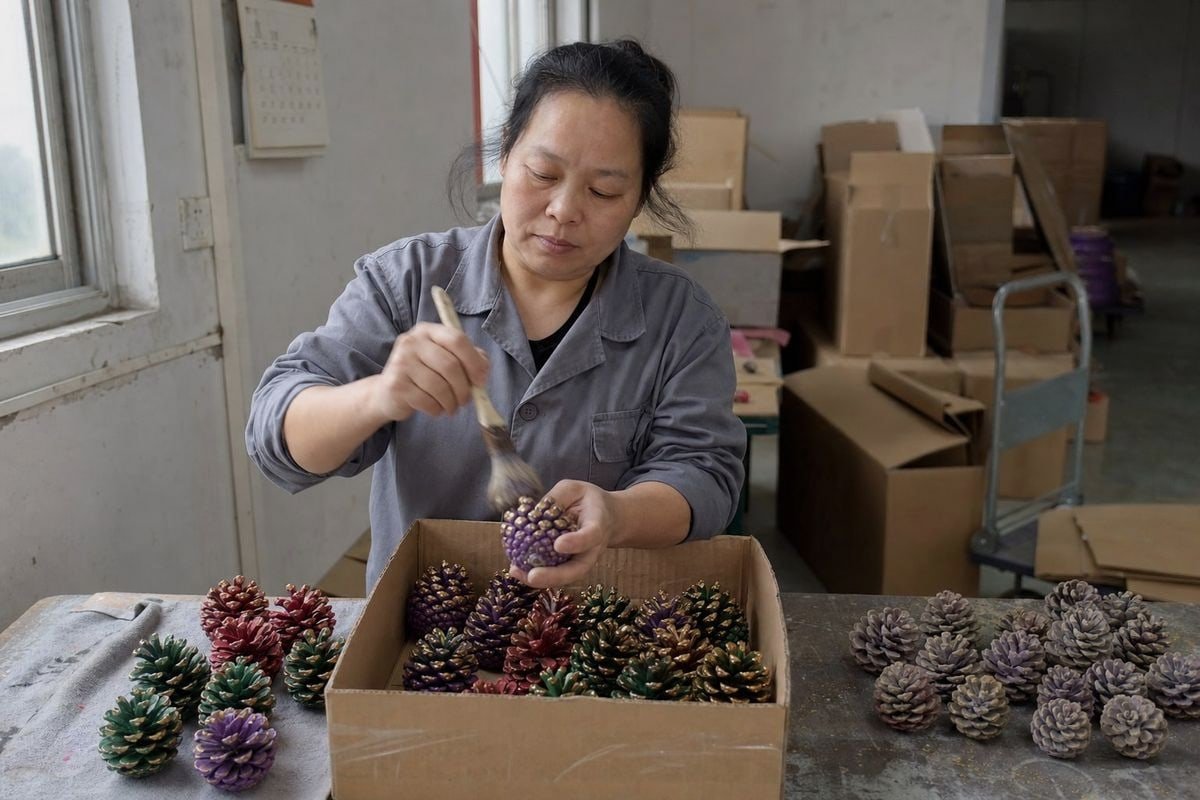
مخاريط الصنوبر الزخرفية المغبرة تتراكم في صناديق التخزين كل عام شجرة التنوب السيبيري 1. في خط إنتاج مخاريط الصنوبر الملونة باللهب، أرى كيف يدمر الغبار العرض التقديمي بسرعة... وكيف يمكن إصلاحه بسهولة.
نعم، يمكن عادةً تنظيف مخاريط الصنوبر المزخرفة المغبرة وإعادة استخدامها. قم بفرك الغبار السائب، وانقعها في محلول خل أبيض، واشطفها، وجففها بالكامل - ويفضل أن يكون ذلك في فرن منخفض الحرارة. تخلص فقط من المخاريط المتعفنة أو اللينة أو المتفتتة أو المتعفنة.
الفرق بين "المغبر" و"التالف" يحدد كل شيء. أدناه، سأستعرض طرق التنظيف، واستعادة التخزين لمخاريط الصنوبر الملونة باللهب، والتحضير قبل إعادة البيع، وما إذا كان التنظيف يؤثر على أداء الاحتراق.
كيف أنظف مخاريط الصنوبر المزخرفة المغبرة دون إتلاف مظهرها؟
دفعة من المخاريط العينة المرسومة يدويًا بقيت في صالة العرض لدينا لمدة ثمانية أشهر. بدت مدمرة. عشرون دقيقة من التنظيف الدقيق أعادتها إلى حالة الرف.
نظف أكواز الصنوبر الزخرفية المغبرة بالطرق الجافة أولاً: فرشاة طلاء ناعمة، فرشاة أسنان قديمة، أو هواء مضغوط. بالنسبة للأكواز المطلية أو المطلية بالورنيش، تجنب النقع. يجب أن تحصل الأكواز الطبيعية غير المكتملة فقط على نقع بالخل متبوعًا بتجفيف كامل في الفرن.
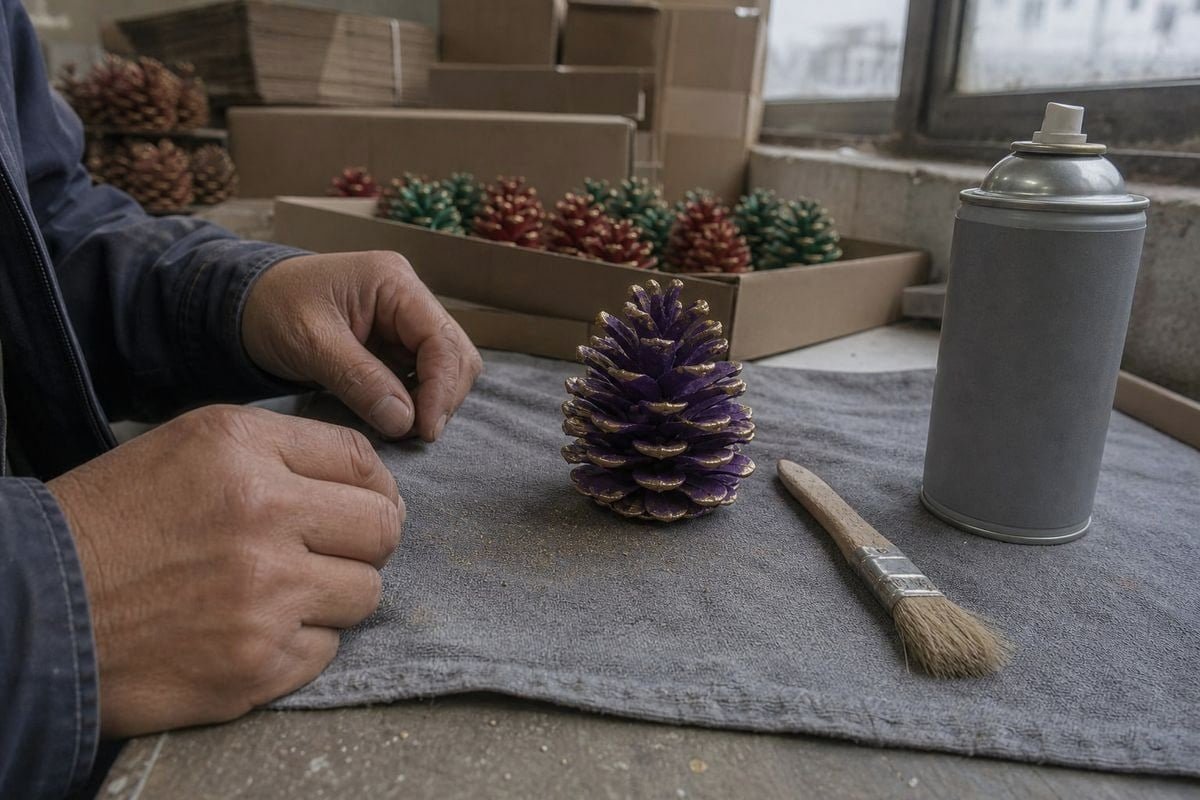
التشطيب يحدد الطريقة. هذه هي القاعدة الأكثر أهمية التي يمكنني تقديمها لك. مخاريطنا الزخرفية مرسومة يدويًا بأطراف ذهبية معدنية ولمعان ورنيش لامع. غمرها في الماء يخاطر برفع الطلاء، وتعتيم اللمعان، وتورم قشور الخشب تحتها. لذلك نفصل دائمًا المخاريط إلى مجموعتين قبل التنظيف: مشطوبة وغير مشطوبة.
التنظيف الجاف للمخاريط المطلية والمشطوبة
ابدأ في الخارج. انقر برفق على كل مخروط براحة يدك لإزالة الغبار المتراكم. ثم استخدم فرشاة ذات شعيرات ناعمة أو فرشاة مكياج بين القشور، متبعًا النمط الحلزوني من الطرف إلى القاعدة. بالنسبة للشروخ الضيقة بالقرب من القلب، فإن علبة من الهواء المضغوط 2 - النوع المستخدم للإلكترونيات - ينفخ الغبار دون إضافة أي رطوبة. هذا مهم لأن الرطوبة تجعل قشور المخروط تنغلق، وعلى المخروط المطلي تريد صفر حركة.
التنظيف الرطب للمخاريط الطبيعية غير المطلية
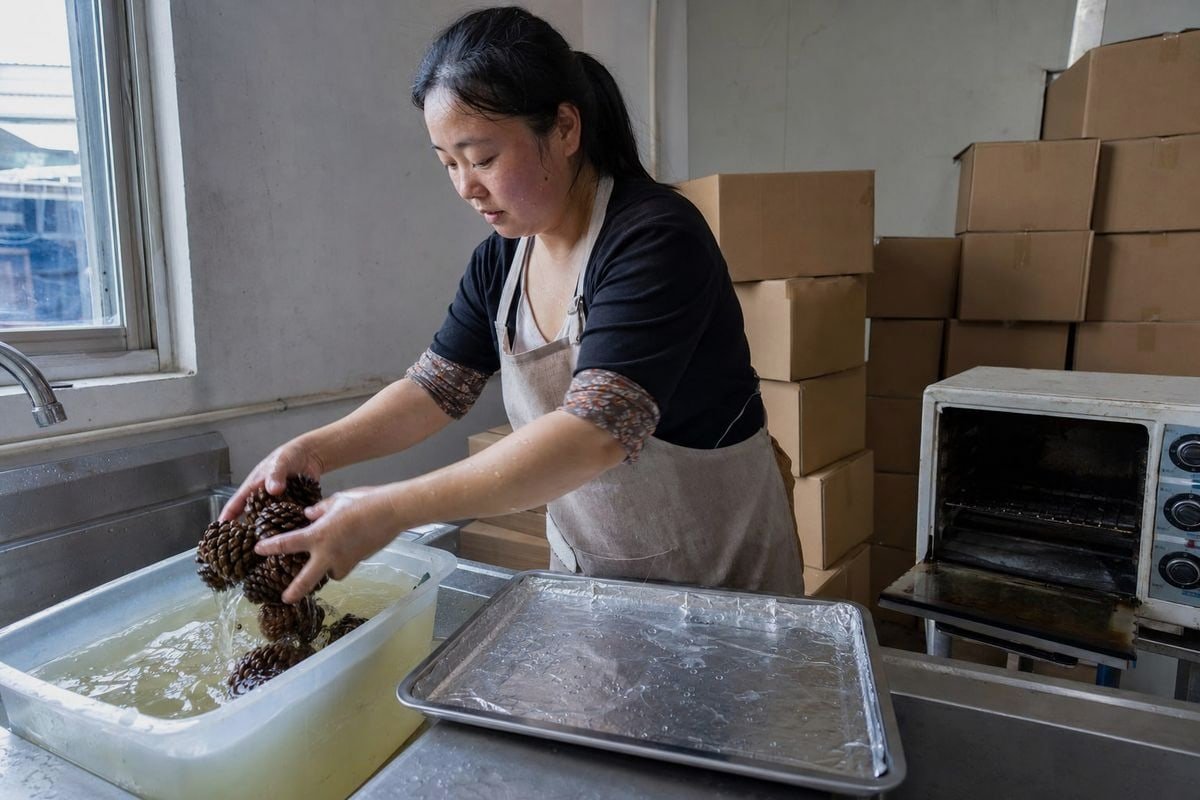
تتحمل المخاريط غير المشطوبة الماء جيدًا. إليك سير العمل الذي نوصي به للمشترين الذين يقومون بتجديد المخزون الطبيعي:
| خطوة | طريقة | وقت | الغرض |
|---|---|---|---|
| 1 | فرشاة جافة في الخارج | 2-3 دقائق لكل مخروط | إزالة الغبار والحطام المتراكم |
| 2 | نقع محلول الخل الأبيض (1:2 خل إلى ماء) | 20-30 دقيقة | قتل الحشرات المخفية، رفع الأوساخ |
| 3 | الشطف بالماء النظيف | 1-2 دقيقة | إزالة بقايا الخل والرائحة |
| 4 | التجفيف بالمنشفة، ثم الفرن على درجة حرارة 200 فهرنهايت (93 درجة مئوية) | 30-90 دقيقة | التجفيف الكامل، إعادة فتح القشور، مكافحة الآفات |
بضع قطرات من سائل غسيل الأطباق المزيل للشحوم في حمام النقع تساعد على تكسير الأفلام البيئية اللزجة. اشطف دائمًا جيدًا بعد ذلك. قم بتبطين صينية الخبز بورق الألمنيوم لالتقاط الراتنج المتساقط - إزالة راتنج الصنوبر أسهل بكثير على ورق الألمنيوم منه على أدوات الطبخ العارية.
بعد التنظيف، رذاذ خفيف من مانع تسرب أكريليك شفاف 3 يخلق حاجزًا مقاومًا للغبار ويمنع القشور من أن تصبح هشة. نطبق طبقة واقية مماثلة على خطوطنا الزخرفية لهذا السبب بالضبط.
هل يمكنني إعادة استخدام مخاريط الصنوبر الملونة باللهب بعد تخزينها؟
يسألنا المشترون هذا كل خريف. أرسل لنا موزع في ألمانيا ذات مرة صورًا لمخزون منصات تم تخزينه لموسمين، قلقًا من أن الشحنة بأكملها كانت خسارة. لم تكن كذلك.
نعم، تظل أكواز الصنوبر الملونة باللهب والمخزنة في مكان جاف قابلة للاستخدام بالكامل لسنوات. المعالجة المعدنية لا تنتهي صلاحيتها. ببساطة قم بتنظيفها بفرشاة جافة واشعلها كالمعتاد. لا تغسلها أو تنقعها أبدًا - فالماء يزيل المركبات الملونة.
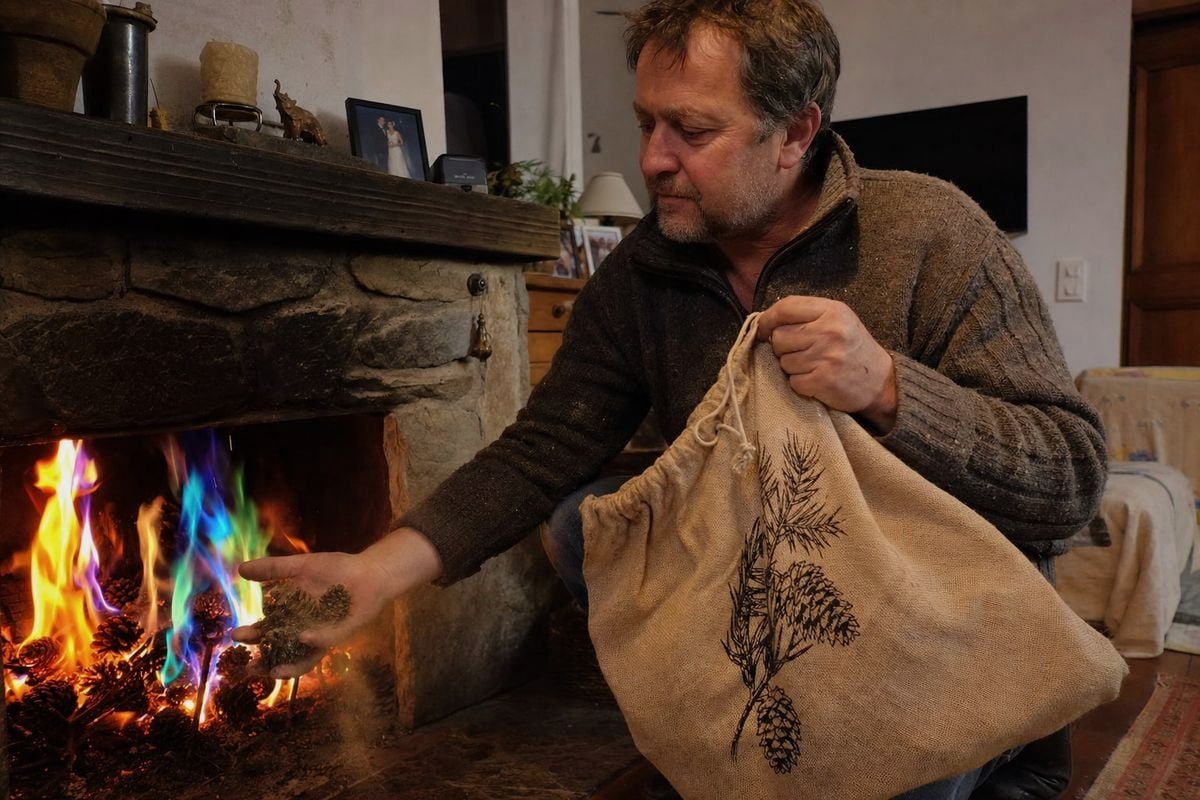
مخاريط الصنوبر الملونة باللهب هي منتج مختلف عن المخاريط الزخرفية، وقواعد إعادة الاستخدام تنقلب تمامًا. مخاريط Magic Fire الخاصة بنا هي مخاريط طبيعية معالجة بأملاح معدنية صديقة للبيئة تنتج ألسنة لهب حمراء وخضراء وزرقاء وبنفسجية في المدفأة أو حفرة النار. هذه المركبات قابلة للذوبان في الماء. هذا هو الهدف كله - والمخاطرة كلها.
لماذا الماء هو العدو هنا
إذا قمت بنقع مخروط صنوبر ملون باللهب، فإن المعالجة تذوب وتغسل. سيظل المخروط يحترق، لكن تأثير قوس قزح سيكون ضعيفًا أو مفقودًا. لذلك فإن نصيحة نقع الخل التي تقرأها للمخاريط الحرفية لا تنطبق. الغبار على مخروط الصنوبر الملون باللهب هو مجرد تجميلي. يحترق في الثواني الأولى من الاشتعال وليس له أي تأثير على لون اللهب.
قائمة التحقق الحقيقية للتخزين
ما يؤدي فعليًا إلى تدهور مخاريط الصنوبر الملونة باللهب المخزنة هو الرطوبة، وليس الوقت. إليك كيف نقيم المخزون المرتجع أو القديم في مصنعنا في نينغبو:
| الحالة بعد التخزين | قابل لإعادة الاستخدام؟ | الإجراء |
|---|---|---|
| مغبر ولكن جاف وصلب | نعم | فرشاة جافة، احرق كالمعتاد |
| رطب قليلاً، لا يوجد عفن | نعم | تجفيف بالهواء في غرفة دافئة لمدة 48 ساعة أولاً |
| تكون الملح الأبيض على القشور | نعم | طبيعي - هذا هو العلاج، وليس العفن |
| عفن زغبي أو رائحة عفنة | لا | تخلص منه؛ لا تحرق المواد المتعفنة في الداخل |
| هيكل ناعم ومتفتت | لا | تجاهل |
نصيحة مفيدة واحدة: مادة بلورية بيضاء على القشور غالباً ما تنذر العملاء. إنها عادةً المعالجة المعدنية 4 تنتقل إلى السطح - علامة على أن المخروط محمل بالملون، وليس علامة على التلف. العفن يبدو زغبيًا وله رائحة عفنة؛ يتكون الملح من بلورات وله رائحة لا شيء.
قم بتخزين المخاريط في حاوية محكمة الغلق ومقاومة للرطوبة. تستخدم عبوات البيع بالتجزئة الخاصة بنا أكياسًا قابلة لإعادة الإغلاق لهذا الغرض بالضبط - تحافظ الحقيبة المغلقة بشكل صحيح على أداء المنتج موسمًا بعد موسم.
ما هي أفضل طريقة لإزالة الغبار والحطام قبل إعادة بيع منتجات مخروط الصنوبر؟
هناك مفاضلة أزنها باستمرار عند تقديم المشورة للموزعين: سرعة التجديد مقابل جودة التشطيب. يؤدي تقليل مرحلة التجفيف إلى توفير يوم ولكنه يخاطر بشكاوى العفن - وهي مشكلة أكثر تكلفة بكثير.
لإعادة البيع، قم بتنظيف كل مخروط بالفرشاة والهواء المضغوط، وجفف المخاريط الطبيعية في الفرن على درجة حرارة 200 فهرنهايت لمدة 45-90 دقيقة للقضاء على الآفات، ثم قم بختم المخاريط الزخرفية برذاذ أكريليك شفاف. أعد تغليفها في أكياس بيع بالتجزئة جديدة ومختومة قبل عرضها على الرفوف.
إعادة البيع ترفع المستوى. يمكن للهواة تحمل مخروط متسخ قليلاً؛ لا يستطيع مشتري التجزئة ذلك. في أكثر من 17 عامًا من تصدير منتجات الحريق إلى أكثر من 30 دولة، فإن الشكاوى الأكثر إيلامًا لا تتعلق أبدًا بالغبار - بل تتعلق بما يخفيه الغبار: حشرات، يرقات، وعفن. تطهير الديكور الطبيعي قبل إعادة البيع هو عملية صحية، وليست عملية تجميلية.
عملية تجديد بدرجة إعادة البيع
- فرز بلا رحمة. اسحب أي شيء ناعم أو متعفن أو متصدع أو به قشور مفقودة. تتفق المصادر على هذه النقطة: لا يمكن إنقاذ المخاريط المتحللة، ومخروط واحد سيء في كيس البيع بالتجزئة يلوث ثقة المشتري في الدفعة بأكملها.
- تنظيف جاف. قم بفرش كل مخروط، ثم استخدم الهواء المضغوط على الشقوق بالقرب من اللب.
- تحييد الآفات. لديك خياران، ويعتمد الخيار الصحيح على نوع المنتج:
| طريقة | كيف | الأفضل لـ | تجنب لـ |
|---|---|---|---|
| طريقة التجفيف بالفرن 5 | 200 درجة فهرنهايت (93 درجة مئوية)، 45-90 دقيقة، صينية مبطنة بورق الألمنيوم | المخاريط الطبيعية والحرفية؛ كما تذيب الصمغ إلى طبقة لامعة | المخاريط المطلية (قد تلين الطلاء)، مخاريط اللهب الملون بكميات كبيرة |
| طريقة التجميد | كيس تجميد محكم، 48 ساعة | مخاريط اللهب الملون، المخاريط المطلية، أي شيء حساس للحرارة | لا شيء - إنها ألطف خيار، فقط أبطأ |
- ختم وحماية. طبقة خفيفة من مانع التسرب الأكريليكي الشفاف على المخاريط الزخرفية تطرد الغبار المستقبلي وتثبت القشور الهشة. تخطى هذا على منتجات اللهب الملون - لا ينبغي أن يغطي أي شيء السطح المعالج.
- إعادة التعبئة. تشير العبوة المغلقة الطازجة إلى منتج طازج. نوفر للمشترين أكياسًا ذات علامة تجارية خاصة، وصناديق مخصصة، وملصقات تحذير، ورموز شريطية حتى تصل المخزونات المجددة أو الجديدة جاهزة للعرض. بالنسبة لأسواق مثل الولايات المتحدة والاتحاد الأوروبي، فإن وضع العلامات المتوافقة ليس اختياريًا - يتم شحن منتجاتنا الخاصة مع علامة CE وتقارير اختبار SGS/Intertek لأن قنوات مصادر البيع بالتجزئة تتطلب وثائق، وليس وعودًا.
زاوية أخرى تستحق الذكر: يقوم بعض البائعين بنقع المخاريط الطبيعية عمدًا في محلول مبيض مخفف لمدة 24 ساعة لإنشاء مخاريط صنوبر مبيضة 6 بمظهر متأثر بالعوامل الجوية ومبيض بالشمس لخطوط الديكور الحديثة. هذا اختيار أسلوب، وليس ضرورة تنظيف - ولا ينبغي أن يلامس مخزون اللهب الملون أبدًا.
هل يؤثر التنظيف على جودة الاحتراق أو أداء اللهب الملون للصنوبر؟
في وقت مبكر من تطوير خط Magic Fire الخاص بنا، أجرينا اختبارات احتراق على مخاريط تم تنظيفها بخمس طرق مختلفة. أعادت النتائج تشكيل تعليمات العناية التي نطبعها الآن على كل كيس.
التنظيف الجاف ليس له تأثير على جودة الاحتراق أو أداء اللهب الملون. التنظيف الرطب يفعل ذلك: يذيب الماء المعالجة المعدنية ويضعف اللهب الملون، ويحترق المخروط الرطب بشكل سيء مع دخان زائد. نظف أكواز اللهب الملونة الجافة، واشعلها فقط عندما تكون جافة تمامًا.
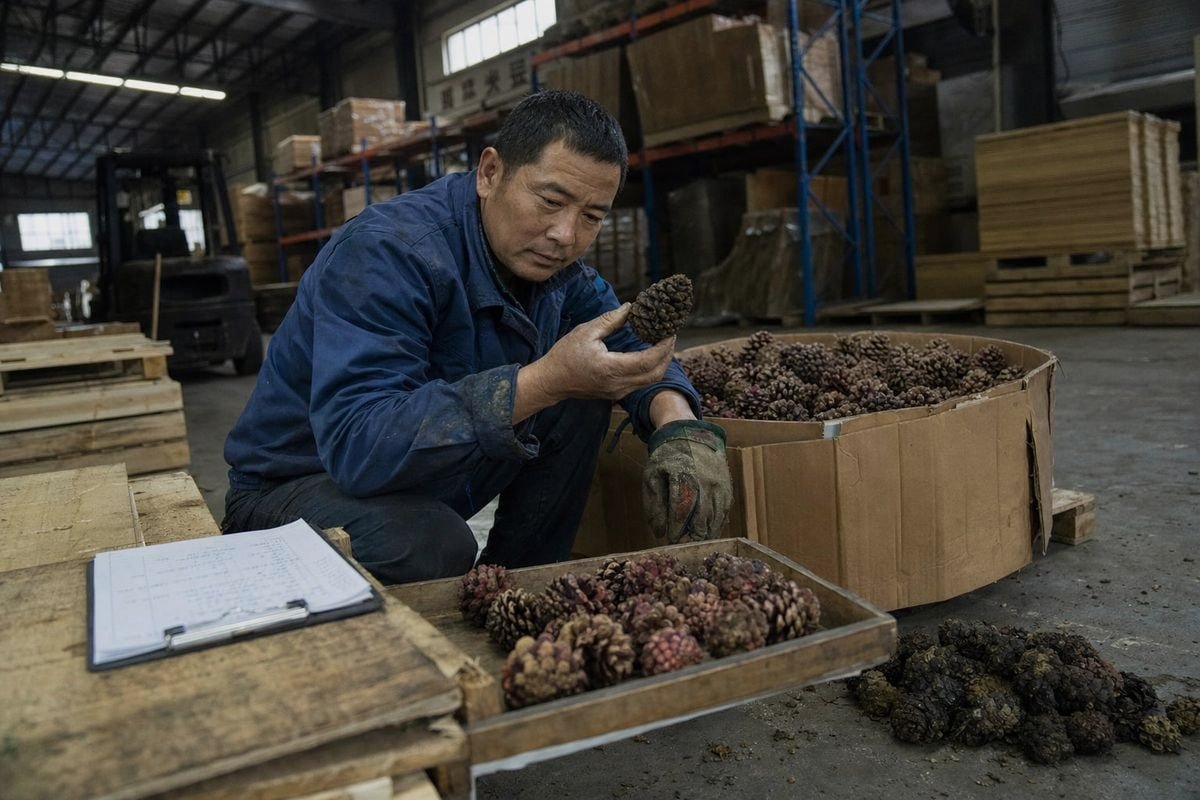
يعتمد سلوك الاحتراق على متغيرين: محتوى الرطوبة وسلامة المعالجة. دعني أشرح كليهما، لأنهما يفسران كل بريد إلكتروني "توقفت مخاريطي عن العمل" الذي تلقيناه على الإطلاق.
محتوى الرطوبة
يشتعل مخروط الصنوبر الجاف بسرعة، ويفتح لهبه بسرعة، ويحترق نظيفًا. مخروط رطب يدخن، ويدخن، ويمكن أن يصفر في النار. إذا كنت قد غسلت المخاريط الطبيعية لاستخدامها كوقود، فإن طريقة التجفيف بالفرن تحل هذه المشكلة - 200 درجة فهرنهايت حتى تفتح القشور بالكامل. القشور المفتوحة هي تأكيدك البصري على أن الرطوبة الداخلية قد زالت. ومن المثير للاهتمام، أن نفس الحرارة المنخفضة تذيب الصمغ المتبقي إلى طبقة لامعة طبيعية، مما يحسن الاشتعال قليلاً لأن راتنج الصنوبر قابل للاشتعال بحد ذاته.
سلامة المعالجة
بالنسبة لمخاريط الصنوبر الملونة، يجب أن تبقى الأملاح المعدنية على المخروط وفي داخله. تقيس إجراءات مراقبة الجودة لدينا من دفعة إلى أخرى تحميل المعالجة بدقة، لأن كثافة اللون ومدة الاحتراق تعتمد عليها. أي عملية تزيل الأملاح - النقع، الشطف، الفرك بقطعة قماش مبللة، حتى الرطوبة العالية المطولة - تقلل من التأثير. الفرشاة الجافة وطريقة التجميد تترك المعالجة سليمة تمامًا.
ماذا عن المخاريط المعطرة أو المطلية؟
يحول بعض الحرفيين المخاريط النظيفة إلى موزعات هواء سلبية مع نقع الزيت العطري 7 — 5-10 قطرات من زيت التنوب السيبيري أو زيت القرفة على القشور المسامية. جميلة كحشو للوعاء أو كزينة عيد الميلاد المصنوعة يدويًا. ولكن لا تخلط الاستخدامات أبدًا: الأقماع المزيتة أو المختومة أو المزينة بالبريق أو المطلية بالأكريليك يجب أن تظل زخرفية ولا تدخل النار أبدًا، لأن الطلاءات يمكن أن تنتج دخانًا غير متوقع. احتفظ بالمخزون الزخرفي والمخزون القابل للاحتراق منفصلين تمامًا. في خطوط الإنتاج لدينا، لا يشاركون حتى غرفة التعبئة.
خاتمة
نادرًا ما تحتاج المخاريط الصنوبرية الزخرفية المغبرة إلى استبدال. قم بفرش المخاريط الطبيعية، ونقعها، وتجفيفها تمامًا، واحتفظ بالمخاريط ذات اللهب الملون جافة تمامًا - ثم أعد استخدامها بثقة، موسمًا بعد موسم.
ملاحظات ختامية
مدخل ويكيبيديا موثوق يقدم معلومات نباتية مفصلة عن نوع التنوب السيبيري (Abies sibirica). ↩︎
مدخل موسوعة لمزيلات الغبار الغازية، المعروفة باسم الهواء المضغوط، المستخدمة لتنظيف المعدات الحساسة. ↩︎
صفحة ويكيبيديا تصف المواد المانعة للتسرب، بما في ذلك أنواع الأكريليك المستخدمة لإنشاء حواجز واقية على المواد المسامية. ↩︎
مدخل ويكيبيديا يشرح التعريف الكيميائي وخصائص الأملاح، بما في ذلك تلك المستخدمة في المعالجات الصناعية. ↩︎
ورقة بحثية من خدمة الغابات التابعة لوزارة الزراعة الأمريكية تناقش أهمية محتوى الرطوبة وطرق التجفيف لمنتجات الأخشاب. ↩︎
مقالة ويكيبيديا موثوقة تشرح عملية التبييض الكيميائي المستخدمة للأخشاب والعناصر الزخرفية. ↩︎
مورد صحي حكومي يقدم معلومات علمية حول استخلاص وخصائص الزيوت العطرية. ↩︎
 English
  Spanish
  German
  French
  Arabic
  Portuguese
انضم إلى المحادثة