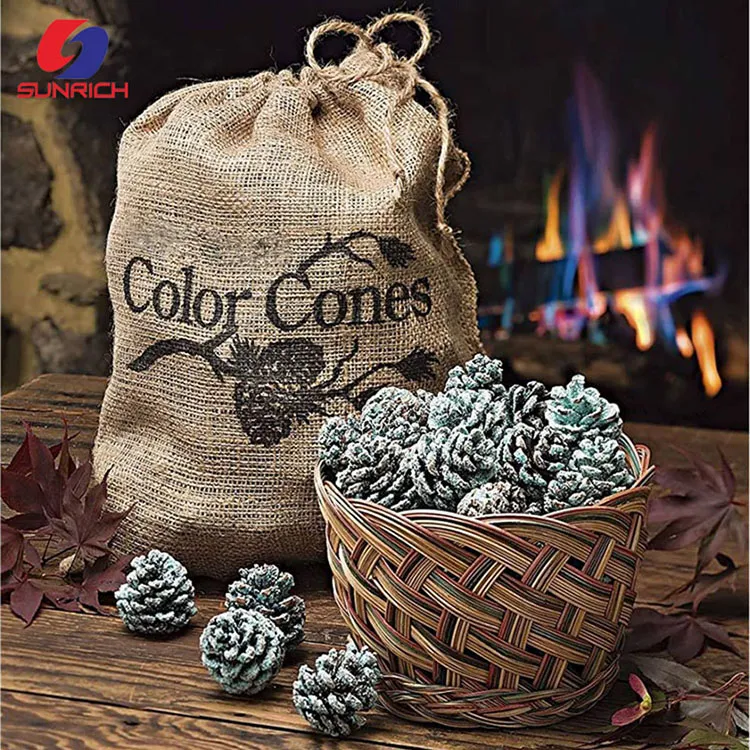

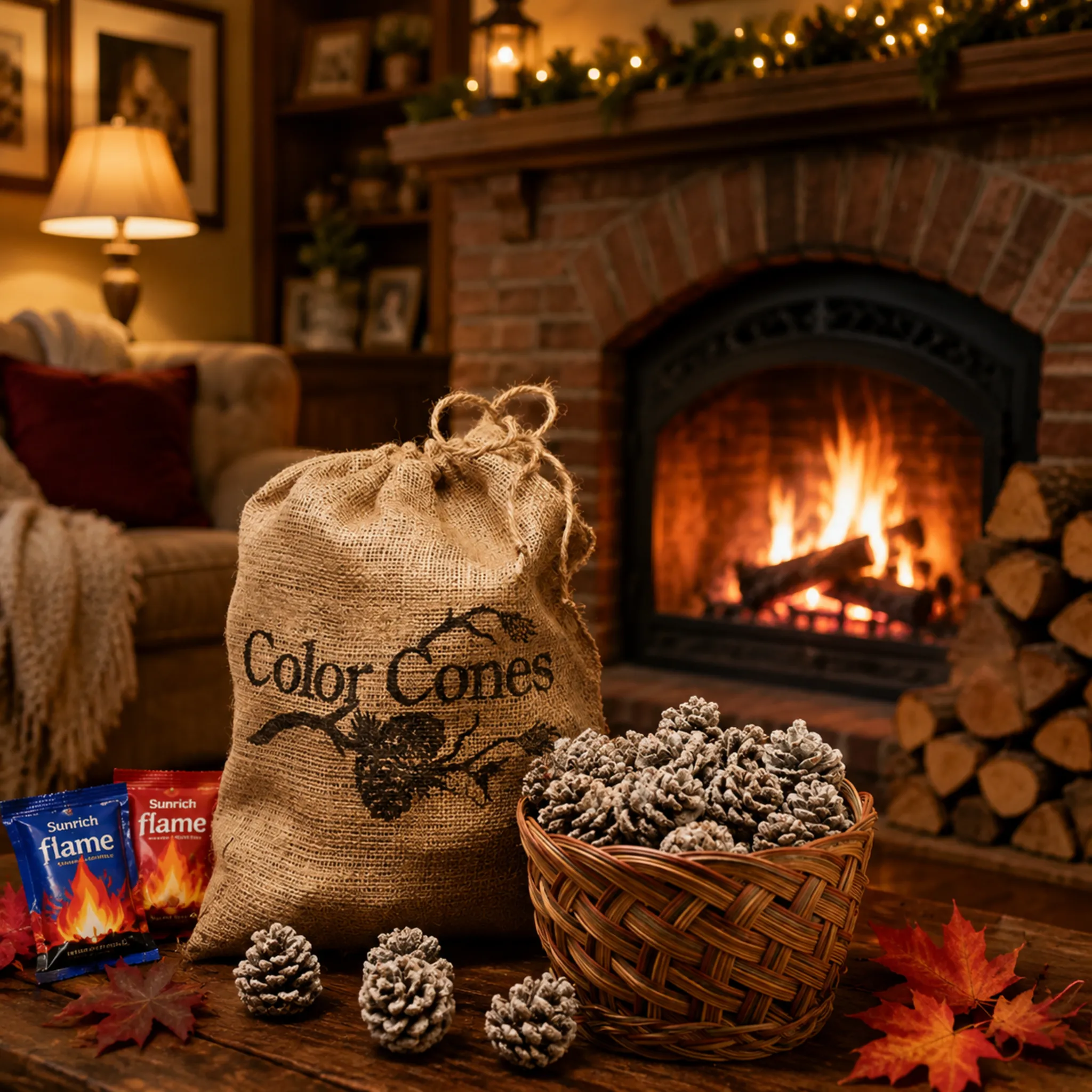

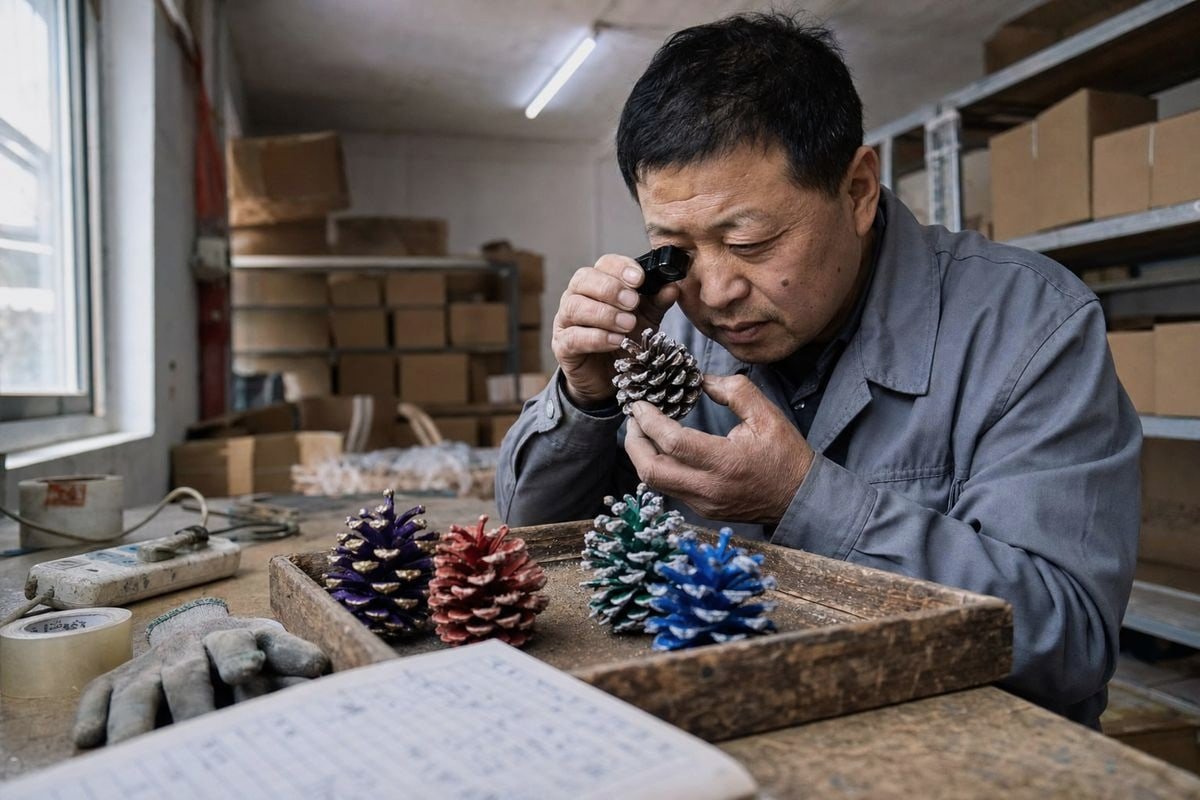
في كل موسم شحن، يتلقى فريق الجودة لدينا نفس البريد الإلكتروني القلق من المشترين: "هناك مسحوق أبيض على مخاريط الصنوبر الملونة - هل هذا عفن، وهل يجب أن أرفض الشحنة؟"
مسحوق أبيض على مخاريط الصنوبر الملونة هو عادة راتنج صنوبر غير ضار، أو تزهير كيميائي من أملاح معدنية، أو طبقة شمعية - وليس عفنًا خطيرًا. يظهر العفن الحقيقي زغبيًا ورطبًا وعفنًا. الملمس وتاريخ التخزين ومستويات الرطوبة هي العوامل الحاسمة، وليس اللون وحده.
يوضح هذا الدليل بالضبط ما الذي يسبب البقايا البيضاء، وكيف تميزها عن العفن الحقيقي، وما هي المعايير التي يجب أن تطلبها من موردك لمنع مشاكل الرطوبة قبل وصولها إلى مستودعك.
ما الذي يسبب المسحوق الأبيض أو الزهرة التي أراها على مخاريط الصنوبر الملونة باللهب؟
أحد الدروس التي تعلمناها في وقت مبكر من فترة إنتاجنا التي استمرت 17 عامًا هو أن البقايا البيضاء على مخاريط الصنوبر الملونة بالنار تربك حتى المشترين ذوي الخبرة، لأن العديد من المواد المختلفة تمامًا يمكن أن تبدو متطابقة للوهلة الأولى.
المسحوق الأبيض على مخاريط الصنوبر الملونة هو في الغالب تزهير كيميائي - أملاح معدنية مثل البوراكس أو كبريتات النحاس التي تتبلور على السطح بسبب تغيرات الرطوبة - أو تبلور طبيعي للعصارة من راتنج الصنوبر الخاص بالمخروط الذي يجف بعد المعالجة. كلاهما غير ضار وغير سام.
لماذا تكون المخاريط الملونة باللهب عرضة بشكل خاص للبقايا البيضاء
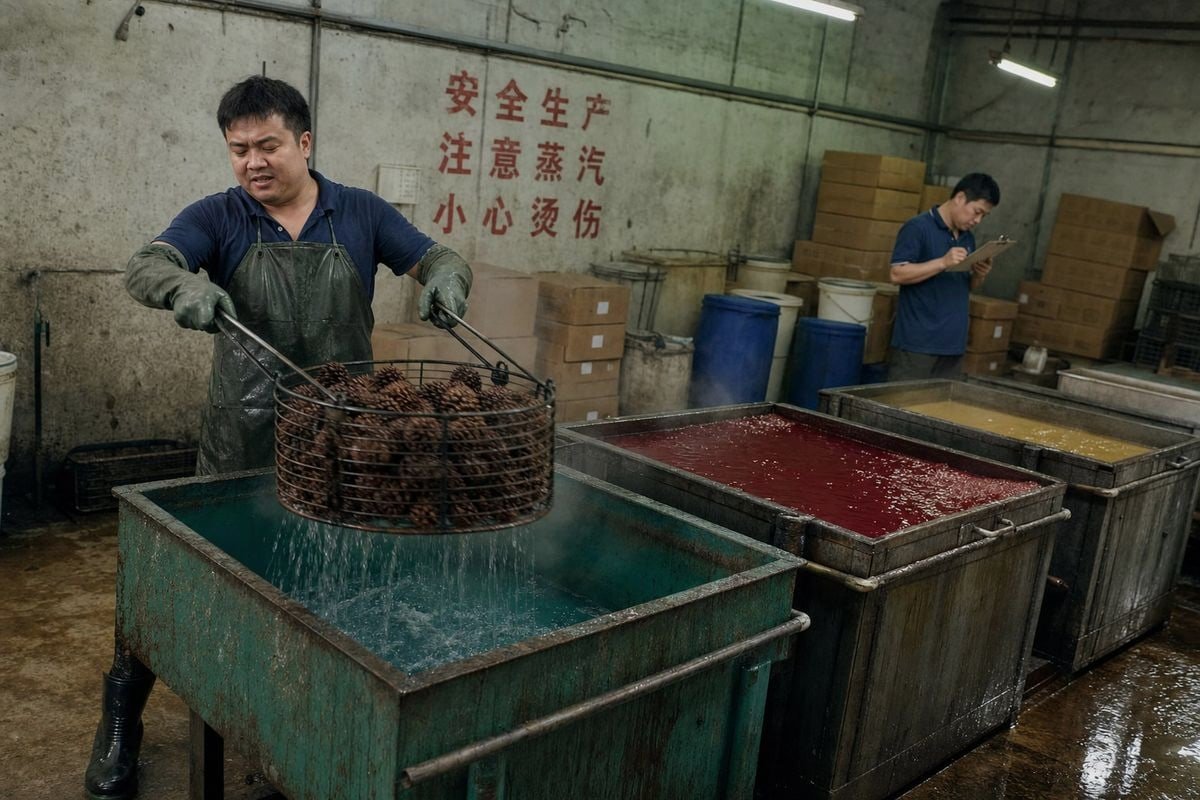
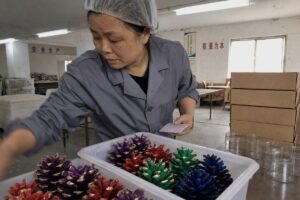
تجلس مخاريط الصنوبر الزخرفية القياسية على الرف وتبقى مستقرة. مخاريط اللهب الملونة مختلفة. أثناء الإنتاج، ننقع المخاريط الخام في محاليل أملاح معدنية -كبريتات النحاس 1 لكلوريد الليثيوم للنار الزرقاء والخضراء، وبورق الصودا للنار الصفراء والخضراء. تمتص هذه الأملاح في القشور وألياف الخشب.
عندما ترتفع الرطوبة ولو قليلاً أثناء النقل أو التخزين طويل الأمد، تسحب الرطوبة الأملاح المذابة مرة أخرى نحو السطح. عندما يجف المخروط مرة أخرى، تعيد الأملاح التبلور إلى مسحوق أبيض ناعم أو أزرق باهت. تسمى هذه العملية التزهير، وهي السبب الأكثر شيوعًا للبياض على المنتجات الملونة باللهب. لا يؤثر ذلك على أداء الاحتراق أو السلامة.
أسباب شائعة أخرى
إلى جانب التزهير، يمكن للعديد من المواد الأخرى أن تخلق مظهرًا أبيض على أسطح مخاريط الصنوبر.
| السبب | المظهر | ملمس | الموقع على المخروط |
|---|---|---|---|
| التزهير الكيميائي 2 (أملاح معدنية) | مسحوق أبيض أو أزرق باهت | جاف، طباشيري، يمسح | موحد عبر القشور |
| تبلور النسغ (راتنج الصنوبر) | قشرة كهرمانية بيضاء لامعة | صلب، هش، لزج قليلاً عند الدفء | بالقرب من المناطق المتضررة أو القواعد المقطوعة |
| بياض شمعي (طلاء طبيعي) | طبقة رقيقة متساوية | ناعم، مسحوقي | قشور أصغر، أنواع معينة من المخروطيات |
| نمو العفن السطحي أو الفطريات | زغب أبيض أو أخضر أو رمادي | ناعم، قطني، رطب | بقع، غالبًا في الشقوق بين القشور |
| بقايا حشرات (حشرات المن/شمع القشور) | خيوط بيضاء أو صوف | خيوط شمعية | على أطراف القشور أو بالقرب من نقاط ربط الإبر |
يمكن أن تتفاعل الأصباغ القائمة على المذيبات المستخدمة أثناء التلوين أيضًا مع التربينات الطبيعية للمخروط. هذا يتسبب في تسرب الراتنجات وتجفيفها إلى طبقة دقيقة مسحوقية بدلاً من قطرات واضحة. على سطح أرجواني زاهٍ أو أخضر زمردي، يصبح حتى ضباب الراتنج الرقيق مرئيًا للغاية.
"اختبار الفرك بالحرارة" السريع"
عندما يحتاج مفتشو مراقبة الجودة لدينا إلى فحص ميداني سريع، فإنهم يستخدمون طريقة بسيطة. افرك البقعة البيضاء بقوة بإصبع دافئ. إذا لانت البقايا وأصبحت لزجة قليلاً، فهي راتنج الصنوبر. إذا تلطخت في خط جاف مترب، فمن المحتمل أن يكون نمو العفن أو الفطريات. إذا تفتتت مثل الطباشير وذابت على قطعة قماش مبللة، فهي تزهير ملحي. يستغرق هذا ثوانٍ ويعطي إجابة أولى موثوقة بدون معدات معملية.
هل نمو العفن على شحنة مخاريط الصنوبر الخاصة بي علامة على ضعف جودة التصنيع؟
بدأت إحدى أصعب المحادثات التي أجريتها مع موزع أوروبي بصور لزغب رمادي على منصة نقالة من المخاريط الملونة باللهب وصلت بعد شحن بحري لمدة ستة أسابيع عبر المياه الاستوائية.
العفن الموجود على شحنة مخروط الصنوبر لا يشير تلقائيًا إلى سوء التصنيع. غالبًا ما يشير إلى فشل في الرطوبة أثناء التخزين أو التعبئة أو النقل. المخاريط المصنوعة جيدًا والتي يتم تجفيفها إلى ما دون مستويات الرطوبة الآمنة وتعبئتها بمواد مجففة نادرًا ما يتطور فيها العفن، بغض النظر عن نوع الصنوبر.

التصنيع مقابل النقل: أين يبدأ العفن فعليًا
العفن السطحي الحقيقي - عادة تريكوديرما 3 أو بنیسیلیوم الأنواع - تحتاج إلى الرطوبة للتكاثر. في أبحاث الغابات، توصف هذه الفطريات بأنها كائنات رمية سطحية. تتغذى على الأنسجة العضوية الميتة وتستعمر قشور المخاريط دون تدمير الهيكل بالضرورة. ولكن بالنسبة لمنتج زخرفي أو ملون بالنار، فإن العفن المرئي لا يزال عيبًا في الجودة لن يقبله أي مشترٍ.
السؤال الحقيقي هو من أين دخلت الرطوبة إلى العملية. إليك كيف نتتبعها في خط الإنتاج الخاص بنا:
| المدة النموذجية | مصدر الرطوبة المحتمل | إجراء التحكم الخاص بنا |
|---|---|---|
| جمع المخاريط الخام | Cones harvested from damp ground or after rain | Incoming inspection rejects cones above target moisture content |
| Salt-soak treatment | Cones absorb solution during chemical infusion | Mandatory oven drying cycle at controlled temperature post-soak |
| Pre-packing storage | Warehouse humidity spikes in humid seasons | Dehumidified storage rooms with logged humidity data |
| التعبئة والتغليف | Sealed bags trap residual moisture | Desiccant sachets included; bags not sealed until cones reach safe dryness |
| الشحن البحري | Container condensation ("container rain") in tropical routes | Kraft-paper inner liners, container desiccants, and ventilated packing |
When Mold Is a Legitimate Manufacturing Defect
If cones leave the factory above safe moisture levels, or if oven drying was skipped or shortened, then mold growth is a fair quality complaint. A reliable supplier will have batch records showing drying times and post-dry moisture readings. If those records do not exist, the factory lacks basic process control.
On the other hand, if cones tested dry at the factory gate but arrived moldy after sitting in a humid port warehouse for three weeks, that is a logistics issue—not a manufacturing one. This distinction matters when you negotiate claims and corrective actions with your supplier.
Fungal Spores Are Everywhere—Moisture Is the Variable
Pine cones naturally carry fungal spores on their surfaces. You cannot sterilize a raw botanical product to hospital-grade cleanliness. What you can control is moisture levels. Below roughly 12–15 percent moisture content, mold spores remain dormant. Above that threshold, they germinate. So the practical standard is not "zero spores" but "zero conditions for growth."
For buyers worried about respiratory irritation, the key reassurance is this: dried cones with dormant spores pose minimal risk during normal handling. Active, fuzzy mold on damp cones is the scenario that can release enough airborne spores to irritate sensitive individuals.
كيف يمكنني التحقق من أن مخاريط الصنوبر الخاصة بموردي آمنة وتفي بمعايير الامتثال مثل SGS أو CE؟
During a factory audit last year, a US buyer's compliance officer asked to see not just our certificates but the original lab test reports with sample numbers, test methods, and pass/fail results. That level of scrutiny is exactly what separates serious importers from casual ones.
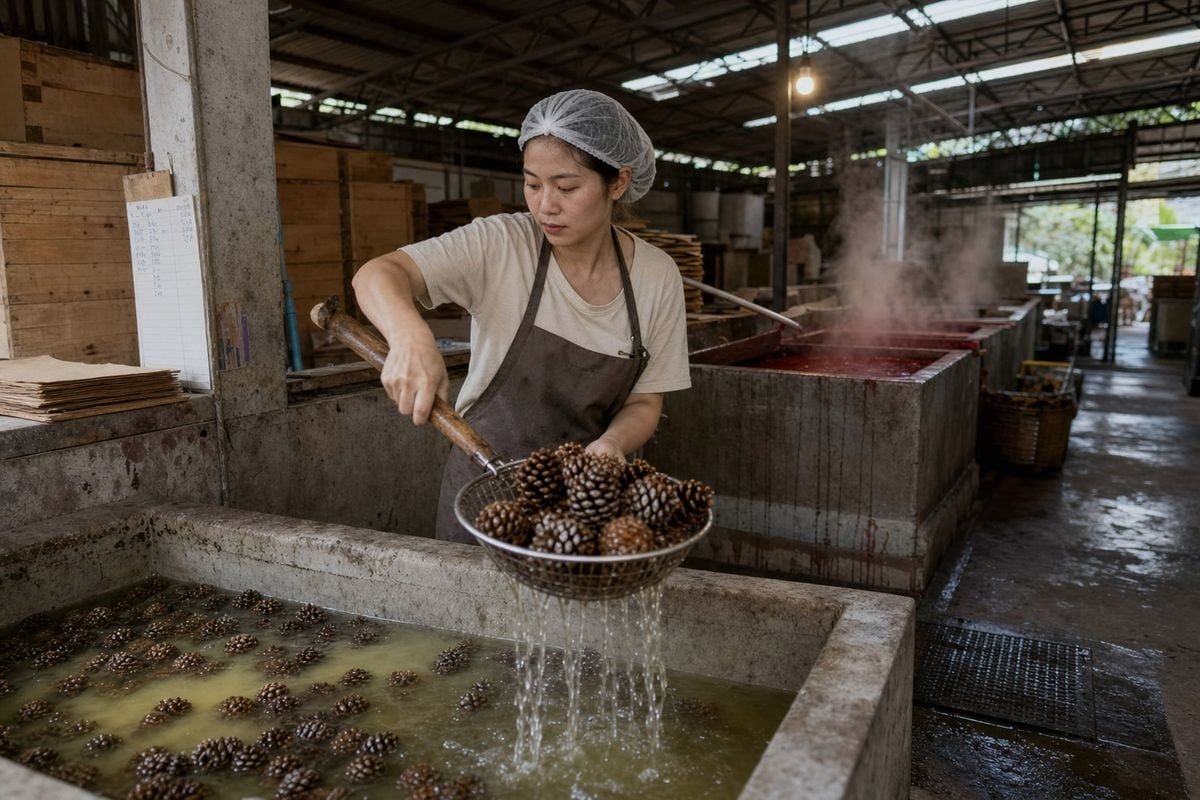
للتحقق من امتثال المورد الخاص بك، اطلب تقارير اختبار SGS أو Intertek الأصلية (وليس مجرد شهادات)، وتأكد من أن علامة CE تغطي التوجيه الصحيح لسوقك، وقارن وصف العينة في التقرير بالمنتج الفعلي الذي تطلبه. الشهادات وحدها ليست دليلاً.
ما تغطيه كل شهادة بالفعل
Many buyers treat "SGS-certified" or "CE-marked" as a single stamp of approval. In reality, each certification covers a specific scope, and you need to verify that the scope matches your product and your destination market.
- تقارير اختبار SGS / Intertek: These are third-party lab results. They test for specific hazards—heavy metals, flammability, chemical content—against a specific standard (e.g., EN 71 for toy safety, REACH for chemical restrictions). The report is only valid for the sample tested. If your supplier reformulates or changes materials, the old report may no longer apply.
- علامة CE: For fire-coloring products sold in the EU, علامة CE 4 signals compliance with relevant EU directives. But CE is a self-declaration backed by documentation—it is not an independent lab approval. A responsible supplier holds the supporting technical file and can produce it on request.
- ISO 9001: This certifies a quality management system, not a product ISO 9001 5. It means the factory follows documented processes. It does not guarantee the product is safe—only that the factory controls its procedures consistently.
- BSCI: This is a social compliance audit covering labor conditions, not product safety. Important for brand reputation but irrelevant to chemical safety or mold prevention.
تحقق من رقم التقرير مع المختبر مباشرة.
Here is what I recommend every B2B buyer request before placing a first order:
- Ask for the full test report PDF, not a summary certificate. Check the lab name, accreditation number, test date, and sample description.
- Confirm the tested sample matches your SKU. If the report tested a plain pine cone and you are ordering gold-painted color-flame cones, the results may not cover paint chemistry.
- Request a الامتثال لـ REACH 6 declaration if selling into the EU. This covers restricted substances including certain heavy metals and الفثالات 7.
- For fire-coloring products specifically, ask whether the metal salts used (copper sulfate, borax, strontium chloride) are within permitted limits for consumer products in your market.
- If your buyer is a large retailer, ask whether the supplier can provide Walmart or Amazon chemical compliance documentation formats, because those chains have their own restricted-substance lists.
Why "We Have SGS" Is Not Enough
A certificate hanging on the office wall tells you the factory once passed a test. It does not tell you when the test was done, what product was tested, or whether current production matches the tested sample. Our approach is to maintain active, product-specific test reports that we update whenever we change a formulation or raw material source, and we share these directly with buyers during the quoting stage—not after a problem surfaces.
Decorative preservation coatings, dye formulations, and salt concentrations can all change between production runs. Each change should trigger a review of whether existing compliance documentation still applies. This is where genuine manufacturing depth matters—a factory with 17 years of process control treats compliance as ongoing maintenance, not a one-time checkbox.
ما هي معايير التخزين والتعبئة والتغليف التي يجب أن أطلبها من الشركة المصنعة لمنع مشاكل الرطوبة؟
The most expensive lesson in our early export years was a container of color-flame pine cones that arrived in the Netherlands covered in white fuzz. The cones had tested perfectly dry at our Ningbo facility, but six weeks on the ocean through the Strait of Malacca 8 in monsoon season changed everything.
اطلب من الشركة المصنعة تجفيف المخاريط إلى أقل من 12% محتوى رطوبة، وتضمين أكياس مجففة داخل الأكياس المحكمة الغلق، واستخدام بطانات داخلية حاجزة للرطوبة، وتوفير قراءات رطوبة موثقة لكل دفعة. بالنسبة للشحن البحري، فإن المجففات الحاوية وتصميمات التعبئة المهواة ضرورية لمنع تلف التكثيف.

Packaging Specifications That Actually Prevent Problems
Not all packaging is equal. A standard poly bag will trap moisture. A kraft bag breathes better but offers less protection against port humidity. The best approach depends on your shipping route, transit time, and destination climate.
| عنصر التعبئة | الغرض | Recommended Standard |
|---|---|---|
| Inner bag material | Moisture barrier around cones | Multi-layer laminate or foil-lined kraft |
| Desiccant sachet (per bag) | Absorbs residual moisture inside sealed unit | عبوات هلام السيليكا 9, sized to bag volume |
| Container desiccant | Absorbs "container rain" condensation | Calcium chloride hanging strips, 1–2 per container |
| Inner carton liner | Secondary moisture barrier | PE-coated kraft paper |
| Ventilation gaps | Prevents stagnant humid air pockets | Pallet spacing of at least 5 cm from container walls |
| Moisture indicator card | Visual proof of humidity conditions during transit | Cobalt-free humidity indicator inside carton |
The Problem With Airtight Plastic Containers
Many craft and retail buyers assume airtight containers are the safest option. In practice, sealing cones in airtight plastic often triggers what some handlers call storage-induced osmosis. If the cones are not completely dry when sealed, trapped moisture has nowhere to go. It migrates to the surface, pulls salts along with it, and creates a white "frost" that looks exactly like mold. Over time, if the moisture level stays high enough, actual mildew growth follows.
The fix is straightforward. Either ensure cones are bone-dry before sealing, or use semi-permeable packaging that allows slow moisture exchange without exposing cones to external humidity.
What to Put in Your Supplier Agreement
Beyond packaging materials, the following points belong in your purchase agreement or quality standard document:
- Moisture content specification: Maximum 12% at time of packing, measured with a pin-type or capacitance moisture meter and documented per batch.
- Drying process record: Oven drying temperature, duration, and post-dry moisture reading logged for every production lot.
- Desiccant requirements: Type, quantity, and placement specified per packaging unit.
- White vinegar soak or surface treatment option: If your market requires a pre-treatment step—such as a dilute white vinegar soak before drying—specify this in the manufacturing instructions.
- Claim procedure for moisture-related defects: Define what constitutes a valid claim (e.g., moisture above specification at destination, confirmed by independent testing) and who bears the cost.
Our standard operating procedure now includes photographing moisture meter readings at packing and inserting humidity indicator cards in every carton. When a buyer reports a problem, we can trace back to the exact batch's conditions. This level of documentation does not cost much, but it eliminates ambiguity in claims disputes.
Seasonal and Route-Specific Considerations
Shipping to the US West Coast via the Pacific is a cooler, shorter route than shipping to Northern Europe via the Suez Canal. Monsoon season in Southeast Asia increases container condensation risk dramatically. We adjust our desiccant quantities and inner-liner specs based on the season and route. A one-size-fits-all packaging approach invites trouble.
For buyers who plan to hold inventory in long-term storage, warehouse conditions matter as much as shipping conditions. A climate-controlled warehouse with humidity below 60% will keep cones stable for months. An unheated garage in a coastal city will not.
خاتمة
White powder on colored pine cones is usually harmless resin or salt efflorescence—not mold. Demand documented moisture controls, proper desiccants, and verified compliance from your manufacturer to keep every shipment shelf-ready.
`
ملاحظات ختامية
1. Background on the metal salt compound used in blue and green flame coloring. ↩︎
2. Explains the salt recrystallization process described as the main cause of white powder. ↩︎
3. Provides scientific background on the fungal genus identified as common surface mold. ↩︎
4. Official EU source explaining the self-declaration compliance marking discussed in the article. ↩︎
5. Stable, authoritative Wikipedia overview of the ISO 9001 quality management standard to avoid 403 errors. ↩︎
6. Official European Commission overview of REACH chemical safety regulations and compliance requirements. ↩︎
7. EPA resource on the restricted chemical substances mentioned in compliance checks. ↩︎
8. Geographic context for the shipping route mentioned in the moisture failure story. ↩︎
9. Background on the common desiccant material recommended for packaging. ↩︎
 English
 Spanish
 German
 French
 Arabic
 Portuguese
انضم إلى المحادثة