






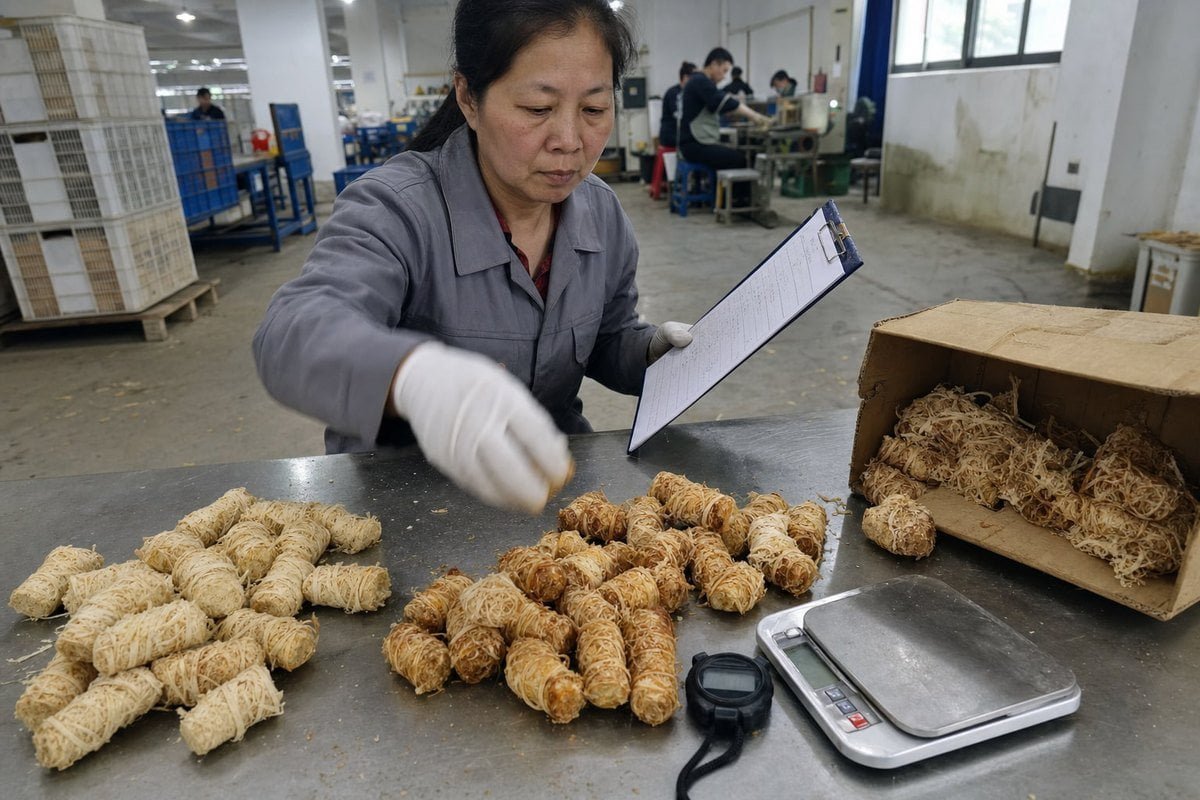
Motivos de devolução para acendedores de lenha 1 preocupar todo importador que encontro. Devoluções destroem silenciosamente as margens e, após 17 anos dirigindo nossas linhas de produção, sei que a maioria remonta às especificações.
A maioria dos retornos de acendedores de lenha decorre de falhas mensuráveis nas especificações: tempo de queima inferior à duração indicada, tamanho incorreto da unidade ou peso da embalagem, teor de umidade acima de 15% ou proporções incorretas de cera, e embalagem ou rotulagem que não corresponde à composição real do produto no interior.
Deixe-me detalhar cada categoria. Mostrarei a você [quais reclamações correspondem a quais especificações e como evitá-las](https://sunrichfire.com/how-avoid-common-wood-fire-starter-complaints-sourcing-products/) antes que seu contêiner seja enviado.
Quais Inconsistências de Tempo de Queima Causam Mais Devoluções de Clientes?
Um distribuidor alemão uma vez me encaminhou uma avaliação de uma estrela que dizia simplesmente: "Morreu em quatro minutos." Essa única frase ensinou à nossa equipe de controle de qualidade mais do que qualquer folha de especificações jamais ensinou. Madeira certificada FSC 2.
Devoluções de tempo de queima ocorrem quando a duração real da queima fica abaixo da faixa listada, geralmente causada por saturação irregular de cera, variação de densidade entre lotes ou estoque degradado. Compradores que esperam 8–15 minutos, mas recebem 3–5 minutos, abrem reclamações de "não conforme descrito" quase imediatamente.
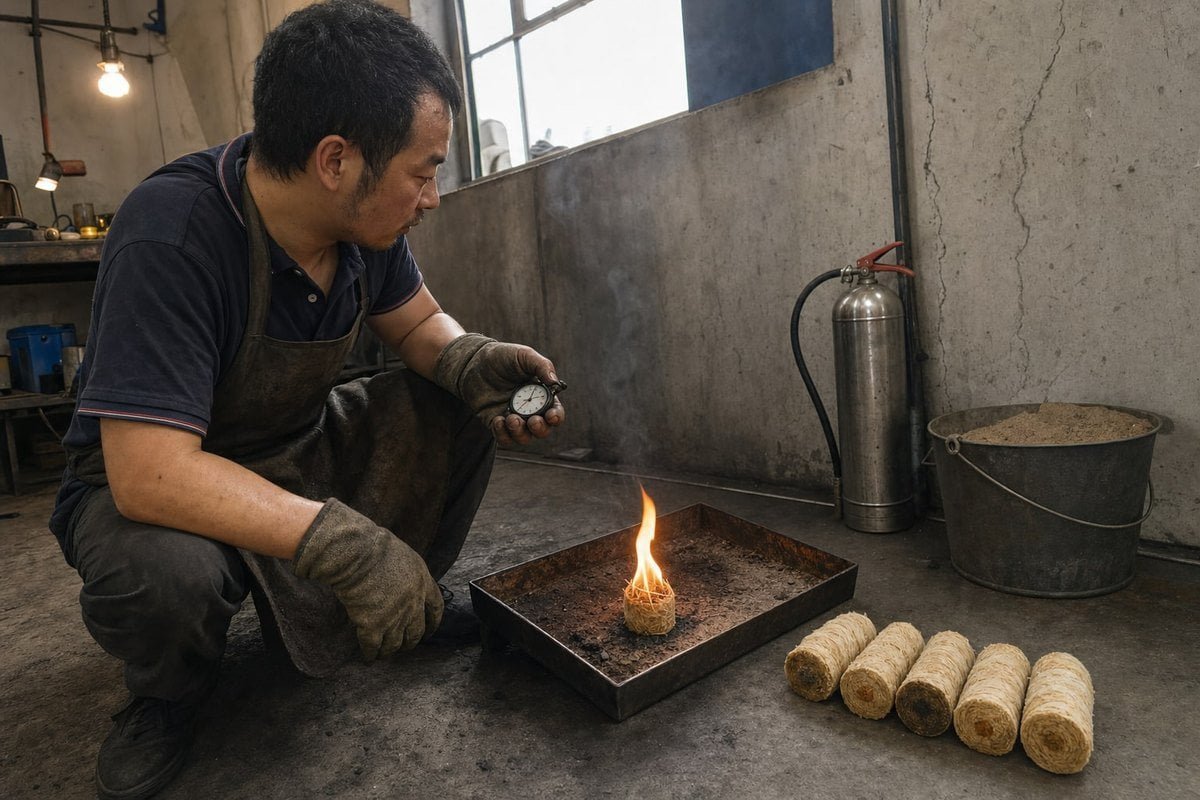
A duração do tempo de queima é o único número mais citado em qualquer listagem de acendedores de fogo. É também a especificação mais fácil de falhar. Quando um cliente lê "queima 10 minutos" e o disco apaga antes que sua isca pegue fogo, ele não culpa sua técnica. Ele culpa o produto. Então ele o devolve.
Por que os tempos de queima variam entre os lotes
Em nossa fábrica em Ningbo, aprendemos cedo que a absorção de cera varia com a densidade da fibra. Enrolado frouxamente lã de madeira 3 absorve mais cera e queima por mais tempo. Rolos firmemente comprimidos absorvem menos e queimam rápido, mas com calor intenso. Se um fornecedor não controlar a tensão de enrolamento 4, dois cartões do mesmo pedido podem ter desempenho muito diferente. Estoque mais antigo adiciona outro problema. Rolos mergulhados em cera que ficam em armazéns úmidos podem perder a confiabilidade de ignição, enquanto fibras secas se tornam quebradiças e se desfazem durante o transporte.
Veja como as reclamações comuns de tempo de queima se relacionam com as causas raiz:
| Reclamação do cliente | Falha subjacente na especificação | Causa raiz típica |
|---|---|---|
| "Apagou em 3 minutos" | Duração da queima abaixo da faixa listada | Saturação insuficiente de cera |
| "Chama fraca demais para acender toras" | Baixa saída de calor | Núcleo de fibra supercomprimido |
| "Alguns funcionaram, outros não" | Inconsistência de lote | Sem teste de queima por lote |
| "Desmoronou antes que eu pudesse usá-lo" | Degradação estrutural | Estoque antigo, baixa proporção de cera |
A correção é processual, não complicada. Nós testamos a queima de amostras de cada lote e registramos os resultados, para que a amostra que um comprador aprova reflita genuinamente a produção em massa. Qualquer fábrica que pule o teste por lote está exportando devoluções futuras junto com os produtos.
Como Especificações Incorretas de Tamanho ou Peso Levam a Reclamações de Compradores?
Quando cotamos um pedido de marca própria, a primeira coisa que gerentes de compras sérios perguntam é sobre tolerância de peso da unidade 5 — não o preço. Há uma boa razão para isso.
Erros de tamanho e peso acionam devoluções porque os compradores julgam o valor pela contagem e massa. Discos subdimensionados parecem um roubo, unidades superdimensionadas quebram as contagens de embalagem e os cálculos de envio, e a variação de peso acima de aproximadamente ±10% faz com que os clientes de varejo se sintam enganados pela listagem.
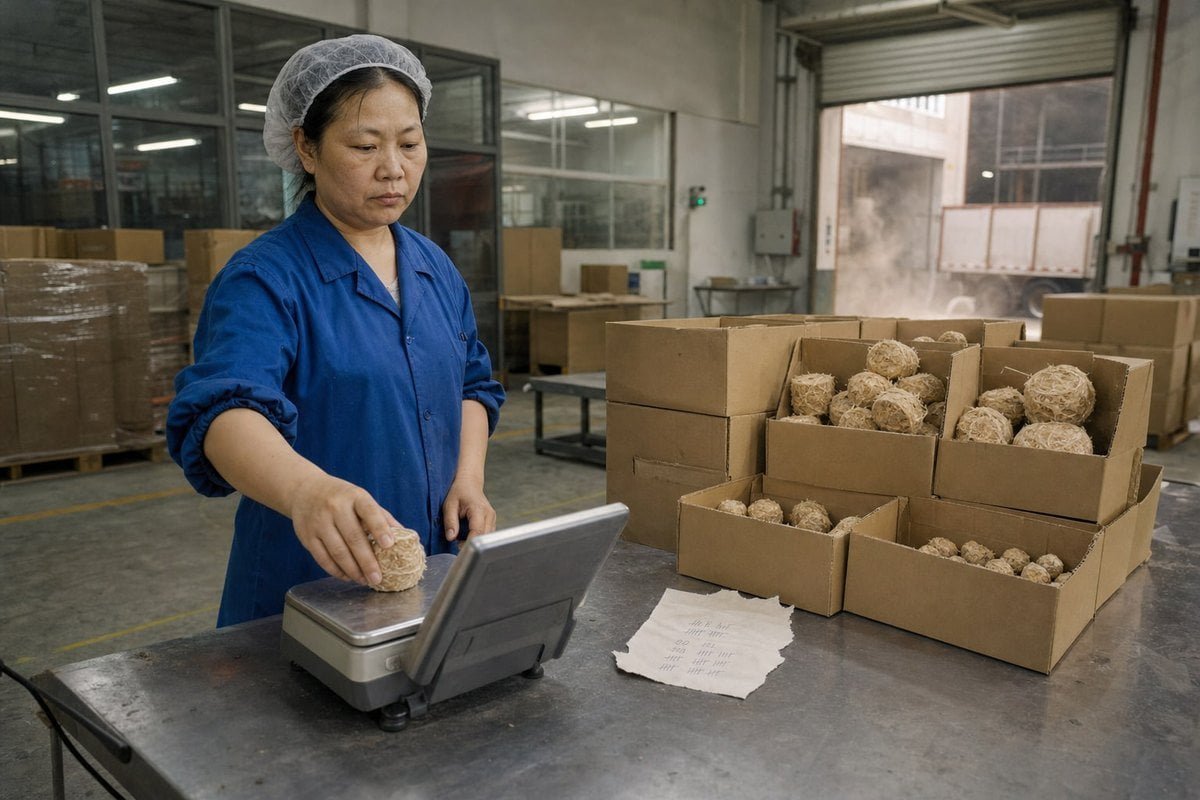
Especificações físicas parecem chatas em comparação com a química de ignição. No entanto, em nossa experiência de exportação nos EUA e na Europa, elas geram uma parcela surpreendente de disputas. Um acendedor de fogo é um consumível de compra repetida. Os clientes se lembram de como foi a caixa do mês passado. Se os discos deste mês pesam 20% a menos, eles percebem instantaneamente.
As Três Maneiras Pelas Quais as Especificações Físicas Falham
Primeiro, variação do tamanho da unidade. Rolos de lã de madeira enrolados à mão podem variar se os operadores não forem treinados em um modelo fixo. Um disco muito pequeno queima rapidamente. Um disco muito denso sufoca o fluxo de ar e apaga sua própria chama. A área de superfície importa — blocos comprimidos com pouca fibra exposta limitam o contato com o oxigênio e retardam a propagação da chama.
Segundo, erros na contagem da embalagem. Uma caixa rotulada "100 peças" que envia com 92 é uma devolução automática e muitas vezes uma penalidade na plataforma. Verificamos o peso de cada caixa de varejo em nossa linha exatamente por esse motivo.
Terceiro, durabilidade no transporte. Rolos frágeis que se desfazem em aparas soltas chegam parecendo material de embalagem, não produto. Os compradores fotografam a bagunça e abrem uma reclamação.
| Especificação Física | Prática Aceitável | Risco de devolução se ignorado |
|---|---|---|
| Peso da unidade | Tolerância definida no PO, verificada por lote | "Reclamações de "menor que o anunciado" |
| Contagem de embalagem | Verificação de peso de cada caixa | Disputas de contagem insuficiente, penalidades |
| Densidade | Tensão de enrolamento padronizada | Bloqueio de fluxo de ar, chama fraca |
| Resistência ao transporte | Teste de queda de cartões antes do envio | Produto esfarelado na chegada |
Para compradores B2B, meu conselho é simples: coloque tolerâncias de tamanho, peso e contagem por escrito na ordem de compra. Especificações vagas convidam à qualidade vaga.
Problemas de Teor de Umidade ou Razão de Cera Podem Gerar Pedidos de Devolução?
A umidade é o teste de estresse que ninguém vê chegando. Nossos engenheiros gastam mais tempo no controle de umidade do que em qualquer outra variável única, porque fibras úmidas transformam um bom produto em um devolvido.
Sim — teor de umidade acima de aproximadamente 15% causa ignição lenta e fumaça pesada, enquanto proporções incorretas de cera causam falhas opostas: muita cera resiste a pegar a chama de um fósforo, pouca deixa as fibras quebradiças e sensíveis à umidade. Ambos produzem devoluções de "não acende".
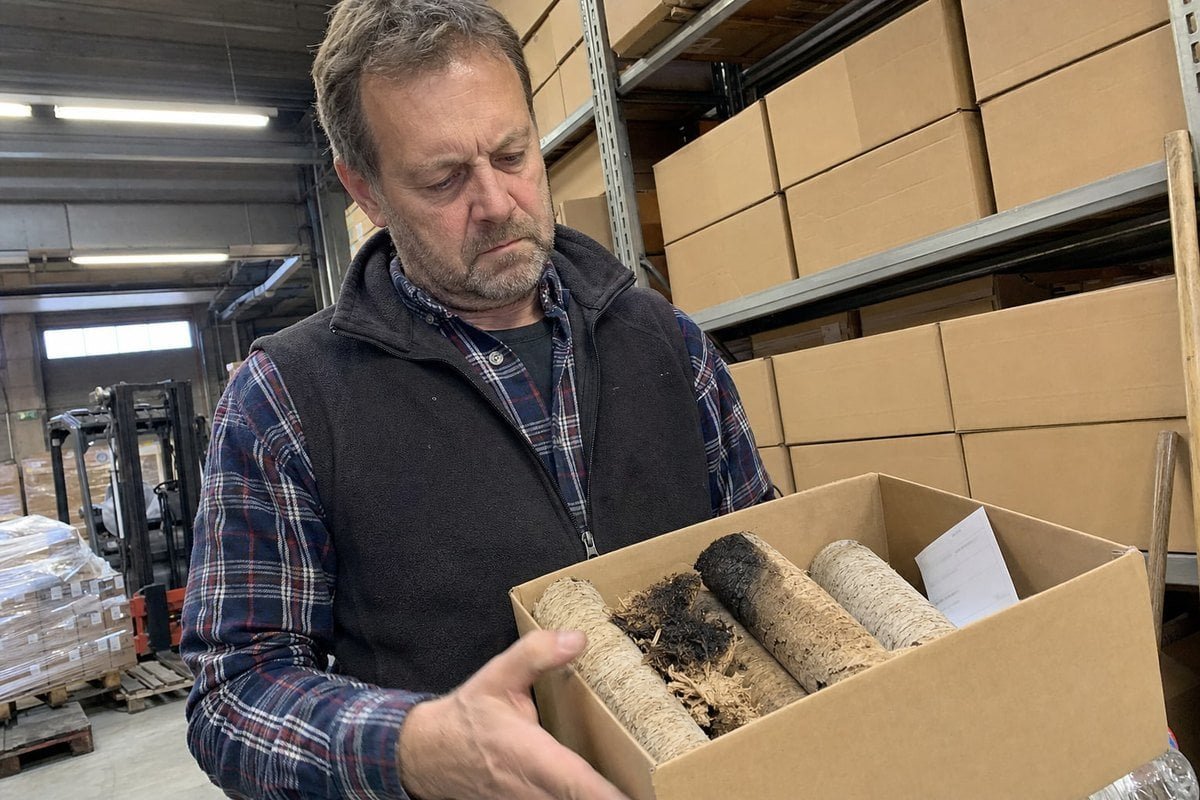
Esta é a categoria onde a química encontra a raiva do cliente. Um acendedor de fogo de madeira é um produto sensível à umidade fingindo ser um simples. A lã de madeira é higroscópica. Ela puxa água do ar durante o armazenamento, transporte e na prateleira de varejo. Uma vez que a porcentagem de teor de umidade ultrapassa o limite seguro, a confiabilidade da ignição cai, os níveis de emissão de fumaça aumentam e a taxa de sucesso da primeira ignição desaba.
O Ato de Equilíbrio da Proporção de Cera
O revestimento de cera é a defesa, mas a proporção deve estar correta. Em nossos rolos de madeira mergulhados em cera, visamos uma janela de saturação que deixa fibra exposta suficiente para ignição sem produtos químicos com um único fósforo, enquanto sela o núcleo contra a umidade. Erre em qualquer direção e você cria um motivo de devolução:
- Muita cera: A superfície se torna uma casca sólida. Um fósforo comum ou isqueiro de baixa potência não consegue gerar calor suficiente para pegá-la. Os clientes relatam "impossível de acender"."
- Pouca cera: As fibras permanecem expostas. O acendedor absorve umidade, queima rápido e com fumaça, e esfarela na caixa.
- Mergulho desigual: Algumas unidades em um pacote funcionam e outras falham, o que é visto como má qualidade, mesmo quando a especificação média está boa.
Alegações de composição adicionam outra camada. Se uma listagem promete resina de fatwood natural ou acendedores de fogo inodoros, mas o produto usa misturas ricas em parafina com odor químico, seguem devoluções de "não como descrito". Os compradores leem cada vez mais as linhas de composição — como "50% de fibra de madeira, 50% de parafina" impressas em caixas de varejo — e eles responsabilizam os vendedores por elas. Aglutinantes baratos de petróleo que liberam vapores desagradáveis são uma causa principal de reclamações de odor, especialmente para uso interno em lareiras.
Por Que Incompatibilidades de Embalagem ou Rotulagem Resultam em Remessas Devolvidas?
Um comprador do Reino Unido uma vez rejeitou todo um carregamento de teste de um fornecedor anterior — não porque o produto falhou, mas porque a etiqueta de aviso não correspondia aos requisitos do mercado de destino. Essa conversa é o motivo pelo qual incluímos a revisão de etiquetas em todos os pedidos OEM.
Incompatibilidades de embalagem causam devoluções quando a caixa promete o que o produto não pode entregar: contagens incorretas de peças, avisos de segurança ausentes, alegações não suportadas como "inodoro" ou "seguro para uso interno", divulgação de composição ausente ou embalagem permeável à umidade que permite que o produto se degrade antes do primeiro uso.
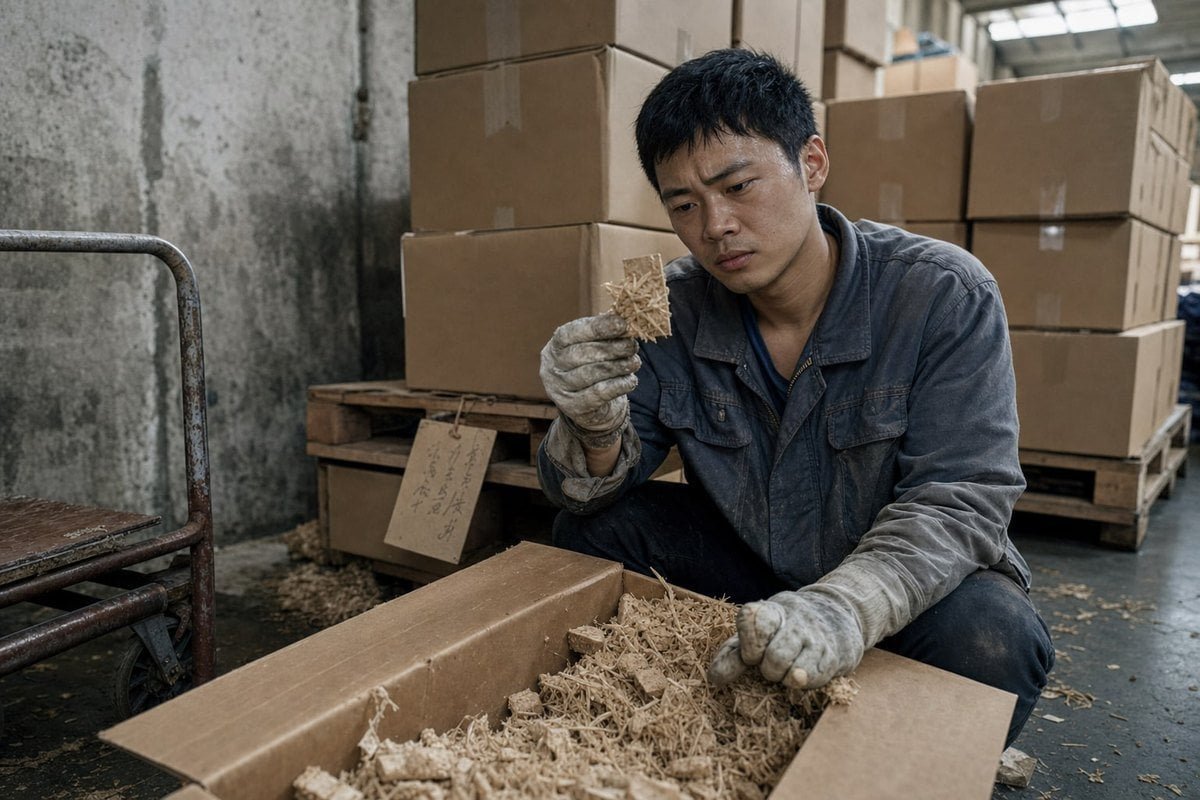
A embalagem é uma especificação, embora muitos fornecedores a tratem como decoração. Cada alegação impressa na caixa se torna um contrato com o cliente final. Quando o contrato é quebrado, o produto volta — às vezes como uma única devolução de varejo, às vezes como um palete rejeitado.
Onde o Rótulo e a Realidade Divergem
A divulgação da composição é a lacuna mais comum. Se a caixa lista fibra de madeira e parafina, mas o produto inclui outros aglutinantes, essa incompatibilidade pode violar as regras de proteção ao consumidor 6 sobre bens serem "como descritos". Alegações como madeira certificada FSC, "natural" ou "não tóxico" devem ser comprovadas com documentação. Nossos compradores na Alemanha e França solicitam rotineiramente relatórios de teste antes de fazerem alegações em embalagens de marca própria, e com razão.
A rotulagem de segurança importa igualmente. A combustão produz fumaça, fuligem e monóxido de carbono. Se a embalagem não declarar limitações de uso interno 7 ou adequação para churrasco, os compradores podem argumentar que o produto não é adequado para o propósito comunicado. Isso é uma devolução por garantia, que é mais difícil de contestar do que uma devolução por preferência.
Depois, há a própria embalagem como barreira física. Acendedores de fogo armazenados em caixas não seladas absorvem a umidade do armazém. O cliente abre um produto "novo" que já perdeu seu desempenho de ignição. Especificações de embalagem de barreira contra umidade evitam isso completamente.
| Elemento de Rotulagem | O que Deve Corresponder | Tipo de Devolução Se Incorreto |
|---|---|---|
| Selo de contagem de peças | Unidades reais dentro | Devolução por contagem insuficiente |
| Linha de composição | Formulação real | "Alegação de "não como descrito" |
| Alegações de uso | Desempenho verificado (compatibilidade com lareira, churrasco, exterior) | Devolução por inadequação ao propósito |
| Avisos de segurança | Regras do mercado de destino | Rejeição pelo varejista, risco de recall |
| Embalagem de barreira | Proteção contra umidade de armazenamento | Devolução por degradação na chegada |
Em nosso processo OEM tudo-em-um, revisamos etiquetas de aviso, códigos de barras e texto de composição contra o mercado de destino antes de imprimir. Dez minutos de revisão de etiquetas economizam meses de tratamento de disputas.
Conclusão
Falhas nas especificações — tempo de queima, tamanho, umidade, proporção de cera e rotulagem — causam a maioria dos retornos. Corrija as especificações na fábrica e os retornos param antes de começar.
Notas de rodapé
Visão geral da Wikipedia sobre técnicas e materiais de acendimento de fogo. ↩︎
Padrões oficiais para rotulagem FSC e certificação de madeira. ↩︎
Definição técnica e usos comuns de fibras de lã de madeira. ↩︎
Princípios de engenharia de tensão de enrolamento em processos de fabricação. ↩︎
Princípios de engenharia relativos a tolerâncias de peso e medição na fabricação. ↩︎
Diretrizes da FTC sobre proteção ao consumidor e descrições de produtos. ↩︎
Recurso autorizado da EPA explicando os riscos de monóxido de carbono e as diretrizes de segurança que ditam as limitações de uso interno para produtos de combustão. ↩︎


 English
  Spanish
  German
  French
  Arabic
  Portuguese
Participe da conversa