







Every fall, our export team processes large wood fire starters orders bound for Canada, and one question always stalls the deal: T/T or Carta de Crédito 1? Choose wrong, and you either overpay in bank fees or expose a five-figure deposit to real risk. The good news is the answer follows a simple logic once you see it clearly.
For large wood fire starters orders, T/T is better for Canadian buyers working with a verified, trusted supplier because it is faster and cheaper. A Letter of Credit is better for first-time or very large transactions, since payment is only released against compliant shipping documents.
Let me walk you through how we structure payments with our Canadian buyers, what each method really costs, and how to decide for your next order.
What payment terms should I negotiate with my Chinese wood fire starter supplier?
A purchasing manager from Ontario once told me his previous supplier demanded 100% upfront forward contracts 2. That single red flag ended the relationship before it started. At our Ningbo factory, we never ask for full prepayment, and neither should any credible partner.
Negotiate a 30% T/T deposit with 70% balance paid against a copy of the bill of lading. This structure is the industry standard for wood fire starter orders from China, and any established, certified factory should accept it without hesitation.
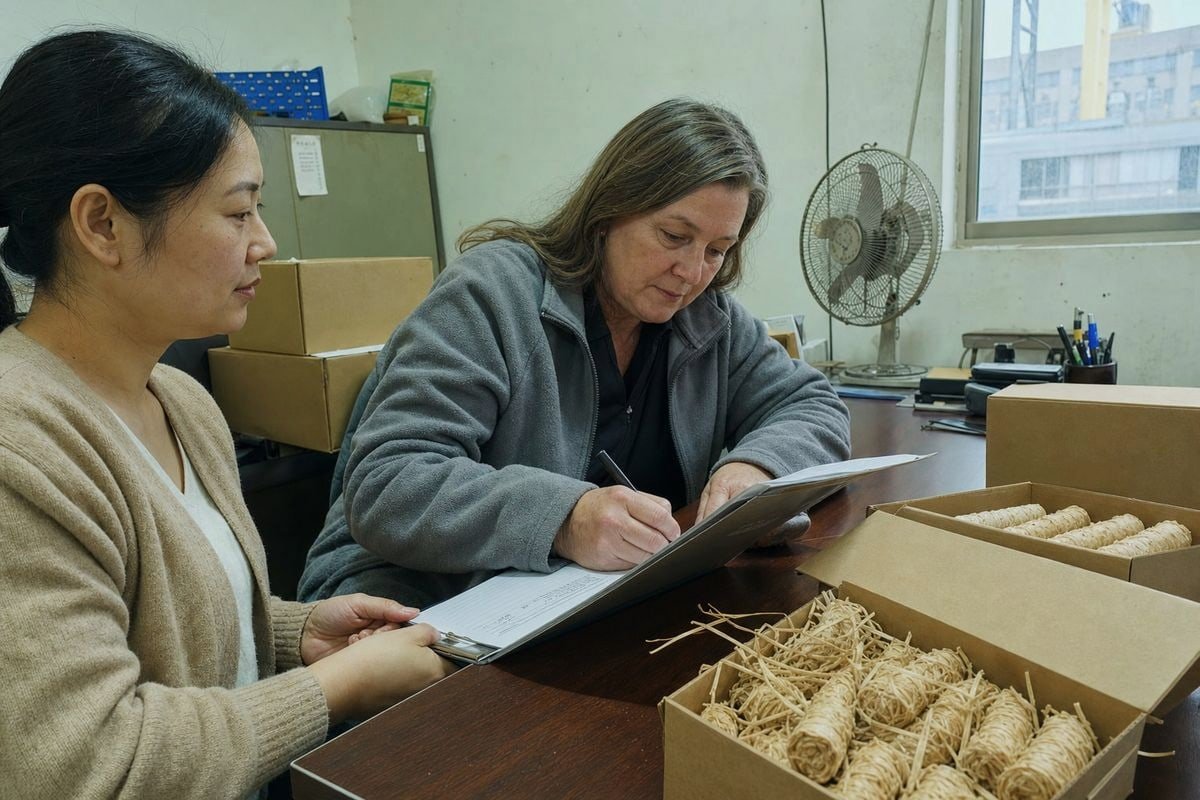
Payment terms are not just about money. They are about leverage, timing, and trust. When we quote a Canadian distributor for a container of wax-dipped wood rolls, the payment structure gets discussed in the same breath as burn time and packaging. Here is why: the terms you negotiate determine who carries risk at each stage of production and shipping.
The standard structures you will see
Most Chinese fire starter factories offer some version of these terms:
| Payment structure | Buyer risk | Aceitação do fornecedor | Melhor para |
|---|---|---|---|
| 100% T/T adiantado | Muito alta | High (but a red flag) | Never recommended |
| Depósito de 30% / 70% antes do envio | 1 x 20 pés, vários produtos | Muito alta | Repeat orders |
| 30% deposit / 70% against B/L copy | Menor | 1 x 20 pés ou 40 pés | First and repeat orders |
| Letter of Credit at sight | Mais baixo | 1 x 20 pés, vários produtos | Large first orders |
| LC with deferred payment | Low, aids cash flow | Menor | Established relationships |
What to negotiate beyond the split
The deposit percentage is only part of the picture. In our experience exporting to Canada and the US for over 17 years, smart buyers also negotiate these points:
- Direitos de inspeção pré-embarque. Tie the balance payment to a passed inspection, not just a shipping date.
- Document list. Specify the commercial invoice, packing list, bill of lading 3, and test reports you need for Canadian customs.
- Currency. Most quotes are in USD. Lock in whether CAD/USD fluctuation risk sits with you, and consider a forward contract for large orders.
- Late-shipment remedies. Seasonal fire starter demand peaks in fall. Agree on what happens if the container misses your window.
A supplier who resists a pre-shipment inspection clause or refuses balance-against-documents is telling you something. We welcome both, because our SGS and Intertek test reports and batch QC records make inspections routine, not stressful.
Is T/T safe enough for my first large order, or should I insist on a Letter of Credit?
The trade-off I weigh with every new Canadian buyer is simple: how much would losing the deposit hurt you, and how much have you verified about us? Those two answers decide whether T/T alone is enough.
T/T is safe enough for a first large order only if the supplier is verified through audits, certifications, and inspections. If the order value would be a painful loss and the supplier is unproven, insist on a Letter of Credit at sight for the balance.
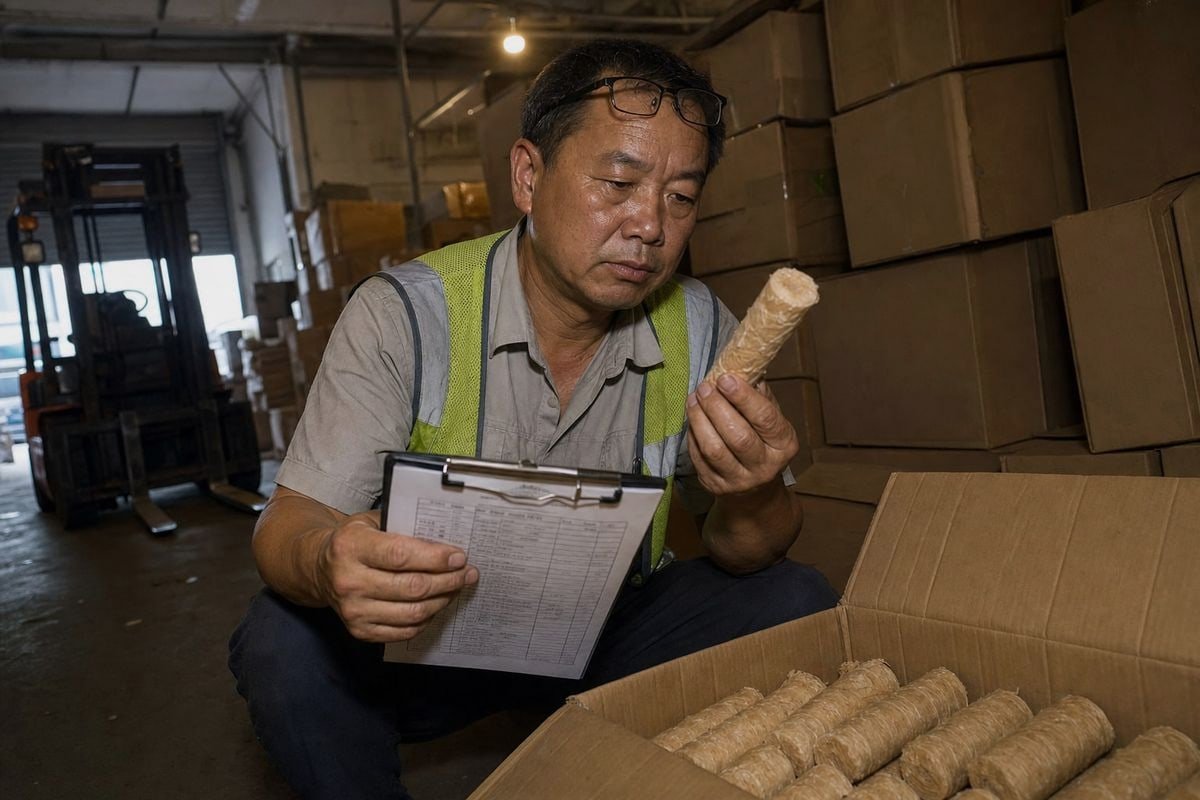
Neither method wins in every situation. The honest framing is risk versus cost, and your first large order sits at the exact point where that trade-off is sharpest.
Comparação lado a lado
| Fator | T/T (wire transfer) | Carta de Crédito |
|---|---|---|
| Bank cost per transaction | Low, typically small flat fees | High, often USD 500–2,000+ |
| Speed to arrange | 1–2 dias | Often 1–4 weeks to open and advise |
| Proteção do comprador | Minimal once funds are sent | Strong, payment tied to compliant documents |
| Supplier friendliness | Muito alta | Medium; some factories add margin to cover hassle |
| Paperwork burden | Leve | Heavy; strict documentary compliance |
| Melhor ajuste | Repeat orders, trusted suppliers | First orders, very large values |
How to think about your first order
A first order carries two unknowns: product quality and supplier performance. An LC protects against nonperformance, because the bank will not release payment until the seller presents the exact documents required. But an LC does not inspect your fire starters. A perfectly compliant document set can still cover goods with the wrong wax ratio or crushed packaging.
That is why we tell new buyers the strongest first-order protection is actually a combination: verify the factory first, then choose the payment method. Check for ISO 9001 and BSCI audits. Ask for Marcação CE 4 and third-party test reports. Request a video factory tour. Commission a pre-shipment inspection. Once we pass that scrutiny, most Canadian buyers are comfortable with T/T 30/70 even on a first container, because the deposit risk has been reduced at the source rather than papered over at the bank.
If the order is genuinely large, commonly above the USD 50,000–100,000 range cited in most sourcing guides, an LC at sight is a reasonable ask, and a serious factory will accept it.
How can I protect my Canadian business from payment risk when importing fire starters from China?
Years ago, a European client taught us a lesson we now pass to every Canadian buyer: he never relied on one protection layer. He verified our BSCI audit, inspected before shipment, and insured the receivable. Layers, not silver bullets.
Protect your business by layering safeguards: verify the supplier's certifications and audits, use a 30/70 T/T structure or LC, require pre-shipment inspection, demand ISPM-15 compliant packaging documentation, hedge CAD/USD exposure, and consider trade credit insurance through Export Development Canada.

Payment risk is really a bundle of separate risks: fraud, nonperformance, quality failure, customs rejection, and currency swings. Each one needs its own tool. Here is how I break it down when advising buyers.
Layer 1: Verify before you wire
The cheapest protection happens before any money moves. Confirm the factory is real, not a trading company reselling from unknown workshops. Check business licenses, audit reports like BSCI, and quality certifications like ISO 9001. Ask for SGS or Intertek test reports on the actual fire starter product, including the wood fiber and paraffin composition. A factory that hesitates on any of these is a factory to skip.
Layer 2: Structure the payment
Match the payment method to your verified risk level. A 30/70 T/T split against the bill of lading copy protects 70% of your funds until goods ship. An LC at sight protects nearly everything, at higher cost. A hybrid, T/T deposit plus LC for the balance, splits the difference on very large orders.
Layer 3: Control quality and compliance
Tie the balance release to a passed third-party inspection. For Canada specifically, confirm wood packaging materials carry ISPM-15 heat-treatment marks 5, since noncompliant pallets can get your shipment held or rejected at the border. You can even write ISPM-15 6 certification into the LC document requirements, so funds only release when compliance is proven.
Layer 4: Manage the financial edges
Two often-ignored tools help mid-size Canadian importers:
- Forward contracts to lock the CAD/USD rate over a multi-week lead time, since fire starter orders are usually priced in USD.
- Trade credit insurance, for example through Export Development Canada 7, which can protect T/T payments at a lower cost than full LC fees.
Layered together, these steps let many buyers keep T/T's low cost while approaching LC-level security.
What deposit and balance structure is standard for large wood fire starter orders paid by T/T?
When our production planners in Ningbo schedule a large run of wax-dipped wood rolls, the 30% deposit is what triggers raw material purchasing. That is the practical reason the structure exists: it aligns the factory's cash outlay with the buyer's commitment.
The standard T/T structure is a 30% deposit before production and a 70% balance paid against a copy of the bill of lading. Stronger variants tie the balance to a passed pre-shipment inspection, giving the buyer proof of quality before releasing final payment.
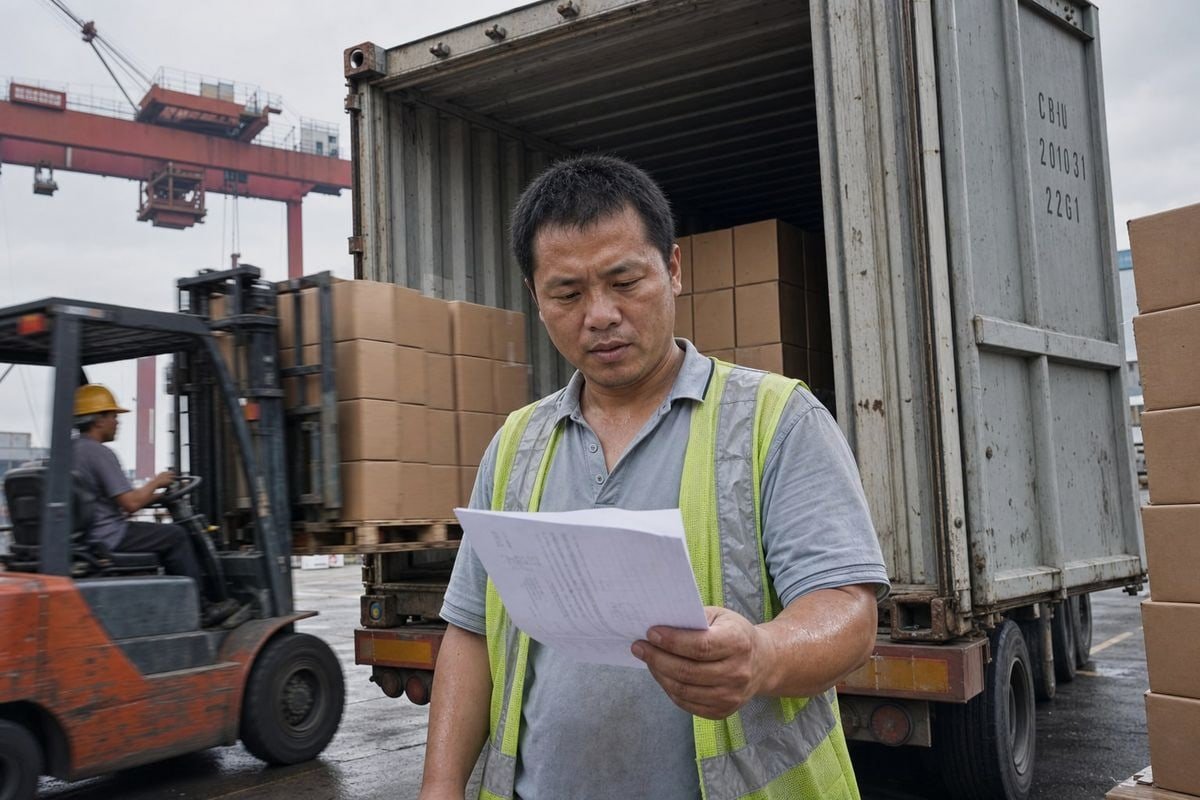
The 30/70 split is the default across the fire starter trade, but the timing of the 70% is where buyers win or lose leverage. Let me show you the variations and what each means in practice.
The three common 70% triggers
| Balance trigger | O que significa | Buyer leverage |
|---|---|---|
| Before production completes | Balance paid mid-production | Very low; avoid this |
| Antes do embarque | Balance paid once goods are ready | Low; goods still in factory control |
| Against B/L copy | Balance paid after goods are on the vessel | Good; shipment is proven |
| Against B/L copy + passed inspection | Balance paid after quality is verified and goods ship | Best available under T/T |
How the process flows step by step
- Sign the proforma invoice stating the 30/70 terms, product specs, burn time, packaging, and Incoterms 8.
- Wire the 30% deposit. Production begins. For our lines, this covers wood fiber, paraffin, and packaging materials.
- Production and batch QC. A disciplined factory runs batch-to-batch checks so the container matches the approved sample.
- Inspeção pré-embarque. Your third-party inspector or agent verifies quantity, composition, and packaging, including private-label boxes and barcodes.
- Goods ship; supplier sends the B/L copy. This proves the container is on the water.
- Wire the 70% balance. The supplier releases the original documents so you can clear Canadian customs.
Adjustments for order size and season
On very large seasonal orders, some buyers negotiate a lower deposit, such as 20%, or ask for a small quantity tolerance of 5–10% to flex volumes for fall and winter demand. Both are reasonable requests for a factory with real production depth. We accommodate them because our capacity planning absorbs the variance; smaller workshops often cannot.
Conclusão
The wrong payment terms can cost a Canadian importer a full season's margin. Match the method to the risk, and both problems disappear.
For large wood fire starters orders, the decision comes down to trust and stakes. Choose T/T with a 30/70 structure when your supplier is verified, certified, and inspection-friendly; it is cheaper, faster, and standard across the trade. Choose a Letter of Credit when the order is very large or the supplier is unproven, and let the bank enforce documentary discipline. Better yet, layer your protections: audits, inspections, ISPM-15 compliance, currency hedging, and credit insurance turn even a simple wire transfer into a well-defended transaction. In our 17+ years shipping fire-starting products to Canada and 30+ other markets, the buyers who thrive are not the ones who found the cheapest terms. They are the ones who matched the payment structure to a supplier they had genuinely verified, then built a repeat relationship where trust made every subsequent order simpler and safer.
Notas de rodapé
1. Background explanation of the financial instrument central to the article's comparison. ↩︎
2. Explains the currency-hedging instrument recommended for CAD/USD exposure management. ↩︎
3. Wikipedia reference clarifying the shipping document repeatedly used as a payment trigger. ↩︎
4. Official EU source explaining the product conformity marking mentioned for supplier verification. ↩︎
5. Official IPPC standard defining ISPM-15 wood packaging requirements referenced for Canadian customs compliance. ↩︎
6. Official IPPC standard document for the wood packaging phytosanitary compliance discussed. ↩︎
7. Official page on trade credit insurance mentioned as a financial safeguard for importers. ↩︎
8. ICC's official page on the international trade terms referenced in the shipping process steps. ↩︎


 English
  Spanish
  German
  French
  Arabic
  Portuguese
Participe da conversa