






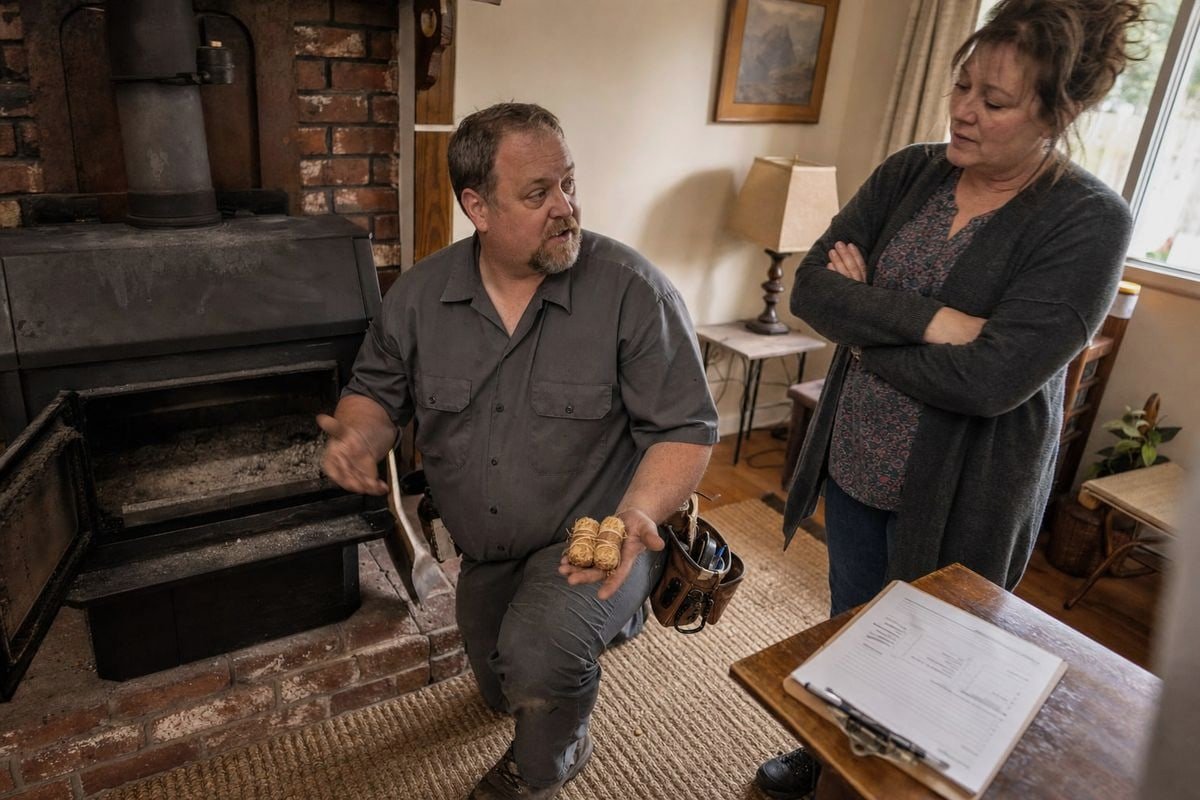
Wood fire starters often get treated as commodity items, and I see distributors struggle with that Marcação CE 1. On our production line, we watched margins shrink for buyers stuck in generic retail channels.
Yes, selling wood fire starters through service technicians boosts credibility and supports premium pricing. Technicians transfer their expert authority to the product, framing it as a safety and maintenance recommendation rather than a retail add-on, which justifies higher margins and builds recurring customer trust.
That short answer hides a lot of nuance. The channel only works when the product, the certifications, and the packaging all match technician expectations marca própria 2. Deixe-me analisar cada parte.
A German distributor once told me his chimney sweep partners sold our wax-dipped wood rolls at triple the supermarket price. Customers never blinked. That conversation changed how we advise buyers.
Technician channels justify premium pricing because customers buy the recommendation, not just the product. When a trained professional presents wood fire starters as part of fireplace safety inspection or wood stove maintenance, the purchase becomes expert-endorsed reassurance, worth two to three times retail price.
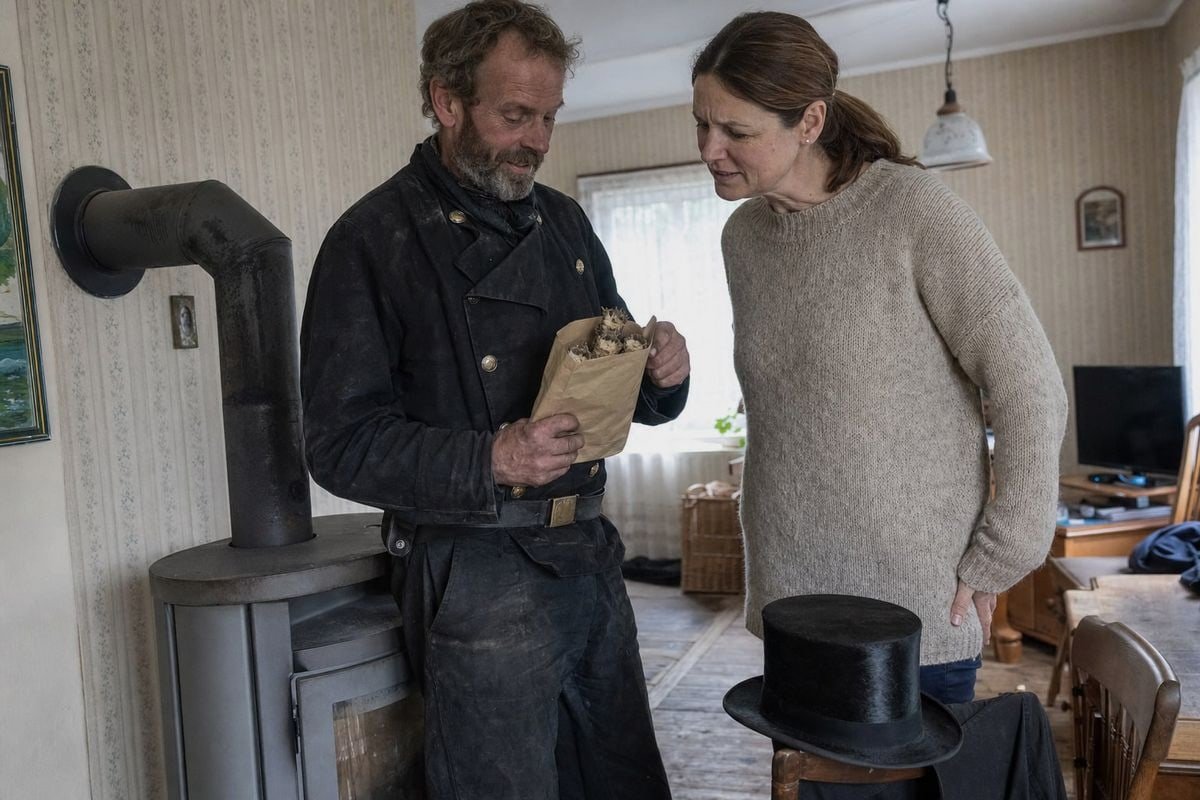
The core mechanism here is trust transfer. A technician stands inside the customer's home, next to the customer's stove, at the exact moment the customer cares about fire performance. No shelf display can compete with that context. In our 17+ years supplying fire-starting goods to distributors across the US and Europe, we have seen this pattern repeat: the same wood-wool starter that sells as a low-cost impulse item near a campground becomes a high-margin retail item when a professional hands it over.
Why the moment of service changes perceived value
Three things happen during a service visit that never happen in a store:
- The technician diagnoses the customer's actual setup. A recommendation like "this starter suits your draft conditions" feels tailored, not generic.
- The customer is already spending money on value-added home services. A small accessory feels trivial next to a repair invoice.
- The technician can demonstrate the product on-site. Sensory proof — a clean, steady flame with no chemical smell — overcomes price objections instantly.
Pricing comparison across channels
| Canal | Typical positioning | Realistic price multiple | Margin pressure |
|---|---|---|---|
| Varejo de grandes redes | Commodity, price-compared | 1x baseline | 1 x 20 pés ou 40 pés |
| Online marketplace | Anonymous listing, review-driven | 1x–1.5x | 1 x 20 pés ou 40 pés |
| Specialty fireplace store | Curated accessory | 1.5x–2x | 1 x 20 pés, vários produtos |
| Technician recommendation | Expert-endorsed safety item | 2x–3x | Baixo |
The caution I always give buyers: this only holds if the recommendation feels consultative. If the customer senses a pushy upsell, the trust that created the premium evaporates. Professional upsell strategies work when the product genuinely helps — clean ignition, less smoke, easier cold starts. Our wax-dipped wood rolls were designed exactly for that use case, which is why the pitch stays honest.
What certifications should I provide so service technicians trust and recommend my fire starters?
Compliance paperwork is the first thing serious buyers request from us — before pricing, before samples. Our ISO 9001, BSCI, CE, and SGS 3/Intertek documentation exists precisely because technician networks demand proof.
Provide CE marking, SGS or Intertek test reports, ISO 9001 quality certification, and BSCI social compliance audits. Technicians recommend products under their own professional reputation, so documented safety testing, clean-burn composition data, and clear warning labels are non-negotiable trust requirements.

Here is the hard truth I share with every new distributor: a technician's license and reputation are their livelihood. A chimney sweep who recommends an uncertified product that causes a flare-up or leaves chemical residue risks far more than a lost sale. So the certification package you hand your technician network must answer every question before it gets asked.
The certification stack technicians actually check
| Certificação | O que prova | Why technicians care |
|---|---|---|
| Marcação CE 4 | Conformidade de segurança da UE | Legal baseline for recommending in European homes |
| SGS / Intertek 5 relatórios de teste | Independent lab verification of burn behavior and composition | Third-party proof, not manufacturer claims |
| ISO 9001 | Gestão consistente da qualidade | Batch ten performs like batch one |
| Auditoria BSCI | Produção ética | Protects the technician's brand from supply-chain scandals |
Composition transparency matters as much as certificates
Technicians performing fireplace safety inspection work will ask what your starter is made of. Our answer is simple: natural wood wool and food-grade wax, no harmful chemicals, no accelerant odor. That transparency lets a technician tell customers honestly that the product supports acúmulo de creosoto 6 prevention goals — a clean, hot ignition gets the flue up to temperature faster than smoldering newspaper, which is one of the strongest functional arguments for premium kindling products in this channel.
One more practical point from our export experience: keep test reports current and market-specific. A US buyer needs different labeling language than a French one. We update warning labels, barcodes, and compliance text per destination market, because a technician handing over a box with the wrong language label loses credibility on the spot.
Can private-label wood fire starters help my distributor brand build stronger technician relationships?
Private-label projects make up a large share of our trabalho OEM/ODM 7 work, and there is a clear reason. A distributor in the Netherlands once explained it perfectly: his technicians refused to carry products customers could price-check at any hardware store.
Yes, private-label wood fire starters strengthen technician relationships by creating an exclusive-to-professionals product line. White-labeled starters cannot be price-compared against big-box retail, protect technician margins, and turn each service visit into a branded touchpoint that reinforces distributor loyalty.
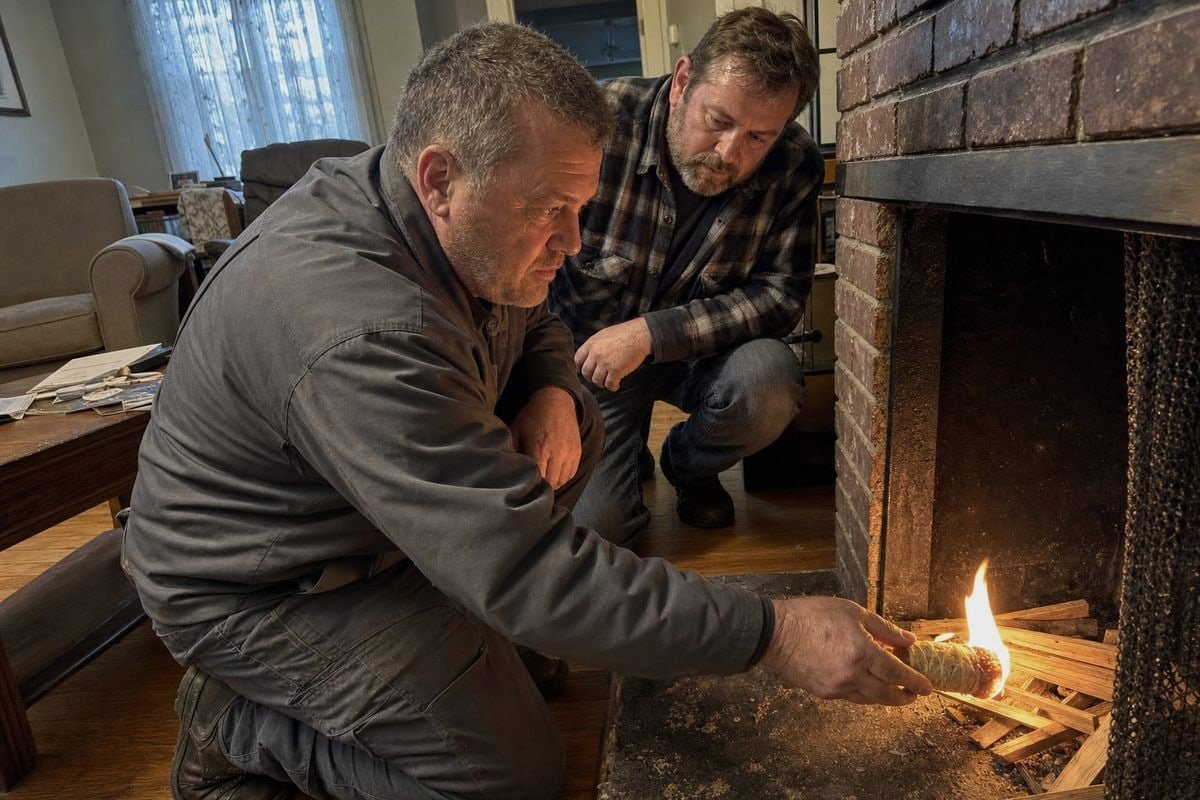
The logic is straightforward. When a technician recommends a nationally distributed brand, the customer can find it cheaper online within minutes. That embarrasses the technician and kills the margin. When the technician hands over a professional-grade starter carrying the distributor's own brand, there is no comparison point. The price is the price, anchored by the recommendation.
What exclusivity does for the relationship
From what we have observed across our 30+ export markets, private-label programs deliver three relationship benefits that generic products cannot:
- Margin protection. Technicians earn a meaningful cut on every box, which motivates them to keep recommending it. High-margin retail items keep the channel motivated without pressure tactics.
- Brand reinforcement. Every fire lit with the starter reminds the household of the distributor and the chimney sweep services behind it. That supports seasonal replenishment and repeat service bookings.
- Positioning as professional-grade. An "available through your technician only" framing decouples the product from commodity perception entirely.
How we structure private-label projects
Our one-stop OEM/ODM process covers the full customization scope: starter size, burn time, wax formulation, box design, display packaging, warning labels, and barcodes. We have run this process for outdoor brands, BBQ and fireplace distributors, and wholesale importers. The critical detail is consistency. Because we control production in our own Ningbo facility rather than outsourcing through a trading company, the first sample a distributor approves genuinely reflects mass-production quality. Technicians notice batch variation fast — a starter that burns eight minutes one month and five minutes the next will get quietly dropped from the service van. Strict batch-to-batch quality control is what keeps a private-label program alive past its first season.
How do I structure MOQs and packaging when supplying wood fire starters through service technician networks?
Packaging decisions sank one of the first technician-channel projects I supported years ago. The buyer ordered our standard 100-piece retail boxes, and technicians found them too bulky for service vans. We redesigned everything.
Structure MOQs around trial-friendly volumes — typically one pallet or 500 to 1,000 retail units — with mixed-SKU flexibility. Package in compact, van-friendly boxes of 20 to 50 starters, with clear composition labels, burn-time claims, and space for the technician's service branding.

Technician networks buy differently from retail chains. A retail buyer wants full containers and shelf-ready display cartons. A technician network wants small, durable, easy-to-carry units that fit beside the vacuum and rods in a service vehicle. Your MOQ and packaging structure must reflect that reality, or the channel will resist the product no matter how good it is.
Packaging formats that work in the field
| Formato | Determina o tamanho da caixa e a resistência estrutural | Melhor caso de uso | Technician feedback pattern |
|---|---|---|---|
| Compact carry box | 20–30 starters | Single-visit sale, hand to customer | Most popular; fits van storage |
| Mid-size refill box | 50 starters | Seasonal replenishment orders | Good for repeat customers |
| Counter display | 100+ starters | Technician's shop or showroom | Works only with retail location |
| Sample sleeve | 2–3 acendedores | Free demonstration during inspection | Highest conversion driver |
That last row deserves attention. The sample sleeve is the cheapest marketing tool in this channel. A technician who lights one starter during a wood stove maintenance visit converts customers at rates no brochure can match. We recommend every distributor budget sample sleeves into the first order.
A practical MOQ structure for the channel
- Trial order: one pallet, mixed packaging formats, so the distributor can test what technicians actually prefer.
- Program order: a container-share or partial container once the winning format is clear.
- Seasonal commitment: scheduled shipments timed ahead of the heating season, because burning-season demand is sharply seasonal in the US and Europe.
We keep trial MOQs flexible on purpose. In our export experience, distributors who test small and scale on real technician feedback build durable programs. Those who guess big on packaging usually end up warehousing dead stock. Pair the flexible MOQ with proper service technician training materials — a one-page card explaining burn time, ignition method, and the creosote-reduction argument — and the network starts selling from day one.
Conclusão
Technician channels turn wood fire starters from commodity to trusted recommendation. Pair certified quality, private-label exclusivity, and van-friendly packaging, and premium pricing follows naturally. We build exactly that.
Notas de rodapé
1. Background reference explaining the EU conformity marking distributors must provide technicians. ↩︎
2. Background concept explaining the white-label branding strategy discussed for distributor exclusivity. ↩︎
3. Official site of the independent testing lab referenced as third-party verification source. ↩︎
4. CE marking is an official EU conformity standard; citing the source clarifies its regulatory meaning for readers. ↩︎
5. Official site of the testing and inspection company cited alongside SGS for compliance verification. ↩︎
6. EPA program on wood-burning safety supports the creosote and clean-burn claims made in the article. ↩︎
7. Explains the manufacturing arrangement referenced for custom production and packaging services. ↩︎



 English
  Spanish
  German
  French
  Arabic
  Portuguese
Participe da conversa