






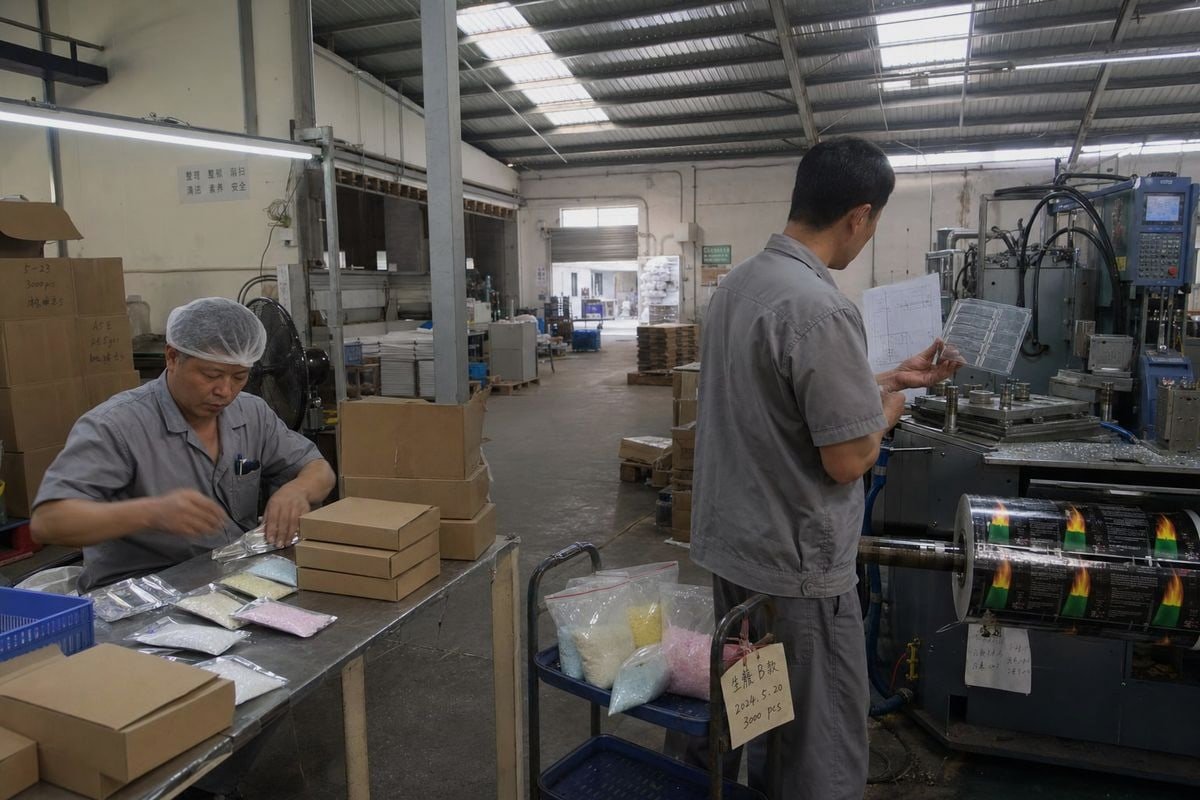
Escolher entre ODM e OEM para Pó Mágico de Fogo confunde muitos agregadores de marcas que visitam nosso chão de fábrica em Ningbo. Escolha errado, e o dinheiro fica preso em ferramentas ou as margens evaporam rapidamente.
Para Magic Fire Powder, ODM oferece melhor ROI no lançamento porque não necessita de investimento em ferramentas, oferece MOQs mais baixas e chega ao mercado mais rapidamente. OEM ganha ROI a longo prazo assim que o volume é comprovado, uma vez que formulações proprietárias, embalagens exclusivas e propriedade intelectual defendem as margens e aumentam as avaliações de saída.
A resposta certa depende do estágio do seu portfólio, da sua disciplina de caixa e dos seus planos de saída. Vou guiá-lo por cada fator, começando pelo que impede a maioria dos negócios: certificação.
Que certificações devo verificar antes de escolher um parceiro ODM ou OEM para o Magic Fire Powder?
Na primavera passada, um distribuidor alemão nos pediu nosso relatórios SGS completos 1 antes mesmo de discutir o preço. Esse pedido me ensinou que a papelada de conformidade abre portas mais rápido do que qualquer folha de cotação.
Verificar ISO 9001 para gestão de qualidade, BSCI para conformidade social, marcação CE para acesso ao mercado da UE e relatórios de teste de terceiros da SGS ou Intertek. Exigir também documentação MSDS, classificação de envio de materiais perigosos e registos de teste a nível de lote antes de assinar qualquer acordo ODM ou OEM para Magic Fire Powder.

A certificação não é uma formalidade nesta categoria. Produtos de chama colorida ficam próximos à química regulamentada aos olhos das equipes de conformidade funcionários da alfândega 2 e de varejo. Em nossos dezessete anos de exportação para mais de trinta países, vi remessas retidas no porto simplesmente porque o fornecedor não conseguiu produzir um relatório de teste válido mediante solicitação. Esse risco recai sobre você, o proprietário da marca, não sobre a fábrica.
Os Documentos Principais a Solicitar
Aqui está a lista de verificação que recomendo que todo agregador use durante a devida diligência:
| Certificação / Documento | O que Comprova | Relevância ODM | Relevância OEM |
|---|---|---|---|
| ISO 9001 | Sistema de gestão de qualidade consistente | 1 x 20 pés ou 40 pés | 1 x 20 pés ou 40 pés |
| Auditoria BSCI | Condições éticas de fábrica para compradores de varejo | 1 x 20 pés ou 40 pés | 1 x 20 pés ou 40 pés |
| Marcação CE | Conformidade com o mercado da UE | Obrigatório para a UE | Obrigatório para a UE |
| Relatórios SGS / Intertek | Testes independentes de segurança do produto | Cobre a fórmula base | Deve ser retestado por fórmula personalizada |
| FISPQ / SDS | Composição química e dados de manuseio | O fornecedor fornece | Você pode precisar de uma versão dedicada |
| Classificação de envio de materiais perigosos | Frete marítimo e aéreo legal | Compartilhado entre marcas | Dedicado ao seu SKU |
Observe a diferença nas duas últimas linhas. Com ODM, os relatórios de teste existentes do fornecedor geralmente cobrem sua versão de marca própria, porque a fórmula não é alterada. Com OEM, qualquer formulação personalizada aciona novos testes, o que adiciona custo e de quatro a oito semanas de tempo. Orce para isso.
Mais um aviso. Algumas empresas comerciais pegam emprestado certificados de fábricas que não controlam. Sempre confirme se o nome do titular do certificado corresponde à entidade de produção real e solicite um tour virtual pela fábrica ou uma auditoria de terceiros se não puder visitar pessoalmente.
Como calculo a diferença real de ROI entre ODM e OEM para o meu portfólio de marca?
Um agregador dos EUA uma vez me mostrou sua planilha comparando nossas cotações ODM e OEM por unidade apenas. Ele estava perdendo metade da imagem, então reconstruímos o modelo juntos em duas chamadas.
Calcule o ROI comparando o capital total investido com a margem cumulativa, não apenas o preço unitário. O ODM evita taxas de ferramental de aproximadamente 20.000–80.000 e tem um retorno mais rápido, enquanto os custos unitários 8–15% mais baixos do OEM geralmente superam o custo cumulativo do ODM acima de 10.000 unidades.

O ROI não é a mesma coisa que margem bruta 3. Essa única confusão causa mais decisões ruins de sourcing do que qualquer outra coisa que vejo. ODM parece pior em uma cotação por unidade, mas preserva o caixa, encurta o retorno e permite que você teste três SKUs pelo preço de um projeto de desenvolvimento OEM. OEM parece pior no primeiro ano, mas um SKU herói comprovado amortiza os custos de ferramentas e testes em todos os reabastecimentos.
Modele Três Cenários, Não Um
Encorajo os compradores a fazerem os cálculos em três cenários distintos:
- Lançamento de teste. Baixo volume, demanda incerta. ODM quase sempre vence aqui. Taxas de moldagem zero, testes de conformidade compartilhados, retorno rápido.
- Vencedor escalado. Você tem doze meses de dados de vendas e velocidade de reabastecimento confiável. OEM começa a vencer. O menor custo unitário se acumula e a exclusividade protege seu ponto de preço.
- Consolidação de portfólio. Você está preparando marcas para saída. Produtos OEM com marcas registradas e formulações proprietárias comandam múltiplos de aquisição mais altos do que itens de catálogo ODM que qualquer comprador poderia replicar.
Uma Comparação Simplificada de Ponto de Equilíbrio
| Fator de Custo | ODM | OEM |
|---|---|---|
| Ferramental / desenvolvimento | $0 | R$ 20.000–R$ 80.000 |
| Custo unitário em escala | 8–15% mais alto | Linha de base |
| Testes de conformidade | Compartilhado entre marcas | Dedicado por fórmula |
| Ponto de equilíbrio típico vs. alternativa | Imediato | ~10.000+ unidades |
| Velocidade de retorno do CAC | Mais rápido (lançamento mais rápido) | Mais lento inicialmente |
| Defesa de LTV a longo prazo | Mais fraco (copiável) | Mais forte (exclusivo) |
Agora, uma objeção justa: alguns agregadores argumentam que a vantagem da planilha do ODM é uma ilusão, porque produtos comoditizados convidam a guerras de preços no mercado que corroem a margem que você modelou. Esse risco é real. Mas a resposta prática é o sequenciamento, não a evitação. Use o ODM para validar a demanda de forma barata, em seguida, mova os SKUs vencedores para o OEM antes que os concorrentes se aglomerem. O caminho híbrido captura a velocidade de retorno do ODM e o valor terminal do OEM.
Qual modelo me dá mais controle sobre embalagem, marca e rotulagem de conformidade?
Nossa equipe de design já virou um sachê metalizado de marca própria 4 — gráficos de chama arco-íris, rótulo de aviso personalizado, código de barras de varejo — em menos de três semanas para uma marca canadense de camping. O controle da embalagem é onde esses modelos realmente diferem.
OEM oferece controle total sobre formulação, estrutura de embalagem, marca e rotulagem de conformidade porque você possui a especificação. ODM oferece forte personalização de embalagem e rótulo em uma fórmula base fixa, que cobre a maioria das necessidades de marca própria a um custo muito menor e com retorno mais rápido.

Aqui está a nuance que a maioria dos guias de fornecimento perde. O controle não é binário. Ele existe em um espectro, e o Magic Fire Powder se encaixa em uma categoria onde a embalagem impulsiona a venda mais do que a química. Um comprador em uma loja de camping compra o sachê que chama sua atenção, não a mistura de sais metálicos dentro.
O Que Cada Modelo Permite Controlar
Com uma fábrica completa e capaz, o ODM já cobre muito: formato do sachê (sachê metalizado, saco stand-up de kraft ou pote de plástico), arte de superfície completa, nome e logotipo da marca, caixas de exibição para balcões de varejo, códigos de barras e rótulos de aviso específicos do mercado em idiomas locais. Em nossa experiência enviando para os EUA, Alemanha, França e Austrália, a redação e a colocação dos rótulos de aviso mudam por mercado, e um bom fornecedor lida com essas variantes sob o ODM sem nenhum custo de ferramental.
O que o ODM faz não é dar a você a própria fórmula. O mesmo pó base 5 pode aparecer sob nomes de marcas concorrentes no mesmo marketplace. Se sua estratégia de diferenciação depende de tempo de queima único, sequência de cores única ou uma alegação ecológica proprietária apoiada por seus próprios dados de teste, apenas o OEM garante isso.
Rotulagem de Conformidade: O Ponto de Controle Ignorado
A rotulagem de conformidade merece atenção própria. Redes de varejo no estilo Home Depot auditam o conteúdo dos rótulos rigorosamente. Sob o ODM, você adapta sua arte em torno do texto de segurança aprovado pelo fornecedor. Sob o OEM, você define o texto de segurança com sua própria revisão legal, o que proporciona um alinhamento mais limpo com os requisitos do seu varejista — mas você também carrega a responsabilidade se a redação falhar. Alguns compradores veem essa responsabilidade como um fardo. Eu a vejo como uma alavancagem: possuir a história de conformidade é exatamente o que torna um SKU OEM defensável e difícil de copiar.
Qual MOQ e tempo de entrega devo esperar ao mudar entre fabricação ODM e OEM?
Um importador holandês me perguntou recentemente por que sua cotação OEM tinha o triplo do MOQ de seu pedido ODM anterior. A resposta está em como as fábricas agendam as corridas de produção e recuperam os custos de configuração.
Espere MOQs de ODM de aproximadamente 500–1.000 unidades com prazos de entrega de 15–30 dias, pois as fórmulas base são executadas em linhas existentes. As MOQs de OEM normalmente começam em 3.000–10.000 unidades com prazos de entrega de 45–90 dias, cobrindo formulação, testes, ferramentas de embalagem e validação do primeiro lote.

MOQ e prazo de entrega são onde a realidade do fluxo de caixa atinge a teoria de fornecimento. Um agregador de marcas gerenciando quinze SKUs em quatro marcas não pode comprometer seis dígitos de gestão de capital de giro 6 em um único produto não comprovado. É por isso que estruturamos MOQs flexíveis para pedidos de teste para compradores de ODM: isso permite que eles validem um mercado antes de se comprometerem com o volume.
Faixas Típicas por Estágio de Produção
| Etapa | ODM | OEM |
|---|---|---|
| Amostragem | 3–7 dias (amostras em estoque) | 2–4 semanas (formulação personalizada) |
| Testes de conformidade | Já concluído | 4–8 semanas por nova fórmula |
| MOQ do primeiro pedido | ~500–1.000 unidades | ~3.000–10.000 unidades |
| Prazo de entrega do primeiro pedido | 15–30 dias | 45–90 dias |
| Prazo de reabastecimento | 15–20 dias | 20–35 dias |
| Buffer sazonal necessário | 4–6 semanas | 8–12 semanas |
Planejando a Transição de ODM para OEM
Se você seguir o caminho híbrido, o tempo é importante. O Magic Fire Powder é sazonal — a temporada de camping na América do Norte e Europa impulsiona a maior parte da demanda. Comece o desenvolvimento do OEM pelo menos cinco a seis meses antes da sua janela de vendas, porque a formulação personalizada, testes SGS frescos, ferramental de embalagem e validação da qualidade do primeiro lote adicionam semanas cada. Em nosso planejamento de produção, dizemos aos compradores uma verdade dura: um projeto OEM iniciado em abril não chegará confiavelmente às prateleiras em junho.
Uma salvaguarda prática: insista que a fábrica confirme que a primeira amostra reflete qualidade de produção em massa 7. A consistência lote a lote é onde fornecedores inexperientes falham, e com um produto de efeito de fogo, um lote inconsistente significa falhas de cor visíveis na frente do seu cliente final. Registros rigorosos de controle de qualidade de lote devem ser um requisito contratual, não uma promessa.
Conclusão
Adivinhar errado entre ODM e OEM imobiliza capital ou cede margem. Comece com ODM para validar a demanda, depois mova os vencedores comprovados para OEM — e faça parceria com uma fábrica certificada que suporte ambos os caminhos.
Notas de rodapé
Órgão independente de testes de terceiros referenciado para verificação de conformidade de produtos de pó de fogo. ↩︎
A Organização Mundial das Alfândegas supervisiona as verificações de conformidade que retêm remessas no porto. ↩︎
A definição de fundo ajuda os leitores a distinguir a margem bruta do ROI real nas decisões de fornecimento. ↩︎
Alibaba é uma plataforma de fornecimento primária onde embalagens de marca própria como esta são fabricadas. ↩︎
Explica os corantes químicos por trás dos pós de efeito de fogo compartilhados entre marcas concorrentes. ↩︎
Explica o conceito financeiro central para comparar o compromisso de caixa ODM e OEM. ↩︎
Os padrões de gestão de qualidade ISO 9001 sustentam a salvaguarda de consistência de lote descrita. ↩︎


 English
  Spanish
  German
  French
  Arabic
  Portuguese
Participe da conversa