






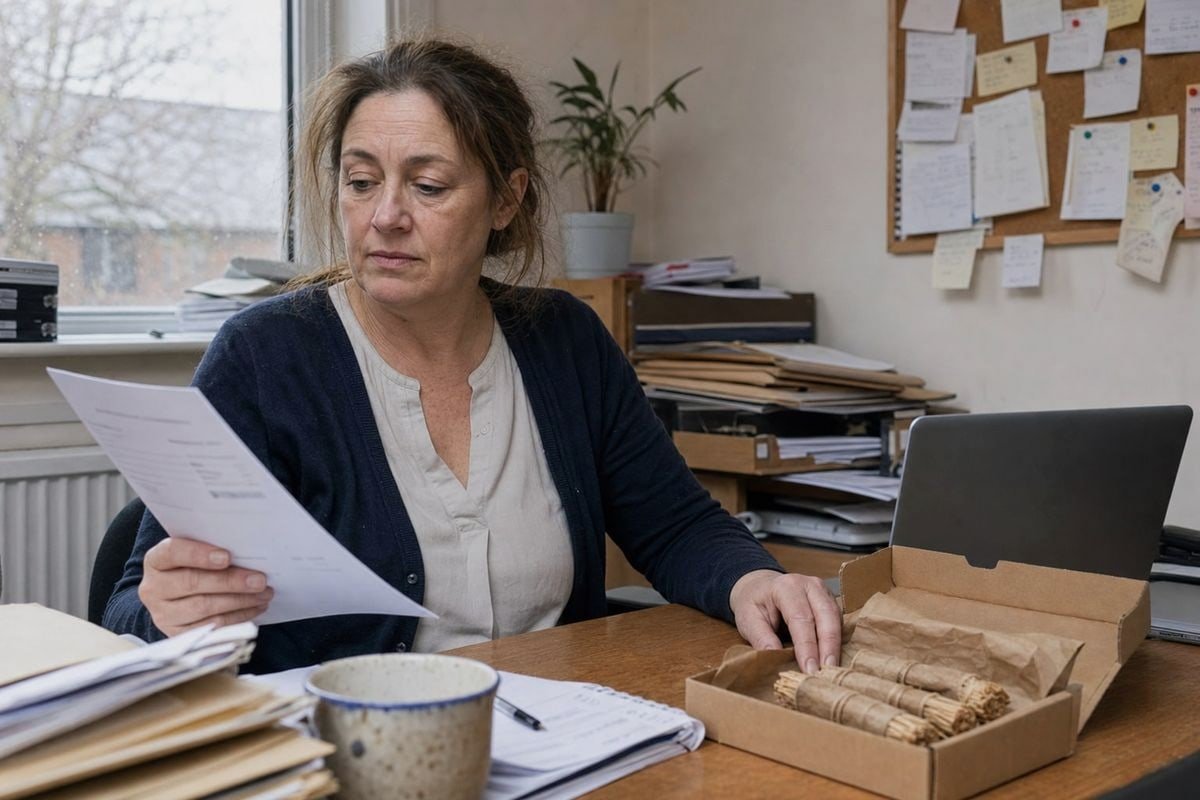
Verificando se os acendedores de fogo a lenha atendem BS EN 1860-3 1 testes de segurança é mais difícil do que parece. Em nossa linha de produção, vi como a papelada falsa passa facilmente por compradores ocupados.
Para verificar se os acendedores de fogo a lenha cumprem os testes de segurança BS EN 1860-3, solicite um relatório de teste atual de um laboratório credenciado como SGS ou Intertek, confirme que ele faz referência à edição de 2023, compare o produto testado com sua amostra real e verifique a documentação de rastreabilidade do lote.
Essa é a resposta curta. Os detalhes importam mais. Abaixo, detalho cada etapa de verificação na ordem em que um gerente de compras real a seguiria.
Como Confirmo se os Relatórios de Teste BS EN 1860-3 de um Fornecedor São Genuínos e Atuais?
Há alguns anos, um distribuidor alemão nos encaminhou um "relatório de teste" de um concorrente para revisão. Nossa equipe de CQ identificou o problema em minutos: o relatório referia-se a uma edição do padrão que já havia sido substituída. Esse momento moldou como agora treinamos os compradores para ler a papelada de conformidade.
Confirme a autenticidade entrando em contato diretamente com o laboratório emissor usando os detalhes de contato do site oficial do laboratório, verificando o número do relatório, conferindo se as referências do relatório são BS EN 1860-3:2023 e confirmando se a descrição do produto testado corresponde ao item exato que você pretende comprar.

Relatórios falsos ou desatualizados são o maior risco nesta categoria. Deixe-me explicar como identificá-los.
Verifique com o laboratório, não com o fornecedor
Nunca valide um relatório usando as informações de contato impressas no próprio relatório. Um documento forjado terá números de telefone forjados. Em vez disso, acesse o site oficial da SGS, Intertek, TÜV ou qualquer laboratório que o emitiu. A maioria dos grandes laboratórios oferece portais de verificação de relatórios online. Insira o número do relatório. Se o laboratório não conseguir encontrá-lo, desista.
Verifique a edição e a data
A BS EN 1860-3 foi atualizada em 2023. A revisão alterou a terminologia, as referências normativas e os requisitos, e removeu o antigo requisito de desempenho de tempo de ignição. Um relatório vinculado à edição da era de 2003 não é prova de conformidade atual. Verifique também a data de emissão. Muitos esquemas de certificação consideram os certificados válidos por cerca de dois anos. Um relatório de cinco anos não diz nada sobre a produção atual.
Corresponda o relatório ao produto real
O padrão abrange acendedores de fogo sólidos, líquidos, líquidos espessados e em gel. Rolos de madeira encerados são acendedores de fogo sólidos. Se o relatório descrever um produto em gel, ou um tamanho, peso ou composição diferente da sua amostra, o relatório não cobre seu produto. Em nossa experiência exportando para o Reino Unido e Alemanha, auditores alfandegários e de varejo verificam essa correspondência de perto.
| Sinal de Alerta | O que Geralmente Significa | Sua Ação |
|---|---|---|
| O relatório faz referência à edição pré-2023 | Alegação de conformidade desatualizada | Solicite um novo teste de acordo com a BS EN 1860-3:2023 |
| A descrição do produto não corresponde à amostra | Relatório emprestado de outro produto | Rejeite e exija testes específicos do produto |
| O laboratório não consegue verificar o número do relatório | Documento provavelmente forjado | Encerre a negociação |
| Relatório com mais de 2 anos | Status de conformidade desconhecido | Peça um relatório atual ou renovação |
| Apenas autodeclaração, sem nome de laboratório | Sem evidências de terceiros | Exija testes de laboratório credenciado |
Quais Padrões de Tempo de Queima e Desempenho de Ignição Meus Iniciadores de Fogo de Madeira Devem Atender?
Há um equilíbrio que pesamos toda vez que desenvolvemos um novo rolo de madeira encerado: mais parafina proporciona uma queima mais longa, mas muita cera corre o risco de pingar material derretido durante o teste de queima. Conseguir esse equilíbrio certo é do que o padrão realmente trata.
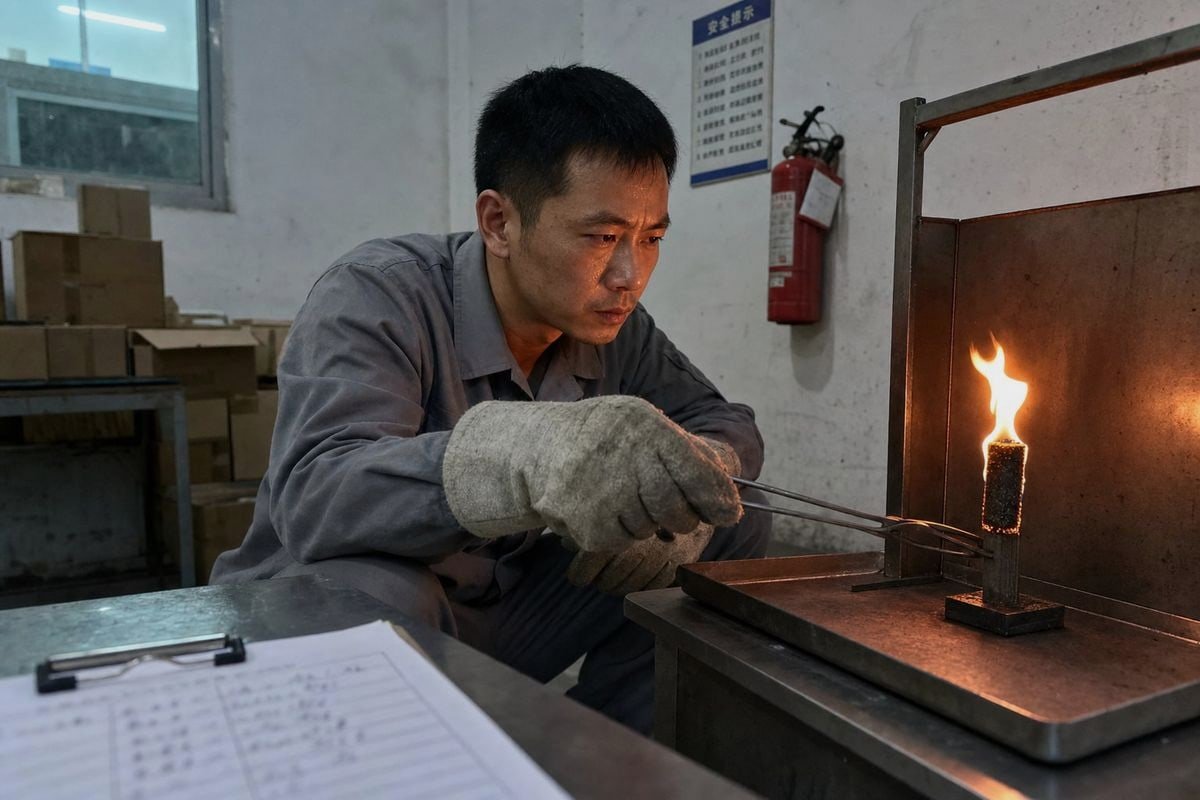
Sob a BS EN 1860-3:2023, os acendedores de lenha devem inflamar-se facilmente e queimar de forma constante, sem chamas, deflagração, faíscas, estalos, estouros, gotejamento de material derretido ou explosão até à extinção. A edição de 2023 removeu o requisito de tempo fixo de ignição, pelo que um comportamento de queima seguro e previsível é o principal critério.
Muitos compradores assumem que o padrão define um único teste de queima de aprovação/reprovação. Ele não define. Ele define um programa de testes cobrindo comportamento de queima, química e embalagem. Veja o que um programa de testes em conformidade realmente verifica.
Requisitos de comportamento de queima
O teste central de segurança em uso observa como o produto se comporta da ignição à extinção. O acendedor de fogo deve acender facilmente com um fósforo ou isqueiro. Em seguida, deve queimar de forma calma e constante. Qualquer fogo repentino, labareda súbita, faíscas de material em chamas ou gotejamento de cera derretida é uma falha. Isso é especialmente importante para produtos de madeira e palha. Fibras de madeira soltas podem soltar faíscas se a densidade de enrolamento estiver incorreta. Controlamos a tensão de enrolamento e a penetração da cera em nossas linhas exatamente por esse motivo.
Limites de composição química
O padrão também restringe o que entra no produto. Esses limites protegem os usuários de fumaça tóxica e protegem os alimentos cozidos no fogo.
| Requisito | Limite sob BS EN 1860-3:2023 |
|---|---|
| Teor de PAH (hidrocarbonetos aromáticos policíclicos 2) | ≤ 1,01 TP3T em peso |
| Teor de enxofre | ≤ 0,51 TP3T em peso |
| Substâncias PBT (persistentes, bioacumulativas, tóxicas) | Não permitido |
| Substâncias vPvB (muito persistentes, muito bioacumulativas) | Não permitido |
| Líquidos altamente inflamáveis | Excluído a menos que estabilizado |
E o tempo de queima em si?
O padrão não dita mais um valor fixo de tempo de ignição. No entanto, seu mercado ainda o faz. Para uso em churrasqueira, a maioria dos nossos compradores europeus especifica de 8 a 10 minutos de chama constante, porque isso acende o carvão de forma confiável. Para acender lareiras, alguns preferem mais tempo. Como parte do nosso trabalho de OEM, ajustamos a proporção de cera e o tamanho do rolo para atingir um tempo de queima alvo. O ponto principal: o tempo de queima é uma especificação comercial que você define; o comportamento seguro de queima é o requisito regulatório que você não pode comprometer.
Que Documentação Devo Solicitar Antes de Fazer um Pedido em Lote com um Fabricante?
Uma lição que aprendi no início de nossos mais de 17 anos de exportação: os compradores que pedem documentos antecipadamente quase nunca têm problemas na alfândega. Os compradores que pedem após o embarque geralmente têm. A papelada é mais barata antes que o contêiner saia do porto.
Antes de uma encomenda a granel, solicite um relatório de teste atualizado BS EN 1860-3:2023 de um laboratório acreditado, uma Declaração de Conformidade, os certificados ISO 9001 e BSCI do fabricante, fichas MSDS, aprovações de arte de embalagem e rótulos de aviso, e procedimentos escritos de rastreabilidade de lotes.
Pense no pacote de documentos em três camadas: conformidade do produto, credibilidade da fábrica e proteção comercial. Uma falha em qualquer camada cria risco para você como o importador responsável.
A lista de verificação completa de documentos
| Documento | O que Comprova | Quem o Emite |
|---|---|---|
| Relatório de teste BS EN 1860-3:2023 | Produto aprovado em testes de segurança e desempenho | Laboratório terceirizado credenciado (SGS, Intertek, TÜV) |
| Declaração de Conformidade (DoC) | Fabricante declara formalmente a conformidade | Fabricante |
| ISO 9001 3 certificado | Existe um sistema de gestão de qualidade | Órgão certificador |
| relatório de auditoria BSCI | Conformidade ética e social da fábrica | Órgão auditor |
| FISPQ / ficha de dados de segurança 4 | Composição química e dados de manuseio | Fabricante ou laboratório |
| Arte da etiqueta e embalagem | Avisos e marcações exigidos estão presentes | Fabricante, aprovado por você |
| Procedimento de rastreabilidade de lote | Cada lote pode ser rastreado até as matérias-primas | Fabricante |
Por que os documentos de nível de fábrica são importantes
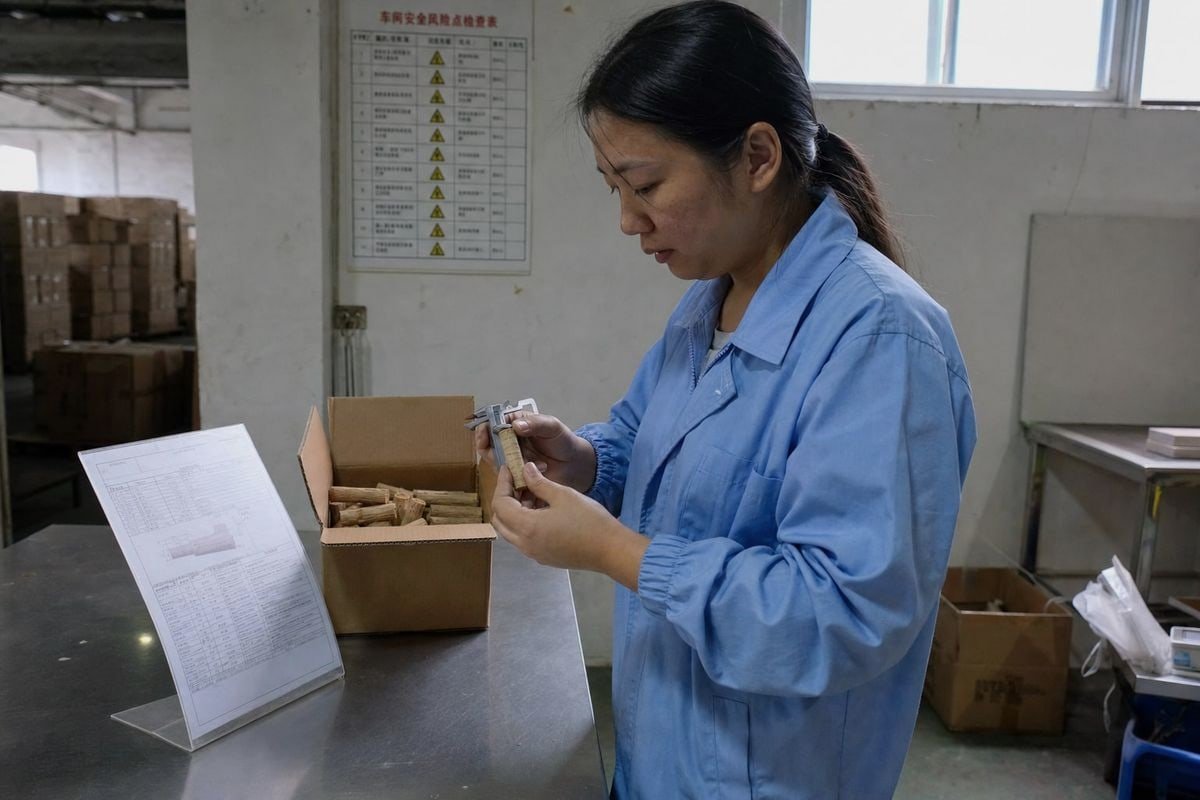
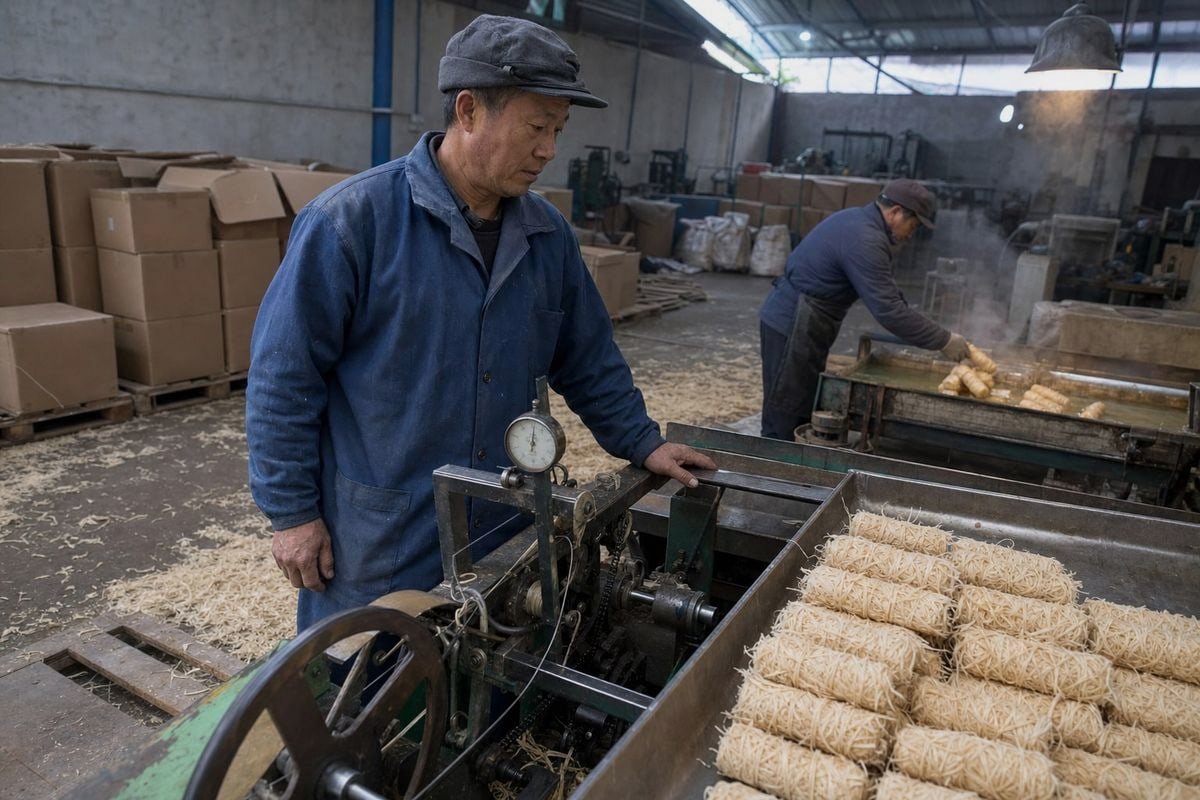
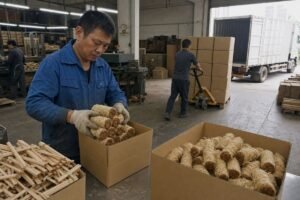
Um relatório de teste cobre uma amostra em um dia. ISO 9001 e BSCI dizem se a fábrica pode repetir essa qualidade todos os dias. Quando os compradores visitam nossas instalações, nós os guiamos pela cadeia completa: matéria-prima lã de madeira 5 recebida, verificações de qualidade de parafina, enrolamento, imersão, secagem e controle de qualidade final. A papelada deve espelhar essa realidade. Se um fornecedor não consegue explicar como seus documentos se conectam ao seu processo, os documentos podem ser emprestados.
Proteção comercial
Mais dois itens pertencem ao seu contrato, não apenas à sua pasta de documentos. Primeiro, uma cláusula de indenização vinculada explicitamente à conformidade com a BS EN 1860-3, para que a responsabilidade seja do fabricante se um lote falhar posteriormente. Segundo, um acordo por escrito de que a amostra certificada é a referência de qualidade vinculativa para a produção em massa. Assinamos ambos rotineiramente para nossos clientes de marca própria. Um fornecedor que resiste a qualquer uma das cláusulas está lhe dizendo algo importante.
Como Posso Garantir Que Cada Lote de Produção Permaneça Consistente com a Amostra Certificada?
Um comprador do Reino Unido me disse uma vez por que ele mudou de fornecedor para nós: o primeiro embarque de seu fornecedor anterior foi excelente, mas o terceiro embarque usou aparas de madeira mais finas e menos cera, e os tempos de queima caíram drasticamente. A certificação não significava nada porque a produção havia se afastado da amostra certificada.
Garanta a consistência do lote exigindo CQ documentado em processo na fábrica, números de lote impressos em cada caixa, amostras de referência retidas de cada lote, retestes periódicos de terceiros e testes de queima independentes em remessas recebidas que replicam o protocolo EN 1860-3.
Conformidade não é um certificado. É um processo que deve se repetir milhares de vezes. Aqui está um sistema de controle prático, na ordem em que deve operar.
Um processo de controle de lote de cinco etapas
- Bloqueie a amostra de ouro. Mantenha a amostra exata que passou nos testes, selada e assinada por ambas as partes. Cada lote é julgado contra ela, não contra a memória ou fotos.
- Controle de insumos. A qualidade da lã de madeira, o tipo de parafina e a proporção de cera devem ser especificados por escrito. A substituição de parafina mais barata é a causa mais comum de desvio. Em nossas linhas, a parafina recebida é verificada antes mesmo de chegar aos tanques de imersão.
- Execute verificações em processo. O peso por peça, a absorção de cera, a densidade de enrolamento e a umidade devem ser medidos em intervalos definidos durante a produção, não apenas no final. Pequenas tolerâncias aqui decidem se o produto acabado inflama ou goteja.
- Rastreie cada lote. Cada caixa deve conter um número de lote que remonta à data de produção, lotes de matéria-prima e registros de controle de qualidade. Se um problema surgir no varejo, você pode isolar um lote em vez de recolher tudo.
- Verifique independentemente. Para programas de alto volume, comissione um inspeção pré-embarque 6 e um teste de queima periódico contra o protocolo EN 1860-3. Verifique também os bancos de dados de recall do OPSS ou nacionais de Trading Standards 7 ocasionalmente, pois o histórico de conformidade pode variar entre lotes de produção, mesmo sob a mesma listagem.
Por que a profundidade da fábrica é importante aqui
É aqui que uma fábrica genuína difere de uma empresa comercial. Um trader adquire cada pedido de quem for mais barato naquele mês, de modo que a consistência lote a lote é estruturalmente impossível. Uma fábrica com linhas de produção completas e controle de qualidade rigoroso de lote, como a nossa em Ningbo, controla todas as variáveis, desde a matéria-prima até a caixa selada. É por isso que nossa primeira amostra reflete de forma confiável a qualidade da produção em massa, e por que incentivamos os compradores a nos auditar contra essa afirmação.
Conclusão
Papelada não verificada coloca sua marca, espaço nas prateleiras e posição legal em risco. Verifique o laboratório, a edição, a correspondência da amostra e os controles de lote — em seguida, faça parceria com uma fábrica que comprove todos os quatro.
Notas de rodapé
BSI é o órgão oficial que emite e atualiza este padrão de segurança para acendedores de fogo. ↩︎
Fornece informações de fundo sobre os compostos tóxicos cujo conteúdo é limitado sob o padrão de segurança. ↩︎
Página oficial da ISO explicando o padrão de gerenciamento de qualidade referenciado para confiabilidade da fábrica. ↩︎
OSHA explica as informações exigidas sobre perigos químicos contidas nas fichas de dados de segurança para produtos. ↩︎
Informações de fundo sobre lã de madeira, a matéria-prima principal usada na fabricação de acendedores de fogo sólidos. ↩︎
Explica a prática de verificação de exportação recomendada para confirmar a conformidade antes do envio. ↩︎
Agência governamental do Reino Unido que mantém registos de recolha de produtos e conformidade mencionados no artigo. ↩︎


 English
  Spanish
  German
  French
  Arabic
  Portuguese
Participe da conversa