






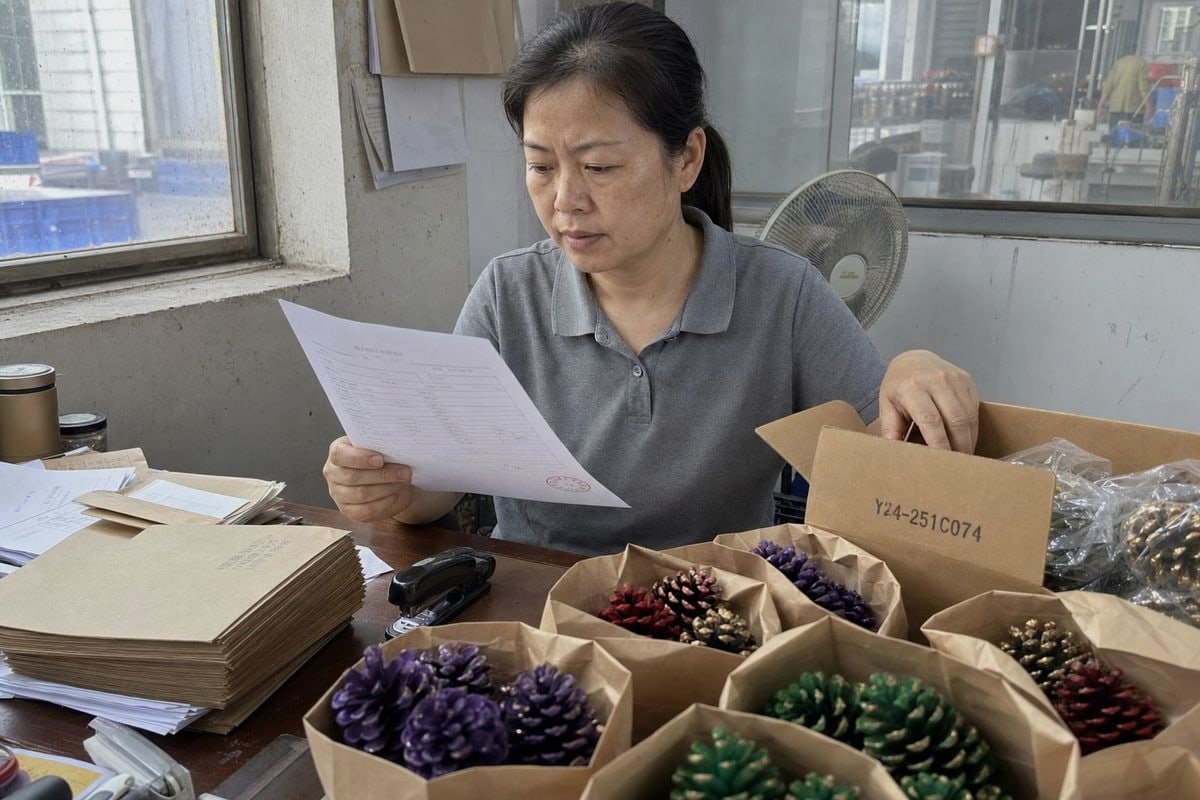
A verificação de um relatório de inspeção do fornecedor para pinhas coloridas para lareira não é papelada opcional para mim — decide se nossas pinhas de chama colorida sairão de nossa linha de produção em Ningbo.
Para verificar um relatório de inspeção de um fornecedor para pinhas coloridas para lareira, confirme a acreditação ISO/IEC 17025 do laboratório, verifique o número do relatório no portal oficial do laboratório, combine os números dos lotes com o seu envio e revise os resultados de segurança química para REACH, Prop 65 e limites de metais pesados.
Essa resposta parece simples. Na prática, a maioria dos compradores pula etapas e se queima — às vezes literalmente. Este produto vai para uma chama aberta na sala de estar de alguém. Um relatório falso ou reciclado coloca sua marca em risco de recalls, estornos e ações judiciais. A boa notícia é que a verificação segue um processo claro e repetível. Abaixo, eu o detalho da mesma forma que nossa própria equipe de CQ faz antes de qualquer contêiner ser enviado.
Quais certificações devo verificar primeiro ao revisar o relatório de inspeção do meu fornecedor?
Durante uma temporada de auditorias de fábrica há alguns anos, um distribuidor alemão nos enviou o relatório de um concorrente para revisão. Metade das "certificações" listadas eram logotipos sem números de certificado por trás deles. Isso me ensinou por onde começar.
Verifique primeiro os certificados ISO 9001 e BSCI do fornecedor, uma marca CE válida onde exigido e relatórios de teste de terceiros da SGS ou Intertek cobrindo segurança de corantes inflamáveis, concentração de metais pesados e substâncias restritas sob REACH e Proposição 65 da Califórnia.

As certificações se dividem em duas categorias, e você precisa de ambas. Certificações em nível de fábrica provam que o fornecedor possui um sistema de qualidade real. Relatórios de teste de produto provam que este produto específico é seguro para queimar em ambientes fechados. Um fornecedor que mostra apenas uma categoria está mostrando metade da imagem.
Certificações em nível de fábrica
Comece com a ISO 9001. Ela confirma que o fornecedor possui documentado gestão da qualidade 1 — registros de lote, ações corretivas e verificações de material recebido. Em seguida, procure a BSCI, que cobre conformidade social 2 e confirma que os auditores visitaram fisicamente o local. Em nossa experiência exportando para mais de 30 países, compradores em grandes canais de varejo tratam esses itens como requisitos rígidos, não como algo bom de ter. Nós também.
Documentação em nível de produto
Para pinhas coloridas para lareira especificamente, peça esses documentos pelo nome:
| Documento | O que Comprova | Deve ser específico do lote? |
|---|---|---|
| Relatório de teste SGS ou Intertek | Produto aprovado em testes de laboratório de terceiros | Sim, ou recente e representativo |
| Ficha de Dados de Segurança de Materiais | Identifica o sais metálicos 3 criando cada cor de chama | Não, mas deve corresponder à fórmula |
| Certificado de Análise | Análise de composição química do lote real | Sim |
| Triagem REACH / Prop 65 | Sem substâncias restritas acima dos limites legais | Idealmente sim |
| Documentação CE (UE) | Conformidade para o mercado alvo | Não |
A Ficha de Dados de Segurança de Materiais (MSDS) é mais importante do que a maioria dos compradores percebe. As chamas coloridas vêm de sais metálicos — compostos de cobre para verde e azul, por exemplo. A MSDS deve nomear esses ingredientes em vez de se esconder atrás de termos vagos como "corante proprietário". Quando desenvolvemos nossas próprias pinhas de chama colorida, construímos a MSDS antes de construir a embalagem, porque todo importador sério a solicita eventualmente.
Como confirmo que os resultados do teste correspondem realmente ao lote que estou a encomendar?
Uma inspeção de remessa ficou em minha memória: um comprador nos encaminhou um relatório "aprovado" onde a data de produção era três semanas após a data do relatório. O laboratório havia testado algo — apenas não aquele carregamento. A correspondência de lote é onde a fraude se esconde.
Combine o número do lote ou do lote impresso no relatório com o seu pedido de compra, lista de embalagem, etiquetas da caixa e embalagem interna. Confirme se a data do relatório segue a produção, mas precede o envio, e verifique se o tamanho da amostra declarado veio da sua execução de produção específica.
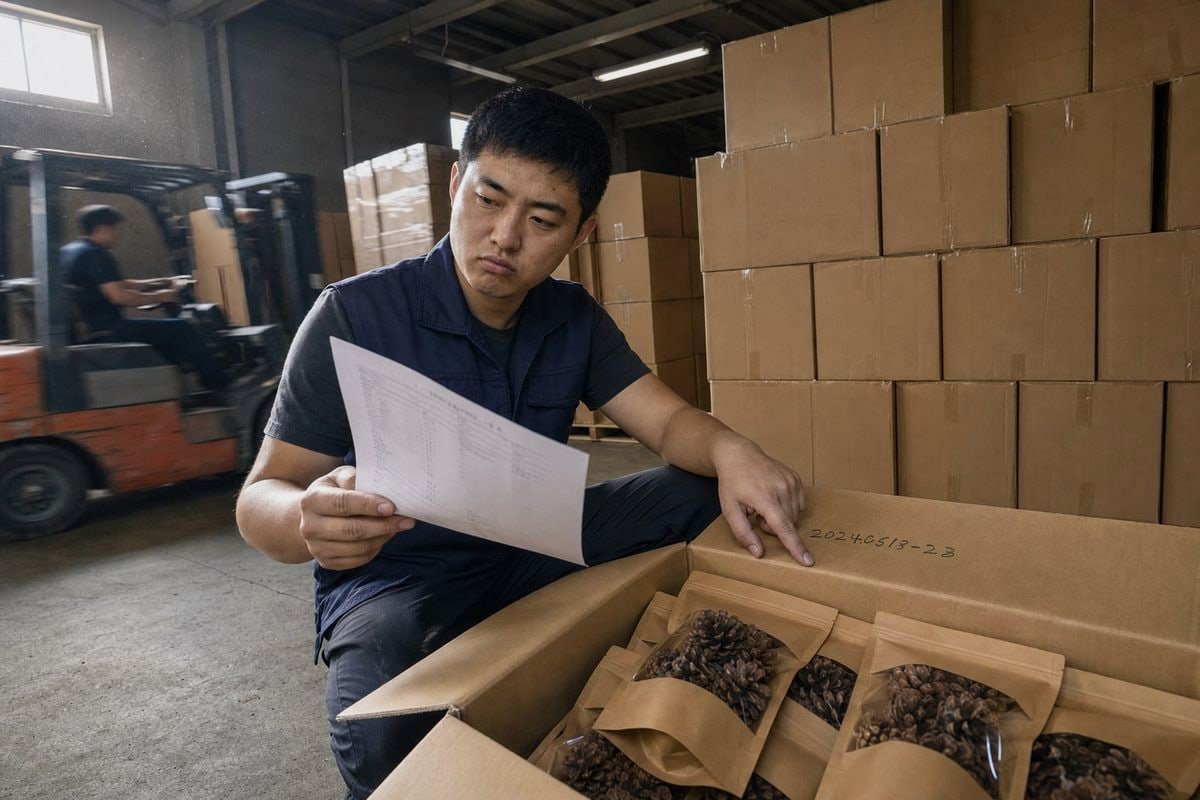
A rastreabilidade do número do lote é a espinha dorsal da verificação do relatório. Um relatório sem um número do lote 4 é evidência de nada. Pode descrever a fórmula do ano passado, o pedido de outro cliente ou uma amostra dourada que nunca entrou em produção em massa. Em nossa fábrica em Ningbo, cada lote de pinhas de chama colorida recebe um código de lote que aparece na caixa principal, na bolsa interna e no registro de CQ. É isso que permite a um comprador conectar papel a produto.
Um processo de correspondência passo a passo
Siga esta sequência em ordem. Pare no primeiro descompasso.
- Coloque quatro documentos lado a lado: o relatório de inspeção, seu PO, a fatura comercial e a lista de embalagem.
- Compare as descrições do produto. "Pinhas decorativas" no relatório e "pinhas de chama colorida para lareira" no PO não são o mesmo produto para fins de conformidade.
- Combine os números dos lotes no relatório, nas etiquetas das caixas e nas embalagens internas. Solicite fotos das marcações reais da caixa se não puder inspecionar pessoalmente.
- Verifique a lógica da data. Data de produção, depois data de inspeção, depois data de envio. Qualquer outra ordem é um sinal de alerta.
- Verifique o plano de amostragem. O relatório deve indicar a quantidade inspecionada, o tamanho da amostra e os critérios de aceitação — por exemplo, um plano baseado em AQL. Um relatório que diz "inspeção aprovada" sem base de amostragem é uma evidência fraca.
- Confirme o tipo de inspeção. Você quer uma Inspeção Pré-Embarque para o seu lote, não uma auditoria genérica de fábrica ou um teste anual desatualizado reciclado para cada cliente.
A verificação do teor de umidade merece atenção especial aqui. As pinhas devem ser secas abaixo de aproximadamente 12% de umidade; cones úmidos podem carregar esporos de mofo que se tornam transportados pelo ar quando queimados. Um relatório específico do lote deve mostrar um valor de umidade medido, não apenas uma caixa de seleção.
Quais acreditações de laboratório tornam um relatório SGS ou Intertek confiável para o meu mercado?
Existe um compromisso que ponderamos em cada novo SKU: testar em um laboratório credenciado custa mais e leva mais tempo do que uma verificação rápida interna. Pagamos por isso de qualquer maneira, porque nossos compradores dos EUA e da UE não podem legalmente confiar em nada menos — e você também não deveria.
Um relatório confiável vem de um laboratório credenciado pela ISO/IEC 17025 para os métodos de teste específicos utilizados, carrega um número de relatório verificável no portal oficial do laboratório e cita padrões reconhecidos, como os padrões internacionais ASTM ou métodos EN relevantes para o seu mercado.
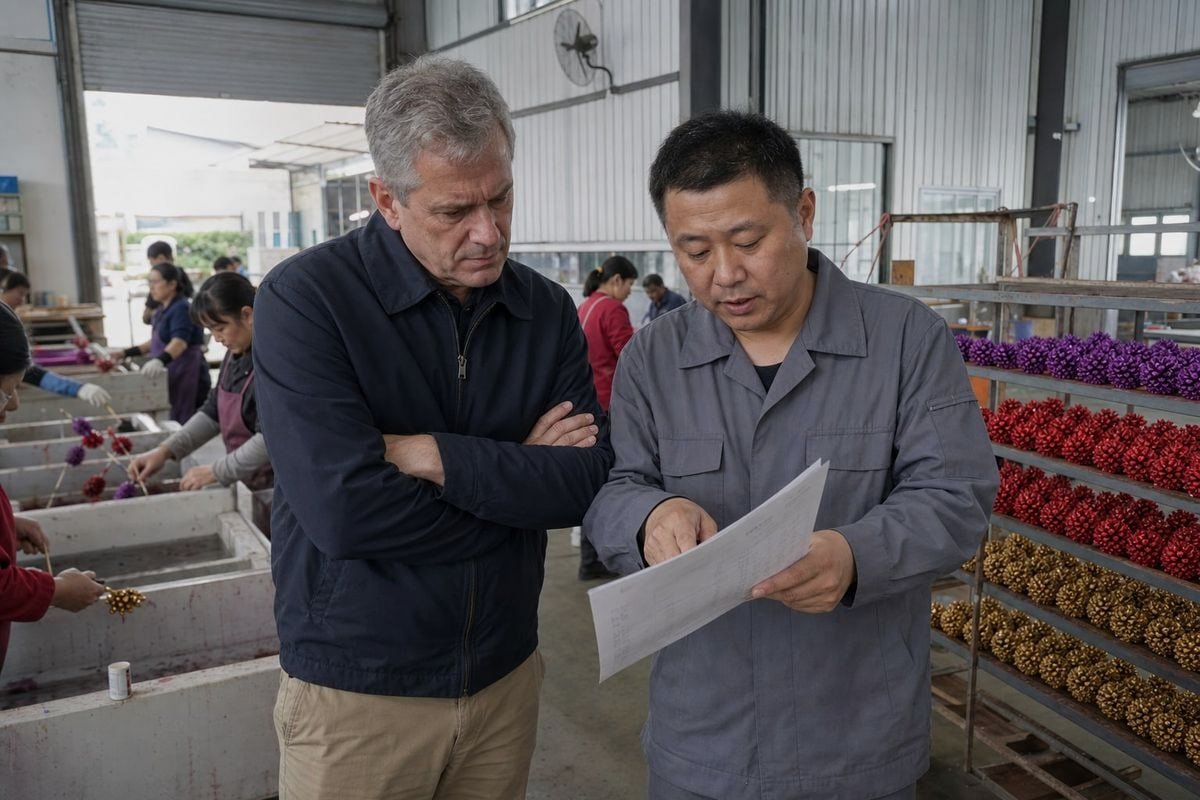
Credenciamento não é um logotipo. É um escopo. Um laboratório credenciado ISO/IEC 17025 5 foi avaliado quanto à competência em métodos de teste específicos — e apenas esses métodos. Um laboratório credenciado para testes têxteis não é automaticamente competente para análise de composição química de corantes de chama. Portanto, ao receber um relatório da SGS, Intertek ou Bureau Veritas, verifique duas coisas: que a filial emissora possui credenciamento ISO/IEC 17025 e que os métodos de teste citados estão dentro de seu escopo credenciado.
Como verificar o relatório em si
Cada relatório genuíno de terceiros carrega um número de relatório exclusivo e, muitas vezes, um código QR. Siga estas etapas:
- Insira o número do relatório no portal online oficial de verificação do laboratório. SGS e Intertek oferecem isso.
- Escaneie o código QR, se presente, e confirme que ele leva ao próprio domínio do laboratório — não a um site semelhante.
- Confirme se o nome do "Solicitante" corresponde ao nome comercial legal do seu fornecedor e se o campo "Fabricante" corresponde ao endereço real do local de produção.
- Verifique se o relatório não expirou e se a descrição do produto testado corresponde à sua.
Quais padrões importam em qual mercado
| Mercado | Requisitos principais | O que o Relatório Deve Referenciar |
|---|---|---|
| EUA | Prop 65, expectativas da CPSC | Triagem de metais pesados, avaliação de risco toxicológico, padrões internacionais ASTM, quando aplicável |
| UE | REACH, CE, quando relevante | Triagem de SVHC, métodos de teste EN, limites de substâncias restritas |
| Reino Unido | REACH do Reino Unido | Triagem equivalente de substâncias restritas |
| Canadá / Austrália | Regulamentos químicos de consumo | Metais pesados, conformidade de rotulagem |
Em nossos mais de 17 anos enviando produtos de chama colorida, nomes de solicitantes incompatíveis são o sinal de alerta silencioso mais comum. Uma empresa comercial apresentando um relatório emitido para uma fábrica não relacionada não pode provar que seus produtos vieram da linha de produção testada. Somos uma fábrica, não uma comerciante, então nossos relatórios nomeiam nossa própria instalação — e incentivamos os compradores a exigir exatamente isso de qualquer pessoa de quem compram.
Quais bandeiras vermelhas em um relatório de inspeção sinalizam que devo solicitar um novo teste?
Um comprador na Holanda uma vez nos pediu para revisar uma cotação rival que era trinta por cento mais barata que a nossa. O "relatório de inspeção" anexado não tinha fotos, assinatura do inspetor e uma data que claramente havia sido editada. O preço fez sentido de repente.
Solicite um re-teste quando vir números de lote ausentes, fotos de produtos ausentes, relatórios não assinados, datas alteradas ou ilógicas, resultados vagos de "aprovado" sem valores medidos, números de relatório não verificáveis ou um fornecedor que se recusa a compartilhar a MSDS, CoA ou documentos de laboratório subjacentes.
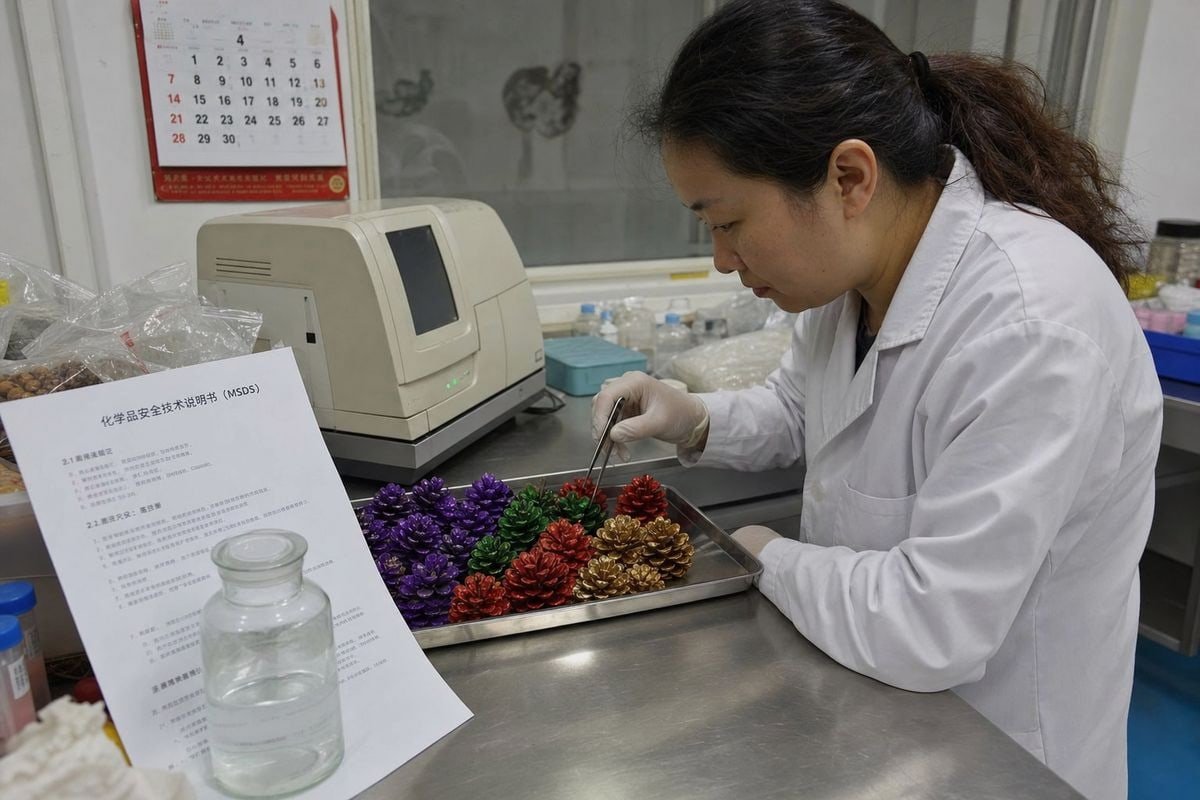
Alguns fornecedores argumentam que um relatório de inspeção interna assinado de uma fábrica respeitável deve ser prova suficiente. Entendo a lógica — a papelada completa de um parceiro conhecido tem peso. Mas para um produto que é jogado em uma chama aberta dentro de casa, a papelada interna sozinha não é suficiente controles internos 6. Os riscos justificam a verificação independente. Essa é a visão do comprador e, tendo trabalhado no lado da fábrica por anos, acho que é a correta.
Guia de gravidade de sinais de alerta
| Sinal de Alerta | Gravidade | Ação Recomendada |
|---|---|---|
| Modelo genérico, sem fotos do produto | 1 x 20 pés ou 40 pés | Rejeite o relatório; solicite PSI específico do lote |
| Números de lote ausentes ou incompatíveis | 1 x 20 pés ou 40 pés | Quarentena de mercadorias; exija re-teste em seu lote |
| "Aprovado" sem valores ou critérios medidos | Médio-Alto | Solicite os dados brutos completos ou uma nova inspeção |
| Número do relatório falha na verificação do portal | Crítico | Trate como fraudulento; escale imediatamente |
| Mesmo relatório visto em diferentes pedidos | Crítico | Interrompa o pagamento; comissione testes de terceiros |
| Sem dados de VOC ou off-gassing para uso interno | 1 x 20 pés, vários produtos | Solicite suplementar testes de VOC 7 |
| Alegações de chama colorida com zero documentação de segurança | 1 x 20 pés ou 40 pés | Exija MSDS e divulgação do corante antes da aceitação |
Testes que muitas vezes faltam — e valem a pena exigir
Além do básico, três testes separam um relatório completo de um superficial. Primeiro, testes de VOC: as ceras e aglutinantes que mantêm os corantes no cone não devem liberar gases tóxicos em ambientes fechados. Segundo, análise de resíduo de cinzas 8: as cinzas restantes devem apresentar concentração de metais pesados dentro dos limites seguros para descarte doméstico. Terceiro, compatibilidade da embalagem: revestimentos químicos não devem reagir com a bolsa de armazenamento em condições de umidade, o que pode degradar o produto ou criar um perigo. Quando realizamos projetos OEM com embalagens de marca própria, testamos o revestimento contra o material da bolsa escolhido pelo cliente exatamente por esse motivo.
Se a verificação falhar, não aceite o envio com promessas. Quarentene as mercadorias, solicite um relatório corrigido específico do lote e, se a confiança já estiver abalada, comissione seus próprios testes de laboratório de terceiros antes de liberar o pagamento.
Conclusão
Pinhas coloridas para lareira queimam dentro de casas, então o relatório de inspeção de um fornecedor merece um escrutínio real, não um olhar superficial.
Trate cada relatório como evidência a ser testada, não como prova a ser aceita. Verifique a acreditação ISO/IEC 17025 do laboratório e confira o número do relatório no portal oficial. Corresponda os números de lote entre o relatório, as caixas e a lista de embalagem. Exija a FISPQ, o Certificado de Análise e a triagem específica do mercado para REACH ou Prop 65. Descarte modelos genéricos, páginas não assinadas e fornecedores que evitam solicitações de documentos. Na Sunrich, construímos nosso negócio de exportação com base no comportamento oposto — relatórios SGS e Intertek rastreáveis por lote, divulgação transparente de corantes, e documentação completa do OEM — porque sabemos que um rastro de papel compatível e verificável é o que realmente protege a marca de um comprador. Verifique primeiro, depois compre com confiança.
Notas de rodapé
ISO 9001 é a norma internacional para sistemas de gestão da qualidade em organizações. ↩︎
Auditorias de conformidade social verificam se as fábricas aderem a práticas trabalhistas éticas e legais. ↩︎
Sais metálicos são compostos químicos usados para produzir cores específicas em exibições pirotécnicas. ↩︎
Números de lote permitem a rastreabilidade do produto, garantindo que os relatórios de teste correspondam a lotes de produção específicos. ↩︎
Site oficial do governo NIST para o Programa Nacional de Acreditação Voluntária de Laboratórios baseado na ISO/IEC 17025. ↩︎
Definição estável e abrangente de sistemas de controle interno para substituir o link quebrado da Investopedia. ↩︎
Testes de VOC medem a liberação de compostos orgânicos voláteis



 English
  Spanish
  German
  French
  Arabic
  Portuguese
Participe da conversa