






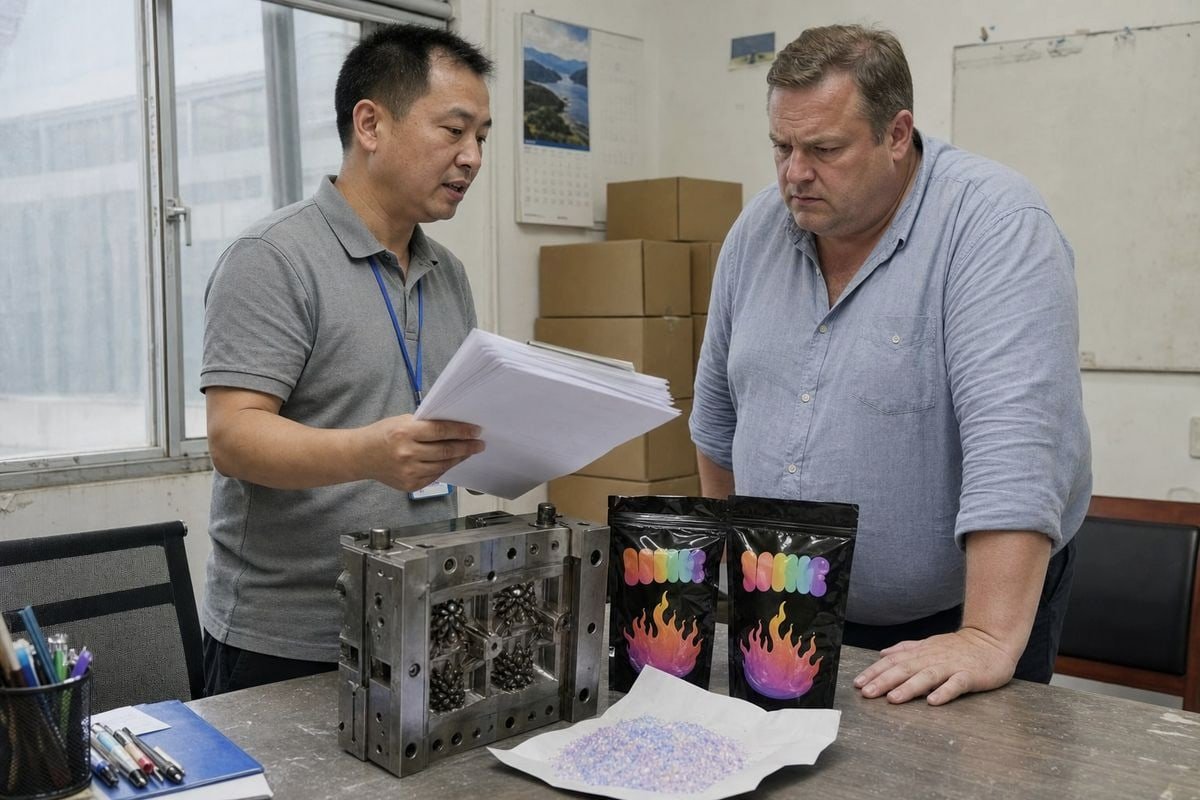
Fórmula exclusiva ou direitos de molde parecem simples até que você os audite Pesquisa de ônus e gravames UCC-1 1. Em nossa linha de produção color-flame, vi compradores descobrirem que seu fornecedor "exclusivo" não possuía nada.
Para verificar direitos exclusivos de fórmula ou molde durante a diligência prévia da marca, solicite acordos de cessão de PI ou de fabricação por contrato assinados, confirme a cadeia de titularidade do criador original, verifique os registros de pagamento de ferramentas e P&D, execute pesquisas de ônus e gravames UCC e obtenha confirmação por escrito do fabricante de que os direitos são exclusivos e transferíveis.
Essa é a resposta curta. A resposta mais longa é um processo passo a passo. Abaixo, detalho os documentos, as perguntas e os testes que separam a exclusividade real da conversa de marketing.
Que Documentos Devo Solicitar para Confirmar que um Fabricante é Verdadeiramente Dono dos Direitos da Sua Fórmula ou Molde?
Há alguns anos, um distribuidor alemão nos pediu para provar que possuíamos nossa formulação Magic Fire antes de assinar um acordo de marca própria. USPTO 2. Esse pedido me ensinou como é a diligência séria.
Solicite o acordo de desenvolvimento, o acordo de fabricação por contrato, o acordo de compra de ferramentas, as cláusulas de cessão de PI, as faturas que comprovam o pagamento de P&D e moldes, e quaisquer cláusulas de exclusividade. Leia-os em conjunto, pois a linguagem de propriedade é frequentemente distribuída por vários documentos e emendas posteriores.
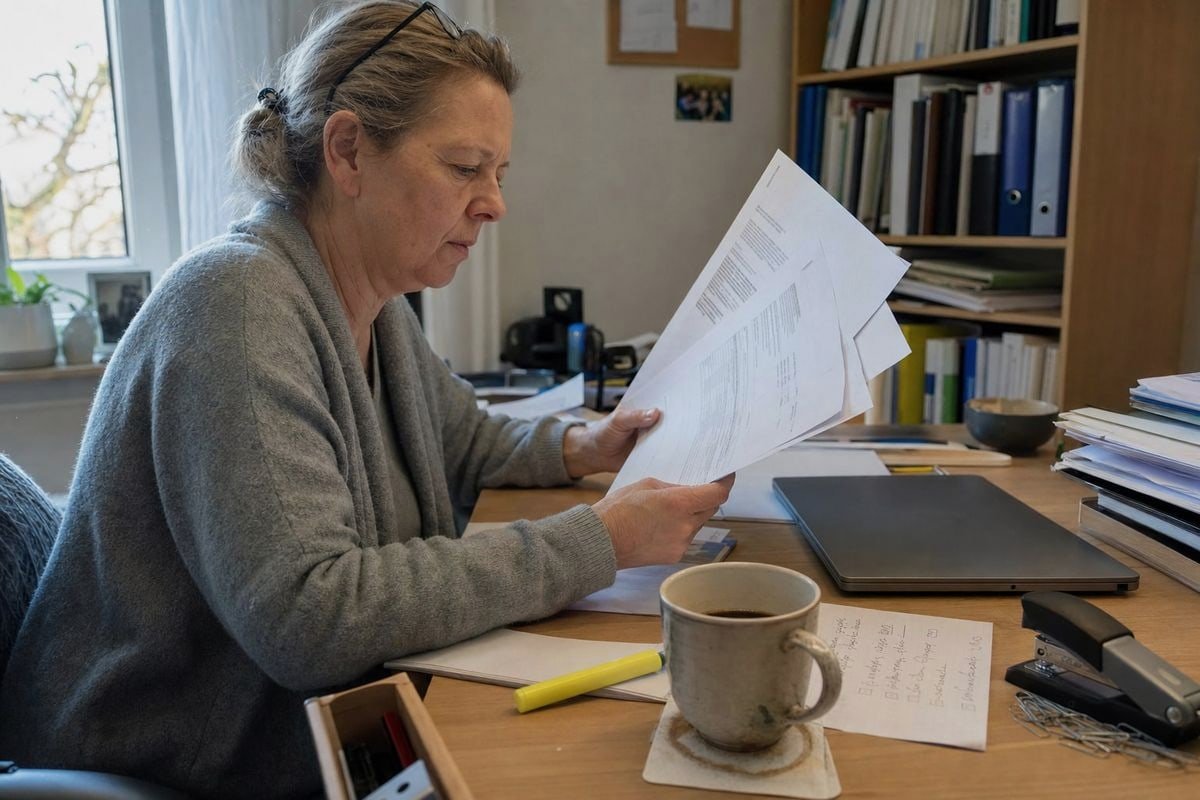
Papel vence promessas. Em nossos mais de dezessete anos exportando produtos de fogo para mais de trinta países, vi muitos fornecedores reivindicarem propriedade que nunca puderam documentar. A abordagem mais segura é construir uma "pilha de contratos" completa e verificar cada camada.
A Pilha de Contratos a Solicitar
Comece com os acordos operacionais. Um contrato de fabricação 3 deve declarar, em palavras claras, quem é o proprietário da fórmula, do processo e de quaisquer melhorias. Se o vendedor pagou a um laboratório externo para desenvolver uma receita, solicite o acordo de desenvolvimento e sua cláusula de cessão de propriedade intelectual. Sem essa cláusula, o resultado padrão geralmente favorece o desenvolvedor, não a marca. Muitos compradores assumem que pagar pela produção equivale a possuir a fórmula. Não equivale.
Para moldes e ferramentas, solicite o acordo de compra de ferramentas, ordens de compra e faturas pagas. Os direitos de propriedade das ferramentas geralmente são transferidos apenas após o pagamento final. Se os pagamentos por marcos permanecerem em aberto, o fabricante pode ter um ônus sobre o molde.
| Documento | O que Comprova | Sinal de Alerta Se Faltar |
|---|---|---|
| Acordo de desenvolvimento | Quem criou a fórmula e sob quais termos | O desenvolvedor pode reter direitos |
| Cessão de PI | Direitos transferidos ao vendedor | Nenhuma propriedade executável |
| Acordo de compra de ferramentas | Quem pagou e é proprietário do molde | O fabricante pode manter a ferramenta |
| Faturas pagas | As condições de propriedade foram satisfeitas | Reivindicações de retenção de título |
| Cláusula de exclusividade | Escopo, prazo e território da exclusividade | Reivindicações vagas e inexequíveis |
| Termos de NDA / confidencialidade | Existe documentação de segredo comercial | A fórmula pode já ser pública |
Execute também uma Pesquisa de ônus e gravames UCC-1 4 no estado relevante. Moldes e PI são, às vezes, dados como garantia de empréstimo. Uma pesquisa limpa mais uma cessão assinada lhe dá uma verificação real da cadeia de titularidade, não apenas uma história verbal.
Como posso saber se a fórmula "exclusiva" de color-flame de um fornecedor é realmente protegida por patente ou segredo comercial?
Quando desenvolvemos nossos pacotes color-flame ecológicos em Liuyang, tivemos que decidir cedo: patentear a química ou protegê-la como segredo comercial. Cada caminho deixa um rastro de papel diferente para os compradores verificarem.
Verifique bases de dados de patentes para patentes concedidas que nomeiam o fornecedor como cessionário e verifique a proteção de segredo comercial através de NDAs internos, controlos de acesso restrito e medidas de sigilo documentadas. Uma fórmula sem patente registada nem protocolos de sigilo reais não é legalmente protegida de todo.
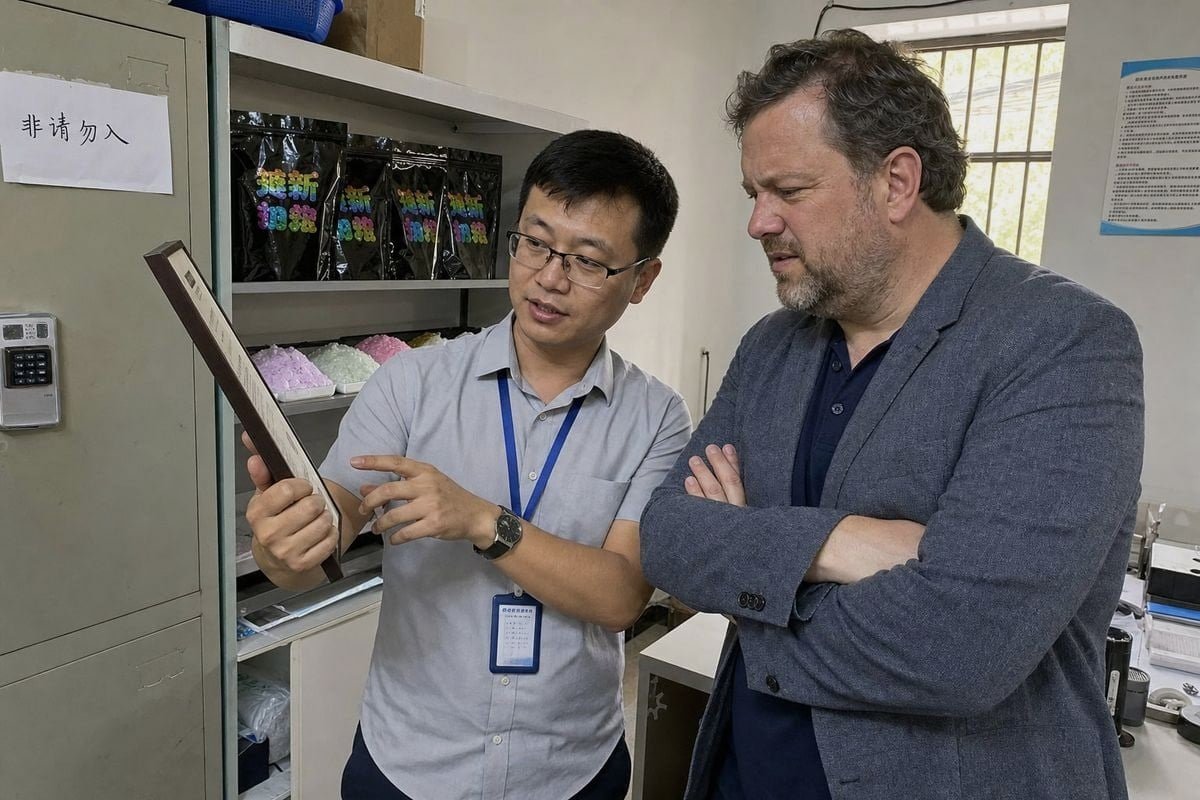
A palavra "proprietário" não custa nada para imprimir em uma embalagem. A proteção real de formulação proprietária assume uma de duas formas legais, e cada uma é verificável se você souber onde procurar.
Proteção de Patente: Verifique Você Mesmo
Patentes são públicas. Execute uma pesquisa nos bancos de dados USPTO, EPO ou WIPO 5 Confirme três coisas: a patente existe, ela realmente cobre a formulação que está sendo vendida (não uma parente distante) e o cessionário registrado é o vendedor. Cessões são perdidas. Uma patente concedida a um fundador pessoalmente, ou a um laboratório, não protege a marca a menos que tenha sido formalmente cedida. Uma pesquisa de patente de design também vale a pena para formas de molde ou embalagens distintas. Enquanto você está nisso, uma análise básica de liberdade de operação lhe diz se a patente de terceiros pode bloquear sua própria produção futura.
Proteção de Segredo Comercial: Verifique o Comportamento
Segredos comerciais só existem se o proprietário os tratar como secretos. Peça evidências:
- NDAs assinados com funcionários, contratados e co-fabricantes.
- Controles de acesso que limitam quem vê a receita completa e os parâmetros do processo.
- Obrigações de confidencialidade no manual do funcionário.
- Documentação de segredo comercial identificando o que é protegido e onde é armazenado.
- A lista de materiais 6 Trilha de auditoria mostrando que a receita não é divulgada em registros de compras abertos.
| Tipo de Proteção | Como Verificar | Fraqueza a ser Sondada |
|---|---|---|
| Patente de Invenção | Pesquisa em banco de dados público, verificação do cessionário | As reivindicações podem não cobrir a fórmula real |
| Patente de Design | Pesquisa de patente de design sobre forma ou ornamento | Escopo restrito, fácil de contornar |
| Segredo comercial | NDAs, logs de acesso, medidas de sigilo | Perdido para sempre se divulgado uma vez |
| Nada (alegação de marketing) | Não existem registros | Nenhuma exclusividade legal |
Mais um teste prático que recomendamos com base em nossa experiência de testes SGS e Intertek: comissionar impressão digital química 7 em uma amostra de produção. Se o produto real não corresponder mais à fórmula documentada, ocorreu "deriva da fórmula", e a PI que você está comprando pode não descrever o produto na prateleira.
Que Perguntas Devo Fazer Para Evitar Investir em Moldes ou Fórmulas Que Não São Legalmente Exclusivos Para Mim?
Há uma troca que discuto com quase todos os compradores de OEM que encomendam ferramentas de embalagem personalizadas de nós: a exclusividade custa dinheiro antecipadamente, mas a ambiguidade custa muito mais depois.
Pergunte quem criou o ativo e sob qual contrato, quem pagou pelo desenvolvimento e pelas ferramentas, se os direitos são exclusivos e transferíveis, se o fabricante retém algum direito de reutilização, se as melhorias estão cobertas e se existem saldos pendentes, ônus ou limites territoriais.
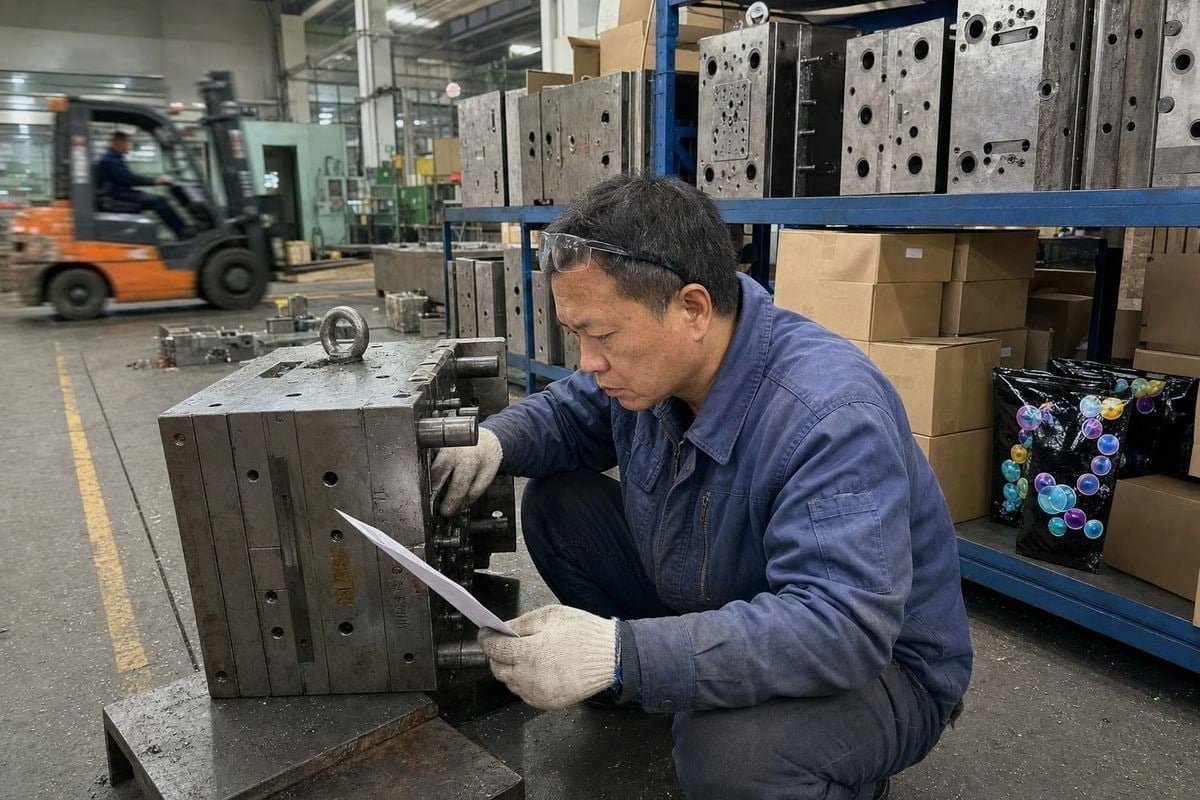
Boas perguntas expõem reivindicações fracas rapidamente. Em minha experiência negociando acordos de marca própria com distribuidores dos EUA e da Europa, os vendedores com direitos reais respondem rapidamente e por escrito. Aqueles sem eles hesitam, generalizam ou apontam para "relacionamentos longos"."
As Doze Perguntas Que Importam
- Quem criou a fórmula ou o molde, e sob qual contrato escrito?
- Quem pagou por P&D, ferramentas e todas as revisões desde então?
- Qual documento exato transfere a propriedade ou concede exclusividade?
- O acordo cobre melhorias, derivados e alterações de processo?
- O direito é perpétuo, renovável ou por tempo limitado?
- É exclusivo, único ou meramente não exclusivo?
- O vendedor pode ceder o direito a um comprador em caso de mudança de controle?
- O fabricante retém algum direito de usar a mesma fórmula ou ferramenta para outros?
- Existem saldos a pagar, ônus ou disputas em aberto?
- O molde pode ser fisicamente removido e usado em outra fábrica?
- Quem detém os arquivos mestre CAD, desenhos de engenharia e revisões?
- Todos os proprietários anteriores atribuíram corretamente os direitos a jusante?
Licença Exclusiva vs. Propriedade Total
Estas não são a mesma coisa, e a diferença decide a estrutura do seu negócio. Uma cláusula de exclusividade do fornecedor pode conceder forte controle comercial enquanto o fabricante ainda detém a PI subjacente. Isso é viável — mas apenas se a licença sobreviver à sua aquisição. Verifique as disposições de mudança de controle cuidadosamente. Algumas exclusividades terminam ou revertem no momento em que a marca é vendida, o que significa que você estaria comprando direitos que evaporam no fechamento.
Observe também os limites de escopo. Exclusividade limitada a um território, um canal de vendas ou um prazo vale muito menos do que direitos mundiais, perpétuos e transferíveis. E não se esqueça da exclusividade upstream: se a fórmula depende de uma nota específica de matéria-prima, confirme se o vendedor garantiu acesso a ela, ou sua fórmula "exclusiva" pode ser exclusiva apenas até que o suprimento do ingrediente mude.
Como Verifico Se os Certificados de Conformidade de uma Fábrica Correspondem à Fórmula ou Molde Exato Que Estão Me Vendendo?
Um comprador do Reino Unido uma vez nos trouxe o relatório de teste de um concorrente para revisão. O certificado era genuíno — mas cobria uma formulação diferente do pó na embalagem. Essa incompatibilidade teria falhado nas auditorias alfandegárias e de varejo.
Cruzamento de referência da formulação testada do certificado, números de lote e identificadores de produto em relação à lista de materiais real e amostras de produção. Comissionar testes de laboratório independentes da produção atual para confirmar que a fórmula certificada, e não uma versão substituída ou alterada, é o que você está comprando.

Certificados só protegem se descreverem o produto real. Como os nossos compradores tratam a documentação ISO 9001, BSCI, CE e SGS/Intertek como requisitos rígidos, aprendemos exatamente onde as incompatibilidades entre certificado e produto se escondem.
A Correspondência Tripla
Execute a mesma disciplina que os contabilistas usam para faturas. Corresponda três registos uns aos outros:
| Registre | O que Verificar | Incompatibilidade Comum |
|---|---|---|
| Relatório de teste / certificado | Composição testada, nome do produto, lote, data | O relatório cobre uma formulação antiga ou diferente |
| Lista de materiais | Ingredientes, graus e proporções atuais | Substitutos mais baratos adicionados após a certificação |
| Amostra de produção | Análise laboratorial independente de um lote fresco | Deriva da fórmula na linha real |
Comece com uma auditoria da lista de materiais. Compare cada ingrediente e grau listado com o que o certificado diz que foi testado. Em seguida, retire uma amostra aleatória da produção atual — não uma amostra de ouro do escritório de vendas — e envie-a para impressão digital química. Se o resultado do laboratório, a lista de materiais e o certificado concordarem, a história de conformidade mantém-se. Se alguma perna falhar, terá encontrado deriva, substituição ou um certificado emprestado de outro produto.
Corresponda o Molde e os Registos Também
Para ferramentas, verifique o molde identificado nos documentos de venda por número de série, contagem de cavidades e folha de especificações. Audite a contagem de injeções e os registos de manutenção para avaliar a vida útil restante; um molde desgastado é um passivo oculto, não um ativo. Finalmente, execute uma verificação digital de custódia: confirme que recebe ficheiros CAD/CAM mestres editáveis, não apenas o aço. Possuir o molde físico sem os designs de origem deixa-o dependente do antigo fabricante para todas as revisões futuras — o que anula silenciosamente a exclusividade pela qual pagou.
Conclusão
Nunca compre exclusividade alegada; compre direitos documentados e transferíveis. Verifique os contratos, os pagamentos, os certificados e a cadeia de título — depois confirme tudo por escrito antes de se comprometer.
Notas de rodapé
Explica o sistema de registo UCC utilizado para verificar penhores em moldes ou PI. ↩︎
Base de dados oficial de patentes para verificar o cessionário e o estado da patente. ↩︎
Visão geral autoritativa de acordos de fabrico por contrato e estruturas legais. ↩︎
Definição legal e procedimento para registar e pesquisar garantias em garantias. ↩︎
Portal oficial para pesquisas internacionais de patentes e registos de propriedade intelectual. ↩︎
Definição padrão da indústria de uma lista abrangente de ingredientes e componentes de um produto. ↩︎
Fonte autoritativa para serviços de análise e verificação de produtos químicos industriais. ↩︎



 English
  Spanish
  German
  French
  Arabic
  Portuguese
Participe da conversa