






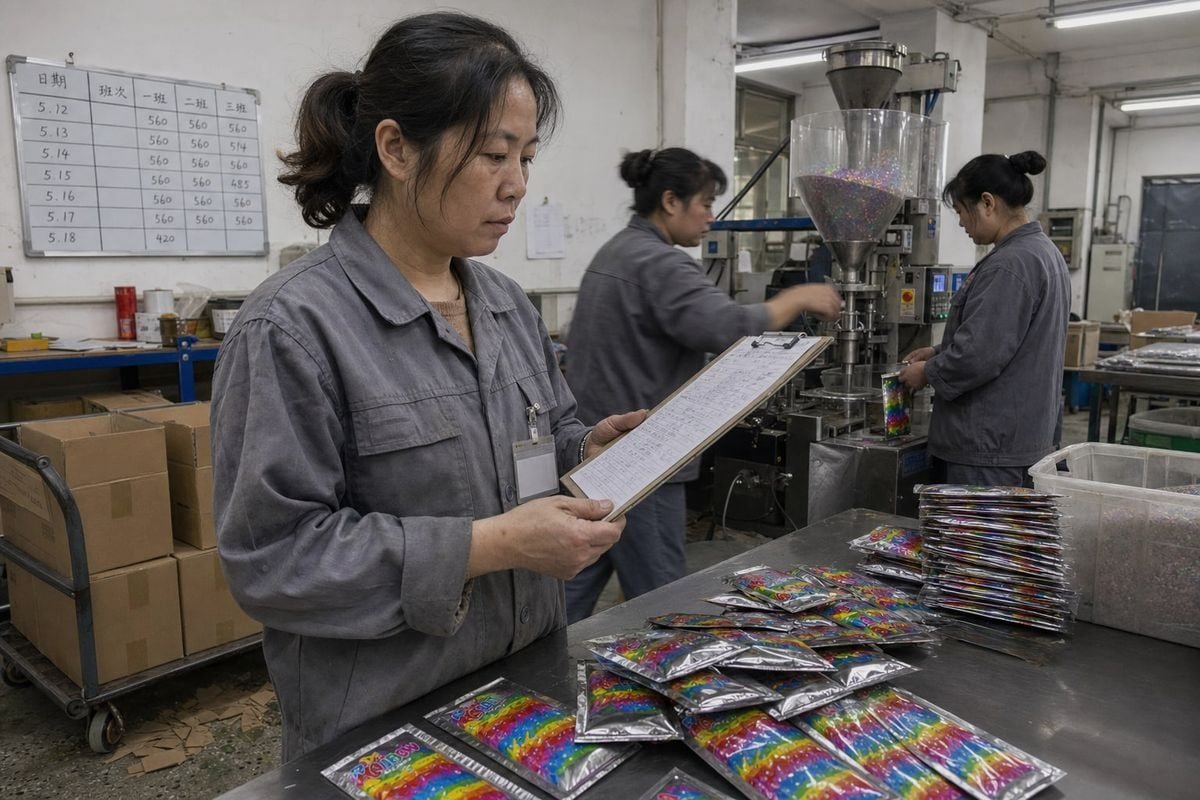
Buyers ask me how to track production progress on Magic Fire Powder orders because a silent factory is terrifying. On our lines in Ningbo, silence is what we work hardest to prevent.
To track Magic Fire Powder production progress, define measurable milestones, compare planned versus actual output at fixed intervals, monitor throughput and quality data, and set an escalation protocol with your supplier. Early warning signs include missed sub-targets, falling batch rates, material shortages, and delayed inspection reports.
That is the short version. Below, I will break down the tools, milestones, warning signs, and communication habits that keep an order on schedule. Each section builds on the last.
What Tools Can I Use to Monitor My Magic Fire Powder Order in Real Time?
A German distributor once asked us for daily photos of his pallets. It felt excessive at first. Then a typhoon closed our port, and his tracker saved his launch window.
Use a shared planned-versus-actual tracker (spreadsheet or dashboard), scheduled factory status updates with photo or video proof, third-party inspection services at key stages, and logistics and freight tracking after shipment. Together, these tools give you supply chain visibility from raw material to delivery.

The right tool depends on your order size and risk level. In our experience exporting color-flame products to 30+ countries, most buyers over-complicate this. You do not need expensive software for a container of flame-coloring packets. You need consistent data, delivered on a fixed schedule, in a format you can compare week over week.
Match the Tool to the Order
Here is how I advise buyers to choose:
| Tool | Exposição de Caixa Inicial | O que Mostra | Custo Típico |
|---|---|---|---|
| Shared spreadsheet tracker | Trial orders, single SKUs | Target vs. actual quantity, variance, status | Free |
| Supplier dashboard or ERP export | Repeat orders, multi-SKU programs | Live batch status, WIP levels, downtime notes | Usually free from supplier |
| Photo/video status updates | Any order | Physical proof of progress | Free |
| Third-party inspection services | New suppliers, retail programs | Verified quality and quantity at milestones | Paid per visit |
| Logistics and freight tracking 1 | Pós-produção | Booking, sailing, ETA changes | Free to low cost |
Why a Simple Tracker Beats a Complex One
A spreadsheet with six columns—order number, target quantity, actual quantity, milestone date, status, and notes—catches most delays. The variance column does the heavy lifting. If actual output falls below plan two updates in a row, you have a pattern, not a fluke. That is your signal to ask questions.
For larger programs, we send buyers structured factory status updates tied to our internal production reporting. The point is the same: replace fragmented, after-the-fact reporting with regular checkpoints. Real-time here means "short-interval," not "live video feed." Weekly is fine for a standard order. Shift-based reporting matters only when the timeline is tight and the risk is high.
How Do I Know Which Production Milestones Signal My Order Is on Schedule?
Quando apresentamos manufacturing lead times 2 for our Magic Fire packets, we break them into stages internally. Buyers who ask for that same breakdown almost never get surprised.
Your order is on schedule when it hits these production milestones on their planned dates: order confirmation, raw material availability confirmed, batch mixing started, in-process quality check passed, packing begun, final inspection passed, and shipment booked. Track each milestone date against the plan, not just the final ship date.
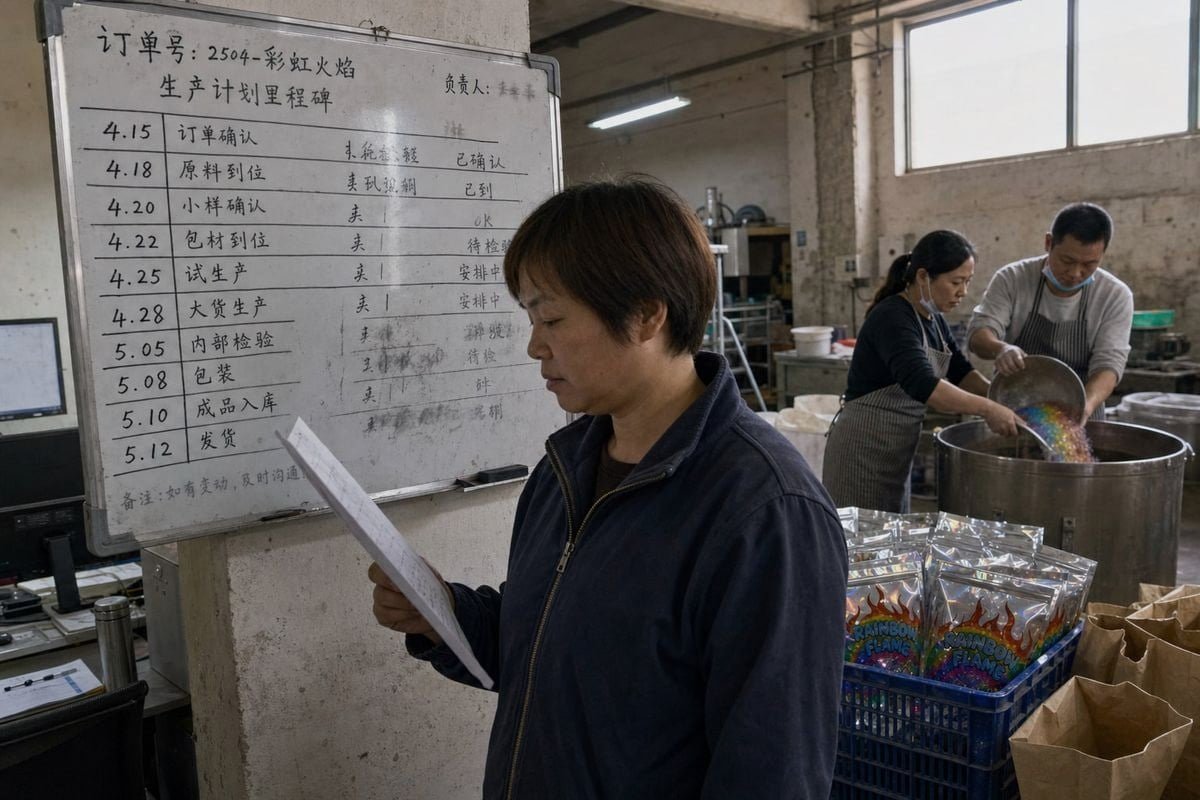
A single ship date tells you nothing until it is too late. Milestones turn one big unknown into seven small, checkable facts. For a batch-based product like flame-coloring powder, one late upstream step cascades. If mixing starts five days late, packing finishes five days late—at best. So milestone monitoring matters as much as counting finished units.
The Milestone Map for a Powder-Based Order
Here is the checkpoint structure we share with our B2B buyers, adapted from our own purchase order management process:
| Marco | O que verificar | Evidência Típica |
|---|---|---|
| Confirmação do pedido | Specs, quantity, packaging, dates locked | Signed PI, packaging artwork approval |
| Disponibilidade de matéria-prima 3 | Colorant salts and packaging film in stock | Stock photo, material receiving record |
| Início da produção | Batch mixing underway | Dated photo or short video |
| In-process completion | Blending and processing done, batch QC passed | Batch record, internal QC sheet |
| Inspeção de qualidade | Burn test, color consistency, packaging seal check | Test video, inspection report |
| Packing complete | Sachets boxed, cartons labeled, barcodes correct | Carton photos, packing list |
| Shipment readiness | Booking confirmed, documents ready | Booking confirmation, compliance docs |
Weight the Milestones by Risk
Not all checkpoints carry equal risk. In our 17+ years making color-flame products, the two milestones that slip most often across the industry are raw material availability and final inspection. Colorant precursors can face supply swings, and protocolos de garantia de qualidade 4 can trigger rework if a batch burns off-color. Ask your supplier which stages carry buffer time and which do not. A supplier who cannot answer that question is not tracking their own production closely enough.
Also confirm compliance documents early—test reports, warning labels, classificações de materiais perigosos 5 if applicable. A last-minute document gap can hold a finished order at origin longer than any production issue.
What Early Warning Signs Should I Watch for to Catch Potential Delays?
There is a trade-off I weigh constantly on our lines: reporting a small slip early and worrying the buyer, or absorbing it quietly. We always report early. Here is why you should demand the same.
Watch for actual output falling below planned output across two or more updates, milestones stuck in progress past their dates, vague or delayed factory status updates, reported material shortages, rising defect or rework counts, and increased downtime. Patterns matter more than any single miss.

Delays almost never appear on the due date. They show up weeks earlier as a pattern of small signals. Your job as a buyer is bottleneck identification at a distance—reading the data your supplier sends and noticing when the story changes.
The Warning Signs, Ranked by Urgency
- Throughput is dropping. Total count can look fine while the daily rate deteriorates. If a factory produced 5,000 units last week and 3,200 this week with no explanation, the finish date is already moving.
- A milestone sits in progress too long. "Mixing in progress" for ten days on a three-day step is a delay wearing a disguise.
- Updates get vague or late. When precise numbers turn into "everything is going well," something usually is not.
- Material shortages get mentioned casually. A passing note about a colorant supplier "being a bit slow" deserves a direct follow-up question about raw material availability.
- Defects or rework appear in the notes. Rework consumes capacity that was budgeted for new production.
- Downtime minutes climb. Equipment issues, changeovers, and short stops are the leading indicators behind most misses.
Connect the Miss to the Cause
A missed number without a cause is useless. Insist on a notes field or exception log in every update. When we flag a variance to a buyer, we always attach the reason—material delay, QC hold, equipment issue—plus the recovery action. That turns a scary data point into a manageable decision. If your supplier reports misses without causes, push back. You cannot judge whether a delay will repeat unless you know what drove it.
How Can I Set Up Clear Communication with My Supplier to Stay Updated on Progress?
Early in our export history, a UK buyer taught us a lesson: he did not want more messages, he wanted predictable ones. That reshaped how our sales team reports.
Agree on a fixed reporting cadence, a single named contact on each side, a standard update format with planned-versus-actual data and photos, and a written escalation protocol triggered when any milestone slips beyond 24–48 hours. Put all of it in the purchase order.
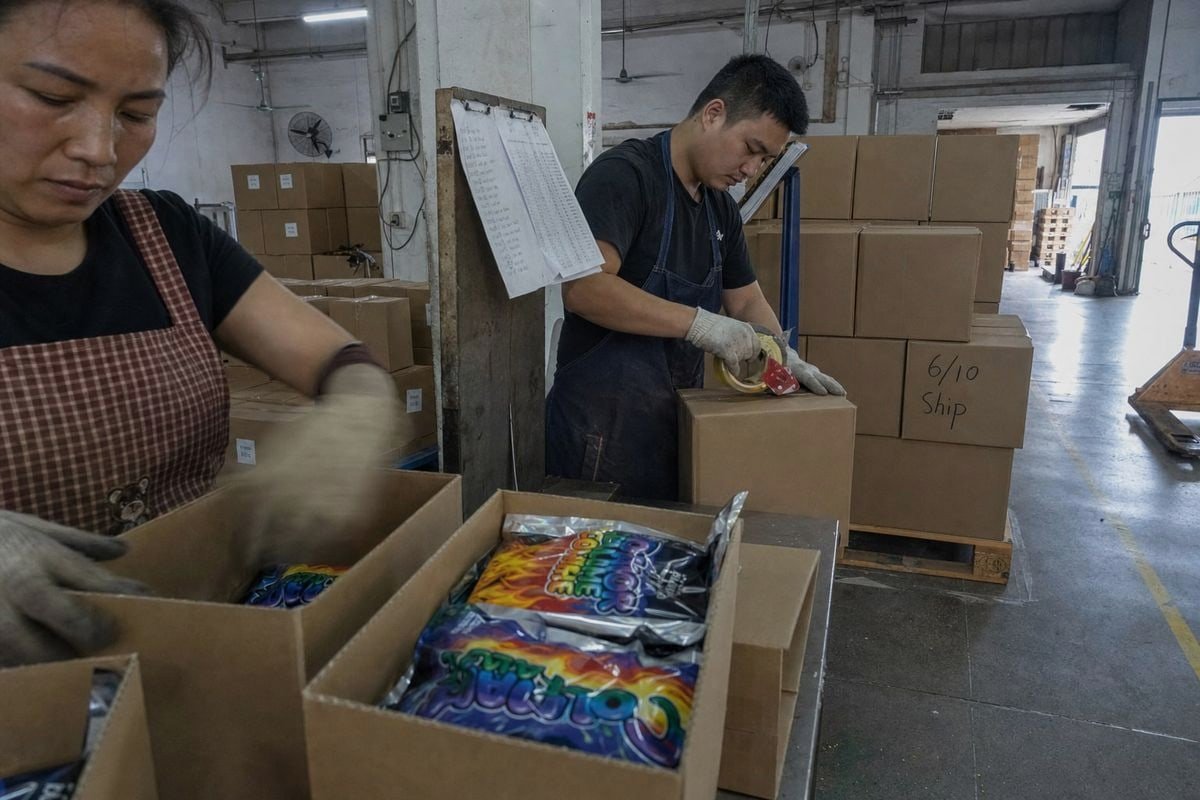
Good communication is a system, not a personality trait. Hoping your salesperson is responsive is not a plan. Defining the system before production starts is.
Build the Communication Agreement
Negotiate these five elements when you place the order, and write them into your purchase order management terms:
| Elemento | What to Agree On | Por que é importante |
|---|---|---|
| Cadence | Weekly for standard orders; daily or shift-based near deadlines | Short intervals catch slippage before it compounds |
| Formato | Fixed template: milestone status, quantities, variance, photos, notes | Comparable updates reveal trends |
| Contato | One named person per side, with a backup | No lost messages, no diffused responsibility |
| Escalation | Trigger, response time, and who gets involved when a milestone slips 24–48 hours | Problems reach decision-makers fast |
| Verificação | When third-party inspection services or a video call replaces self-reporting | Independent checks for new relationships |
Set the Tone for Honest Reporting
Here is the part buyers underestimate: your reaction shapes future reporting. If a supplier reports a two-day slip and you explode, the next slip arrives hidden inside a bigger one. When our team flags an issue early, the buyers who respond with "thanks—what is the recovery plan?" get the most transparent supply chain visibility 6 from us, order after order. Reward honesty and you will keep getting it.
Also decide, in advance, what happens when the timeline slips despite everything. The standard sequence works: request the root cause 7 in writing, get a revised completion date with milestone-level detail, agree on recovery actions, and update your downstream logistics and freight tracking plans immediately. Escalating within a day beats discovering the problem at booking time.
Conclusão
Delays hide in silence. Track production milestones, compare planned versus actual output, watch throughput patterns, and lock in a reporting cadence—then your Magic Fire Powder orders arrive when promised.
Notas de rodapé
1. Comprehensive overview of track and trace systems used in logistics. ↩︎
2. Explains the lead time concept underpinning production scheduling and milestone planning. ↩︎
3. World Bank tracks commodity supply trends affecting raw material availability for manufacturers. ↩︎
4. ISO defines quality management standards that reduce rework and off-spec batches in manufacturing. ↩︎
5. US DOT PHMSA governs hazardous materials classification relevant to shipping flame-coloring compounds. ↩︎
6. Background concept explaining how visibility across supply chain stages improves buyer confidence. ↩︎
7. Root cause analysis is the standard method for diagnosing and resolving production delays. ↩︎



 English
  Spanish
  German
  French
  Arabic
  Portuguese
Participe da conversa