






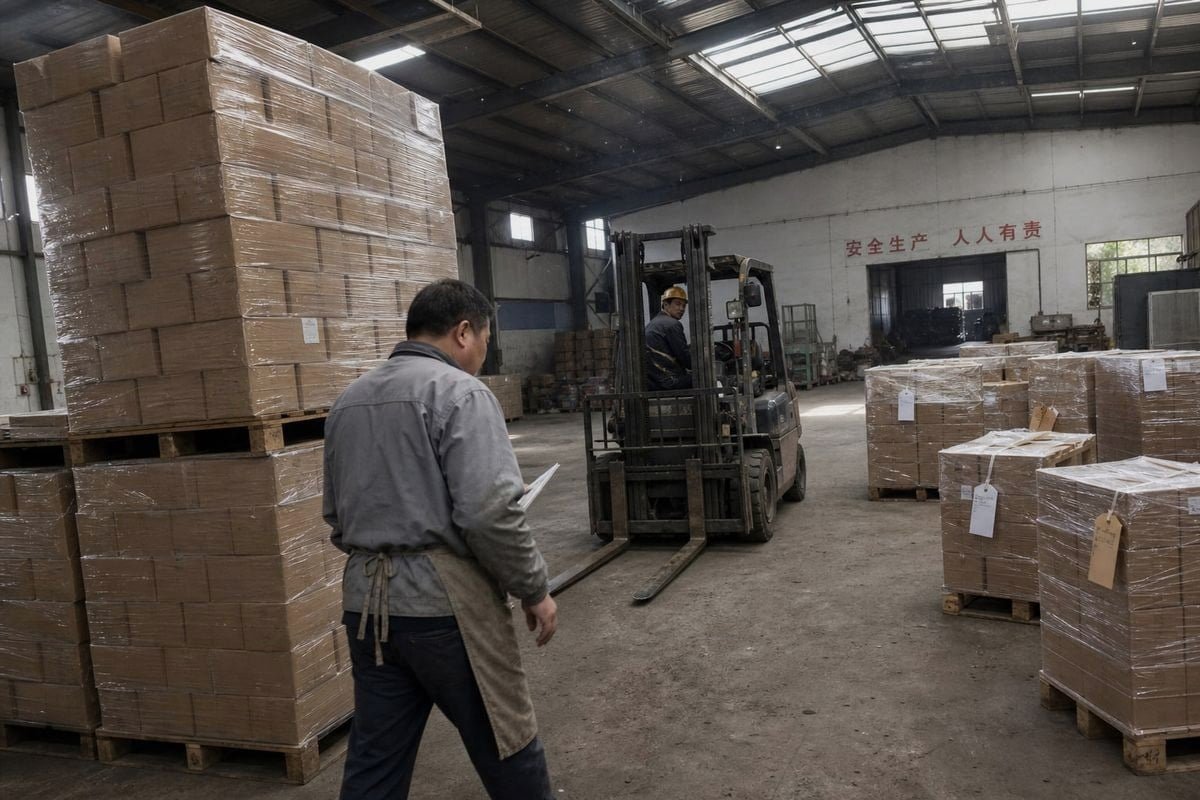
Weighing an exclusive supplier vs multi-sourcing for wood fire starters keeps buyers up at night. I hear this question weekly on our factory floor in Ningbo, and the fear is real: one delayed container in October can wipe out an entire heating-season launch, cost you shelf space at a major retailer, and hand loyal customers to a rival brand overnight. The good news is that the risk is manageable once you understand what actually drives it.
An exclusive supplier for wood fire starters concentrates disruption, pricing, and quality risk into one factory, while multi-sourcing spreads that risk at the cost of complexity and weaker volume pricing. The right choice depends on your volumes, seasonality, and how well your primary supplier is certified and audited.
Let me break this down the way I would for any purchasing manager who visits our production line. We will look at what happens when a sole supplier fails, how to weigh the trade-offs, and what contract terms protect you either way gestão da cadeia de suprimentos 1.
What Happens to My Business If My Exclusive Wood Fire Starter Supplier Fails to Deliver?
A German distributor once told me his previous fire starter factory went silent for six weeks right before Christmas. That single gap cost him a national chain listing he had spent two years winning.
If your exclusive wood fire starter supplier fails, you face immediate stockouts during peak fall and winter demand, lost retail shelf space, customer switching to substitute brands, and zero negotiating leverage. Because fire starters are easily substituted, buyers rarely wait — they simply reorder from a competitor.
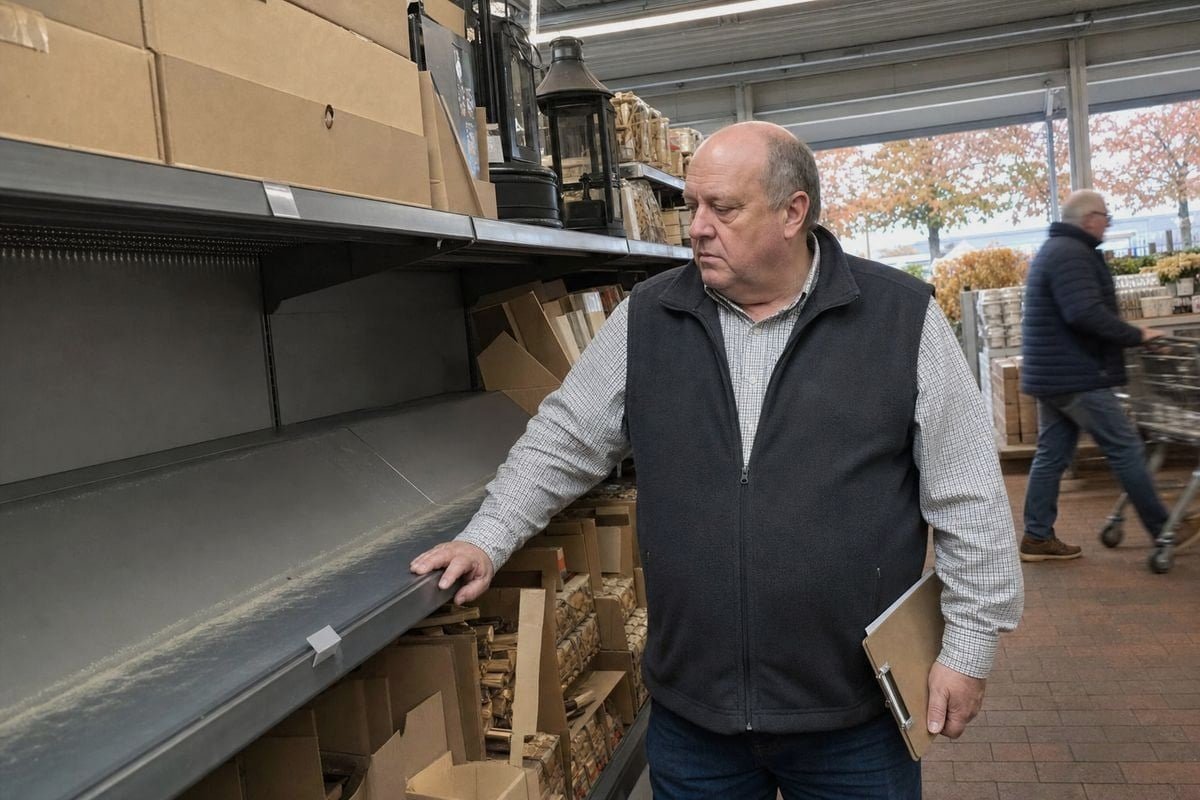
Fire starters are a low-tech product, but that does not make the supply risk low. In fact, the simplicity of the product makes the consequences worse. When a customer cannot find your wax-dipped wood rolls on the shelf, they do not pause their camping trip or leave their fireplace cold. They grab whatever brand sits next to your empty slot. That is the core danger: the product is operationally important to your revenue but trivially replaceable in the customer's eyes.
The Failure Scenarios You Should Actually Plan For
Over 17 years of exporting fire products to more than 30 countries, we have seen buyers get burned by every one of these events at other factories:
| Tipo de Falha | Typical Warning Time | Impact on a Sole-Sourced Buyer |
|---|---|---|
| Factory fire or safety shutdown | Nenhum | Total supply loss for weeks or months |
| Raw material shortage 2 (sawdust, wood wool, paraffin) | Dias a semanas | Delayed shipments, possible spec changes |
| Certification lapse or failed audit | Semanas | Goods blocked from compliant retail channels |
| Congestionamento no porto 3 or freight disruption | Dias | Missed seasonal delivery windows |
| Supplier insolvency | Sometimes none | Loss of deposits, tooling, and packaging stock |
Notice one detail specific to this category. Many fire starter factories depend on wood byproducts from local lumber mills. If the regional lumber industry slows, every factory in that area feels it at once. So an exclusive supplier does not just carry its own risk — it carries the correlated risk of its whole region.
The Hidden Cost: Leverage
There is also a quieter failure mode. A supplier who knows you have no alternative can extend lead times, push through price increases, or let quality drift. Nothing dramatic happens, but your margins and reliability erode year after year. We compete against low-price suppliers constantly, and I can tell you this pattern is common wherever a buyer stops asking questions.
How Do I Weigh Lower MOQs and Better Pricing Against the Risk of Relying on One Factory?
The trade-off I discuss most often with buyers is this: consolidating volume with us earns better unit pricing and priority production slots, but splitting orders buys insurance. Both positions are rational.
Weigh the savings from consolidated volume against the revenue you would lose in a one-season stockout. If a disruption during peak season would cost more than the annual pricing advantage, dual-source or hold buffer stock. A common risk threshold is one supplier exceeding one-third of total supply.
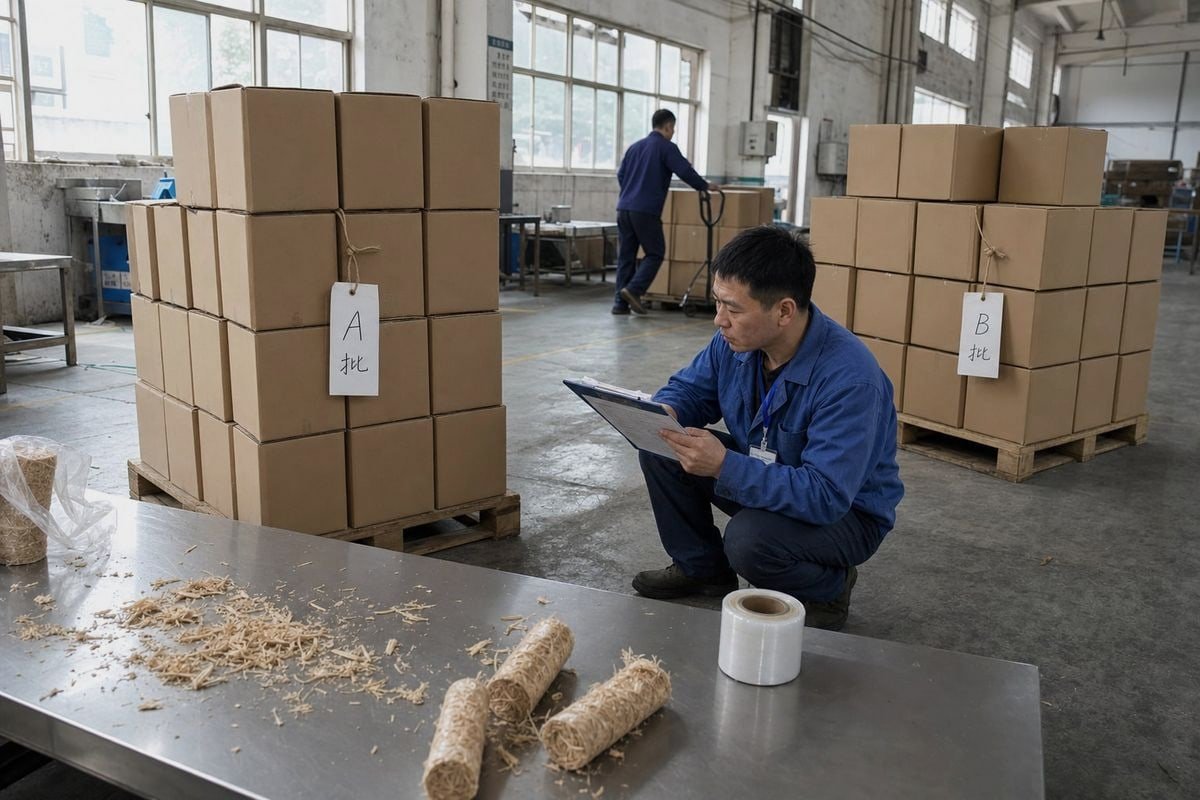
The honest answer is that neither model is free. Here is the comparison I walk buyers through when they visit our lines:
| Fator | Exclusive Supplier | Multi-Sourcing |
|---|---|---|
| Preço unitário | Usually lower with volume discounts | Often higher due to split volumes |
| Flexibilidade de MOQ | Easier to negotiate as a key account | Each factory enforces its own MOQ |
| Disruption risk | High — ponto único de falha 4 | Low — backup can absorb demand |
| Consistência de qualidade | One process, one standard | Variation in burn time, ignition, moisture |
| Admin workload | One PO, one QC flow, one logistics chain | Multiple POs, audits, inspections |
| Negotiating leverage | Weak over time | Strong — suppliers compete |
Run the Numbers, Not the Feelings
Do a simple calculation. Take your peak-season monthly revenue from fire starters. Multiply by the number of months a serious disruption would last — typically two to three, given production and shipping recovery time. Compare that figure to what you save annually through exclusive pricing. For most mid-size importers I work with, one lost season outweighs several years of volume discounts.
The Middle Path Most Buyers Miss
You do not have to choose between one factory and five. The most practical model I see among experienced European buyers is a primary-plus-secondary structure: roughly 70 to 80 percent of volume with a certified primary supplier, and 20 to 30 percent with a qualified backup. The backup stays warm, tooling and packaging specs exist in two places, and no single factory holds all the leverage. Yes, your blended unit cost rises slightly. Consider it an insurance premium against the single most expensive event in this category: an empty shelf in November.
Also remember quality variance. Different factories produce different burn times, moisture levels, odors, and ash output. If you multi-source, you must standardize specifications tightly and inspect every batch, or your customers will notice the inconsistency before you do.
Can a Certified Manufacturer Like Sunrich Reduce My Need for Multi-Sourcing in the First Place?
When buyers audit our facility, the first documents they ask for are our ISO 9001 5, BSCI, CE, and SGS/Intertek reports — before they ever ask about price. That ordering tells you where real risk reduction begins.
Yes, partly. A certified manufacturer with audited quality systems, batch-to-batch controls, and stable multi-year operations removes many of the failure modes that force buyers into multi-sourcing. Certification does not eliminate concentration risk, but it makes single-sourcing far more defensible with proper contract protections.
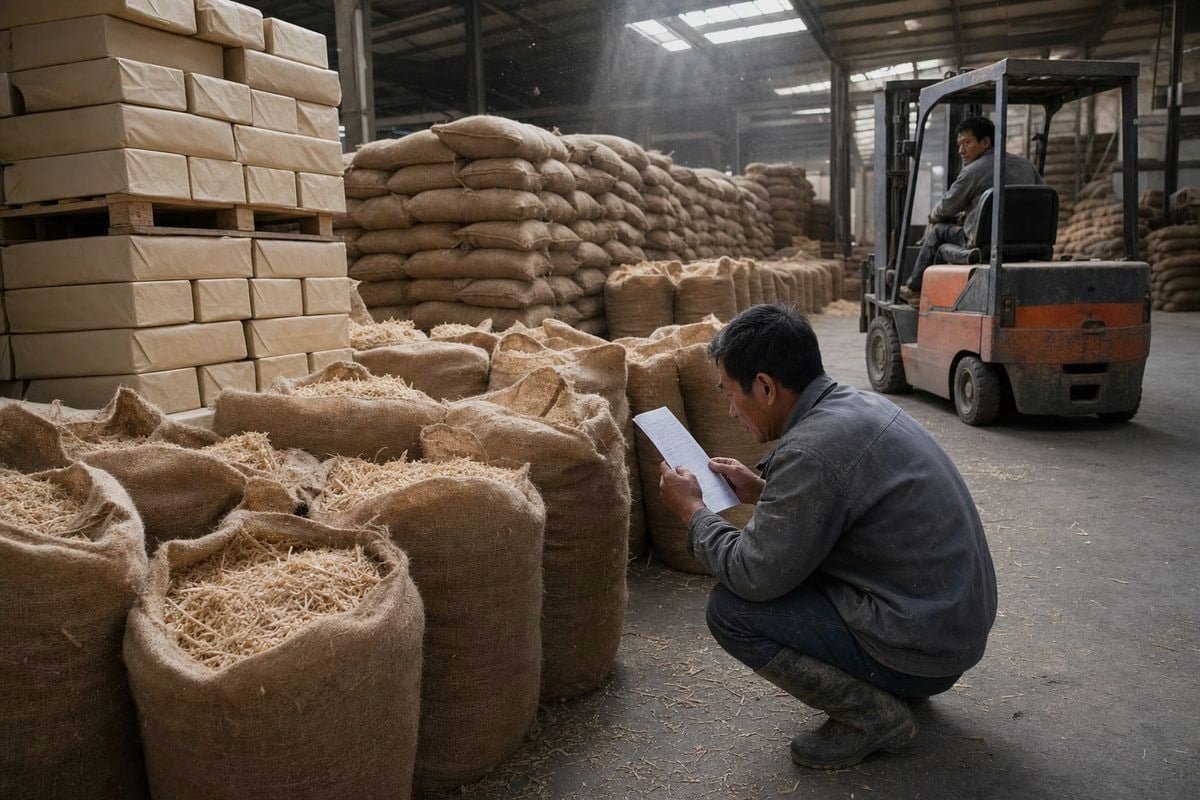
Think about why buyers multi-source in the first place. They fear quality drift, compliance failures, capacity shocks, and communication breakdowns. A genuinely certified factory addresses each of these at the root.
O Que a Certificação Realmente Compra
ISO 9001 means the factory runs documented, repeatable processes — so the sample you approved actually reflects mass production. That is not marketing language for us; our batch-to-batch quality control exists precisely so a buyer's first trial container matches container number twenty. BSCI covers social compliance, which protects your brand from the reputational damage of a supplier scandal. Marcação CE 6 and third-party SGS or Intertek test reports mean your goods clear compliant retail channels in the EU and US without surprises at customs or at a retailer's compliance desk.
Compare that with multi-sourcing across uncertified factories. You now carry two or three sets of compliance risk instead of one, plus the hidden cost of testing each source against fragmented standards — European fire safety norms differ from US CPSC expectations, and every additional factory multiplies the paperwork Organização Mundial do Comércio 7.
What Certification Cannot Do
I will be direct, because our buyers value directness. No certificate prevents a typhoon, a port strike, or a regional raw material shortage. A certified partner reduces the probability of supplier-caused failure dramatically, but it cannot reduce geographic or logistical concentration to zero. That is why even our longest-standing exclusive accounts hold safety stock and keep an emergency plan on file. Fire starters store well — the wax coating protects the wood fiber from moisture — so buffer inventory is a cheap and practical hedge that complements, rather than replaces, a strong primary supplier.
The realistic conclusion: a certified manufacturer shrinks the case for full multi-sourcing, but it strengthens — not removes — the case for buffer stock and a documented backup.
What Contract Terms and Backup Plans Should I Put in Place Before Committing to a Single Supplier?
A lesson I learned early in our OEM business: the buyers who negotiate continuity terms upfront are the same buyers who never need to use them. Preparation changes supplier behavior.
Before committing to a single wood fire starter supplier, secure written lead-time guarantees, penalty or remedy clauses for late delivery, pre-agreed pricing terms, quality specifications with third-party inspection rights, escrow of packaging artwork and specs, and a pre-qualified backup source combined with seasonal safety stock.
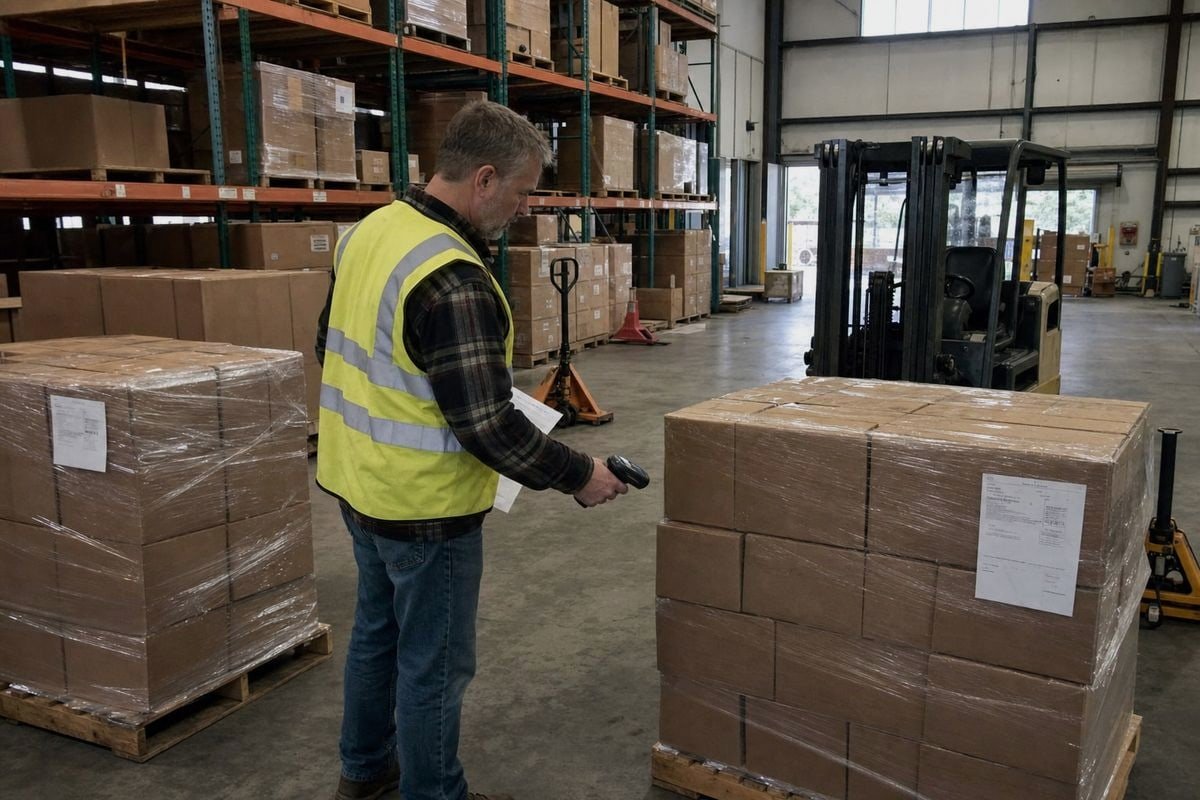
Here is the checklist I recommend to every purchasing manager, based on what our most sophisticated US and German customers put into their agreements with us:
| Elemento do Contrato | O que deve especificar | Por que é importante |
|---|---|---|
| Lead-time commitment | Production days per order size, per season | Prevents quiet lead-time creep before peak season |
| Price stability clause | Fixed pricing per period, or indexed to raw materials | Blocks opportunistic increases when you have no alternative |
| Quality specification | Burn time, ignition speed, moisture, composition (e.g., 50% wood fiber, 50% paraffin) | Gives you objective grounds to reject bad batches |
| Direitos de inspeção | Pre-shipment third-party inspection at your option | Catches drift before goods cross the ocean |
| Certification maintenance | Supplier must maintain ISO/BSCI/CE and share renewals | Protects your retail listings and brand claims |
| Capacity reservation | Priority slots for September–December production | Secures your goods when every buyer is ordering |
| Spec and artwork escrow | Your dies, packaging files, and specs stored accessibly | Lets a backup factory start fast if needed |
Build the Backup Before You Need It
A backup plan that exists only on paper is not a plan. Qualify a second source now, while nothing is wrong. Run one small trial order through them each year to keep specifications alive and the relationship warm. Pair this with an inventory rule: enter each peak season holding enough safety stock to cover your longest realistic recovery gap, typically eight to twelve weeks for trans-Pacific supply.
Watch Your Sustainability Exposure Too
One overlooked clause: if your brand makes eco or certified-wood claims based on your supplier's sourcing, require documentation and audit trails in the contract. A lapsed certification at a sole supplier becomes your marketing problem overnight. We provide test reports and material documentation as standard for exactly this reason — our buyers' compliance teams demand it, and yours should too.
Conclusão
An exclusive supplier looks efficient until the season it fails; multi-sourcing costs more until the season it saves you. Choose a certified, audited primary partner, keep a warm backup, hold seasonal buffer stock, and put continuity terms in writing. That balance protects both your margins and your shelf space.
Notas de rodapé
1. Background concept underlying the article's discussion of sourcing risk strategy. ↩︎
2. Background concept on raw material dependency risk discussed in the failure scenarios. ↩︎
3. Government resource on port and freight disruption affecting supply chains. ↩︎
4. Defines the core supply chain risk concept discussed throughout the article. ↩︎
5. Official ISO standard reference for quality management systems mentioned as certification. ↩︎
6. Explains the EU compliance mark referenced for retail channel clearance.

 English
  Spanish
  German
  French
  Arabic
  Portuguese
Participe da conversa