






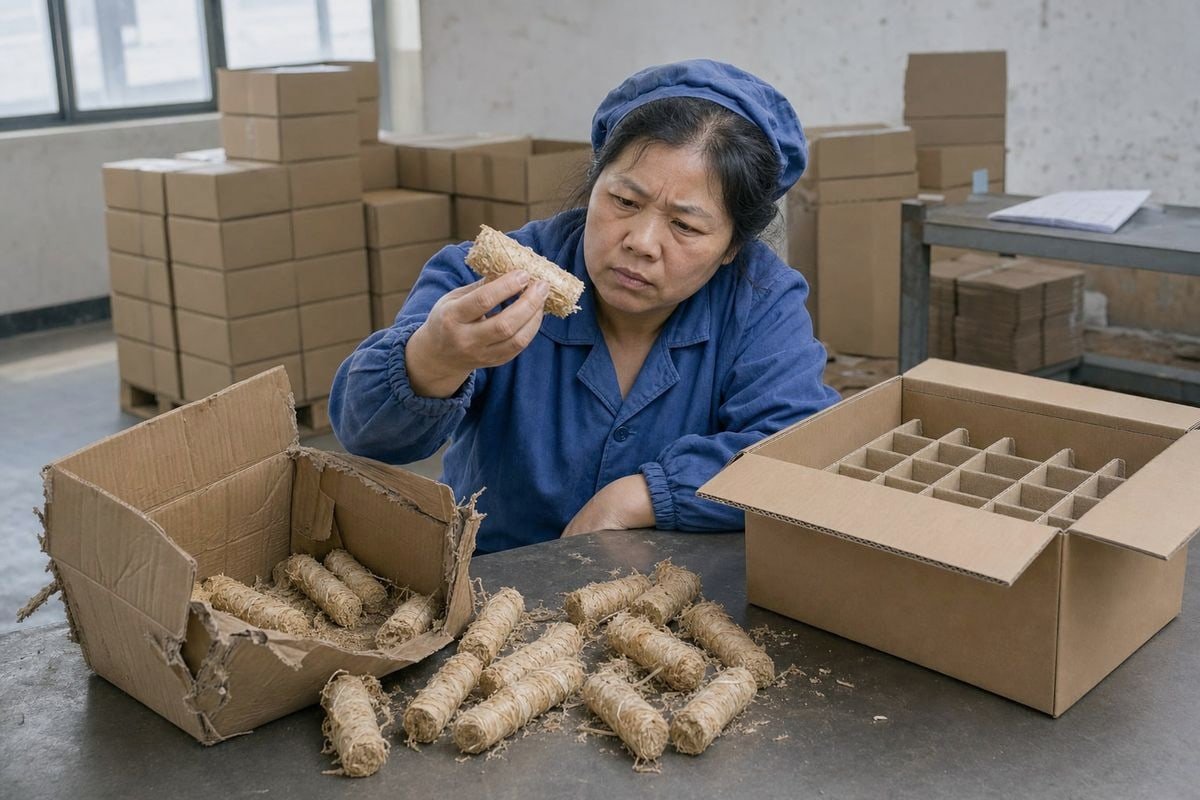
Embalagem melhor para acendedores de fogo a lenha é a solução mais rápida para devoluções por danos Conformidade CE 1. Aprendi isso da maneira mais difícil em nossa própria linha de produção, vendo as caixas amassadas de um comprador voltarem.
Para reduzir devoluções por danos de envio em acendedores de fogo a lenha, solicite caixas de papelão ondulado de parede dupla com classificação ECT verificada, um revestimento de barreira de umidade selado, divisórias internas para parar o movimento, testes de trânsito ISTA e códigos de lote impressos mais avisos de armazenamento antes de aprovar a produção em massa.
Essa é a resposta curta. Abaixo, detalharei cada parte da solicitação, para que você saiba exatamente o que escrever em seu próximo e-mail ao fornecedor.
Quais especificações de embalagem devo solicitar para sobreviver ao frete marítimo e ao transporte de última milha?
Há alguns anos, um de nossos distribuidores alemães nos enviou fotos de rolos de madeira mergulhados em cera que haviam se desintegrado dentro de uma caixa de parede única. Essa reclamação mudou a forma como especificamos cada caixa de exportação.
Solicitar caixas de papelão ondulado de parede dupla com classificação de pelo menos 32 ECT, um revestimento interno com barreira contra umidade ou saco selado, divisórias de favo de mel ou polpa moldada, fita H em todas as costuras e testes de trânsito de acordo com os padrões de embalagem ISTA para suportar a umidade do frete marítimo e o manuseio áspero na última milha.
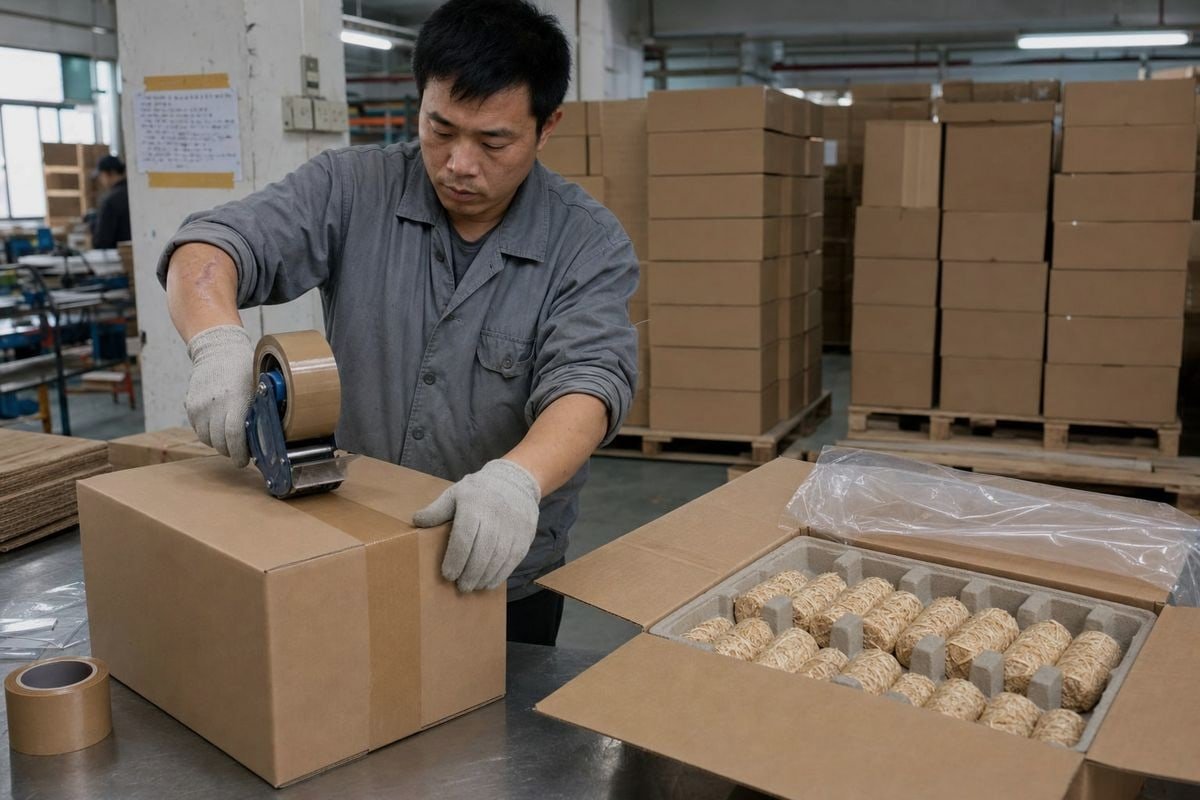
Acendedores de fogo a lenha são enganosamente frágeis. Os nossos combinam estopa de madeira e parafina, portanto, enfrentam três ameaças separadas no transporte: pressão de esmagamento, umidade e vibração. A especificação da sua embalagem deve responder a todas as três, não apenas a uma. Quando enviamos para os EUA ou Brasil, um contêiner pode ficar no mar por quatro a seis semanas. A umidade dentro desse contêiner varia muito. Em seguida, os produtos chegam a uma rede de encomendas, onde as caixas são derrubadas, jogadas e empilhadas de cabeça para baixo. Embalagens que sobrevivem a uma etapa geralmente falham na próxima.
Os três modos de falha contra os quais especificar
Danos por esmagamento vêm primeiro. Caixas de parede única colapsam sob o empilhamento do contêiner. Portanto, recomendamos parede dupla caixa de papelão ondulado 2 durabilidade como a base para qualquer remessa de acendedores de fogo. Peça ao seu fornecedor para declarar a classificação ECT ou de estouro por escrito na folha de especificações da embalagem.
Danos por umidade vêm em segundo lugar. Cera e fibra de madeira absorvem umidade. Acendedores úmidos acendem mal, e papelão úmido perde até metade de sua resistência ao empilhamento. Um simples revestimento de polietileno ou saco interno selado oferece proteção contra barreiras de umidade a um custo muito baixo.
Danos por movimento vêm em terceiro lugar. Unidades soltas esfregam, lascam e soltam fibras. O dano por vibração de trânsito é lento e invisível até que o cliente abra a caixa. Divisórias ou inserções de bandeja justas o impedem.
| Modo de Falha | O que acontece | O que solicitar |
|---|---|---|
| Esmagamento | Caixas colapsam sob empilhamento | Papelão ondulado de parede dupla, 32+ ECT, fita adesiva H |
| Umidade | Produto úmido, ignição fraca, caixas moles | Revestimento selado, dessecante, barreira de umidade |
| Vibração | Unidades esfregam, desintegram-se, soltam cera e fibra | Divisórias, bandejas de polpa moldada 3, contagens de embalagem justas |
| Calor | Parafina amolece e deforma | Avisos de temperatura, notas de estiva ventilada |
Mais um ponto. Não aceite enchimento solto como proteção principal. Ele se desloca durante o manuseio na entrega de encomendas e deixa as unidades expostas quando a caixa chega. Inserções estruturadas sempre superam o enchimento para produtos à base de cera.
Como calculo o MOQ certo para testar um novo design de embalagem antes de me comprometer com um pedido completo?
Há um compromisso que discutimos com quase todos os novos compradores: pedir pouco e seu teste não prova nada, pedir muito e você arrisca um contêiner de embalagem não comprovada.
Calcule um MOQ de teste cobrindo três necessidades: caixas suficientes para testes de queda e vibração de acordo com os padrões de embalagem ISTA, uma camada completa de palete para verificar o comportamento de empilhamento e um pequeno lote de mercado de 500 a 2.000 unidades para medir as taxas de retorno reais.
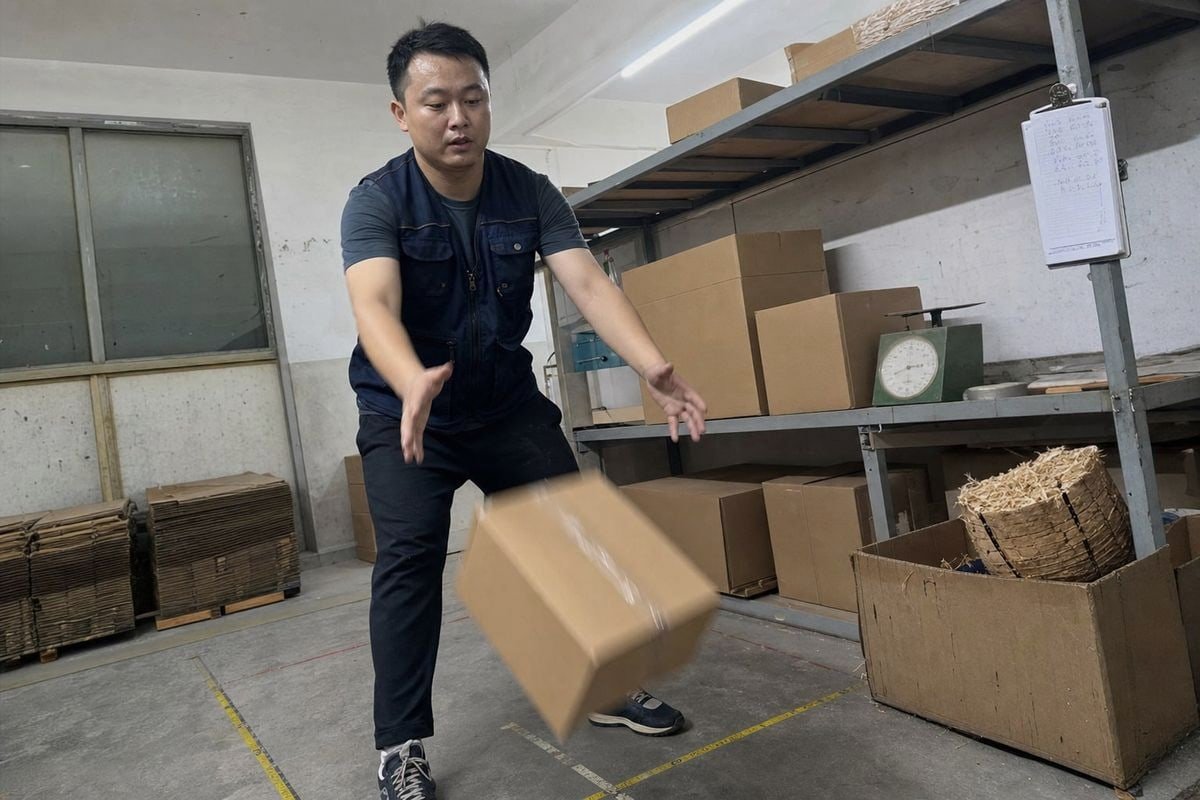
Um teste de embalagem só é útil se espelhar a realidade logística da cadeia de suprimentos 4. Em nossa experiência exportando para mais de 30 países, compradores que testam com um punhado de amostras perdem os problemas que só aparecem em escala de palete. Portanto, sugerimos uma estrutura de teste de três camadas, e construímos nossos MOQ de teste em torno dela.
Uma estrutura de teste prática de três etapas
- Testes de trânsito em estilo de laboratório. Você precisa de aproximadamente 6 a 12 caixas de envio embaladas para testes de queda, verificações de compressão e simulação de vibração. Se você não tiver acesso a um laboratório, uma viagem de ida e volta por correio para você mesmo é um substituto aproximado, mas honesto.
- Validação de camada de palete. Uma camada completa, geralmente de 8 a 12 caixas, mostra se as novas caixas se interligam, se sobrepõem ou se esmagam nos cantos. Erros de paletização causam mais reclamações de danos ao produto do que a maioria dos compradores espera.
- Lote de mercado real. Envie de 500 a 2.000 unidades de varejo através do seu canal real. Acompanhe a taxa de devolução em relação à sua embalagem anterior. Esta é a otimização real da taxa de devolução, não adivinhação.
| Camada de Teste | Quantidade Típica | O que Comprova |
|---|---|---|
| Amostras de queda e vibração | 6–12 caixas | Sobrevivência da unidade em redes de encomendas |
| Camada de palete | 8–12 caixas | Empilhamento, intertravamento, resistência do canto |
| Lote de mercado real | 500–2.000 unidades | Mudança real na taxa de devolução |
Do nosso lado, mantemos os MOQs de teste flexíveis exatamente por esse motivo. Um primeiro pedido de um palete geralmente é suficiente para validar uma nova especificação. A chave é concordar antecipadamente que a produção em massa só começa depois que os dados do lote de teste voltarem. Coloque essa condição em seu pedido de compra. Uma fábrica séria aceitará, pois uma especificação validada protege ambos os lados. Um contêiner danificado custa muito mais do que um pequeno teste pago jamais custará.
Que certificações ou relatórios de teste devo solicitar para confirmar que a embalagem do meu fornecedor atende aos padrões de segurança do meu mercado?
Quando um grande comprador de retalho do Reino Unido nos auditou, os primeiros documentos que solicitaram não foram fotos de produtos. Foram os nossos relatórios de testes e certificações de fábrica, antes de qualquer conversa sobre preços.
Solicite certificações de fábrica ISO 9001 e BSCI, relatórios de teste de produto SGS ou Intertek, conformidade CE onde aplicável, documentação de teste de trânsito ISTA ou equivalente e prova de que os rótulos carregam avisos, códigos de barras, códigos de lote e país de origem necessários para o seu mercado.
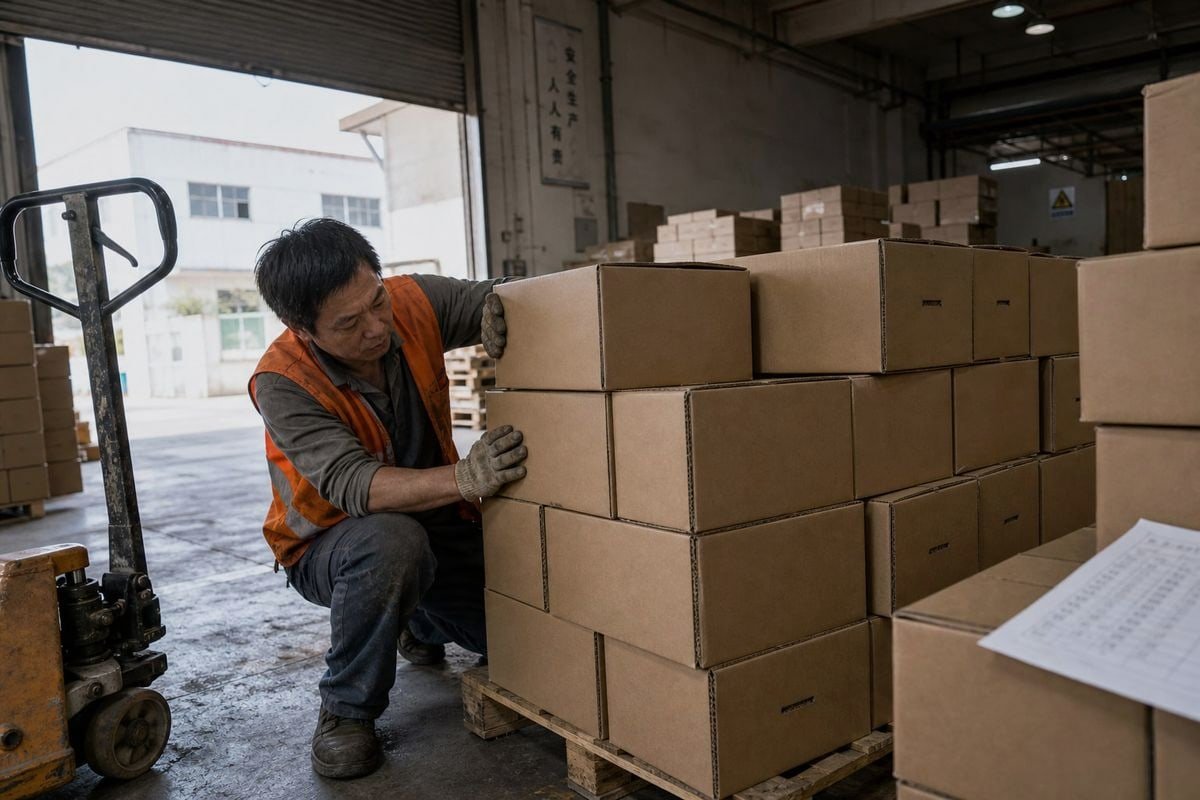
A conformidade não é um "nice-to-have" para produtos de fogo. Nos EUA e na UE, um acendedor de fogo que chega com avisos em falta ou embalagem não verificada pode ser recusado no retalho, ou pior, retirado após a listagem. Por isso, o seu pedido de embalagem deve incluir sempre uma lista de verificação de documentos, e deve verificar cada documento, não apenas recebê-lo.
A lista de verificação de documentos que entregamos aos compradores
Documentos a nível de fábrica provam que o fornecedor pode produzir consistentemente. ISO 9001 5 mostra um sistema de qualidade funcional. BSCI mostra conformidade social auditada, que muitos retalhistas europeus exigem agora. Os nossos próprios compradores na Alemanha e nos Países Baixos tratam ambos como portões rígidos.
Documentos a nível de produto provam que os bens em si são seguros. Relatórios de testes SGS ou Intertek cobrem a composição e o comportamento de queima. Para os nossos rolos de madeira mergulhados em cera, o relatório confirma o teor de parafina e fibra de madeira e a ausência de produtos químicos nocivos.
Documentos a nível de embalagem provam que a embalagem sobrevive e comunica. Normas de embalagem ISTA 6 relatórios ou um resumo equivalente de teste de trânsito confirmam que o design da caixa foi realmente testado, não apenas desenhado. Na embalagem, insista no código do lote, data de fabrico, país de origem, código de barras GTIN 7, orientação de armazenamento e avisos de segurança contra incêndio na língua do seu mercado.
| Nível | Documento | Por que é importante |
|---|---|---|
| Fábrica | ISO 9001, BSCI | Qualidade consistente, aceitação de auditoria de retalhista |
| Produto | Relatórios SGS / Intertek, CE | Segurança, composição, entrada no mercado |
| Embalagem | Documentos de teste de trânsito ISTA, provas de etiqueta | Prevenção de danos, rotulagem legal |
Uma dica de verificação. Verifique a data do relatório e o requerente nomeado. Um relatório antigo, ou um emitido para outra empresa, é um sinal de alerta de que está a lidar com uma empresa comercial em vez de uma fábrica real.
Meu fornecedor pode fornecer embalagens personalizadas com marca sem atrasar meus prazos de entrega ou aumentar os custos?
Uma marca canadiana de exterior perguntou-nos uma vez exatamente esta questão, convencida de que as caixas de marca própria acrescentariam um mês ao seu cronograma. A resposta real surpreendeu-os.
Sim, uma fábrica com capacidade OEM/ODM interna pode entregar embalagens personalizadas de marca com pouca ou nenhuma penalidade de prazo de entrega, desde que a arte seja aprovada antecipadamente, as linhas de corte reutilizem tamanhos de caixa existentes e a impressão ocorra em paralelo à produção, em vez de depois dela.
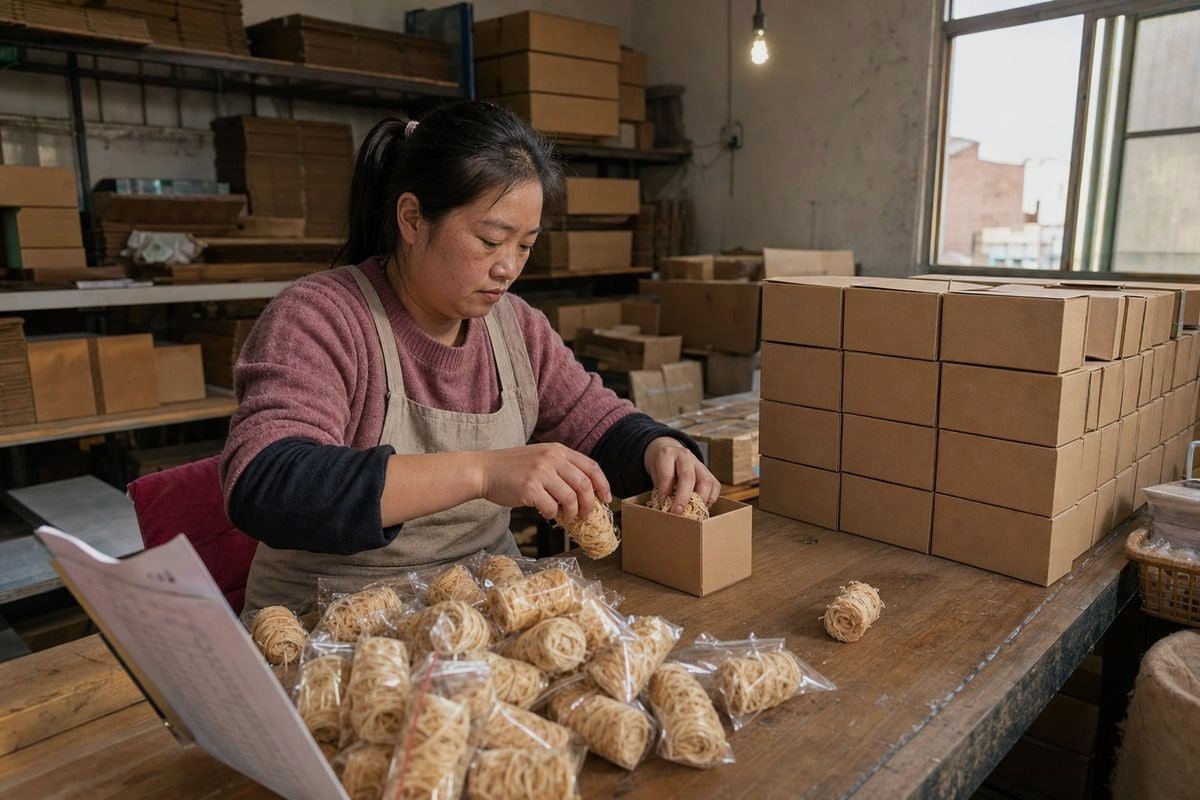
O medo do atraso geralmente vem da experiência com empresas comerciais. Um intermediário tem de encomendar caixas a terceiros, esperar, depois embalar manualmente. Uma fábrica real funciona de forma diferente. Na nossa fábrica em Ningbo, a impressão da embalagem corre em paralelo com a produção do próprio acendedor de fogo. Se a sua arte final for confirmada quando a encomenda é colocada, as caixas de marca estão prontas antes de os produtos saírem da linha de cera. O prazo de entrega é o mesmo que o da embalagem em stock.
Onde os custos e os atrasos realmente vêm
O custo só aumenta significativamente em três casos. Primeiro, tamanhos de caixa não standard que forçam novas linhas de corte e novas ferramentas. Segundo, tiragens muito pequenas, onde a configuração das chapas domina o custo unitário. Terceiro, alterações de arte final tardias após a produção das chapas. Evite estes três, e a marca personalizada acrescenta tipicamente apenas cêntimos por unidade.
Há também um caminho intermédio inteligente. Muitos dos nossos compradores começam com um tamanho de caixa standard mais uma manga ou etiqueta impressa personalizada. Isto dá marca pronta para prateleira, não necessita de novas ferramentas, e funciona mesmo em MOQs de teste. Assim que os volumes crescem, eles passam para caixas de exposição totalmente impressas com perfurações de fácil abertura para retalho.
Mais duas notas práticas. Peça ao seu fornecedor para combinar a marca com a especificação protetora, não para a substituir. Uma caixa bonita que falha nos testes de compressão ainda gera devoluções. Caixas de transporte resistentes podem absolutamente suportar impressão premium. E se a sustentabilidade for importante para os seus clientes, peça embalagens protetoras sustentáveis, como tabuleiros de polpa moldada e revestimentos de kraft recicláveis. Protegem bem, imprimem bem e apoiam uma história de marca ecológica sem plástico extra.
Finalmente, bloqueie o cronograma por escrito. A data de aprovação da arte final, os dias de produção de chapas e o início da tiragem devem aparecer na confirmação da encomenda. Marcos claros são o que impede que a embalagem personalizada escorregue.
Conclusão
Acendedores de fogo danificados significam devoluções, reembolsos e perda de espaço em prateleira. A solução é uma especificação de embalagem escrita: caixas fortes, barreiras de humidade, divisórias, testes de trânsito, documentos verificados e marca aprovada antecipadamente.
Solicite a especificação, teste um palete, verifique os relatórios, depois escale. Essa sequência manteve as taxas de devolução dos nossos compradores baixas em mais de 30 mercados de exportação, e funcionará para os seus também.
Notas de rodapé
Fonte oficial da UE explicando o requisito de marcação CE mencionado para conformidade de mercado. ↩︎
Referência de fundo sobre o material de embalagem central para a discussão de prevenção de danos. ↩︎
Referência de fundo sobre o material de embalagem sustentável recomendado para inserções protetoras. ↩︎
Fornece um contexto amplo para os conceitos de logística subjacentes à estrutura de testes MOQ. ↩︎
Fonte autoritária que define a certificação de gestão de qualidade solicitada aos fornecedores. ↩︎
ISTA é a autoridade reconhecida para as normas de testes de trânsito de embalagens referenciadas ao longo do artigo. ↩︎
GS1 é o organismo de normalização autoritário que define os códigos de barras GTIN utilizados para a rotulagem de produtos. ↩︎

 English
  Spanish
  German
  French
  Arabic
  Portuguese
Participe da conversa