






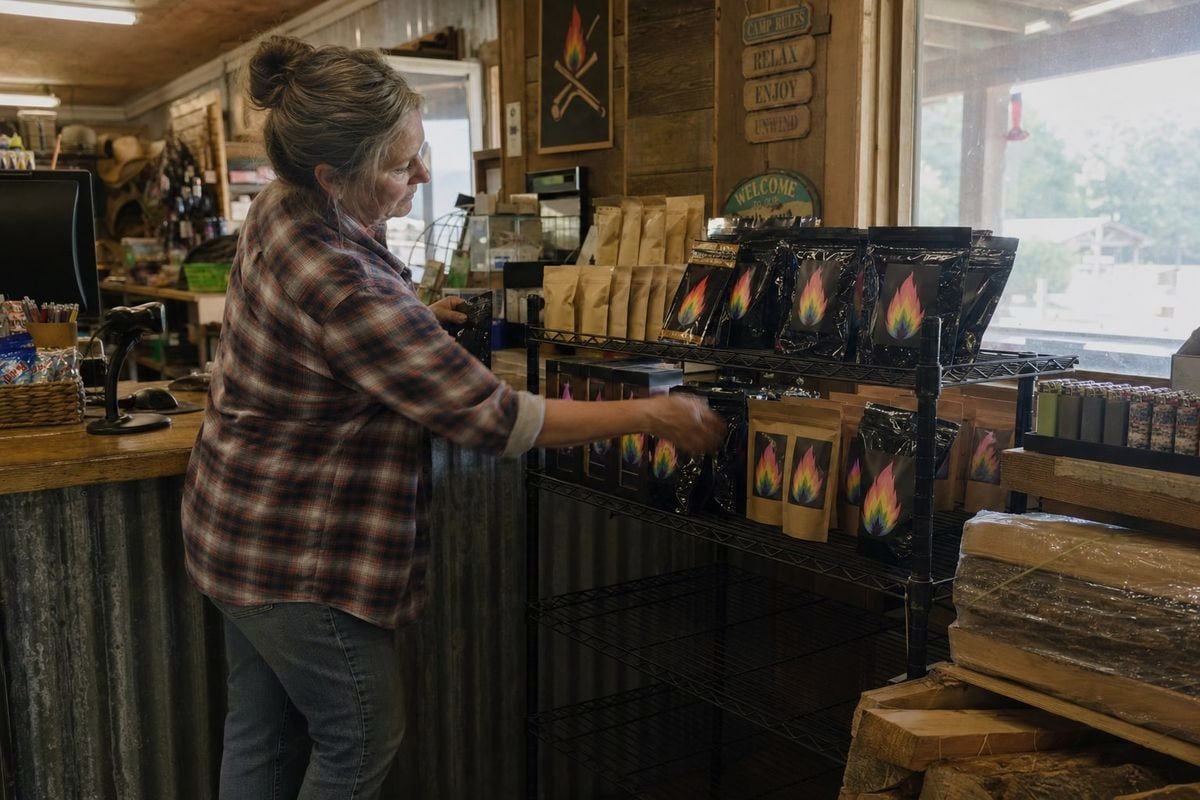
Encomendar a quantidade errada de pó mágico de fogo dói duas vezes: estoque parado imobiliza dinheiro e prateleiras vazias matam vendas por impulso Documentação MSDS 1. Após mais de 17 anos administrando nossas linhas de produção de chamas coloridas, vi ambos os erros custarem dinheiro de verdade aos compradores.
A maioria das lojas de varejo de acampamento deve encomendar principalmente pacotes pequenos de pó Magic Fire de 10g–30g, planejar para clientes usando 1–3 pacotes por fogueira, adicionar uma participação modesta de multipacks médios e testar potes a granel somente após a demanda repetida ser comprovada. Comece com um sortimento de 2–4 SKUs.
Essa é a resposta curta. Mas o número certo para sua loja depende do MOQ, tráfego de pessoas, espaço na prateleira e estação do ano Relatórios de teste da Intertek 2. Deixe-me analisar cada parte.
Qual o MOQ que devo esperar ao encomendar Pó Mágico de Fogo para as minhas Lojas de Retalho?
Um distribuidor na Polônia uma vez nos pediu um teste de 200 sacos antes de se comprometer com contêineres. Essa conversa me ensinou o quanto a flexibilidade do MOQ é importante para compradores de primeira viagem de pacotes de fogo que mudam de cor.
Os MOQs de atacado típicos para o pó Magic Fire variam de 50 a 500 sacos por SKU, dependendo do fornecedor e do formato da embalagem. Fabricantes diretos de fábrica geralmente oferecem MOQs de teste flexíveis em torno de 100–500 pacotes, enquanto embalagens personalizadas de marca própria geralmente aumentam os mínimos para cobrir os custos de configuração de impressão.
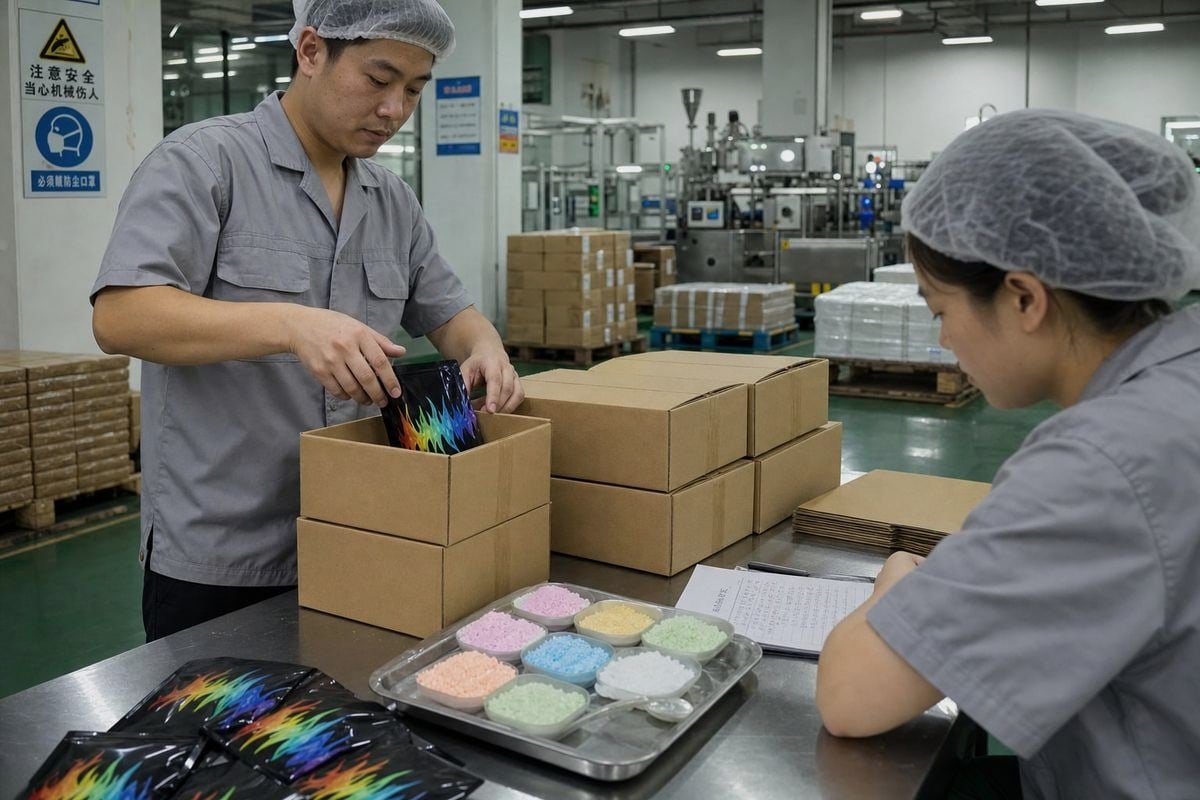
O MOQ não é um número fixo. Ele muda com o formato que você escolhe e o quanto de personalização você deseja. Em nossa fábrica em Ningbo, um pacote de folha de design padrão tem um mínimo muito menor do que um saco de papel kraft totalmente com marca própria com seu código de barras, etiqueta de aviso e caixa de exibição personalizada. Placas de impressão e tiragens de filme impulsionam essa diferença, não a ganância.
É isso que eu digo aos gerentes de compras para esperar ao adquirir novidades de atacado para fogueiras:
Níveis Típicos de MOQ por Formato
| Formato | MOQ Típico | Exposição de Caixa Inicial |
|---|---|---|
| Pacotes de folha padrão de 10g–25g | 100–500 unidades | Pedidos de teste, testando a demanda |
| Pacotes impressos personalizados (marca própria) | 000–10.000 unidades | Marcas estabelecidas, redes |
| Sacos tipo stand-up de papel kraft de 50g | 500–1.000 unidades | Testando o SKU de valor |
| Potes ou recipientes de 500g (corante de fogo a granel) | 100–300 unidades | Clientes de fogueiras de uso intensivo |
| Caixas de exibição POP (pacote com 60) | 50–100 caixas | Lançamentos em vários locais |
Mais dois pontos são importantes. Primeiro, a conformidade é inegociável. Qualquer pedido que você fizer deve vir com Certificação CE. 3, relatórios de teste SGS ou Intertek e documentação MSDS. Redes de varejo pedirão esses documentos, e o seguro de responsabilidade civil pode exigi-los. Tratamos isso como um requisito rígido porque nossos compradores dos EUA e da UE o fazem. Segundo, pergunte se a primeira amostra reflete verdadeiramente a produção em massa. A consistência lote a lote é onde as empresas comerciais tropeçam e as fábricas reais se provam. Um MOQ baixo significa pouco se o lote três queimar com uma cor diferente do lote um.
Como Calculo a Quantidade Certa do Pedido Com Base no Tráfego da Loja e no Espaço da Prateleira?
Um compromisso que pondero constantemente com os compradores é profundidade versus amplitude: você estoca em grande quantidade um tamanho de pacote ou se espalha por muitas variantes? Para o inventário da loja de acampamento, a profundidade geralmente vence.
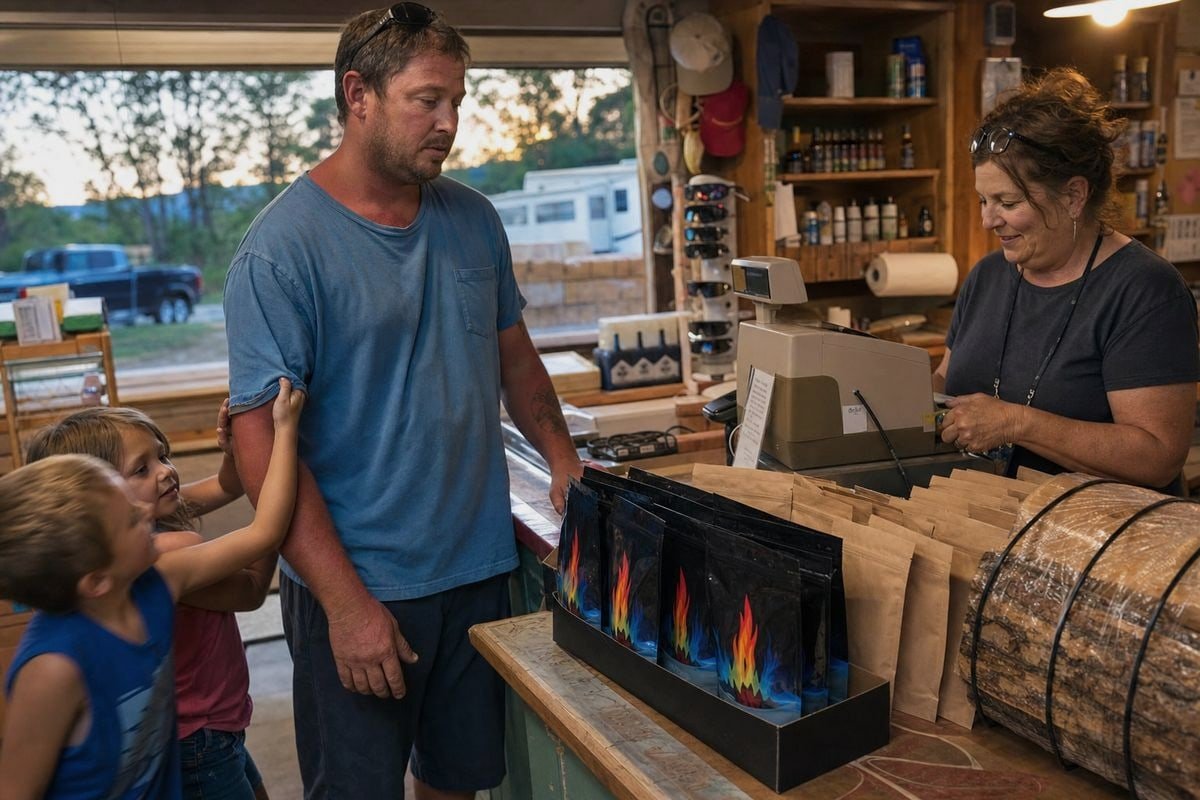
Estimar transações semanais de clientes, assumir que 5-15% comprarão pó de chama arco-íris como um item de impulso, e multiplicar por 2-3 pacotes por comprador, já que a maioria dos clientes usa 1-3 pacotes por fogo. Em seguida, encomendar 8-12 semanas dessa demanda projetada para cobrir os prazos de entrega marítimos.
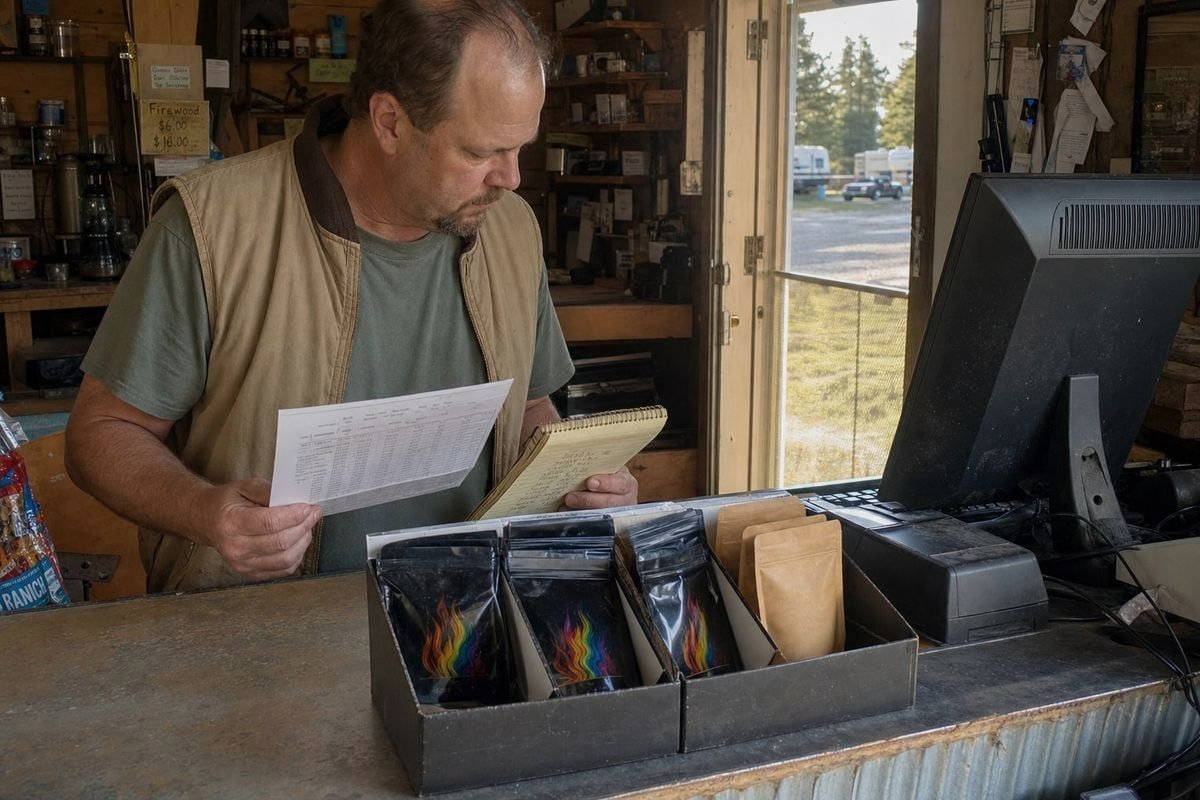
A matemática é simples assim que você tem a estrutura. Este produto se comporta como um acessório de impulso, não como uma compra planejada. Os clientes o veem perto do caixa ou da lenha, entendem em segundos e pegam dois ou três pacotes. Os efeitos duram aproximadamente 20–60 minutos, dependendo da dosagem e do tamanho do fogo, portanto, compras de vários pacotes são normais, não excepcionais.
Uma Fórmula Simples de Pedido
Passe por estas quatro etapas:
- Conte as transações semanais. Use seus dados de POS, não suposições.
- Aplique uma taxa de anexo. Para um item de compra por impulso bem posicionado , 5–15% das transações é realista. Acampamentos com muitas famílias tendem a ter taxas mais altas porque as crianças impulsionam as vendas de novidades. 4, Multiplique pelas unidades por comprador.
- Use 2–3 pacotes, correspondendo ao padrão de uso de 1–3 pacotes por fogo. Multiplique pelas semanas de cobertura.
- Peça 8–12 semanas de estoque para cobrir o tempo de entrega do frete marítimo. Perfil da Loja.
Exemplo de Trabalho
| Transações Semanais | Taxa de Anexo | Pacotes/Comprador | Demanda Semanal | Pedido de 10 Semanas | Pequena loja de acampamento |
|---|---|---|---|---|---|
| 30 pacotes | 300 | 5% | 2 | 300 pacotes | Loja de acampamento de médio porte |
| Loja de campismo média | 800 | 8% | 2.5 | 160 pacotes | 600 pacotes |
| Resort familiar de alto tráfego | 2,000 | 12% | 3 | 720 pacotes | 200 pacotes |
O espaço na prateleira define seu limite. Se você só consegue acomodar um expositor de balcão, não peça cinco SKUs. Um sortimento restrito de 2–4 SKUs gira mais rápido do que um sortimento extenso, e um sortimento saudável taxa de giro de estoque 5 é mais importante para suas margens de lucro no varejo do que a variedade. Um parâmetro útil do campo: alguns compradores dimensionam os pedidos aproximadamente em uma proporção de 1:3 em relação às vendas de pacotes de lenha, pois as noites de fogueira impulsionam ambas as compras. Se sua mistura de reservas se inclina para famílias, ajuste o estoque para cima — a demanda por novidades impulsionada por crianças pode mover a agulha significativamente.
Quais Tamanhos de Embalagem Funcionam Melhor Quando Estou Abastecendo Vários Locais de Acampamento?
Quando desenvolvemos nossa linha Magic Fire, criamos deliberadamente três tipos de embalagem — pacotes de papel alumínio, bolsas kraft autoportantes e potes plásticos — porque nossos clientes distribuidores continuavam pedindo formatos diferentes para diferentes tipos de lojas.
Para varejo de acampamento com várias localizações, use sachês de papel alumínio de 25g como o SKU principal em todos os caixas, adicione bolsas de 50g ou multipacks de fim de semana com 10–12 unidades no corredor de camping e reserve potes a granel de 500g para locais de alto volume com compradores recorrentes comprovados de fogueira.
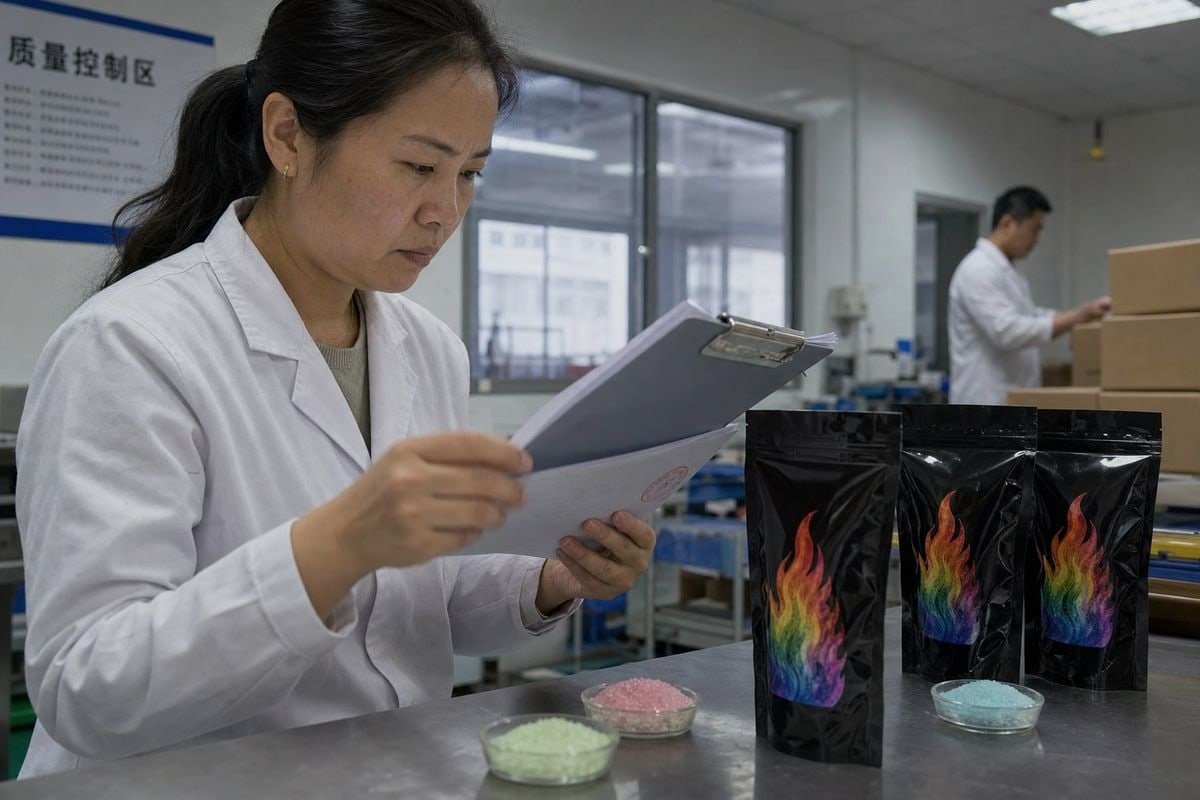
Há um debate genuíno aqui, e eu ouço ambos os lados dos compradores. Alguns defendem apenas pacotes pequenos: eles correspondem ao uso real, reduzem a hesitação do comprador em pontos de preço baixos e giram rapidamente. Outros defendem potes maiores porque oferecem um valor percebido melhor e preços mais altos. Minha resposta honesta depois de exportar para mais de 30 países: não escolha um lado. Divida o sortimento, pondere-o para pacotes pequenos e deixe que os dados de venda de cada local decidam a mistura.
O sachê de 25g merece atenção especial. Ele vende mais que a versão de 10g na maioria dos ambientes de varejo porque a relação custo-benefício parece certa para os clientes — mais cor, efeito mais duradouro, pequena diferença de preço. Isso o torna a âncora de seus suprimentos de loja de acampamento.
Sortimento Recomendado por Tamanho de Loja
| Tipo de Loja | SKU principal | SKU Secundário | SKU a Granel | Total de SKUs |
|---|---|---|---|---|
| Quiosque pequeno / escritório de acampamento | Sachês de 25g (expositor de caixa) | — | — | 1–2 |
| Loja de acampamento de médio porte | Sachês de 25g | Bolsa de 50g ou pacote com 10 unidades | — | 2–3 |
| Loja grande de resort familiar | Sachês de 25g | Pacote de fim de semana | Pote ou jarra de 500g | 3–4 |
Padronize o Núcleo, Localize os Extras
Em vários locais, mantenha o sachê principal idêntico em todos os lugares. Mesmo pacote, mesma caixa expositora, mesmo código de barras. Isso simplifica o reabastecimento, mantém seus dados limpos e fortalece o poder de compra com seu fornecedor. Em seguida, localize o nível secundário: um acampamento familiar à beira do lago pode adicionar pacotes temáticos de cores únicas para noites de eventos, enquanto um local focado em pesca pode pular esses. Quando executamos programas de marca própria, construímos as contagens de caixas mestras em torno dessa lógica de hub-and-spoke para que um contêiner possa atender a todos os perfis de loja.
Uma nota de merchandising: sempre peça caixas expositoras POP com seus pacotes. Este produto precisa de explicação visual — uma bolsa preta estática não comunica chamas coloridas. Uma caixa expositora com uma foto de demonstração faz grande parte da venda para você.
Como Devo Planejar Reabastecimentos e Prazos de Entrega para Evitar Ficar Sem Estoque Durante a Alta Temporada?
Uma lição difícil do nosso calendário de exportação: um distribuidor do Reino Unido fez um pedido de verão no final de maio. A produção foi boa, mas quando o contêiner passou pela alfândega, o pico de acampamento de julho já havia passado. O tempo supera tudo.
Faça seu pedido sazonal principal 10–14 semanas antes da demanda máxima, cobrindo produção e frete marítimo. Defina um ponto de reabastecimento com 4–6 semanas de estoque restante e alinhe o tempo do pedido com as três principais janelas de demanda: acampamento de verão, fogueiras de outono em outubro e uso de lareira de fim de ano em dezembro.
Os padrões de demanda sazonal para produtos de chamas coloridas são acentuados, não suaves. Em nosso cronograma de produção, vemos o mesmo ritmo todos os anos: compradores ocidentais estocam na primavera para fogueiras de verão, e novamente no final do verão para o Halloween e a temporada de lareiras de inverno. Se você perder uma janela, não poderá compensar as vendas mais tarde — ninguém compra pacotes de cores para fogueira em um mês intermediário para compensar.
Crie um Calendário de Reordenação Simples
Trabalhe de trás para frente a partir de cada pico de demanda:
- Pico de verão (junho-julho): peça até meados de março.
- Outono/Halloween (outubro): peça até meados de julho.
- Inverno/feriado (dezembro): peça até meados de setembro.
Em seguida, adicione uma regra permanente: quando o estoque em mãos cair para 4–6 semanas de vendas projetadas, acione o reordenamento. Não espere a prateleira parecer vazia. Para eventos especiais de acampamento, peça ainda mais cedo — no mínimo duas semanas antes do evento para reabastecimento doméstico, e um ciclo de produção completo para qualquer item personalizado, como lotes de cores únicas temáticas para noites verdes de St. Patrick's Day ou fins de semana temáticos de galáxia azul.
Orce o Prazo de Entrega Honestamente
A produção em uma fábrica real normalmente leva de 2 a 4 semanas para designs de estoque, mais tempo para lotes de marca própria personalizados. O frete marítimo 6 para os EUA ou Europa adiciona 4–6 semanas, mais alfândega e entrega interna. O frete aéreo pode resgatar uma falta de estoque, mas corrói margens de lucro no varejo 7 rapidamente, então trate-o como uma válvula de emergência, não como um plano. Em nossa experiência enviando para os EUA, Alemanha e Austrália, os compradores que nunca ficam sem estoque são aqueles que compartilham suas previsões sazonais conosco com antecedência — podemos então reservar horários de produção e estocar matérias-primas antes mesmo de o pedido deles chegar. Essa abordagem de parceria não custa nada e economiza semanas de segurança.
Conclusão
Peça pacotes pequenos em profundidade, pacotes médios levemente, banheiras a granel com cautela. Combine as quantidades com o tráfego, faça os pedidos com 10 a 14 semanas de antecedência dos picos e exija suprimento certificado e consistente por lote.
Notas de rodapé
MSDS/SDS é um documento de segurança padronizado globalmente referenciado para conformidade de produtos químicos. ↩︎
A Intertek é uma entidade de teste e certificação reconhecida globalmente, relevante para a conformidade do produto. ↩︎
A marcação CE é um padrão de conformidade da UE reconhecido, referenciado para requisitos de certificação de produtos. ↩︎
O comportamento de compra por impulso explica por que as lojas de acampamento estocam pó de fogo perto dos caixas. ↩︎
O giro de estoque é uma métrica central de varejo que explica por que sortimentos de SKU restritos têm melhor desempenho. ↩︎
A OMC fornece contexto autoritativo sobre logística internacional de remessas e comércio referenciada aqui. ↩︎
A margem de lucro é um conceito fundamental de finanças de varejo que sustenta os conselhos de estratégia de pedidos do artigo. ↩︎



 English
  Spanish
  German
  French
  Arabic
  Portuguese
Participe da conversa