






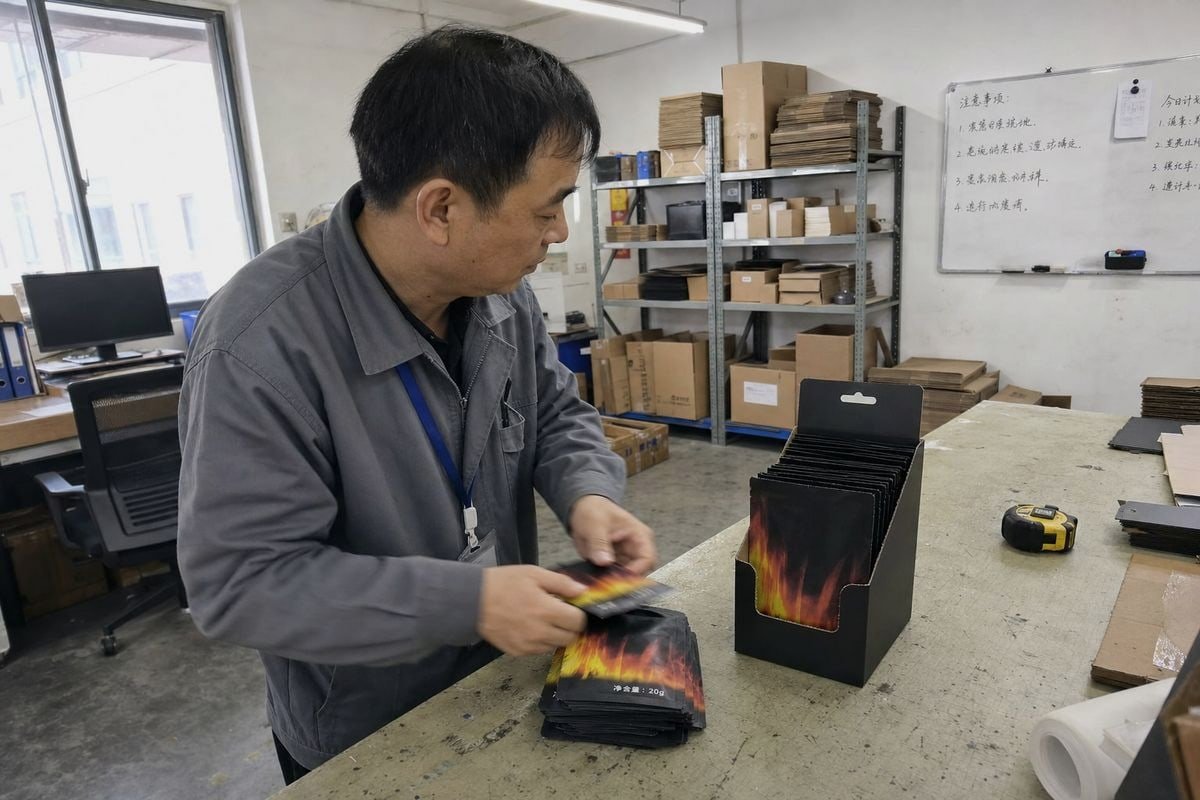
Especificações de embalagem de pó de fogo mágico confundem muitos compradores Certificação CE. 1. Observei pedidos de teste falharem porque nossos clientes pediram embalagens no formato de loja e depois tentaram enviá-las como encomendas.
As especificações de embalagem do pó de fogo mágico diferem por canal: o e-commerce precisa de unidades de consumidor compactas, seladas e seguras para encomendas com pesos líquidos e dimensões claras, enquanto o retalho offline precisa de caixas de exposição, abas para pendurar, caixas mestras e marca pronta para prateleira, concebidas para merchandising em loja e distribuição a granel.
O pó interno é frequentemente idêntico. A especificação de embalagem comercial não é. Deixe-me guiá-lo exatamente sobre o que muda entre os dois canais e por que isso importa para suas decisões de fornecimento.
Como os Requisitos de Embalagem Mudam ao Vender Pó Mágico de Fogo Online Versus em Lojas Físicas?
Um distribuidor alemão uma vez pediu à nossa fábrica para executar uma especificação de embalagem para suas contas de loja online e de centro de jardinagem. padrões de código de barras 2. No meio da cotação, mostramos a ele por que isso raramente funciona.
Vendas online exigem unidades de consumidor únicas com sachês selados, peso líquido impresso e dimensões compactas para envio em pacotes. Lojas físicas exigem caixas de exibição multipack, caixas internas e caixas master dimensionadas para estoque em prateleiras, eficiência de paletes e reabastecimento rápido pela equipe de varejo.

A diferença principal é quem manuseia o pacote. No comércio eletrônico, um correio o manuseia e um único cliente o abre. eficiência de paletes 3. No varejo offline, uma equipe de armazém, um merchandiser e um comprador interagem com ele. Cada um desses pontos de contato adiciona um requisito.
Quando produzimos pacotes de Pó Mágico de Fogo para vendedores online, focamos no sachê individual. Ele deve sobreviver a um centro de triagem, uma van de entrega e uma caixa de correio. Portanto, selamos a quente bolsas de folha com bordas onduladas, mantemos a umidade fora e imprimimos o peso líquido claramente. Formatos online típicos que executamos são sachês de 10 g, 25 g e 30 g vendidos em pacotes de 8, 10 ou 50 unidades.
Para canais de loja, a especificação aumenta. Compradores de varejo nos perguntam sobre contagens de caixas de exibição, geometria de caixas e ajuste de paletes. Uma configuração comum de nossas linhas de Ningbo é 25 sachês em uma caixa de exibição, depois 24 caixas por caixa master. O sachê único mal muda. Tudo ao redor dele muda.
Seis dimensões de especificação que mudam por canal
| Dimensão da Especificação | Foco em comércio eletrônico | Foco em varejo offline |
|---|---|---|
| Tamanho / contagem da embalagem | Pacotes de consumidor de 8, 10 ou 50 unidades | Caixas de exibição de 25–50 unidades |
| Peso da unidade | 10 g–60 g, claramente impressos | 10 g–30 g, padronizado por SKU |
| Formato | Bolsa selada, caixa compacta | Caixa de exibição, caixa interna, caixa master |
| Dimensões | Medidas exatas da encomenda listadas | Dimensões da caixa para cálculo de palete |
| Merchandising | Fotos e cópias da página do produto | Abas para pendurar, painéis frontais, bandejas de prateleira |
| Tamanho do pedido | Pequenas quantidades de teste | MOQ de 6.000–20.000 unidades comuns |
Ambos os canais podem compartilhar a mesma arte do sachê. Mas a arquitetura da embalagem externa é um trabalho de engenharia genuinamente diferente, e nós a cotamos dessa forma.
Quais Certificações e Rótulos de Aviso Eu Preciso para Embalagens de E-commerce Versus Embalagens de Varejo?
Questões de conformidade surgem em quase todas as primeiras chamadas que recebo de compradores dos EUA e da UE. Geralmente é o tópico de abertura deles, bem antes do preço, e honestamente, é assim que deveria ser.
Ambos os canais exigem avisos de segurança visíveis, instruções de uso e orientação etária na embalagem. O comércio eletrônico adiciona documentação da transportadora e do mercado, como relatórios de testes de segurança e declarações de materiais, enquanto a embalagem de prateleira de varejo deve atender às verificações de conformidade da loja, padrões de código de barras e leis de rotulagem do mercado de destino.
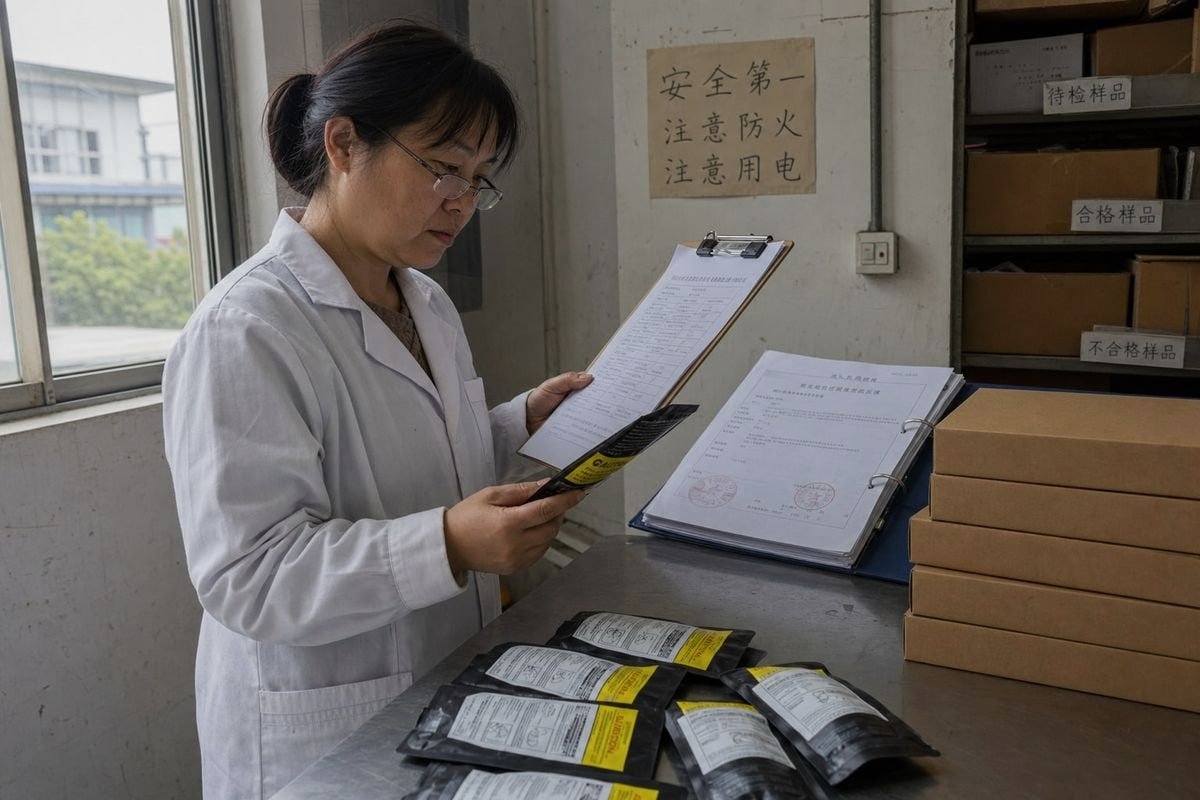
Deixe-me ser direto sobre como isso acontece na prática. Nossa fábrica possui ISO 9001 4, certificação BSCI e CE, e mantemos Relatórios de teste SGS e Intertek 5 para nossos produtos de chama colorida. Para nossos compradores, esses são requisitos difíceis. Equipes de fornecimento de varejo de grandes redes não listarão um produto relacionado a fogo sem eles, e vendedores sérios de marketplaces são solicitados a apresentar a mesma papelada durante as revisões de conta.
Os rótulos em si se sobrepõem bastante entre os canais. Cada pacote de Pó Mágico de Fogo que imprimimos carrega uma faixa de advertência, instruções de uso e uma declaração clara de que o produto é para fogueiras, lareiras e churrasqueiras. A faixa amarela de aviso que você vê em nossos sachês é deliberada. Ela é lida rapidamente em uma prateleira e fotografada claramente para uma página de produto.
Onde os canais divergem é a profundidade e o local da documentação:
- Comércio eletrônico: O comprador não pode perguntar nada a um vendedor. Portanto, avisos e instruções devem aparecer na própria listagem, não apenas na embalagem. Os marketplaces também solicitam relatórios de teste e documentação de segurança de materiais antes de aprovar listagens adjacentes a fogo.
- Varejo offline: A loja carrega parte do ônus da conformidade. Mas a embalagem deve mostrar o código de barras, número do lote, endereço do importador e linguagem de aviso específica do país no painel visível, porque um comprador decide em segundos.
- Ambos: A rastreabilidade do lote é importante. Imprimimos números de lote em embalagens de varejo e, para clientes de comércio eletrônico, adicionamos cada vez mais códigos QR que levam à autenticação e instruções, o que ajuda a combater falsificações de marketplaces.
Nosso conselho para gerentes de compras é simples. Confirme primeiro o idioma da etiqueta do mercado de destino, depois deixe-nos adaptar o painel de aviso e o layout do código de barras durante a fase de arte. Custa quase nada então. Rótular novamente um contêiner desembarcado custa muito.
Como Posso Escolher Embalagens Que Sobrevivam ao Envio e Ainda Assim Pareçam Prontas Para Venda no Varejo?
Anos atrás, enviamos um lote de teste em sachês finos de camada única para economizar alguns centavos por unidade para um cliente. Vários chegaram com poeira no envelope. Essa lição mudou permanentemente nosso padrão de selagem.
Escolha bolsas de folha seladas a quente com barreiras de dupla camada para bloquear umidade e vazamentos, em seguida, adicione inserções rígidas ou caixas prontas para prateleira para estrutura. Teste as embalagens com verificações de queda e compressão para que a mesma unidade sobreviva aos correios, mas ainda assim seja exibida de forma limpa em uma prateleira de varejo.
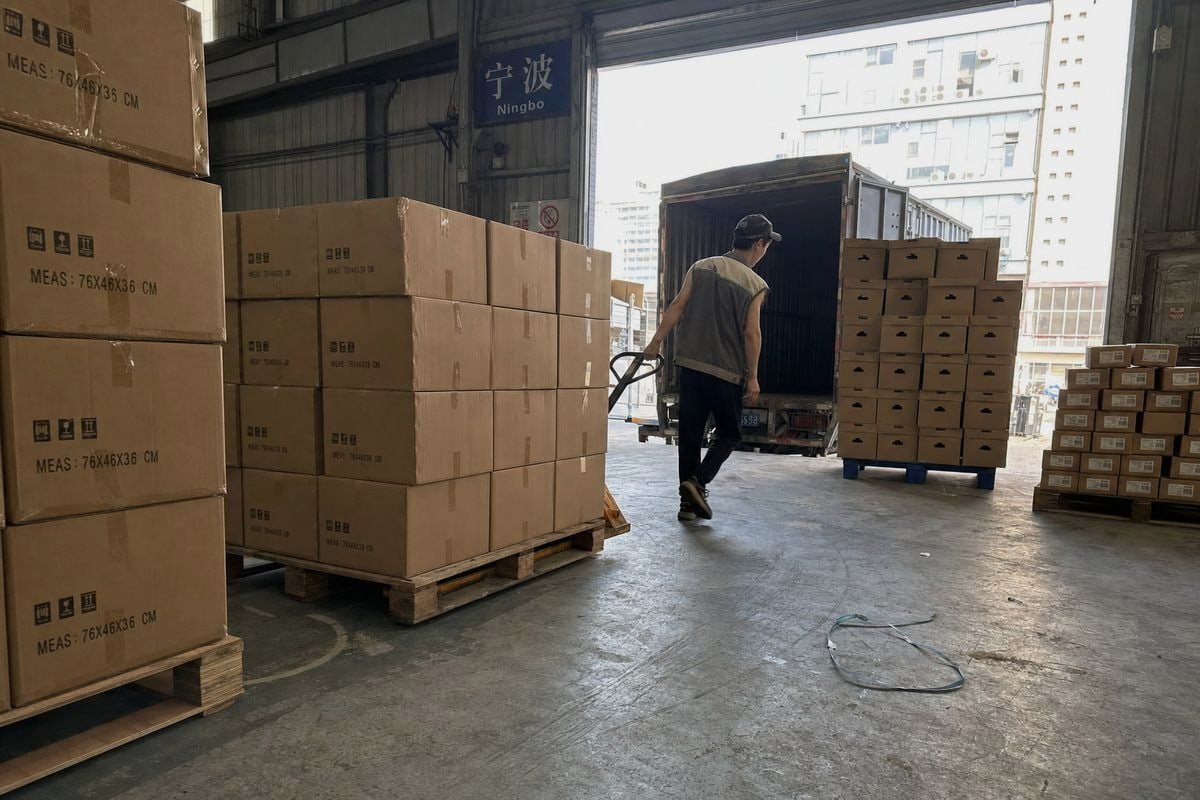
Durability and shelf appeal pull in opposite directions. Glossy printed foil looks great but shows scuffs. Rigid boxes protect well but add dimensional weight. The trick is layering the protection so each layer does one job.
Here is how we structure it on our production lines. The sachet handles moisture and leakage. The inner box or bundle handles crushing. The outer carton handles stacking and transit. When each layer has a single responsibility, you can trim cost from the others without risking the product.
A Practical Durability Checklist
- Integridade do selo: Heat-sealed crimped edges on both ends, checked batch by batch. Fine crystalline powder finds any weak seam.
- Barreira de umidade: Foil or metallized film keeps the color-flame compound dry barreira de umidade 6. Damp powder burns poorly, and that becomes a review problem online.
- Structural support: For e-commerce bundles, a compact carton or insert stops pouches from shifting and abrading each other's print.
- Print protection: Matte or scuff-resistant finishes keep the front panel retail-clean after a rough parcel journey.
- Tamper evidence: Sealed bundles and tamper strips support marketplace return policies and reassure retail shoppers.
Matching Format to Journey
| Formato da Embalagem | Shipping Survival | Apelo de Prateleira | Melhor Canal |
|---|---|---|---|
| Sachê individual de folha | Good, if bundled | Low alone | Inside multi-packs |
| Bolsa kraft auto-portante | Muito bom | Moderate, rustic look | Online, outdoor brands |
| Compact printed carton | Good with inserts | 1 x 20 pés ou 40 pés | Online + boutique retail |
| Caixa de exposição flip-top | Fair in parcels | Muito alta | Offline retail shelves |
| Plastic jar / canister | Excelente | 1 x 20 pés ou 40 pés | Both, premium tier |
Our flip-top display boxes, like the matte black format we run with flame-gradient graphics, are built for cartonized store delivery, not loose parcel shipping. If an e-commerce client wants that look, we reinforce the box and add a fitted mailer. It is a small spec change that saves a lot of refund claims.
Que Opções de Personalização Devo Considerar para Embalagens de Marca Própria em Ambos os Canais de Vendas?
One of our long-term UK clients runs the same powder under two brands: a bold campfire brand for marketplaces and a softer fireside brand for garden centers. Both come off the same Ningbo line.
Considere formatos de bolsa ou frasco personalizados, arte de marca própria, peso líquido de 10 g a 500 g, rótulos de aviso específicos do idioma, códigos de barras, caixas de exibição e variantes sazonais. Alinhe MOQ, configuração da caixa e logística com cada canal antes de finalizar o design.

Private-label work is where a real factory earns its keep. Because we control the full production line, we can change the packaging spec without changing the product quality underneath it. That consistency matters. The first sample you approve should match container number ten, and after 17+ years of batch-to-batch QC, that is exactly what we build for.
Here is how I recommend structuring a two-channel private-label program.
Start With the Format Menu
We offer three base formats for Magic Fire powder: plastic foil bags, kraft paper stand-up bags, and plastic jars, covering fill weights from 10 g up to 500 g. Foil sachets suit online bundles and impulse retail. Kraft pouches fit outdoor and eco-positioned brands. Jars work for premium fireplace lines and repeat-use positioning.
Then Layer the Channel-Specific Options
| Personalização | E-Commerce Priority | Offline Retail Priority |
|---|---|---|
| Artwork & branding | Photographs well, reads on mobile | Bold front panel, shelf contrast |
| Rótulos de aviso | Multi-language, plus listing copy | Market-specific legal language |
| Códigos de barras | FNSKU / marketplace codes | Retail EAN/UPC placement |
| Display structure | Optional gift or bundle box | Flip-top display box, hang tabs |
| Seasonal variants | Holiday bundles for order value | Seasonal shelf programs |
| Carton config | Parcel-optimized bundles | 25-per-box, 24-per-carton logic |
Finally, Plan the Economics
Offline programs usually run at higher MOQs because display boxes and master cartons only make sense at volume. For e-commerce trial orders, we keep MOQs flexible so a distributor can validate a listing before committing to container quantities. We also optimize carton dimensions against your pallet and freight plan during the ODM stage, because packaging that ignores logistics quietly eats your margin cadeia de suprimentos 7.
One caution from experience: do not treat packaging as an afterthought that a trading company bolts on later. Sampling, artwork, warning panels, and carton math should all be confirmed with the factory in one pass.
Conclusão
Same powder, different spec. E-commerce packs must survive parcels and inform buyers; retail packs must sell from shelves and ship in cartons. Define your channel first, then let your factory engineer the packaging around it.
Notas de rodapé
1. Background reference explaining the CE marking


 English
  Spanish
  German
  French
  Arabic
  Portuguese
Participe da conversa