







Os compradores continuam a perguntar-nos se um pó mágico de fogo funciona em todo o lado. Não funciona, e confundir as duas aplicações cria verdadeiras dores de cabeça de segurança e conformidade para os importadores.
Pó mágico de fogo para velas é embutido no pavio ou sistema de cera e produz pequenos efeitos localizados, enquanto as versões para fogueiras externas são pacotes selados que mudam de cor jogados fechados em fogueiras de madeira, entregando chamas vívidas multicoloridas por 20–60 minutos em temperaturas de combustão muito mais altas.
A diferença vai muito além da embalagem. Permita-me guiá-lo através da química, das certificações, das opções de fornecimento e dos fatores de desempenho de queima que importam quando compra em grande escala.
Que ingredientes tornam o pó de fogo seguro para velas diferente das fórmulas para uso externo?
Há alguns anos, um distribuidor europeu enviou-nos uma fórmula de vela e pediu-nos para a embalar em sachês para fogueira. O nosso laboratório sinalizou-o imediatamente. A química simplesmente não se transfere.
Pó de fogo seguro para velas depende de aditivos finos ativados em baixa temperatura incorporados ao pavio ou à cera, enquanto fórmulas para exteriores usam sais metálicos mais grosseiros — como compostos de cobre para azul-esverdeado e cloreto de estrôncio para vermelho — que precisam da alta temperatura de combustão de um fogo de madeira para produzir cores saturadas.

Ambas as famílias de produtos dependem da mesma ciência básica: emissão atómica 1. Quando os sais metálicos aquecem, os seus eletrões saltam para estados excitados e libertam comprimentos de onda de luz específicos à medida que caem. Compostos de cobre emitem azul-verde. Cloreto de estrôncio 2 emite vermelho. O potássio tende para o roxo. Mas o sistema de combustível muda tudo sobre como esses corantes de chama devem ser formulados.
O sistema de combustível dita a fórmula
Uma chama de vela arde a uma temperatura relativamente modesta. Muitos sais metálicos nunca aquecem o suficiente numa vela para emitir a sua cor total. É por isso que os produtos "mágicos" de vela muitas vezes se concentram em efeitos de truque — como pó de magnésio na pavio que reacende a chama depois de a soprar — em vez de uma verdadeira coloração arco-íris. Há também um problema físico. A maioria dos corantes de chama são insolúveis em cera. Partículas sólidas sobem pelo pavio através ação capilar 3, depois entopem-no. A chama encolhe ou morre. A carga de partículas deve permanecer extremamente baixa.
Um fogo de lenha é um animal diferente. Arde muito mais quente, com fluxo de ar turbulento e uma grande cama de chamas. Esse calor excita totalmente os sais metálicos, que é por isso que os nossos pacotes de mudança de cor produzem os azuis, verdes e roxos vívidos que os compradores esperam.
| Fator | Fórmula de vela | Fórmula de fogueira exterior |
|---|---|---|
| Ingredientes ativos | Aditivos vestigiais em pavio/cera | Sais metálicos (cobre, estrôncio, potássio) |
| Temperatura de ativação | Baixa (chama de vela) | Alta (combustão de fogo de lenha) |
| Método de entrega | Incorporado durante a produção | Sachê selado jogado inteiro |
| Intensidade da cor | Sutil, localizado | Coloração vívida, de chama completa |
| Problema de solubilidade | Crítico — partículas entopem pavios | Irrelevante — combustão aberta |
Nas nossas linhas de produção de Ningbo, formulamos pacotes exteriores com composições ecológicas e evitamos produtos químicos pirotécnicos agressivos como sulfato de cobre bruto em forma solta voltada para o consumidor. Tudo permanece selado até atingir as chamas.
Quais certificações de conformidade preciso para produtos de cor de chama interna versus externa?
A conformidade é a primeira questão que compradores sérios nos fazem — muitas vezes antes do preço. Na nossa experiência de exportação para os EUA, Alemanha e Reino Unido, um relatório de teste em falta pode reter um contentor inteiro na alfândega.
Produtos adjacentes a velas para interiores enfrentam um escrutínio mais rigoroso sobre a qualidade do ar interior e emissões, geralmente exigindo marcação CE, relatórios de testes químicos SGS ou Intertek e alinhamento REACH na Europa. Corantes para lareiras externas precisam de conformidade CE, rotulagem de segurança verificada, triagem de metais pesados e auditorias de nível de fábrica ISO 9001 e BSCI.

A lógica regulatória é simples assim que se vê o padrão. Os reguladores preocupam-se com a exposição. Produtos interiores significam proximidade maior, espaços fechados e riscos de inalação concentrados. Produtos exteriores beneficiam da dispersão atmosférica, pelo que a ênfase muda para a rotulagem, integridade da embalagem e limites de composição química.
O que cada certificação realmente cobre
Nossa fábrica detém ISO 9001 4 para gestão de qualidade e BSCI para conformidade social. Essas são credenciais de nível de fábrica que tranquilizam os canais de sourcing de varejo. Os requisitos de nível de produto ficam por cima disso.
| Certificação / Relatório | Relevância interior | Relevância exterior | Quem exige |
|---|---|---|---|
| Marcação CE | Essencial | Essencial | Importadores da UE, alfândega |
| Relatórios de teste SGS / Intertek | Emissões e rastreio de metais pesados | Verificação de composição e comportamento de queima | Distribuidores, grandes retalhistas |
| ISO 9001 | Nível de fábrica | Nível de fábrica | Compradores B2B, cadeias de retalho |
| BSCI 5 auditoria | Nível de fábrica | Nível de fábrica | Programas de retalho europeus |
| Conformidade com rótulos de aviso | Ventilação, limites de tempo de queima | Apenas para fogo de lenha, avisos de não cozinhar | Autoridades de vigilância de mercado |
A rotulagem faz parte da conformidade, não uma reflexão tardia
Cada pacote exterior que produzimos carrega avisos obrigatórios: usar apenas em fogos a lenha, nunca abrir o sachê e nunca cozinhar alimentos sobre chamas coloridas. Este último é importante. Sais metálicos podem depositar resíduos em superfícies de alimentos, portanto precauções de segurança alimentar 6 devem aparecer proeminentemente. Imprimimos estes avisos na língua do mercado alvo do comprador, adicionamos códigos de barras e adaptamos o painel de cautela aos formatos locais. Para produtos comercializados no interior, adicionamos orientação de ventilação porque qualidade do ar interior 7 as alegações atraem atenção regulatória rapidamente. Quando preparamos uma produção de marca própria, a revisão do rótulo ocorre antes do envio da primeira amostra de produção — não depois que um fiscal alfandegário levanta uma questão.
Posso encontrar uma fábrica que produza pós coloridos para velas e fogueiras?
Uma gerente de compras da Holanda me disse uma vez que ela gerenciava quatro fornecedores para uma linha de produtos com tema de fogo. A consolidação era seu objetivo principal naquele ano, e é um objetivo realista.
Sim, mas apenas de fábricas com profundidade genuína de formulação e controles de produção separados. Um verdadeiro fornecedor completo deve demonstrar protocolos distintos de controle de qualidade para produtos à base de pavio e à base de pacotes, possuir certificação ISO 9001 e BSCI, e oferecer personalização OEM/ODM em ambas as categorias.
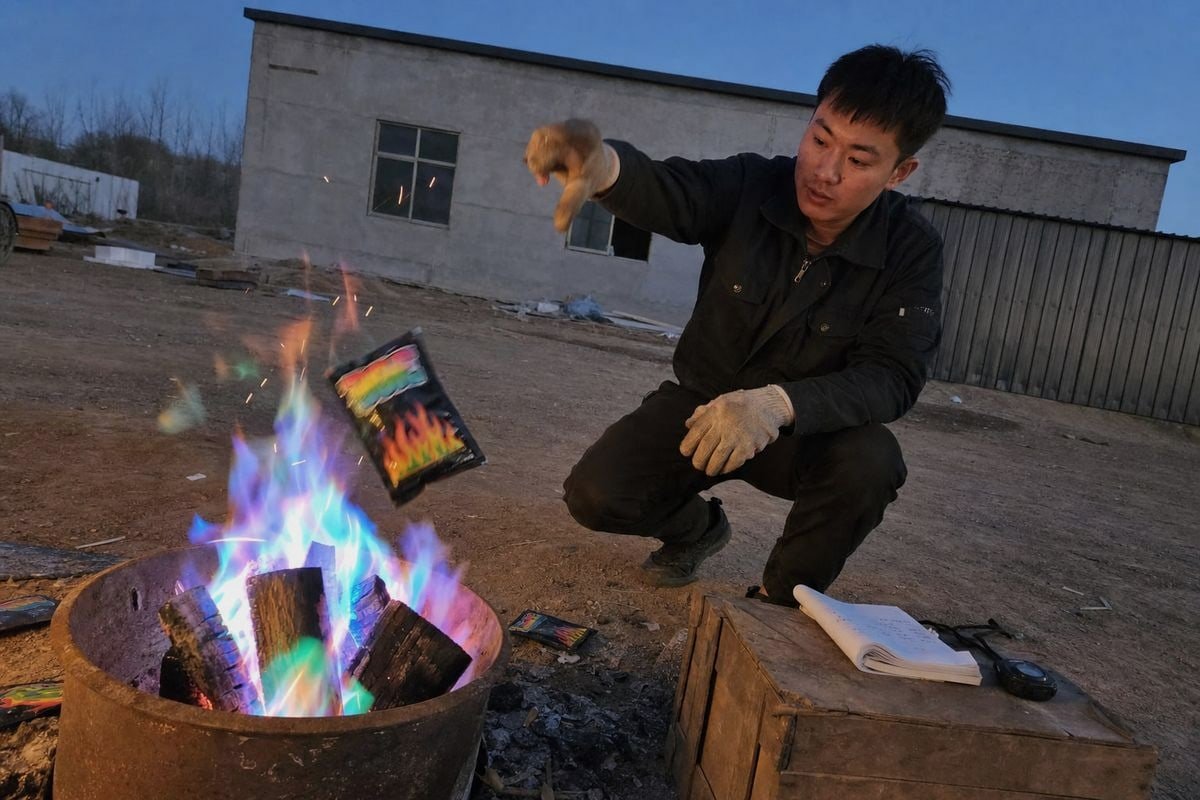
Consolidar fornecedores reduz custos de frete, simplifica auditorias e lhe dá um ponto de responsabilidade. Mas só funciona se a fábrica realmente dominar ambas as famílias de produtos. Muitas empresas comerciais afirmam que sim. Poucas realmente operam as linhas.
Como verificar a capacidade dupla real
Nossa sede fica em Liuyang, Hunan — o histórico centro de fogos de artifício e pirotecnia da China — com produção em Ningbo, Zhejiang. Ao longo de mais de 17 anos, construímos linhas para pacotes de chama colorida Magic Fire, pinhas de chama colorida, iniciadores de fogo de madeira encerados e tochas de cera com núcleos de algodão, madeira ou bambu. Essa amplitude é importante porque cada produto exige ferramentas, equipamentos de vedação e controles de lote diferentes.
Aqui está uma lista de verificação prática que compartilho com novos compradores:
- Solicite relatórios de teste separados por família de produtos. Um relatório genérico cobrindo "produtos de fogo" é um sinal de alerta.
- Solicite amostras de lotes de produção reais, não protótipos de laboratório. As primeiras amostras devem prever de forma confiável a qualidade da produção em massa.
- Verifique a flexibilidade da embalagem. Fornecemos sacos plásticos, bolsas tipo stand-up de kraft, potes e caixas de exibição de varejo com tampas flip-top — uma empresa comercial geralmente oferece uma opção de estoque.
- Confirme a profundidade da marca própria. Caixas personalizadas, rótulos de advertência no idioma do seu mercado, códigos de barras e embalagens de exibição devem ser todos serviços internos.
- Verifique o endereço da fábrica. Auditorias por vídeo levam uma hora e eliminam a maioria dos intermediários.
A troca é honesta: uma única fábrica cobrindo ambas as categorias raramente compete com o fornecedor de produto único mais barato. O que você ganha é consistência lote a lote, uma trilha de auditoria e um parceiro que entende como as duas formulações nunca devem se contaminar.
Como o tempo de queima e o tamanho das partículas mudam entre aplicações de cera de vela e lenha ao ar livre?
Durante um ciclo de CQ, testamos como o tamanho do grânulo alterava a dispersão da cor em uma cama de fogo. A diferença entre pó fino e cristais grossos surpreendeu até mesmo nossos supervisores de linha sêniores.
Aplicações de velas exigem partículas ultrafinas em concentrações muito baixas para evitar o bloqueio do pavio, produzindo efeitos breves e localizados. Pacotes para fogueiras externas usam grânulos cristalinos mais grosseiros em sachês de 10–25 gramas, entregando 20–60 minutos de cor de chama completa, dependendo do tamanho e posicionamento do fogo.
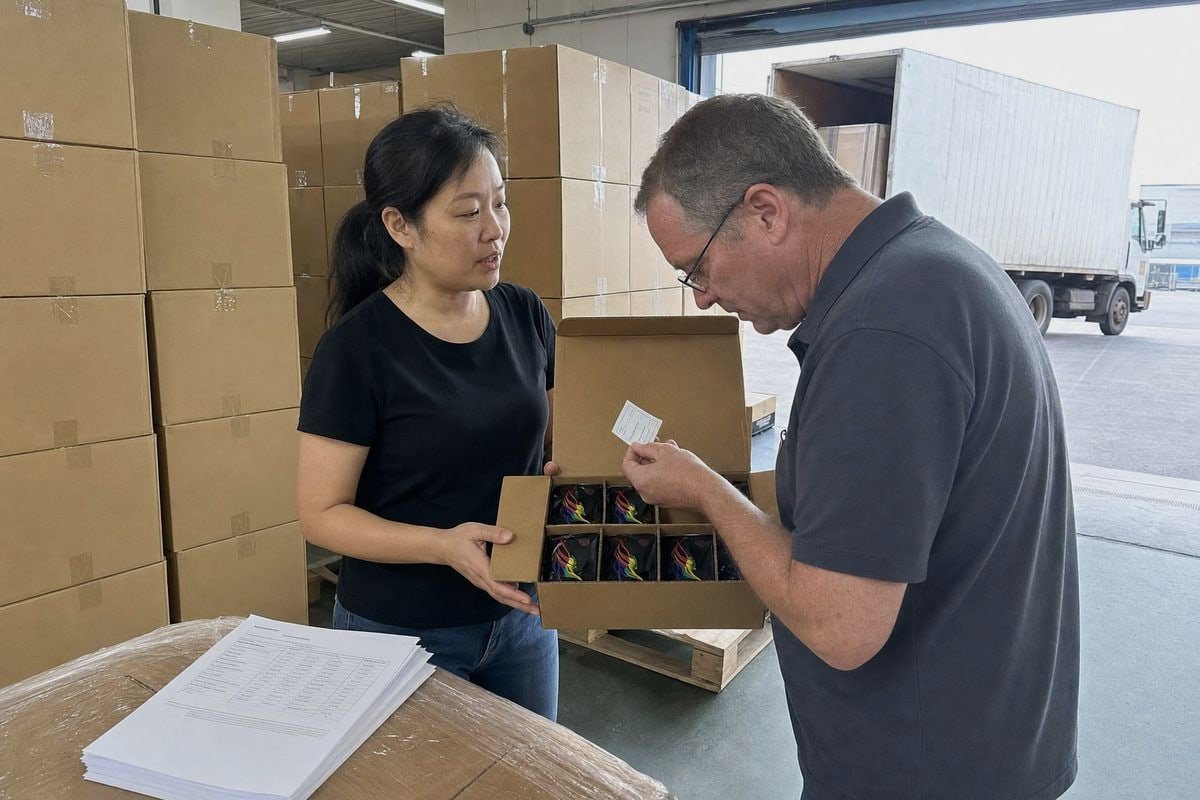
O tamanho da partícula não é um detalhe cosmético. Ele determina como o produto se comporta, quanto tempo o efeito dura e o que pode dar errado. Deixe-me detalhar a física de cada lado.
Por que as velas punem partículas grandes
Uma vela é um sistema de entrega de combustível de precisão. A cera derretida sobe pelo pavio por ação capilar através de pequenos canais. Qualquer partícula sólida maior que esses canais fica presa. Com o tempo, o resíduo aditivo satura o pavio, a chama encolhe e o efeito desaparece. Aditivos também podem alterar a tensão superficial da piscina de fusão, causando tunelamento — a vela queima um buraco estreito no centro e desperdiça cera nas bordas. Pávios de madeira toleram aditivos um pouco melhor do que algodão trançado porque sua estrutura plana e larga dá à cera mais caminhos ao redor de bloqueios localizados. Mesmo assim, os efeitos das velas permanecem curtos e sutis por design.
Por que fogueiras recompensam grânulos mais grossos
Na combustão aberta de madeira, nenhuma dessas restrições se aplica. Cristais mais grossos realmente ajudam. Eles resistem à vaporização instantânea, liberam cor gradualmente e estendem o efeito visível. A colocação também importa: espalhar pacotes sobre uma cama de brasas quentes distribui a cor mais amplamente do que jogar um pacote na borda.
| Parâmetro | Aplicação em velas | Aplicação em fogueira externa |
|---|---|---|
| Tamanho da partícula | Pó ultrafino | Grânulos cristalinos grossos |
| Dose típica | Quantidades mínimas no pavio/cera | 10–25 g por sachê selado |
| Duração do efeito | Minutos, desaparecendo com acúmulo de resíduos | 20–60 minutos por pacote |
| Quantidade recomendada | Embutido no produto | 1–3 pacotes por fogo |
| Modo de falha | Obstrução do pavio, tunelamento | Cor fraca se o fogo estiver muito frio |
| Nota de hardware | Resíduo de sal pode corroer latas de metal | Resíduo de sal pode acelerar a ferrugem em fogueiras de aço inoxidável |
Mais uma dica de fornecimento: as alegações de tempo de queima devem sempre especificar as condições do fogo. Calibramos nossas durações declaradas contra um fogo de madeira padrão e personalizamos o tamanho do grânulo e o peso do sachê quando um comprador deseja um show mais longo ou mais curto para seu mercado.
Conclusão
O pó de fogo mágico para velas e fogueiras são produtos diferentes com química, certificações e comportamento de queima diferentes. Escolha um parceiro de fábrica certificado que domine ambos — e nunca assuma que eles são intercambiáveis.
Notas de rodapé
Explica a física por trás dos sais metálicos emitindo luz colorida quando aquecidos. ↩︎
Referência para o composto químico responsável pela cor vermelha da chama. ↩︎
Contexto sobre o processo físico que puxa a cera para cima de um pavio. ↩︎
Entrada autoritativa da Wikipedia para o padrão de gestão de qualidade ISO 9001. ↩︎
Órgão oficial por trás da auditoria de conformidade social BSCI referenciada. ↩︎
Orientação autoritativa sobre segurança alimentar relevante para avisos de resíduos em alimentos. ↩︎
Recurso da EPA sobre padrões de qualidade do ar interior referenciado para orientação de ventilação. ↩︎
 English
  Spanish
  German
  French
  Arabic
  Portuguese
Participe da conversa