






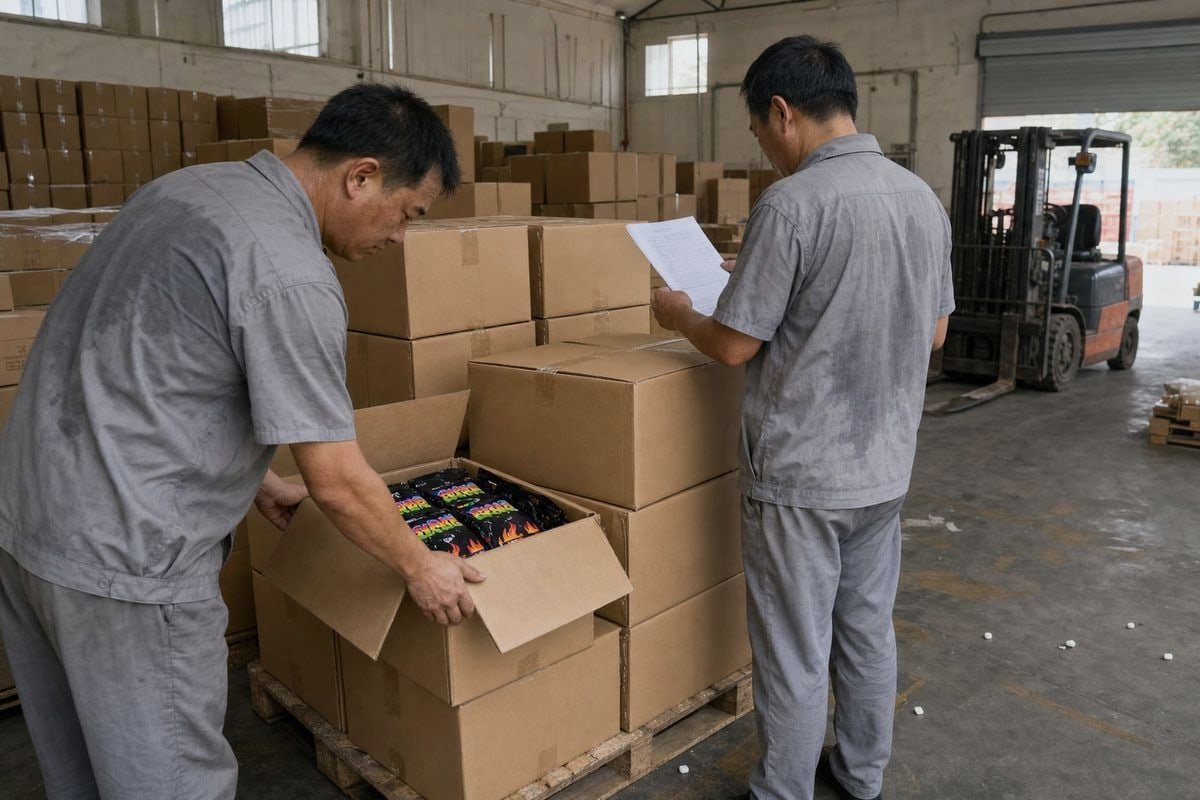
Restrições de envio perigosas podem atrasar o lançamento de um anúncio de Pó Mágico de Fogo antes mesmo que a página do produto exista relatórios de testes de laboratório de terceiros 1. Aprendemos isso cedo em nossa fábrica de Liuyang, e os compradores continuam nos perguntando por quê.
Restrições de envio perigosas afetam o lançamento da lista de Pó Mágico de Fogo controlando se o produto pode ser legalmente enviado. Classificação, Fichas de Dados de Segurança, aceitação da transportadora e regras alfandegárias determinam o tempo de lançamento, métodos de envio, regiões elegíveis e custos de atendimento — muitas vezes mais do que a prontidão de marketing.
Aqui está a verdade pura. Um lançamento de corante de chama é um projeto de conformidade primeiro e um lançamento de e-commerce segundo padrões equivalentes à ADR 2. Abaixo, detalho os quatro portões que todo comprador deve superar.
Que Documentação Preciso para Confirmar que o Pó Mágico de Fogo Não é Classificado como Material Perigoso?
No ano passado, um distribuidor dos EUA nos procurou depois que a Amazon congelou seu anúncio por falta de dados de perigo. Nossa equipe teve a papelada pronta em dois dias — porque a preparamos antes de cada exportação.
Para confirmar que o Pó Mágico de Fogo não é perigoso, você precisa de uma Ficha de Dados de Segurança atualizada, relatórios de testes de laboratório de terceiros, como testes de classificação SGS ou Intertek, uma declaração de classificação de transporte que cubra os critérios de sólidos inflamáveis e a declaração de composição do fabricante confirmando que não há ingredientes explosivos ou pirotécnicos.

A documentação é a base de todo o seu lançamento. Sem ela, nenhuma transportadora, mercado ou despachante aduaneiro acreditará em sua palavra de que um pó cristalino cintilante em um sachê de folha é seguro. Em nossa experiência exportando para mais de 30 países, compradores que solicitam o pacote completo de documentos antecipadamente lançam semanas mais rápido do que aqueles que se apressam depois.
O Pacote Central de Documentos
O Ficha de Dados de Segurança 3 (SDS) é a âncora. A triagem de produtos restritos da Amazon FBA, os parceiros de fulfillment da Shopify e as principais transportadoras referenciam a SDS para decidir como tratar seu SKU. A SDS lista a composição, declarações de perigo e informações de transporte, incluindo se uma identificação de número ONU se aplica. Se a Seção 14 da SDS não mostrar nenhum número ONU e nenhuma classe de perigo, você tem fortes evidências de que o produto é enviado como um bem de consumo normal.
Mas uma SDS sozinha nem sempre é suficiente. Os mercados querem cada vez mais provas independentes. É por isso que realizamos testes SGS e Intertek em nossos pacotes de corante de chama e compartilhamos os relatórios com todos os compradores B2B.
| Documento | O que Comprova | Quem Solicita |
|---|---|---|
| Ficha de Dados de Segurança (FDS) | Composição, perigos, classe de transporte | Amazon, transportadoras, 3PLs |
| Relatório de teste SGS / Intertek | Verificação independente de laboratório | Mercados, varejistas |
| Declaração de classificação de transporte | Não é um sólido inflamável ou explosivo | Agentes de carga, transportadoras |
| Declaração de composição | Sem conteúdo pirotécnico ou explosivo | Alfândega, equipes de conformidade |
Por que a Composição Impulsiona Tudo
Produtos que parecem idênticos em uma prateleira podem cair em categorias de transporte completamente diferentes. Fogos de artifício de consumo são tratados como explosivos Divisão 1.4G sob as regras de materiais perigosos dos EUA. Alguns corantes de chama testam como sólidos inflamáveis. Outros — como nossas formulações ecológicas — passam nos testes de classificação como mercadorias não perigosas. O rótulo na embalagem não decide isso. A química decide. Portanto, insista em evidência de classificação por composição antes de definir uma data de lançamento.
Como as Restrições das Transportadoras Afetam os Prazos de Entrega dos Meus Produtos Color Flame?
Um compromisso que pesamos com cada comprador é velocidade versus certeza. Um plano de envio mais barato e rápido não significa nada se a transportadora rejeitar o palete na doca — e com mercadorias com tema de fogo, a rejeição é o cenário caro.
Restrições da transportadora podem forçar produtos de chama colorida para rotas terrestres, adicionar sobretaxas de mercadorias perigosas e bloquear totalmente os canais aéreos e postais. Se classificado como material perigoso, espere 7 a 10 dias extras de trânsito, destinos restritos e aprovação obrigatória da transportadora antes que qualquer cronograma de entrega seja confiável.
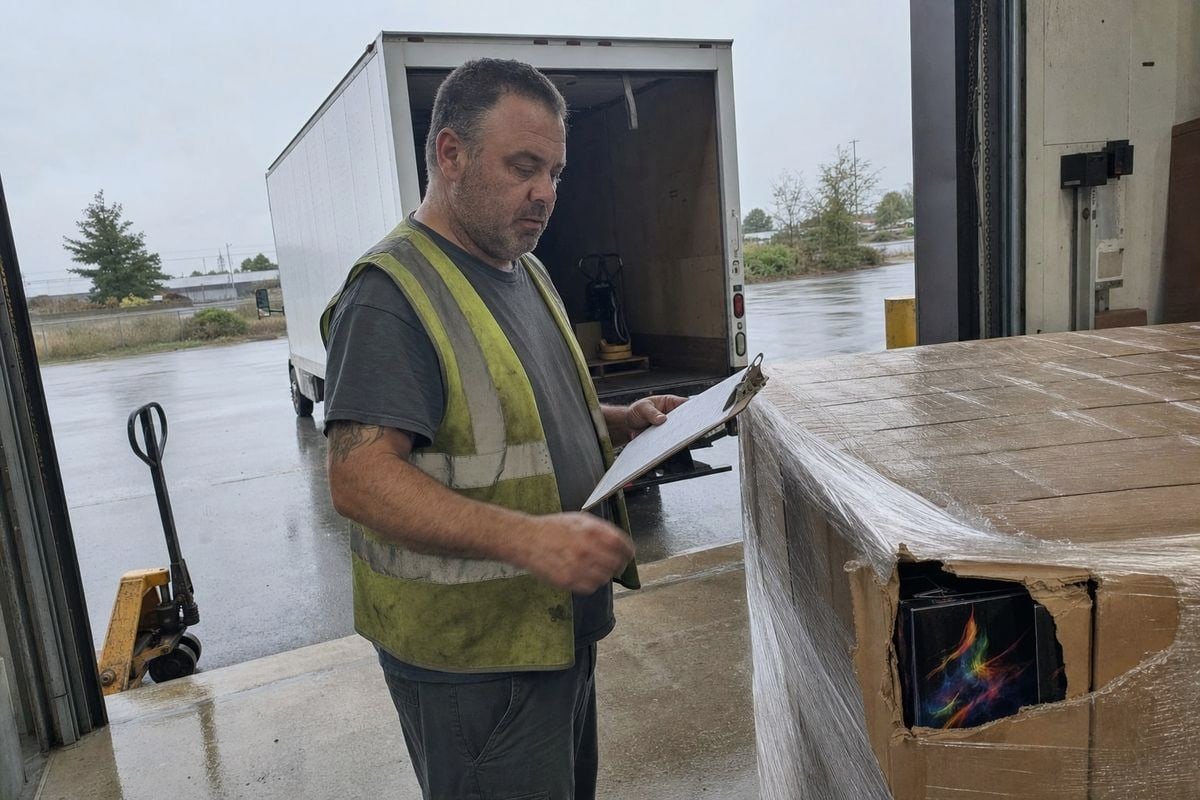
A aceitação da transportadora é geralmente o verdadeiro gargalo, não as regulamentações em si. O USPS proíbe explicitamente explosivos do correio, e sólidos inflamáveis são proibidos no correio internacional e no transporte aéreo doméstico, com apenas algumas exceções de Quantidade Limitada 4 permitidas para remessas de superfície. UPS e FedEx transportarão mercadorias regulamentadas, mas contas padrão geralmente são insuficientes — os vendedores normalmente precisam de um contrato especializado de envio de materiais perigosos antes que qualquer uma das transportadoras aceite legalmente a carga.
Como a Classificação Altera Seu Cronograma
Se o seu produto tiver uma classificação de sólido inflamável, tudo fica mais lento. Transporte apenas terrestre significa que não há opções de frete aéreo expresso. Também bane efetivamente remessas para o Alasca, Havaí e Porto Rico, porque essas rotas dependem de transporte aéreo. Até mesmo seu calendário de marketing sente isso: kits de amostra para influenciadores precisam de um buffer de trânsito terrestre de 7 a 10 dias, portanto, os lançamentos de RP devem ser escalonados de acordo.
| Cenário | Opções de Envio | Impacto no Cronograma | Impacto no Custo |
|---|---|---|---|
| Não perigoso (testado, documentado) | Aéreo, terrestre, postal | Padrão | Taxas padrão |
| Quantidade Limitada / estilo ORM-D | Apenas terrestre, pacotes marcados | +3–7 dias | Sobretaxa modesta |
| Sólido inflamável (Classe 4) | Apenas terrestre, contrato de materiais perigosos | +7–10 dias, sem AK/HI/PR | Sobretaxa de mercadorias perigosas, muitas vezes alta |
| Explosivo Divisão 1.4G | Transportadoras especializadas, sinalização | Semanas; muitos canais bloqueados | Mais alto; registro de materiais perigosos necessário |
O Problema da Sobretaxa
Aqui está um número que surpreende os compradores: as sobretaxas de materiais perigosos podem exceder o custo de fabricação base do próprio pó. Isso destrói a economia de pacotes únicos. É uma razão pela qual nossos compradores geralmente lançam pacotes múltiplos ou formatos de jarra — espalhar o custo de envio por mais unidades mantém a relação preço/envio viável. Como nossos pacotes testam como não perigosos, a maioria de nossos parceiros evita esse problema inteiramente, mas a matemática importa se o produto de seu fornecedor não o fizer.
Quais Regulamentos Alfandegários Devo Verificar Antes de Lançar Pó Mágico de Fogo no Meu Mercado?
Um comprador alemão me perguntou uma vez por que dois produtos de cor de chama quase idênticos passaram pela alfândega de forma diferente. A resposta estava na classificação tarifária 5 papelada — e mudou a forma como preparamos documentos de exportação para a UE.
Antes de lançar, verifique a classificação tarifária do seu mercado para corantes de chama, regras de importação de materiais perigosos sob padrões equivalentes DOT ou ADR, leis de rotulagem de produtos de consumo como a FHSA e regras ambientais — compostos à base de cobre podem acionar escrutínio de poluentes marinhos sob UN3077 e auditorias alfandegárias secundárias.

A alfândega é o terceiro portão, e é mais fragmentada do que o envio doméstico. Cada mercado de destino aplica suas próprias regras, e o transporte internacional é frequentemente mais rigoroso do que o envio terrestre dos EUA. Em nossos mais de 17 anos enviando para os EUA, Alemanha, Reino Unido, França, Canadá, Austrália e além, vimos o mesmo produto enfrentar perguntas diferentes em cada fronteira.
As Quatro Verificações Que Mais Importam
Primeiro, classificação tarifária. Existe uma decisão real da alfândega dos EUA sobre pacotes de cor de chama, que prova que mesmo produtos de chama de novidade acionam uma revisão formal de classificação. Confirme seu código HS antes que o primeiro contêiner seja enviado, não depois que ele pousar.
Segundo, status de importação de materiais perigosos. Os padrões de conformidade do DOT dos EUA regem como as mercadorias regulamentadas entram e se movem domesticamente; a UE aplica o ADR para transporte rodoviário. Se o seu produto não for perigoso, seus relatórios de teste devem indicar isso claramente, em um formato que o despachante aduaneiro possa usar.
Terceiro, rotulagem do consumidor. O Lei Federal de Substâncias Perigosas 6 (FHSA) exige rotulagem de advertência — como "Mantenha fora do alcance das crianças" — na embalagem física, e as melhores práticas estendem essa linguagem para a listagem digital. Nosso serviço OEM imprime rótulos de advertência específicos do mercado, códigos de barras e instruções diretamente na bolsa ou caixa, para que os compradores não re-rotulem após a importação.
Quarto, alegações ambientais. Comercializar um pó como "natural" ou "ecológico" enquanto a FISPQ lista compostos à base de cobre classificados como poluentes marinhos (UN3077) é um gatilho conhecido para auditorias alfandegárias secundárias. Sua cópia de marketing e sua FISPQ devem contar a mesma história. As nossas contam, porque formulamos sem produtos químicos nocivos — mas verifique isso com qualquer fornecedor antes de imprimir a embalagem.
Como Posso Trabalhar Com Meu Fabricante Para Evitar Atrasos Devido a Problemas de Conformidade com Materiais Perigosos?
A lição mais cara que vimos os compradores aprenderem é esta: corrigir a conformidade após a produção é dez vezes mais difícil do que construí-la antes da ordem de compra.
Trabalhe com seu fabricante solicitando SDS e relatórios de testes de classificação antes de fazer o pedido, concordando com a rotulagem em conformidade com a FHSA na fase de projeto, confirmando os formatos de embalagem prontos para transportadora e verificando certificações como ISO 9001, CE e testes SGS ou Intertek para que a documentação esteja pronta para o lançamento desde o primeiro dia.
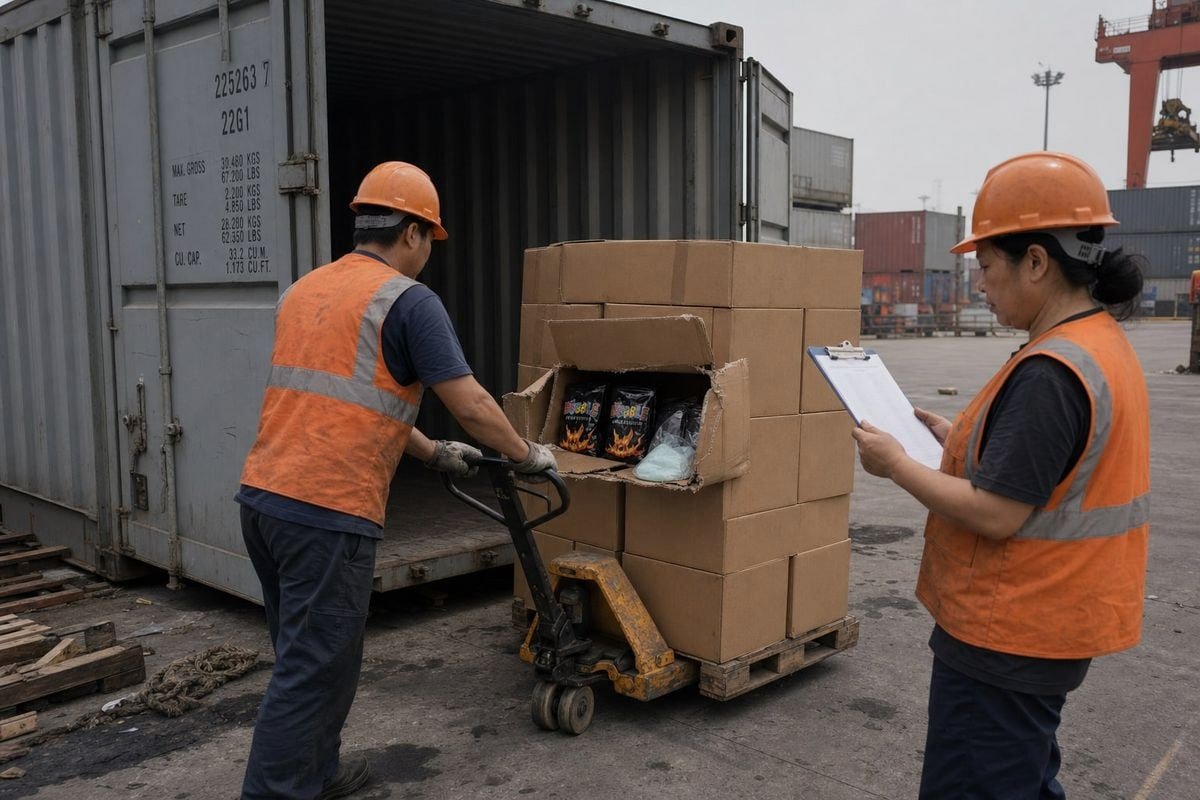
Seu fabricante é seu maior ativo de conformidade ou seu maior risco oculto. Uma fábrica que trata os regulamentos de envio de MATERIAIS PERIGOSOS como um pensamento posterior lhe trará atrasos que você não pode controlar. Uma fábrica que constrói conformidade na produção lhe entrega um produto pronto para lançamento. Em nossas linhas de produção de Ningbo, os documentos de conformidade fazem parte do pacote de exportação padrão — porque para nossos compradores B2B, a certificação é um requisito rigoroso, não algo bom de se ter.
Um Processo de Sourcing com Foco em Conformidade
Aqui está a sequência que recomendamos a todo gerente de compras:
- Solicitar documentos antes das amostras. Peça a FISPQ, relatórios de teste de classificação e certificações (ISO 9001 7, BSCI, CE, SGS/Intertek). Se um fornecedor não puder produzi-los em poucos dias, isso lhe diz algo.
- Verificar a consistência do lote. A classificação é tão boa quanto o controle de qualidade. Nosso rigoroso controle de qualidade lote a lote significa que a primeira amostra reflete de forma confiável a química da produção em massa — para que a FISPQ permaneça precisa em todos os pedidos.
- Projetar embalagens para a rota de envio. Concordar com formatos de bolsa, saco de papel kraft ou jarra, rótulos de advertência e marcações de Quantidade Limitada ou padrão na fase de arte.
- Alinhar a cópia da listagem com a FISPQ. Evite termos de alto risco como "combustão", "explosivo" ou "pirotécnico" em títulos — filtros de segurança automatizados do marketplace podem suprimir a visibilidade de palavras-chave, mesmo para produtos compatíveis.
- Planejar um lançamento faseado. Comece com regiões enviadas por terra em conformidade ou um 3PL experiente em materiais perigosos, depois expanda. Pequenas marcas usam cada vez mais 3PLs especializados em mercadorias perigosas para contornar barreiras de certificação direta de transportadoras.
| Fase de Lançamento | Papel do Fabricante | Papel do Comprador |
|---|---|---|
| Pré-pedido | Fornecer FISPQ, relatórios de teste, certificações | Verificar documentos, confirmar código HS |
| Produção | Controle de qualidade do lote, rotulagem e embalagem em conformidade | Aprovar arte, avisos, códigos de barras |
| Envio | Documentos de exportação, roteamento logístico otimizado | Configuração de transportadora ou 3PL, despachante aduaneiro |
| Lançamento da listagem | FISPQ atualizada mediante solicitação | Enviar FISPQ para o marketplace, cópia segura |
Alguns compradores se preocupam que todo esse trabalho de conformidade arraste uma oportunidade de crescimento. Nossa resposta: o arrasto vem de fazê-lo tarde. Feito cedo, com um parceiro de fábrica que executou esse processo em mais de 30 mercados de exportação, a conformidade se torna o fosso que os concorrentes não conseguem cruzar rapidamente.



 English
  Spanish
  German
  French
  Arabic
  Portuguese
Participe da conversa