







Um compromisso de exclusividade por escrito protege a fórmula e a embalagem do Magic Fire em que você investiu. No entanto, em nossa linha de produção, ainda vejo compradores confiando em promessas verbais — e perdendo tudo.
Para obter um compromisso de exclusividade por escrito, assine um NDA antes de compartilhar detalhes, em seguida, incorpore uma cláusula formal de exclusividade em seu contrato de fabricação. A cláusula deve definir a versão exata da fórmula, os arquivos de embalagem, o território, a duração, os volumes mínimos de pedido e as reparações por violação — promessas verbais não são executáveis.
Essa é a resposta curta. A resposta mais longa abrange o que entra no acordo, como verificar se seu fornecedor o cumprirá e quais salvaguardas legais você precisa. Deixe-me guiá-lo por cada etapa, com base no que realmente funciona em acordos reais de OEM.
O que devo incluir em um acordo de exclusividade para proteger minha fórmula ou design de embalagem Magic Fire?
Um distribuidor alemão uma vez me enviou um e-mail de uma linha pedindo para "manter a fórmula em segredo". Nossa equipe teve que explicar por que essa frase não protege nada — e como é um acordo real.
Um acordo de exclusividade forte deve especificar o identificador exato da fórmula, as linhas de corte de embalagem e os arquivos de arte, SKUs cobertos, território, canais de vendas, duração, termos de renovação, compromissos mínimos de compra, propriedade intelectual ou linguagem de cessão, obrigações de confidencialidade e remédios claros para violação, incluindo liminar e perdas e danos.
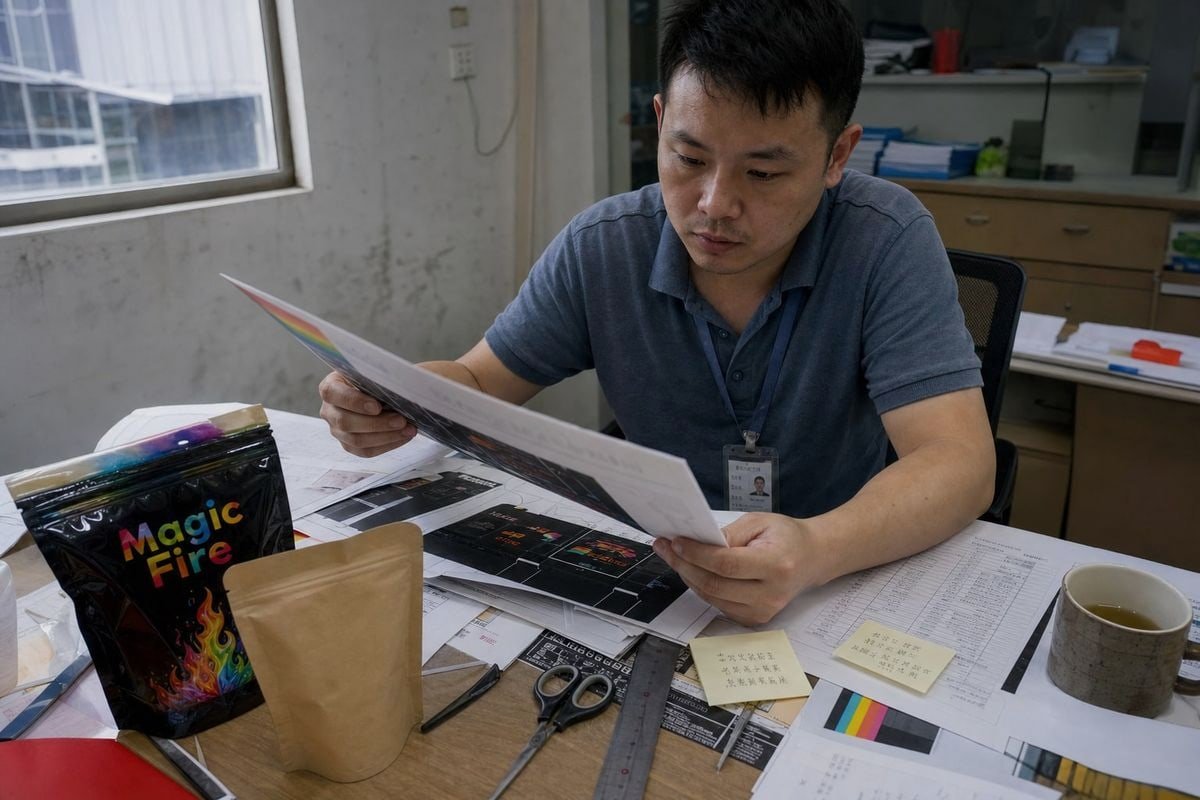
Muitos compradores assumem que "nossa fórmula" automaticamente significa "nossa exclusivamente". Na prática, isso é falso. Na fabricação por contrato, a fábrica pode reter os direitos de uma formulação proprietária, a menos que o acordo atribua claramente a propriedade ou conceda direitos exclusivos por escrito. Alegações vagas de propriedade não se sustentam. Seu acordo precisa de linguagem explícita de "cessão de PI" ou "trabalho feito para fins de contratação", não de garantias amigáveis.
Cobrir três camadas separadas
Exclusividade não é uma coisa. Tem três camadas, e cada uma precisa de sua própria cláusula. Perca uma camada, e um concorrente pode passar pela brecha.
| Camada | O que cobre | Cláusula chave a exigir |
|---|---|---|
| Fórmula / PI | A receita do pó, as proporções de cores, os aditivos, os refinamentos | Cessão de PI ou licença exclusiva 1; confidencialidade de segredo comercial |
| Design da embalagem | Arte, linhas de corte, impressão de embalagens metalizadas, moldes, identidade visual 2 | Propriedade dos arquivos de design; sem reutilização para outras marcas |
| Relação de fornecimento | Quem o fabrica, para quem pode vender | Cláusula de não concorrência limitada ao seu território e canal |
Bloqueie os detalhes, não apenas o conceito
O acordo deve nomear a descrição exata do produto e a lista de SKUs — por exemplo, suas versões personalizadas de sachê metalizado, caixa de exibição e embalagem de papel kraft do Magic Fire. Deve referenciar um número de versão da fórmula, para que refinamentos posteriores feitos durante a produção também permaneçam seus. Uma tática comprovada pelo SERP que vale a pena adotar: uma cláusula de que todo "Produto de Trabalho", incluindo melhorias de estabilidade feitas durante a fabricação, permanece como propriedade intelectual exclusiva da marca.
Cubra também a embalagem especificamente. Sua marca de letras coloridas em arco-íris, gráficos de chamas em gradiente e estrutura da embalagem são identidade visual. Registre o que puder e proíba contratualmente a fábrica de reutilizar o mesmo design visual para outros clientes. Do nosso lado, quando um comprador paga por ferramentas personalizadas ou chapas de impressão, escrevemos no acordo que esses ativos pertencem ao comprador. É assim que deve ser um relacionamento OEM/ODM completo.
Finalmente, vincule o negócio à documentação. Exija que o fornecedor devolva ou destrua os documentos de formulação após o término, e que entregue a Ficha de Informações de Segurança de Produtos Químicos e os relatórios de teste para seus registros.
Como posso verificar se o meu fabricante honrará um compromisso de exclusividade por escrito a longo prazo?
A confiança é fácil de prometer e difícil de provar. Em mais de 17 anos exportando produtos com tema de fogo para mais de 30 países, aprendi que a verificação supera a fé — e boas fábricas aceitam ser verificadas.
Verifique a conformidade a longo prazo exigindo direitos de auditoria, verificando as certificações e a reputação da fábrica, exigindo rastreabilidade de lotes, monitorando o mercado em busca de produtos clonados e estruturando o acordo de forma que o fabricante lucre mais com a honra da exclusividade do que com a sua quebra.

Uma assinatura no papel é um começo, não um fim. Você precisa de mecanismos que tornem a trapaça visível e cara. É assim que eu estruturaria a verificação se eu fosse o comprador sentado do outro lado da mesa com minha própria fábrica.
Incorpore a verificação ao contrato
Primeiro, inclua uma disposição de "Direito de Auditoria". Isso lhe dá acesso à instalação, registros de produção e registros de inventário de matérias-primas 3. Alguns compradores negociam auditorias não anunciadas 4; a maioria se contenta com visitas com aviso prévio. De qualquer forma, uma fábrica que se recusa a permitir direitos de auditoria está lhe dizendo algo. Nosso local de produção em Ningbo recebe auditorias de compradores e inspeções de terceiros regularmente — as auditorias BSCI e ISO 9001 já exigem essa disciplina de nós, então estendê-la a um cliente é rotina.
Segundo, exija reconciliação de balanço de massa 5. O fabricante deve contabilizar cada quilograma do seu precursor proprietário em relação à produção do produto acabado. Se 10 toneladas de corante entraram e apenas 8 toneladas de sachês Magic Fire embalados saíram, você tem perguntas a fazer.
Julgue a fábrica antes de assinar
| Sinal de verificação | O que isso lhe diz |
|---|---|
| Relatórios ISO 9001, BSCI, CE, SGS/Intertek | A fábrica já opera sob escrutínio externo |
| Fábrica real vs. empresa comercial | Uma empresa comercial não pode controlar o que seus subcontratados fazem com sua fórmula |
| Registros de CQ lote a lote | A rastreabilidade existe, então as auditorias significam algo |
| Referências de clientes de longa data de fabricação de marca branca | A fábrica honrou acordos antes |
| Disposição para assinar um acordo de confidencialidade antecipadamente | O fornecedor trata a confidencialidade como normal, não ofensiva |
Terceiro, alinhe os incentivos. Os fabricantes honram a exclusividade quando o negócio paga por isso. Comprometa-se com volumes mínimos de pedido 6 ou cotas take-or-pay. Receita garantida é o que justifica um compromisso restritivo. Na minha experiência, exclusividade concedida gratuitamente é exclusividade que ninguém planeja defender.
Alguns compradores vão mais longe com opções forenses — rastreiam marcadores moleculares inertes no pó que provam a origem se um produto não autorizado aparecer no mercado, ou liberação de fórmula baseada em custódia 7, onde uma terceira parte detém a receita mestre e envia apenas instruções de lote criptografadas para a linha de produção. Estas são ferramentas avançadas, mas para um produto de chama colorida exclusiva, podem valer a pena discutir.
Posso solicitar exclusividade regional ou específica por categoria para meus produtos Magic Fire de marca própria?
Uma troca que pesamos constantemente: um comprador quer exclusividade mundial em um pacote de chama colorida, mas só faz pedidos para um mercado. Exclusividade com escopo é como ambos os lados ganham.
Sim. Exclusividade específica da região e da categoria é prática padrão em branding de marca própria. Você pode solicitar exclusividade limitada a territórios definidos, canais de vendas ou categorias de produtos — como canais de camping no varejo nos EUA — geralmente em troca de compromissos de volume mínimo nesse escopo.
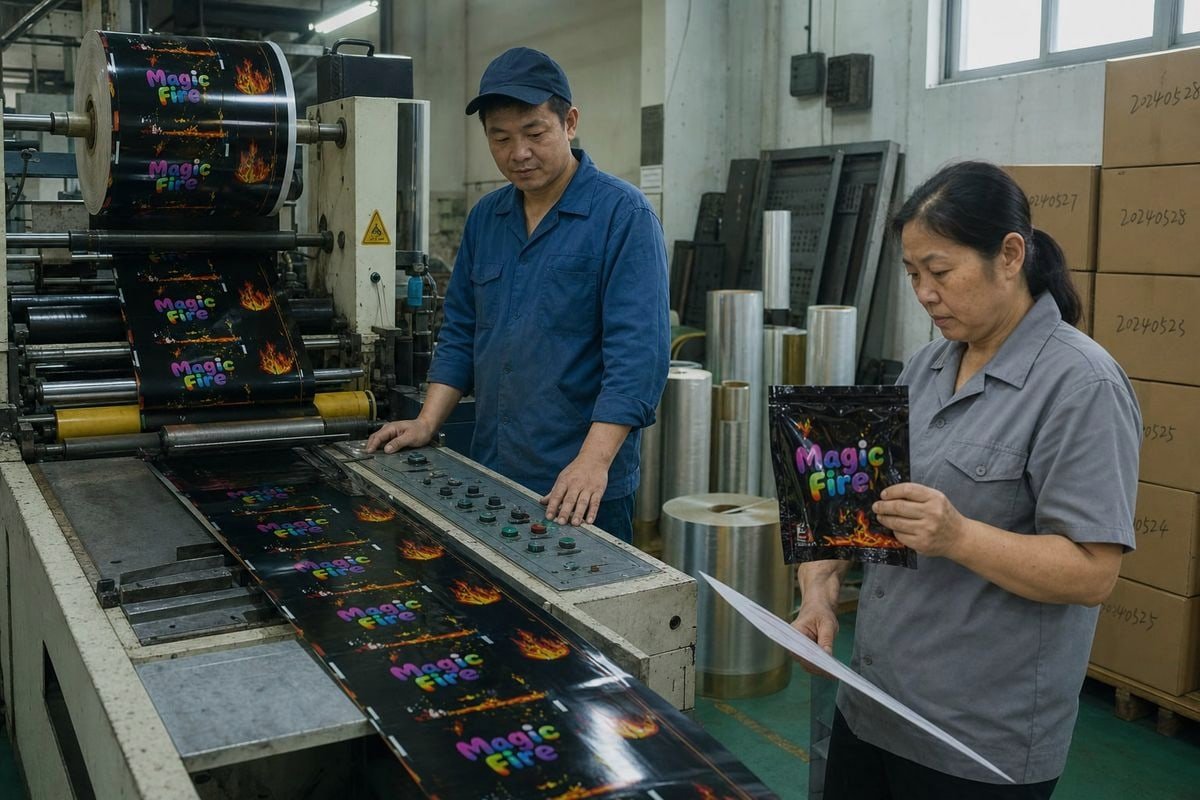
Exclusividade global total em tudo é rara e, honestamente, a maioria dos compradores não precisa dela. O que você precisa é exclusividade onde você realmente vende. Exclusividade com escopo é mais barata de obter, mais fácil para o fabricante conceder e muito mais fácil de aplicar.
As formas comuns de definir o escopo da exclusividade
| Tipo de escopo | Exemplo para produtos Magic Fire | Condição típica |
|---|---|---|
| Território | Direitos exclusivos nos EUA e Canadá apenas | Volume mínimo anual para essa região |
| Canal de vendas | Exclusivo para varejo de grandes redes; a fábrica mantém o canal de presentes para festivais | Compromisso de volume específico do canal |
| Categoria do produto | Exclusivo em sachês de papel alumínio; a fábrica vende potes em outros lugares | Embalagem personalizada e ferramentas pagas pelo comprador |
| Variante de fórmula | Exclusivo em sua mistura cristalina pastel personalizada, não na base da plataforma | Taxa de desenvolvimento ou acordo de licenciamento |
| Duração | Dois anos exclusivo, renovável com base em metas de volume | Renovação vinculada ao histórico de compras |
Por que os fabricantes preferem acordos com escopo — e por que isso o ajuda
Aqui está a objeção que ouço dos compradores: "Se vocês continuarem vendendo produtos semelhantes em outros lugares, minha exclusividade é inútil." Eu entendo a preocupação, mas o oposto é verdadeiro. Uma fábrica que se bloqueia de todo o seu negócio de plataforma para um cliente ou cobra muito caro por isso, ou planeja secretamente quebrar o acordo. Um compromisso honesto e com escopo é mais durável do que um abrangente que ninguém pode pagar para manter.
Em nossa fábrica, a química base da chama colorida é um conhecimento de plataforma construído ao longo de mais de 17 anos. O que concedemos exclusivamente é a sua configuração específica: suas proporções de mistura personalizadas, seu tempo de queima, a arte de sua embalagem de papel alumínio, sua caixa de exibição, seus rótulos de advertência e códigos de barras. Essa combinação é genuinamente sua, e podemos defender essa promessa porque ela não destrói nosso outro negócio.
Mais uma distinção importa aqui: direitos exclusivos versus propriedade. Uma licença exclusiva lhe dá direitos exclusivos em um campo ou território definido, enquanto o fabricante ainda detém a formulação subjacente. Uma cessão total transfere a própria propriedade. Muitos compradores querem propriedade; muitas fábricas só concederão uso exclusivo limitado ao campo. Saiba qual você está negociando e precifique de acordo. Licenças comerciais reais geralmente detalham o direito de desenvolver, fabricar e comercializar produtos em um campo definido — use essa precisão.
Que salvaguardas legais devo solicitar se o meu fornecedor violar o nosso acordo de exclusividade?
Uma lição difícil de anos de exportação B2B: contratos sem força são testados. Quando o advogado de um comprador redige remédios reais em nosso acordo de fabricação, todos se comportam melhor — inclusive nós.
Solicitar medida cautelar, indenização por perdas e danos com valores pré-acordados, um período de carência de não concorrência pós-término, devolução ou destruição obrigatória de documentos de fórmula, direitos de compra de ferramentas, lei aplicável e foro de arbitragem definidos, e direitos de rescisão acionados por auditoria para violações verificadas.

Remédios são a parte do acordo que você espera nunca usar. Mas a presença deles é o que torna o restante do contrato crível. Um fornecedor que resiste a toda a linguagem de remédios está dizendo o quão seriamente ele leva o compromisso.
Os remédios que realmente importam
- Medida cautelar. Dinheiro depois não conserta produto clonado nas prateleiras agora. O contrato deve afirmar que a violação causa dano irreparável, dando direito a uma ordem judicial para interromper a produção imediatamente.
- Danos liquidados. Provar suas perdas exatas de uma formulação proprietária vazada é lento e difícil. Pré-acorde um valor de dano por violação para que a execução seja rápida e previsível.
- Período de bloqueio pós-término. Uma cláusula de não concorrência deve sobreviver ao fim do contrato, proibindo o fabricante de produzir produtos funcionalmente semelhantes para seus concorrentes diretos por um período determinado após o término.
- Obrigações de devolução e destruição. Todos os documentos de formulação, arquivos de arte, gabaritos e chapas de impressão devem ser devolvidos ou destruídos de forma certificada. Moldes e ferramentas personalizadas que você pagou devem ser transferidos para você ou comprados por um preço pré-definido.
- Lei aplicável e foro. Decida antecipadamente onde as disputas serão resolvidas. Para acordos de fornecimento baseados na China, muitos compradores optam pela arbitragem por meio de um órgão internacional reconhecido, que geralmente é executável contra empresas chinesas.
- Gatilhos de rescisão. Defina exatamente o que conta como violação — incluindo terceirização do seu produto para um terceiro não autorizado — e qual período de cura, se houver, se aplica.
Camada de proteção legal com proteção prática
Contratos funcionam melhor ao lado de direitos registrados. Registre seu trade dress — os gráficos de chama gradiente, a escrita em bolha e a estrutura da embalagem do seu pacote Magic Fire — onde você vende. Registrado marcas registradas e direitos de design 8 lhe dão ferramentas de execução contra clonadores de terceiros que um contrato de fornecimento sozinho não pode alcançar. Mantenha seus relatórios de teste, documentação de segurança e correspondência organizados; em uma disputa, a parte com o rastro de papel geralmente vence.
Do nosso lado da mesa, acolhemos essas cláusulas. Um comprador que investe em salvaguardas adequadas é um comprador planejando uma parceria de longo prazo — e parceiros de longo prazo são os únicos que valem a pena ter neste negócio.
Conclusão
Um compromisso de exclusividade por escrito transforma "nossa fórmula" de uma esperança em um direito. Defina o escopo, verifique com auditorias, negocie termos honestamente escopados e incorpore remédios reais — então seu investimento Magic Fire permanece seu.
Notas de rodapé
Conceito de fundo esclarecendo como a licenciamento exclusivo difere da transferência total de propriedade intelectual. ↩︎
USPTO define proteção de trade dress relevante para reivindicações de gráficos de embalagem e design de sachê. ↩︎
Padrões de rastreabilidade GS1 relacionam-se diretamente à verificação de responsabilidade de matérias-primas e produção. ↩︎
Entrada autoritativa da Wikipedia explicando auditorias de qualidade não anunciadas. ↩︎
Explica o conceito de balanço de massa usado para verificar a responsabilidade de entrada-saída do fabricante. ↩︎
Alibaba.com é uma plataforma líder de sourcing de fabricação referenciando compromissos de pedido mínimo. ↩︎
Wikipedia explica mecanismos de custódia relevantes para sistemas de liberação de fórmula controlados por terceiros. ↩︎
WIPO explica o registro de marca registrada e direitos de design, diretamente relevante para as ferramentas de execução mencionadas. ↩︎



 English
  Spanish
  German
  French
  Arabic
  Portuguese
Participe da conversa