






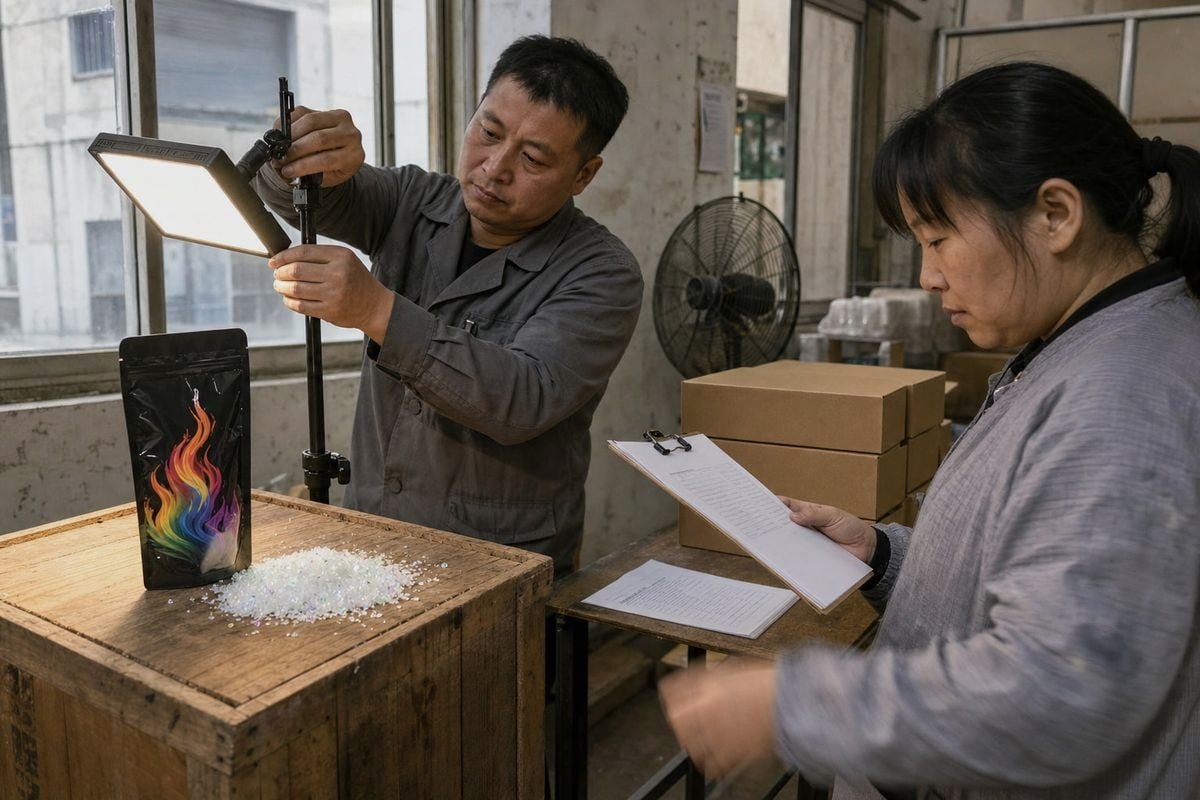
Obter imagens e vídeos de alta resolução para o Magic Fire Powder de fornecedores é um ponto de dor constante que ouço falar — e em nossa linha de produção, vemos exatamente por que os compradores lutam.
Para obter imagens e vídeos de alta resolução para o Magic Fire Powder, envie aos fornecedores um resumo de mídia de uma página com entregáveis exatos, especificações de arquivo e prazos, vincule a entrega de ativos ao seu pedido de compra, verifique se as filmagens correspondem ao seu lote de produção e confirme os direitos de uso por escrito antes de publicar qualquer coisa.
Essa é a resposta curta. A resposta mais longa abrange o que perguntar, como verificar, o que coletar e de quais fornecedores se afastar Relatórios SGS/Intertek 1. Deixe-me detalhar cada parte.
O Que Devo Perguntar ao Meu Fornecedor Antes de Solicitar Amostras de Fotografia e Vídeo de Produtos?
Um distribuidor alemão uma vez nos enviou um e-mail pedindo "algumas fotos legais" de nossos pacotes de corante de chama. Enviamos quarenta arquivos. Ele usou dois. Isso me ensinou que ambos os lados precisam de um processo melhor.
Antes de solicitar mídia, pergunte se o fornecedor tem uma equipe de conteúdo interna, quais formatos de arquivo e resoluções eles podem entregar, se as filmagens mostram seu SKU e embalagem reais, quem detém os direitos de uso e se os vídeos de demonstração seguem as próprias instruções de segurança do produto.
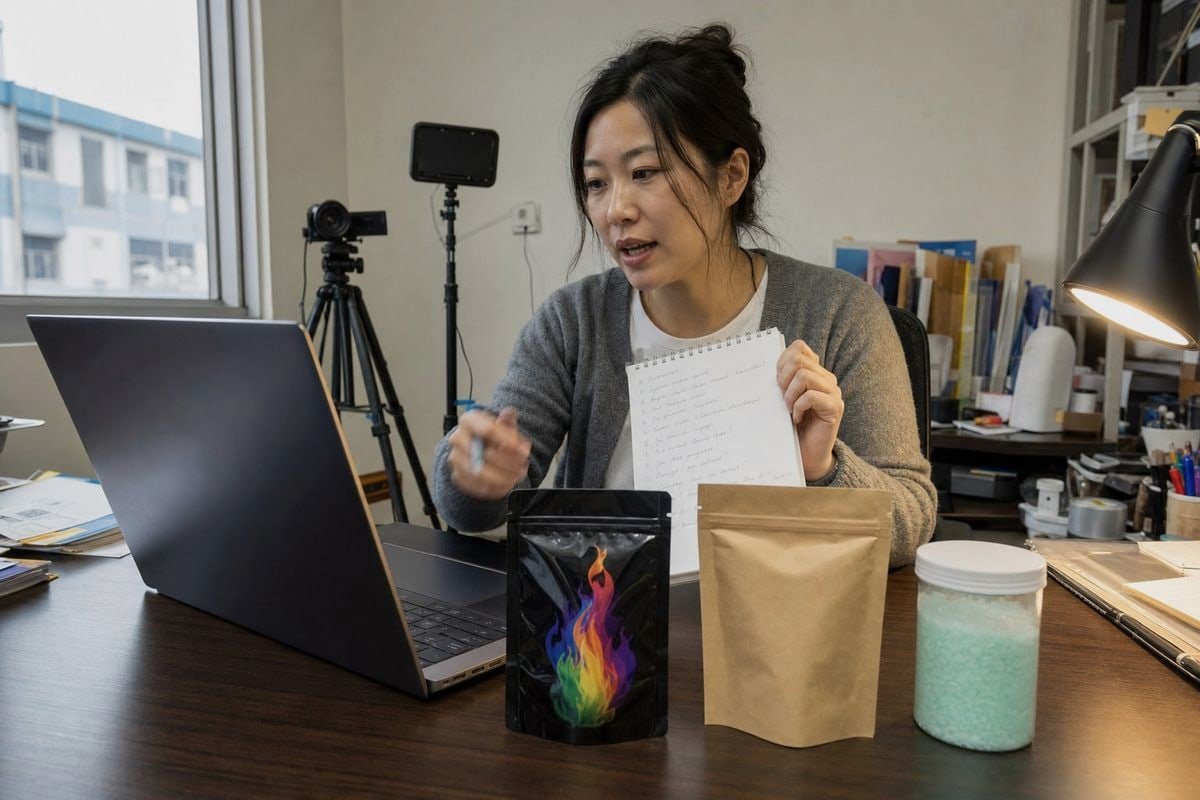
A maioria dos compradores pula as perguntas de qualificação e vai direto para "envie-me suas melhores fotos". É por isso que eles recebem miniaturas borradas do marketplace em vez de ativos prontos para publicação. Em nossa experiência exportando produtos de cor de chama para mais de 30 países, os compradores que obtêm ótimas mídias são aqueles que fazem perguntas inteligentes primeiro.
As Cinco Perguntas Que Economizam Semanas Para Você
Primeiro, pergunte sobre a capacidade. A fábrica tem câmera, iluminação e alguém que possa fotografar? Muitas fábricas em nossa indústria não têm. Se eles só têm fotos de smartphone, você precisa saber disso antes de escrever seu briefing. Filmagem de smartphone ainda pode funcionar — clipes bem iluminados e crus da fábrica geralmente superam fotos de estúdio polidas em anúncios sociais — mas você deve planejar para isso.
Segundo, pergunte sobre as especificações. Confirme que eles entendem as dimensões em pixels, RAW vs. JPEG 2, e taxas de quadros de vídeo. Se você precisar de um vídeo de demonstração de produto 4K, diga isso explicitamente. Não presuma que "alta qualidade" significa a mesma coisa para ambas as partes.
Terceiro, pergunte sobre o SKU. Produtos de coloração de fogo geralmente compartilham fotos genéricas entre variantes. Um saco plástico, um saco de papel kraft e um frasco são itens de varejo diferentes. Certifique-se de que a mídia mostre sua embalagem exata.
Quarto, pergunte sobre os direitos. Algumas fotos de fornecedores são emprestadas de outras listagens. Publicá-las pode fazer com que sua conta do marketplace seja sinalizada.
Quinto, pergunte sobre o contexto de segurança. Qualquer vídeo de demonstração deve seguir as orientações da embalagem — pacote fechado, fogo estabelecido, manuseio por adulto. Recusamos filmar imagens que mostrem mau uso, e um fornecedor sério também deveria.
| Perguntas a Fazer | Por que é importante | Resposta de Sinal de Alerta |
|---|---|---|
| Você tem uma equipe de conteúdo interna? | Define expectativas para qualidade e prazo de entrega | "Usamos fotos da internet" |
| Você pode entregar vídeo 4K e fotos de 300 DPI? | Confirma a capacidade técnica | "O que é DPI?" |
| A mídia mostra meu SKU exato? | Evita incompatibilidades de embalagem | "É basicamente o mesmo produto" |
| Quem possui os direitos de imagem? | Protege suas listagens legalmente | "Não se preocupe com isso" |
| A filmagem de demonstração segue as instruções de segurança? | Conformidade e responsabilidade | "Nós apenas o tornamos emocionante" |
Como Posso Verificar Se as Imagens Que Meu Fornecedor Envia Refletem a Qualidade Real da Produção em Massa?
Aqui está um trade-off que pesamos toda semana em nossa fábrica em Ningbo: fotos de estúdio perfeitas impressionam os compradores mais rapidamente, mas fotos precisas do lote constroem confiança que dura. Nós escolhemos precisas do lote, e os compradores devem exigi-las.
Verifique as imagens do fornecedor em relação à realidade solicitando fotos e vídeos específicos do lote de sua produção real, comparando o texto da embalagem e a cor do cristal com uma amostra física, solicitando filmagens com data ou carimbo de data/hora e verificando a cor da chama e a duração da queima em um clipe de demonstração não editado.

Fotos polidas podem esconder muita coisa. A gradação de cores pode fazer uma chama verde fraca parecer vívida. Um corte justo pode esconder o selamento térmico descuidado na bolsa de alumínio. Portanto, a verificação não é paranoia — é disciplina básica de aquisição.
Peça Prova Específica do Lote
A tática mais forte é exigir vídeos de teste específicos do lote. Peça ao fornecedor para filmar a vivacidade da cor de sua produção real contra um fundo neutro, idealmente em uma tomada contínua e não editada. Isso lhe dá uma linha de base honesta para sua própria gradação pós-produção. Na Sunrich, filmamos esses clipes como parte de nosso controle de qualidade de lote, porque nossa posição é simples: a primeira amostra deve refletir de forma confiável a produção em massa, e a mídia deve refletir ambos.
Combine a Mídia com uma Amostra Física
Peça uma amostra física e compare-a lado a lado com os arquivos. Verifique a impressão da bolsa, a etiqueta de aviso, a área do código de barras e a cor do cristal do pó. Nossos pacotes Magic Fire contêm grânulos cristalinos verde-menta pálido; se as fotos mostrarem uma cor ou textura diferente, pergunte o porquê antes de fazer o pedido.
Checklist de Verificação Prática
- Solicite um clipe de demonstração datado e não editado mostrando ignição, pico de cor e duração.
- Compare o texto da embalagem em fotos de close-up com sua arte aprovada.
- Peça um clipe bruto de smartphone da fábrica mostrando o lote sendo embalado.
- Confirme as certificações do fornecedor — ISO 9001 3, BSCI, CE, relatórios SGS/Intertek — porque uma fábrica certificada tem consistência documentada por trás de suas imagens.
- Mantenha cada versão em uma pasta de gerenciamento de ativos digitais 4 para que você possa auditar a mídia em relação a lotes futuros.
Mais um ponto sobre o argumento "fotografia interna é sempre melhor". Algumas marcas insistem que o conteúdo do fornecedor é muito inconsistente para ser usado. Isso é meio verdade. O meio-termo prático é pegar os ativos brutos e precisos do lote do fornecedor e padronizá-los internamente com edição e revisão de conformidade. Você obtém autenticidade e consistência.
Quais Ativos Visuais Eu Preciso do Meu Fabricante para Listagens de Varejo e Embalagens de Marca Própria?
Quando integramos um novo cliente de marca própria para nossos pacotes de chama colorida, o primeiro entregável não é uma cotação. É uma lista de ativos, porque um SKU pronto para lançamento precisa de muito mais arquivos do que a maioria dos compradores espera.
Para listagens de varejo e embalagens de marca própria, você precisa de fotos de embalagem com fundo branco, imagens de estilo de vida de fogueira, close-ups de avisos e códigos de barras, um vídeo de demonstração em 4K, clipes verticais para mídias sociais, linhas de corte de embalagem com sua marca OEM e arquivos de etiqueta prontos para impressão em 300 DPI.
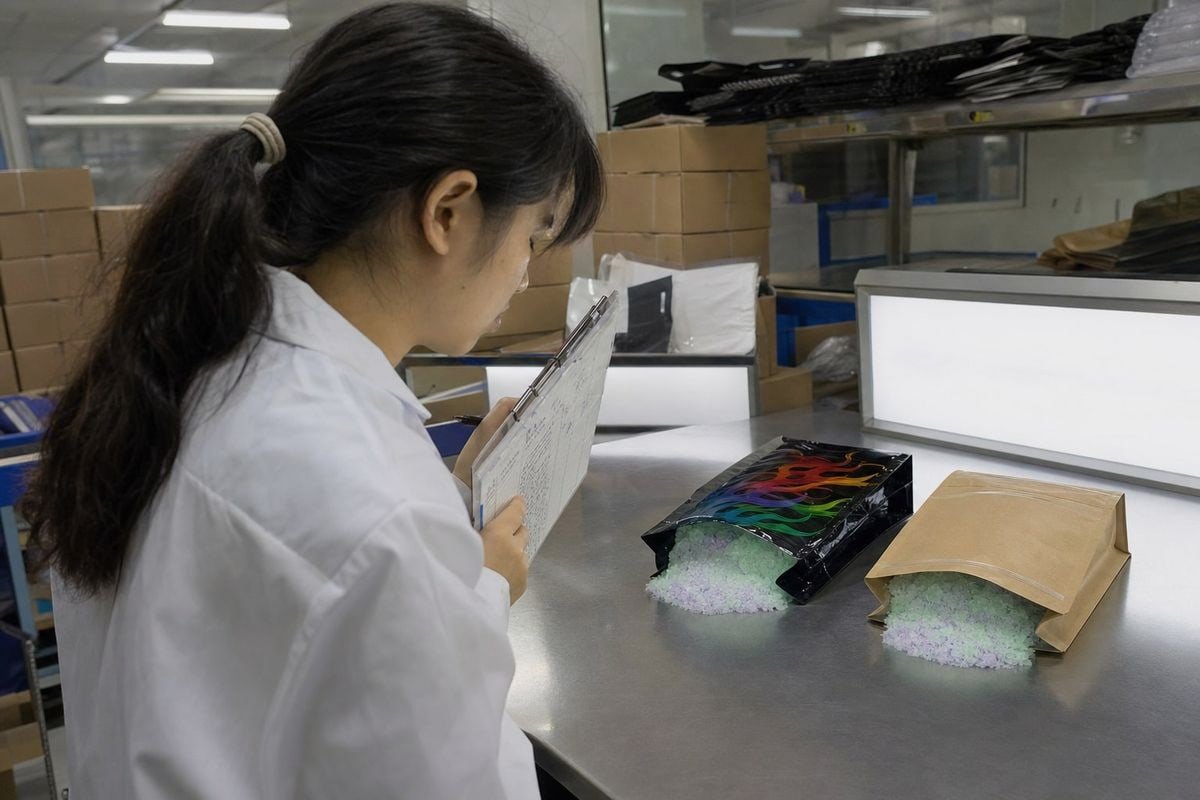
Pense em sua biblioteca de ativos em três camadas: listando ativos, ativos de marketing e ativos de embalagem. Cada um atende a um canal diferente, e uma boa sessão de fotos com o fornecedor pode alimentar todos os três se você planejar a lista de fotos com antecedência.
A Tabela Completa de Ativos
| Tipo de Ativo | Especificações a Solicitar | Onde Você Usa |
|---|---|---|
| Foto do pacote com fundo branco | Mínimo de 2000×2000 px, JPEG + PNG | Imagem principal do marketplace |
| Ativos de marketing de estilo de vida | Cenas de fogueira ou poço de fogo em alta resolução | Página de detalhes, anúncios, apresentações para distribuidores |
| Close-up do rótulo de aviso | Nítido, legível, 300 DPI | Revisão de conformidade, conteúdo A+ |
| Vídeo de demonstração do produto em 4K | 4K a 30–60fps, master não editado | Página do produto, YouTube, apresentações de vendas |
| Clipe macro em câmera lenta | 120fps de pó encontrando a chama | Ganchos sociais, Reels, TikTok, Shorts |
| Clipes verticais de formato curto | 9:16, 15–30 segundos | Vídeo curto pago e orgânico para redes sociais |
| Dieline + arte da embalagem | Arquivos vetoriais por Diretrizes de marca do OEM 5 | Design de embalagem de varejo de marca própria |
| Escaneamento do produto em 360 graus | Conjunto de rotação em alta resolução | Loja interativa ou módulos de AR |
Por que os Ativos de Embalagem Importam Tanto Quanto as Fotos
Compradores de marca própria muitas vezes esquecem a camada de embalagem. Se você está colocando sua marca nas embalagens de corante de chama — saco plástico, bolsa kraft auto-vedante ou pote — você precisa de dielinas editáveis, o posicionamento do seu logotipo de acordo com suas diretrizes de marca OEM, texto de aviso localizado, e posicionamento de código de barras aprovado antes da impressão. Fornecemos caixas personalizadas, embalagens de exibição, rótulos de aviso e códigos de barras como parte de nosso serviço OEM/ODM completo, porque um comprador de varejo como uma rede do tipo Home Depot rejeitará embalagens não prontas para prateleira, não importa quão boas sejam suas fotos.
Não se Esqueça dos Visuais de Documentação
Solicite também um escaneado Ficha de Dados de Segurança (FDS) 6 e certificados de relatório de teste como PDFs. Varejistas e importadores pedem cada vez mais isso junto com imagens, e tê-los na mesma pasta de ativos acelera drasticamente a integração.
No início do nosso negócio de exportação, aprendi uma lição difícil: os fornecedores mais protetores de suas fotos geralmente estavam escondendo algo — uma empresa comercial revendendo o produto de outra pessoa, ou uma fábrica cujos lotes nunca correspondiam às fotos.
Fornecedores recusam mídia de alta resolução porque não têm uma equipe de conteúdo, temem que concorrentes copiem seus ativos, revendem produtos que não fabricam ou não conseguem comprovar a qualidade real das imagens. Evite-os testando a capacidade de resposta antecipadamente, exigindo mídia em seu acordo de fornecimento e priorizando fábricas certificadas.
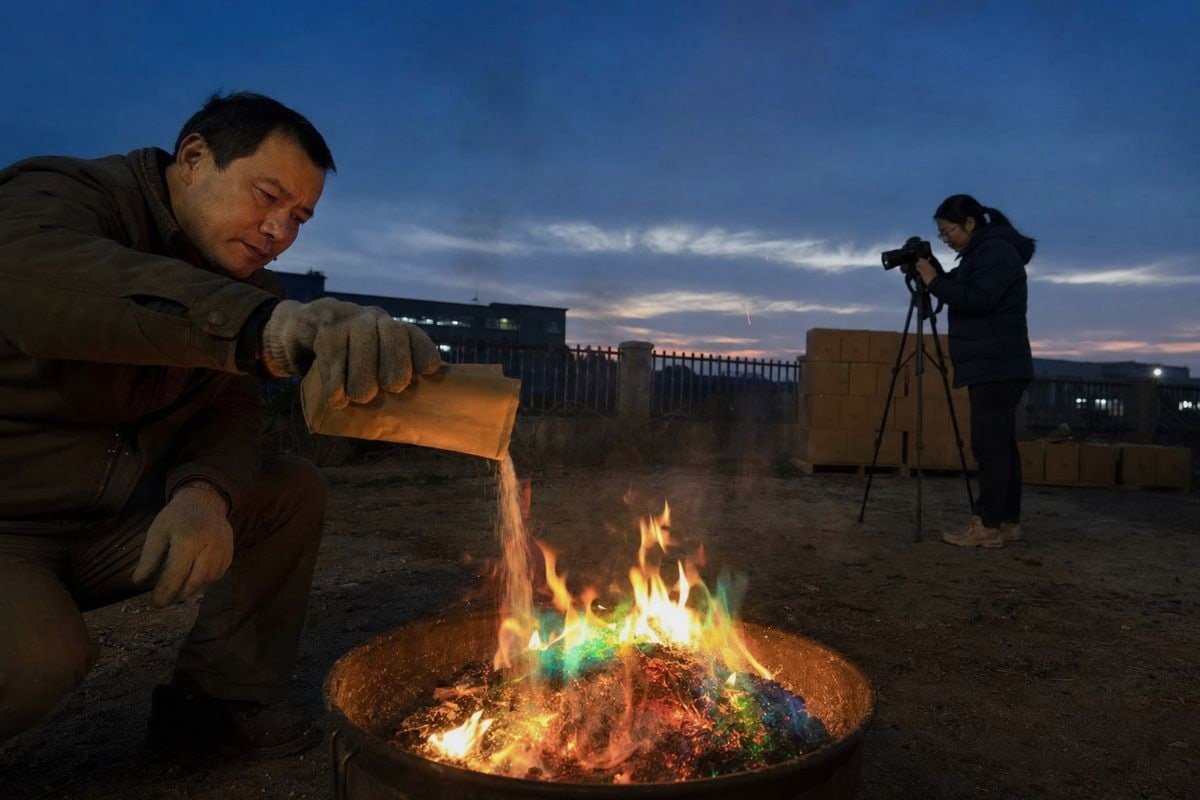
Nem toda recusa significa má fé. Algumas pequenas fábricas genuinamente não têm habilidades de câmera e se preocupam em parecer não profissionais. A chave é separar "ainda não pode" de "nunca vai poder". O primeiro é solucionável. O segundo é um sinal de desistência.
Razões Legítimas vs. Sinais de Alerta
| Comportamento do Fornecedor | Causa provável | Sua Jogada |
|---|---|---|
| "Temos apenas fotos de celular" | Sem equipe de conteúdo | Ofereça um briefing; aceite filmagens brutas para você editar |
| "Fotos após você pagar o pedido completo" | Medo de cópia | Negociar mídia como condição de PO |
| Envia imagens com marca d'água de outros anúncios | Empresa de trading, não fábrica | Desistir |
| Recusa vídeo específico do lote | Inconsistência de qualidade | Desistir |
| Comunicação lenta e vaga com fornecedor Alibaba | Suporte em inglês fraco ou baixa prioridade | Teste primeiro com uma solicitação pequena e clara |
Incorporar Mídia ao Negócio
A correção mais eficaz é contratual. Escreva "suporte de marketing" em seus acordos de fornecimento no atacado 7: o fornecedor deve entregar um pacote de ativos acordado — fotos de embalagem, vídeo de demonstração, close-ups de embalagem — como condição da ordem de compra. Vincule pedidos repetidos à entrega completa de ativos. Você também pode oferecer incentivos: um acordo de conteúdo por crédito, onde você devolve versões editadas profissionalmente de seus vídeos brutos, exposição co-branded ou pagamento acelerado por um conjunto completo. Em nossa experiência, fábricas com profundidade de produção real dizem sim rapidamente, porque a mídia lhes custa pouco e o relacionamento vale muito.
Alguns compradores argumentam que nenhum fornecedor criará mídia personalizada sem volume garantido. Essa objeção é justa para pedidos únicos. Mas se você se posicionar como um comprador recorrente com um briefing claro e razoável MOQs de teste 8, fábricas sérias investirão. Fazemos isso rotineiramente para clientes de pedidos de teste, porque sabemos que visuais prontos para prateleira encurtam seu caminho para reordenar.
Teste Antes de Comprometer
Envie uma solicitação pequena e específica antecipadamente: "Por favor, envie um vídeo de 20 segundos em celular da chama verde deste SKU, filmado hoje." A resposta lhe diz quase tudo — velocidade, honestidade, qualidade da comunicação em inglês e vontade de cooperar. Um fornecedor que lida bem com isso também lidará bem com um briefing de mídia completo.
Conclusão
Mídia fraca do fornecedor atrasa lançamentos, prejudica a conversão e esconde riscos de qualidade. A correção é sistemática: qualificar fornecedores, fornecer briefings precisos, verificar contra lotes, garantir direitos e fazer parceria com fábricas certificadas como a nossa.
Notas de rodapé
A SGS é uma autoridade globalmente reconhecida de inspeção e certificação mencionada no artigo. ↩︎
Explica a distinção técnica do formato de imagem que os compradores devem especificar ao solicitar fotografia do fornecedor. ↩︎
A certificação ISO 9001 é referenciada como prova de consistência de qualidade documentada da fábrica. ↩︎
Conceito de fundo para organizar e auditar arquivos de mídia de fornecedores em lotes de produtos. ↩︎
Explica o conceito OEM referenciado ao discutir requisitos de embalagem e marca de marca própria. ↩︎
A OSHA é a fonte autoritária que define os requisitos da Ficha de Dados de Segurança para produtos perigosos. ↩︎
Os recursos comerciais da OMC contextualizam as práticas de acordos de fornecimento entre compradores e fornecedores internacionais. ↩︎
Alibaba é uma plataforma líder de sourcing B2B onde a quantidade mínima de pedido neg

 English
  Spanish
  German
  French
  Arabic
  Portuguese
Participe da conversa