






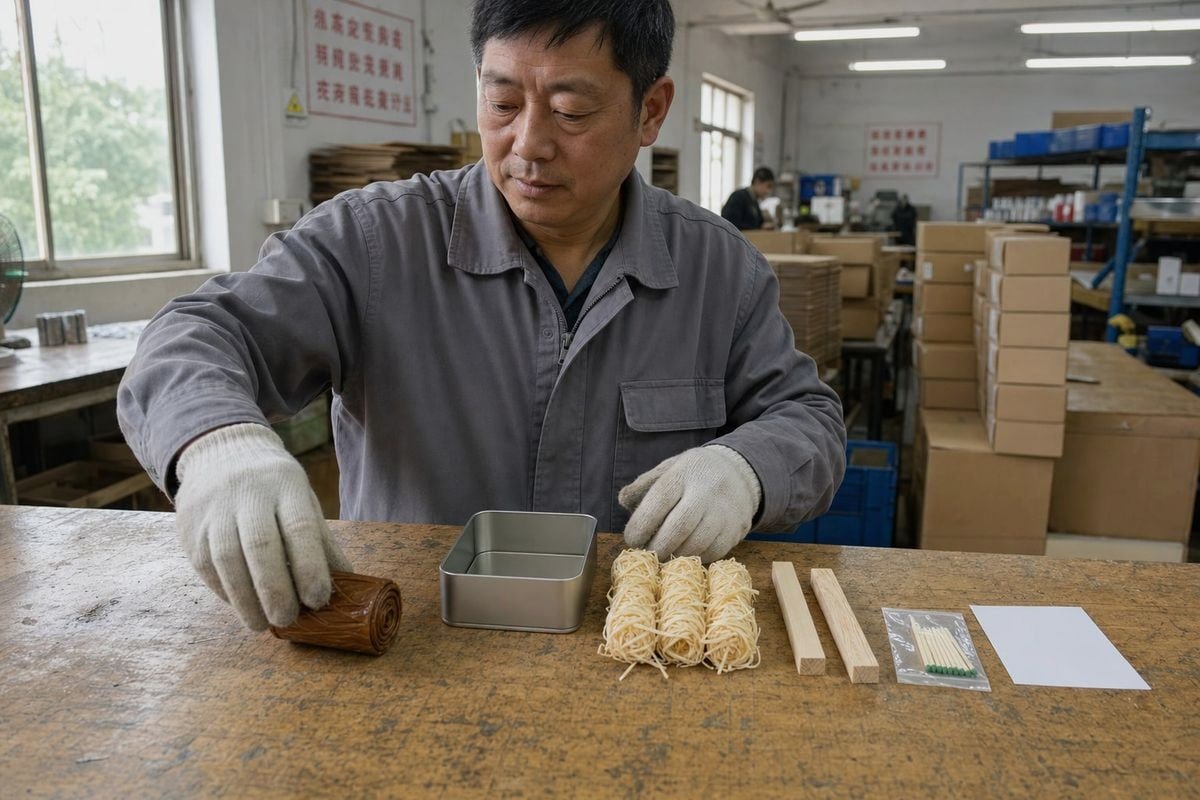
Um kit inicial incluído com compras de iniciadores de fogo a lenha parece simples até que seus compradores reclamem de falha na ignição Marcação CE 1. Em nossa linha de produção, aprendemos essa lição cedo — e a corrigimos.
Projete um kit inicial embalado com acendedores de fogo a lenha combinando um acendedor primário mergulhado em cera, uma fonte de ignição de backup, isca de acendimento rápido, um recipiente resistente às intempéries e um cartão de instruções simples. Selecione cada item em torno de ignição, redundância, armazenamento e simplicidade — não quantidade.
Essa é a resposta curta. Abaixo, detalharei os componentes, a embalagem, o trabalho de conformidade e como testar toda a ideia com um pequeno pedido de teste.
Que produtos devo agrupar com acendedores de fogo a lenha para criar um kit inicial atraente?
Há alguns anos, um distribuidor alemão nos perguntou por que seu iniciador de fogo de item único vendia lentamente durabilidade contra queda 2. Quando o incluímos em um pequeno kit em nossa fábrica de Ningbo, os re-pedidos vieram rapidamente.
Agrupe seus iniciadores de fogo de madeira com pelo menos uma fonte de ignição reserva (fósforos à prova d'água ou uma haste de ferro), isca de acendimento rápido, como lã de madeira revestida de cera, gravetos, uma lata ou bolsa resistente às intempéries e um cartão de instruções de início rápido. Cada item deve servir para ignição, isca, armazenamento ou redundância.
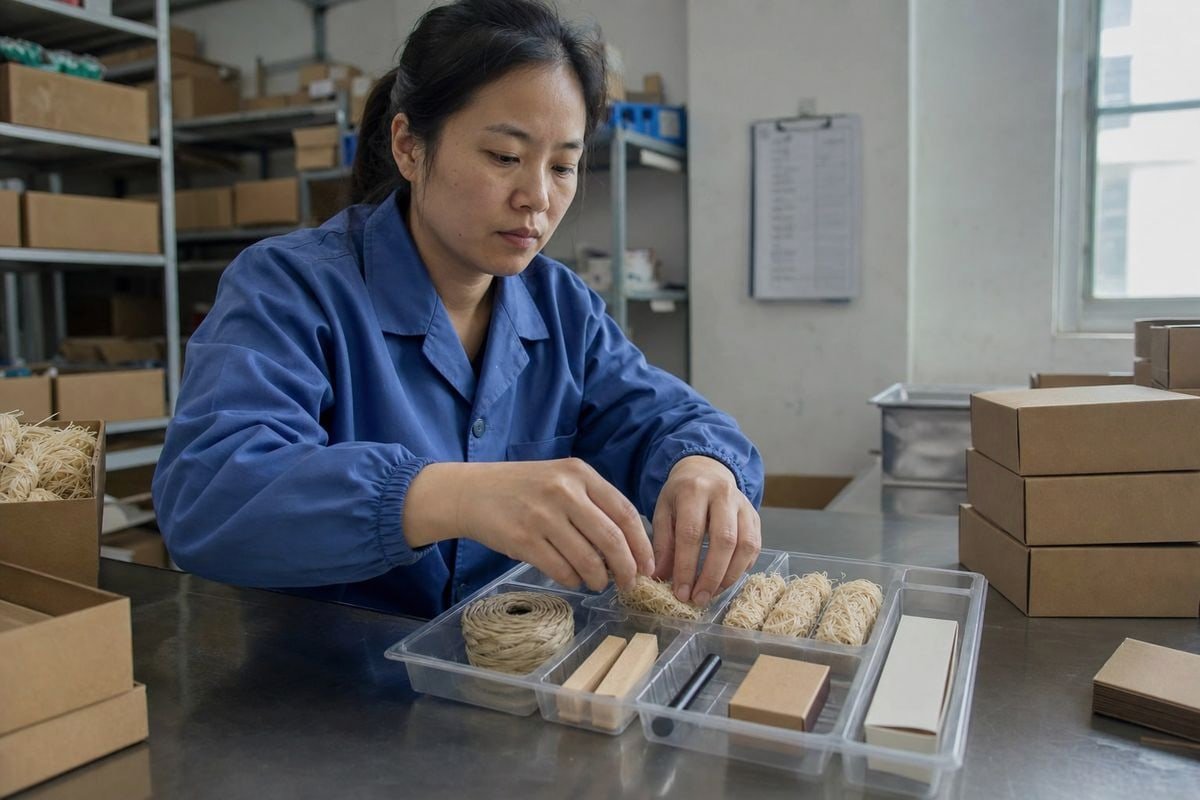
O problema central que seu cliente enfrenta não é "Preciso de um iniciador de fogo". É "Preciso que o fogo realmente acenda — no vento, na umidade, ao anoitecer." Um único produto raramente resolve isso. Um kit selecionado resolve. Nossos rolos de madeira mergulhados em cera acendem facilmente, mas combiná-los com gravetos 3 e uma fonte de chama de backup transforma um produto em um sistema. É por isso que os compradores pagam um preço premium.
A regra de curadoria que mantém os kits focados
Aplico um filtro a cada componente proposto: ele suporta ignição, isca, armazenamento ou redundância? Se não, é cortado. Muitos itens tornam o kit confuso, especialmente para iniciantes. Poucos o fazem parecer um truque de upsell.
Estruturas de pacotes sugeridas por nível
| Nível do Kit | Componentes | Comprador Alvo |
|---|---|---|
| Mínimo | Iniciador de fogo a lenha + isca de lã de madeira + bolsa | Varejo econômico, compras por impulso |
| Iniciante | Iniciador de fogo + isca + fósforos à prova d'água + cartão de instruções + bolsa | Campistas de primeira viagem, proprietários de lareiras |
| Presente Premium | Iniciadores de fogo + pacote de chama colorida + gravetos + lata de marca | Compradores de presentes, varejo de feriados |
| Sobrevivência | Iniciador de fogo + pederneira 4 + fósforos à prova d'água + isca encerada + estojo à prova d'água | Compradores de preparação e bushcraft |
Observe o nível premium. Como também produzimos pacotes de chama colorida Magic Fire e pinhas de chama colorida, vários de nossos clientes adicionam um como item "uau". Custa pouco, mas transforma um kit utilitário comum em uma experiência presenteável. Usuários experientes ao ar livre, por outro lado, se preocupam mais com redundância — dois métodos de ignição no mínimo. Segmente seu público primeiro, depois combine o nível. Um design de kit raramente atende campistas, compradores de presentes e preparadores igualmente bem, então a maioria de nossos clientes OEM lança dois níveis ao mesmo tempo.
Como escolho a embalagem que mantém o meu kit inicial pronto para prateleira e em conformidade para importação?
A embalagem é onde vi mais pedidos de teste tropeçarem do que em qualquer outro lugar. Nossa equipe em Liuyang uma vez reformulou todo o design de uma caixa porque a rede de varejo de um cliente rejeitou a colocação do código de barras.
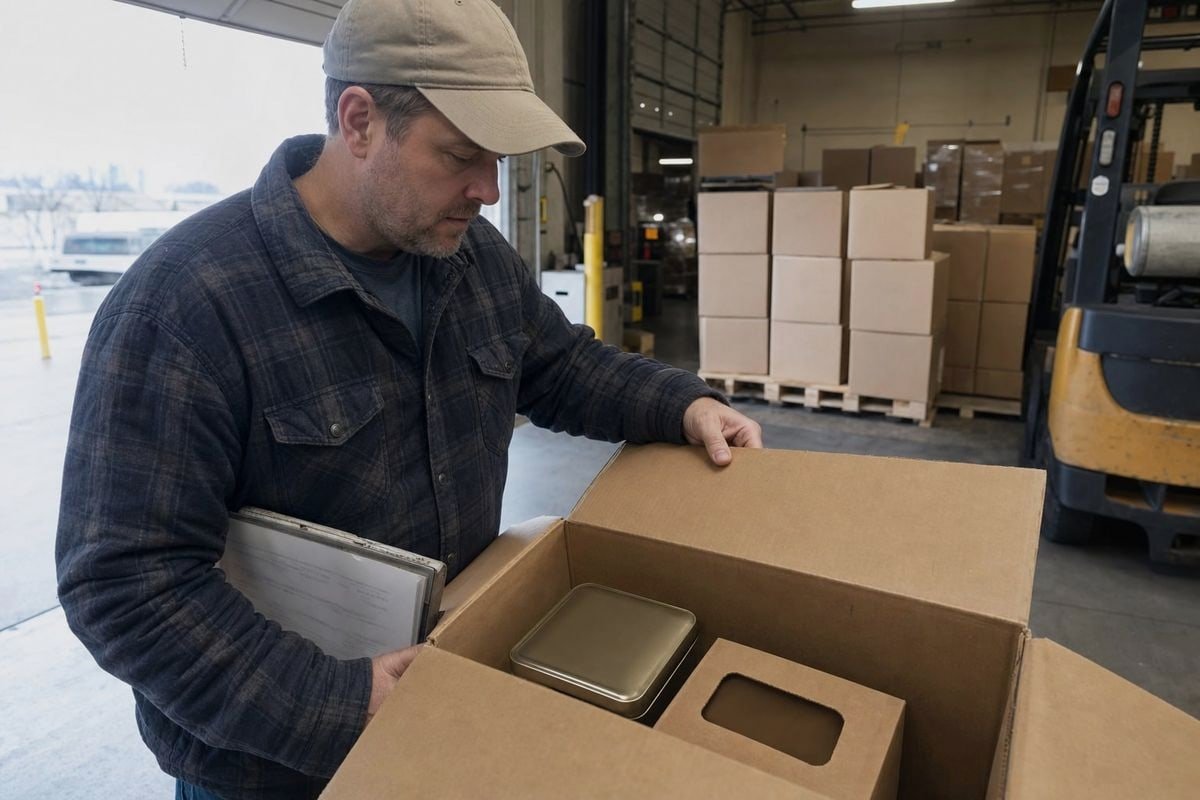
Escolha embalagens rígidas e resistentes à humidade — uma lata impressa, caixa de cartão com revestimento interior ou saco selado — dimensionadas para as dimensões standard das prateleiras. Inclua um código de barras, peso líquido, declaração de composição, país de origem e rótulos de aviso obrigatórios, e verifique a durabilidade do teste de queda da caixa antes do envio.
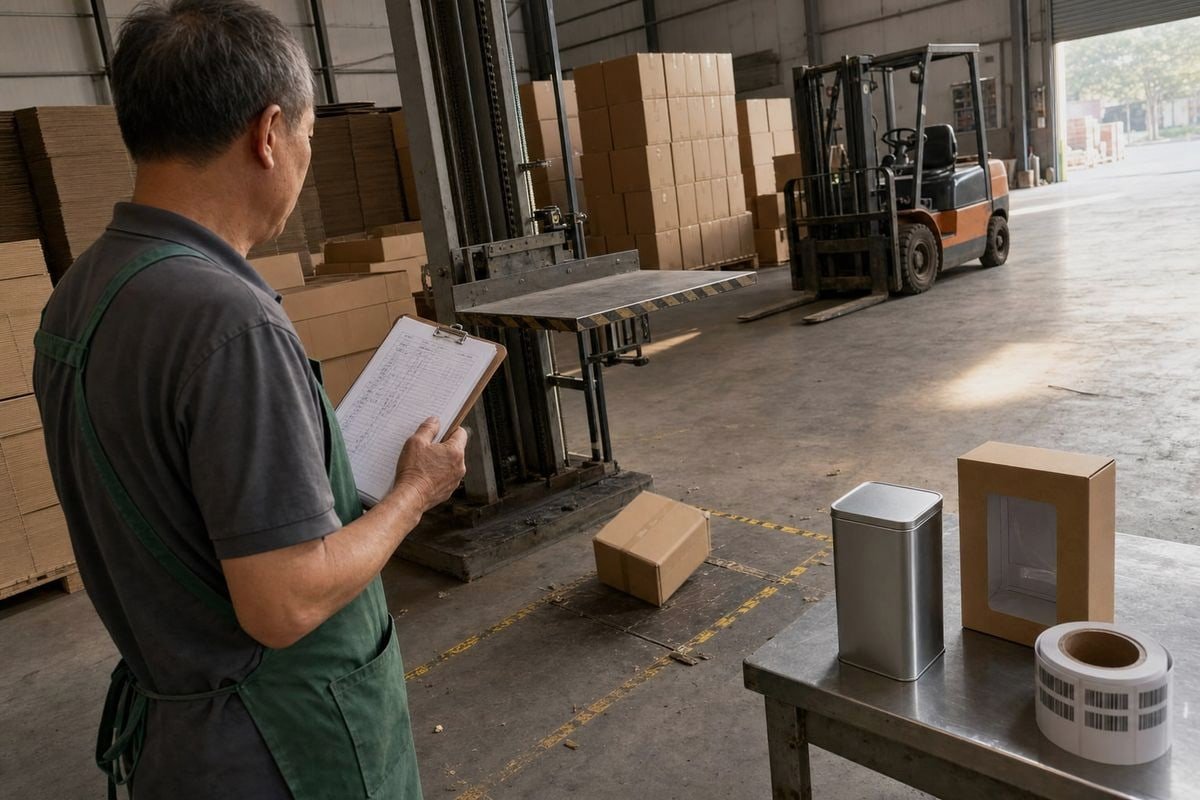
A embalagem pronta para prateleira tem que fazer três trabalhos ao mesmo tempo. Deve proteger produtos à base de cera contra calor e umidade durante o transporte. Deve ser exibida de forma limpa em uma prateleira de varejo ou gancho. E deve carregar todas as marcações que seu mercado de importação exige. Falhe em qualquer um desses, e você pagará por isso em devoluções, rejeições ou estoque morto.
A proteção vem em primeiro lugar
Rolos de madeira mergulhados em cera e iniciadores de lã de madeira são produtos estáveis, mas ainda assim não gostam de esmagamento e umidade prolongada. Recomendamos um forro interno ou embalagem individual dentro da unidade de varejo, depois uma caixa de exportação de parede dupla. Para frete marítimo para os EUA ou Austrália, também pesamos as temperaturas dos contêineres de verão — misturas macias parafina 5 podem suar, então ajustamos a fórmula da cera ou adicionamos uma camada de barreira quando necessário.
Comparação de formatos para kits de varejo
| Formato da Embalagem | Pontos fortes | Atenção | Exposição de Caixa Inicial |
|---|---|---|---|
| Lata impressa | Sensação premium, reutilizável, à prova de esmagamento | Custo unitário mais alto, MOQ em latas personalizadas | Níveis de presente e premium |
| Caixa de Kraft + janela | Visual ecológico, baixo custo, impressão fácil | Necessita de forro de umidade | Varejo padrão |
| Bolsa selada | Frete leve e barato | Presença fraca na prateleira isoladamente | E-commerce, refis |
| Caixa de exibição (unidade de balcão) | Impulsiona vendas por impulso | Requer matemática de caixa precisa | Varejo de grandes redes e cadeias |
Marcações que alfândegas e varejistas esperam
No mínimo: nome do produto, composição (por exemplo, percentagens de fibra de madeira e parafina), peso líquido, país de origem, endereço do importador, código de barras e avisos de segurança contra incêndio no idioma de destino. Nossa equipe de design incorpora tudo isso na arte antes de imprimirmos, pois corrigir rótulos após a produção é caro. Solicite ao seu fornecedor uma prova de arte pré-produção e uma amostra física da embalagem — enviamos ambos como padrão, e isso evita a maioria das surpresas de conformidade com a prateleira.
Que certificações e rotulagem de segurança preciso para um kit de iniciador de fogo embalado vendido no meu mercado?
Perguntas de conformidade chegam à minha caixa de entrada quase diariamente, e eu entendo o porquê. Um de nossos compradores do Reino Unido me disse que o relatório de teste ausente de seu fornecedor anterior congelou um contêiner no porto por três semanas.
Normalmente, você precisará de relatórios de teste de terceiros (SGS ou Intertek), marcação CE, quando aplicável, credenciais do fornecedor, como ISO 9001 e BSCI, além de rótulos de aviso no idioma de destino cobrindo inflamabilidade, segurança infantil, orientação de uso interno e armazenamento seguro. Os requisitos variam por mercado, portanto, confirme antes da produção.
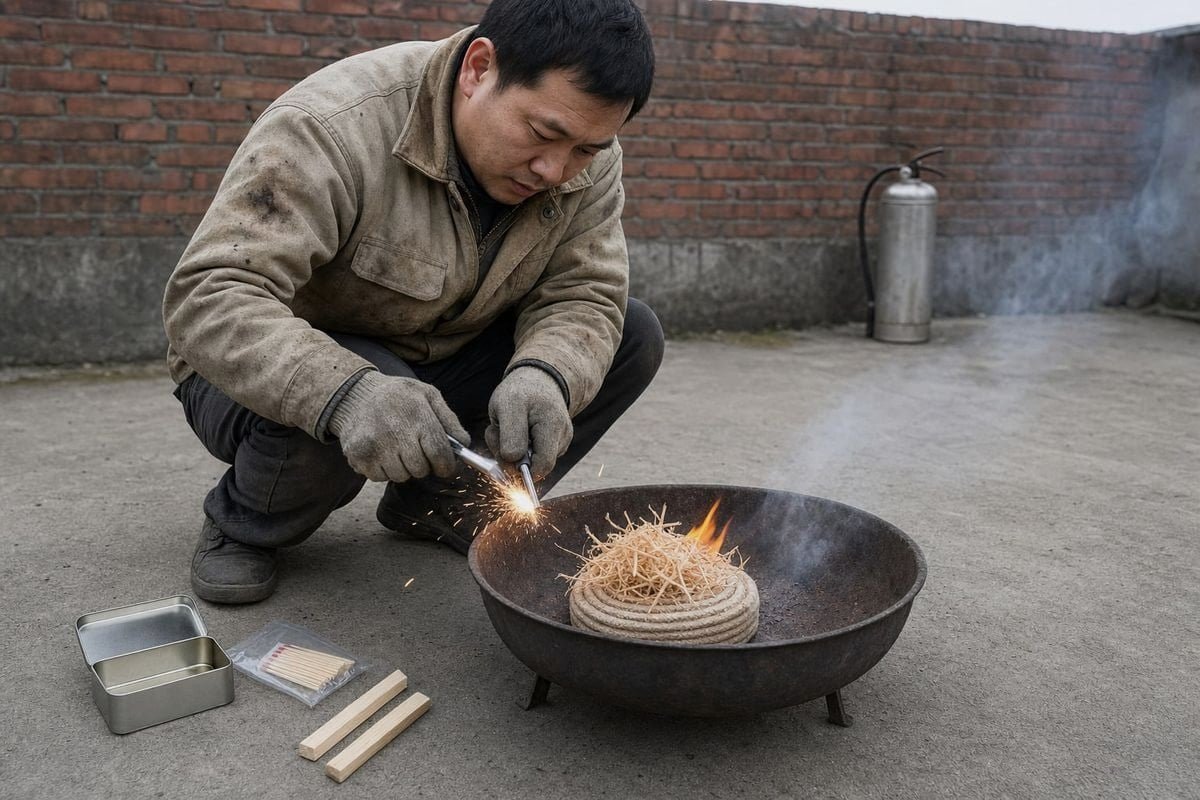
Deixe-me ser direto: para importadores sérios, a conformidade não é um "nice-to-have". É o portão. Todos os distribuidores estabelecidos com quem trabalhamos — nos EUA, Alemanha, França, Holanda, Canadá — pedem documentação antes de pedir preço. Portanto, construa o arquivo de conformidade do seu kit na fase de design, não após a produção.
Como é um arquivo de conformidade completo
- Relatórios de teste de terceiros de um laboratório reconhecido como SGS ou Intertek, cobrindo os iniciadores de fogo e quaisquer componentes de chama colorida no kit.
- Certificados do sistema do fornecedor — ISO 9001 7 para gestão de qualidade e BSCI para conformidade social. Grandes canais de sourcing de varejo exigem cada vez mais ambos.
- Documentação CE onde sua categoria de produto e mercado a exigem.
- Uma declaração de composição — por exemplo, nossos rolos padrão revestidos de cera são de fibra de madeira e parafina, sem produtos químicos nocivos — para que alfândegas e varejistas possam classificar as mercadorias corretamente.
- Dados de segurança e arte de rotulagem no idioma de destino.
Rotulagem por mercado: um instantâneo prático
| Mercado | Idioma | Expectativas Típicas de Rotulagem |
|---|---|---|
| EUA | Inglês | Declarações de aviso, texto de manter longe de crianças, detalhes do importador, código de barras |
| Alemanha / UE | Alemão ou local + EN | CE onde aplicável, pictogramas de perigo se acionados, endereço do importador da UE |
| Reino Unido | Inglês | Considerações sobre UKCA, detalhes do importador, avisos de segurança |
| Austrália / Canadá | Inglês (FR para Canadá) | Rotulagem bilíngue para o Canadá, identificação do importador local |
Mais um ponto de experiência. Um kit agrupado é julgado por seu componente mais fraco. Se seus iniciadores de fogo de madeira forem testados, mas seus fósforos adicionados ou haste de ferro não forem, todo o kit pode falhar em uma auditoria de varejista. Quando montamos kits sob nosso programa OEM de parada única, alinhamos a documentação em todos os itens da caixa e imprimimos rótulos de aviso, códigos de barras e códigos de lote diretamente na arte da embalagem. Isso é muito mais barato do que etiquetar milhares de unidades em um armazém depois.
Posso obter um kit inicial personalizado de marca própria com MOQs flexíveis para um pedido de teste?
Pedidos de teste são como a maioria de nossas parcerias de longo prazo começaram. Um importador holandês começou uma vez com um único palete misto; três anos depois, ele executa programas sazonais de contêineres conosco.
Sim. Uma fábrica genuína pode oferecer kits de iniciação de marca própria com MOQ de teste flexíveis, personalização completa de componentes, tempo de queima, embalagem e marca, além de amostras de pré-produção que correspondem de forma confiável à qualidade da produção em massa. Espere uma amostra, prova de arte e execução piloto antes de escalar.
Aqui está o compromisso honesto que sempre explico a novos compradores. MOQs muito baixos são possíveis, mas embalagens personalizadas têm mínimos de impressão. Portanto, estruturamos pedidos de teste de forma a manter o risco baixo sem fingir que os custos de impressão não existem. Um caminho comum: comece com nossa embalagem padrão de kraft ou pote de plástico mais seu rótulo para o piloto, depois passe para latas ou caixas totalmente impressas personalizadas assim que o kit se provar no varejo.
Como funciona um processo de teste para escala conosco
- Defina o kit. Discutimos seu mercado, ponto de preço e nível — mínimo, iniciante, presente premium ou sobrevivência.
- Estágio de amostra. Construímos amostras físicas do kit com seus componentes escolhidos: rolos de madeira revestidos de cera, iniciadores de madeira-lã, isca, pacotes de chama colorida e recipientes.
- Arte e prova de conformidade. Códigos de barras, rótulos de aviso, versões de idioma e alinhamento de relatório de teste são bloqueados antes da produção.
- Execução de produção piloto. Um MOQ flexível permite testar um ou dois canais de varejo sem se comprometer demais.
- Revisão e escala. Ajustamos o tempo de queima, a mistura de componentes ou a embalagem com base na venda real, em seguida, passamos para o volume de contêiner.
Como operamos nossas próprias linhas de produção em Ningbo com mais de 17 anos de experiência — não uma mesa de negociação revendendo estoque de outra pessoa — a amostra que você aprova é o produto que você recebe em escala. O controle de qualidade lote a lote não é linguagem de marketing para nós; é por isso que a primeira amostra é importante. E como nossos clientes abrangem marcas de atividades ao ar livre, distribuidores de lareiras e canais de sourcing de grandes redes em mais de 30 países, também podemos aconselhar sobre qual nível de kit tende a vender em seu mercado específico. Faça essas perguntas ao seu fornecedor antes de transferir um depósito. Se as respostas forem vagas, o pedido de teste lhe dirá o porquê — da maneira cara.
Conclusão
Um kit inicial agrupado com compras de iniciadores de fogo de madeira vence quando resolve todo o problema de ignição: iniciador confiável, método de backup, isca rápida, embalagem protetora e conformidade total. Comece pequeno, teste, depois escale com confiança.
Notas de rodapé
Referência de fundo explicando o sistema de marcação CE mencionado para conformidade da UE. ↩︎
Referência de fundo sobre testes de queda de caixa padronizados para verificação de durabilidade de envio. ↩︎
Referência de fundo explicando os materiais de gravetos usados para sustentar a chama inicial na iniciação de fogo. ↩︎
Antecedentes da Wikipédia sobre hastes de ferrocerium para iniciar fogo usadas como fonte de ignição de backup. ↩︎
Antecedentes da Wikipédia sobre parafina, o material chave usado em iniciadores de fogo revestidos de cera. ↩︎
Referência da IMO sobre classificação de mercadorias perigosas relevante para o envio de produtos iniciadores de fogo. ↩︎
Página oficial da ISO definindo o padrão de gerenciamento de qualidade referenciado para credenciais de fornecedor. ↩︎
 English
  Spanish
  German
  French
  Arabic
  Portuguese
Participe da conversa