







Um fraco acordo de distribuição de pó Magic Fire pode destruir silenciosamente uma boa parceria. Observei acordos desmoronarem por linhas de território vagas — disputas que nossa fábrica poderia ter evitado com três [cláusulas bem redigidas](https://sunrichfire.com/how-specify-key-terms-purchase-contract-magic-fire-powder/).
Um acordo de distribuição de pó Magic Fire deve definir o território por geografia exata, canal e regras de vendas online; estabelecer obrigações mínimas de compra vinculadas ao potencial de mercado com um período de adaptação; e especificar os termos de renovação com um período inicial claro, renovação automática ou baseada em desempenho e um período de aviso de 90–180 dias para não renovação.
Território, volume e renovação são as três cláusulas que decidem se o relacionamento funciona na vida real. Vou analisar cada uma delas, do ponto de vista da fábrica.
O que devo considerar ao negociar direitos exclusivos de território para distribuição de Pó Mágico de Fogo?
Um distribuidor alemão de lareiras uma vez nos pediu "Europa" como seu território exclusivo. Nossa equipe de exportação recusou, porque essa única palavra vaga já havia causado uma disputa com um parceiro anterior.
Negocie território exclusivo nomeando países, estados ou códigos postais exatos; decida entre direitos exclusivos, únicos ou não exclusivos; reserve contas de clientes fixos e vendas de e-commerce; e anexe um cronograma de território ou mapa por escrito para que ambos os lados possam aplicar os limites do mercado geográfico sem ambiguidade.

A primeira questão é que tipo de exclusividade você realmente obtém. Os três modelos parecem semelhantes no papel, mas se comportam de maneira muito diferente na prática.
Direitos exclusivos vs. únicos vs. não exclusivos
| Modelo | Vendas Diretas do Fornecedor? | Outros Distribuidores? | Exposição de Caixa Inicial |
|---|---|---|---|
| Exclusivo | Não | Não | Distribuidores investindo pesadamente no desenvolvimento de mercado |
| Único | Sim | Não | Fornecedores mantendo contas principais, distribuidor ainda protegido |
| Não exclusivo | Sim | Sim | Fases de teste, testes de baixo compromisso |
Consultores favoráveis aos distribuidores argumentam que apenas o total direitos exclusivos de distribuição 1 justifique o dinheiro que você gasta em marketing, armazenamento e treinamento de pessoal. Essa objeção é justa. Mas, em nossa experiência exportando produtos de chama colorida para mais de 30 países, resolvemos isso de forma diferente: concedemos exclusividade, mas a tornamos condicional ao desempenho. Dessa forma, você obtém proteção real enquanto constrói o mercado, e nós mantemos a capacidade de reequilibrar se o território estagnar.
Segundo, defina a geografia com precisão. Use países, estados, códigos postais ou um anexo de mapa — nunca "o Centro-Oeste" ou "América do Norte". Linguagem de território ambígua é a causa mais comum de disputas de distribuição.
Terceiro, aborde as vendas online explicitamente. Você pode vender pacotes Magic Fire na Amazon para compradores fora do seu território físico? Podemos vender de nosso próprio site em sua região? Um acordo moderno deve responder a ambas as perguntas, e deve excluir contas da casa, cadeias de varejo nacionais e contratos governamentais pelo nome.
Finalmente, cubra a nomeação de subdistribuidores. Se você planeja usar revendedores regionais, o acordo deve dizer se isso é permitido e quem permanece responsável pela conformidade e pagamento.
Como Defino Compromissos Mínimos de Volume Realistas Sem Comprometer Demais o Meu Negócio?
Um compromisso que pesamos em cada novo contrato: mínimos altos o suficiente para justificar a reserva de capacidade de produção, mas baixos o suficiente para que um importador de primeira viagem de nossos pacotes de cores de chama possa atingi-los realisticamente.
Defina obrigações mínimas de compra com base no potencial de mercado documentado, não em números redondos; inclua um período de adaptação de 6 a 12 meses para novos territórios; use datas de revisão trimestrais ou anuais; e vincule metas perdidas a consequências proporcionais — um aviso, período de regularização ou perda de exclusividade — em vez de rescisão imediata.
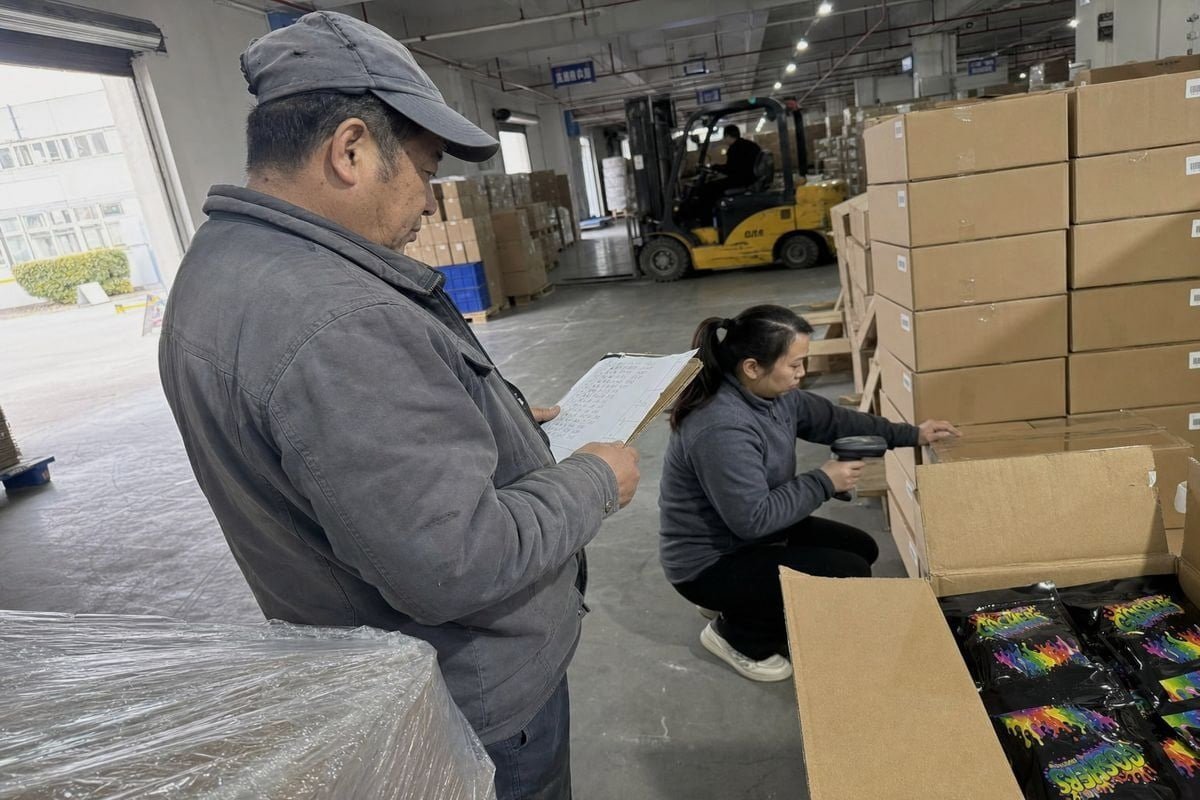
Cláusulas de volume cumprem duas funções ao mesmo tempo. Elas medem seu desempenho e protegem a exclusividade que lhe concedemos. O erro que a maioria dos compradores comete é tratar o mínimo como uma formalidade. Não é. É o preço da sua proteção territorial.
O Modelo Híbrido de Exclusividade
A estrutura que recomendamos, e que acordos sofisticados usam cada vez mais, funciona assim:
- Você recebe direitos exclusivos de distribuição para o prazo inicial.
- A exclusividade é contingente ao cumprimento das obrigações mínimas de compra acordadas.
- Se você não atingir a meta, o acordo se converte automaticamente para o status não exclusivo — mas o relacionamento continua.
- Apenas descumprimentos repetidos ou graves acionam um direito de rescisão baseado no desempenho.
Essa escada de consequências protege ambos os lados. Você nunca perde todo o negócio por um trimestre ruim, e nós nunca ficamos bloqueados de um território que não está sendo desenvolvido.
Ponderação Sazonal de Cotas
Produtos de fogo são sazonais. A demanda por nossos pacotes Magic Fire atinge o pico nos meses de acampamento de verão e na temporada de lareiras de inverno, depois cai acentuadamente nos meses intermediários. Um mínimo trimestral fixo ignora essa realidade.
| Trimestre | Motor da Demanda | Peso Sugerido do Mínimo Anual |
|---|---|---|
| T1 (Jan–Mar) | Uso de lareira no final do inverno | 20% |
| T2 (Abr–Jun) | Início da temporada de acampamento | 25% |
| T3 (Jul–Set) | Pico da temporada de acampamento e fogueira | 35% |
| T4 (Out–Dez) | Temporada de feriados e lareiras | 20% |
Pondere suas cotas dessa forma e negocie um cronograma de aumento para o primeiro ano. Oferecemos regularmente MOQs flexíveis para pedidos de teste precisamente porque um distribuidor que se compromete demais no primeiro mês se torna um parceiro problemático em nove meses.
Que Cláusulas de Renovação e Rescisão Devo Incluir para Proteger Meus Direitos de Distribuição de Longo Prazo?
Uma lição que aprendemos no início de nossos 17 anos de exportação: os acordos que terminam mal quase nunca falham na assinatura. Eles falham na renovação, quando ninguém escreveu o que acontece a seguir.
Inclua um prazo inicial definido de um a dois anos, uma cláusula de renovação automática condicionada ao desempenho, um período de aviso prévio para não renovação de 90 a 180 dias, direitos de cura antes da rescisão, disposições de força maior e um plano de venda ou recompra de estoque para a fase de encerramento.

A linguagem de renovação deve responder a quatro perguntas. Qual a duração do prazo inicial? A renovação é automática ou por acordo mútuo? Qual a duração de cada período de renovação? E qual aviso a impede?
Comparando os Quatro Modelos de Renovação
| Modelo | Como Funciona | Certeza | Quem Ele Favorece |
|---|---|---|---|
| Prazo fixo + renovação automática | Renova a menos que aviso de não renovação seja dado 90–180 dias antes do vencimento | 1 x 20 pés ou 40 pés | Equilibrado |
| Prazo rotativo | Continua até que uma das partes rescinda com aviso prévio | 1 x 20 pés, vários produtos | Fornecedor |
| Renovação por acordo mútuo | Expira a menos que ambos os lados re-assinem ativamente | Baixo | Fornecedor |
| Renovação baseada em desempenho | Renova automaticamente apenas se os mínimos e a conformidade forem atendidos | Alto se você tiver desempenho | Equilibrado |
Referências favoráveis ao distribuidor impulsionam estruturas mais longas de "três e três" — um prazo garantido de três anos renovando por mais três se os critérios forem satisfeitos. Se você está investindo em treinamento de pessoal, armazenamento em conformidade com materiais perigosos e colocação no varejo para um produto de chama especial, essa objeção merece uma resposta real. A nossa é simples: apoiaremos prazos mais longos para parceiros que aceitam a renovação baseada em desempenho, porque a venda mensurável nos dá a confiança para bloquear o território.
Negocie também direitos de cura. Um período de cura de 30 dias após notificação escrita de violação impede que um único pagamento perdido ou erro de papelada mate anos de desenvolvimento de mercado. Adicione disposições de força maior 2 cobrindo interrupções de envio e escassez de matérias-primas — incluímos isso em nossos próprios contratos porque o frete marítimo de Ningbo nem sempre é previsível.
Finalmente, planeje a saída. Especifique direitos de venda de estoque restante, se recompraremos estoque não vendido e protocolos de saída de materiais perigosos 3 para qualquer produto que não atenda mais à rotulagem de segurança atual. Decidir isso no primeiro dia não custa nada. Decidir isso durante uma disputa custa muito.
Como Posso Garantir Que os Requisitos de Conformidade e Certificação Sejam Claramente Escritos no Meu Acordo de Distribuição?
Um comprador de varejo dos EUA disse uma vez à nossa equipe de vendas que a papelada de seu fornecedor anterior falhou em uma auditoria alfandegária 4 — o carregamento ficou apreendido por seis semanas. Essa conversa moldou como redigimos cláusulas de conformidade hoje.
Escreva a conformidade no acordo nomeando as certificações exigidas (ISO 9001, CE, relatórios de teste SGS/Intertek), atribuindo deveres de localização regulatória para Fichas de Dados de Segurança e rotulagem GHS, exigindo padrões de colocação no varejo longe de produtos alimentícios e definindo quem arca com os custos de descarte de estoque não conforme no término.

O pó Magic Fire é um produto químico de consumo. Mesmo que nossas formulações usem materiais ecologicamente corretos sem produtos químicos nocivos, o acordo ainda deve alocar claramente a responsabilidade regulatória. Linguagem de conformidade vaga não é neutra — ela transfere o risco para qualquer uma das partes que o regulador local encontrar primeiro, e geralmente é o distribuidor.
Deveres de Localização Regulatória
Divida as responsabilidades explicitamente. Em nossa estrutura padrão, nós, como fábrica, fornecemos o produto certificado, registros de CQ em nível de lote e Fichas de Dados de Segurança 5 (FISPQ) em inglês. O distribuidor lida com a localização regulatória: traduzindo documentos de FISPQ, garantindo que a embalagem atenda aos padrões GHS regionais 6, e registrando o produto onde a lei local exige. Nossa linha OEM/ODM já imprime rótulos de aviso personalizados, códigos de barras e texto de cautela específico do mercado, portanto, essa divisão funciona de forma limpa — mas apenas se o contrato disser quem faz o quê.
Cláusulas que sua seção de conformidade deve conter
- Um cronograma listando certificados e relatórios de teste necessários, com o fornecedor obrigado a mantê-los atualizados.
- Uma cláusula de mitigação de confusão visual exigindo colocação no varejo longe de doces e alimentos, pois o pó cristalino pastel pode se assemelhar a açúcar grosso.
- Termos de licenciamento de propriedade intelectual cobrindo sua marca própria e nossas marcas registradas, incluindo quem é o proprietário da arte da embalagem personalizada.
- Direitos de auditoria, para que você possa solicitar relatórios atuais do SGS ou Intertek para qualquer lote de produção.
- Protocolos de saída de materiais perigosos atribuindo responsabilidade legal e financeira para devolução certificada ou descarte especializado de estoque desatualizado.
- Uma disposição de mudança de lei, para que uma nova regulamentação acione a renegociação em vez de violação automática.
Temos ISO 9001 7, BSCI, CE e certificações SGS/Intertek porque nossos compradores dos EUA e da UE os tratam como requisitos rígidos, não como algo bom de se ter. Seu acordo deve tratá-los da mesma forma — como obrigações contratuais com documentos anexados, não como garantias verbais.
Conclusão
Território, volume e renovação decidem se o seu acordo de distribuição de pó Magic Fire constrói um mercado ou gera uma disputa. Redija-os com precisão, vincule a exclusividade ao desempenho e coloque a conformidade por escrito.
Notas de rodapé
Explica o conceito legal de acordos de exclusividade referenciados ao conceder direitos de distribuição territorial. ↩︎
Contexto sobre cláusulas de força maior protegendo as partes de interrupções incontroláveis, como atrasos no envio. ↩︎
Orientações da EPA sobre resíduos perigosos apoiam protocolos de descarte adequados para estoque químico não conforme. ↩︎
Recursos comerciais da Alfândega e Proteção de Fronteiras dos EUA relevantes para conformidade e riscos de auditoria alfandegária. ↩︎
Orientações da OSHA sobre Fichas de Dados de Segurança e padrões de comunicação de perigos referenciados para produtos químicos. ↩︎
Visão geral do Sistema Globalmente Harmonizado que rege os padrões de rotulagem de produtos químicos referenciados no artigo. ↩︎
Fonte oficial .gov do NIST fornecendo uma visão geral abrangente dos padrões ISO 9001. ↩︎



 English
  Spanish
  German
  French
  Arabic
  Portuguese
Participe da conversa