






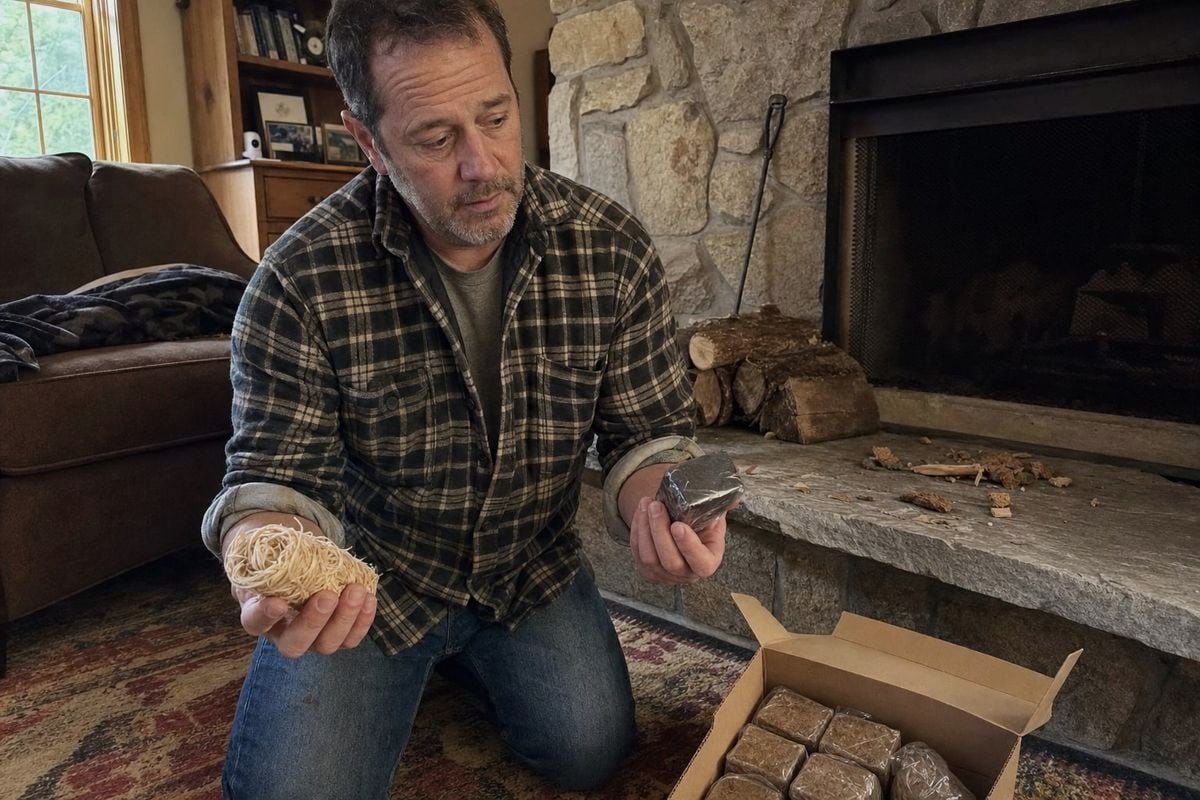
Os compradores continuam me perguntando se iniciadores de fogo de madeira artificial vs. natural realmente importam para os consumidores Certificação SGS/Intertek 1. Após mais de 17 anos gerenciando nossas linhas de produtos de fogo, posso dizer que isso importa enormemente.
Consumidores geralmente veem acendedores de fogo de madeira natural como mais seguros, com cheiro mais limpo e mais sustentáveis, especialmente para fogos internos e de cozinha. Acendedores de fogo artificiais ainda conquistam lealdade pelo preço mais baixo, ignição rápida e confiabilidade em tempo chuvoso. A preferência se divide por caso de uso, não por um simples veredito natural versus artificial.
Essa divisão cria uma decisão real de fornecimento para você. Deixe-me detalhar o que os dados dizem e o que isso significa para sua mistura de produtos.
O que meus clientes realmente pensam sobre acendedores de fogo artificiais versus de madeira natural?
Um distribuidor alemão me disse uma vez que seus retornos diminuíram após mudar para nossos rolos de madeira mergulhados em cera. Seus clientes reclamaram do cheiro químico — não do tempo de queima. Essa conversa mudou a forma como eu leio o feedback do consumidor.
Os clientes julgam os acendedores de fogo em cinco temas: segurança e fumaça, cheiro, impacto ambiental, desempenho e preço. Acendedores de fogo de madeira natural lideram nos três primeiros. Acendedores artificiais se mantêm firmes no preço e na confiabilidade percebida em condições adversas, embora muitas suposições de desempenho estejam desatualizadas.
Aqui está a comparação rápida que a maioria dos compradores nos pede primeiro:
| Tema | Iniciadores de Madeira Natural | Iniciadores Artificiais/Químicos |
|---|---|---|
| Segurança e fumos | Percebidos como de baixa emissão de fumaça, seguros para a família | Preocupações com exposição tóxica em ambientes fechados 2 |
| Cheiro e sabor | Aroma agradável de madeira, sem transferência de odor | Odor químico, evitado perto de alimentos |
| Meio Ambiente | Materiais biodegradáveis e renováveis | À base de petróleo, visto como desperdício |
| Desempenho | Às vezes assumido como mais fraco | Confiável em condições úmidas ou extremas |
| Preço | Visto como premium ou amigável para o faça você mesmo | Custo inicial mais barato |
Segurança e cheiro impulsionam escolhas internas
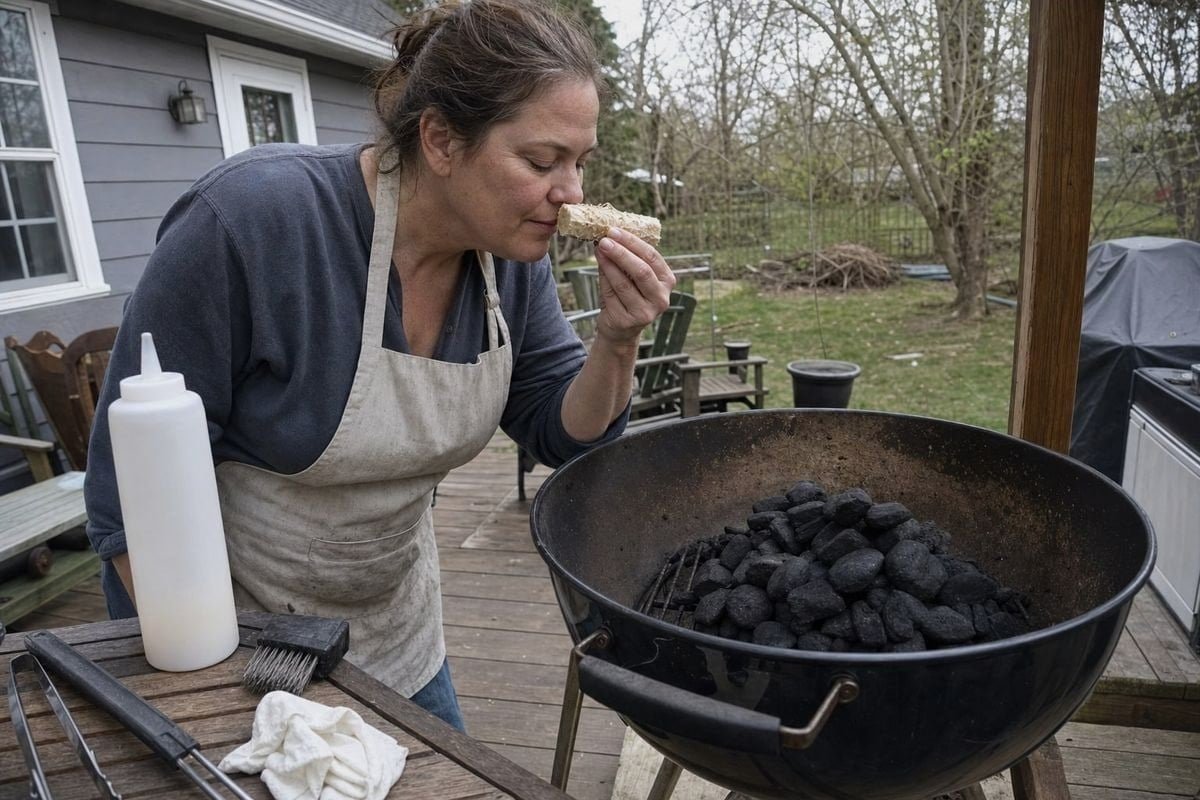
Consumidores que acendem uma lareira ou fogão a lenha sentam-se perto da chama. Eles notam os fumos rapidamente. Pesquisas mostram consistentemente que os compradores associam iniciadores naturais a menos fumos agressivos e menor risco de exposição tóxica em ambientes fechados. Para grelhar, a preocupação se intensifica. Muitas pessoas se recusam a usar cubos químicos perto de alimentos. Eles se preocupam com resíduos e transferência de odor para o que cozinham. É por isso que nossos iniciadores de fibra de madeira e parafina 3 — uma simples composição 50/50 — vendem bem para distribuidores de churrasco. A lista de ingredientes é curta e fácil de confiar.
A lacuna de percepção de desempenho
Aqui está a tensão que vejo com mais frequência. Um relatório de mercado descobriu que 42% dos consumidores ainda acreditam que os iniciadores de fogo verdes têm desempenho inferior, embora testes de laboratório mostrem características de queima comparáveis ou melhores. Portanto, a percepção fica atrás da realidade. Enquanto isso, um estudo publicado sobre iniciadores de fogo ecológicos descobriu que apenas 4% dos lares urbanos na amostra usaram a opção ecológica de gravetos de madeira. O hábito é persistente. Iniciadores artificiais mantêm usuários leais porque são baratos, familiares e vistos como confiáveis na chuva ou no vento. Seu trabalho como comprador é estocar para ambas as mentalidades — e nós projetamos linhas de produtos com exatamente essa divisão em mente.
Como posso usar dados de percepção do consumidor para escolher a combinação de produtos certa para o meu mercado?
Nossos registros de exportação em mais de 30 países contam uma história clara: o que vende em um centro de jardinagem holandês difere acentuadamente do que se move em uma rede de churrasco do Texas. Os dados de percepção só são úteis quando você os mapeia para seu canal real.
Combine produtos com prioridades do comprador por canal: estoque acendedores de madeira natural para segmentos internos, de churrasco e eco-conscientes; mantenha opções acessíveis de cera e fibra para compradores que buscam valor; e ajuste o estoque aos picos sazonais. Use transparência de ingredientes e certificações para justificar preços premium.
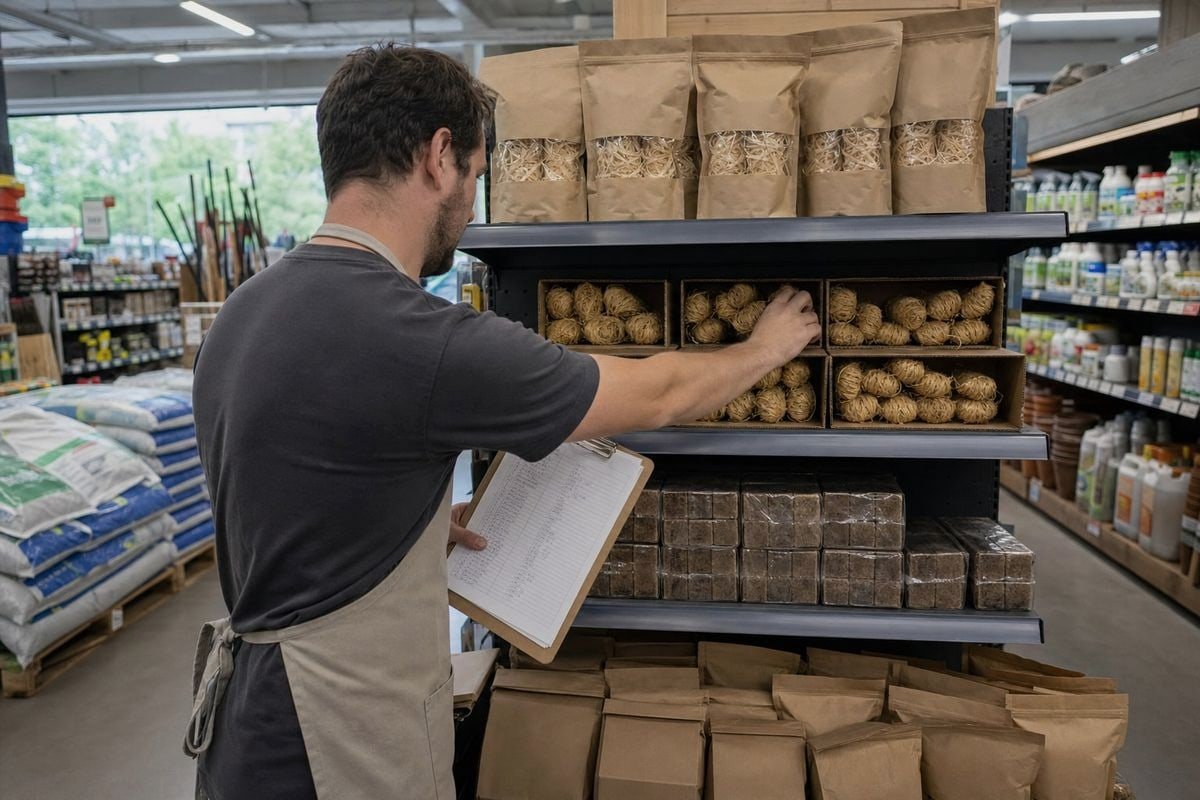
Comece segmentando sua base de clientes, não seu catálogo de produtos. Os dados de percepção se agrupam de forma organizada em tipos de compradores, e cada tipo se mapeia para um produto e ponto de preço diferentes.
Mapear segmentos para produtos
| Segmento de Comprador | Prioridade Máxima | Produto Mais Adequado | Posição de Preço |
|---|---|---|---|
| Residências com lareira | Baixos fumos, cheiro limpo | Rolos de madeira mergulhados em cera, lã de madeira | Médio a premium |
| Churrasco e grelhados | Sem transferência de sabor | Iniciadores de fibra de madeira/parafina | Médio |
| Campistas e atividades ao ar livre | Confiabilidade, portabilidade | Iniciadores compactos, kits de acendalha | Médio |
| Compradores ecologicamente conscientes | Alegações de sustentabilidade | Iniciadores naturais certificados, pacotes a granel | Premium |
| Compradores de valor | Custo por uso | Caixas de 100 peças em multipack | Entrada |
Observe a curva sazonal
Os padrões de compra mudam ao longo do ano. Iniciadores sintéticos e de conveniência disparam no inverno e em torno de feriados, impulsionados em parte pela compra de presentes. Iniciadores naturais mantêm uma demanda mais estável durante todo o ano, ligada a acampamentos e recreação ao ar livre 4. Em nossa experiência de envio para os EUA e Alemanha, os pedidos de iniciadores naturais voltados para lareiras precisam chegar aos distribuidores até o final do verão. Os SKUs voltados para acampamento são reabastecidos na primavera. Planeje os prazos de entrega retroativamente a partir dessas janelas.
Use tendências de volume a seu favor
A compra a granel e em multipack está aumentando para iniciadores naturais. Os consumidores agora comparam o custo por uso, não apenas o preço de etiqueta. Uma caixa de 100 peças de briquetes de fibra de madeira supera os géis de uso único nessa matemática. Nós embalamos para esse comportamento — nossos clientes OEM geralmente solicitam multipacks prontos para exibição com contagens claras por peça impressas na frente, porque esse número fecha a venda na prateleira.
Mais uma nota prática. Não corrija demais para o totalmente natural. O índice de adoção de 4% para iniciadores ecológicos em alguns mercados urbanos mostra que o hábito ainda favorece produtos sintéticos familiares em certas regiões. Uma mistura de transição — natural à frente, mas não apenas natural — protege sua receita enquanto o mercado muda.
Oferecer acendedores de madeira ecológicos mergulhados em cera melhorará a imagem da minha marca junto aos compradores?
Quando estávamos desenvolvendo nossos rolos de madeira mergulhados em cera, um importador do Reino Unido me fez uma pergunta direta: você pode provar a alegação ecológica? Essa pergunta moldou toda a nossa abordagem de conformidade — porque alegações não comprovadas agora prejudicam as marcas mais do que nenhuma alegação.
Sim — iniciadores de fogo de madeira mergulhados em cera ecologicamente corretos fortalecem a imagem da marca quando as alegações são verificáveis. Os consumidores favorecem cada vez mais produtos de ignição biodegradáveis e não tóxicos, e as certificações influenciam as compras mais do que o marketing genérico "natural". Listas de ingredientes transparentes e relatórios de testes transformam o posicionamento ecológico em confiança genuína.
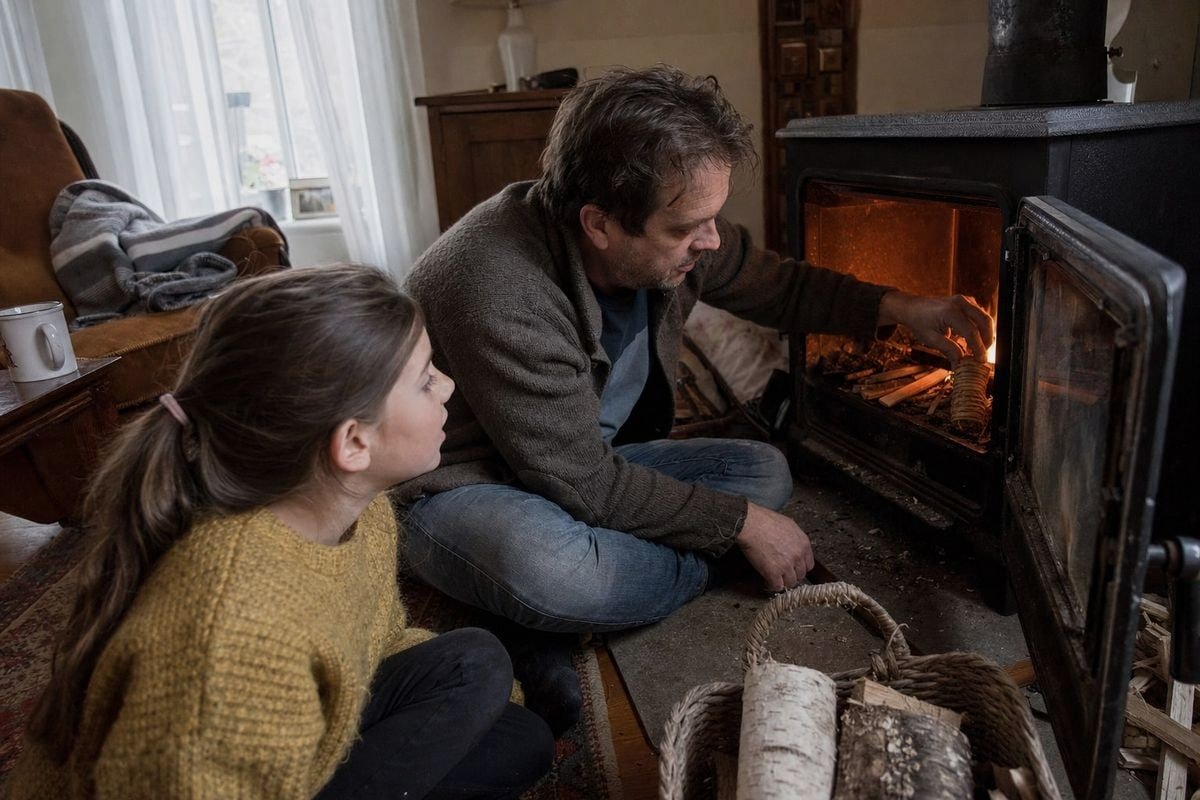
A mudança do consumidor para produtos biodegradáveis, não tóxicos, produtos de fogo à base de plantas 5 é bem documentada em toda a cobertura de mercado. Mas a nuance importante é a confiança. Os compradores agora inspecionam as listas de ingredientes. Eles questionam palavras vagas como "verde" ou "puro". A rotulagem é inconsistente entre os mercados, então o ceticismo é racional. Isso significa que o benefício da imagem da marca não vem da palavra "eco" em uma caixa. Vem da prova por trás da palavra.
Certificações superam adjetivos
Rótulos de certificação como "não tóxico" e marcas reconhecidas de terceiros influenciam cada vez mais as decisões de compra do que alegações genéricas de ingredientes naturais. Isso corresponde ao que nossos clientes B2B relatam. Equipes de sourcing de varejo em grandes redes não listarão um produto de fogo sem documentação. É por isso que mantemos ISO 9001 6, certificação BSCI, CE e SGS/Intertek com relatórios de teste disponíveis para cada lote. Para nossos compradores nos EUA e na UE, este é um requisito rígido, não um "nice-to-have". Sua marca própria herda essa credibilidade.
O que a transparência parece na embalagem
Mantenha a receita simples e declare-a claramente. Nossos iniciadores de fibra de madeira imprimem a composição na caixa: 50% fibra de madeira, 50% parafina. Listas curtas parecem honestas. Veja como os elementos se classificam para a confiança do comprador:
- Marcas de certificação de terceiros e referências a relatórios de teste
- Divulgação completa de ingredientes em linguagem clara
- Alegações específicas (biodegradável, sem produtos químicos adicionados) em vez de vagas
- Rótulos de aviso e instruções de uso seguro, que sinalizam uma marca séria
- Embalagem sem plástico ou reciclável
Há também uma camada emocional que as avaliações raramente mencionam. Iniciadores naturais proporcionam recompensas sensoriais — o cheiro de madeira, o crepitar, o ritual nostálgico de construir uma fogueira. Marcas que se apoiam nessa experiência, apoiadas por conformidade real, constroem uma lealdade que os produtos sintéticos com desconto não conseguem igualar.
Como posiciono acendedores de fogo coloridos e naturais juntos para atender a diferentes preferências do consumidor?
Um cliente canadense me ensinou uma lição de merchandising que ainda repito. Ele colocou nossos pacotes Magic Fire de chama colorida ao lado de iniciadores de fogo de madeira simples no caixa — e ambas as linhas venderam mais rápido. A função e a diversão acabaram sendo complementos, não concorrentes.
Posicione os acendedores de fogo naturais como o essencial funcional e os produtos de chama colorida como a atualização da experiência. Agrupe-os para as épocas de presentes, separe-os para canais de acampamento e mantenha uma mensagem unificada de eco-friendly e não tóxico em ambos, para que compradores preocupados com a segurança confiem em toda a linha.
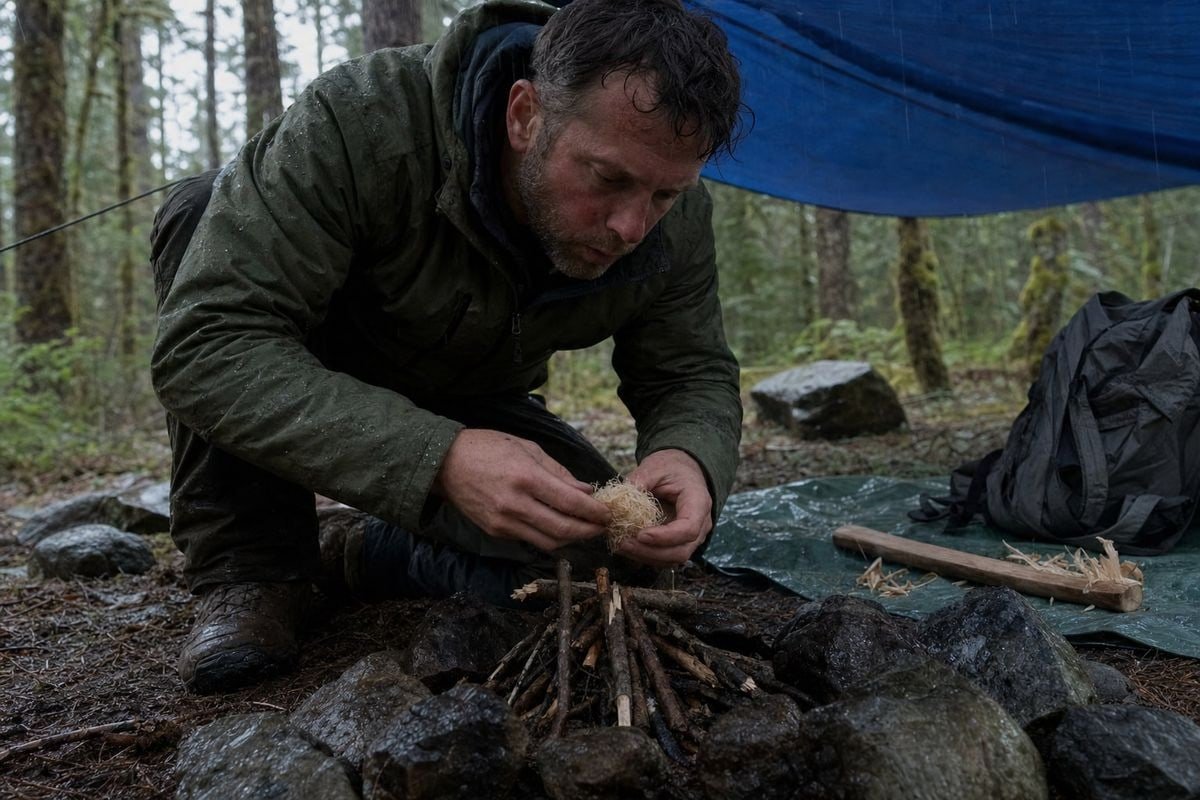
Essas duas categorias respondem a diferentes perguntas dos consumidores. Iniciadores naturais respondem "como acendo esta fogueira com segurança?" Produtos de chama colorida respondem "como torno esta fogueira memorável?" Quando você os posiciona como uma única linha, você cobre tanto a compra prática quanto a compra por impulso em uma única visita à prateleira.
Uma estrutura de dupla posição
| Elemento de Posicionamento | Acendedores de Fogo Naturais | Produtos de Chama Colorida |
|---|---|---|
| Promessa principal | Ignição limpa e confiável | Efeitos de chama divertidos e compartilháveis |
| Motor emocional | Segurança, ritual, nostalgia | Maravilha, celebração, novidade |
| Melhores estações | O ano todo, pico no outono | Feriados, festivais, acampamentos de verão |
| Adequação ao canal | Lareira, churrasqueira, ferragens | Presente, acampamento, fornecedores de eventos e LARP |
| Papel do preço | Volume e compra repetida | Impulsionador de margem e tamanho do cesto |
Mantenha a mensagem de segurança unificada
Eis o risco se posicionar descuidadamente. Consumidores que escolheram iniciadores naturais para evitar produtos químicos podem assumir que os produtos de chama colorida são ricos em produtos químicos. Essa suposição mata as vendas cruzadas. Portanto, a mensagem deve ser consistente: nossos pacotes Magic Fire, pinhas de chama colorida e tochas de cera são feitos de materiais ecológicos sem produtos químicos nocivos — você simplesmente os adiciona a uma fogueira, lareira ou poço de fogo. Diga isso claramente em ambas as linhas de produtos. Um padrão de confiança em toda a linha protege a imagem premium que você construiu com os iniciadores naturais.
Movimentos práticos de empacotamento
Para as temporadas de feriados e festivais, produzimos conjuntos de presentes combinados para clientes OEM — iniciadores de fogo de madeira mais pacotes de chama colorida em uma caixa de exibição. Para canais de camping, mantenha-os adjacentes, mas separados, pois os compradores ao ar livre compram por função primeiro. Nossa personalização completa cobre ambos os caminhos: tamanhos personalizados, tempos de queima, marca própria 7, embalagem de exibição, rótulos de advertência e códigos de barras. Essa flexibilidade permite que você teste um pacote em um mercado sem reconfigurar toda a sua linha.
Conclusão
Os consumidores recompensam os iniciadores de fogo de madeira natural por segurança, aroma e sustentabilidade, mas ainda compram os artificiais por preço e conveniência. Estoque para ambas as mentalidades, prove todas as alegações ecológicas e combine a função com a experiência de chama colorida — essa mistura conquista prateleiras e pedidos repetidos.
Notas de rodapé
Links para um órgão de teste terceirizado reconhecido, citado para verificação de conformidade do produto. ↩︎
Orientação da EPA explica os riscos da qualidade do ar interior relevantes para preocupações com fumaça perto de chamas abertas. ↩︎
Informações básicas sobre cera de parafina, um material chave nomeado na composição do produto. ↩︎
Informações gerais sobre camping apoiam a discussão da demanda sazonal por iniciadores de fogo ao ar livre. ↩︎
Recurso da EPA sobre materiais sustentáveis apoia alegações sobre produtos de ignição biodegradáveis à base de plantas. ↩︎
Norma oficial referenciada como prova de qualidade de fabricação e credibilidade de conformidade. ↩︎
Explica o conceito de marca própria subjacente aos serviços de personalização OEM descritos. ↩︎

 English
  Spanish
  German
  French
  Arabic
  Portuguese
Participe da conversa