






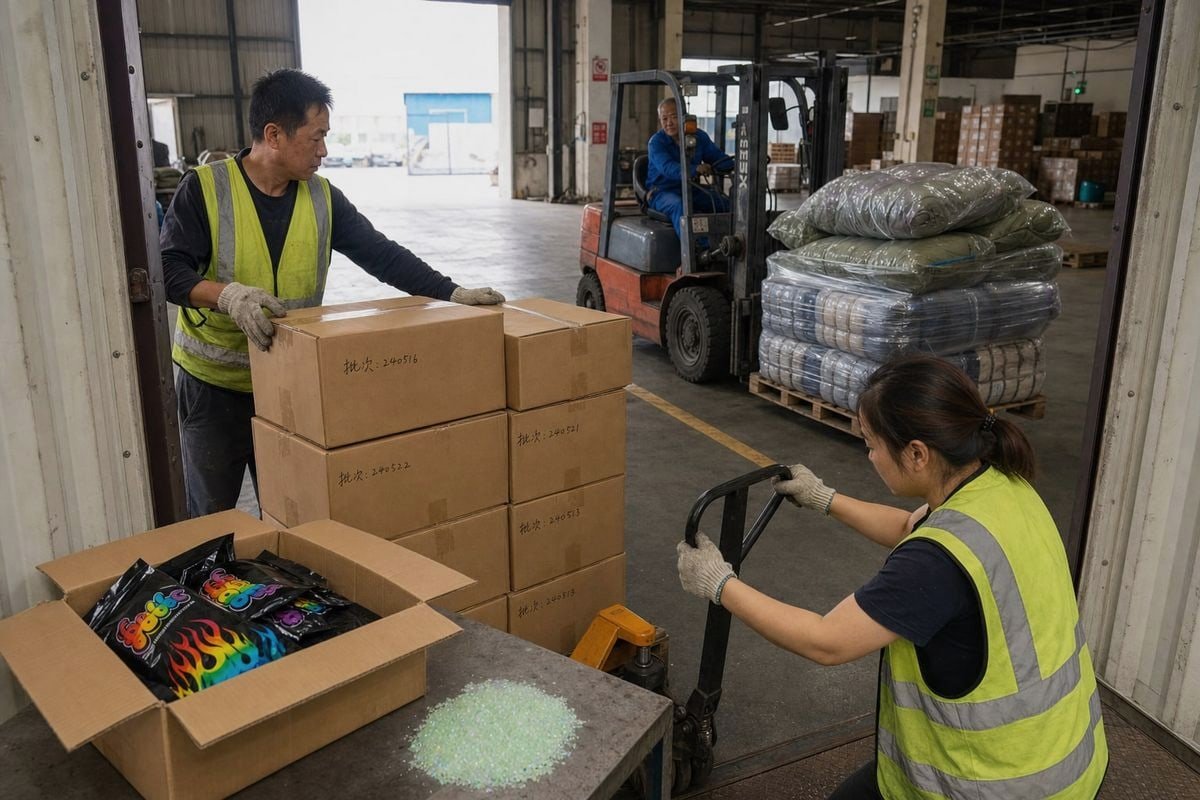
Compradores frequentemente nos perguntam como consolidar pó Magic Fire com tendas e sacos de dormir em um único contêiner. Errar custa dinheiro, atrasos e, às vezes, carga rejeitada.
Para consolidar o pó Magic Fire com tendas e sacos de dormir num só contentor, mantenha o pó na embalagem de retalho selada e certificada, paletize-o separadamente de bens macios, verifique a classificação não perigosa com relatórios de teste SGS e carregue-o longe de zonas propensas à humidade perto das portas do contentor.
Essa é a resposta curta. Os detalhes importam mais. Abaixo, detalho carregamento de carga mista 1, conformidade, economia de custos e rotulagem — passo a passo.
O que devo saber sobre o carregamento de contêineres de carga mista para produtos de combate a incêndio e equipamentos de camping?
Na primavera passada, nossa equipe de logística carregou um contêiner de 40 pés em Ningbo para uma marca alemã de artigos para atividades ao ar livre. Ele continha pacotes de Magic Fire, tendas e sacos de dormir — e foi liberado pela alfândega sem uma única pergunta.
O carregamento de carga mista funciona quando produtos de fogo e equipamentos de camping são paletizados separadamente, o pó é mantido em embalagem interna selada com caixas externas, equipamentos mais pesados ficam baixos e centrais, e todos os itens compartilham classificações de envio compatíveis e não perigosas verificadas antes da reserva.
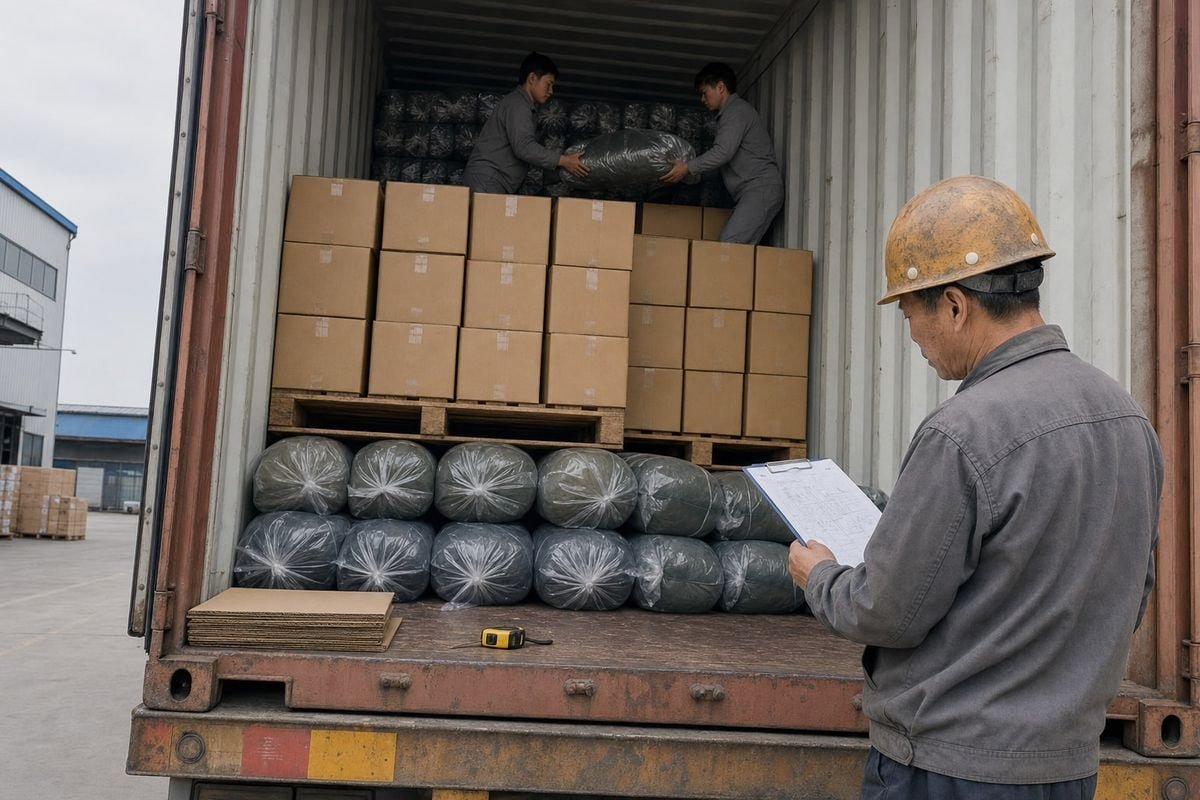
O princípio central do carregamento de carga mista é a separação dentro da consolidação. Você quer um contêiner, mas não quer uma mistura real. Alguns conselhos casuais dizem para maximizar a compactação, apertando tudo junto. Em nossa experiência, essa é uma troca ruim. Tendas e sacos de dormir viajam em sacos de compressão 2 e sacos plásticos. Eles são macios, absorventes e volumosos. Pacotes de chama colorida são consumíveis projetados para combustão. Eles precisam de um local seco, estável e resistente ao esmagamento. Esses dois perfis nunca devem compartilhar espaço solto.
Como Planejamos um Carregamento Consolidado
Nossos planos de carregamento seguem uma sequência simples. Primeiro, confirmamos a classificação de cada SKU. Segundo, mapeamos as posições dos paletes. Terceiro, designamos as caixas de pó para posições internas, longe das portas, onde o risco de condensação 3 é maior. Quarto, adicionamos dessecante e barreiras de umidade, porque recipientes de armazenamento herméticos no nível da caixa protegem o pó cristalino de aglomeração durante uma viagem oceânica de seis semanas.
| Tipo de Carga | Formato de Embalagem | Posição no Contêiner | Risco Principal |
|---|---|---|---|
| Pó Magic Fire | Sachês selados em caixas master, paletizados | Meio do contêiner, fora do chão | Umidade, esmagamento |
| Tendas | Embaladas em sacos plásticos, caixas ou fardos | Camadas inferiores, central | Danos por compressão às varetas |
| Sacos de dormir | Fardos ou caixas comprimidos | Camadas superiores, preenchimento flexível | Umidade, mofo |
Também pesamos uma troca real: fardos de sacos de dormir são leves e podem preencher vazios superiores, mas empilhá-los diretamente sobre caixas de pó arrisca a deformação da caixa. Portanto, limitamos a altura da pilha acima dos paletes de pó. A proteção de equipamentos externos e a proteção do produto precisam trabalhar juntas, não competir. Quando consolidamos para compradores que enviam para os EUA ou Holanda, este mapa de carregamento faz parte dos documentos de envio, para que o armazém receptor possa descarregar na ordem inversa sem confusão.
Como Garanto Que o Pó Mágico de Fogo Atenda aos Padrões de Conformidade Quando Enviado com Outros Itens de Acampamento?
Um distribuidor do Reino Unido me disse uma vez que o corante de chama de seu fornecedor anterior foi retido no porto por falta de documentação de teste. Suas tendas ficaram no mesmo contêiner, reféns de um SKU não conforme. Essa ligação moldou como lidamos com a conformidade hoje.
Garanta a conformidade obtendo relatórios de teste da SGS ou Intertek confirmando a classificação não perigosa, uma MSDS para o pó, rotulagem alinhada à CE e documentação química do mercado de destino antes de reservar. Um SKU não conforme pode deter todo o contêiner consolidado, incluindo suas tendas e sacos de dormir.
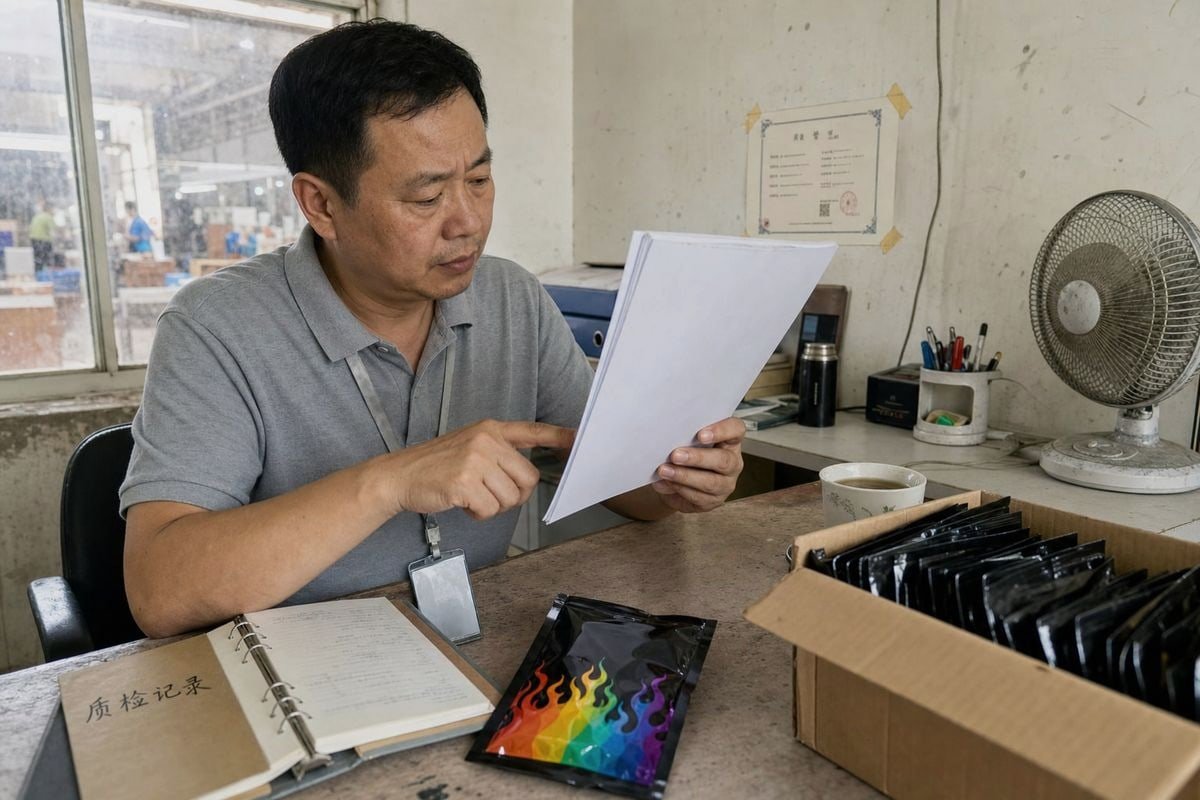
A conformidade é o portão difícil em qualquer plano de consolidação. Agentes de carga não reservarão conscientemente mercadorias químicas não declaradas, e as autoridades alfandegárias testam contêineres mistos. A boa notícia é que, devidamente formulados, produtos color-flame 4 podem ser enviados como carga geral. Nossos pacotes Magic Fire usam formulações minerais ecológicas sem produtos químicos nocivos, e apoiamos isso com relatórios de teste SGS e Intertek. Esses relatórios não são um "nice-to-have". Para nossos compradores nos EUA, Alemanha e França, eles são um requisito rígido.
A Pilha de Documentos que Você Precisa
Aqui está o que preparamos para cada remessa consolidada que inclui produtos com tema de fogo:
- Ficha de Informações de Segurança de Produtos Químicos para a formulação em pó.
- Relatórios de laboratório de terceiros confirmando que o produto não é classificado como mercadoria perigosa para transporte marítimo.
- Documentação de fábrica ISO 9001 e BSCI, que muitos canais de sourcing de varejo solicitam.
- Fatura comercial e lista de embalagem que detalham claramente cada SKU, incluindo códigos HS.
- Documentação específica do destino, como documentação alinhada à CE para mercados da UE.
Por que o Contêiner Inteiro Compartilha o Risco
Alguns compradores assumem que equipamentos de camping e produtos de fogo são avaliados independentemente na alfândega. Na prática, não são. Quando um fiscal sinaliza uma caixa, todo o contêiner pode ser retido para inspeção. Taxas de armazenamento e demurrage então incidem sobre tudo o que está dentro. Segurança do corante de fogueira no nível do produto e conformidade no nível da documentação protegem suas tendas e sacos de dormir tanto quanto o próprio pó. Também realizamos controle de qualidade lote a lote, para que a formulação na caixa um corresponda à formulação no relatório de teste. Consistência é o que mantém as remessas repetidas chatas — e chato é exatamente o que você quer na alfândega.
Posso Reduzir Custos de Envio Combinando Pedidos de Pó Mágico de Fogo com Barracas e Sacos de Dormir?
A matemática surpreendeu um de nossos compradores canadenses. Ele vinha enviando pacotes de chama colorida por LCL e equipamentos de camping por FCL separadamente. Quando calculamos os números dele em consolidação, a economia cobriu todo o seu pedido de teste de embalagem personalizada em saco de papel kraft.
Sim. A consolidação normalmente reduz o custo total de frete porque caixas de pó densas preenchem o espaço do piso enquanto sacos de dormir leves preenchem os vazios superiores, eliminando taxas separadas de LCL, cobranças duplicadas de documentação e múltiplos trechos de entrega. A economia é maior em equipamentos de alto volume e baixo peso combinados com consumíveis compactos.
O frete do contêiner é precificado por caixa, não por quão inteligentemente você a preenche. Barracas e sacos de dormir preenchem um contêiner muito antes de pesá-lo. Os pacotes Magic Fire fazem o oposto: são pequenos, densos e pesados por metro cúbico. Combiná-los é uma técnica clássica de economia de espaço em escala industrial. As caixas de pó ancoram os níveis inferiores e produtos têxteis comprimidos 5 ocupam os espaços superiores estranhos que, de outra forma, seriam enviados como ar pago.
De onde Vêm as Economias Reais
| Item de Custo | Remessas Separadas | Contêiner Consolidado |
|---|---|---|
| O frete marítimo | Duas reservas (LCL + FCL ou duas LCL) | Uma reserva FCL |
| Taxas de documentação | Cobrado duas vezes | Cobrado uma vez |
| Manuseio no destino | Duas etapas de entrega, dois recibos de armazém | Uma entrega, um recibo |
| Utilização de volume | Produtos têxteis são enviados com espaço vazio desperdiçado | Caixas densas preenchem vazios |
| Exposição a danos | Carga LCL manuseada por várias partes | Contêiner selado de fábrica para porta |
Há uma ressalva que sempre levanto. A consolidação só economiza dinheiro se não criar custos de conformidade ou danos a jusante. Uma embalagem estourada manchando tecido de barraca sintético 6 anula as economias de frete instantaneamente. É por isso que nunca tratamos custo e qualidade de embalagem como conversas separadas. Nosso serviço OEM completo também ajuda aqui: como produzimos o pó, os pinheiros de chama colorida e a embalagem de armazenamento de iniciadores de fogo sob o mesmo teto, podemos pré-consolidar na fábrica em Ningbo. Menos pontos de contato significam menos taxas de manuseio e menos chances de danos. Para pedidos de teste, mantemos os MOQs flexíveis para que um comprador possa testar uma carga consolidada antes de se comprometer com volumes de contêiner completo.
Quais Requisitos de Embalagem e Rotulagem se Aplicam ao Consolidar Produtos de Iniciação de Fogo com Outros Equipamentos para Atividades ao Ar Livre?
Durante uma revisão de embalagem há dois anos, nossa equipe de controle de qualidade rejeitou um lote de sachês de folha por causa da resistência da selagem. As selagens passaram em um teste de queda, mas falharam em nosso teste de compressão — a força exata que um sachê enfrenta sob uma pilha de caixas de equipamentos. Resselamos todo o lote.
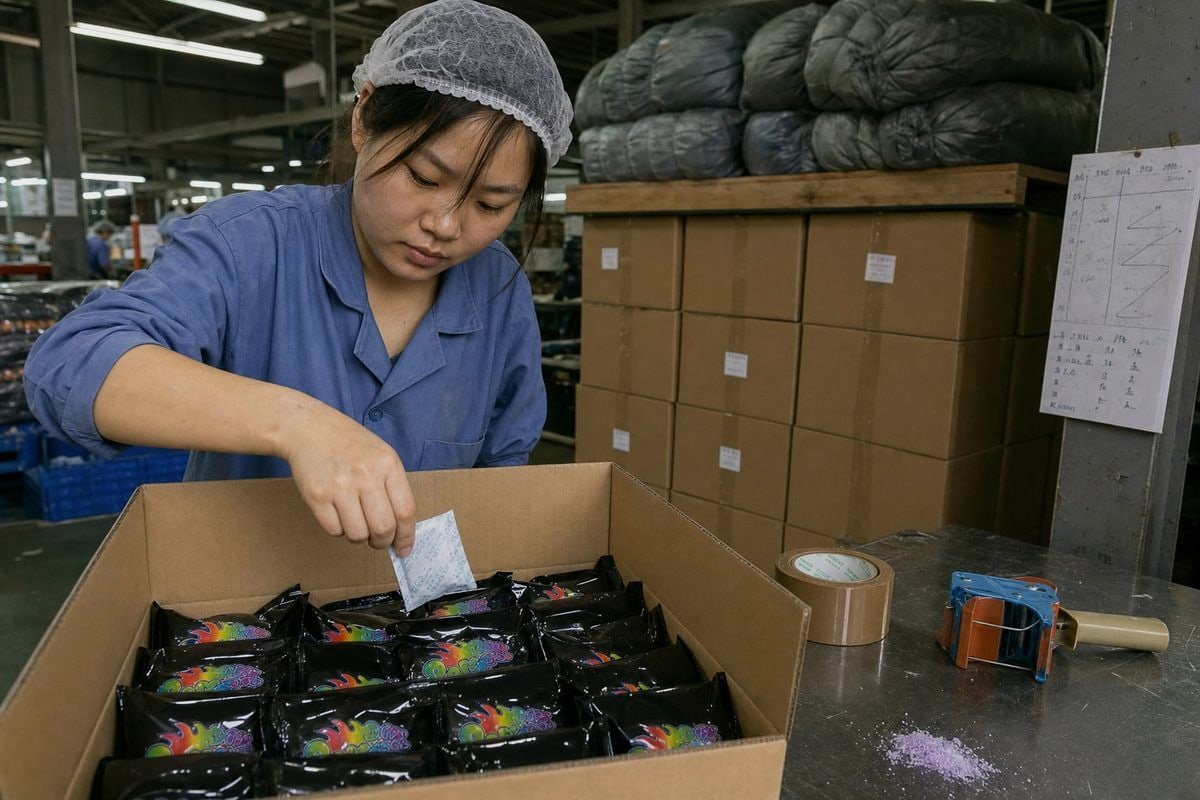
O pó deve ser selado duplamente: um sachê de folha selado a quente dentro de um saco externo ou caixa resselável, com rótulos de aviso, instruções de uso, códigos de lote e códigos de barras na embalagem de varejo. As caixas mestras precisam de proteção contra umidade, papelão com classificação de esmagamento e marcas de manuseio claras que as separem das caixas de bens macios.
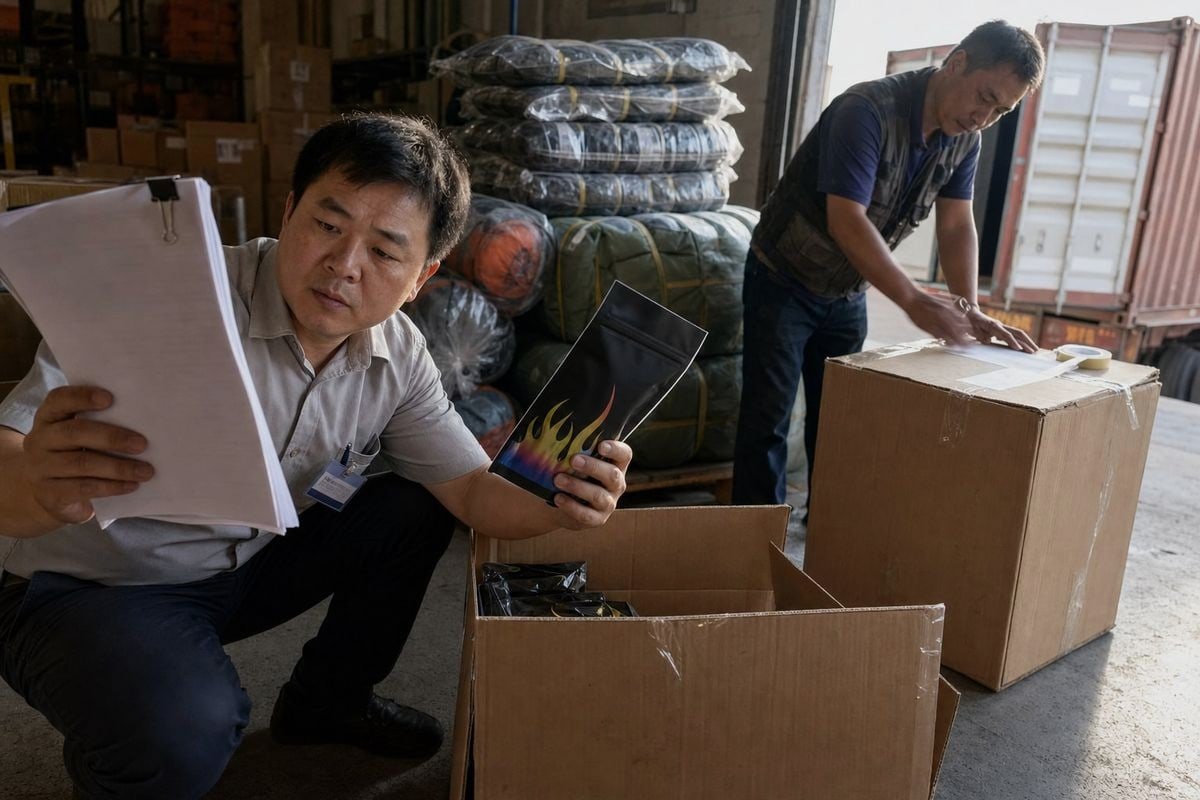
A embalagem cumpre duas funções em um contêiner consolidado. Protege o produto e protege tudo ao redor do produto. Nosso formato padrão Magic Fire é um sachê de folha brilhante selado a quente 7, embalado em um saco kraft vertical com zíper resselável, um pote de plástico ou uma caixa de exibição flip-top. Essa abordagem em camadas espelha o conselho do consumidor que você vê em todos os lugares: embale o pó duas vezes para que um vazamento nunca atinja tecidos absorventes. A mesma lógica se aplica em escala de contêiner — pense na caixa principal como uma versão industrial de sacos secos à prova d'água para as unidades de varejo internas.
Rotulagem Que Sobrevive ao Varejo e à Alfândega
Os rótulos voltados para o varejo devem conter mais do que apenas a marca. Imprimimos texto de aviso em cada sachê: jogue sem abrir apenas em fogueiras, mantenha fora do alcance das crianças, não use para cozinhar e guarde em local seco. Esses pontos se alinham com a forma como os consumidores usam indevidamente os corantes de chama — a embalagem colorida pode ser confundida com doces, e os sais metálicos podem danificar os componentes de fogueiras a gás propano. Para compradores de marca própria, cuidamos de rótulos de aviso personalizados, códigos de barras e instruções multilíngues internamente, de acordo com os requisitos dos EUA, UE ou Reino Unido.
Requisitos em Nível de Caixa para Consolidação
| Requisito | Caixas de Pó | Caixas de Barraca / Saco de Dormir |
|---|---|---|
| Proteção interna | Sachês selados mais dessecante | Sacos plásticos para manutenção de equipamentos de camping |
| Resistência da caixa | Parede dupla, classificada para esmagamento | Parede simples ou dupla padrão |
| Marcas externas | Manter seco, este lado para cima, código do lote | Conteúdo, quantidade, destino |
| Limite de empilhamento | Níveis máximos marcados | Flexível, usado como preenchimento de espaço |
Mais uma nota prática. A boa rotulagem das caixas melhora a organização do equipamento de camping em toda a cadeia. Quando sua equipe de armazém consegue identificar as caixas de produtos de fogo rapidamente, ela as armazena corretamente — secas, frescas e separadas — em vez de empilhá-las sob paletes de sacos de dormir. As decisões de embalagem tomadas em nossa fábrica se refletem na apresentação de sua prateleira de varejo e na segurança de seu cliente final.
Conclusão
A consolidação de pó mágico de fogo com tendas e sacos de dormir funciona — se você separar paletes, verificar a conformidade, selar a embalagem duas vezes e rotular claramente. Lidamos com todas as quatro etapas diariamente para compradores em todo o mundo.
Notas de rodapé
Explica os padrões para contêineres intermodais usados no transporte global de mercadorias mistas. ↩︎
Descreve sacos especializados usados para comprimir equipamentos de acampamento macios para armazenamento eficiente em contêineres. ↩︎
Explicação científica dos riscos de acúmulo de umidade em ambientes de envio fechados. ↩︎
Orientação regulatória sobre conformidade de segurança contra incêndio para produtos de consumo. ↩︎
Aconselhamento logístico profissional sobre embalagem e fixação de vários tipos de carga. ↩︎
Visão geral autoritativa de materiais sintéticos usados na construção moderna de tendas. ↩︎
Entrada enciclopédica autoritativa explicando as propriedades da embalagem de folha de alumínio. ↩︎


 English
  Spanish
  German
  French
  Arabic
  Portuguese
Participe da conversa