






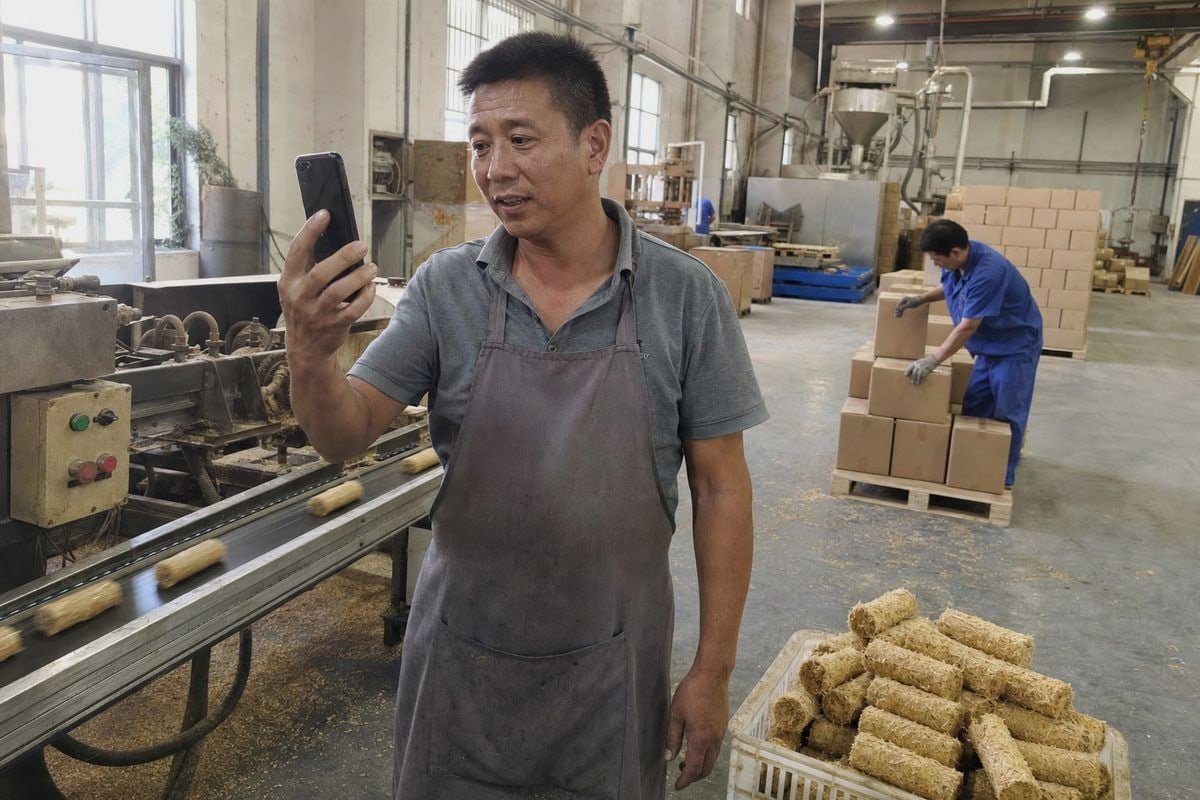
Every autumn, buyers ask me the same question: can our lines really confirm supplier production capacity 1 before peak season for wood fire starters from China? Many suppliers overpromise. Shipments slip. Shelves stay empty.
To confirm supplier production capacity before peak season, verify the factory's legal registration, request machine and line-level output data, review past peak-season delivery records, test pre-production samples, and run a factory audit or live video inspection before committing to bulk wood fire starter orders.
That answer sounds simple. In practice, each step needs specific documents, questions, and proof. Below, I walk through the full verification workflow we recommend to every serious buyer.
What documents should I request to verify a wood fire starter factory's real production capacity?
A German distributor once sent us a checklist with eleven document requests before his first order. We answered all of them in two days. That exchange built trust faster than any sales call, and it taught me what smart buyers actually ask for.
Request the business license with Unified Social Credit Code, a factory audit report, machine and production line lists, monthly output records, current order book status, raw material sourcing contracts, and certifications like ISO 9001 and BSCI to verify real capacity.

Documents are your first line of defense. They separate real factories from trading companies with borrowed photos. In our seventeen-plus years exporting wax-dipped wood rolls and color-flame products to over thirty countries, I have seen buyers skip this step and regret it during Q4.
Start with legal identity
Ask for the full Chinese company name, the Unified Social Credit Code 2, the registered address, and the legal representative. Then verify the entity in official Chinese registries or through a third-party checker. Confirm the business scope includes manufacturing, not only trading. A trading company can still be a good partner, but you need to know who actually controls the production lines during peak season demand forecasting.
Then move to capacity evidence
Vague claims like "we can handle large volumes" mean nothing. Legitimate suppliers give machine-level detail. Here is the document stack I would request:
| Documento | O que Comprova | Sinal de Alerta Se Faltar |
|---|---|---|
| Business license with credit code | Legal identity and manufacturing scope | Supplier may be an unregistered middleman |
| Factory audit report (third-party) | Lines, staff, and QC exist as claimed | Capacity claims are unverified |
| Machine and line inventory | Real production throughput potential | Output figures are guesses |
| Monthly output records | Historical, not theoretical, capacity | Numbers may be inflated |
| Raw material sourcing contracts | Stable wood wool and paraffin supply | Material shortages will stall your order |
| Certificados ISO 9001 / BSCI | Quality system and social compliance | QC may collapse under volume |
Also ask how output was calculated. Real capacity equals the number of lines multiplied by average output per shift, adjusted for drying and packing time. Wood fire starters need wax dipping and curing stages, so a factory quoting raw pressing speed alone is misleading you. For buyers targeting eco-conscious retail channels, ask whether the wood fiber supply chain supports FSC certification claims on packaging too.
How can I check if a Chinese supplier's lead times will hold up during peak season demand?
There is a trade-off we weigh every August: how much capacity to reserve for repeat customers versus new inquiries. Factories that never discuss this openly are usually the ones that miss deadlines, because they take every order and hope overtime saves them.
Check peak-season lead time reliability by requesting Q3/Q4 shipping records from previous years, comparing off-season versus peak-season quoted lead times, asking about current capacity utilization, and confirming raw material stock levels and shift-expansion plans in writing.
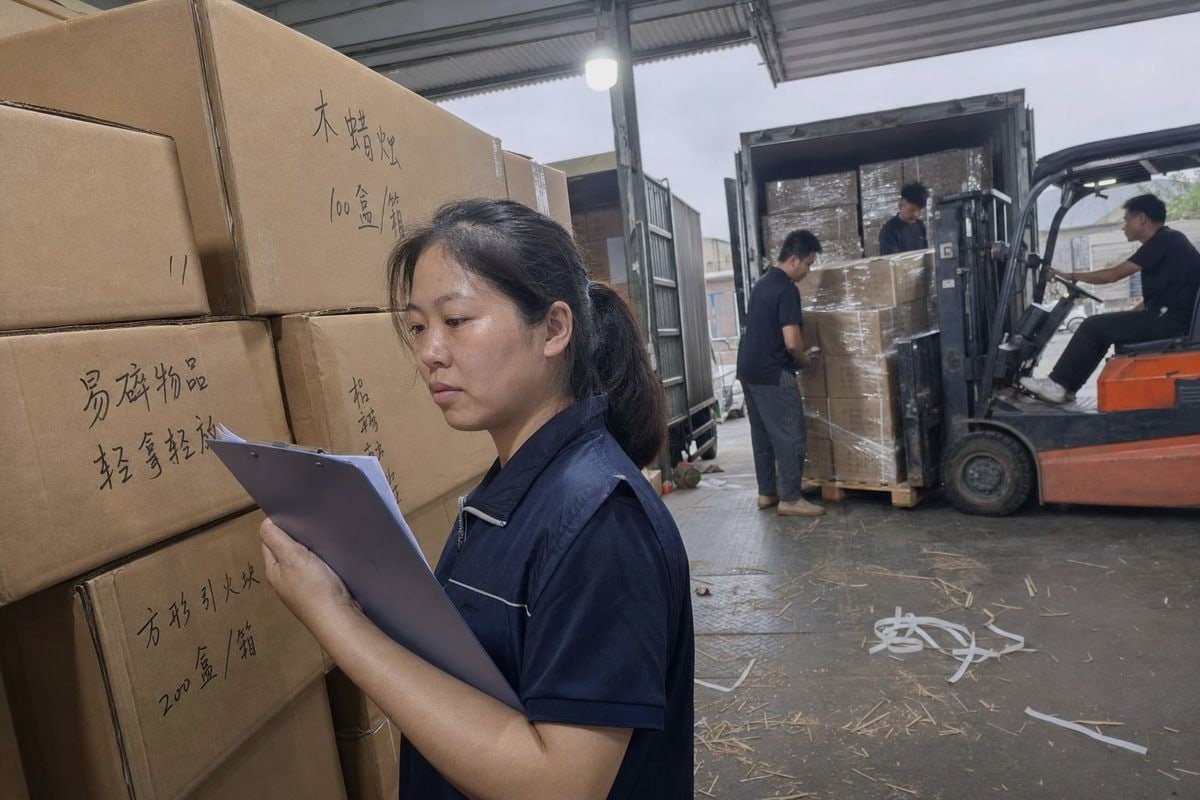
Manufacturing prazos de reabastecimento 3 are where capacity claims break down first. A factory can make excellent samples in April and still miss your October delivery, because peak season stretches every stage: material intake, wax dipping, drying, labeling, and carton assembly.
Compare seasonal lead time quotes
Some supplier listings openly publish two lead times, such as fifteen workdays off-season and one month during peak periods. That honesty is a good sign. If a supplier quotes the same lead time year-round, dig deeper. Ask these questions directly:
- What was your actual on-time shipment rate last Q4?
- How much of your current capacity is already committed for my delivery window?
- What is your seasonal bottleneck — dipping, drying, packing, or carton assembly?
- Can you add shifts or overtime, and at what volume trigger?
- How many weeks of wood wool and paraffin do you hold in dry storage before peak season?
Verify with evidence, not answers
Answers are a start. Evidence is better. Request references from customers in similar export markets. Review platform signals like years active, response rate, and verified status, but treat them as screening tools only, since they never confirm available capacity for your specific window. In our Ningbo production base, we plan peak allocation from historical order data, and we share delivery history with long-term buyers because gerenciamento de risco da cadeia de suprimentos 4 works both ways. A buyer who books early with a confirmed slot protects both sides. A buyer who waits until September competes with everyone else's backlog.
One more practical check: ask about the factory's standing with local environmental bureaus. Seasonal pollution-control shutdowns can freeze production with little warning, and a compliant factory carries far lower risk.
What certifications and quality control steps confirm a factory can handle my order volume consistently?
Batch consistency is a lesson we learned the hard way years ago, when an early production run showed uneven wax absorption 5 between morning and afternoon batches. We rebuilt our dipping controls after that. Consistency at scale is a system, not a promise.
Look for ISO 9001 quality management, BSCI compliance, and SGS or Intertek test reports, plus batch testing records for ignition speed and burn time, incoming raw material checks, in-line quality control inspection, and AQL-based pre-shipment inspection.

Certifications tell you a system exists. Quality control records tell you the system actually runs. You need both, because a factory that passes an audit in March can still cut corners in November when lines run double shifts.
Certifications that matter for fire starters
| Certificação / Relatório | O que Cobre | Why It Matters at Volume |
|---|---|---|
| ISO 9001 | Sistema de gestão da qualidade 6 | Ensures documented processes survive staff turnover and overtime |
| BSCI compliance | Social and labor standards | Reduces risk of labor-driven disruptions and retailer rejection |
| Relatórios de teste SGS / Intertek | Product safety and performance | Independent proof of ignition and composition claims |
| Marcação CE (quando aplicável) | Conformidade com o mercado da UE | Required by many European distributors |
| Documentação MSDS | Dados de segurança do material | Needed for shipping, customs, and retail compliance |
For our US and European buyers, this stack is a hard requirement, not a nice-to-have. Large retail sourcing channels will reject shipments without it, no matter how good the product looks.
QC steps that prove scale readiness
Ask the factory to walk you through its quality management system in three stages. First, incoming control: moisture testing of wood fiber and wax purity checks, backed by stable raw material sourcing agreements. Low-moisture wood is critical, because damp fiber ruins ignition performance. Second, in-process control: batch testing records for ignition speed and tempo de queima 7, sampled per shift, not per week. Third, outgoing control: AQL-based pre-shipment inspection before containers load.
Then apply the golden rule we follow on our own lines: approve a golden sample, then request a small pre-production batch made on the actual production line, not in a sample room. Compare the two. If the line batch matches the sample in strand density, wax coverage, and burn time, the factory's production throughput and QC discipline are real.
Should I schedule a factory audit or video inspection before placing a bulk wood fire starter order?
A US camping-brand buyer once joined a live video walk of our Ningbo floor at seven in the morning our time. He counted the dipping stations himself and checked our carton assembly area. He placed his first container order the following week.
Yes. Schedule a third-party factory audit for large orders, or at minimum a live video inspection, to confirm machinery condition, active workers, line count, QC procedures, and whether real available capacity matches your forecast volume before paying a deposit.

An audit should answer one question above all others: does actual available capacity match your order volume in your delivery window? Confirming that a factory merely exists is not enough. Third-party factory verification firms can assess business type, production lines, machinery condition, workforce size, supervision structure, and QC staff count in a single visit.
Choose the right verification level
| decidir sua profundidade de inspeção | Exposição de Caixa Inicial | O que Confirma | Limitation |
|---|---|---|---|
| Desk research + documents | Initial screening | Legal identity, certifications | No physical proof |
| Live video inspection | Trial orders, remote buyers | Active lines, real workers, machinery | Camera shows only what is framed |
| Third-party factory audit | First bulk orders | Capacity, QC systems, compliance | Snapshot in time; costs money |
| Personal on-site visit | Parcerias de longo prazo | Everything, plus relationship building | Travel time and expense |
What to check during the audit
Direct the auditor or your own eyes toward capacity proof, not just cleanliness. Count operational machines and active workers. Ask how many lines are dedicated to wood fire starters versus shared with other products. Cross-reference claimed output against utility records if the auditor can access them, since idle machinery leaves an electricity trail. Ask whether any peak-season work is subcontracted to secondary workshops, because unverified subcontracting is one of the biggest hidden risks in Q4.
We welcome inspections at both our Liuyang headquarters and our Ningbo production site, and in my experience, factories that hesitate to open their doors usually have something to hide. Finally, lock what you verified into the contract: tie deposits and payments to delivery milestones, name the reserved capacity, and specify the pre-shipment inspection standard. Verification without contract language is only half the job.
Conclusão
Peak season punishes unverified capacity claims. Verify documents, test lead-time history, demand QC proof, audit the factory, then lock capacity into your contract before ordering.
Notas de rodapé
1. Defines the maximum output a supplier can achieve within a specific timeframe. ↩︎
2. Explains the standard identification system used for all registered businesses in mainland China. ↩︎
3. Wikipedia provides a standard definition of lead time within manufacturing and supply chain contexts. ↩︎
4. Explains the strategic coordination of supply chain activities to reduce vulnerability and ensure continuity. ↩︎
5. Wikipedia provides technical details on paraffin wax, the material absorbed by wood fire starters. ↩︎
6. Wikipedia offers a comprehensive overview of Quality Management Systems and international organizational standards. ↩︎
7. Refers to the standardized testing of how long a material maintains combustion. ↩︎


 English
  Spanish
  German
  French
  Arabic
  Portuguese
Participe da conversa