






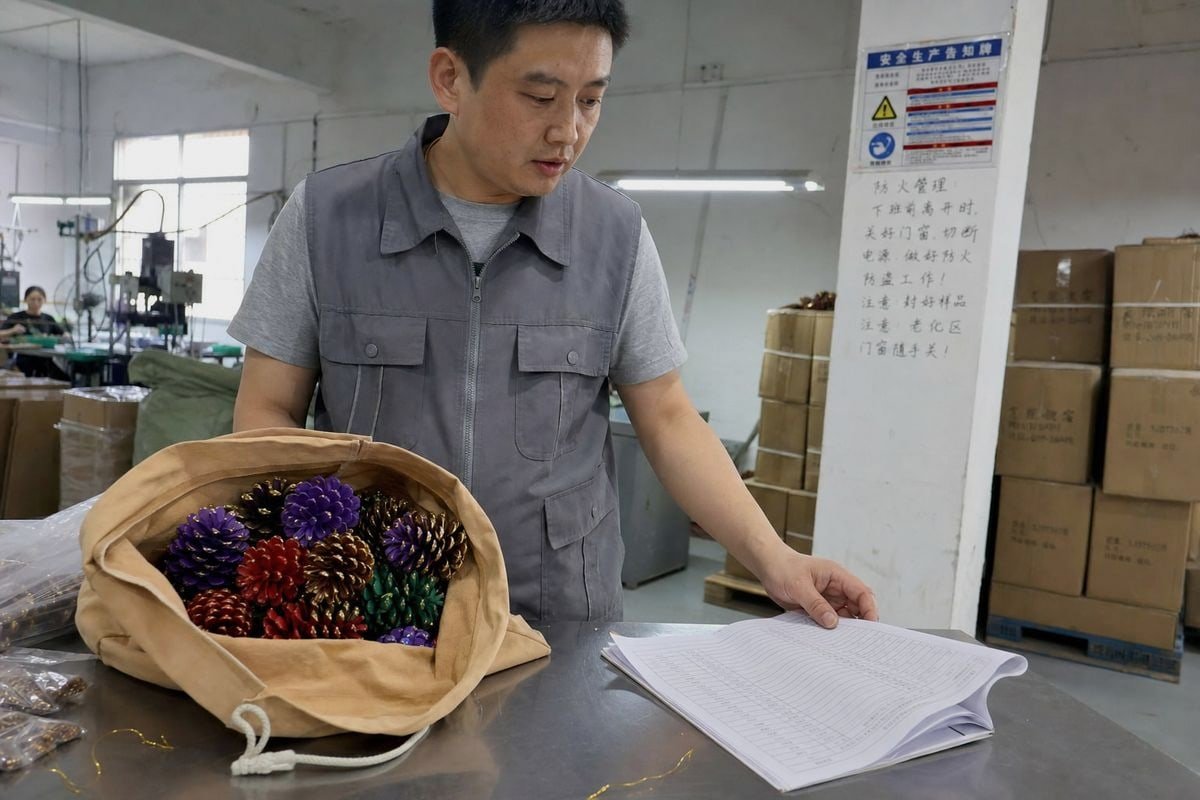
Pinhas coloridos para lareira parecem inofensivos, mas já vi compradores perderem contêineres inteiros por erros de classificação regras da IATA 1. Em nossa linha de produção, aprendemos essa lição de conformidade cedo — e isso mudou a forma como enviamos.
Pinhas coloridas para lareira não são automaticamente mercadorias perigosas. Para confirmar, solicite uma Ficha de Dados de Segurança, uma divulgação de composição química e um Relatório de Identificação de Condições de Transporte ao seu fornecedor chinês. Esses documentos revelam se os corantes de sal metálico acionam a classificação de sólido inflamável ou oxidante durante o transporte.
A resposta parece simples. Na prática, a maioria dos compradores ignora essas verificações. Abaixo, detalho cada documento, cada risco de classificação e cada etapa que você deve seguir antes de transferir um depósito.
Que Documentos Devo Solicitar ao Meu Fornecedor para Verificar a Classificação de Mercadorias Perigosas?
Um distribuidor alemão uma vez enviou um e-mail para nossa fábrica pedindo "prova de que suas pinhas não serão apreendidas". Essa única pergunta deu início a uma semana de troca de documentos — e me ensinou exatamente o que um comprador sério deve exigir. Auditoria BSCI 2.
Solicitar cinco documentos: uma Ficha de Dados de Segurança em inglês, uma divulgação completa da composição química, um Relatório de Identificação de Condições de Transporte de um instituto chinês autorizado, relatórios de teste de terceiros da SGS ou Intertek e o código HS declarado pelo fornecedor com descrição alfandegária. Juntos, estes comprovam o status de classificação.

Deixe-me explicar por que cada documento é importante e como é uma versão legítima. Em nossos mais de dezessete anos exportando produtos de chama colorida para mais de trinta países, vimos arquivos de FISPQ falsos, relatórios de teste reciclados e códigos HS 3 copiados de produtos não relacionados. Você precisa saber a diferença.
Os Cinco Documentos Principais Explicados
A Ficha de Informações de Segurança de Produtos Químicos — às vezes ainda chamada de Ficha de Dados de Segurança de Materiais 4 — é o seu ponto de partida. Ela lista cada substância usada no tratamento de coloração da chama. Se o seu fornecedor não puder produzir uma, ou enviar um arquivo de uma página sem seção de ingredientes, desista. Uma FISPQ real tem dezesseis seções e nomeia os corantes de sal metálico 5 usados.
O Relatório de Identificação de Condições de Transporte é específico da China e muitas vezes negligenciado por importadores de primeira viagem. As autoridades portuárias chinesas tratam este relatório como a decisão definitiva sobre se um produto é enviado como carga geral ou como material perigoso regulamentado. Institutos autorizados o emitem após testar o produto real, não a descrição de marketing.
| Documento | O que Comprova | Sinal de Alerta Se Faltar |
|---|---|---|
| Ficha de Dados de Segurança (FDS) | Formulação química completa e classe de perigo | Fornecedor escondendo produtos químicos de tratamento |
| Divulgação da composição química | Corantes e aglutinantes exatos usados | Possíveis nitratos ou compostos de bário |
| Relatório de Identificação de Condições de Transporte | Decisão oficial chinesa sobre o status da carga | Rejeição no porto no embarque |
| Relatórios de teste SGS/Intertek | Verificação independente de alegações de segurança | Reivindicações são apenas marketing |
| Código HS + descrição alfandegária | Categoria de declaração correta | Penalidades por declaração incorreta no destino |
Por que Oferecemos Esses Documentos
Em nossa fábrica em Liuyang, preparamos este arquivo antes que um comprador pergunte. Nossas pinhas de chama colorida usam formulações ecológicas sem produtos químicos nocivos, e nossos relatórios SGS e Intertek comprovam isso por escrito. Um fornecedor que resiste a pedidos de documentos está lhe dizendo algo. Ouça esse sinal. Um fornecedor que envia o pacote completo em dois dias úteis já fez isso antes — e essa experiência protege seu envio.
Como Sei Se Pinhas Coloridas Serão Classificadas Como Perigosas Durante o Envio ou o Desembaraço Aduaneiro?
Existe um equilíbrio que pesamos constantemente no desenvolvimento de produtos: cores de chama mais brilhantes e duradouras versus um perfil químico mais limpo que mantém o produto fora das categorias regulamentadas. Essa tensão está no centro dessa questão de classificação.
A classificação depende do tratamento químico, não do pinheiro em si. Produtos que utilizam sais oxidantes como nitrato de bário podem cair sob o UN1479 como sólidos oxidantes, enquanto certas formulações acionam o status de sólido inflamável UN3178. Uma revisão da FISPQ e testes de transporte fornecem a resposta definitiva antes da reserva.

Aqui está o modelo mental que compartilho com novos compradores: "seguro para queimar em uma lareira" e "liberado para enviar através de um oceano" são duas perguntas completamente separadas. Um produto pode passar em todos os testes de segurança do consumidor e ainda assim exigir uma declaração de mercadorias perigosas sob as Código IMDG 6 para frete marítimo ou regras da IATA para frete aéreo.
O Que Realmente Impulsiona a Classificação
Três variáveis decidem o resultado. Primeiro, a química do corante. Compostos de cobre produzem chamas azul-esverdeadas; estrôncio dá vermelho; potássio dá roxo. Alguns desses sais são benignos em termos de transporte. Outros — especialmente nitratos — são oxidantes, e oxidantes mudam tudo. O teor de nitrato de potássio pode até levantar preocupações de combustão espontânea em longas viagens marítimas, o que força requisitos de ventilação ou estiva.
Segundo, o aglutinante. Muitas fábricas aderem corantes usando cera de parafina ou resinas. Um aglutinante inflamável pode diminuir o ponto de fulgor efetivo do produto e empurrar um item de madeira comum, de outra forma, para o território de sólidos combustíveis. É por isso que a análise da composição química do produto acabado é mais importante do que a análise da pinha bruta.
Terceiro, o modo de transporte. O mesmo pacote de pinhas coloridas pode ser transportado como carga geral por via marítima, mas enfrentar restrições ou recusa total por via aérea. Serviços de courier aplicam suas próprias regras além dos regulamentos da IATA, e eles são geralmente mais rigorosos.
| Tipo de Formulação | Classificação Provável | Classificação Típica de Número ONU | Impacto no Envio |
|---|---|---|---|
| Sais não nitrados, aglutinante à base de água | Carga geral | Nenhum exigido | Frete marítimo/aéreo padrão |
| Aglutinante de cera ou resina, carga moderada de sal | Caso a caso; possíveis sólidos inflamáveis | Possivelmente UN3178 | Teste necessário primeiro |
| Corantes à base de nitrato (oxidantes) | Classe 5.1 Oxidante | Frequentemente UN1479 | Declaração de DG, estiva especial |
A Pergunta por Trás da Pergunta
Quando desenvolvemos nossos próprios pinhas de chama colorida, formulamos deliberadamente para evitar a classificação como oxidante. Essa escolha nos custou tempo de desenvolvimento. Mas significa que nossos compradores nos EUA, Alemanha e Canadá reservam contêineres padrão em vez de espaços para mercadorias perigosas — uma diferença de custo que se acumula em cada remessa. Pergunte ao seu fornecedor se ele fez a mesma escolha, e peça os dados de teste que comprovam isso.
Quais Certificações ou Relatórios de Teste Confirmam que Meus Pinheiros de Fogo São Seguros para Importação?
No início de nossa história de exportação, um comprador do Reino Unido rejeitou a remessa de um concorrente que havia sido liberada pela alfândega chinesa perfeitamente — porque falhou em uma verificação de substâncias no lado do destino. Essa história moldou como construímos nossa pilha de certificação.
Procure relatórios de teste da SGS ou Intertek que cubram substâncias restritas, um certificado de sistema de qualidade ISO 9001, documentação de conformidade com o regulamento REACH para mercados da UE, prova de tratamento térmico ISPM-15 para o material de madeira e marcação CE, quando aplicável. O desembaraço de exportação na China não garante a aceitação de importação no exterior.

As certificações respondem a duas perguntas diferentes, e os compradores frequentemente as confundem. Alguns documentos provam que o produto é seguro. Outros provam que a fábrica pode produzi-lo com segurança, lote após lote. Você precisa de ambos.
Prova em Nível de Produto
Relatórios de teste de terceiros são a espinha dorsal. Um relatório da SGS ou Intertek sobre as pinhas acabadas deve cobrir metais pesados, substâncias restritas e — para mercadorias destinadas à UE — conformidade com o regulamento REACH. O REACH é enormemente importante aqui porque os corantes de sal metálico são exatamente o tipo de substâncias que o regulamento fiscaliza. Se você vende para Alemanha, França ou Holanda, um fornecedor sem documentação REACH está entregando a responsabilidade a você.
Não se esqueça do lado biológico. Pinhas são produtos de madeira natural. As normas ISPM-15 exigem tratamento térmico ou fumigação 7 para matar pragas como o nematoide da madeira do pinheiro. As alfândegas agrícolas dos EUA e da UE levam isso a sério — pinhas com casca sem prova de tratamento podem acionar rejeição automática, independentemente de quão limpo seja o perfil químico. Peça o certificado de fumigação ou tratamento térmico para cada lote, não apenas para o primeiro.
Prova em Nível de Fábrica
Um relatório de teste descreve uma amostra em um dia. Um sistema de qualidade descreve todos os dias. Nossa Certificação ISO 9001 8 e auditoria BSCI existem porque grandes canais de fornecimento de varejo exigem evidências de que o lote cinquenta corresponde ao lote um. Em nossa experiência, os compradores que perguntam sobre controle de qualidade lote a lote antecipadamente são aqueles que escalam seus pedidos mais tarde. Aqui está a lista de verificação que eu usaria em sua posição:
- Solicite o relatório SGS ou Intertek e verifique o número do relatório diretamente com o laboratório.
- Confirme a documentação REACH se algum país da UE estiver em seu plano de distribuição.
- Peça o certificado de tratamento ISPM-15 vinculado ao seu lote de produção específico.
- Verifique as datas de validade do certificado ISO 9001 da fábrica.
- Confirme os requisitos de marcação CE para sua categoria de produto e mercado.
- Pergunte se a fábrica ou uma empresa comercial possui esses certificados — a resposta revela quem realmente controla a qualidade.
Esse último ponto merece ênfase. Empresas comerciais frequentemente apresentam certificados emprestados. Uma fábrica real pode mostrar a linha de produção que o certificado cobre, convidar uma auditoria e reemitir relatórios de teste em novos lotes sem desculpas.
Como Posso Evitar Atrasos ou Rejeições de Envio Causados por Rotulagem Incorreta de Mercadorias Perigosas?
Os erros mais caros que vi não foram causados por produtos perigosos. Foram causados por papelada que se contradizia — uma fatura dizendo uma coisa, uma etiqueta de caixa dizendo outra, e um oficial de alfândega notando.
Alinhe todos os documentos antes de reservar: a SDS, o nome da declaração alfandegária, o código HS, as marcações da caixa e os detalhes da reserva do transitário devem descrever o mesmo produto de forma idêntica. Use um transitário experiente em manuseio de DG e pré-aprove a classificação por escrito com eles.
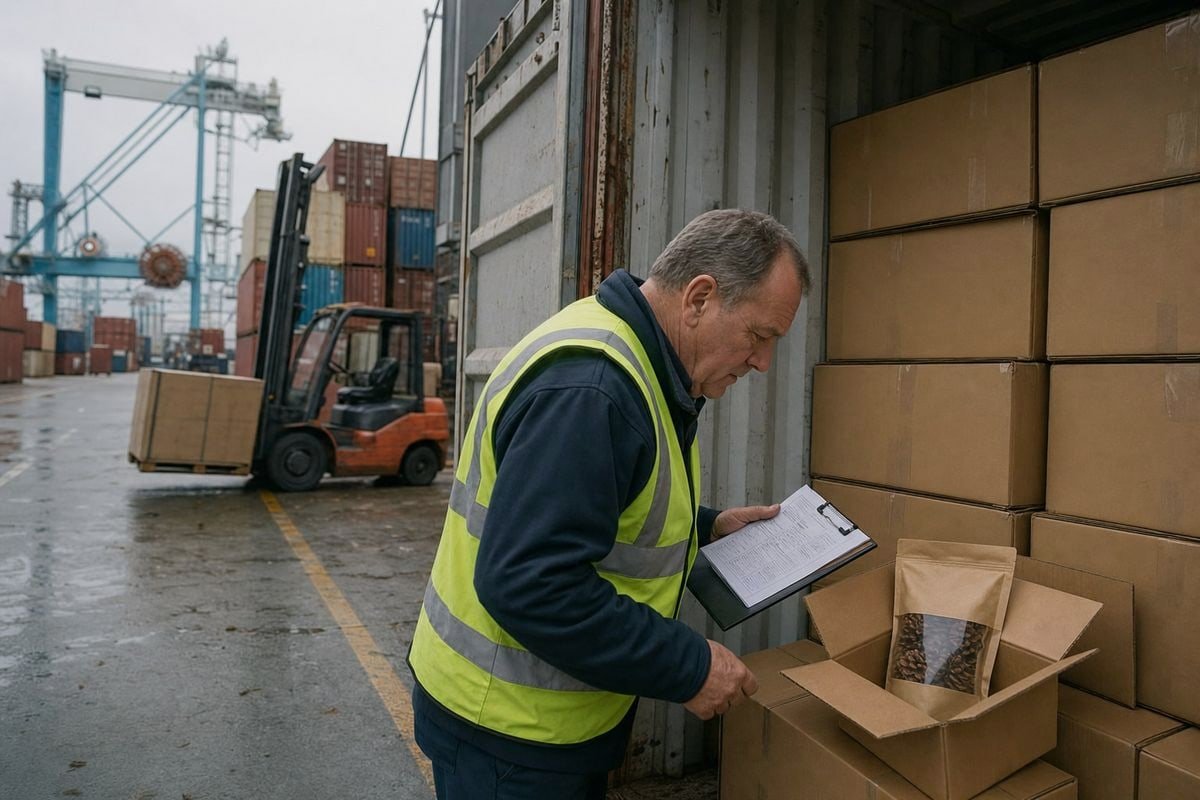
Consistência é o jogo inteiro. Os sistemas alfandegários sinalizam contradições, não produtos. Um saco de pinhas coloridas não perigosas com uma fatura desleixada atrai mais escrutínio do que uma remessa de mercadorias perigosas devidamente declarada.
Onde as Remessas Realmente Falham
Deixe-me mapear os pontos comuns de falha contra suas correções. Construímos esta tabela a partir de ações corretivas reais em nossos mercados de exportação:
| Ponto de Falha | O que dá errado | Como Preveni-la |
|---|---|---|
| Incompatibilidade do código HS | O código da fatura difere da categoria declarada | Confirme o código com o fornecedor e o despachante antes do envio |
| Nome vago do produto | "Decoração de Natal" na fatura, "produto de fogo" na SDS | Use uma descrição consistente e precisa em todos os lugares |
| Registro de decisão de DG ausente | Nenhuma decisão escrita de que o produto não é perigoso | Mantenha o Relatório de Identificação das Condições de Transporte em arquivo |
| Suposições incorretas do transportador | Reserva de frete aéreo para um produto que os correios restringem | Pergunte ao seu agente de frete sobre as políticas de manuseio de DG por modalidade |
| Embalagem sem certificação | Mercadorias quimicamente tratadas em caixas não verificadas | Se classificado como DG, exija o Certificado de Embalagem para Mercadorias Perigosas |
| Rótulos de aviso ausentes | O mercado de destino exige avisos de fogo para o consumidor | Imprima etiquetas de aviso compatíveis na fase de fabricação |
Construa a Trilha de Papel Antes que a Carga se Mova
Meu conselho prático: monte uma única pasta de conformidade por SKU antes do seu primeiro envio. Ela deve conter a SDS, o relatório de identificação, os relatórios de teste, o certificado ISPM-15 e uma declaração assinada pelo fornecedor confirmando a classificação declarada. Quando um oficial de alfândega ou transportador fizer uma pergunta, você responderá em minutos em vez de dias. Dias de silêncio são o que transformam inspeções em rejeições.
A embalagem e a rotulagem também merecem atenção na fase de fabricação. Em nossos projetos de OEM, imprimimos rótulos de advertência, códigos de barras e textos de conformidade do mercado de destino diretamente na embalagem de varejo — sacos de papel kraft, potes ou caixas de exibição — para que o produto chegue pronto para as prateleiras e para inspeção ao mesmo tempo. Adaptar rótulos em um armazém de destino é lento, caro e propenso a erros. Lidar com isso na origem custa quase nada.
Finalmente, escolha seu parceiro logístico pela competência, não pelo preço. Um despachante que envia materiais perigosos semanalmente identificará um problema de classificação na reserva. Um despachante geral pode descobri-lo apenas quando o porto recusar seu contêiner.
Conclusão
Pinhas coloridas para lareira falham em envios devido a química não verificada e documentação incompatível, não ao produto em si. Exija a SDS, o relatório de identificação e os documentos alinhados — então compre com confiança.
Notas de rodapé
Recurso oficial da IATA para regulamentos relativos ao transporte de materiais perigosos por via aérea. ↩︎
Página oficial da amfori descrevendo o sistema de auditoria social para monitoramento das condições de trabalho na cadeia de suprimentos.
 English
  Spanish
  German
  French
  Arabic
  Portuguese
Participe da conversa