






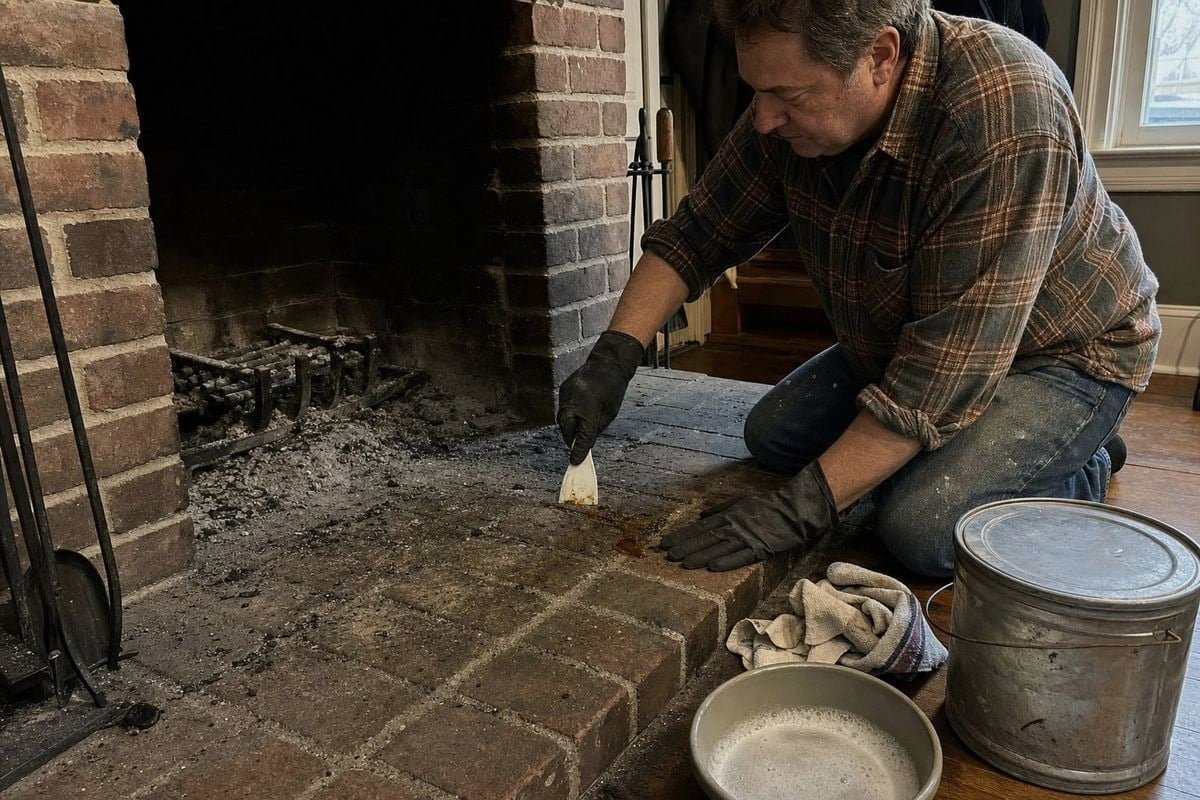
Cleaning ash and wax residue after wood fire starters burn out frustrates many buyers we serve. Ash flies everywhere, wax smears onto brick, and cleanup feels harder than the fire itself.
To clean ash and wax residue after wood fire starters burn out, wait until everything is fully cold, shovel ash into a metal bucket, scrape hardened wax with a plastic scraper, then wipe surfaces with soapy water. Never use plastic bins or household vacuums for ash.
That is the short answer. Below, I break down each step, explain the tools that work, and show you how starter formulation affects how much residue you deal with.
What's the Safest Way to Remove Leftover Ash From My Fireplace or Fire Pit?
During a factory burn test in Ningbo last winter, one of our QC technicians found glowing embers hiding under ash a full day after the flame died. That moment shaped how we write our cleanup guidance.
The safest way to remove leftover ash is to wait 24 to 96 hours until it is completely cold, check for hidden embers, then scoop it with a metal shovel into a metal bucket with a lid. Store the bucket outdoors, away from anything flammable, before disposal.
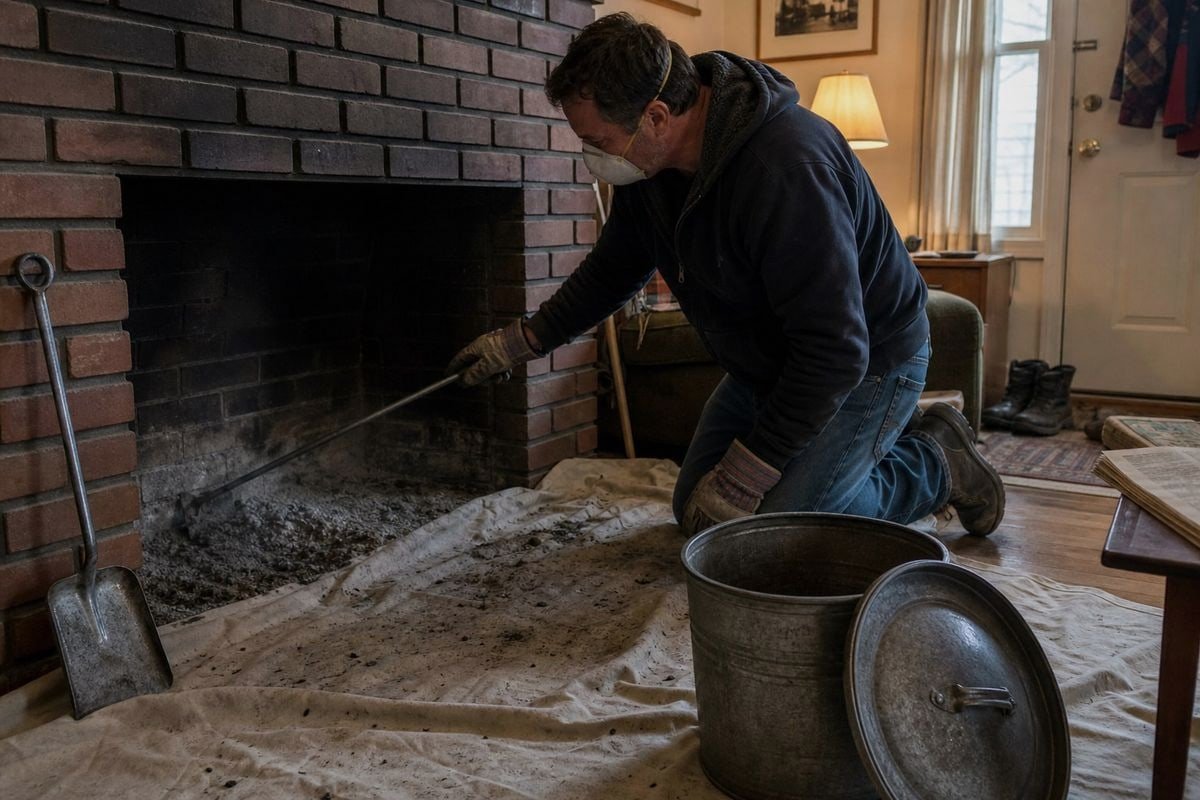
Ash looks harmless. That is exactly why it causes so many accidents. Fine gray powder can insulate live embers 1 for days, especially in deep piles or well-insulated fireboxes. Sources on fireplace maintenance disagree on exact timing — some say 12 hours, some say 36, and some recommend up to four days. My advice is simple: follow your appliance manual if you have one, and when in doubt, wait longer.
A Step-by-Step Ash Removal Process
- Lay a drop cloth or dust sheet around the hearth to catch fine ash.
- Open a window and put on gloves. A dust mask helps if ash tends to go airborne.
- Stir the ash gently with a metal poker and watch for any glow or heat.
- Scoop the bulk of the ash with a metal shovel into a metal bucket.
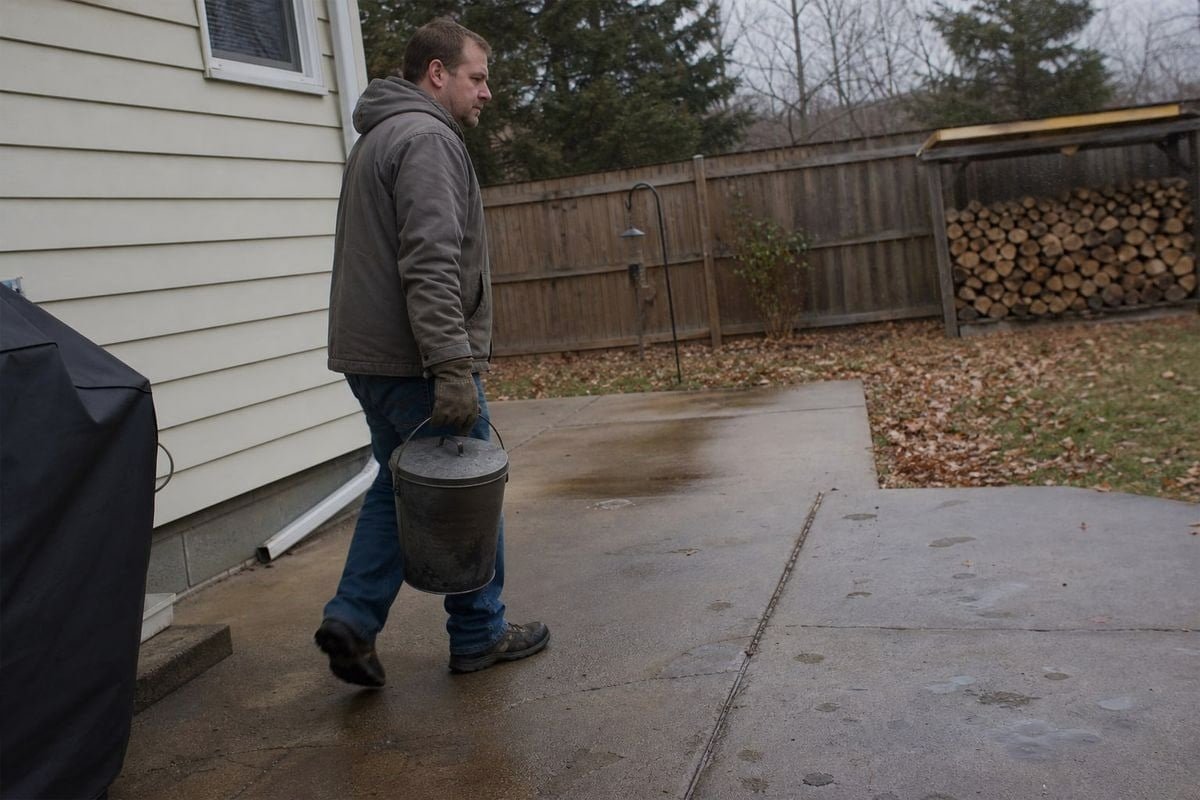
- Fit the lid, carry the bucket outside, and set it on concrete or stone.
- Leave the bucket outdoors for about a week before final ash disposal.
Ash disposal safety is not optional. Warm ash in a plastic bag 2 can melt through and ignite trash. Wet ash is also mildly corrosive, so leaving it sitting in a metal firebox invites rust over time.
| Faça Isto | Not That |
|---|---|
| Metal shovel and lidded metal bucket | Plastic dustpan, plastic bag, or bin |
| Wait until fully cold, then check twice | Clean the same evening as the fire |
| Ash vacuum or approved wet/dry vac | Regular household vacuum cleaner |
| Store ash outdoors for a week | Dump ash straight into household trash |
| Leave a thin ash bed on the firebox floor | Scrape the firebox to bare metal every time |
One useful trick: keep about a one-inch layer of old ash on the firebox floor. It protects the grate and helps your next fire catch faster.
Why Does Wax Residue Build Up on My Grates, and How Can I Prevent It?
A distributor in Germany once emailed us photos of waxy drips on a customer's cast-iron grate. The cause was not the starter itself — it was where the starter had been placed.
Wax residue builds up when a starter's paraffin melts faster than it burns, letting liquid wax drip through grates before the flame consumes it. Prevent it by placing starters on a small ash bed, keeping them dry, and choosing high wood-fiber formulations that absorb melting wax.
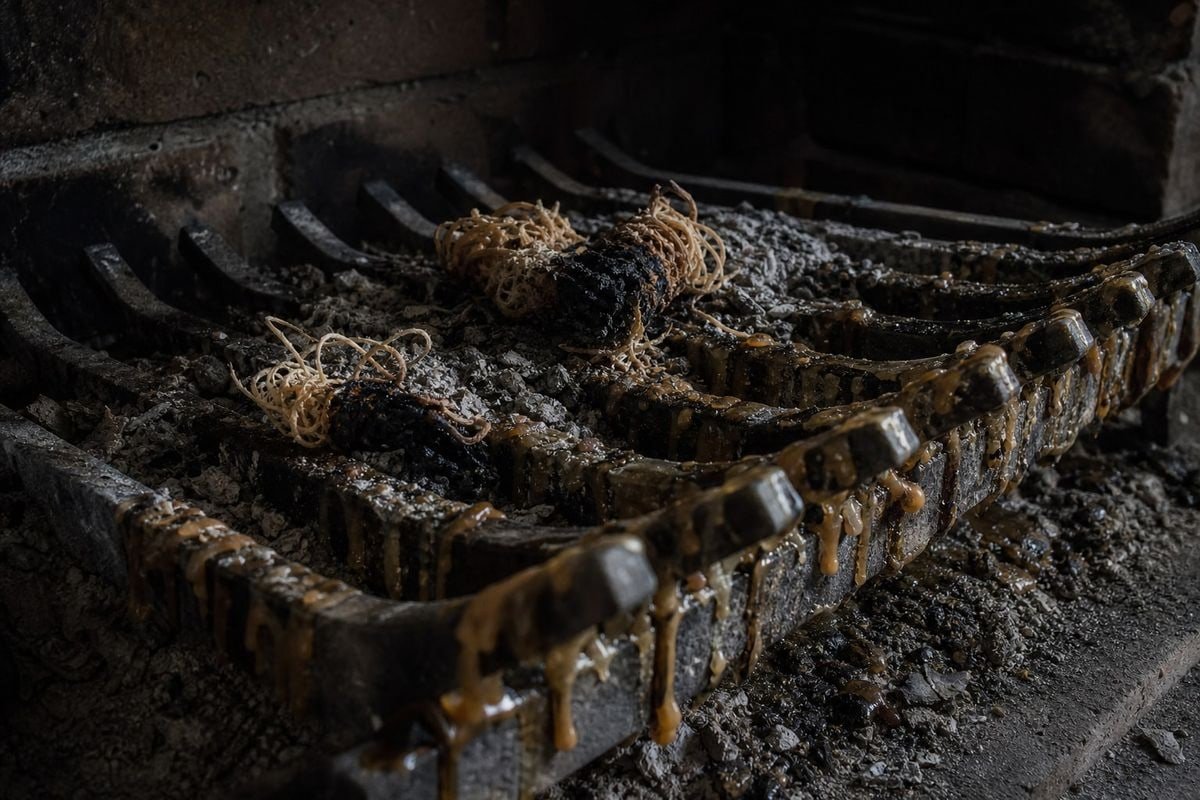
Here is what happens chemically. A typical wax-based starter — ours use roughly 50% fibra de madeira 4 and 50% parafina 5 — ignites the wax first. The wax melts, wicks into the wood fiber, and burns as vapor. When everything works, almost nothing drips. But if the flame is smothered early, if the starter sits on a cold metal grate, or if airflow is poor, liquid paraffin escapes before it burns. It runs down, cools, and hardens into that stubborn film you find later.
Why the Wood Fiber Ratio Matters
The wood wool acts like a candle wick. It holds the melted wax in place until the flame can consume it. Starters with too much wax and too little fiber overflow, just like an over-filled candle. On our production line, we control the wax-dip weight per piece precisely for this reason. A consistent wax-to-fiber ratio means consistent, near-complete combustion — and far less paraffin wax removal work for the end user.
Three Prevention Habits That Actually Work
- Build a sacrificial ash bed. Place the starter on a small mound of dry ash. The ash absorbs any melting wax like a sponge, then leaves with the next cleanup.
- Keep starters bone dry. Damp fiber burns cold and slow, which lets wax pool instead of vaporize. Store starters sealed and off the ground.
- Give the flame air. Do not bury a starter under heavy logs. Poor airflow smothers the flame, lowers the burn temperature, and increases both dripping and soot and carbon deposits.
Prevention is genuinely easier than removal here. A hardened wax film on a cold grate takes ten times longer to clean than the thirty seconds it takes to set the starter on an ash bed.
Which Cleaning Tools and Methods Work Best Without Damaging My Fire Pit Surface?
Choosing between speed and surface protection is a real trade-off. I have watched people ruin fireplace glass with a razor blade in seconds, trying to save five minutes of gentler work.
Use a plastic putty knife or wooden scraper for hardened wax, a metal shovel and ash vacuum for ash, and damp newspaper dipped in cold ash for glass. Avoid razor blades, metal scourers, and abrasive pads, which permanently scratch glass, enamel, and painted surfaces.
Different surfaces need different methods. That is the single most important rule of firebox cleaning. What is safe on cast iron will destroy tempered glass 6, and what works on glass will barely touch porous brick. Start with the gentlest option and escalate only if needed.
| Risco de resíduos | Melhor Método | Evitar |
|---|---|---|
| Fireplace glass | Damp newspaper dipped in cold ash, rubbed in circles; or commercial glass cleaner | Razor blades, steel wool, abrasive pads |
| Metal firebox / grate | Remove ash, scrape wax with plastic tool, wipe with warm soapy water, dry fully | Leaving damp ash to sit; harsh acids |
| Brick or stone hearth | Brush or vacuum, then paper bag + warm iron to lift wax; cornstarch on fresh spills | Aggressive metal scraping; open-flame heating |
| Painted trim / surround | Mild soap, soft cloth, least aggressive method first | Heat guns near paint; solvent soaking |
The Ash-Paste Trick for Glass
It sounds strange, but cold wood ash is a gentle natural abrasive. Dip a damp paper towel or crumpled newspaper into fine ash and rub the glass in small circles. Soot and wax film lift off without scratching. This costs nothing and works better than most sprays.
Removing Wax From Brick and Stone
Removing wax from brick is the hardest job on this list because masonry is porous. My preferred sequence: let the wax harden fully, lift the bulk with a heat-resistant scraper made of plastic or wood, then place a brown paper bag over the residue and run a warm iron over it. The paper absorbs the melting wax and its oils. For fresh spills, a dry-wicking dusting of cornstarch or talcum powder pulls oil out before it stains. For deep-set residue, a handheld steam cleaner can liquefy wax in the pores, followed immediately by wet-vac extraction. Some staining may still remain on old spills — that is normal for porous stone 7, and bio-enzymatic cleaners formulated for hydrocarbons can help break down what is left. If soot has traveled up the flue, that is beyond DIY territory; annual chimney sweep services should handle creosote buildup inside the chimney itself.
How Can I Tell If a Wood Fire Starter Is Formulated to Leave Less Residue Behind?
Buyers visiting our Liuyang headquarters often ask this exact question before placing trial orders. The honest answer is that residue behavior is designed into the product long before it reaches a shelf.
A low-residue wood fire starter has a balanced wood-fiber-to-wax ratio around 50/50, uses clean paraffin or plant wax without chemical accelerants, burns 8 to 10 minutes with a steady flame, and leaves only light gray ash rather than black tar or pooled wax.
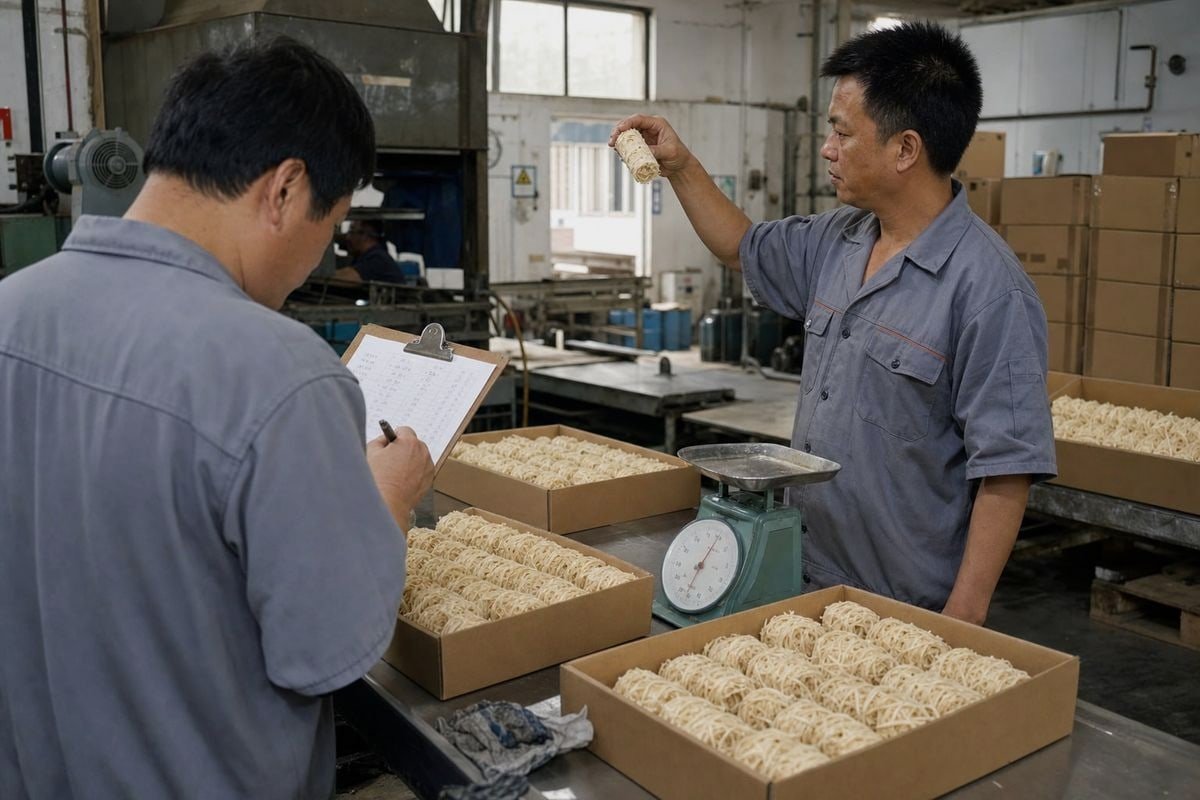
You cannot judge a starter by its photo. But you can judge it by a few simple checks, and by asking the supplier the right questions. After 17 years of running burn tests batch after batch, here is what I look for.
What to Check Before You Buy
| Quality Signal | O que isso lhe diz |
|---|---|
| Declared composition (e.g., 50% wood fiber, 50% paraffin) | Transparent formulation; balanced wick-to-wax ratio means cleaner combustion |
| Relatórios de teste de terceiros (SGS ou Intertek) | Verified burn behavior and no harmful chemical additives |
| Certifications like ISO 9001, BSCI, CE | Consistent production control, so batch 50 burns like batch 1 |
| Stated burn time (typically 8–10 minutes) | Long enough to consume its own wax fully before dying |
| No kerosene or chemical smell | No petroleum accelerants that produce black soot and carbon deposits |
Do a Simple Residue Test
Burn one starter alone on a clean metal tray outdoors. Watch it for the full burn. A well-formulated piece burns with a steady yellow-orange flame, consumes its wax as it goes, and leaves a small mound of soft gray ash. A poorly formulated piece drips liquid wax within the first minute, smokes heavily, or leaves a black tarry disc stuck to the tray. That tarry disc is exactly what will end up welded to your grate at home.
Why Batch Consistency Matters More Than One Good Sample
One clean-burning sample proves nothing about the next carton. Wax-dip weight, fiber density, and compression all drift if a factory does not control them. On our lines, we weigh dipped pieces against a target tolerance and pull samples from every batch for burn testing. That discipline is why the first sample a distributor tests reflects what their customers actually receive — and why fireplace maintenance stays easy for the end user instead of becoming a complaint ticket. If you are sourcing for wood stove cleaning-conscious markets like Germany or the UK, ask your supplier for their batch QC process 8, not just a spec sheet. The answer tells you everything.
Conclusão
Cleaning ash and wax residue after wood fire starters burn out comes down to patience, the right tools, and buying well-formulated starters that burn clean in the first place.
Notas de rodapé
1. EPA wood-burning safety guidance supports warning about hidden embers in ash. ↩︎
2. Consumer safety agency documents fire risks from disposing hot ash in plastic. ↩︎
3. Fire safety authority NFPA addresses ember retention risks in fireboxes. ↩︎
4. Wikipedia entry for wood wool, the technical term for excelsior wood fiber material. ↩︎
5. Background reference on the wax material used in fire starter formulations. ↩︎
6. Background on tempered glass explains why abrasive cleaning damages it. ↩︎
7. National Park Service preservation briefs cover proper masonry and stone cleaning. ↩︎
8. ISO 9001 standard underpins the batch quality control process suppliers should follow. ↩︎


 English
  Spanish
  German
  French
  Arabic
  Portuguese
Participe da conversa