






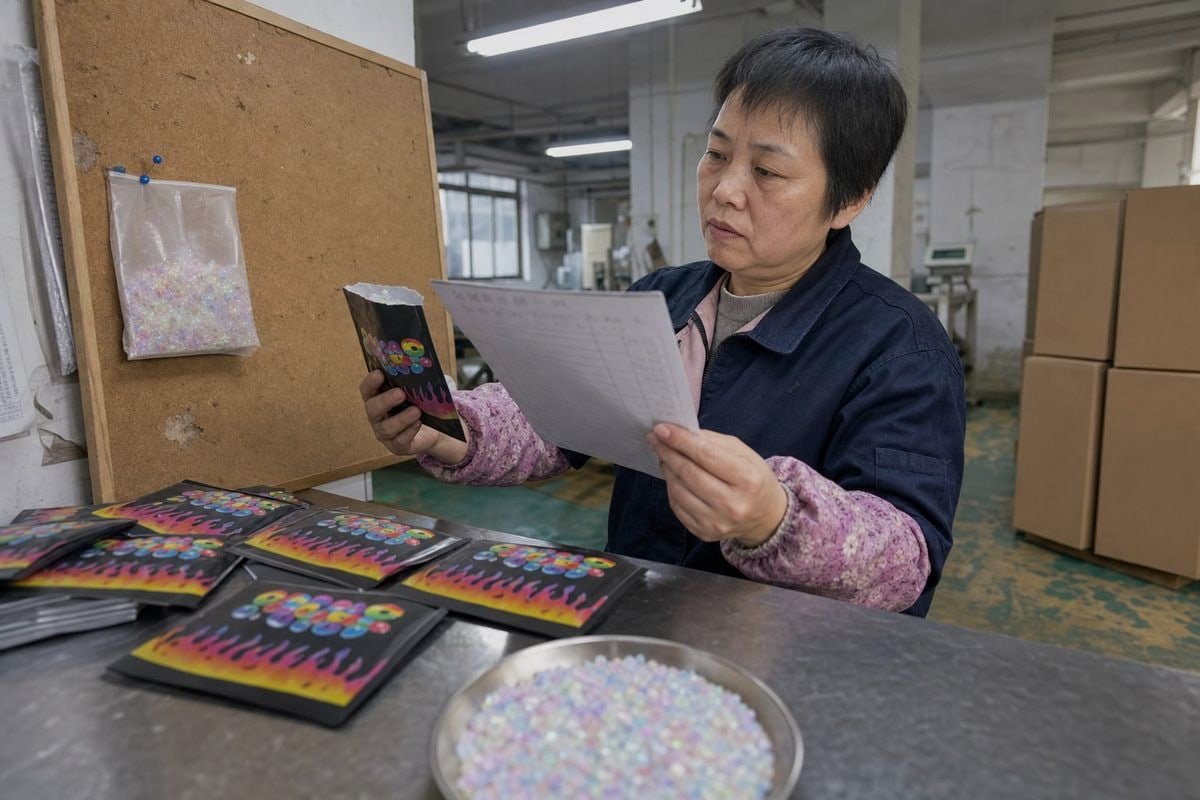
Riscos de qualidade e avaliações negativas destroem lançamentos de produtos mais rápido do que qualquer outra coisa Padrões de amostragem AQL 1. Em nossa linha de produção de chamas coloridas, já vi um lote ruim apagar meses de trabalho de marketing de um comprador.
Para evitar riscos de qualidade e avaliações negativas ao selecionar produtos, verifique as certificações do fornecedor antes de encomendar, defina especificações escritas com limites de defeito, teste amostras aprovadas em relação à produção em massa, inspecione durante a fabricação e monitore devoluções e avaliações após o lançamento para identificar problemas precocemente.
Avaliações negativas raramente são má sorte. São o sintoma público de falhas de qualidade que ocorreram semanas antes na cadeia de suprimentos 2. Deixe-me guiá-lo por como evitá-las, passo a passo.
Como posso verificar as certificações de um fornecedor antes de fazer um pedido em massa?
Um comprador da Alemanha emce 3 disse-me que tinha recebido um "Certificado CE 4" de outro fornecedor que acabou sendo um modelo escaneado com um logotipo trocado. Essa história é mais comum do que você pensa. Em nossa sede em Liuyang, mantemos todos os relatórios de teste originais arquivados precisamente porque compradores sérios pedem para vê-los auditoria de fábrica por terceiros 5.
Verifique as certificações solicitando cópias originais do certificado com números de registro, verificando-as diretamente com o órgão emissor (SGS, Intertek, TÜV), confirmando que o escopo do certificado corresponde ao seu produto exato e validando as licenças comerciais através de registros oficiais ou uma auditoria de fábrica de terceiros.

Certificados são fáceis de falsificar e fáceis de usar indevidamente. O truque mais frequente não é a falsificação — é a incompatibilidade de escopo. Um fornecedor mostra a você um certificado genuíno ISO 9001 6 , mas ele pertence a uma entidade legal diferente, ou cobre uma linha de produtos diferente, ou expirou há dois anos. Você precisa de um processo de verificação repetível, não de confiança cega.
Verificação passo a passo de certificação
- Solicite o certificado completo, não uma captura de tela. Peça o número do certificado, o órgão emissor, a data de emissão e a data de validade.
- Verifique com o emissor. SGS, Intertek, BSCI e registradores ISO oferecem verificação online ou por e-mail. Leva minutos e não custa nada.
- Corresponda ao nome da entidade legal. O nome no certificado deve corresponder ao nome no licença comercial 7 e em seu contrato. Empresas comerciais frequentemente emprestam certificados de fábrica.
- Corresponda ao escopo do produto. Um relatório de teste para um acendedor de fogo de cera não cobre um pó de chama colorida. Produtos químicos como os nossos precisam de relatórios de teste específicos do produto.
- Verifique a data. Os padrões de teste de conformidade mudam. Um relatório de cinco anos pode fazer referência a regulamentos obsoletos.
Quais documentos importam para qual risco
| Documento | O que prova | Como verificar |
|---|---|---|
| ISO 9001 | Sistema de gestão de qualidade existente | Banco de dados online do registrador |
| Auditoria BSCI | Conformidade ética e social | Plataforma BSCI através de sua conta ou do auditor |
| CE / relatórios de teste de produto | O produto atende aos requisitos de segurança da UE | Contate SGS/Intertek com o número do relatório |
| Licença comercial | Entidade legal registrada | Registro nacional de empresas da China |
| Relatório de auditoria de fábrica | Capacidade de produção real | Contrate sua própria auditoria de terceiros |
Quando integramos novos compradores B2B, os sérios sempre verificam nossos números de relatório SGS e Intertek diretamente com os laboratórios. Nós incentivamos isso. Um fornecedor que hesita quando você pede para verificar um certificado está lhe dizendo algo importante.
Que etapas de controle de qualidade devo confirmar durante a produção para evitar lotes inconsistentes?
O dilema que pondero toda semana é velocidade versus consistência. Nossos pacotes de chamas coloridas dependem de misturas precisas de sais minerais — um pequeno desvio na matéria-prima muda a cor da chama de verde vibrante para um amarelo lamacento. É por isso que bloqueamos as verificações de material recebido antes que um lote comece, mesmo quando um comprador está pressionando por uma data de envio mais rápida.
Confirme quatro fases de CQ com seu fornecedor: controle de qualidade de recebimento de matérias-primas, inspeções em processo em pontos de verificação definidos, inspeção aleatória final contra padrões de amostragem AQL e registros de rastreabilidade de lote. Fornecedores que não puderem documentar os quatro produzirão lotes inconsistentes.

A inconsistência de lote é o assassino silencioso de novos pedidos. Seu primeiro envio vende bem. Seu segundo envio gera reclamações. Clientes que compraram uma vez e adoraram se sentem traídos, e clientes traídos escrevem as avaliações mais duras. A solução é verificar se a qualidade é controlada durante a produção, não apenas verificada no final.
Os quatro portões de CQ sobre os quais você deve perguntar
| Estágio de CQ | O que ele pega | Pergunta a fazer ao seu fornecedor |
|---|---|---|
| CQ de Entrada (IQC) | Matérias-primas de qualidade inferior antes de entrarem na produção | "Como você testa os materiais recebidos e posso ver os registros?" |
| Inspeção em processo | Desvio na mistura, enchimento, selagem ou montagem | "Quais pontos de verificação existem na linha e com que frequência são registrados?" |
| Inspeção aleatória final | Defeitos em produtos acabados antes da embalagem | "Qual nível de AQL você aplica e quem o executa?" |
| Rastreabilidade de lote | Causa básica 8 quando algo dá errado mais tarde | "Você consegue rastrear uma caixa acabada até o lote de matéria-prima?" |
Por que o processo em andamento supera o fim da linha
Uma inspeção final apenas informa que o lote está ruim. Não pode consertá-lo. Em nossas linhas em Ningbo, verificamos o peso de sachês cheios durante a produção e retiramos amostras de resistência de selagem em intervalos definidos. Se um selador térmico desviar, nós o detectamos em minutos — não depois que dez mil pacotes foram selados incorretamente. Peça ao seu fornecedor suas listas de verificação de processo. Uma fábrica que executa controle de processo real pode mostrar seus registros imediatamente. Uma fábrica que improvisa enviará garantias vagas em vez disso.
Insista também em amostras retidas. Mantemos amostras de referência de cada lote de produção. Se um comprador relatar um problema meses depois, comparamos sua reclamação com a amostra retida do lote e rastreamos a causa raiz. Sem rastreabilidade, cada disputa de qualidade se torna um jogo de adivinhação.
Como avalio uma amostra de fábrica para prever a qualidade real da produção em massa?
Uma lição que levei anos para apreciar completamente: uma amostra bonita não significa nada por si só. No início de nossa história de exportação, um distribuidor me disse que havia sido enganado por um concorrente cuja "amostra de ouro" foi feita à mão por um engenheiro, enquanto a produção em massa saiu de um processo completamente diferente. Desde então, tornamos política que toda amostra que enviamos sai da mesma linha e da mesma fórmula que os pedidos em massa.
Avalie uma amostra confirmando que ela foi feita em equipamento de produção (não montada à mão), testando-a em relação à sua especificação escrita, verificando se os materiais e a embalagem correspondem à cotação em massa, solicitando amostras de dois lotes diferentes e documentando a amostra aprovada como sua referência de qualidade contratual.

Uma amostra é uma promessa. Seu trabalho é descobrir se a fábrica pode cumprir essa promessa em escala. Aqui está como recomendo que os compradores estruturem sua avaliação de amostras, com base em como nossos clientes mais cuidadosos nos testam.
Pergunte como a amostra foi feita
A pergunta mais preditiva é: "Esta amostra foi produzida em sua linha de produção padrão?" Amostras feitas à mão refletem a habilidade de um engenheiro, não a capacidade da fábrica. Amostras de linha de produção refletem ferramentas reais, materiais reais e tolerâncias de processo reais. Pergunte diretamente e peça fotos ou vídeos da amostra sendo produzida.
Teste a amostra como um cliente, não como um comprador
Não apenas olhe para ela em sua mesa. Use-a da maneira que seu cliente final usará. Para nossos Pacotes de Fogo Mágico, compradores sérios realmente os queimam — em uma fogueira, em uma lareira, em um braseiro. Eles verificam a duração da queima, a vivacidade da cor, o comportamento da fumaça e como o sachê se comporta. Para qualquer produto, replique o uso no mundo real: deixe-o cair, envie-o para você mesmo, deixe-o em um carro quente, abra a embalagem desajeitadamente.
Compare entre lotes, depois bloqueie o padrão
Solicite amostras de duas corridas de produção separadas, com semanas de intervalo, se possível. A consistência entre elas é um sinal mais forte do que a qualidade de qualquer uma delas. Em seguida, formalize o vencedor:
- Assine e date a amostra aprovada em ambos os lados.
- Refira-a em seu contrato de compra como o padrão de aceitação.
- Guarde uma amostra selada com você; a fábrica mantém uma contra-amostra.
- Exija que qualquer alteração de material ou processo necessite de sua aprovação por escrito.
Isso transforma um subjetivo "parece bom" em um padrão aplicável. Quando seu envio em massa chegar, você inspecionará em relação à amostra de ouro — não em relação à memória.
Quais sinais de alerta devo observar que levam a avaliações negativas de clientes mais tarde?
Uma marca americana de camping uma vez nos perguntou por que imprimimos rótulos de advertência, instruções de uso e expectativas de tempo de queima tão proeminentemente em nossas embalagens. Minha resposta veio da experiência: a maioria das avaliações negativas em nossa categoria não é sobre falha do produto — é sobre expectativas desalinhadas. Observar padrões de avaliação nos mais de 30 países para onde enviamos nos ensinou de onde vêm as reclamações.
Fique atento a estes sinais de alerta: preços muito abaixo da média de mercado, especificações vagas ou ausentes, relutância em compartilhar certificados ou acesso à fábrica, falta de rastreabilidade de lote, embalagens que prometem desempenho exagerado, avisos de segurança ausentes e temas de reclamações recorrentes nas avaliações de clientes existentes do fornecedor.

Avaliações negativas seguem padrões previsíveis. Se você aprender a ler os sinais iniciais, poderá prever a maioria delas antes mesmo de fazer um pedido de compra.
Bandeiras vermelhas mapeadas para as avaliações que elas causam
| Bandeira vermelha durante a aquisição | A avaliação negativa que ela se torna |
|---|---|
| Preço suspeitosamente baixo | "Feito de forma barata, quebrou após um uso" |
| Sem relatórios de teste específicos do produto | "Produto foi retirado do mercado" ou reclamações de segurança |
| Especificações vagas e sem limites de defeitos | "Não como descrito" e "inconsistente entre pedidos" |
| Alegações exageradas na embalagem | "Não faz o que diz na caixa" |
| Instruções de uso ausentes ou fracas | "Confuso, não funcionou para mim" (erro do usuário atribuído ao produto) |
| Nenhuma inspeção pré-embarque permitida | "Chegou danificado / defeituoso fora da caixa" |
| Comunicação em inglês ruim pré-pedido | Resolução lenta de problemas que escala reclamações publicamente |
A armadilha do preço baixo merece atenção especial
Barato agora é caro depois. Um pacote que economiza alguns centavos por unidade, mas gera uma taxa de retorno 2% maior, anula a economia — e as devoluções são apenas o custo visível. O custo invisível é a pontuação de avaliação que prejudica a conversão em todas as vendas futuras. É por isso que nos posicionamos como um parceiro de fabricação de longo prazo em vez do menor lance. Compradores que escolhem apenas pelo preço geralmente voltam em um ano, mas até lá sua listagem já carrega as cicatrizes.
Construa um loop de alerta precoce pós-lançamento
Bandeiras vermelhas não param no lançamento. Acompanhe os motivos de devolução semanalmente, marque as reclamações por tipo de defeito e contate os compradores privadamente nos primeiros 30 dias após a compra. Padrões de reclamação precoce — uma falha específica de vedação, uma cor que tem desempenho inferior em condições de vento, uma instrução confusa — pode ser corrigida no próximo lote antes que se multipliquem em avaliações públicas. Compartilhe esses dados com seu fornecedor. Uma fábrica real trata seus dados de reclamação como entrada gratuita para melhoria de processo; um fornecedor ruim trata como uma acusação.
Conclusão
Avaliações negativas são evitáveis, não inevitáveis. Após mais de 17 anos gerenciando a produção de cores de chama para compradores em mais de 30 países, posso dizer exatamente onde elas começam: verificação pulada, especificações vagas, amostras não testadas e produção não monitorada. Cada controle de qualidade que você adiciona upstream remove uma reclamação downstream. Verifique os certificados com os laboratórios emissores. Escreva especificações com limites de defeito. Aprove as amostras da linha de produção e bloqueie-as em contratos. Confirme todos os quatro portões de controle de qualidade durante a fabricação. Em seguida, continue ouvindo após o lançamento, pois os primeiros sinais de reclamação são os dados de qualidade mais baratos que você jamais obterá. Escolha fornecedores que aceitem esse escrutínio — eles serão os que continuarão entregando lotes consistentes daqui a cinco anos.
Notas de rodapé
Explica o conceito de limite de qualidade aceitável usado para amostragem de inspeção aleatória final. ↩︎
Conceito de fundo sobre como as falhas de qualidade se originam upstream antes de chegar aos clientes. ↩︎
Página oficial da UE explicando os requisitos de marcação CE referenciados na verificação de certificados. ↩︎
Fonte oficial da UE esclarece os requisitos de marcação CE referenciados ao discutir certificados falsificados. ↩︎
A Intertek fornece serviços autorizados de auditoria de fábrica que correspondem aos conselhos de verificação do artigo. ↩︎
Página oficial da ISO define o padrão de gerenciamento de qualidade referenciado repetidamente nas etapas de verificação. ↩︎
Referência de fundo sobre licenças comerciais usadas para validar entidades legais registradas. ↩︎
Explica a metodologia de análise de causa raiz referenciada na discussão de rastreabilidade de lotes. ↩︎

 English
  Spanish
  German
  French
  Arabic
  Portuguese
Participe da conversa