






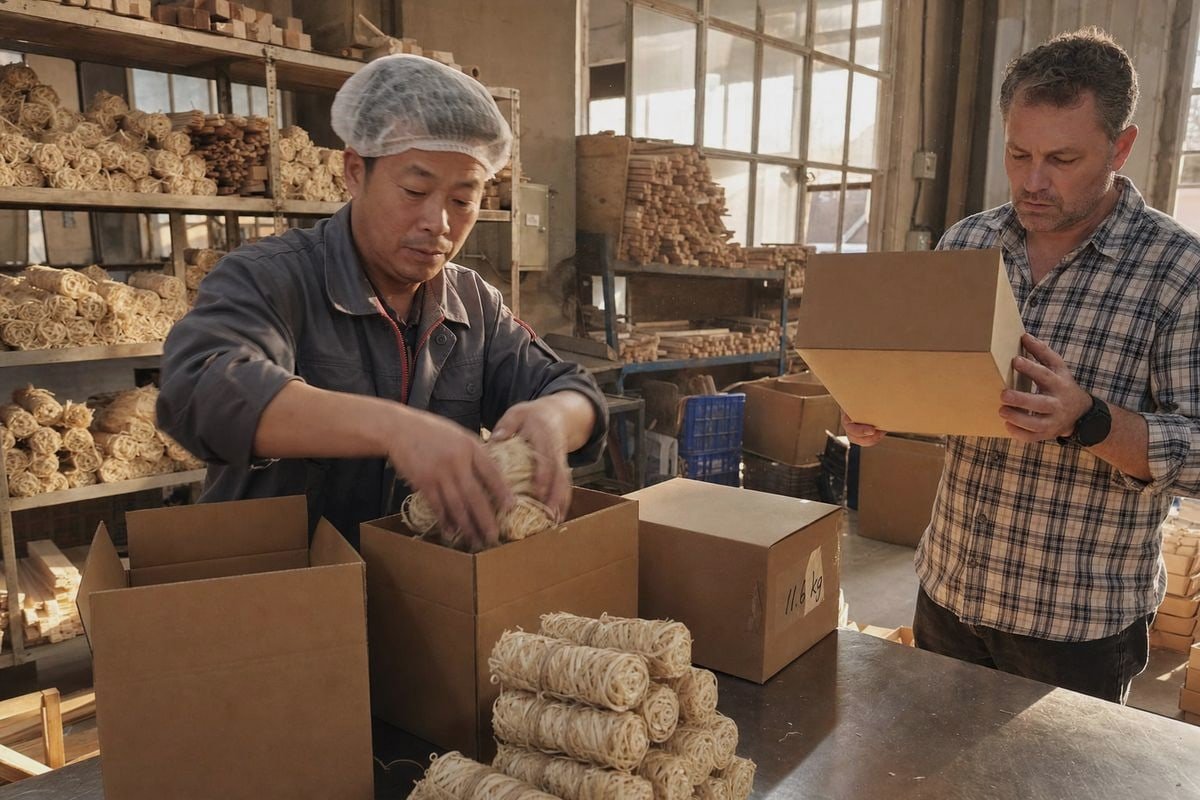
Iniciadores de fogo de madeira de marca própria parecem simples até que um comprador canadense pergunte quem é o "fabricante" legal Lei de Segurança de Produtos de Consumo 1. Em nossa linha de produção, essa pergunta surge antes que qualquer rótulo seja impresso.
Sim, na maioria dos casos. Sob a Lei de Segurança de Produtos de Consumo do Canadá (CCPSA), uma empresa que vende iniciadores de fogo de madeira de marca própria sob sua própria marca pode ser tratada como o fabricante, porque a Lei define "fabricar" amplamente para incluir embalagem, rotulagem, reembalagem e preparação de um produto para venda.
Essa resposta surpreende muitos importadores. Deixe-me guiá-lo pelo que isso significa na prática e como proteger sua marca antes que seu primeiro contêiner seja enviado.
O que o CPSA do Canadá realmente exige do "fabricante" de registro?
Um distribuidor canadense me disse uma vez que ele assumiu que nossa fábrica em Ningbo carregava toda a responsabilidade legal por seus iniciadores de fogo de marca. Tivemos que corrigi-lo — educadamente, mas claramente.
O CCPSA exige que o fabricante registado garanta que o produto não representa um perigo para a saúde ou segurança, mantenha registos de rastreabilidade que identifiquem fornecedores e clientes, comunique incidentes graves à Health Canada no prazo de dois dias e coopere com recolhas, ordens de teste e pedidos de documentação a qualquer momento.
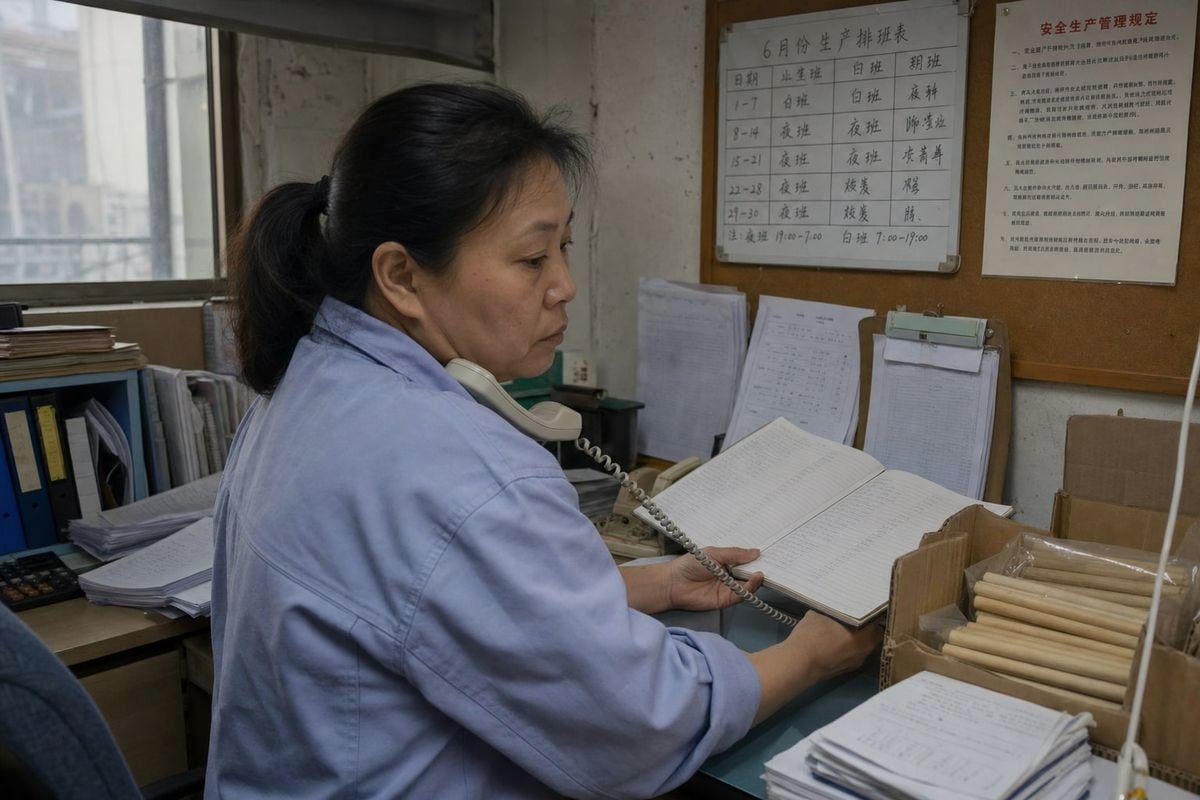
O cerne do CCPSA é uma proibição geral. Nenhum fabricante ou importador pode fabricar, importar, anunciar ou vender um produto de consumo que represente um perigo irrazoável à saúde ou segurança humana. Iniciadores de fogo de madeira claramente se qualificam como produtos de consumo. As pessoas os compram para lareiras, fogueiras e churrasqueiras — todos usos não comerciais, domésticos e recreativos. O Ato inclui até mesmo a própria embalagem na definição de produto de consumo.
Aqui está a parte que pega os vendedores de marca própria de surpresa. O CCPSA diz que "fabricar" inclui produzir, formular, reembalar e preparar. Não se limita a operar a linha de produção física. Uma estrutura federal separada, os Regulamentos de Produtos Perigosos 2, vai ainda mais longe — define um fabricante como um fornecedor que fabrica, produz, processa, embala ou rotula um produto e o vende. Saúde Canadá 3'a orientação de marca própria em outras categorias de produtos segue a mesma lógica: uma empresa que vende sob seu próprio nome pode ser o fabricante, mesmo quando as tarefas são realizadas por outros "em seu nome"."
Principais obrigações do CCPSA em resumo
| Obrigação | O que significa para uma marca de marca própria | Prazo |
|---|---|---|
| Proibição geral de segurança | Seus iniciadores de fogo de marca não devem apresentar um perigo irrazoável | Contínuo |
| Registros de rastreabilidade | Documente quem forneceu o produto e a quem você o vendeu | Reconhecer de acordo com o regulamento |
| Relatório de incidentes | Notifique o Health Canada sobre incidentes graves | Notificação inicial em 2 dias |
| Relatório detalhado de incidentes | Relatório escrito completo após a notificação | Dentro de 10 dias |
| Ordens de teste e informação | Forneça dados de teste ou documentos quando o Health Canada solicitar | Sob demanda |
| Cooperação de recall | Execute recalls se ordenado | Imediatamente |
A conclusão prática: a responsabilidade regulatória segue a marca, não a escritura da fábrica. Se o seu nome estiver na caixa, o Health Canada pode bater à sua porta.
Como Confirmo Se os Meus Iniciadores de Fogo a Lenha de Marca Própria Atendem à Conformidade CPSA Antes da Importação?
Antes de enviarmos qualquer pedido de rolo de madeira mergulhado em cera para o Canadá, nossa equipe de CQ executa a mesma lista de verificação pré-exportação que desenvolvemos ao longo de 17 anos de exportação de produtos de fogo para mais de 30 países.
Confirmar a conformidade revisando relatórios de teste de terceiros para a formulação exata, verificando se a rotulagem inclui composição e avisos precisos em inglês e francês, verificando a integridade da embalagem, documentando a rastreabilidade do fornecedor e realizando testes independentes de inflamabilidade e ignição em vez de confiar apenas em certificados de fábrica.
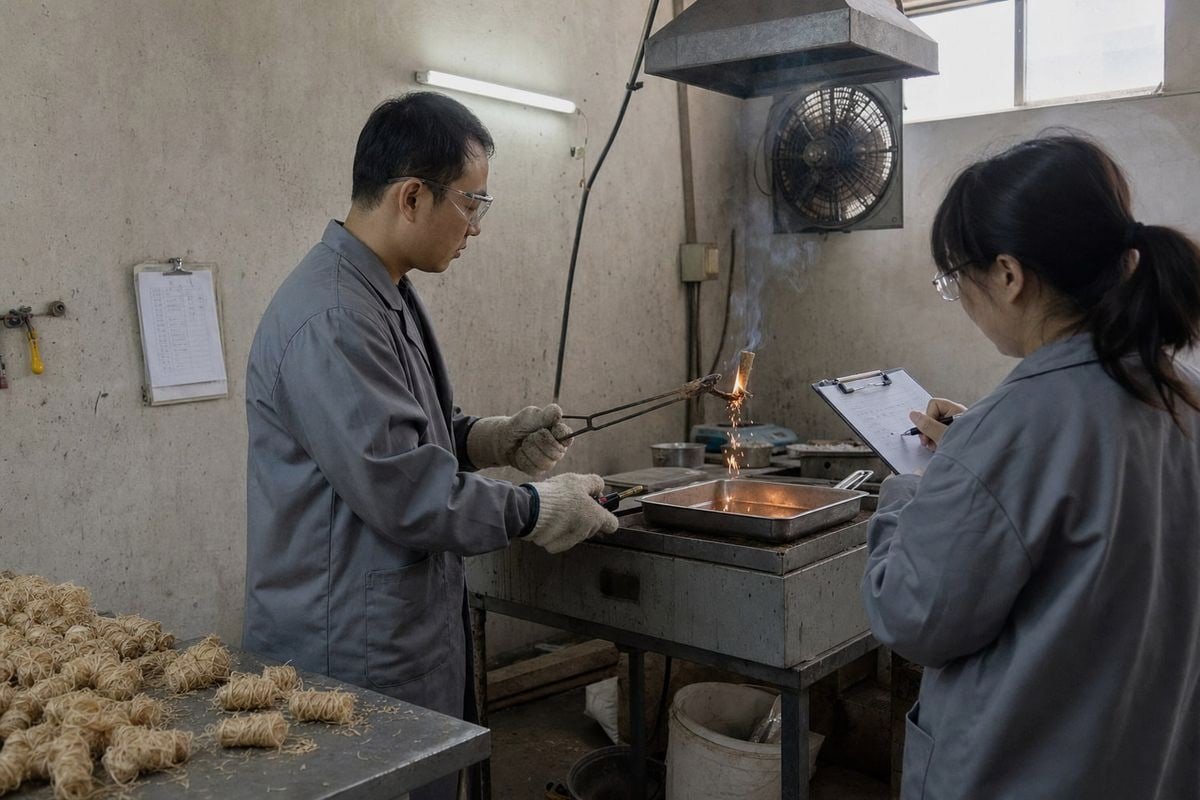
Iniciadores de fogo de madeira parecem de baixo risco, mas os detalhes importam. A maioria é feita de fibra de madeira ou palha de madeira combinada com cera de parafina 4 — muitas vezes uma mistura de 50/50. Essa composição afeta a velocidade de ignição, o tempo de queima e como o produto se comporta se uma criança o manusear. O Health Canada aumentou o escrutínio de bens para atividades ao ar livre e camping nos últimos anos, e produtos para iniciar fogo se enquadram diretamente nessa categoria.
Aqui está o processo que recomendo aos compradores, com base no que nossos pedidos canadenses em conformidade realmente passam:
- Trave a formulação primeiro. Se você solicitar uma alteração de aditivo de fragrância ou acelerante, o perfil de perigo do produto também pode mudar. Uma pequena alteração na formulação pode acionar questões de reclassificação sob SIMDUT 5 regras de perigo químico. Congele a receita antes de testar.
- Teste a versão exata da produção. Um relatório de teste em um produto semelhante não é um relatório sobre seu produto. Insista em testar a mesma proporção de cera, a mesma fibra de madeira, o mesmo tamanho.
- Use laboratórios credenciados por terceiros. Relatórios de órgãos como SGS 6 ou Intertek têm peso com compradores e reguladores canadenses. Auto-declarações de fornecedores não têm.
- Audite o rótulo. A divulgação da composição, declarações de advertência, requisitos bilíngues e reivindicações de tempo de queima verdadeiras precisam ser revisadas antes da impressão.
- Construa seu arquivo de rastreabilidade. Registre a fábrica, o lote de produção, as datas de envio e seus clientes downstream. O Health Canada pode solicitar isso a qualquer momento.
- Faça um pequeno pedido de teste. Um envio piloto permite que você verifique se a produção em massa corresponde à amostra aprovada antes de se comprometer com o volume total.
Lacunas comuns pré-importação que vemos
O ponto de falha mais frequente não é o produto — são os documentos. Os compradores aceitam um certificado genérico de uma empresa de comércio e, em seguida, descobrem que ele cobre um SKU diferente, um ciclo de teste expirado ou uma formulação que a fábrica alterou silenciosamente. Como operamos nossas próprias linhas de produção, vinculamos cada relatório de teste a uma receita de lote específica, para que a primeira amostra reflita genuinamente o que chega no contêiner.
Que Documentação Minha Fábrica Deve Fornecer Para Provar Responsabilidade Regulatória Sob a CPSA?
Uma lição que aprendemos no início da exportação: a confiança de um comprador aumenta ou diminui com o pacote de documentação, não com o discurso de vendas. Por isso, padronizamos o nosso há anos.
Sua fábrica deve fornecer relatórios de teste de terceiros específicos do lote, uma lista de materiais com porcentagens exatas de composição, certificação de gestão de qualidade como ISO 9001, auditorias de conformidade social como BSCI, registros de lote de produção, dados de segurança onde aplicável e acordos OEM escritos definindo o controle de rotulagem e especificações.

A documentação serve a dois propósitos sob o CCPSA. Primeiro, prova que o produto era seguro e em conformidade quando entrou no Canadá. Segundo, satisfaz o dever de rastreabilidade — você deve ser capaz de mostrar ao Health Canada de onde o produto veio e para onde foi. Um arquivo fraco significa respostas lentas durante uma investigação de incidente, e respostas lentas escalam o risco regulatório rapidamente.
Lembre-se do ponto legal chave: contratos com sua fábrica não transferem a responsabilidade do CCPSA para longe de você. A responsabilidade regulatória é intransferível. O que a documentação faz é permitir que você descarregue sua responsabilidade de forma credível. Há uma diferença real entre "confiamos no fornecedor" e "aqui está o registro do lote, o relatório de teste credenciado e o registro de controle de qualidade para esse envio exato"."
O Pacote de Documentação que Recomendamos
| Documento | Propósito | Quem o Emite | Sinal de Alerta Se Faltar |
|---|---|---|---|
| Relatório de teste de terceiros (SGS/Intertek 7 tipo) | Comprova o desempenho de inflamabilidade e segurança | Laboratório credenciado | Apenas autocertificação do fornecedor |
| Lista de materiais com composição | Confirma a proporção de cera/fibra de madeira e quaisquer aditivos | Fábrica | Alegações vagas de "materiais naturais" |
| ISO 9001 8 certificado | Mostra um sistema de qualidade funcional | Órgão certificador | Nenhum QMS |
| Auditoria BSCI ou equivalente | Verifica a produção ética | Órgão auditor | Recusa em divulgar o local da fábrica |
| Registros de produção do lote | Vincula seu envio a lotes de produção específicos | Fábrica | Não é possível rastrear o lote até a data |
| Aprovações de prova de rótulo | Confirma avisos, composição, texto bilíngue | Revisão da fábrica + sua | Rótulos impressos sem aprovação |
| Acordo OEM/ODM | Define controle de especificação e notificação de alteração | Ambas as partes | Nenhuma cláusula escrita de controle de alteração |
Mais uma nota prática. Insista em uma cláusula de notificação de alteração. Se a fábrica alterar o grau de parafina ou a fonte de fibra de madeira, você precisa saber antes da produção, pois seus relatórios de teste podem não corresponder mais à realidade. Em nossas instalações, as alterações de formulação exigem aprovação do comprador por escrito — isso protege ambos os lados.
O Meu Fabricante no Exterior Pode Lidar com Rotulagem Privada Mantendo a Conformidade com a Lei Canadense de Segurança?
Uma gerente de compras de Ontário me perguntou uma vez se encomendar acendedores de fogo em sua própria caixa de varejo criaria uma exposição legal que seu modelo de importação genérica evitava. Era uma pergunta justa — e a resposta honesta tem duas partes.
Sim, uma fábrica experiente no exterior pode executar rotulagem privada em conformidade — caixas personalizadas, rótulos de aviso, texto bilíngue, códigos de barras e rastreabilidade de lote — mas a rotulagem faz de você o proprietário da marca, portanto, o papel da fábrica é permitir sua conformidade, não substituir sua responsabilidade legal sob o CCPSA.
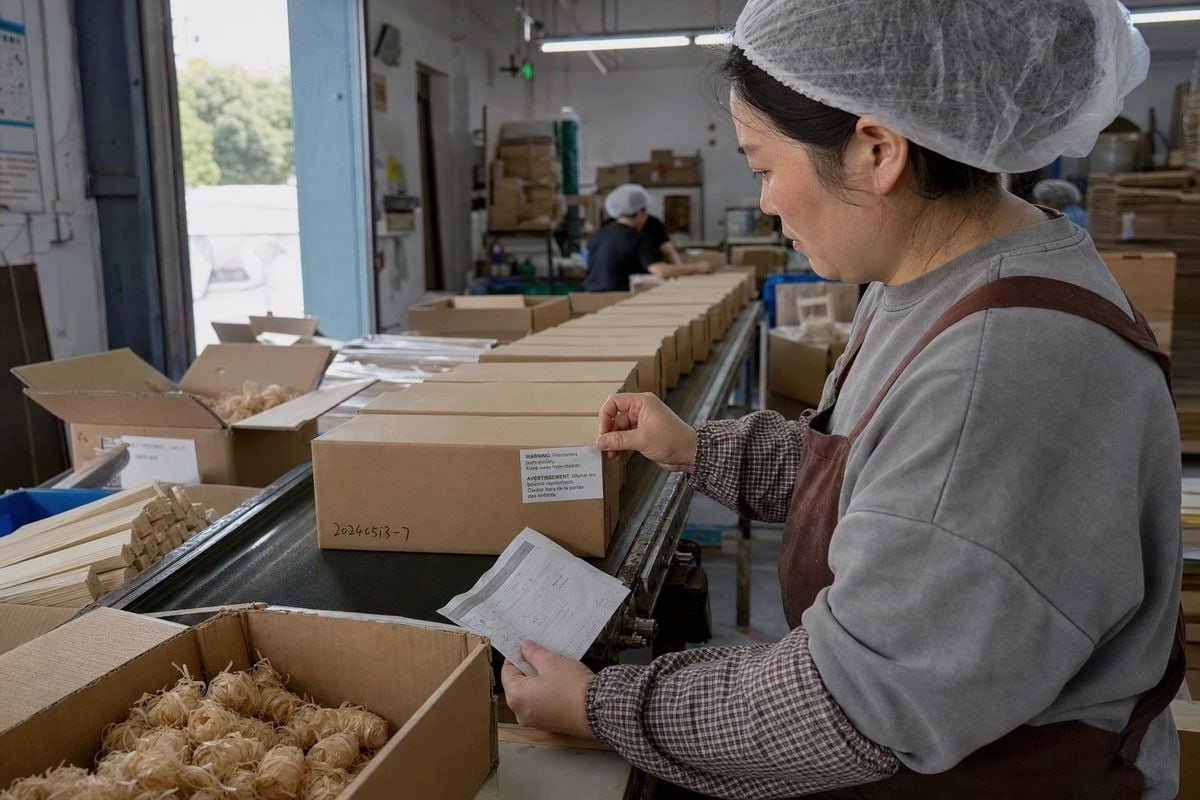
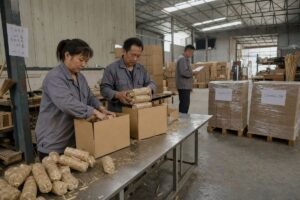
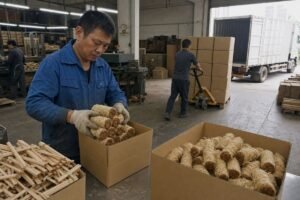
A divisão do trabalho aqui importa mais do que a maioria dos compradores percebe. Um parceiro OEM capaz cuida do lado operacional da conformidade: impressão de declarações de composição precisas, aplicação de linguagem de aviso correta, estruturação de embalagens à prova de crianças ou invioláveis onde necessário e manutenção de códigos de lote consistentes da linha de produção à caixa. Nosso serviço OEM completo cobre tudo isso — tamanhos personalizados, tempos de queima, embalagens de exibição, rótulos de aviso e códigos de barras — porque os compradores canadenses e da UE exigem produtos prontos para prateleira, não produtos brutos que eles precisam retrabalhar.
Mas o lado regulatório permanece com você. Assim que sua marca for colocada na caixa, o Health Canada o considera a parte que preparou e vendeu o produto em seu nome. A lógica de "em nome deles" se aplica: a fábrica age em seu nome, e a responsabilidade recai sobre você.
Quem Faz o Quê em um Arranjo de Marca Própria em Conformidade
| Tarefa | Fábrica (Parceiro OEM) | Proprietário da Marca Própria |
|---|---|---|
| Produção física e QC | ✔ Principal | Verificar por meio de amostras e auditorias |
| Documentação da formulação | ✔ Fornece | Revisa e aprova |
| Testes de terceiros | Organiza ou apoia | Encomenda e possui relatórios |
| Design de rótulos e avisos | Imprime conforme especificação | Legalmente responsável pelo conteúdo |
| Texto bilíngue (EN/FR) | Executa | Confirma a precisão |
| Registros de rastreabilidade | Registros de lote | Arquivo completo da cadeia de suprimentos |
| Relatórios de incidentes para a Health Canada | Apoia com dados | ✔ Legalmente obrigado |
| Execução de recall | Auxilia | ✔ Lidera e assume a responsabilidade |
A pergunta certa a fazer a uma fábrica não é "você assumirá a responsabilidade?" — nenhuma fábrica honesta pode. A pergunta certa é "você pode me dar tudo o que preciso para assumir minha responsabilidade com confiança?" Isso significa relatórios de teste vinculados a lotes, consistência rigorosa de lote para lote para que a produção em massa corresponda à amostra aprovada, comunicação responsiva em inglês quando a Health Canada fizer perguntas e MOQ's de teste flexíveis para que você possa validar toda a cadeia antes de escalar. Essa é a diferença entre um fornecedor de baixo preço e um parceiro de fabricação de longo prazo.
Conclusão
Iniciadores de fogo a lenha de marca própria colocam sua marca — e sua responsabilidade CCPSA — na caixa. O risco é real, mas gerenciável com o parceiro certo.
O problema é simples: muitos importadores assumem que a fábrica carrega o peso legal. O perigo é que a Health Canada discorde, e quando um relatório de incidente for devido, será tarde demais para construir um arquivo de conformidade. A solução é agir como o fabricante registrado desde o primeiro dia — exigir testes de terceiros específicos por lote, verificar cada rótulo, construir registros de rastreabilidade e trabalhar com uma fábrica que entregue a documentação com a mesma confiabilidade com que entrega o produto. Após mais de 17 anos enviando produtos de ignição em conformidade para o Canadá e mais de 30 outros mercados, vimos que as marcas que investem em conformidade antecipadamente gastam muito menos consertando problemas depois. Se o seu nome vai na chama, certifique-se de que sua papelada possa ficar ao lado dela.
Notas de rodapé
Estatuto oficial canadense definindo as obrigações do fabricante discutidas ao longo do artigo. ↩︎
Regulamento federal citado definindo as responsabilidades do fabricante para embalagem e rotulagem. ↩︎
Regulador principal referenciado para relatórios de incidentes e fiscalização de recalls. ↩︎
Informações sobre a composição do material usado nas formulações de iniciadores de fogo a lenha. ↩︎
Informações sobre o sistema canadense de classificação de perigos químicos mencionado em relação a mudanças de formulação. ↩︎
Laboratório de testes credenciado por terceiros referenciado como uma fonte confiável de verificação de conformidade. ↩︎
Organização de testes credenciada citada para verificação independente de inflamabilidade e segurança. ↩︎
Padrão internacional de gerenciamento de qualidade referenciado como certificação de fábrica exigida. ↩︎

 English
  Spanish
  German
  French
  Arabic
  Portuguese
Participe da conversa