







Toda semana, compradores nos perguntam sobre cotações de acendedores de fogo a lenha — e a maioria os precifica ao contrário impostos de importação 1. Eles começam do nosso número, não da prateleira deles. É aí que as margens morrem silenciosamente.
Para engenharia reversa de cotações de acendedores de fogo de madeira, comece com seu preço de varejo alvo, subtraia a margem do varejista, as taxas do canal e os custos de chegada, em seguida, trabalhe para trás até um preço máximo de fábrica permitido usando Preço de Venda = Custo Total ÷ (1 − Margem Alvo). Compare as cotações dos fornecedores com esse teto, não entre si.
Este artigo detalha o método completo. Vou detalhar os fatores de custo, a matemática da margem, os custos ocultos e a comparação de cotações — passo a passo, com números reais.
Quais Fatores de Custo Devo Detalhar em um Orçamento de Acendedor de Fogo a Lenha Antes de Definir Meu Preço de Varejo?
Um distribuidor alemão me disse uma vez que nossa cotação parecia "cara" — até que a detalhamos linha por linha. Nossa fábrica em Ningbo constrói cotações a partir de insumos reais, então pudemos mostrar a ele exatamente para onde cada centavo foi.
Divida uma cotação de iniciador de fogo de madeira em materiais diretos (lã de madeira, cera, barbante), mão de obra direta, embalagem, custos indiretos de fabricação, custos de conformidade e frete interno. Em seguida, adicione frete marítimo, impostos e fulfillment para chegar ao seu custo real de chegada — o único número em que seu preço de varejo deve ser construído.
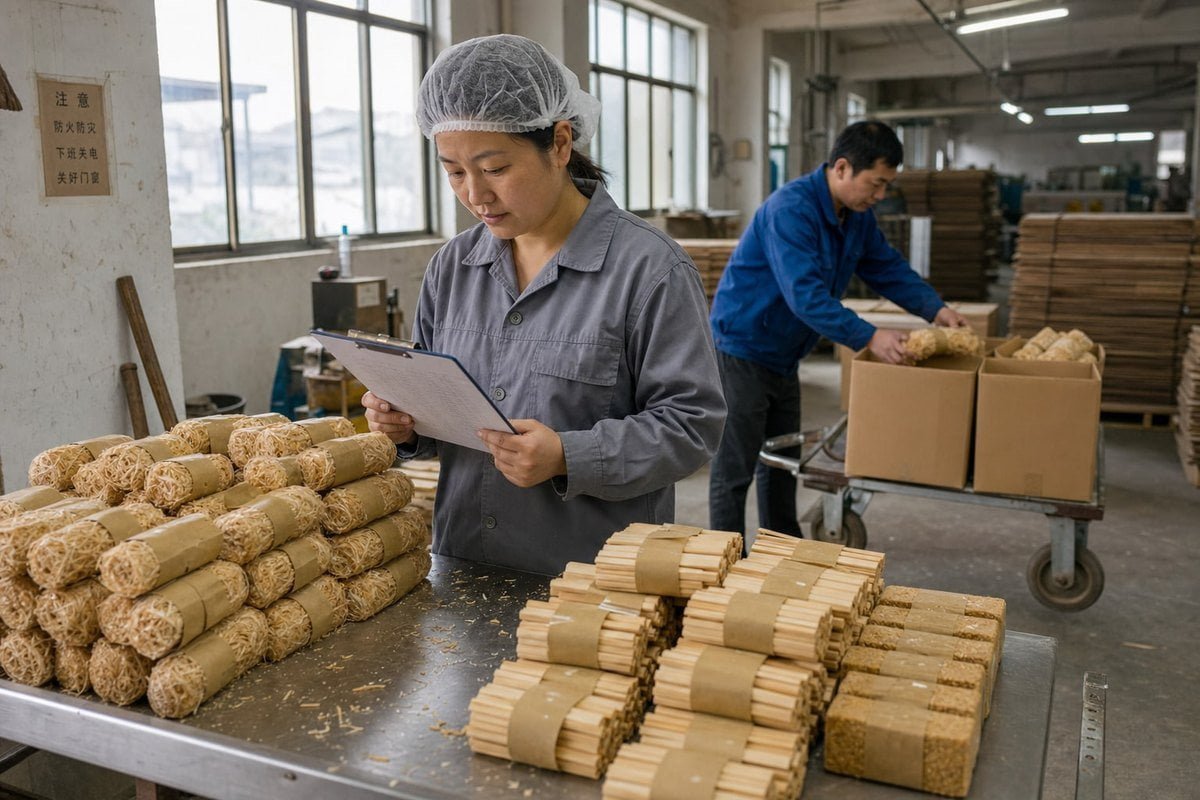
Uma cotação não é um número. É uma pilha de números. Se você não consegue ver a pilha, não consegue julgar a cotação — ou precificar sua prateleira de varejo com confiança.
A Anatomia de uma Cotação Real de Fábrica
Após mais de 17 anos gerenciando linhas de produção de rolos de madeira embebidos em cera, sabemos onde os custos realmente se situam. Aqui está uma estrutura típica para uma cotação de acendedor de fogo de marca própria:
| Componente de Custo | Participação Típica do Preço Ex-Works | O Que o Impulsiona |
|---|---|---|
| Matérias-primas (lã de madeira ecológica, cera, barbante) | 30–40% | Tipo de cera, densidade do rolo, controle de umidade |
| Mão de obra direta | 15–20% | Enrolamento, imersão, CQ, embalagem |
| Embalagem (caixa de varejo, bandeja interna, rótulos) | 10–18% | Impressão personalizada, design pronto para exibição |
| Custos indiretos da fábrica | 10–15% | Energia para secagem, depreciação de equipamentos |
| Alocação de conformidade e testes | 3–6% | Relatórios SGS/Intertek, CQ de lote |
| Margem e administração | 10–15% | Sustentabilidade da fábrica, não ganância |
Note algo importante. Os materiais representam menos da metade do custo. É por isso que o atalho "custo do material × 3" que você vê em fóruns de marcenaria falha para produtos de varejo. Ele ignora o trabalho onerado — a configuração de derretimento da cera, o tempero da madeira e o tempo de limpeza que a produção real exige.
De Ex-Works a Custo de Chegada
Seu custo dos produtos vendidos 2 não para no portão da fábrica. Você deve adicionar frete interno para o porto, frete marítimo 3, impostos de importação, manuseio no porto e entrega ao seu armazém. Para um produto leve, mas volumoso, como acendedores de fogo de madeira, o frete é impulsionado pelo volume, não pelo peso. As dimensões da caixa importam mais do que os quilogramas. Frequentemente, redesenhamos a densidade da embalagem para compradores especificamente para reduzir os metros cúbicos por contêiner — às vezes, isso economiza mais do que qualquer negociação de preço unitário.
Somente quando você tiver esse número completo de chegada você deve sequer olhar para um preço de varejo.
Como Calcular a Margem Certa ao Preço de Iniciadores de Fogo de Marca Própria para o Meu Mercado?
Uma lição que aprendemos cedo ao apoiar programas de fabricação de marca própria: compradores que confundem margem com markup quase sempre subestimam. As duas palavras soam semelhantes. A matemática é muito diferente.
Use precificação baseada em margem: Preço de Venda = Custo de Chegada ÷ (1 − Margem Alvo). Para uma margem de lucro bruto de 50% sobre um custo de chegada de R$6,50, precifique em R$13,00, não R$9,75. Markup adiciona uma porcentagem ao custo; margem mede o lucro como uma parcela do preço de venda.

Deixe-me tornar a diferença concreta, porque essa única confusão custa dinheiro real aos importadores a cada temporada.
Margem vs. Markup: Os Números
| Método | Fórmula | Exemplo de Custo de Chegada de R$ 6,50 | Margem Bruta Real |
|---|---|---|---|
| Markup de 50% | Custo × 1,50 | $9.75 | 33.3% |
| Margem de 50% | Custo ÷ 0,50 | $13.00 | 50% |
| Precificação Keystone | Custo × 2,00 | $13.00 | 50% |
Um markup de 50% entrega apenas uma margem de lucro bruta de 33% margem de lucro bruta 4. Se o seu modelo de negócios pressupõe uma margem de 50% para cobrir marketing, devoluções e folha de pagamento, você é estruturalmente não lucrativo desde o primeiro dia — e nenhum volume resolverá isso.
Trabalhando de Trás para Frente a Partir da Prateleira
Agora inverta a direção. Digamos que a análise comparativa competitiva mostre que um MSRP de R$ 12,99 funciona para o posicionamento de preço do seu mercado. Com uma margem alvo de 50%, seu custo de chegada máximo permitido é:
R$ 12,99 × (1 − 0,50) = R$ 6,50 por pacote
Se você vende em um marketplace com taxas de 15%, apenas $11.04 desse MSRP chega até você. Seu custo permitido cai para $5.52. Esta é a disciplina de engenharia reversa: a prateleira define o teto, e a matemática diz qual deve ser qualquer cotação de fornecedor para se encaixar abaixo dela.
Escolhendo Sua Margem Alvo
Sua porcentagem de markup de varejo deve refletir o posicionamento. Uma parafina commodity compete por preço e gira rápido. Um iniciador premium de lã de madeira ecológico com embalagem de rótulo limpo pode suportar uma margem maior com menor volume. Produzimos ambos os formatos, e as estruturas de custo genuinamente diferem — compradores que quantificam o "eco-premium" que sua demografia aceita podem frequentemente capturar um dólar ou dois extras de margem por pacote.
Quais Custos Ocultos Como Testes de Conformidade e Embalagem Devo Considerar no Meu Custo de Chegada?
Anos atrás, um comprador do Reino Unido mudou-se para nós depois que o envio de um fornecedor mais barato foi retido por falta de documentação de teste. As "economias" evaporaram em taxas de armazenamento. Essa experiência moldou como construímos a conformidade em cada cotação — ISO 9001, BSCI, CE e relatórios SGS/Intertek são itens de linha que planejamos, não surpresas.
Custos ocultos incluem testes de conformidade e certificação, rótulos de advertência e códigos de barras, embalagens prontas para varejo, energia de secagem para controle de umidade, inspeções de qualidade, corretagem aduaneira, seguro, armazenamento e taxas de atendimento do marketplace. Juntos, estes adicionam comumente 15-30% ao orçamento da cotação de fábrica — orçamente-os antes de definir o preço.
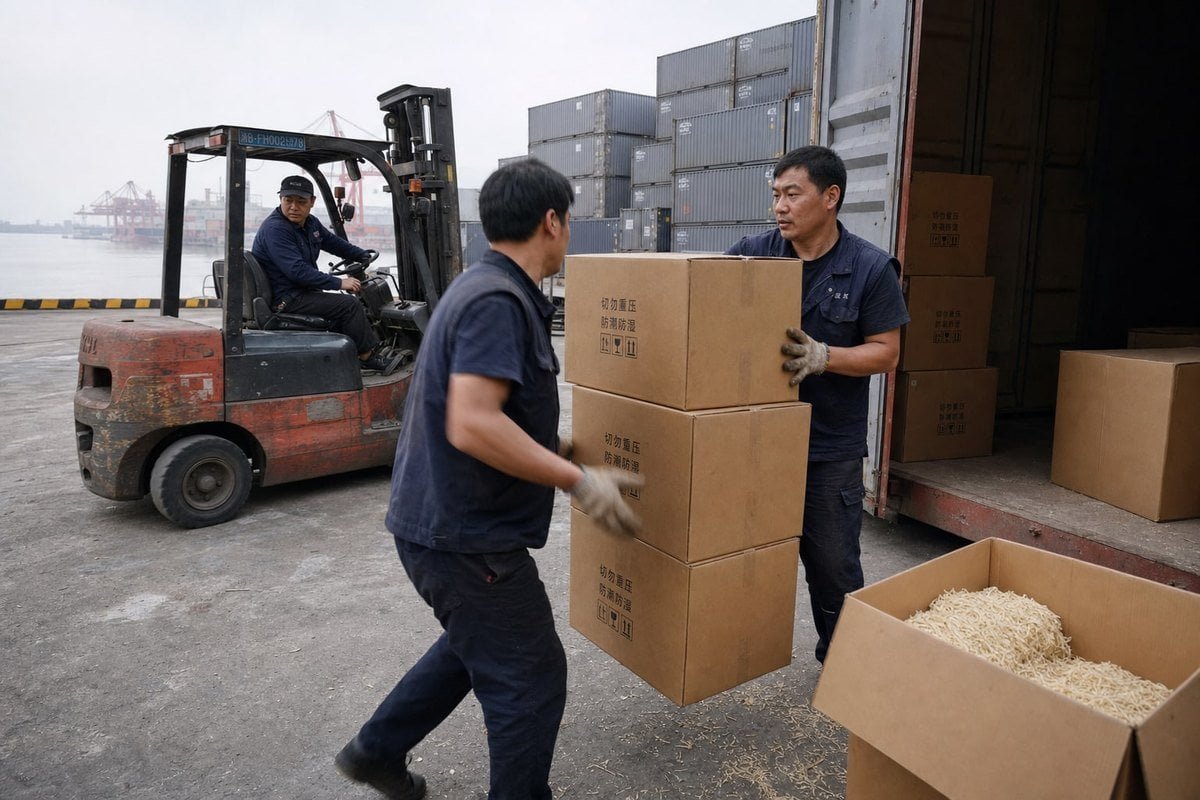
A maioria dos compradores acerta os grandes números. São os custos pequenos e dispersos que corroem a margem sem serem notados. Veja como recomendo auditá-los.
Um Checklist de Custos Ocultos
- Testes de conformidade. Produtos de fogo que entram nos EUA e na UE precisam de relatórios de teste credíveis. Se o seu fornecedor não tiver documentação SGS ou Intertek atual, você pagará pelos testes — ou pagará muito mais quando a alfândega fizer perguntas.
- Requisitos de rotulagem. Etiquetas de advertência, declarações de composição (fibra de madeira, tipo de cera), país de origem 5, e códigos de barras. Redesenhar a embalagem após uma revisão de conformidade é caro; projetá-la corretamente da primeira vez não é.
- Embalagem pronta para varejo. Uma caixa de exibição de prateleira custa mais do que uma caixa marrom simples. Mas também garante espaço na prateleira. Construímos embalagens de exibição personalizadas em cotações OEM para que este custo seja visível antecipadamente, em vez de descoberto mais tarde.
- Umidade e energia de secagem. A lã de madeira deve estar seca para inflamar de forma confiável. A secagem adequada consome energia, e essa despesa está incluída em cotações honestas. Cotações suspeitosamente baratas frequentemente pulam esta etapa — e o produto falha em acender.
- Custos de envio e fulfillment. Mercadorias volumosas e leves são cobradas por volume. Adicione corretagem alfandegária, seguro e taxas de recebimento de armazém.
- Controle de qualidade. A inspeção pré-embarque é um seguro barato. Verificações de consistência lote a lote são como a primeira amostra permanece representativa do contêiner dez.
Construção de Custo de Amostra Aterrissada
| Item de Linha | Custo por Pacote (Exemplo) |
|---|---|
| Cotação de fábrica ex-works | $3.20 |
| Frete marítimo + transporte terrestre | $0.55 |
| Impostos e corretagem alfandegária | $0.30 |
| Alocação de conformidade/testes | $0.12 |
| Recebimento de armazém + armazenamento | $0.18 |
| Fulfillment para o canal | $0.45 |
| Custo total real | $4.80 |
Uma cotação de $3.20 se torna um custo real de $4.80. Preço de $3.20 e sua margem de lucro bruta existem apenas no papel.
Como Posso Comparar Cotações de Fornecedores para Garantir que Estou Prestando Preços Competitivos Sem Sacrificar a Qualidade?
Sempre que um comprador me mostra a cotação de um concorrente que é 30% inferior à nossa, eu faço uma pergunta: especifica a densidade do rolo e o teor de cera? Nove em cada dez vezes, não especifica — e esse silêncio é o desconto.
Compare cotações numa base de comparação direta: normalize para densidade do material, tipo de cera, tempo de queima, certificações, especificação de embalagem e MOQ. Calcule o custo por início de fogo bem-sucedido, não o custo por unidade. Em seguida, teste cada cotação em relação ao seu custo máximo permitido de engenharia reversa e preços de prateleira dos concorrentes.

As cotações só são comparáveis quando as especificações são idênticas. Aqui está uma estrutura prática para torná-las assim.
Normalize Antes de Comparar
Faça uma auditoria simples de densidade de material. Pese unidades de amostra, verifique a cobertura de cera e cronometre a queima. Um iniciador que queima oito minutos e um que queima três são produtos diferentes, mesmo que pareçam iguais em fotos. Cotações baratas frequentemente escondem menor densidade da lã de madeira 6 ou mergulho de cera reduzido — o que significa mais falhas de ignição e mais devoluções. Custo por ignição, não custo por unidade, é a métrica que corresponde a como seu cliente experimenta o valor.
O Scorecard de Comparação
| Fator | Fornecedor A | Fornecedor B | Por que é importante |
|---|---|---|---|
| Cotação da unidade (ex-works) | Verificação | Verificação | Ponto de partida apenas |
| Certificações (ISO, BSCI, CE, relatórios de teste) | Verifique os documentos | Verifique os documentos | Requisitos alfandegários e do varejista |
| Tempo de queima por unidade | Teste amostras | Teste amostras | Custo por ignição |
| Especificação de embalagem incluída? | Sim/Não | Sim/Não | Custos adicionais ocultos |
| Flexibilidade de MOQ para pedidos de teste | Pergunte | Pergunte | Controle de risco de aquisição em massa |
| Consistência da amostra para produção em massa | Verificações de referência | Verificações de referência | Deriva de qualidade do lote |
| Confiabilidade do prazo de entrega | Histórico | Histórico | Faltas sazonais de estoque |
Compare com o mercado, não apenas com os fornecedores
Verifique as prateleiras de grandes redes, supermercados e mercados online. Observe onde ficam os produtos de chamariz e onde se concentram os produtos naturais premium. Seu custo unitário no atacado deve deixar espaço para a margem do varejista margem chave 7 e ainda se enquadrar na faixa de preço que seu posicionamento visa. Considere também a sazonalidade: os picos de inverno elevam tanto os custos de frete quanto a disposição a pagar, portanto, bloqueie cotações e slots de produção antes do pico — reservamos a capacidade do quarto trimestre com meses de antecedência exatamente por esse motivo.
Se uma cotação se encaixar abaixo do seu custo máximo permitido, passar pela auditoria de especificações e vier com documentos de conformidade verificáveis, você tem um parceiro real — não apenas um número baixo.
Conclusão
A engenharia reversa de cotações de iniciadores de fogo de madeira significa começar com seu MSRP, subtrair margens e custos ocultos, e testar cada número de fornecedor contra esse teto. Preço de trás para frente a partir da prateleira — e as margens param de ser acidentais.
Notas de rodapé
Recurso oficial do governo dos EUA explicando impostos e tarifas de importação. ↩︎
Entrada autoritária da Wikipedia definindo COGS para contabilidade de negócios. ↩︎
Entrada da Wikipedia explicando o frete marítimo, um componente importante dos custos de chegada para bens importados volumosos. ↩︎
Definição confiável da Wikipedia de margem bruta de lucro e cálculo. ↩︎
Orientação oficial do governo sobre a determinação do país de origem para o comércio. ↩︎
Entrada da Wikipedia para palha de madeira, explicando

 English
  Spanish
  German
  French
  Arabic
  Portuguese
Participe da conversa